



 本文详细介绍了Hive中的五种JOIN操作:INNER JOIN、LEFT JOIN、RIGHT JOIN、FULL JOIN和LEFT SEMI JOIN,包括它们的概念、示例和应用场景。重点解释了LEFT SEMI JOIN的特性和效率优势,并提供了交集、并集和差集的处理方法。
1. 常见的四种join的区别
常见的join主要有下面四种,join,outer join, semi join和inner join,下面对这四个join的关系进行说明
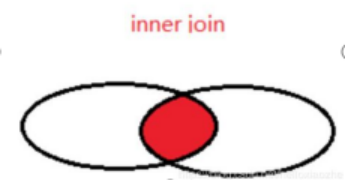
(1.1)join等价于inner join,也就是只会将两表都存在的join在一起
(1.2)outer join分为:
left outer join(等价于left join),right outer join(right join)和full outer join(full join)
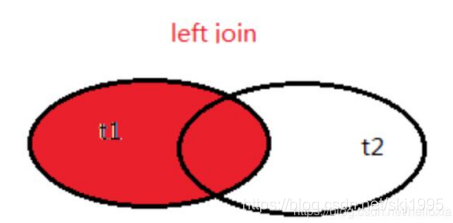
Left join是以左表为基准,右表不存在的key均赋值为null
Right join是以右表为基准,左表不存在的key均赋值为null
Full join是取出现在左右两表的key的并集,某张表里面不存在的key赋值为null
(1.3)semi join:semi join只有left semi join,不存在semi join 和 right semi join
left semi join跟join的逻辑是一样的,但是有着三点不同
综上所述:join语句其实只有五种:join(inner join)、left join(left outer join)、right join(right outer join)、full join(full outer join)、left semi join
2. 对于各种join的使用举例
我们假设有表tab1和tab2:
tab1: tab2:
stuNo1 stuName1 stuNo2 stuName2
1 a 1 x
2 b 1 y
3 c 2 z
(2.1)join(inner join)就是取交集的关系
select  tab1.stuNo1, tab1.stuName1, tab2.stuNo2,tab2.stuName2
from(
select * from tab1
) t1
join
(
select * from tab2
) t2
on t1.stuNo1 = t2.stuN02
结果如下:
stuNo1 stuName1 stuNo2 stuName2
1 a 1 x
1 a 1 y
2 b 2 z
如果没有on,那么就会进行笛卡尔积操作,比如tab1有m行,tab2有n行,那么join之后的结果就会有m*n行。
(2.2)left join
两表关联,左表的key全部保留,右表关联不上的赋值null
select  tab1.stuNo1, tab1.stuName1, tab2.stuNo2,tab2.stuName2
from(
select * from tab1
) t1
left join
(
select * from tab2
) t2
on t1.stuNo1 = t2.stuN02
结果如下:
stuNo1 stuName1 stuNo2 stuName2
1 a 1 x
1 a 1 y
2 b 2 z
3 c null null
(2.3)right join同理,不再赘述
(2.4)full join
全表关联,即是左外连接和右外连接结果集合求并集 ,左右表均可赋值为null。当前例子下跟left join的结果相同。

如果full join不加on过滤条件,计算结果也是笛卡尔积。
(2.5)left semi join
逻辑跟join一样,只join左右表中同时出现的key。跟join的不同有三点:
(2.5.1)比join高效,因为对于右表中重复出现的行只遍历一次
(2.5.2)最后 select 的结果只许出现左表的那些列
(2.5.3)JOIN 子句中右边的表只能在 ON 子句中设置过滤条件,在 WHERE 子句、SELECT 子句或其他地方过滤都不行。举例如下:
SELECT * FROM table1 LEFT SEMI JOIN table2 on ( table1.student_no =table2.student_no) where table2.student_no>3上面这样会报错,应该写成:
SELECT * FROM table1 LEFT SEMI JOIN table2 on ( table1.student_no =table2.student_no and table2.student_no>3)(2.6)其他常用方法
(2.6.1)交集去并集

select * from table1 full outer join table2 on table1.student_no=table2.student_no where table1.student_no is null or table2.student_no is null(2.6.2)左表独有
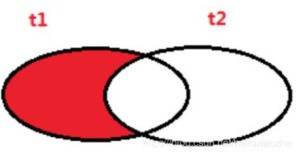
select * from table1 left outer join table2 on table1.student_no=table2.student_no where table2.student_no is null参考链接:
Hive中HSQL中left semi join和INNER JOIN、LEFT JOIN、RIGHT JOIN、FULL JOIN区别 - 程序员大本营


 扫一扫
扫一扫


 1万+
1万+

 被折叠的 条评论
为什么被折叠?
被折叠的 条评论
为什么被折叠?
 到【灌水乐园】发言


