Caprimulgidae
The Key to Scientific Names
Legend Overview
Caprimulgidae Nightjars and Allies
Version: 1.0 — Published March 4, 2020
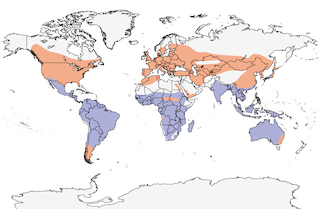
- Year-round
- Breeding
- Non-breeding
Full content is available exclusively to Birds of the World subscribers. Sign in Learn more
Introduction
Caprimulgids are perhaps best known for their distinctive calls that punctuate the night. Their nocturnal habits, cryptic plumage, and often-camouflaged eggs leave much unknown about the breeding habits or conservation status of many species. Nightjars and nighthawks find their prey of nocturnal insects by sight even in the dimmest of light levels. Sight clearly plays an important role in mate-finding, too, as sexual selection in these birds of the night has led to a diversity of visual signals, including long tail plumes or rackets from wing feathers in males. Their enormous mouths and jarring calls have earned them the common names of goatsuckers and nightjars.