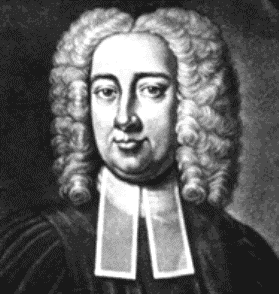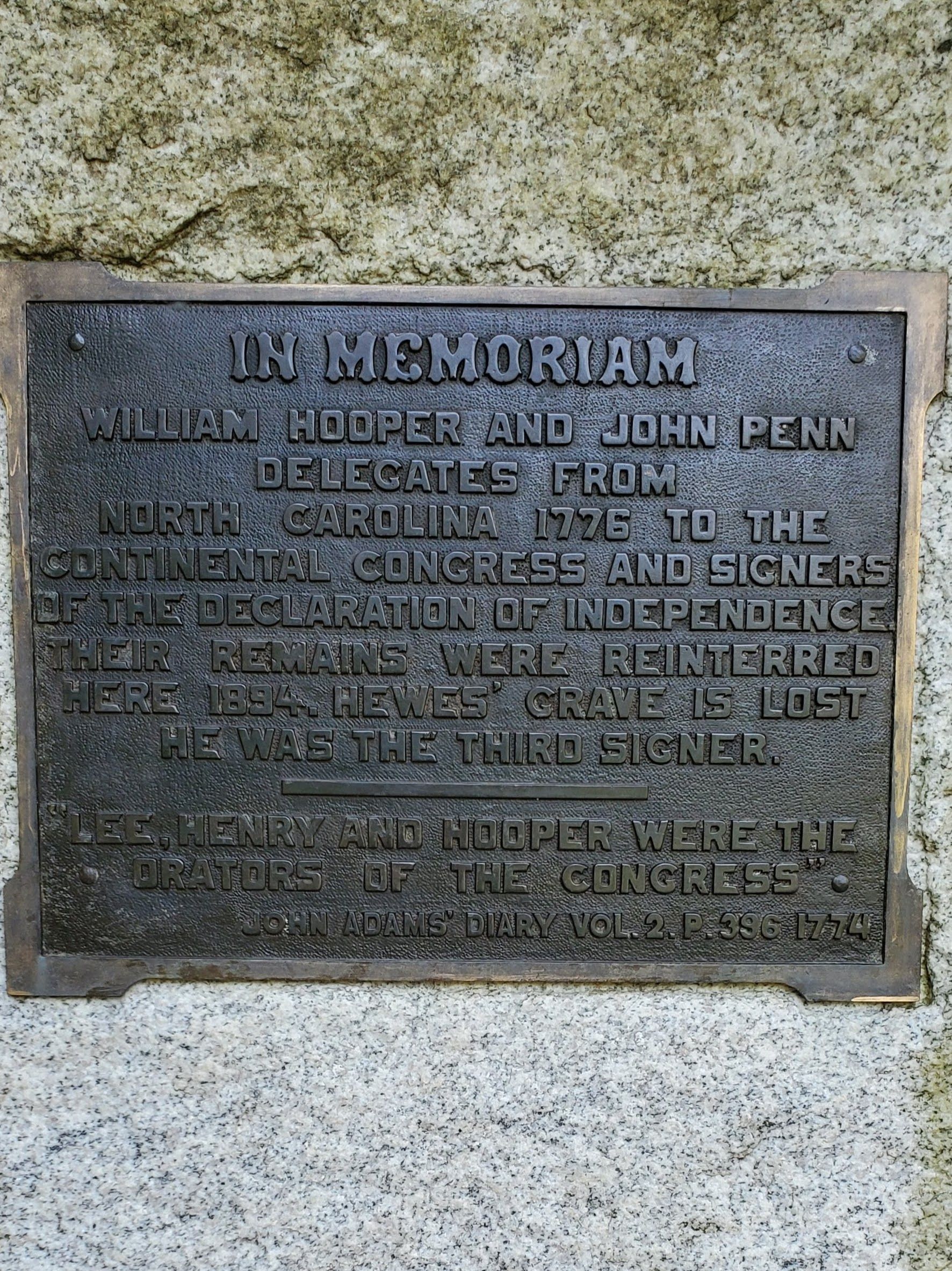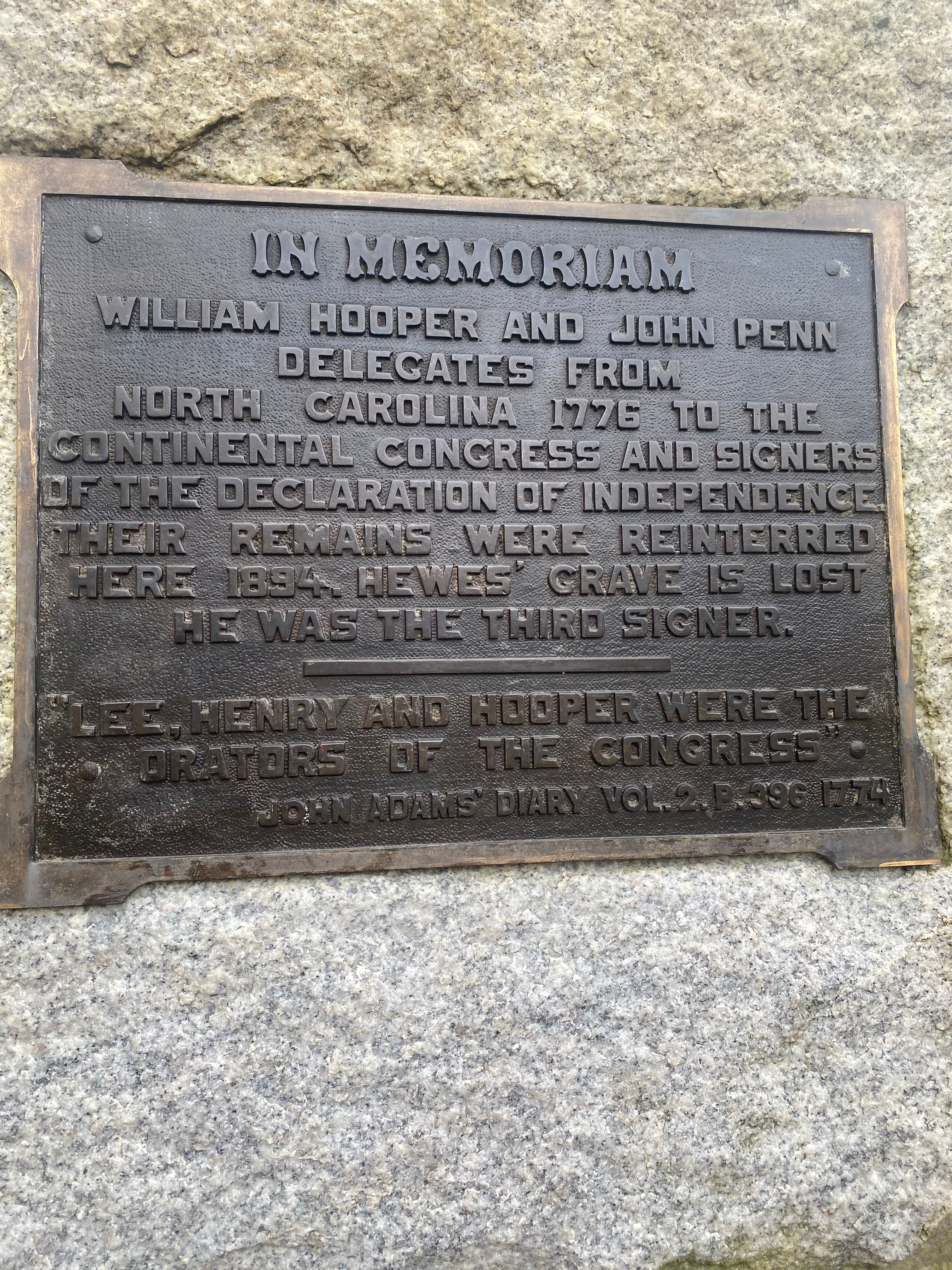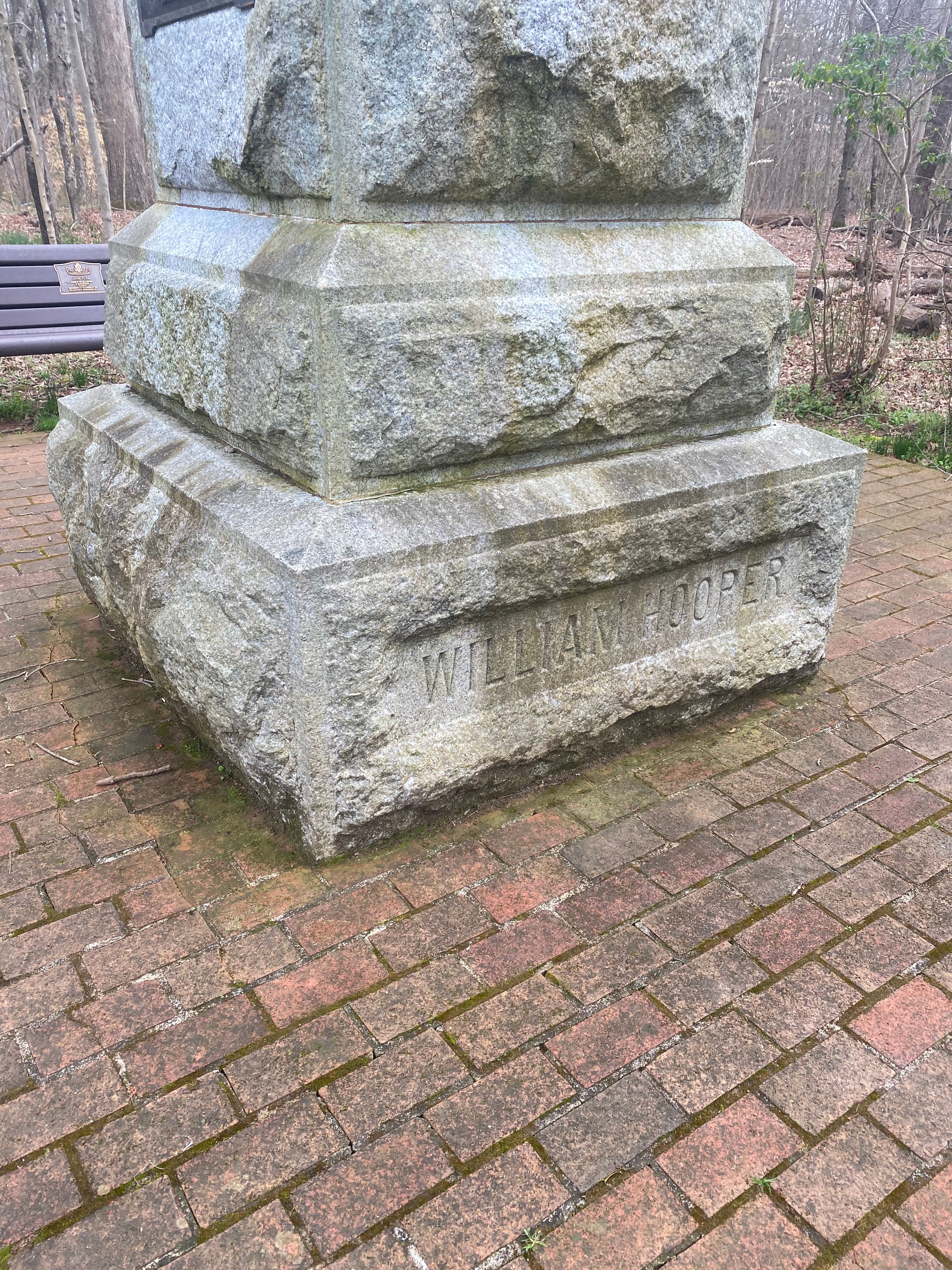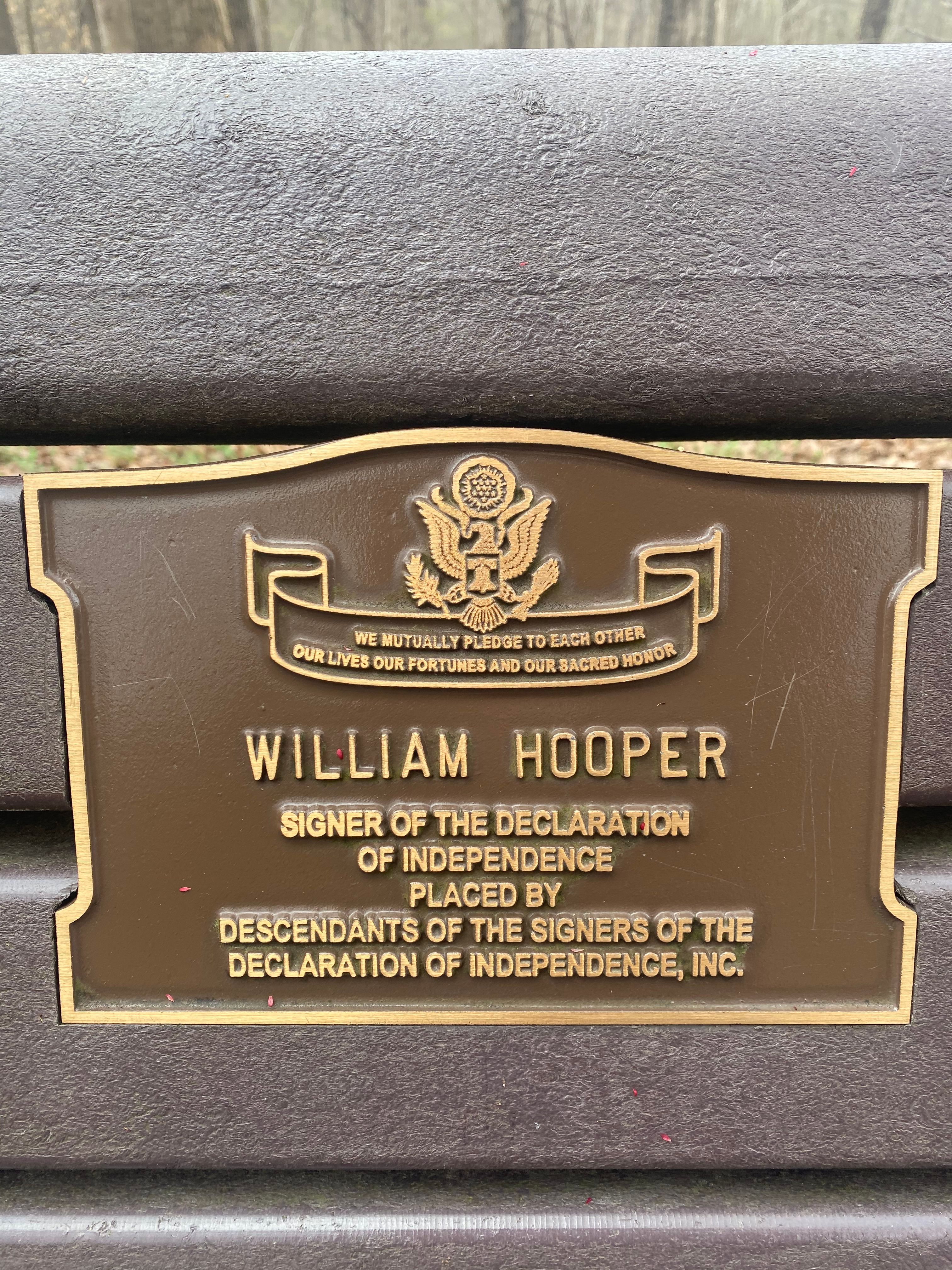
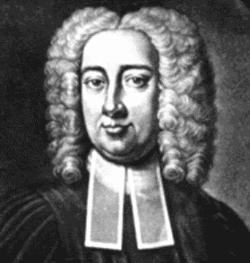
Declaration of Independence Signer. Born in Boston, Massachusetts, the son of a minister. His father wanted him to become a minister like himself, but young William wanted to study law. He graduated from Harvard University at age 18, then studied law under the tutelage of James Otis, a strongly patriotic lawyer, who probably influenced his political opinions. After completing his law studies, in 1764, William moved to Wilmington, North Carolina, where he set up a legal practice, as Boston had too many lawyers. He quickly became one of North Carolina's leading attorneys. When he was 25, he married Anne Clark of Wilmington, and they had a daughter and two sons. In 1773, he was elected to the North Carolina colonial legislature and quickly became noted as a spokesman for American rights. In 1774, he was elected to the First Continental Congress and remained in Congress in Philadelphia until 1777, when he returned to North Carolina. His patriotism earned him much trouble, for many North Carolinians were loyal to Britain. When the British Army invaded North Carolina, his home was burned to the ground, and he had to flee into the back country to avoid capture, where he caught malaria, from which he would suffer the rest of his life. Although his home was burned down, he favored lenient treatment for loyalists during and after the war, which caused many patriots to believe he was a Loyalist himself. Hooper continued to serve in the North Carolina legislature during and after the war, but his political views of mild treatment for Loyalists caused him to be disliked. He suffered long from his malaria, which was made much worse by heavy drinking. He died in Hillborough, NC, on 3 Oct 1790, at the age of 48.His body, as well as that of Signer John Penn, was intended to be reinterred at a special monument to the North Carolina Signers of the Declaration of Independence at the Guilford Courthouse Battlefield, but all that could be located was a piece of a button and a nail or two. These were placed in an envelope and added to the new burial place, but in reality, he mostly remains in his original grave next to his wife, Anne.
Reinterred burial here
Cenotaph and original burial here
Reinterred burial here
Cenotaph and original burial here
Declaration of Independence Signer. Born in Boston, Massachusetts, the son of a minister. His father wanted him to become a minister like himself, but young William wanted to study law. He graduated from Harvard University at age 18, then studied law under the tutelage of James Otis, a strongly patriotic lawyer, who probably influenced his political opinions. After completing his law studies, in 1764, William moved to Wilmington, North Carolina, where he set up a legal practice, as Boston had too many lawyers. He quickly became one of North Carolina's leading attorneys. When he was 25, he married Anne Clark of Wilmington, and they had a daughter and two sons. In 1773, he was elected to the North Carolina colonial legislature and quickly became noted as a spokesman for American rights. In 1774, he was elected to the First Continental Congress and remained in Congress in Philadelphia until 1777, when he returned to North Carolina. His patriotism earned him much trouble, for many North Carolinians were loyal to Britain. When the British Army invaded North Carolina, his home was burned to the ground, and he had to flee into the back country to avoid capture, where he caught malaria, from which he would suffer the rest of his life. Although his home was burned down, he favored lenient treatment for loyalists during and after the war, which caused many patriots to believe he was a Loyalist himself. Hooper continued to serve in the North Carolina legislature during and after the war, but his political views of mild treatment for Loyalists caused him to be disliked. He suffered long from his malaria, which was made much worse by heavy drinking. He died in Hillborough, NC, on 3 Oct 1790, at the age of 48.His body, as well as that of Signer John Penn, was intended to be reinterred at a special monument to the North Carolina Signers of the Declaration of Independence at the Guilford Courthouse Battlefield, but all that could be located was a piece of a button and a nail or two. These were placed in an envelope and added to the new burial place, but in reality, he mostly remains in his original grave next to his wife, Anne.
Reinterred burial here
Cenotaph and original burial here
Reinterred burial here
Cenotaph and original burial here
Bio by: Kit and Morgan Benson