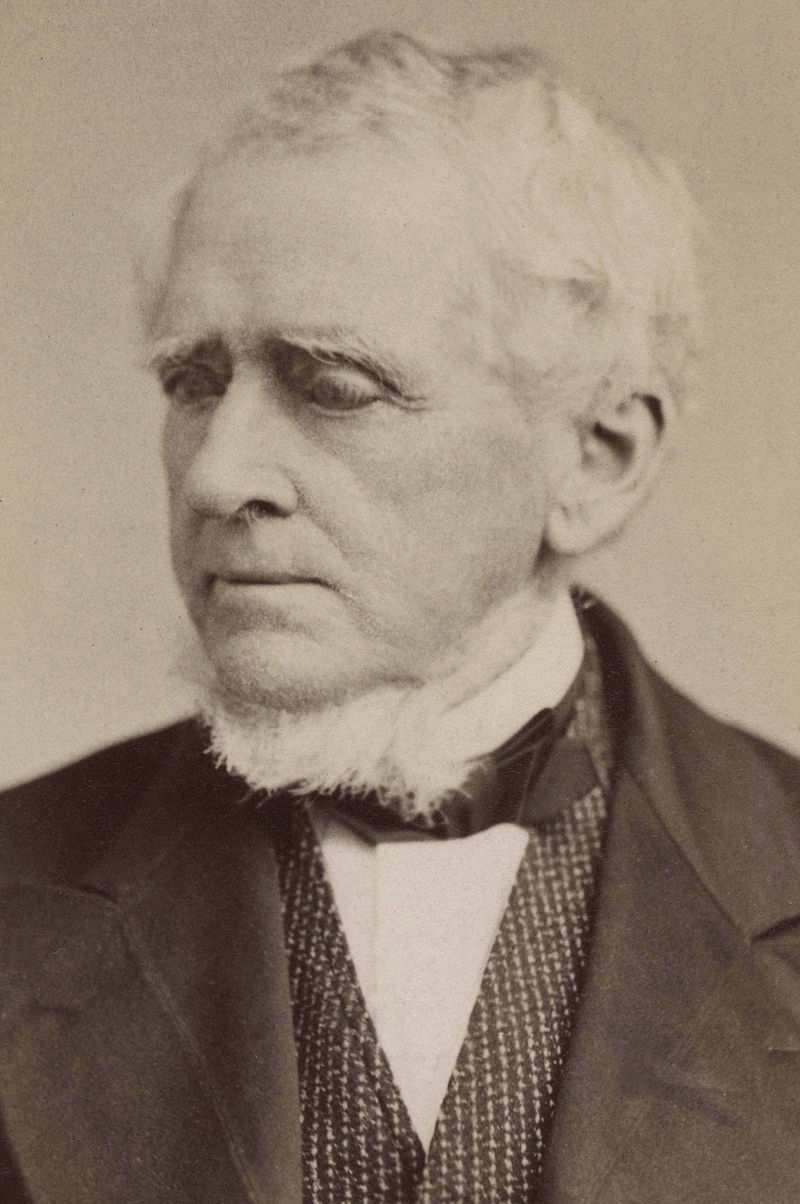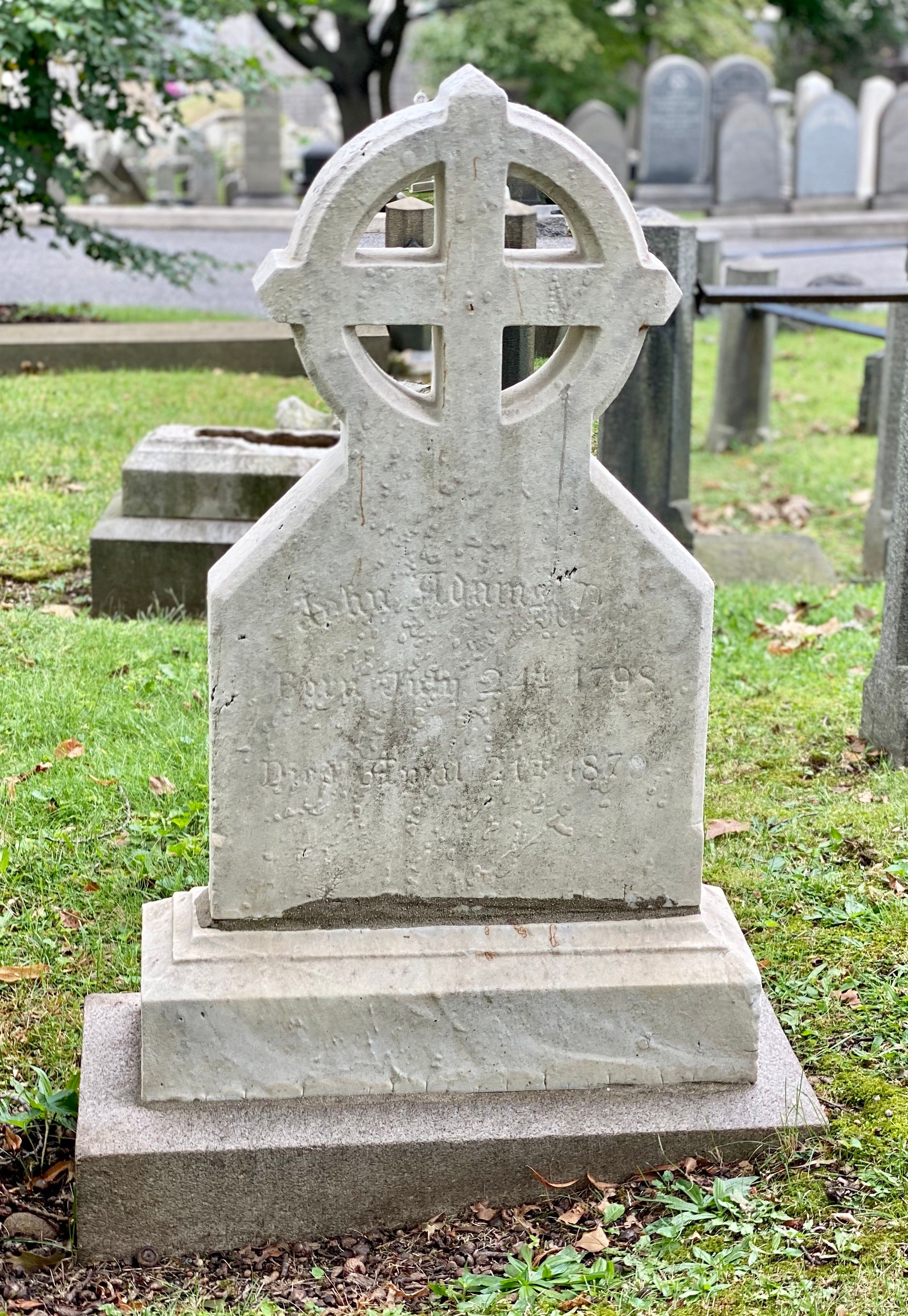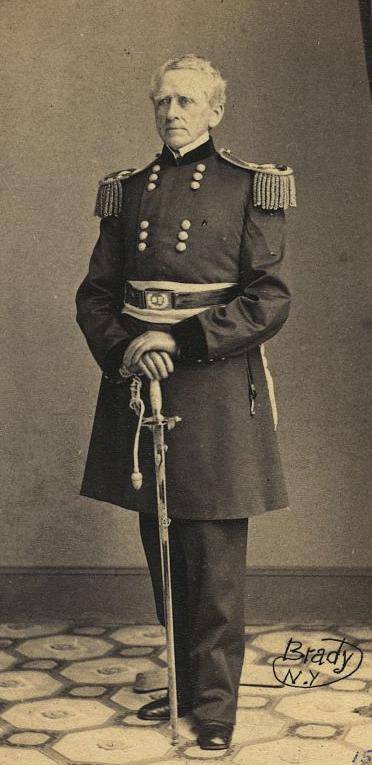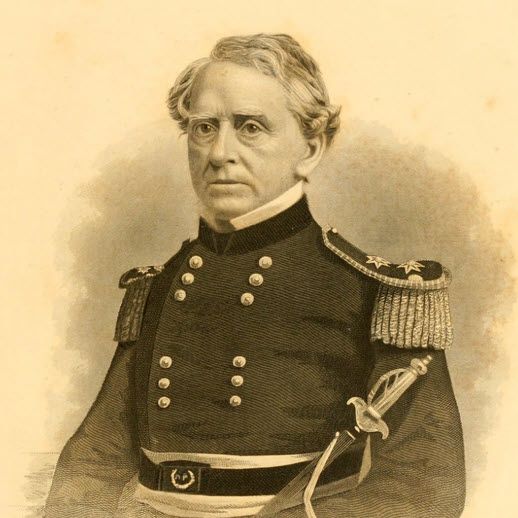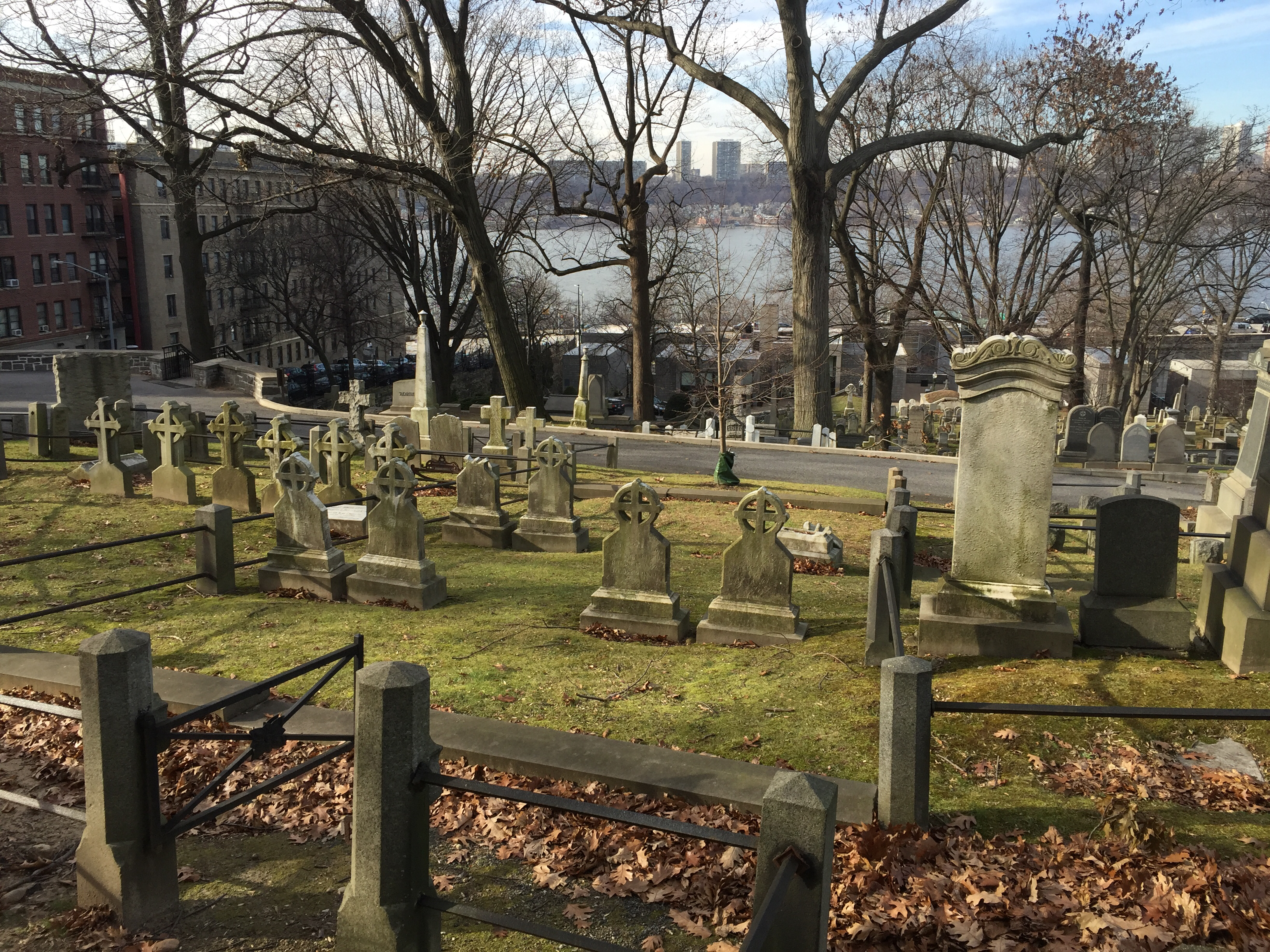
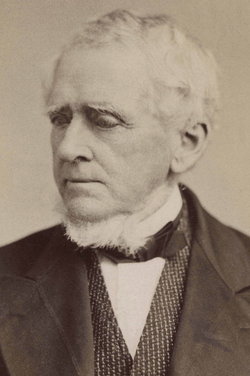
US Senator, New York Governor, US Diplomat, Military Figure. He gained recognition as an American politician. He first saw action in the War of 1812 as an Ensign at 14, serving under his father, Lieutenant Colonel Timothy Dix Jr. His sister, Marion Dix Sullivan, gained recognition as a songwriter and composer. In 1826, he married Catherine Morgan, the adopted daughter of Congressman John J Morgan. They had five children. Their son, Morgan Dix, became a religious author and theologian and was a priest in the Episcopal Church. Resigning from the service in 1828 at the rank of captain, he practiced law in Cooperstown, New York, while managing Congressman Morgan's commercial land holdings there. He entered politics in 1830 as a Jacksonian Democrat, serving as New York Adjutant General until 1833, when he was appointed Secretary of State of New York, serving from 1833 to 1839. In 1842, he became a member of the Albany State Assembly. In 1845, he served in the United States Senate after Silas Wright Jr. resigned. In 1848, he was an unsuccessful candidate for the office of Governor of New York. In February of 1849, he ran for re-election to the Senate and lost to William H Seward. In 1852, he was president of the Mississippi and Missouri Railroad. In 1860, he was Postmaster of New York City until he became Secretary of the Treasury under President James Buchanan, assuming his duties on January 15, 1861, until March 1861, when Buchanan's term ended. On January 29, 1861, he telegraphed his famous American Flag Dispatch to William Hemphill Jones, his Senior Treasury agent in New Orleans, to instruct him to take command of Capt. Brushwood's cutter, The McClelland, and if anyone interfered, he added: "If anyone attempts to haul down the American flag, shoot him on the spot." Unfortunately, that telegram never reached Jones because it was intercepted by the Governor of Alabama, who forwarded it to the Governor of Louisiana, which prevented the arrest of Capt. Brushwood, a mutineer who was delivering his cargo to the enemy to avoid paying Treasury agents in New Orleans. His first commission from New York Governor Morgan as Major General of Volunteers began on May 16, 1861. Thus, he outranked all other volunteer officers until the end of the Civil War. He commanded various departments during the war, his last being the Department of the East. His most important military contribution was the forceful suppression of the New York Draft Riots in 1863. Resigning on November 30, 1865, he served as Minister to France from 1866 to 1869 and as the 24th Governor of New York from 1872 to 1874. He was defeated in 1874 to hold on to the Governorship. In 1876, he ran for Mayor of New York City and lost there as well. He spent his remaining years in retirement. He died on April 21, 1879, in New York City. In July of 1917, the United States Army base in southern New Jersey was named Fort Dix in his honor.
US Senator, New York Governor, US Diplomat, Military Figure. He gained recognition as an American politician. He first saw action in the War of 1812 as an Ensign at 14, serving under his father, Lieutenant Colonel Timothy Dix Jr. His sister, Marion Dix Sullivan, gained recognition as a songwriter and composer. In 1826, he married Catherine Morgan, the adopted daughter of Congressman John J Morgan. They had five children. Their son, Morgan Dix, became a religious author and theologian and was a priest in the Episcopal Church. Resigning from the service in 1828 at the rank of captain, he practiced law in Cooperstown, New York, while managing Congressman Morgan's commercial land holdings there. He entered politics in 1830 as a Jacksonian Democrat, serving as New York Adjutant General until 1833, when he was appointed Secretary of State of New York, serving from 1833 to 1839. In 1842, he became a member of the Albany State Assembly. In 1845, he served in the United States Senate after Silas Wright Jr. resigned. In 1848, he was an unsuccessful candidate for the office of Governor of New York. In February of 1849, he ran for re-election to the Senate and lost to William H Seward. In 1852, he was president of the Mississippi and Missouri Railroad. In 1860, he was Postmaster of New York City until he became Secretary of the Treasury under President James Buchanan, assuming his duties on January 15, 1861, until March 1861, when Buchanan's term ended. On January 29, 1861, he telegraphed his famous American Flag Dispatch to William Hemphill Jones, his Senior Treasury agent in New Orleans, to instruct him to take command of Capt. Brushwood's cutter, The McClelland, and if anyone interfered, he added: "If anyone attempts to haul down the American flag, shoot him on the spot." Unfortunately, that telegram never reached Jones because it was intercepted by the Governor of Alabama, who forwarded it to the Governor of Louisiana, which prevented the arrest of Capt. Brushwood, a mutineer who was delivering his cargo to the enemy to avoid paying Treasury agents in New Orleans. His first commission from New York Governor Morgan as Major General of Volunteers began on May 16, 1861. Thus, he outranked all other volunteer officers until the end of the Civil War. He commanded various departments during the war, his last being the Department of the East. His most important military contribution was the forceful suppression of the New York Draft Riots in 1863. Resigning on November 30, 1865, he served as Minister to France from 1866 to 1869 and as the 24th Governor of New York from 1872 to 1874. He was defeated in 1874 to hold on to the Governorship. In 1876, he ran for Mayor of New York City and lost there as well. He spent his remaining years in retirement. He died on April 21, 1879, in New York City. In July of 1917, the United States Army base in southern New Jersey was named Fort Dix in his honor.
Bio by: Ugaalltheway