# Outdoor Learning and Personal Growth for Teens
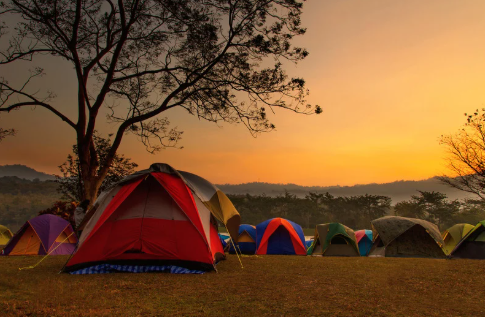
Teenage years can be a time of change, discovery, and new challenges. Young people are learning how to make decisions, handle responsibilities, communicate with others, and understand their own strengths. At times, everyday routines can make it difficult for a teen to step back and think about what needs to change. A new environment can provide space for reflection while encouraging practical learning and personal responsibility.
For some families, [youth wilderness camps](https://anasazi.org/anasazi-wilderness-program-for-boys-girls/) offer an opportunity for teens to spend meaningful time outdoors while developing skills that can support them at home, at school, and in relationships. Instead of relying only on classroom discussions, outdoor experiences allow young people to learn through daily activities, teamwork, problem-solving, and guided conversations. These experiences can make lessons about responsibility and communication feel more practical and easier to understand.
## Why Outdoor Experiences Can Make a Difference
Being outdoors naturally introduces situations that require patience and cooperation. A young person may need to plan an activity, work with others, manage personal belongings, or adjust when something does not go according to plan. These ordinary moments can become useful learning opportunities.
### Building Confidence Through Responsibility
Confidence does not always come from being told that someone can succeed. It often develops after a person has faced a challenge and discovered that they can handle it.
Outdoor activities can give teens age-appropriate responsibilities that encourage them to become more independent. Completing a task, helping a group member, or learning a practical skill can provide a sense of accomplishment. Over time, these small successes may help young people become more willing to take on new responsibilities.
### Learning to Work With Others
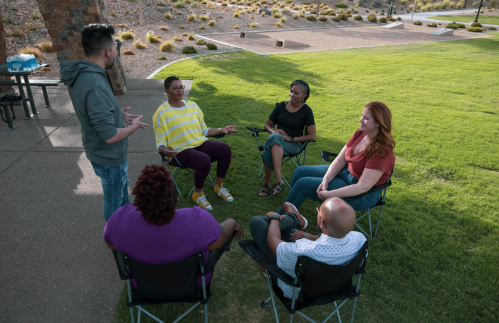
Communication is another important part of outdoor experiences. Teens may spend time working with peers, listening to instructions, sharing responsibilities, and finding solutions together. They learn that cooperation requires both speaking and listening.
These lessons can also help young people recognize how their choices affect other people. A successful group activity often depends on everyone contributing, which can encourage patience, accountability, and respect.
## Creating Space for Reflection
Modern life can be filled with phones, schoolwork, social expectations, and busy schedules. Stepping away from those distractions can give teens an opportunity to slow down and consider their habits and decisions.
A different setting does not automatically solve every challenge, but it can create room for honest conversations and thoughtful reflection. With appropriate adult guidance, young people can examine what has been difficult for them and consider healthier ways to respond.
### Practical Skills That Stay Useful
One advantage of outdoor learning is that many activities involve practical skills. Teens may learn how to organize supplies, prepare for changing conditions, follow a routine, or contribute to shared responsibilities.
These skills may seem simple, but they can reinforce important habits such as preparation, consistency, patience, and follow-through. Learning to complete everyday tasks can also help a young person recognize the value of being dependable.
### Encouraging Resilience
Resilience is not about avoiding difficult situations. It is about learning how to respond when something feels challenging or does not go as expected.
Outdoor activities can provide manageable challenges where teens have opportunities to pause, think, try again, and learn from mistakes. Supportive guidance can help them understand that setbacks are part of learning rather than proof that they cannot succeed.
## Supporting Stronger Family Relationships
Positive changes are more meaningful when they continue after an outdoor experience ends. Family involvement can play an important role in helping teens apply what they have learned to everyday life.
Parents can encourage open conversations, recognize progress, and give young people reasonable opportunities to practice responsibility. Rather than expecting immediate perfection, families can focus on steady improvement and better communication.
### Choosing the Right Program
Every teen and family has different needs, so parents should take time to understand a program before making a decision. Important questions may include how participants are supervised, what activities are offered, how families are involved, and what qualifications the staff have.
It is also helpful to understand the program's approach to safety, communication, daily routines, and individual support. A clear explanation of these areas can help families determine whether an experience is appropriate for their teenager.
## A Meaningful Path Toward Personal Growth
Outdoor experiences can give young people more than a break from their usual surroundings. They can create opportunities to practice responsibility, strengthen communication, work with others, and reflect on personal choices. With thoughtful guidance and family support, these lessons can become useful parts of everyday life.
Anasazi Foundation provides a wilderness-based setting designed around personal growth, responsibility, relationships, and practical learning. For families exploring an [outdoor therapy program](https://anasazi.org/), understanding the program's structure, safety practices, staff support, and family involvement can help them make an informed choice that fits their teen's needs.
### Frequently Asked Questions
**What can teens learn from outdoor experiences?**
Teens can practice communication, teamwork, responsibility, problem-solving, independence, and resilience through structured outdoor activities and daily responsibilities.
**Are outdoor programs suitable for every teenager?**
Not necessarily. Families should consider a teen's individual needs and carefully review a program's approach, supervision, activities, and safety practices before making a decision.
**How can parents support progress after a program?**
Parents can encourage open communication, recognize positive changes, provide reasonable responsibilities, and help teens apply useful skills to everyday family and school situations.
