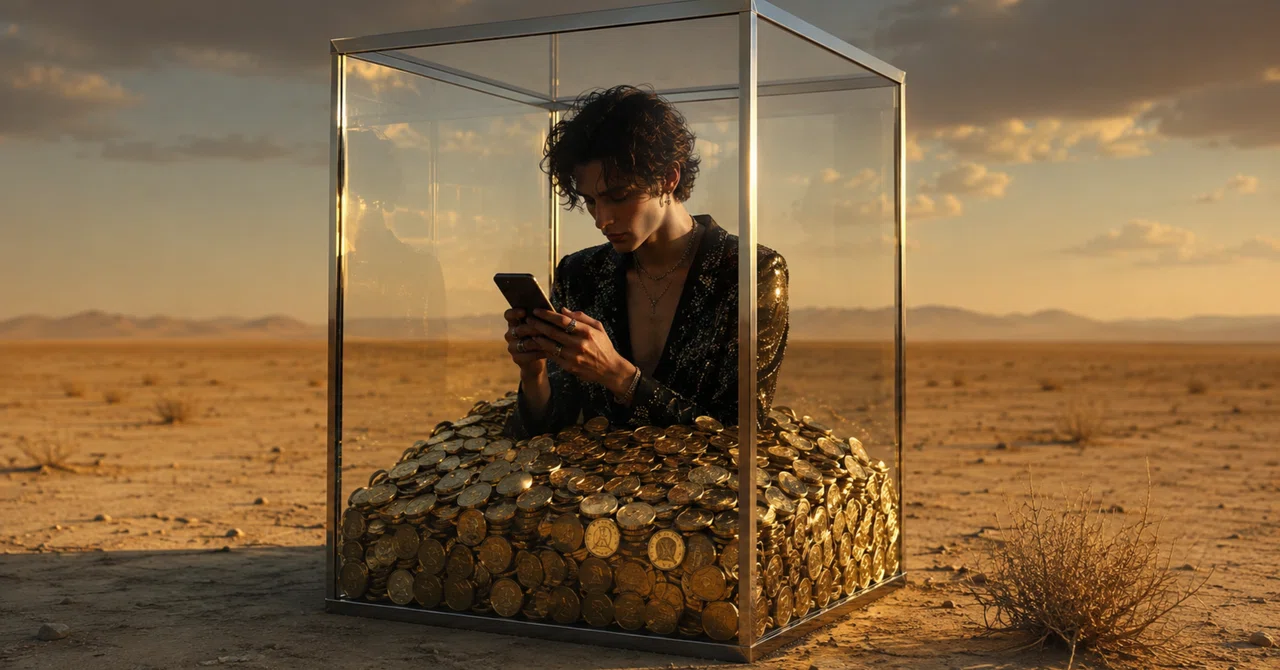
「ソーシャル」なのに、ソーシャルじゃない――距離を消した私たちが、人と人との間に砂漠を作った

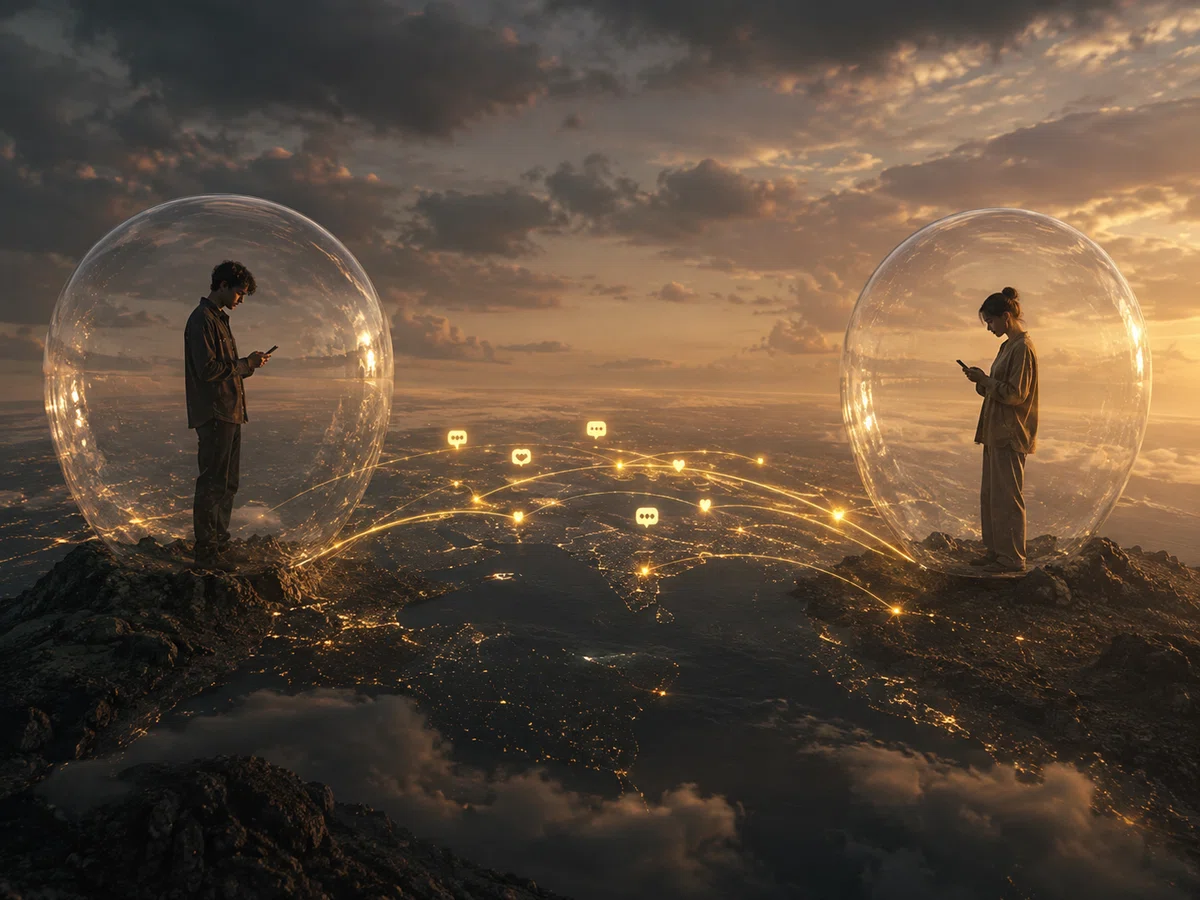
SNSが存在しなかった頃、私たちは今と比べれば、つながっている人の数はずっと少なかった。
私たちの社会的な関係は、地理によって制限されていた。
学校、近所、いつもの店、職場、友人の友人。
世界の反対側に住んでいる人と知り合うには、偶然、旅行、手紙、高額な国際電話、あるいはかなりの幸運が必要だった。
その意味で、インターネットは本当に驚くべきことを成し遂げたと思う。
地理的な距離を、ほとんど破壊してしまった。
今の私はイタリアにいながら、自分の考えを書き、それを日本語にして公開し、数時間後には地球の反対側に住む人と、その考えについて話すことができる。
私が若かった頃なら、普通の人間にとってはほとんどSFの世界だった。
だから、最初にはっきり言っておきたいことがある。
私はインターネットが嫌いなわけではない。
スマートフォンが嫌いなわけでもない。
テクノロジーそのものを悪だと思っているわけでもない。
むしろ逆だ。
インターネットは、人類史上もっとも大きな革命の一つだと思っている。
問題は別のところにある。
国と国の距離を消していく一方で、同じ部屋にいる人と人との間には、新しい距離を作ってしまったのではないか。
そこに私の感じる矛盾がある。
私たちは「ソーシャル」を作った。
でも時々、それを「アソーシャル」と呼びたくなる。
つながりは少なかった。でも濃かった
若い頃、私は友人たちと外に出た。
特別なことではない。
散歩をしたり、コーヒーを飲んだり、何かを食べたり、握手をしたり、肩を叩き合ったり、若者らしいくだらない冗談を言ったりした。
かわいい女の子が通れば、友人同士でくだらないことを言うこともあった。
もちろん、仲間内で冗談を言うことと、誰かに迷惑をかけたり嫌がらせをしたりすることはまったく別の話だ。
少なくとも私たちの場合、その冗談は仲間内で終わっていた。
誰かを不快にさせる必要はなかった。
今思えば、若者らしいくだらないことだった。
でも、私たちはそこにいた。
身体ごと。
友人と話している時、目の前にいるのはその友人だった。
同時に50人と会話しているわけではない。
通知もなかった。
目の前の友人が何かを話している途中で、地球の反対側の誰かからメッセージが届くこともなかった。
今よりずっと少ない人としかつながっていなかった。
でも、そのつながりには濃度があった。
私はそれを、小さな風船の中に入った濃い青色の液体のように考える。
量は少ない。
でも青はとても濃い。
やがてインターネットが現れた。
私たちはその風船を割り、中身を巨大な貯水槽に流し込んだ。
今では、その青い液体は貯水槽のどこにでも届く。
どこにでも存在する。
でも薄まった。
場所によっては、青だったことさえ分からないほどに。
もしかすると、私たちは社会性を失ったのではない。
ただ、薄めてしまったのかもしれない。
海を消して、30センチの砂漠を作った
今の時代を見ていて、不思議に感じる光景がある。
二人の人間が離れている。
毎日のように電話をする。
「会いたい」
「いつ会える?」
「早く会いたい」
そして、ようやく会う。
同じテーブルに座る。
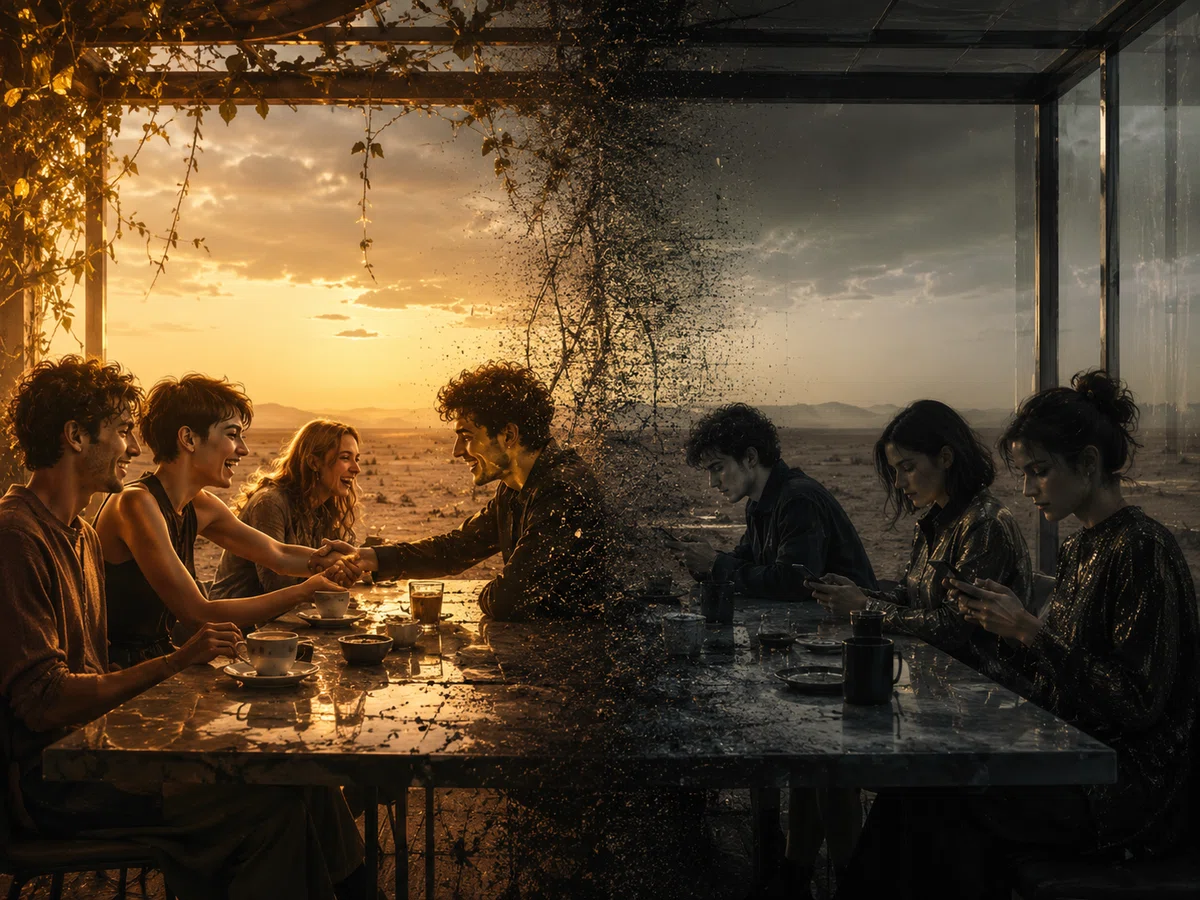
そして二人ともスマートフォンを手に取る。
1万キロ離れた人同士を近く感じさせる電話は、素晴らしい。
奇妙なのは、その二人が30センチの距離に座ったあとも、その機械が二人の間に残り続けることだ。
離れている時、私たちはスマートフォンを使って近づこうとする。
ようやく近づいたあとも、スマートフォンを使い続ける。
そこで私は考える。
電話の仕事は、いったいいつ終わるのだろう。
距離を越えるための道具なら、私とあなたが同じ場所にいる時、その距離はもう存在しないはずだ。
それでも電話は残る。
少なくとも、私が育ったイタリアの文化では、身体的な存在には大きな意味があった。
握手。
抱擁。
肩を叩くこと。
一緒にコーヒーを飲むこと。
顔を見ながら口論して、5分後には笑うこと。
同じ変化が日本でも同じように感じられているのかは、私には分からない。
身体的な距離や接触について、文化によって感覚は大きく違う。
だからこそ、それを知ること自体が面白いと思う。
でも少なくとも私の経験では、奇妙なことが起きた。
私たちは大陸と大陸の間にある海を消した。
その代わり、同じテーブルに座る二人の間に、数十センチの砂漠を作った。
電話がつながれていた頃、人間は自由だった
こんな言葉を時々見かける。
電話が壁につながれていた頃、人間は自由だった。
その後、私たちは電話を線から解放した。
そして少しずつ、人間のほうが電話につながれていった。
誰が最初に言った言葉なのか、私は正確には知らない。
確かでないものを誰かの名言として紹介するつもりもない。
でも、この考え方は好きだ。
昔の固定電話には、素晴らしい制限があった。
あなたを追いかけてくることができなかった。
家を出れば、連絡は取れなかった。
それだけだった。
誰もこんなことを聞けなかった。
「どうして返事しなかったの?」
「20分前にメッセージ送ったよ」
「オンラインだったよね」
「既読になってるよ」
不在であることを説明する必要さえなかった。
ただ、そこにいなかった。
それだけだった。
今では逆だ。
連絡が取れることが通常になった。
説明しなければならないのは、連絡が取れないことのほうだ。
私たちは電話を自由にした。
家から連れ出した。
車へ。
ポケットへ。
食卓へ。
ベッドの横へ。
トイレへ。
そして、ほとんど一日のすべての瞬間へ。
固定電話は私たちについて来られなかった。
だから、私たちを自由にしてくれた。
スマートフォンはどこまでもついて来られる。
だからこそ、時々、私たちを離してくれなくなった。
世界の中心は「私」
もう一つ、面白い変化が起きた。
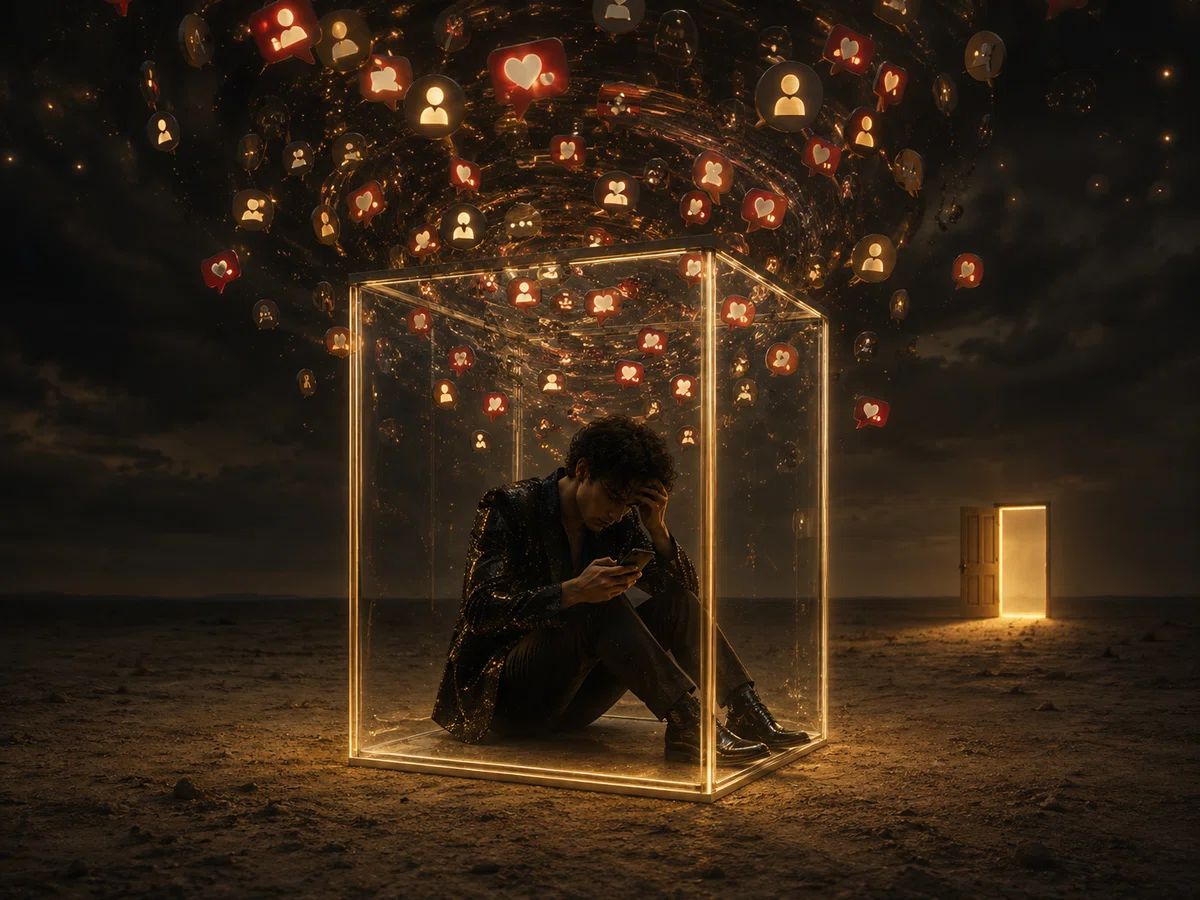
SNSは、本来、人と人をつなぐために生まれたはずだ。
でも少しずつ、「私」が中心にいる宇宙へと変わることがある。
私の朝食。
私の旅行。
私の犬。
私のジム。
私の夕食。
私の顔。
私の誕生日。
私の意見。
私の休暇。
私が今食べているバナナ。
このバナナについては、少し考えてみたい。
私が若かった頃、写真を撮るにはお金がかかった。
フィルムを買う。
撮れる枚数は限られている。
現像する。
写真として印刷する。
だから、何を撮るかには多少の重みがあった。
もちろん、昔の写真が全部芸術作品だったと言うつもりはない。
まったくそんなことはない。
でも、
「今食べているこのバナナのために、24枚しかない写真のうち1枚を使おう」
と考える人は、そう多くなかったと思う。
今では写真を撮るコストは、ほとんどゼロだ。
だから何でも撮れる。
問題は、すべてが記録できるようになると、
「何を記憶として残す価値があるのか」
を選ばなくてもよくなってしまうことだ。
そして私たちは投稿する。
必ずしも誰かに頼まれたからではない。
ただ、できるから。
誕生日のお祝いまで自動化された
SNSは、小さな人間的な行為まで変えてしまった。
たとえば誕生日。
昔は覚えている必要があった。
あるいは、誰かから教えてもらう必要があった。
電話をする。
カードを書く。
直接会う。
今ではFacebookが教えてくれる。
「今日は○○さんの誕生日です」
その人とは7年間話していないかもしれない。
クリック。
「お誕生日おめでとう!」
終了。
私は、その祝福が偽物だと言っているわけではない。
ただ、あまりにも簡単になったと思う。
ほとんど注意力を使わなくてもできる行為は、ときどき、その重みの一部を失ってしまう。
少し皮肉なことを言えば、昔は悪口さえ、今より誠実だったのかもしれない。
誰かに「くそったれ」と言われたなら、少なくともその人はあなたを知っていることが多かった。
今では、自分を知らない人から自動的な好意を受けることもできるし、
自分を知らない人から自動的な憎しみを受けることもできる。
知らない人が機嫌の悪い朝に、あなたの言葉を一つ読み、あなたを侮辱し、そのまま自分の一日を続ける。
その人にとっては30秒。
でも、あなたにとっては、その一言が3日間頭から離れないかもしれない。
これも、現代の社会性の奇妙なところだ。
私たちの人生に何の役割も持っていない人が、突然、私たちの頭の中で巨大な場所を占めることがある。
誰にも邪魔されたくない公共広場
このことは、NOTEを使い始めて特に考えるようになった。
私は何かを公開する。
読んでもらいたいからだ。
そして誰かがコメントをくれたら、私は嬉しい。
肯定的でも、否定的でも。
もちろん、単なる侮辱より、考えのある批判のほうが好きだ。
でも基本的な考えは同じだ。
自分の考えを公開したなら、その考えが他の人に何を感じさせたのか知りたい。
ところが、コメントというものを、すべての人が同じように感じているわけではないことに気づいた。
書く前にとても考える人もいる。
「迷惑ではないだろうか?」
「長すぎないだろうか?」
「相手の空間に入り込みすぎていないだろうか?」
それは、とても興味深い感覚だと思う。
私はおそらく、その正反対にいる。
好きな文章を読むと、少し子どものような興奮を感じる。
何か言いたくなる。
コメントを書く時間を「失った時間」とも「有効活用した時間」とも考えない。
そんな計算をしていない。
その瞬間、ただ楽しい。
だから私は、こんなことを少し不思議に感じる。
人と人が話すための道具を作ったのに、
誰かに話しかけられることを怖がることがある。
公開する。
見せる。
「スキ」を待つ。
でもコメントは閉じる。
私たちは公共広場を、少し奇妙な個人ショーウィンドウに変えてしまった。
どうぞ見てください。
でも、できれば中には入らないでください。
もう地理を持たない「さらし者」
もちろん、インターネット以前にも悪意はあった。
いじめもあった。
屈辱もあった。
評判もあった。
社会的なさらし者にされることもあった。
過去を美化するつもりはない。
昔だって、人は深く傷つくことがあった。
でも、その苦しみには地理が存在することが多かった。
学校。
近所。
いつもの店。
町。
環境を変えることができる場合もあった。
学校を変える。
近所を変える。
極端な場合には町を変える。
簡単ではなかっただろうし、それですべてが解決したわけでもない。
でも、「そこから離れる」という考え方は存在した。
今は、もっと奇妙なさらし者が生まれた。
一生会うこともない1000人が、あなたを笑うことができる。
スクリーンショット。
一つの言葉。
一枚の写真。
一度の失敗。
そして突然、何千人もの知らない人があなたについて話す。
奇妙なのは、その群衆はあなたの家の前にいるわけではないことだ。
画面の中にいる。
理論上は、スイッチを切ることができる。
しかし同時に私たちは、そのスイッチを押すことが非常に難しい社会を作ってしまった。
なぜなら今のインターネットには、FacebookやTikTokだけがあるわけではないからだ。
友人。
仕事。
銀行。
書類。
情報。
娯楽。
地図。
学校。
写真。
思い出。
会話。
私たちの生活の非常に大きな部分がそこにある。
だから、
「全部消せばいい」
と言うのは簡単だ。
実際にやるのは、ずっと難しい。
私自身、まったくこの問題の外にいるわけではない。
少し前、回線の故障で約3時間インターネットが使えなくなった。
最初の5分。
まったく問題なし。
10分後。
少しずつ気になり始める。
1時間後。
プロバイダーに電話していた。
3時間後。
私は家の中を、Wi-Fiを失ったゾンビのように歩き回っていた。
だから私は、他の人に向かって、
「君たちはインターネット依存だ」
などと言える立場ではない。
私も完全にその中にいる。
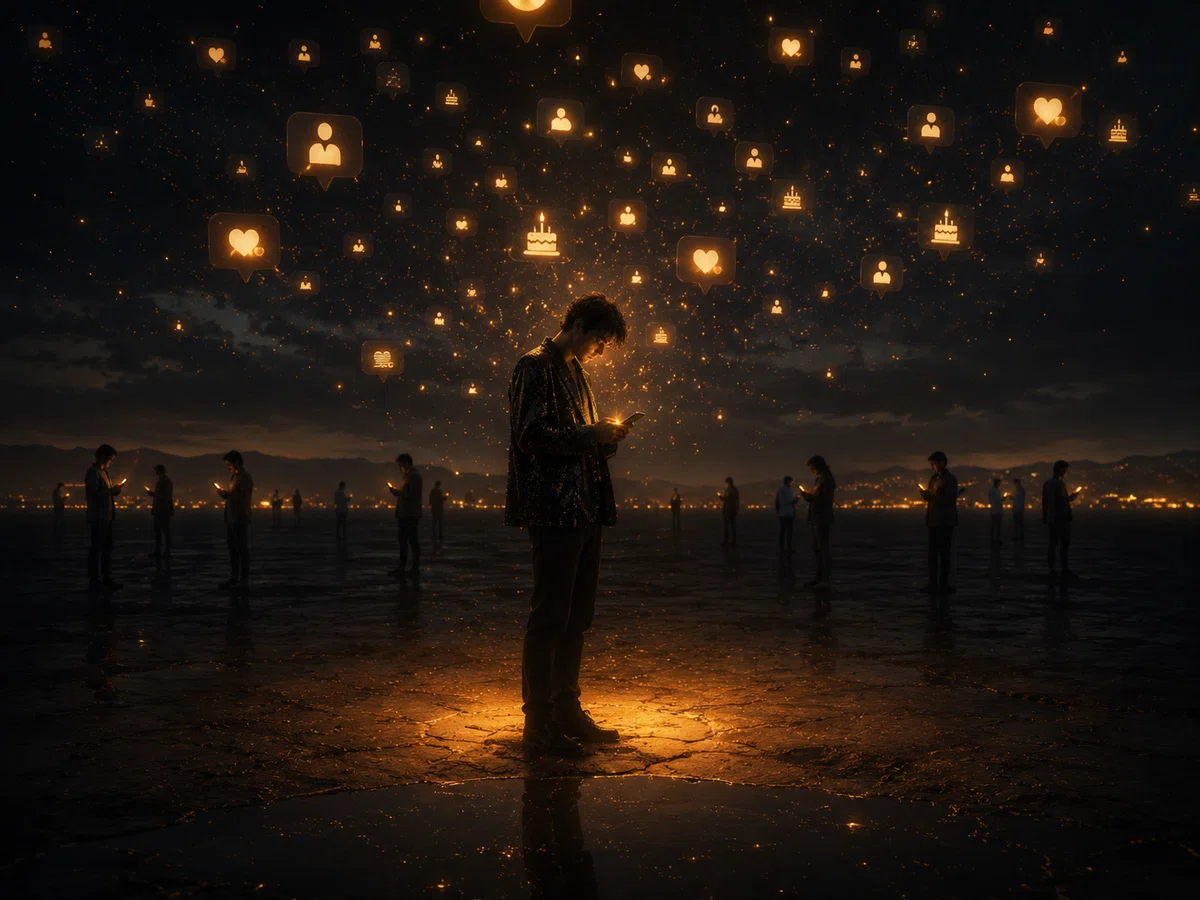
それでも出口の場所だけは覚えていたい
ただ、一つだけ残しておきたいものがある。
もしある日、NOTEで100人の人が、
「こいつはうっとうしい」
「長すぎる」
「入り込みすぎる」
「馬鹿だ」
「この場所に合っていない」
と決めたとしても、もちろん私は嬉しくない。
でも、その100人を自分の存在そのものを裁く裁判官にはしたくない。
私は「NOTEから出る」というボタンを探す。
そして押す。
私にとって、その窓はそこで閉じる。
もちろんインターネットは、いつも忘れてくれるわけではない。
スクリーンショットは残る。
オンライン上の出来事が現実生活に影響することもある。
それを軽く考えるつもりはない。
でも、まだ私たち自身に残されている部分がある。
その群衆に、自分の注意力をどれだけ渡すのか。
他人が自分について話すことを完全に止めることはできない。
でも毎朝、自分からその広場に出て行って、自分に対する裁判を聞き続ける必要はない。
問題は、インターネットに出口が存在しないことではない。
私たちがあまりにも多くの人生をインターネットの中へ移したため、
その出口を通ること自体が怖くなったことだ。
この物語の悪役はテクノロジーではない
ここまで読むと、私がテクノロジーそのものを責めているように見えるかもしれない。
でも、まったく逆だ。
テクノロジーは道徳的な存在ではない。
朝起きて、
「今日は良いことをしよう」
とも思わない。
「今日は誰かの人間関係を壊してやろう」
とも思わない。
道具だ。
火薬の初期の製法は、何世紀も前の中国で、現代とはまったく違う文脈の中から生まれた。
その後、同じ発見が花火にも、武器にも使われるようになった。
物質そのものに意志はない。
意志を持っているのは人間だ。
ナイフは料理を作ることもできる。
誰かを傷つけることもできる。
インターネットは、地球の反対側にいる人と私を結びつけることもできる。
知らない人の人生と自分の人生を6時間比較し続けさせることもできる。
スマートフォンは、1万キロ離れた人を近づけることもできる。
目の前に座っている人を遠ざけることもできる。
問題は、道具だけではない。
私たちが、その道具とどんな関係を作るかだ。
私はテクノロジーを恐れていない。
人間が、
「自分が道具を使う側である」
ということを忘れ、
「道具に使われる側」
になってしまう瞬間を恐れている。
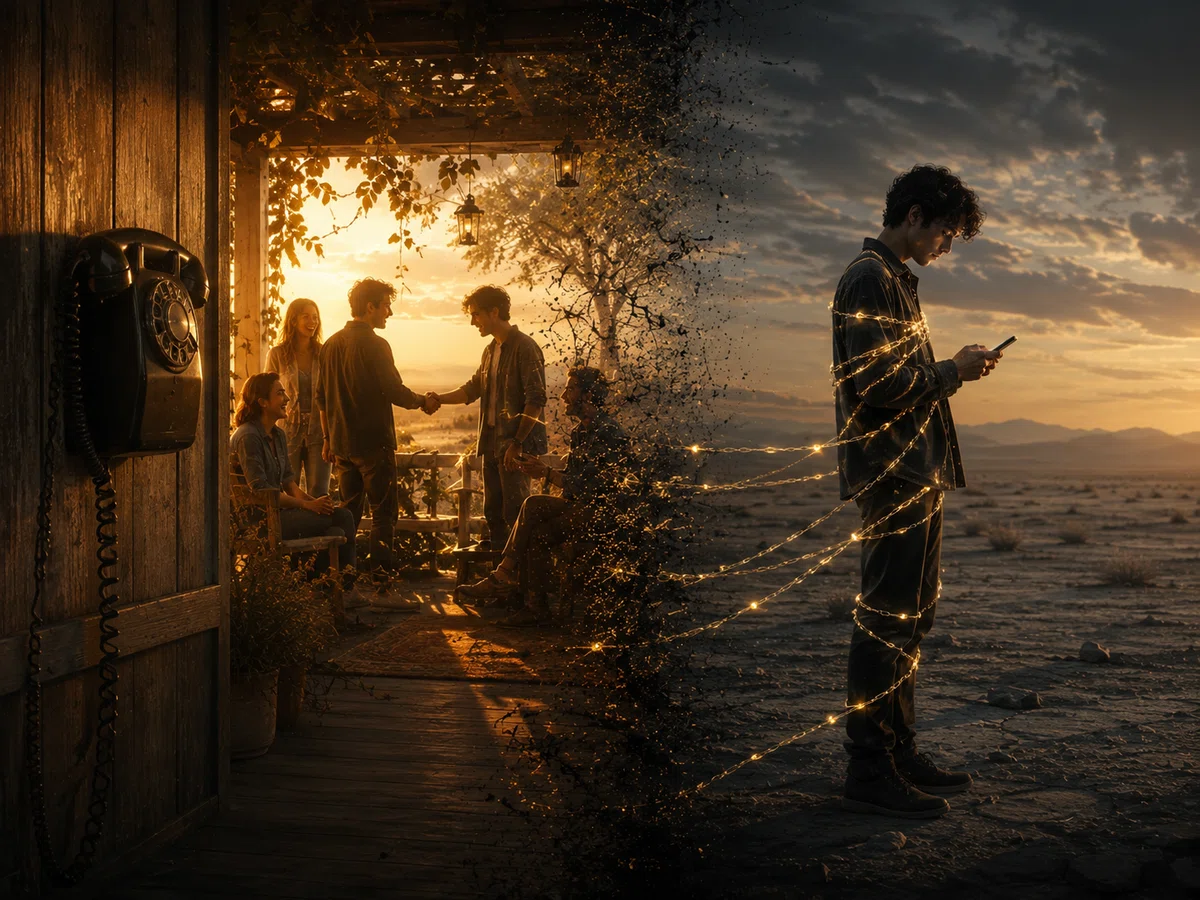
私は過去に戻りたいわけではない
私は固定電話の時代に戻りたいわけではない。
インターネットを捨てたいわけでもない。
写真を1枚撮るたびにフィルムを買いたいわけでもない。
日本にいる人と話すために何週間も待ちたいわけでもない。
過去は、過去だから素晴らしかったわけではない。
大きな制限もたくさんあった。
インターネットは、その多くを壊してくれた。
だからこそ、その一番素晴らしい部分を守りたい。
昔なら出会えなかった人と出会えること。
違う文化を知ること。
考えを比べること。
話し合うこと。
礼儀を守って反対すること。
発見すること。
学ぶこと。
1万キロの距離を、数秒に変えること。
私にとって、これこそ本当の意味で「ソーシャル」だ。
フォロワーの数ではない。
写真の数でもない。
夕食に何個ハートが付いたかでもない。
何人が私の顔を見たかでもない。
ソーシャルとは、関係だ。
そして関係というものは、少なくとも二人の人間が、ほんの少しの間、自分自身を宇宙の中心にするのをやめて、相手の存在を認めることから始まる。
もしかすると、私たちが取り戻さなければならないのは、そこなのかもしれない。
テクノロジーを減らすことではない。
意識を増やすこと。
つながりを減らすことではない。
もう少し濃いつながりを作ること。
もし何千人もの「つながり」があるのに、本当に話せる人が一人もいないのなら、
私たちは本当に以前より社会的になったのだろうか。
それとも、
人類史上もっとも高度な技術で作られた孤独を完成させただけなのだろうか。
インターネットは海を消した。
今度は私たちが、
同じテーブルに座る二人の間に残った30センチの砂漠を、
消してみる番なのかもしれない。
I social che non sono social — Abbiamo cancellato le distanze e costruito il deserto tra due persone
Quando non esistevano i social network, avevamo pochissimi contatti rispetto a oggi.
La nostra socializzazione era limitata dalla geografia.
C’erano la scuola, il quartiere, il bar, il luogo di lavoro, gli amici degli amici. Per conoscere una persona che viveva dall’altra parte del mondo servivano coincidenze, viaggi, lettere, telefonate costose oppure una fortuna enorme.
Da questo punto di vista Internet ha compiuto qualcosa di straordinario.
Ha quasi distrutto la distanza geografica.
Oggi posso essere in Italia, scrivere un pensiero, tradurlo in giapponese, pubblicarlo e poche ore dopo discuterne con una persona che vive dall’altra parte del pianeta.
Per una persona comune della mia adolescenza sarebbe sembrata fantascienza.
Quindi cominciamo mettendo subito una cosa in chiaro:
io non odio Internet.
Non odio gli smartphone.
Non penso che la tecnologia sia il male.
Anzi.
Considero Internet una delle più grandi rivoluzioni della storia umana.
Il problema è un altro.
Mentre eliminavamo la distanza tra le nazioni, forse abbiamo cominciato a costruire una distanza nuova tra le persone che si trovano nella stessa stanza.
Ed è qui che nasce il mio paradosso:
abbiamo creato i “social”, ma qualche volta mi viene voglia di chiamarli “asocial”.
Quando avevamo pochi rapporti, ma erano concentrati
Da ragazzo uscivo con gli amici.
Niente di straordinario.
Una passeggiata, un caffè, qualcosa da mangiare, una stretta di mano, una pacca sulla spalla, le battute stupide tipiche dei ragazzi.
Si guardava magari passare una ragazza carina e tra amici partiva la classica battuta idiota.
Naturalmente esiste una differenza enorme tra scherzare tra ragazzi e molestare qualcuno. Nella mia esperienza quelle battute rimanevano tra noi: non avevamo bisogno di andare a disturbare fisicamente una ragazza per divertirci.
Erano stupidaggini adolescenziali.
Ma eravamo lì.
Fisicamente.
Quando parlavo con un amico, davanti a me c’era quella persona.
Non altre cinquanta conversazioni contemporaneamente.
Non notifiche.
Non qualcuno che mi scriveva dall’altra parte del mondo mentre lui mi stava raccontando qualcosa.
Avevo pochissimi contatti rispetto a quelli che posso avere oggi.
Ma quei contatti avevano una concentrazione enorme.
È come mettere del colore blu intenso dentro un piccolo palloncino.
Il volume è piccolo.
Ma il blu è fortissimo.
Poi è arrivato Internet.
Abbiamo preso quel palloncino e abbiamo versato tutto il suo contenuto dentro una cisterna gigantesca.
Adesso quel colore può raggiungere ogni angolo della cisterna.
È ovunque.
Ma si è diluito.
Talmente tanto che, in alcuni punti, quasi non riusciamo più a vederlo.
Forse non abbiamo perso la socializzazione.
Forse l’abbiamo diluita.
Abbiamo eliminato l’oceano e creato trenta centimetri di deserto
Questa è una delle scene che trovo più strane del nostro tempo.
Due persone sono lontane.
Si telefonano continuamente.
“Mi manchi.”
“Quando ci vediamo?”
“Non vedo l’ora.”
Finalmente si incontrano.
Si siedono allo stesso tavolo.
E prendono in mano il cellulare.
È meraviglioso che un telefono permetta a due persone separate da diecimila chilometri di sentirsi vicine.
La cosa strana comincia quando quello stesso apparecchio continua a stare tra loro quando sono distanti trenta centimetri.
Quando siamo lontani usiamo il cellulare per sentirci.
Quando siamo finalmente vicini continuiamo a usare il cellulare.
A quel punto mi viene da chiedermi:
quando dovrebbe finire il lavoro del telefono?
Perché se lo strumento serve a superare la distanza, nel momento in cui io e te siamo fisicamente insieme quella distanza non esiste più.
E invece il telefono rimane.
Una volta, almeno nella cultura italiana nella quale sono cresciuto io, la presenza fisica aveva un valore enorme.
La stretta di mano.
L’abbraccio.
La pacca sulla spalla.
Prendere un caffè insieme.
Litigare guardandosi negli occhi e magari cinque minuti dopo ridere.
Non so quanto questo stesso cambiamento venga percepito in Giappone o in culture dove il contatto fisico ha sempre avuto regole differenti dalle nostre.
Ed è proprio questo che trovo interessante.
Ma nella mia esperienza personale è successo qualcosa di assurdo:
abbiamo eliminato l’oceano tra due continenti e abbiamo costruito pochi centimetri di deserto tra due persone sedute allo stesso tavolo.
Il telefono era legato. Noi eravamo liberi.
Circola una frase che mi piace molto.
Quando il telefono era legato alla parete, l’uomo era libero.
Poi abbiamo liberato il telefono dal filo.
E lentamente abbiamo legato l’uomo al telefono.
Non so chi abbia inventato questa frase e non mi interessa attribuirla a qualcuno senza esserne sicuro.
Mi interessa il concetto.
Il vecchio telefono fisso aveva un limite meraviglioso:
non poteva seguirti.
Se uscivi di casa, eri irraggiungibile.
Punto.
Nessuno poteva chiederti:
“Perché non hai risposto?”
“Ti ho scritto venti minuti fa.”
“Ho visto che eri online.”
“Hai visualizzato.”
Non avevi bisogno di giustificare la tua assenza.
Eri semplicemente assente.
Oggi invece essere raggiungibili è diventato lo stato normale.
È l’assenza che dobbiamo spiegare.
Abbiamo liberato il telefono.
Lo abbiamo portato fuori dalla casa.
Poi in macchina.
Poi in tasca.
Poi a tavola.
Poi sul comodino.
Poi al bagno.
Poi praticamente dentro ogni minuto della giornata.
Il telefono fisso non poteva seguirci e quindi ci lasciava andare.
Il cellulare può seguirci ovunque.
Ed è proprio per questo che qualche volta non ci lascia più andare.
Il mondo gira intorno a me
Poi è successo un altro cambiamento interessante.
Il social nasce teoricamente per collegare le persone.
Ma lentamente può trasformarsi in un universo dove al centro ci sono io.
La mia colazione.
Il mio viaggio.
Il mio cane.
La mia palestra.
La mia cena.
La mia faccia.
Il mio compleanno.
Il mio pensiero.
La mia vacanza.
La banana che sto mangiando.
La banana merita una riflessione particolare.
Quando ero ragazzo fare fotografie costava.
Dovevi comprare il rullino.
Avevi un numero limitato di fotografie.
Poi bisognava svilupparle.
Poi stamparle.
Quindi scegliere cosa fotografare aveva un peso.
Non dico che ogni fotografia fosse un’opera d’arte.
Assolutamente no.
Ma difficilmente qualcuno avrebbe detto:
“Questa banana che sto mangiando merita uno dei miei ventiquattro scatti.”
Oggi fotografare praticamente non costa nulla.
Quindi possiamo fotografare tutto.
Il problema è che, quando tutto può diventare un ricordo, rischiamo di non essere più costretti a scegliere cosa meriti davvero di diventarlo.
E poi pubblichiamo.
Non necessariamente perché qualcuno ce lo abbia chiesto.
Semplicemente perché possiamo farlo.
Anche gli auguri sono diventati automatici
I social hanno trasformato persino piccoli gesti umani.
Un compleanno, per esempio.
Una volta dovevi ricordartelo.
Oppure qualcuno doveva dirtelo.
Telefonavi.
Scrivevi un biglietto.
Incontravi quella persona.
Oggi Facebook può avvisarti:
“È il compleanno di Tizio.”
Tu magari non ci parli da sette anni.
Click.
“Tanti auguri!”
Fine.
Non sto dicendo che quell’augurio sia falso.
Sto dicendo che è diventato incredibilmente facile.
E quando un gesto costa quasi zero in termini di attenzione, qualche volta rischia di perdere una parte del proprio peso.
La cosa divertente è che secondo me una volta erano più sinceri persino gli insulti.
Se qualcuno ti mandava al diavolo, spesso almeno ti conosceva.
Oggi possiamo ricevere affetto automatico da persone che non ci conoscono e odio automatico da persone che non ci conoscono.
Un estraneo può svegliarsi male, leggere una frase, insultarti e continuare la propria giornata.
Per lui sono stati trenta secondi.
Per te quella frase potrebbe diventare una fissazione per tre giorni.
Ed ecco uno dei lati più strani della socializzazione moderna:
persone che non hanno alcun ruolo nella nostra vita possono improvvisamente occupare una quantità enorme della nostra mente.
Una piazza pubblica dove nessuno vuole essere disturbato
Questa cosa mi ha colpito particolarmente usando NOTE.
Io pubblico qualcosa perché desidero che venga letto.
E se qualcuno commenta, per me è una gioia.
Positivo o negativo.
Naturalmente preferisco un commento ragionato a un insulto.
Ma il concetto rimane:
se pubblico un pensiero, mi interessa sapere cosa quel pensiero ha provocato in un’altra persona.
E invece mi sono reso conto che non tutti vivono il commento nello stesso modo.
C’è chi pensa a lungo prima di scrivere.
“Sto disturbando?”
“Il commento è troppo lungo?”
“Sto entrando troppo nello spazio dell’altra persona?”
È una sensibilità interessante.
Io probabilmente sono all’estremo opposto.
Quando leggo qualcosa che mi piace, provo quasi un entusiasmo infantile.
Mi viene voglia di rispondere.
Non considero il tempo usato per commentare né tempo perso né tempo investito.
Non faccio quel calcolo.
In quel momento sono semplicemente felice.
Ed è proprio per questo che trovo paradossale una cosa:
abbiamo costruito strumenti progettati per permettere alle persone di parlare tra loro e poi qualche volta abbiamo paura che qualcuno ci parli.
Pubblichiamo.
Mostriamo.
Aspettiamo il like.
Ma magari disattiviamo i commenti.
Abbiamo trasformato la piazza pubblica in una specie di vetrina privata:
guardate pure, ma possibilmente non entrate.
La gogna che non ha più una geografia
Anche la cattiveria, naturalmente, esisteva prima di Internet.
Esisteva il bullismo.
Esistevano le umiliazioni.
Esisteva la reputazione.
Esisteva la gogna.
Non voglio romanticizzare il passato.
Una persona poteva soffrire terribilmente anche allora.
Ma quella sofferenza aveva spesso una geografia.
La scuola.
Il quartiere.
Il bar.
Il paese.
In alcuni casi potevi cambiare ambiente.
Cambiare scuola.
Cambiare quartiere.
Nei casi estremi persino cambiare città.
Non era necessariamente facile e non sempre risolveva tutto.
Ma esisteva un luogo dal quale allontanarsi.
Oggi abbiamo costruito una gogna molto più strana.
Può essere formata da mille persone che non incontreremo mai.
Uno screenshot.
Una frase.
Una fotografia.
Un errore.
E improvvisamente migliaia di sconosciuti possono parlare di te.
La cosa assurda è che quella folla non si trova davanti alla tua porta.
È dentro uno schermo.
Tecnicamente esiste un pulsante per spegnerla.
Ma abbiamo contemporaneamente costruito una società nella quale premere quel pulsante è diventato difficilissimo.
Perché Internet non contiene più soltanto Facebook o TikTok.
Contiene amici.
Lavoro.
Banca.
Documenti.
Informazioni.
Intrattenimento.
Mappe.
Scuola.
Fotografie.
Ricordi.
Conversazioni.
Una parte enorme della nostra esistenza.
E quindi dire semplicemente “spegni tutto” è facile.
Farlo è molto più difficile.
Io stesso non sono assolutamente superiore a questo problema.
Qualche giorno fa sono rimasto senza Internet per circa tre ore a causa di un guasto.
I primi cinque minuti:
nessun problema.
Dopo dieci minuti cominciavo già a controllare.
Dopo un’ora avevo telefonato al provider.
Dopo tre ore giravo per casa come uno zombie alla ricerca del Wi-Fi perduto.
Quindi non sono qui a spiegare agli altri quanto siano dipendenti.
Ci sono dentro anch’io.
Però voglio ancora ricordarmi dov’è la porta
C’è però una cosa che cerco di conservare.
Se un giorno su NOTE cento persone dovessero decidere che sono insopportabile, troppo lungo, troppo invadente, stupido o semplicemente incompatibile con quel posto, naturalmente non sarei contento.
Ma non voglio trasformare quelle cento persone nel tribunale della mia esistenza.
Cercherei il tasto “Esci da NOTE”.
Lo premerei.
E quella finestra per me sarebbe chiusa.
Naturalmente Internet non dimentica sempre.
Uno screenshot può continuare a circolare.
Una vicenda virtuale può avere conseguenze reali.
Non voglio banalizzare questo.
Ma esiste una parte che dipende ancora da noi:
quanto della nostra attenzione decidiamo di consegnare a quella folla.
Non possiamo impedire a tutti di parlare di noi.
Possiamo però evitare, almeno qualche volta, di presentarci volontariamente ogni mattina nella piazza per ascoltare il processo.
Il problema non è che Internet non possieda una porta d’uscita.
Il problema è che abbiamo trasferito talmente tanta parte della nostra vita dentro Internet da avere paura di attraversarla.
La tecnologia non è il cattivo della storia
A questo punto potrebbe sembrare che io stia accusando la tecnologia.
È l’esatto contrario.
La tecnologia non è un’entità morale.
Non si sveglia la mattina e decide:
“Oggi farò del bene.”
Oppure:
“Oggi rovinerò qualche rapporto umano.”
È uno strumento.
Le prime formulazioni della polvere da sparo nacquero secoli fa in Cina in un contesto completamente diverso dal nostro mondo moderno.
In seguito quella stessa scoperta poté alimentare spettacoli pirotecnici oppure armi.
La sostanza non possiede intenzioni.
Le intenzioni appartengono agli esseri umani.
Un coltello può preparare una cena oppure ferire qualcuno.
Internet può permettermi di parlare con una persona dall’altra parte del pianeta oppure può diventare uno strumento di isolamento, ossessione o confronto continuo con sconosciuti.
Lo smartphone può avvicinarmi a una persona distante diecimila chilometri oppure allontanarmi dalla persona seduta davanti a me.
Non è mai soltanto lo strumento.
È il rapporto che costruiamo con lo strumento.
Non temo la tecnologia.
Temo il momento in cui l’essere umano dimentica che dovrebbe essere lui a usare lo strumento e non lo strumento a usare lui.
Non voglio tornare indietro
Io non desidero tornare al telefono fisso.
Non voglio rinunciare a Internet.
Non voglio comprare un rullino fotografico ogni volta che voglio fare una fotografia.
Non voglio aspettare settimane per comunicare con qualcuno in Giappone.
Il passato non era migliore semplicemente perché era passato.
Aveva enormi limiti.
Internet ne ha abbattuti moltissimi.
Ed è proprio per questo che vale la pena proteggerne la parte migliore.
La possibilità di incontrare persone che non avremmo mai incontrato.
Conoscere culture differenti.
Confrontare pensieri.
Discutere.
Litigare civilmente.
Scoprire.
Imparare.
Ridurre una distanza di diecimila chilometri a pochi secondi.
Questo per me è veramente “social”.
Non il numero dei follower.
Non il numero delle fotografie.
Non quanti cuori riceve una cena.
Non quante persone vedono la mia faccia.
Social significa relazione.
E una relazione richiede almeno due persone che, per qualche momento, smettano di essere il centro del proprio universo e riconoscano l’esistenza dell’altra.
Forse è questo che dobbiamo recuperare.
Non meno tecnologia.
Più consapevolezza.
Non meno connessioni.
Connessioni un po’ più concentrate.
Perché se abbiamo migliaia di contatti ma nessuno con cui parlare davvero, forse non siamo diventati più sociali.
Abbiamo semplicemente costruito la forma tecnologicamente più avanzata della solitudine.
Internet ha cancellato gli oceani.
Adesso dovremmo provare a cancellare anche quei trenta centimetri di deserto che qualche volta rimangono tra due persone sedute allo stesso tavolo.
The Social Networks That Aren’t Social — We Erased Distance and Built a Desert Between People
Before social networks existed, we had far fewer contacts than we do today.
Our social lives were limited by geography.
School, the neighbourhood, the local café, the workplace, friends of friends.
To meet someone living on the other side of the world, you needed coincidence, travel, letters, expensive international phone calls, or a great deal of luck.
From this point of view, the Internet achieved something extraordinary.
It almost destroyed geographical distance.
Today I can be in Italy, write a thought, translate it into Japanese, publish it, and only a few hours later discuss that thought with someone living on the other side of the planet.
When I was young, something like this would have sounded like science fiction to an ordinary person.
So let me make one thing clear from the beginning:
I do not hate the Internet.
I do not hate smartphones.
I do not believe technology is evil.
Quite the opposite.
I consider the Internet one of the greatest revolutions in human history.
The problem lies somewhere else.
While we were eliminating the distance between nations, perhaps we began creating a new distance between people sitting in the same room.
And that is where I find the paradox.
We created “social” networks.
Yet sometimes I feel tempted to call them “antisocial” networks.
We Had Fewer Relationships, but They Were More Concentrated
When I was young, I went out with my friends.
Nothing extraordinary.
A walk, a coffee, something to eat, a handshake, a pat on the shoulder, stupid jokes of the kind young people make.
If a pretty girl walked past, perhaps some ridiculous comment would be exchanged among friends.
Of course, there is an enormous difference between joking among yourselves and bothering or harassing someone.
In my experience, those jokes stayed among us.
We did not need to disturb anyone to have fun.
They were adolescent stupidities.
But we were there.
Physically.
When I spoke to a friend, that friend was in front of me.
There were not another fifty conversations happening at the same time.
There were no notifications.
Nobody from the other side of the world could interrupt while the person in front of me was telling me something.
I knew far fewer people than I can know today.
But those relationships had a much greater concentration.
I imagine socialisation as a very intense blue liquid inside a small balloon.
The volume is small.
But the blue is extremely strong.
Then the Internet arrived.
We broke that balloon and poured its contents into an enormous reservoir.
Now that blue can reach every corner of the reservoir.
It is everywhere.
But it has been diluted.
In some places, so much that you can barely see the blue at all.
Perhaps we did not lose socialisation.
Perhaps we diluted it.
We Erased the Ocean and Created Thirty Centimetres of Desert
There is a scene I find increasingly strange.
Two people are far apart.
They call each other constantly.
“I miss you.”
“When will we see each other?”
“I can’t wait.”
Eventually they meet.
They sit at the same table.
And both take out their phones.
It is wonderful that a phone can make two people separated by ten thousand kilometres feel close.
The strange part begins when that same device remains between them once they are only thirty centimetres apart.
When we are far away, we use the phone to feel close.
When we are finally close, we continue using the phone.
And I wonder:
when is the phone’s job supposed to end?
If the device exists to overcome distance, then when you and I are physically together, that distance no longer exists.
And yet the phone remains.
At least in the Italian culture in which I grew up, physical presence mattered enormously.
A handshake.
A hug.
A pat on the shoulder.
Having a coffee together.
Arguing while looking each other in the eyes and perhaps laughing five minutes later.
I do not know whether this transformation is experienced in the same way in Japan or in cultures where physical contact has traditionally followed different rules.
And that is precisely what makes the comparison interesting.
But in my own experience, something peculiar happened.
We eliminated the ocean between two continents.
Then we created a few dozen centimetres of desert between two people sitting at the same table.
When the Telephone Was Tied Down, We Were Free
There is a phrase that circulates in different forms and that I like very much.
When the telephone was tied to the wall, the human being was free.
Then we freed the telephone from its wire.
And little by little, the human being became tied to the telephone.
I do not know who first said it, and I have no intention of attributing an uncertain quotation to someone.
I simply like the idea.
The old landline had one wonderful limitation:
it could not follow you.
If you left the house, you were unreachable.
That was all.
Nobody could ask:
“Why didn’t you reply?”
“I messaged you twenty minutes ago.”
“You were online.”
“I saw that you read it.”
You did not need to justify your absence.
You were simply absent.
Today the opposite is true.
Being reachable has become the normal condition.
It is being unavailable that requires an explanation.
We freed the telephone.
We took it out of the house.
Into the car.
Into our pockets.
Onto the dinner table.
Onto the bedside table.
Into the bathroom.
Eventually into almost every moment of the day.
The landline could not follow us, so it let us go.
The smartphone can follow us everywhere.
And precisely because of that, sometimes it no longer lets us go.
The World Revolves Around Me
Another interesting transformation took place.
Social media was supposedly created to connect people.
But slowly it can become a universe with “me” at its centre.
My breakfast.
My trip.
My dog.
My gym.
My dinner.
My face.
My birthday.
My opinion.
My holiday.
The banana I am eating.
The banana deserves a special thought.
When I was young, taking photographs cost money.
You bought film.
You had a limited number of shots.
Then the photographs had to be developed.
Then printed.
So choosing what deserved a photograph had some weight.
I am not claiming that every old photograph was a work of art.
Certainly not.
But very few people would have thought:
“This banana I am eating deserves one of my twenty-four available photographs.”
Today taking a photograph costs practically nothing.
So we photograph everything.
The problem is that when everything can become a memory, we are no longer forced to decide what deserves to become one.
And then we publish it.
Not necessarily because anyone asked to see it.
Simply because we can.
Even Birthday Wishes Have Become Automatic
Social media has transformed even small human gestures.
Take birthdays.
Once, you had to remember.
Or somebody had to remind you.
You made a phone call.
You wrote a card.
You met the person.
Today Facebook tells you:
“It is this person’s birthday.”
Perhaps you have not spoken to that person for seven years.
Click.
“Happy birthday!”
Done.
I am not saying the greeting is false.
I am saying that it has become incredibly easy.
And when a gesture costs almost nothing in terms of attention, sometimes it risks losing part of its weight.
To be slightly provocative, perhaps even insults were more sincere in the past.
If somebody told you to go to hell, at least they often knew who you were.
Today we can receive automatic affection from strangers who know nothing about us and automatic hatred from strangers who know nothing about us.
Someone may wake up in a bad mood, read one sentence you wrote, insult you and continue with their day.
For that person, it lasted thirty seconds.
For you, that sentence may remain in your head for three days.
And this is another strange feature of modern social life:
people who have absolutely no role in our lives can suddenly occupy an enormous amount of space inside our minds.
A Public Square Where Nobody Wants to Be Disturbed
Using NOTE made me think about this particularly strongly.
I publish something because I want it to be read.
And if somebody comments, I am happy.
Positive or negative.
Naturally, I prefer a thoughtful criticism to a simple insult.
But the basic principle remains the same.
If I publish an idea, I want to know what that idea caused another person to think or feel.
And yet I discovered that not everybody experiences comments in the same way.
Some people think carefully before writing.
“Am I disturbing them?”
“Is my comment too long?”
“Am I entering too deeply into somebody else’s space?”
I find that sensitivity fascinating.
I am probably close to the opposite extreme.
When I read something I genuinely like, I feel almost childlike enthusiasm.
I want to respond.
I do not consider the time spent writing a comment either “lost time” or “time well invested.”
I do not make that calculation.
In that moment, I am simply happy.
And that is why I find something deeply paradoxical.
We built tools designed to allow people to speak to one another.
Then sometimes we become frightened when somebody actually speaks to us.
We publish.
We display.
We wait for the like.
But sometimes we disable the comments.
We have transformed the public square into a strange private shop window:
please look.
But if possible, do not come inside.
The Public Shaming That No Longer Has a Geography
Cruelty existed before the Internet.
Bullying existed.
Humiliation existed.
Reputation existed.
Public shaming existed.
I have no intention of romanticising the past.
People could suffer terribly then too.
But that suffering often had a geography.
The school.
The neighbourhood.
The café.
The town.
Sometimes it was possible to change environments.
Change school.
Change neighbourhood.
In extreme cases, even change city.
It was not necessarily easy and it did not always solve everything.
But there was at least the idea of a place you could leave.
Today we have created a much stranger form of public shaming.
A thousand people you will never meet can laugh at you.
A screenshot.
A sentence.
A photograph.
A mistake.
And suddenly thousands of strangers can talk about you.
The strange thing is that this crowd is not standing outside your house.
It is inside a screen.
Technically, you can switch it off.
But at the same time we have built a society in which pressing that switch has become extraordinarily difficult.
Because the Internet no longer contains only Facebook or TikTok.
It contains friends.
Work.
Banking.
Documents.
Information.
Entertainment.
Maps.
School.
Photographs.
Memories.
Conversations.
An enormous part of our lives.
So saying “just switch everything off” is easy.
Actually doing it is much harder.
I am certainly not above this problem myself.
Recently I lost my Internet connection for about three hours because of a network fault.
The first five minutes:
no problem.
After ten minutes:
I started checking.
After an hour:
I had already called the provider.
After three hours:
I was wandering around the house like a zombie searching for its missing Wi-Fi.
So I am certainly not in a position to lecture anybody else about Internet dependence.
I am inside it too.
But I Still Want to Remember Where the Exit Is
There is one thing I would still like to preserve.
If one day a hundred people on NOTE decided that I was unbearable, too long-winded, too intrusive, stupid or simply incompatible with that place, naturally I would not be happy.
But I do not want those one hundred strangers to become the judges of my existence.
I would look for the “Leave NOTE” button.
I would press it.
And for me, that window would close.
Of course, the Internet does not always forget.
Screenshots can survive.
Online events can produce real-world consequences.
I do not want to trivialise that.
But one part still belongs to us:
how much of our attention we decide to give that crowd.
We cannot prevent everyone from talking about us.
But sometimes we can stop voluntarily presenting ourselves in the square every morning to listen to the trial.
The problem is not that the Internet has no exit.
The problem is that we have moved so much of our lives inside the Internet that we have become afraid to walk through it.
Technology Is Not the Villain of This Story
At this point it may sound as if I am blaming technology itself.
I am not.
Technology is not a moral being.
It does not wake up in the morning and think:
“Today I will do something good.”
Nor does it think:
“Today I will ruin somebody’s relationship.”
It is a tool.
Early formulations of gunpowder appeared centuries ago in China in a context completely different from our modern world.
Later, the same discovery could be used for fireworks or for weapons.
The substance itself has no intention.
Human beings do.
A knife can prepare dinner.
It can also hurt someone.
The Internet can allow me to speak with someone on the other side of the planet.
It can also allow me to spend six hours comparing my life with the lives of complete strangers.
A smartphone can bring someone ten thousand kilometres away closer.
It can also push away the person sitting directly in front of me.
The problem is never simply the tool.
It is the relationship we build with that tool.
I do not fear technology.
I fear the moment when human beings forget that they are supposed to use the tool and instead allow the tool to use them.
I Do Not Want to Go Backwards
I do not want to return to the landline.
I do not want to abandon the Internet.
I do not want to buy a roll of film every time I want to take a photograph.
I do not want to wait weeks to communicate with somebody in Japan.
The past was not better simply because it was the past.
It had enormous limitations.
The Internet destroyed many of them.
And precisely because of that, I want to protect the best part of what it created.
The possibility of meeting people we would never otherwise have met.
Discovering different cultures.
Comparing ideas.
Discussing.
Disagreeing civilly.
Discovering.
Learning.
Reducing ten thousand kilometres of distance to a few seconds.
That, to me, is genuinely social.
Not the number of followers.
Not the number of photographs.
Not how many hearts my dinner receives.
Not how many people have seen my face.
Social means relationship.
And a relationship requires at least two people who, for a moment, stop being the centre of their own universe and recognise the existence of the other.
Perhaps this is what we need to recover.
Not less technology.
More awareness.
Not fewer connections.
Connections with a little more concentration.
Because if we have thousands of contacts but nobody we can truly talk to, perhaps we have not become more social at all.
Perhaps we have simply built the most technologically advanced form of loneliness in human history.
The Internet erased the oceans.
Now perhaps it is our turn to erase those thirty centimetres of desert that sometimes remain between two people sitting at the same table.
