The Strings That Answer Back

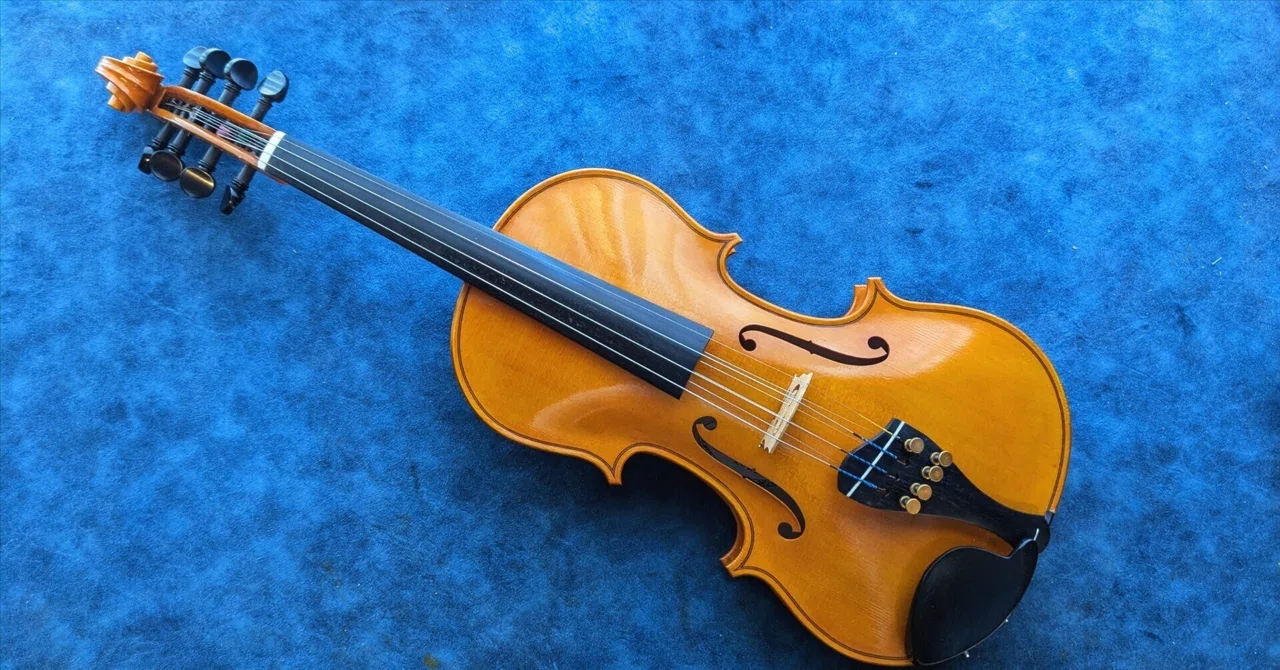
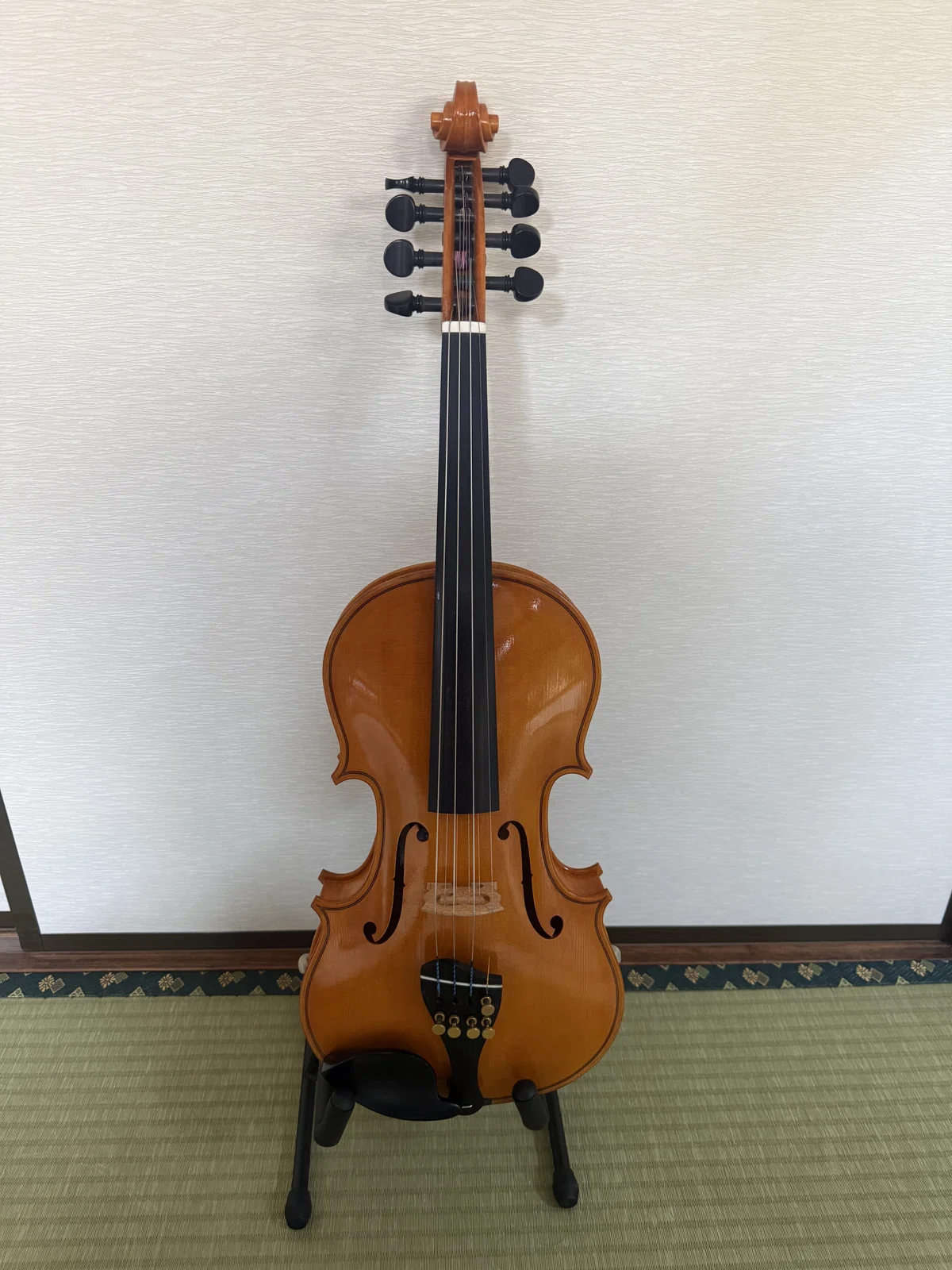
I recently brought home a new violin—one with sympathetic strings.
At first glance, it looks familiar. Four strings. A shape I’ve known for years.
But beneath the fingerboard, there’s another set of strings you don’t touch directly.
They don’t speak on their own. They vibrate only when something else is played.
They respond.
That’s what drew me to it.
When I play, the sound is fuller than expected. Not louder—deeper.
Notes linger. Harmonics appear where I didn’t put them.
It’s as if the instrument is listening back.
I couldn’t help but feel how much this mirrors my inner world.
The Parts That Resonate
Inside me are different voices.
There’s Little Bobby, who still feels things first.
There’s Paul, who learned how to brace and protect.
There’s Noah, who brings steadiness, timing, and restraint.
None of them need to be silenced.
None of them need to dominate.
Like the sympathetic strings, some parts don’t need to be played directly.
They just need to be allowed to resonate when the right note is struck.
What I’m learning—slowly—is that integration isn’t about forcing harmony.
It’s about tuning.
About listening closely enough to notice what’s already vibrating.
This violin reminds me that depth doesn’t always come from effort.
Sometimes it comes from presence.
How This Changes the Way I Play
I included a short video.
Before recording it, I practiced for hours—trying to get it right.
Trying to sound clean. Controlled. Worthy of being heard.
And the more I tried to make it perfect, the more rigid everything became.
My hands tightened. The sound narrowed. The violin stopped responding.
At some point, something shifted.
I realized this instrument isn’t asking for perfection.
It’s asking for honesty.
The sympathetic strings don’t care if I’m polished.
They respond to what’s actually being played—not what I wish I were playing.
So I stopped trying to impress.
I stopped trying to prove anything.
I played where I am.
The sound wasn’t flawless.
But it was real.
And it was alive.
That felt like the point.
This violin is teaching me something simple and humbling.
Depth doesn’t come from forcing harmony.
It comes from allowing resonance.
I don’t need to be finished.
I don’t need to be perfect.
I only need to be honest about where I’m standing—and willing to listen for what responds.
This is where I am right now.
And from here, there’s only one direction left to go.
応えてくる弦
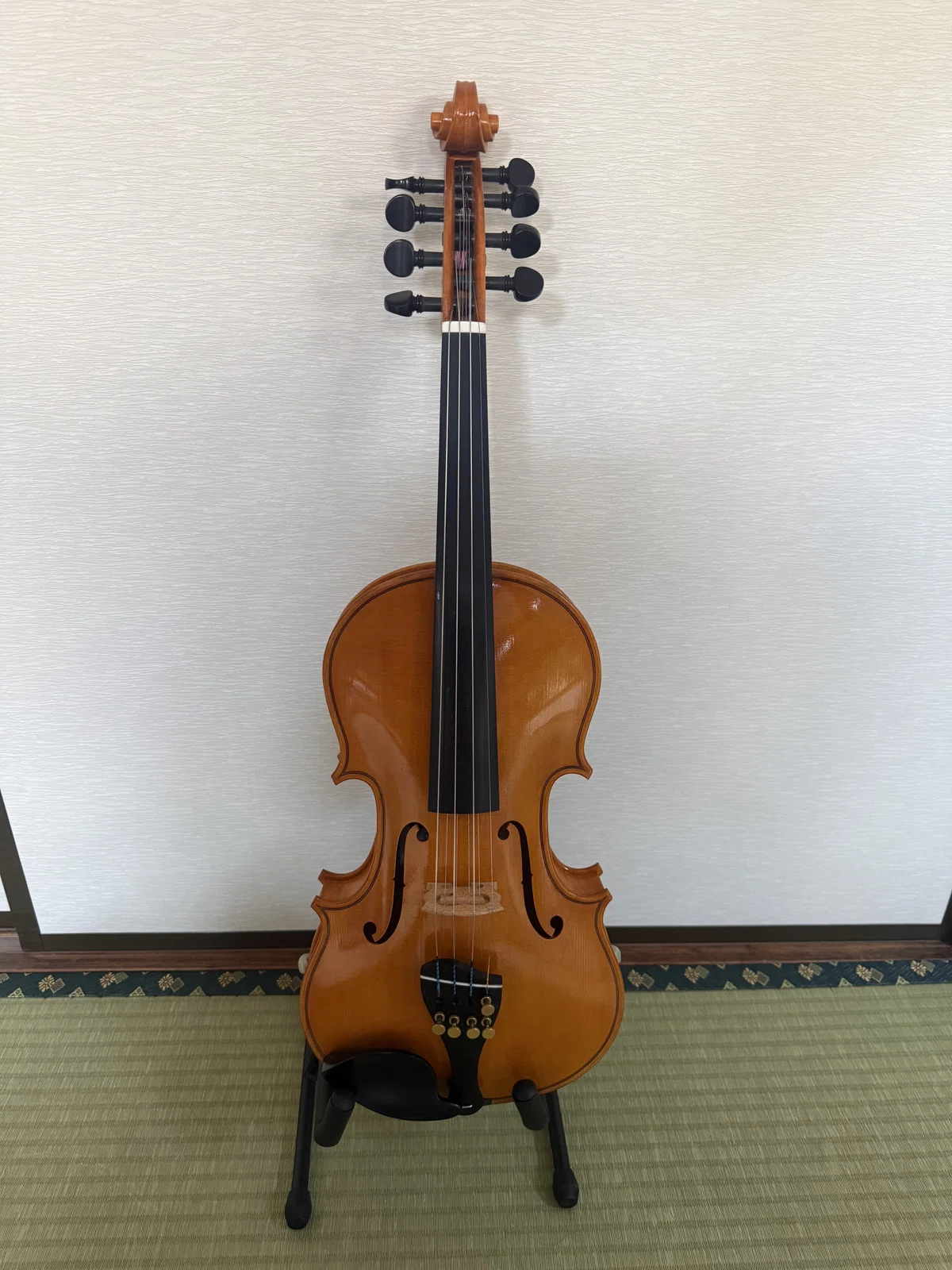
最近、新しいヴァイオリンを迎えました。
共鳴弦(シンパセティック・ストリングス)を持つヴァイオリンです。
一見すると、見慣れた姿をしています。
四本の弦。
何年も親しんできた形。
でも、指板の下には、直接触れることのないもう一組の弦があります。
それらは、自分から音を出すことはありません。
何かが奏でられたときにだけ、震えます。
――応えるのです。
それが、この楽器に惹かれた理由でした。
弾いてみると、音は想像以上に豊かでした。
大きいというより、深い。
音が余韻を残し、意図していないところに倍音が立ち上がる。
まるで、楽器がこちらの音に耳を澄ませているようでした。
それは、私の内側の世界を映しているようにも感じられました。
共鳴する内なるパーツ
私の中には、いくつかの声があります。
まず、真っ先に感じる Little Bobby。
身を固め、守ることを覚えた Paul。
そして、落ち着きと間(ま)、抑制をもたらす Noah。
どの声も、消す必要はありません。
どの声も、支配する必要はありません。
共鳴弦と同じで、
直接「弾かなくていい」パーツもあるのだと思います。
ただ、適切な音が鳴ったときに、
自然に共鳴することを許せばいい。
私が少しずつ学んでいるのは、
統合とは無理に調和させることではない、ということです。
それは「チューニング」。
すでに震えているものに、
ちゃんと耳を澄ませること。
このヴァイオリンは教えてくれます。
深みは、努力から生まれるとは限らない。
ときには、ただ“在る”ことから生まれるのだと。
演奏のしかたが変わった理由
短い動画を添えました。
撮影前、私は何時間も練習しました。
ちゃんと弾こうとして。
きれいに、整って、
聴くに値する音を出そうとして。
でも、完璧を目指せば目指すほど、
身体は固くなり、
音は細くなり、
ヴァイオリンは応えなくなっていきました。
ある瞬間、何かが変わりました。
この楽器は、完璧さを求めていない。
求めているのは、正直さだと気づいたのです。
共鳴弦は、
磨かれているかどうかを気にしません。
「本当に鳴っている音」にだけ、反応します。
「鳴らしたい音」ではなく。
だから、見せようとするのをやめました。
証明しようとするのをやめました。
今の自分の場所で、弾きました。
音は完璧ではありませんでした。
でも、嘘はなかった。
生きていました。
それで十分だと感じました。
このヴァイオリンは、
とてもシンプルで、謙虚なことを教えてくれています。
深みは、無理に調和させることで生まれない。
共鳴を許すことで、生まれる。
私は、完成している必要はありません。
完璧である必要もありません。
ただ、
今どこに立っているのかに正直でいること。
そして、
何が応えてくるのかに耳を澄ますこと。
それでいい。
今の私は、ここにいます。
そして、ここから先に進む方向は――ひとつしかありません。
いいなと思ったら応援しよう!
 もし応援したいと思っていただけたら、とてもうれしいです。
あなたの応援は、誰かの一番つらい日に寄り添う人を育てる力になります。
いただいた応援は、日本で病院チャプレンを目指す学びに大切に使わせていただきます。
本当にありがとうございます。
もし応援したいと思っていただけたら、とてもうれしいです。
あなたの応援は、誰かの一番つらい日に寄り添う人を育てる力になります。
いただいた応援は、日本で病院チャプレンを目指す学びに大切に使わせていただきます。
本当にありがとうございます。