「見栄」は最も高くつく負債である:モーガン・ハウセルが暴く、富と幸福の残酷な心理学"Vanity" is the Most Expensive Liability: Morgan Housel on the Brutal Psychology of Wealth and Happiness

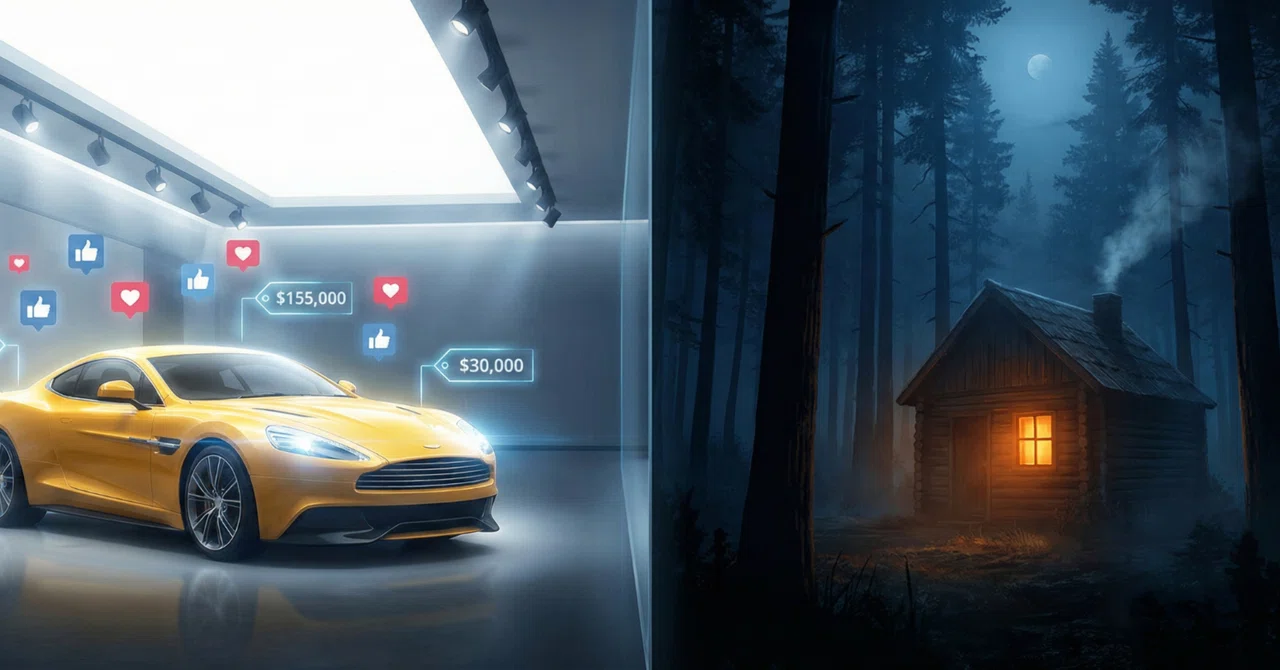
Your Spending Reveals Your Scars 黄色いランボルギーニを乗り回している人を見て、あなたはどう思いますか? 「車が好きなんだな」と思うかもしれません。 しかし、世界的ベストセラー『サイコロジー・オブ・マネー』の著者モーガン・ハウセルは違います。 彼にはそれが、「過去に自分を軽蔑した世界に対する、見せつけの復讐」に見えます。
お金の使い方は、単なる経済活動ではありません。 それはあなたの「野心、不安、そして過去の傷」を世界に大声で叫ぶスピーカーです。 なぜ私たちは、見知らぬ他人を感心させるために破産寸前までお金を使うのか? そして、口座残高を増やすこととは全く異なる「真の富」の定義とは何か? お金と人間の狂気に関する、残酷な心理学を解説します。
When you see someone driving a yellow Lamborghini, what do you think? You might think, "They really love cars." But Morgan Housel, author of the global bestseller "The Psychology of Money," sees it differently. To him, it looks like "a flashy revenge against a world that once despised them." How you spend money is not just an economic activity. It is a loudspeaker screaming your "ambitions, insecurities, and past scars" to the world. Why do we spend ourselves to the brink of bankruptcy just to impress strangers? And what is the definition of "True Wealth" that has nothing to do with increasing your bank balance? Here is the brutal psychology of money and human madness.
1. The Revenge Spending
支出という名の「復讐」
Retributive Materialism: なぜ貧困から這い上がった人ほど、巨大なロゴの入った服を着て、派手な時計を買うのでしょうか? ハウセルはこれを「報復的マテリアリズム(報復的物質主義)」と呼びます。 彼らは「今」を楽しんでいるのではありません。 無力で誰からも相手にされなかった「過去の自分」を癒やすために、世界に向けて「俺は成功したぞ!」とシグナル(信号)を送っているのです。
しかし、残酷な真実があります。 あなたが高級車に乗っている時、人々は「あなた」を見ていません。 彼らは「自分がその車に乗ったらどれだけカッコいいか」を想像しているだけです。 見栄を張るために富を使うことは、破産への最も確実な近道であり、尊敬を得るための最も効率の悪い方法です。
Why do people who crawled out of poverty tend to wear clothes with giant logos and buy flashy watches? Housel calls this "Retributive Materialism." They are not enjoying the "Now." They are sending a signal to the world saying "I made it!" to heal the "Past Self" who was powerless and ignored by everyone. But there is a brutal truth. When you drive a luxury car, people are not looking at "You." They are only imagining "how cool they would look driving that car." Using wealth to show off is the surest shortcut to bankruptcy and the most inefficient way to earn respect.
2. The Illusion of Wealth
真の富とは「カレンダーの支配権」である
Special Form of Poverty: 「富」とは何でしょうか? 高級タワマン? プライベートジェット? 違います。 真の富とは、「毎朝起きた時に、今日は自分の好きなことができると言える独立性」です。
年収10億円稼いでいても、嫌な顧客に頭を下げ、分刻みのスケジュールに縛られているなら、それは「特殊な形態の貧困」に過ぎません。 逆に、年収500万円でも、誰といつ何をするかを完全に自分でコントロールできているなら、その人は億万長者よりも豊かです。 お金の最大の価値は、物を買うことではありません。 「自分のお金について、これ以上考えなくてよくなる状態」に到達することです。
What is "Wealth"? A luxury penthouse? A private jet? No. True wealth is "the independence to wake up every morning and say, I can do whatever I want today." Even if you make $10 million a year, if you have to bow to clients you hate and are bound by a minute-by-minute schedule, that is merely a "Special Form of Poverty." Conversely, if you make $50,000 a year but have total control over who you spend time with and what you do, you are wealthier than a billionaire. The greatest value of money is not buying things. It is reaching a state where "you no longer have to think about your money."
3. The Inflation of Expectations
幸福を殺す「期待のインフレ」
Surprise is Happiness: 現代人は、歴史上のどの王様よりも豊かで便利な生活をしています。 それなのに、なぜ私たちは不満だらけなのでしょうか? それは、「期待値のインフレ」が起きているからです。
どんなに贅沢な環境も、たった2秒で「当たり前(ベースライン)」に変わります。 がんが治り、宇宙旅行に行ける未来が来ても、人々の期待値がそれ以上に高ければ、幸福度は1ミリも上がりません。 幸福の正体は、絶対的なポジション(地位)ではなく、期待を上回った時の「サプライズ(驚き)」と、自分が良くなっているという「軌道(トラジェクトリー)」にあります。 期待値を低く保つ能力は、稼ぐ能力よりもはるかに重要です。
Modern people live richer, more convenient lives than any king in history. Yet, why are we so full of dissatisfaction? Because of the "Inflation of Expectations." No matter how luxurious the environment, it becomes the "Baseline (Normal)" in just two seconds. Even if a future arrives where cancer is cured and space travel is possible, if people's expectations are higher than that, happiness will not increase by a single millimeter. The true nature of happiness is not an absolute position, but the "Surprise" when expectations are exceeded, and the "Trajectory" of feeling that you are improving. The ability to keep expectations low is far more important than the ability to earn.
4. The Price of Greatness
成功者の孤独な代償
Envy is Asymmetrical: 私たちは、イーロン・マスクやスティーブ・ジョブズのような「セルフメイドの億万長者」の富を羨みます。 しかし、彼らの富を羨むなら、彼らが支払った「代償」もセットで羨むべきです。
社会を変えるほどのマニアックな執着心。 家族との時間の犠牲。絶え間ない重圧。孤独。 私たちは他人の「結果(ハイライト)」だけを見て羨望しますが、その裏にある「犠牲(コスト)」を引き受けたいとは誰も思いません。 すべてを手に入れることはできません。彼らは富と引き換えに、普通の幸せを差し出したのです。
We envy the wealth of "self-made billionaires" like Elon Musk or Steve Jobs. But if you envy their wealth, you must also envy the "Price" they paid as a package deal. Manic obsession that changes society. Sacrifice of family time. Relentless pressure. Loneliness. We envy only the "Results (Highlights)" of others, but no one wants to take on the "Sacrifices (Costs)" behind them. You cannot have it all. They traded normal happiness for wealth.
Conclusion: The Ultimate Asset
結論:最強の資産
銀行のバランスシートには決して載らない、この世で最も価値のある資産があります。 それは**「見知らぬ人を感心させる必要がない、というマインドセット」**です。
幸福は、数分で消え去る一時的な感情(ジョークを聞いて笑うようなもの)に過ぎません。 私たちが目指すべきは、幸福ではなく、自分自身の「内的な基準」を満たした状態、つまり「充足感(Contentment)」です。
他人のゲームをプレイするのをやめてください。 あなたにとっての「十分(Enough)」を定義した瞬間、あなたはゲームの勝者になります。
There is the most valuable asset in the world that will never appear on a bank's balance sheet. It is "The mindset of not needing to impress strangers." Happiness is merely a temporary emotion that fades in minutes (like laughing at a joke). What we should aim for is not happiness, but a state that satisfies our own "Internal Benchmarks," which is "Contentment." Stop playing other people's games. The moment you define your "Enough," you become the winner of the game.
"Wealth is what you don't see. It's the cars not purchased, the diamonds not bought, the watches not worn." (富とは、目に見えないものである。それは買わなかった車であり、買わなかったダイヤモンドであり、身につけなかった時計である。)
Based on the psychological insights of Morgan Housel.
