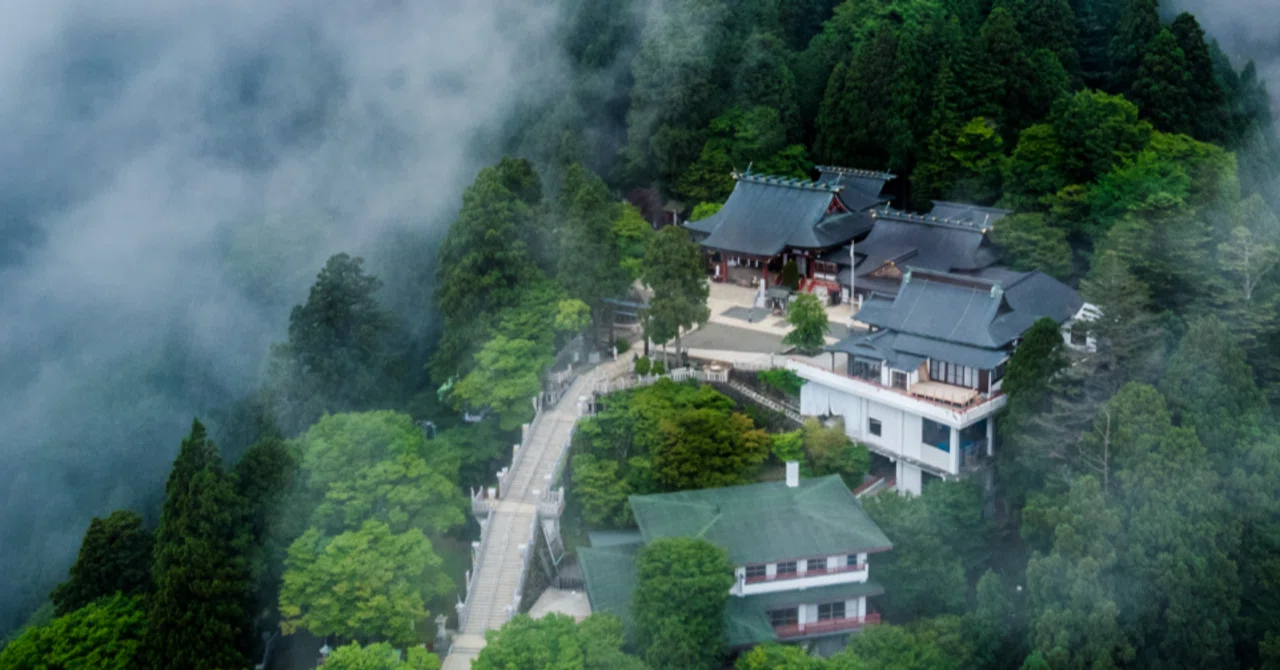
【神奈川・阿夫利神社】なぜ2200年も人々は祈り続けたのか?|歴史・伝統・絶景・祭りから感じた「日本人の心」

神奈川県・大山阿夫利神社の歴史、伝統、文化、祭りをわかりやすく解説します。
江戸時代の「大山詣り」や納太刀、神楽舞、大山火祭薪能など、日本人が2200年以上守り続けた祈りの文化を、実体験を交えて紹介します。
◾️なぜ人は、2200年以上もこの山へ祈りに向かったのか?
先週のnoteでは、神奈川県の「大山(おおやま)」について書きました。
登山をしながら感じた、
自然
歴史
信仰
そして、日本人の「祈り」。
今回は、その続編。
大山の中心とも言える、「大山阿夫利神社(おおやまあふりじんじゃ)」について書いていきたいと思います。
正直、実際に訪れるまでは、「景色が綺麗な神社」くらいのイメージでした。
でも、調べれば調べるほど、ここは単なる観光地ではなく、2200年以上、日本人の心を支えてきた場所なのだと感じました。
■そもそも「阿夫利神社」とはどんな神社?
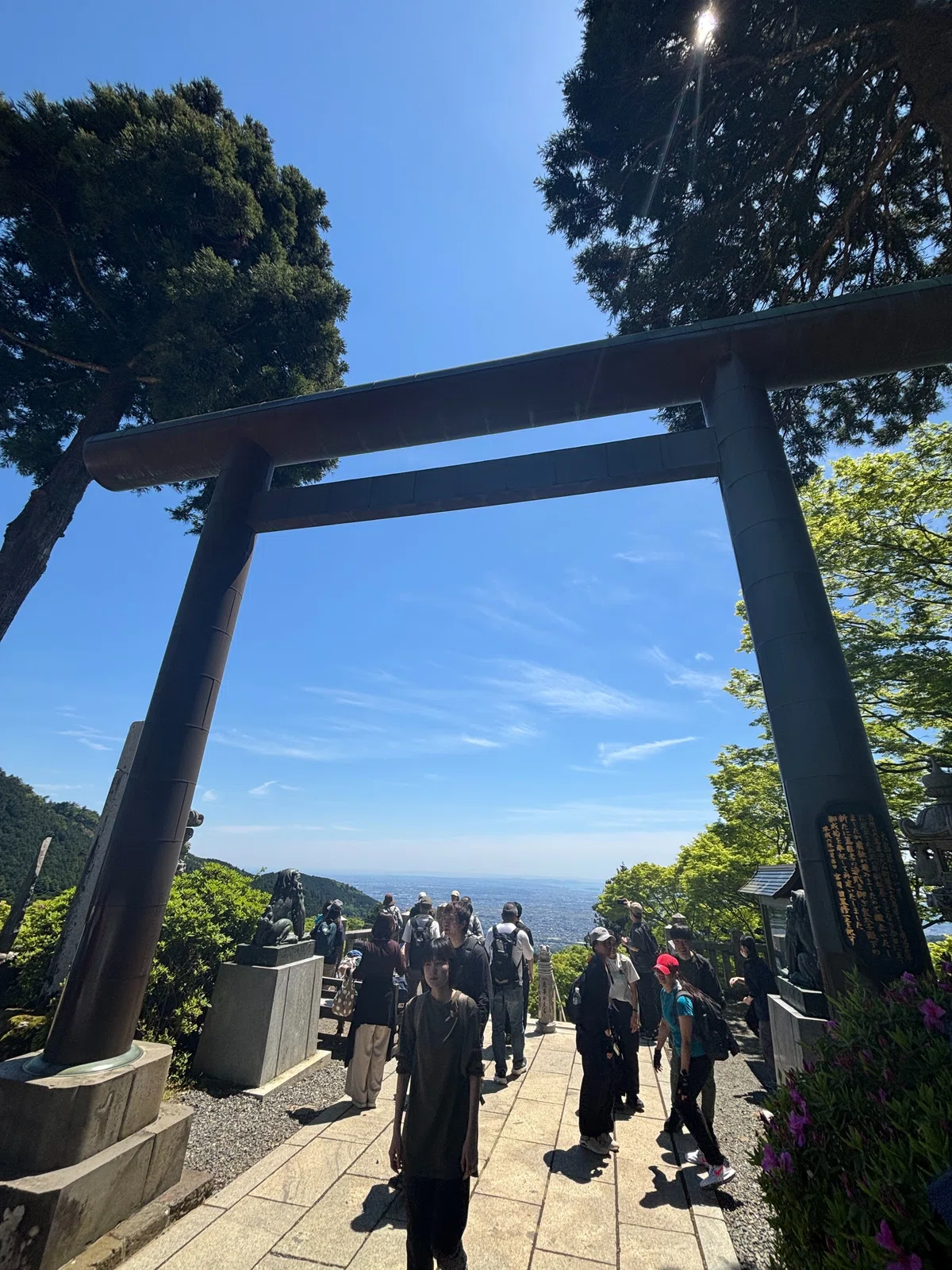
大山阿夫利神社は、神奈川県伊勢原市の大山に鎮座する古社です。
創建は、なんと約2200年前。
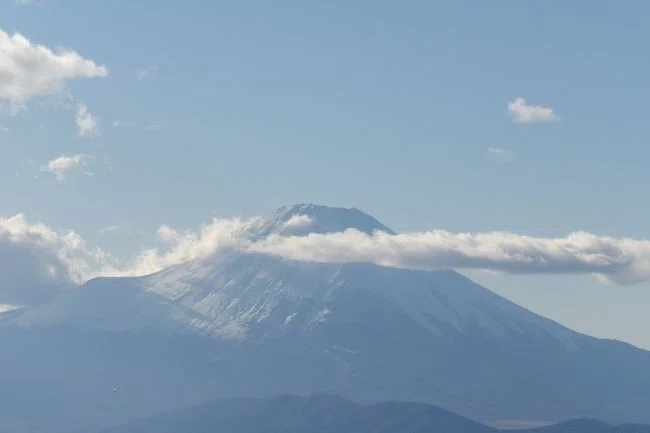
山に雲や霧が集まりやすいことから、大山は昔から「雨降山(あめふりやま)」と呼ばれていました。
そのため、
雨乞い
五穀豊穣
豊かな水
航海安全
などを祈る場所として、古くから信仰されてきました。
昔の人にとって、「水」は命そのもの。
だからこそ、この山は特別な存在だったのだと思います。
■江戸時代、日本最大級の「旅行ブーム」が起きていた
今でこそ、観光や旅行は当たり前。
でも江戸時代、人々にとって旅は特別なものでした。
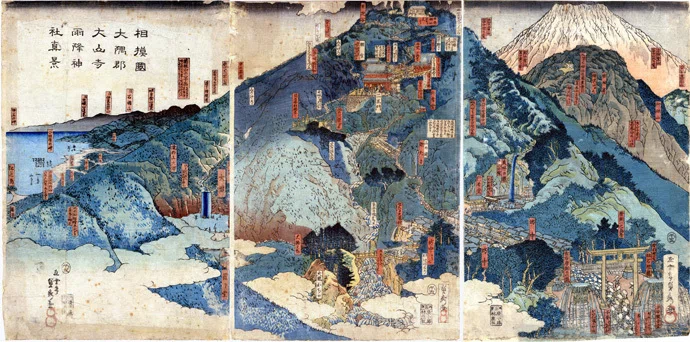
そんな中、爆発的人気を誇ったのが「大山詣り(おおやままいり)」です。
年間20万人以上が訪れたとも言われています。
当時の江戸の人口を考えると、かなり異常な熱狂です。
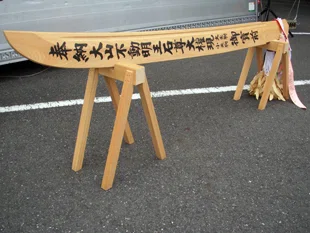
人々は白装束をまとい、巨大な木太刀を担ぎながら、大山を目指しました。
これを「納太刀(おさめだち)」と呼びます。
現代で言えば、「人生を整えるための旅」だったのかもしれません。
■なぜ人々は「大山」を目指したのか?
私は今回、実際に大山を登ったことで、少しだけ理由が分かった気がしました。
山を歩いていると、自然と「考える時間」が生まれるんです。
スマホを見る時間が減る。
情報から離れる。
静かな時間が増える。
すると、少しずつ頭が整理されていく。
昔の人も、きっと同じだったのではないでしょうか。
便利な時代ではなかったからこそ、「山へ向かう時間」に意味があった。
それは、ただの観光ではなく、「人生を整える行為」だったのだと思います。
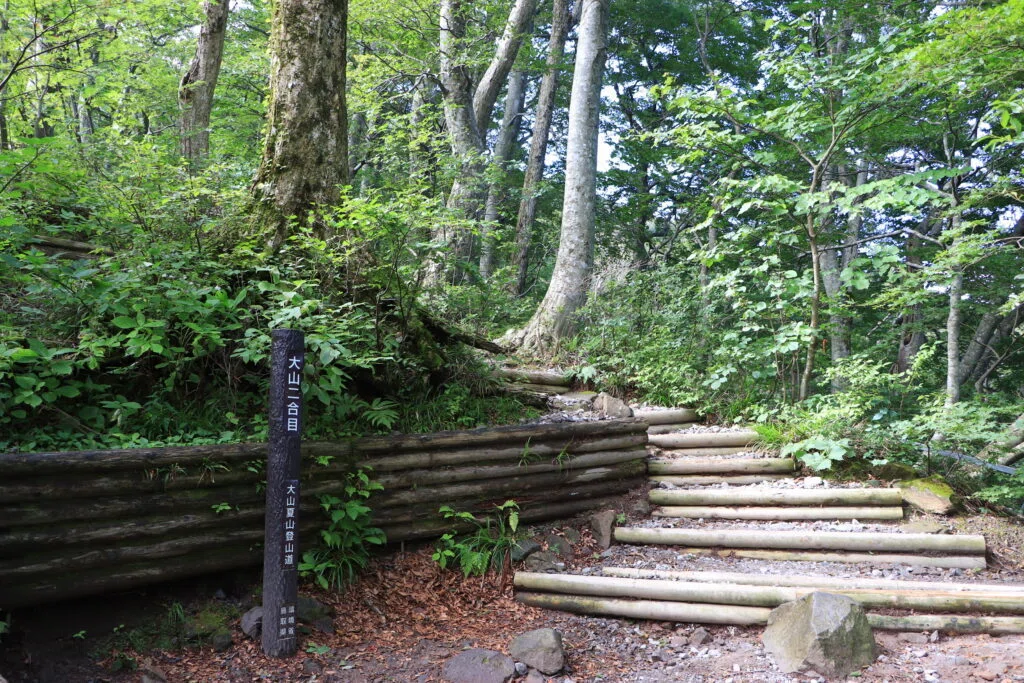
■神様と仏様が一緒だった時代
実は大山阿夫利神社は、昔から「神社」だったわけではありません。
奈良時代には、東大寺の僧・良弁(ろうべん)が入り、寺院が建てられました。
その後、神様と仏様が共に祀られる「神仏習合(しんぶつしゅうごう)」の文化が長く続きます。
当時は、「石尊大権現(せきそんだいごんげん)」として信仰されていました。
今の日本では、神社とお寺は分かれているのが普通ですが、昔の日本では、自然に共存していたんですね。
こういう歴史を知ると、日本文化の奥深さを感じます。
■武士たちも信仰した「勝負の神」
阿夫利神社は、庶民だけではなく、武士からも強く信仰されていました。
源頼朝
北条氏
徳川家康
など、歴史上の人物たちも参拝したと言われています。
特に有名なのが、源頼朝による「納太刀」。
武運長久を願い、太刀を奉納したことが、今の「納太刀文化」の由来になっています。
つまり、この神社は昔から、「人生の勝負どころ」で祈られる場所だったのです。
■今も残る、日本の伝統文化
大山阿夫利神社では、今も多くの伝統行事が続いています。
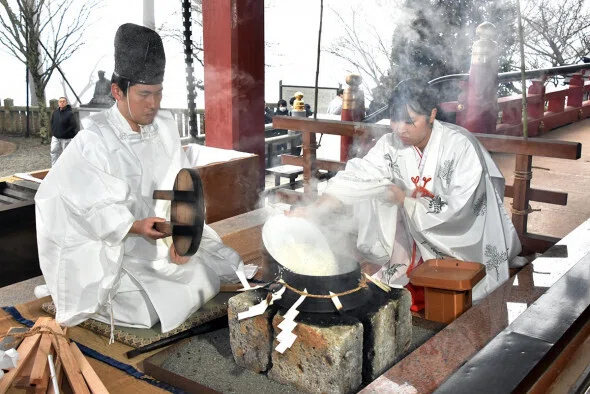
●筒粥神事(つつがゆしんじ)
300年以上続く伝統神事。
お粥の中に入れた竹筒を使い、農作物の豊凶を占います。
昔の日本人が、自然と共に生きていたことを感じられる神事です。
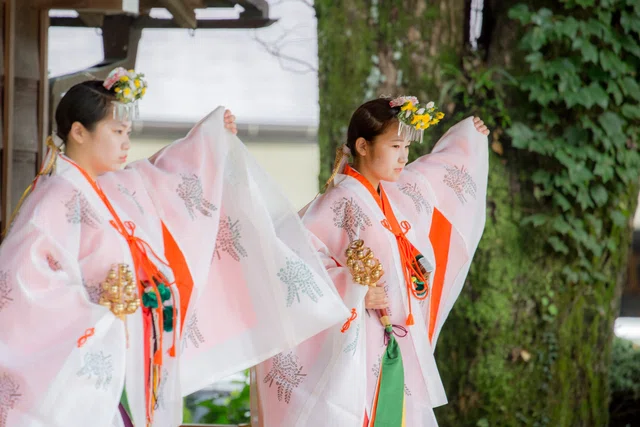
●倭舞・巫子舞(やまとまい・みこまい)
神奈川県の無形民俗文化財。
静かな舞には、現代人が忘れかけた「祈る心」が残っているように感じます。
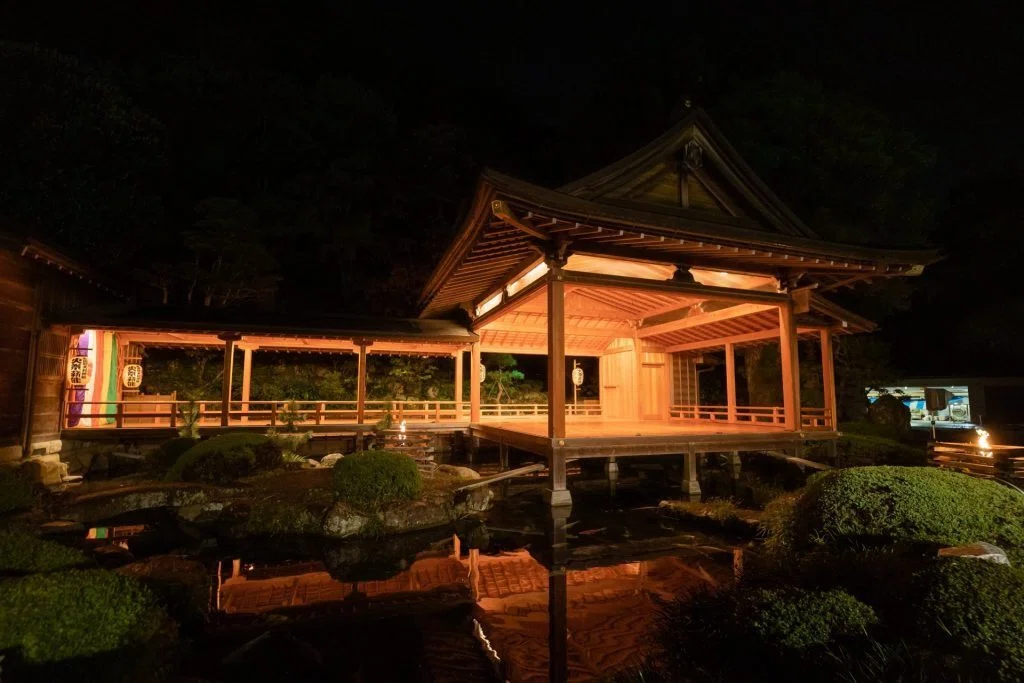
●大山火祭薪能
夜の闇の中、薪火だけで照らされる能舞台。
300年以上続く伝統行事です。
想像しただけでも、かなり幻想的。
日本の「静かな美しさ」が詰まっている気がします。
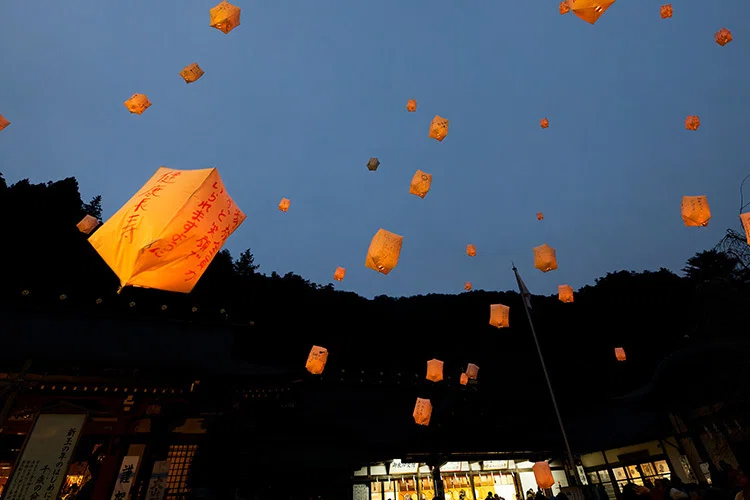
■現代イベントも人気
歴史ある神社ですが、現代的なイベントも増えています。
例えば、
大山絵とうろうまつり
紅葉ライトアップ
スカイランタンフェスティバル
など。
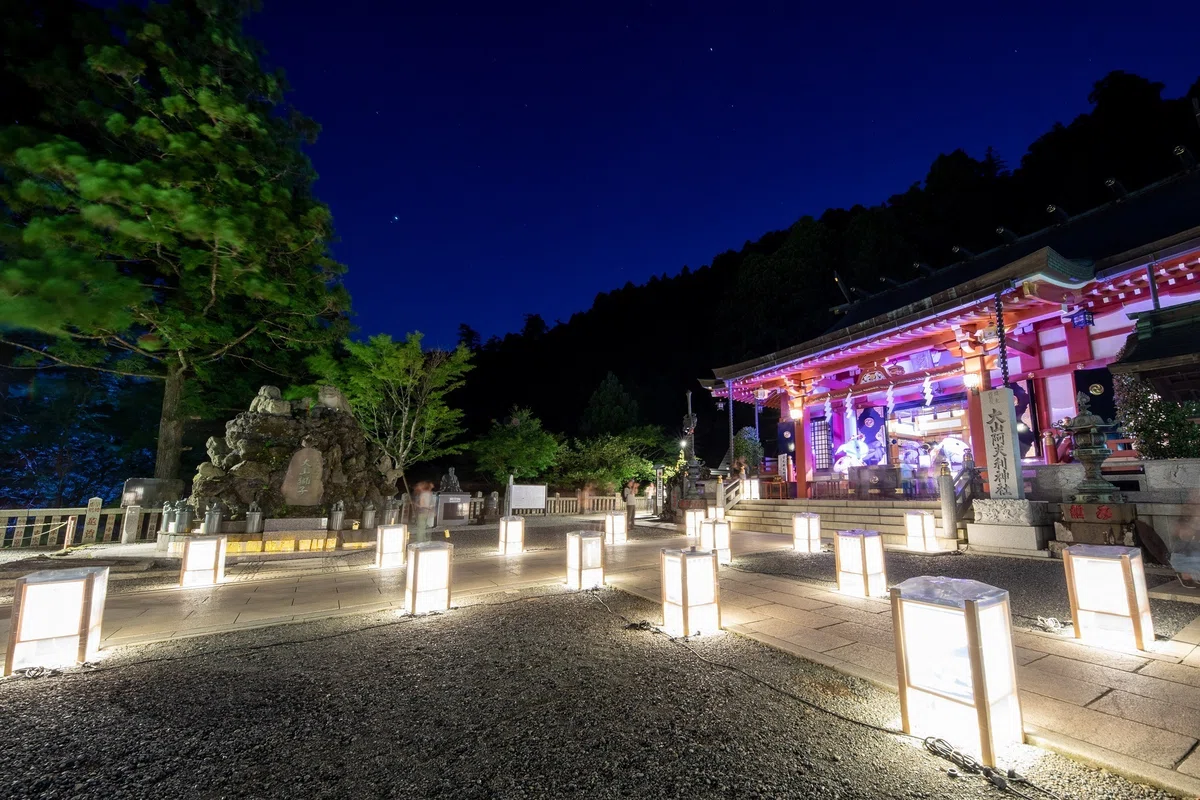
特に夜の阿夫利神社は、かなり幻想的。
「伝統」と「現代」が、上手く融合しているのも、この場所の魅力だと思います。
■大山豆腐文化も面白い
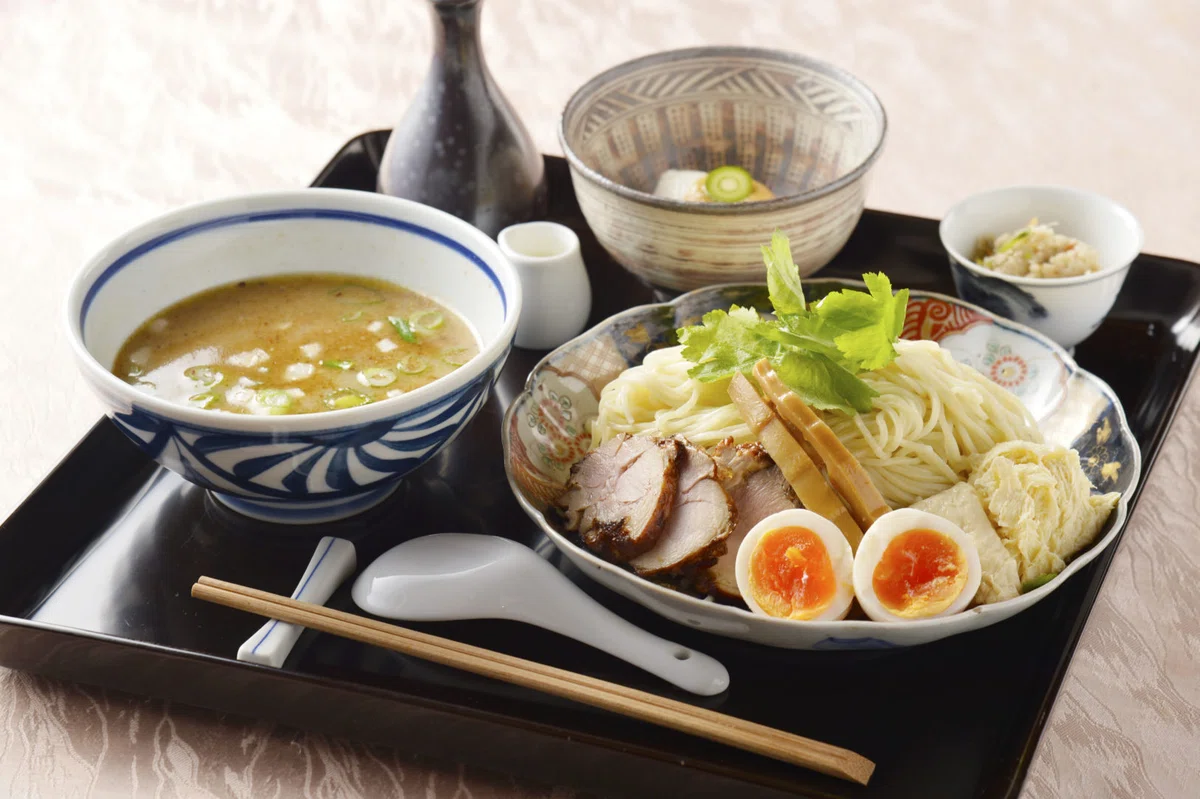
大山と言えば、やはり「大山豆腐」も有名です。
理由は、大山の水が本当に綺麗だから。
江戸時代の参拝者も、豆腐を食べながら山を登ったと言われています。
今で言う、「登山飯」みたいな感じだったのかもしれません。
こういう食文化が、今も残っているのが面白い。
■阿夫利神社は「日本人の感性」が残る場所だった
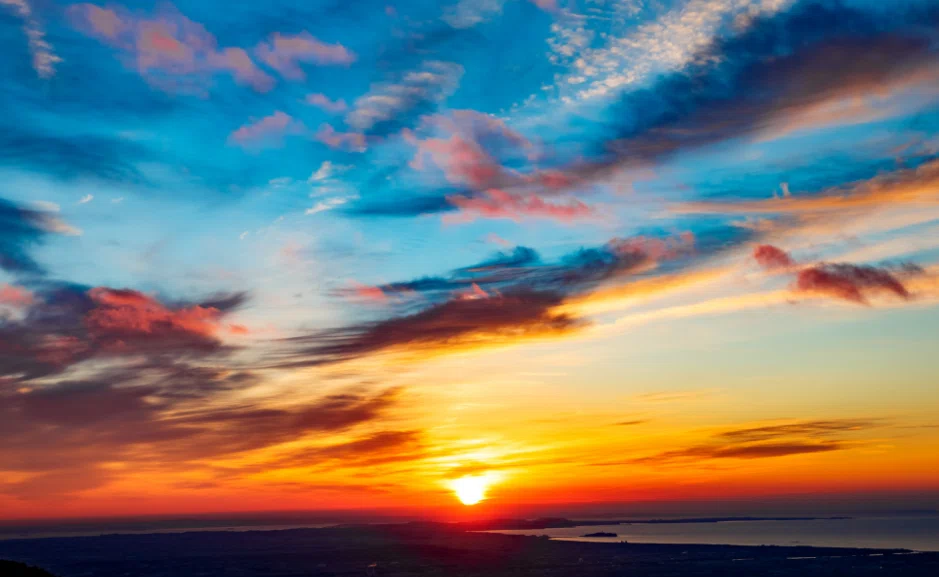
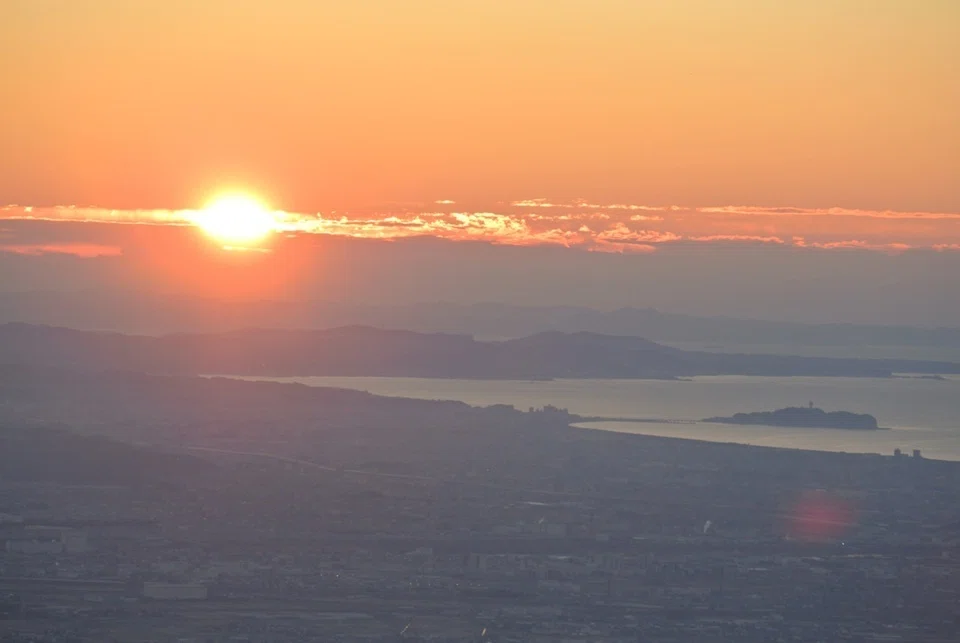
今回、大山阿夫利神社について深く調べて感じたのは、ここには、現代人が忘れかけている「心を整える時間」が残っているということ。
自然を敬う。
空を見上げる。
静かな場所で祈る。
便利さでは測れない価値が、確かにここにはあります。
忙しい現代だからこそ、こういう時間が必要なのかもしれません。
■まとめ
大山阿夫利神社は、2200年以上続く祈りの場所でした。
そこには、
歴史
文化
信仰
自然
人々の願い
が、今も静かに残っています。
もし最近、少し疲れているなら。
もし、立ち止まりたくなっているなら。
ぜひ一度、大山阿夫利神社を訪れてみてください。
きっとそこには、昔の日本人が大切にしていた「心を整える時間」が残っています。
そしてその時間は、現代を生きる私たちにも、必要なものなのかもしれません。
===========
For international readers🌏
Below is the English version of this article about Oyama Afuri Shrine, one of Japan’s most historic mountain shrines, located in Kanagawa Prefecture.
【Kanagawa, Japan】Oyama Afuri Shrine — A Sacred Mountain Shrine with 2,200 Years of History
Last week, I wrote about my experience climbing Mount Oyama in Kanagawa.
This time, I want to focus on the spiritual heart of that mountain:
Oyama Afuri Shrine (大山阿夫利神社).
At first glance, it may seem like just another beautiful Japanese shrine.
But once you learn its history, traditions, and culture, you realize this place has quietly supported the hearts of Japanese people for over two thousand years.
And even today, many people still visit this mountain to pray, reflect, and reset their minds.
◾️A Shrine Above the Clouds
Oyama Afuri Shrine is located on Mount Oyama in Kanagawa Prefecture, about two hours from Tokyo.
The mountain has long been called “Afuri-yama”, meaning “the mountain of rain.”
Clouds and mist often gather around the peak, so ancient people believed the mountain controlled rain and protected harvests.
For farmers, sailors, and travelers, this mountain became a sacred place of prayer.
More than 2,200 years ago, the shrine was said to have been founded during the reign of Emperor Sujin.
That means this place existed long before modern Japan was even formed.
◾️The Great Pilgrimage Boom of the Edo Period
During the Edo period (1603–1868), Oyama became one of the most popular pilgrimage destinations in Japan.
This movement was called “Oyama Mairi” (大山詣り).
At that time, huge groups of ordinary townspeople traveled from Edo (modern Tokyo) to Mount Oyama together.
Some carried giant wooden swords called “Noutachi” as offerings to the gods.
People climbed the mountain wearing white pilgrimage clothing, praying for:
Good health
Safety
Successful harvests
Protection in life
In today’s world, we often travel for entertainment.
But for people in the Edo period, traveling to Oyama was also a way to spiritually reset themselves.
I felt that same atmosphere while walking there.
◾️A Place Where Nature and Prayer Still Exist Together
What impressed me most about Oyama Afuri Shrine was the balance between:
Nature
Silence
Tradition
Human emotion
The deeper you go into the mountain, the quieter your mind becomes.
There is something powerful about hearing only:
Wind through the trees
Birds singing
Your own footsteps
Modern life constantly fills our heads with noise.
But places like this remind us how important silence can be.
◾️Traditional Culture Still Alive Today
Even now, many ancient traditions continue at Oyama Afuri Shrine.
Some of the most famous include:
Tsutsugayu Ritual
A traditional ceremony that predicts the year’s harvest by counting rice grains inside bamboo tubes cooked in porridge.
Yamato-mai and Miko-mai
Sacred traditional dances performed by shrine maidens.
Oyama Fire Festival (Takigi Noh)
A breathtaking event where traditional Noh theater is performed by firelight at night.
Autumn Lantern Festival
The mountain paths and shrine grounds glow with warm lantern lights, creating a dreamlike atmosphere.
These traditions are not just performances.
They are pieces of Japanese history still living today.
◾️Why This Shrine Still Matters Today
I think many people today are mentally exhausted.
Too much information.
Too much pressure.
Too much speed.
Oyama Afuri Shrine teaches the opposite.
Slow down
Look at the sky
Walk quietly
Listen to nature
Face yourself honestly
That may be why this mountain has continued to attract people for centuries.
Not because people wanted to escape life.
But because they wanted to reconnect with it.
◾️Final Thoughts
Oyama Afuri Shrine is more than a tourist destination.
It is:
A sacred mountain
A place of prayer
A living piece of Japanese culture
A place where people recover their hearts
If you ever visit Japan and want to experience something beyond the busy cities, I truly recommend visiting Mount Oyama and Oyama Afuri Shrine.
You may discover a quieter side of Japan —
and perhaps, a quieter side of yourself as well.
— Enishi (縁)
