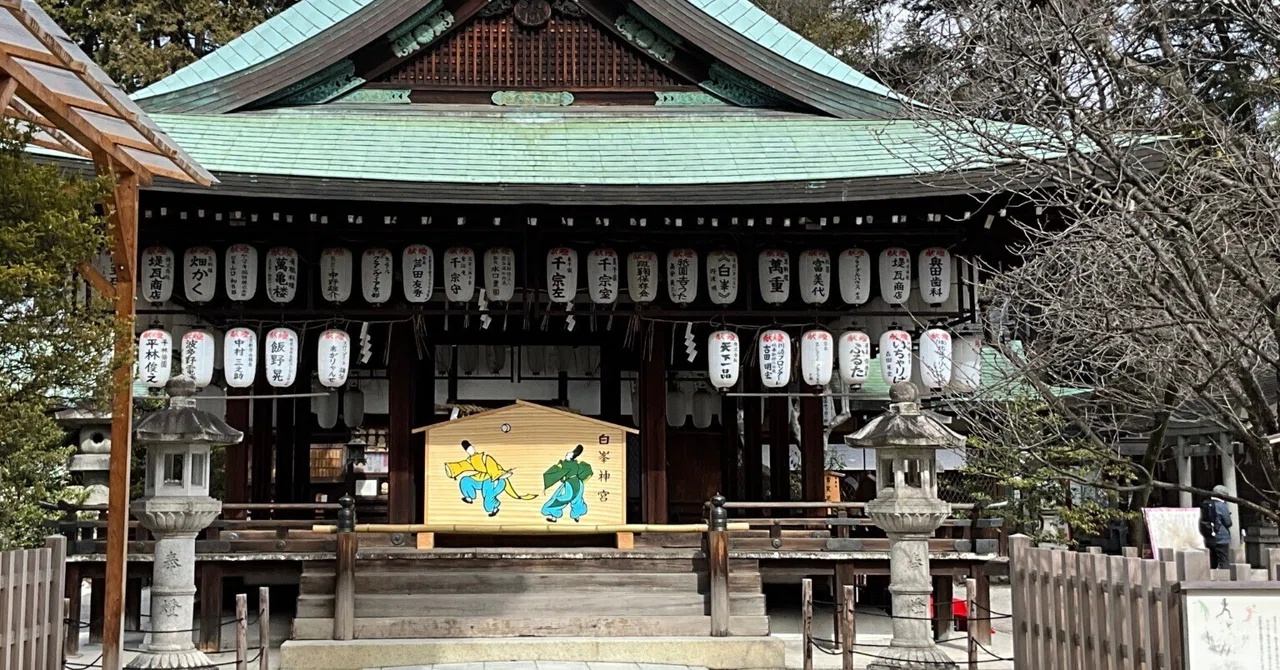
白峯神宮:2026年2月19日(木)

【要旨】
堀川今出川の交差点東側に鎮座する白峯神宮は,通勤途上の道草として立ち寄るには控えめながらも,京都の文化層が凝縮した場である。崇徳天皇と淳仁天皇を祀る神社としての歴史的背景に加え,蹴鞠の宗家・飛鳥井家の屋敷跡に創建されたことから,球技・スポーツの守護神として全国から信仰を集めている。境内には奉納されたボール類,蹴鞠の碑,鞠庭,左近の桜と右近の橘,さらにオガタマノキや含笑花などの植栽があり,歴史・信仰・植物が重層的に交差する。本稿では,白峯神宮を訪れた一連の観察を「イベント」と捉え,その歴史的・植物学的・文化的文脈を丁寧に読み解く。さらに,この場が都市生活者に提供する社会的価値,文化的価値,経済的価値,環境資源的価値を,『京都居候叢書』の視座から考察する。
【本文】
1.白峯神宮
大学への通勤途上,堀川今出川の交差点を東へ折れると,白峯神宮の鳥居が静かに姿を現す。朝の光に照らされた境内は,通勤の緊張を一瞬だけ緩める「道草」の場である。白峯神宮は,崇徳天皇と淳仁天皇という,歴史のなかで悲運の運命を辿った二柱を祀る神社であり,その創建自体が政治史と宗教史の交差点に位置している。
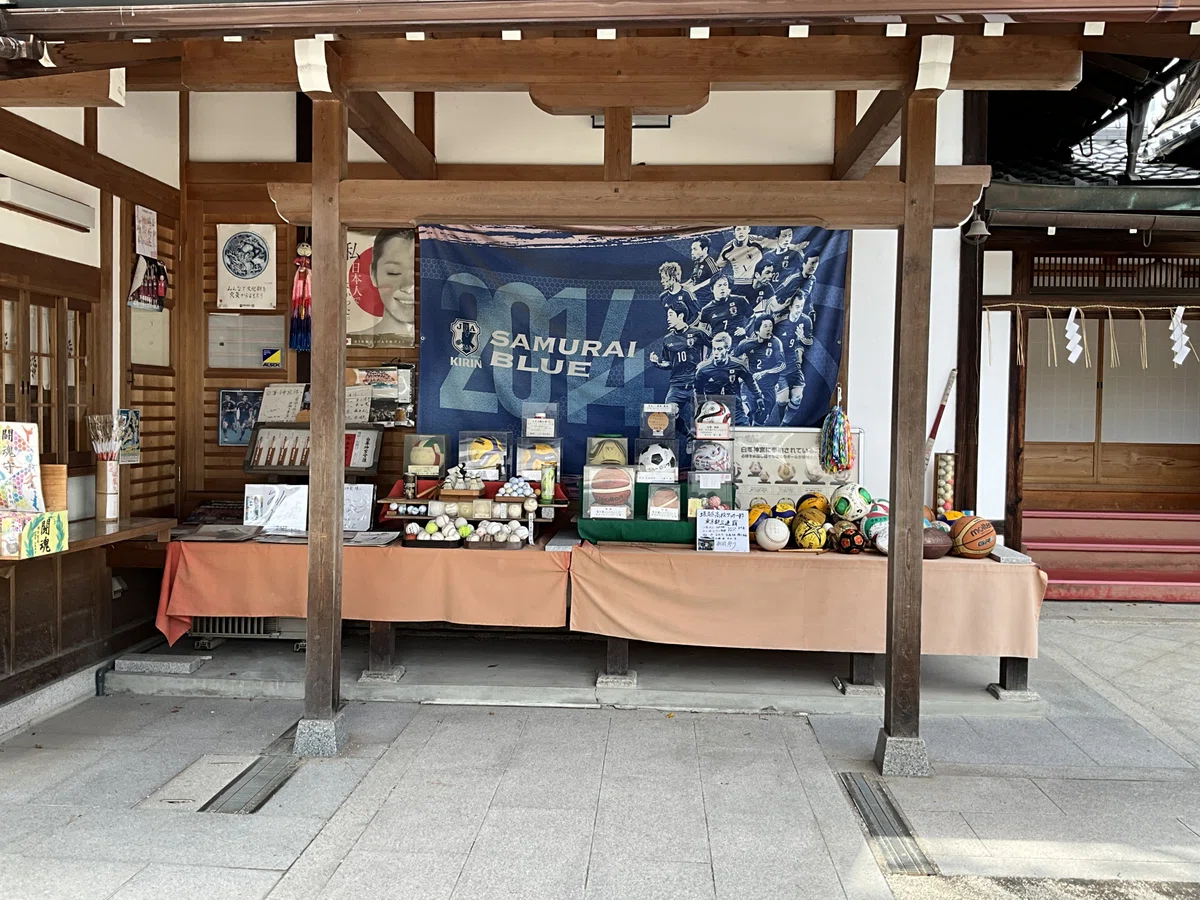
しかし,この神宮の魅力は,単に歴史的由緒にとどまらない。境内に足を踏み入れると,スポーツの守護神としての側面が強く立ち上がる。サッカーボール,野球ボール,バレーボールなど,さまざまな球技の奉納品が並び,アスリートたちの祈願の痕跡が境内の空気に溶け込んでいる。
2.飛鳥井家の屋敷跡と蹴鞠文化
白峯神宮がスポーツの守護神として信仰される背景には,蹴鞠の宗家・飛鳥井家の存在がある。飛鳥井家は平安時代以来,蹴鞠の技芸を継承してきた家であり,その屋敷跡に白峯神宮が創建されたことから,球技全般の守護神としての信仰が形成された。
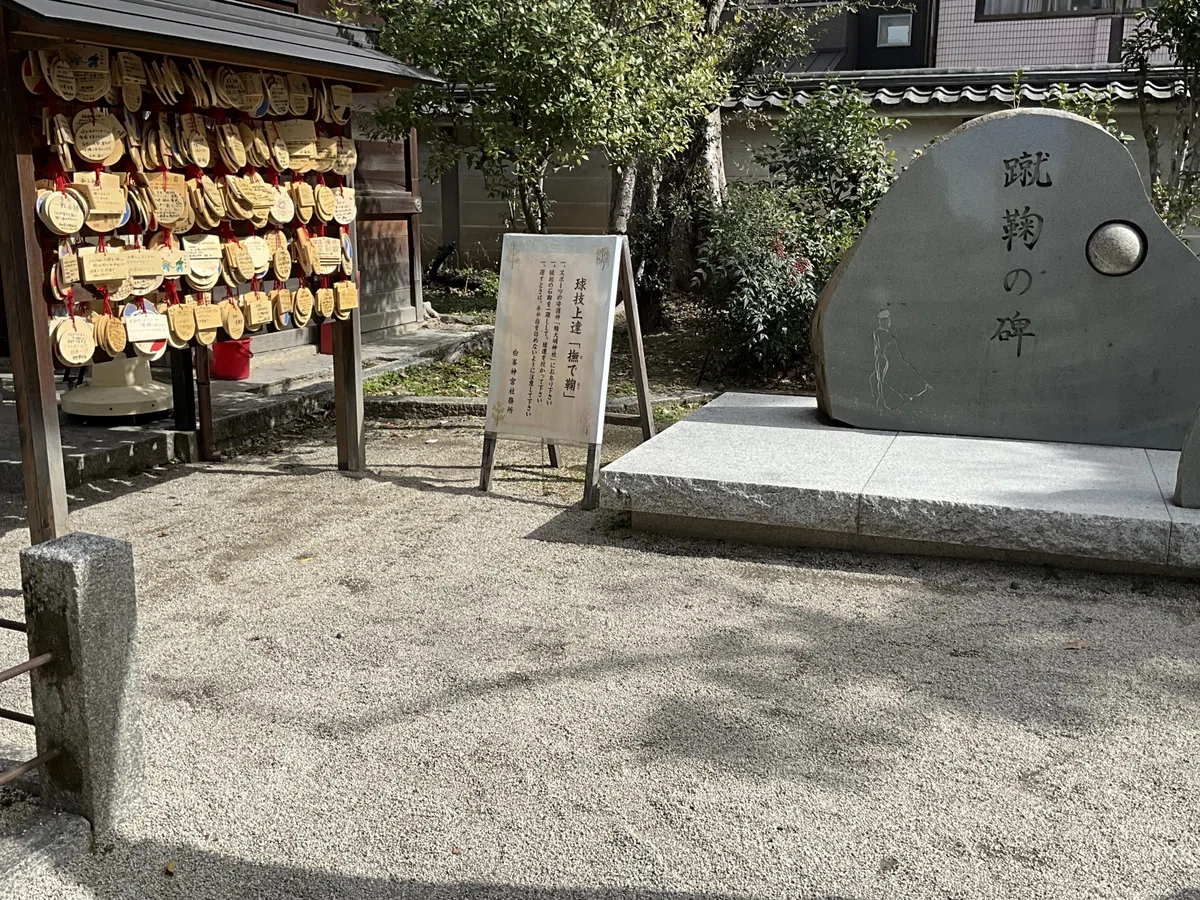
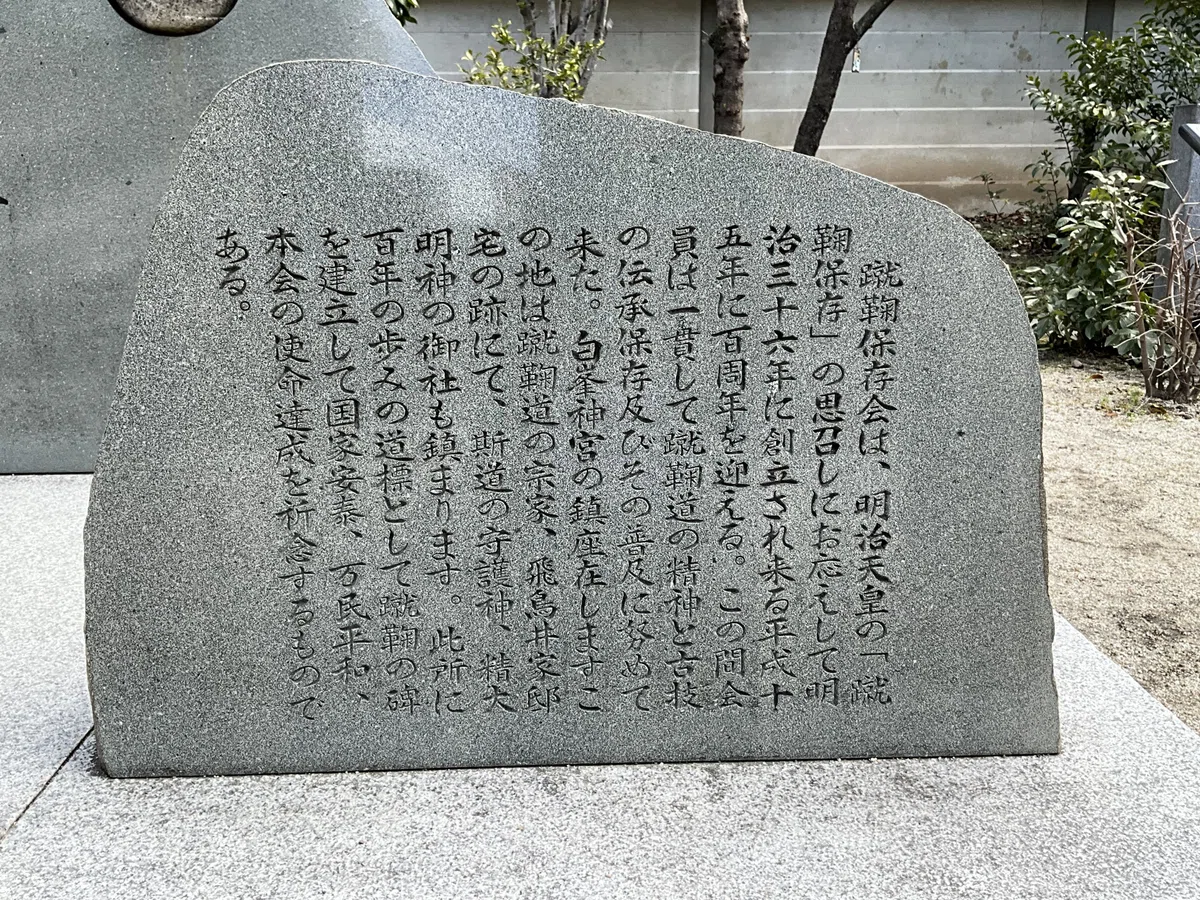
境内には「蹴鞠の碑」と碑文,そして鞠庭が整備されている。鞠庭の砂の質感,周囲の植栽の配置,碑文に刻まれた文字の風化の具合など,細部に目を凝らすと,蹴鞠という古代の身体文化が現代の都市空間に静かに息づいていることがわかる。
3.『枕草子』に記された飛鳥井
白峯神宮の境内には,清少納言『枕草子』に記された「飛鳥井」が残ると伝えられている。『枕草子』百七十二段には「みもひも寒しとほめたるこそをかしけれ」と記され,飛鳥井が名水として知られていたことがうかがえる。
平安文学に登場する井戸が,現代の神宮境内に形を変えて残っているという事実は,京都という都市の時間構造の複層性を象徴している。文学的記憶と宗教的空間が重なり合うことで,訪れる者に独特の深みを与えている。
4.崇徳院の歌碑と歴史の残響
境内には,百人一首に収められた崇徳院の一首 「瀬をはやみ 岩にせかるる 滝川の われても末に あはむとぞ思ふ」 が刻まれた碑が立つ。流れを阻まれながらも再び合流する滝川の比喩は,崇徳院自身の境遇と重ねられ,その悲劇性が強調されてきた。
この歌碑の存在は,白峯神宮が単なるスポーツ守護の神社ではなく,歴史の痛点を抱えた場所であることを示している。境内の静けさのなかに,歴史の残響が微かに響いている。
5.境内の植物:オガタマノキと含笑花
白峯神宮の境内には,御神木としてオガタマノキ(小賀玉の木)が植栽されている。オガタマノキはモクレン科の常緑樹で,古来,神霊を招く木として神社に植えられてきた。葉の厚み,樹皮の質感,枝ぶりの伸び方など,植物生態学的にも興味深い特徴をもつ。
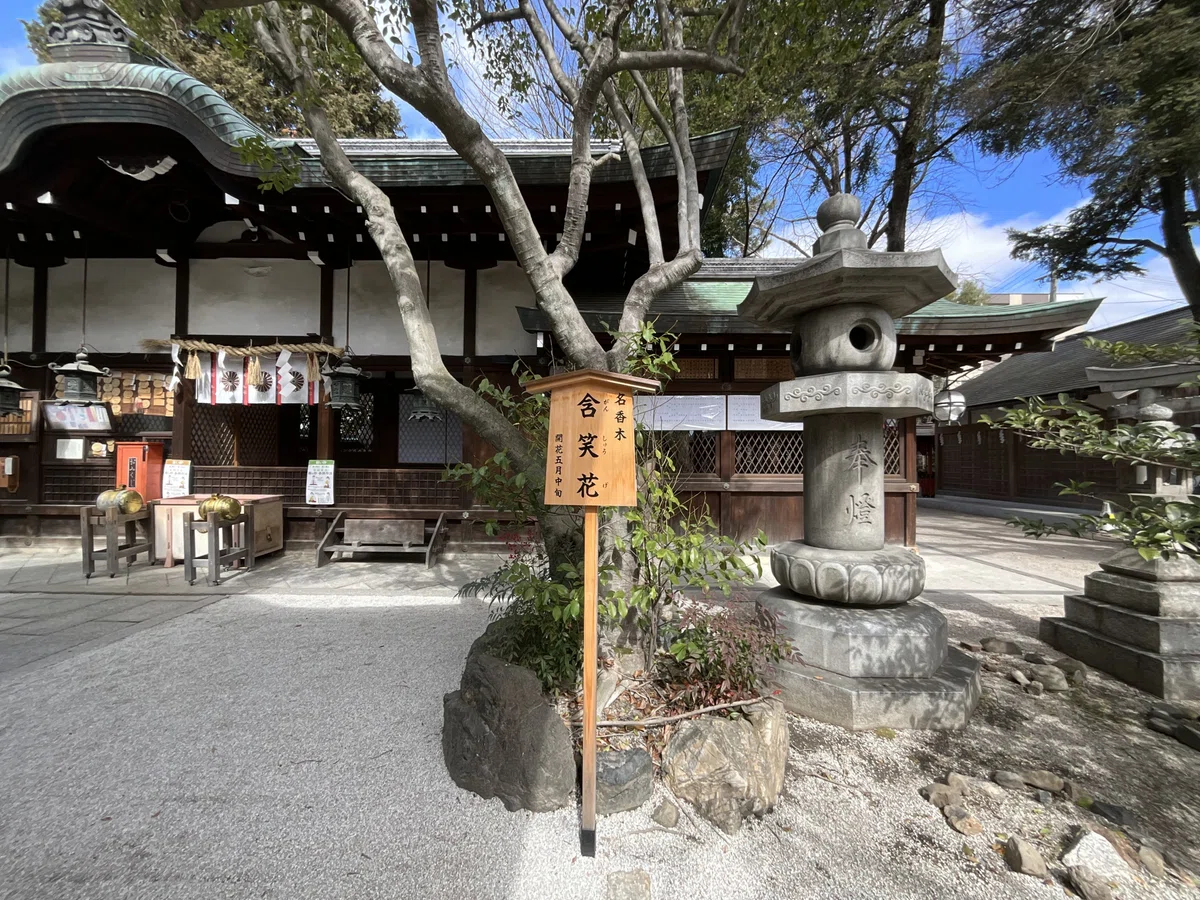
また,含笑花(がんしゅうげ)も境内に植えられており,その芳香と花形は,境内の空気に柔らかな印象を与えている。植物が神社空間の象徴性を補完し,歴史・信仰・自然が一体となった景観を形成している。
6.社会的価値:アスリートの祈願とコミュニティ
白峯神宮は,スポーツ選手が必勝祈願に訪れる場として広く知られている。奉納されたボール類は,個々のアスリートの願いと努力の痕跡であり,境内はスポーツコミュニティの精神的支柱として機能している。
また,地域住民にとっても,白峯神宮は日常の祈りの場であり,都市生活のリズムに寄り添う存在となっている。
7.文化的価値:身体文化と文学の交差
白峯神宮は,蹴鞠という古代の身体文化と,『枕草子』や百人一首といった文学的記憶が交差する稀有な空間である。身体技芸と文学が同じ場所に重層的に存在することで,京都の文化構造の豊かさが際立つ。
8.経済的価値:文化観光の潜在力
白峯神宮は大規模観光地ではないが,スポーツ守護の神社としての独自性は,文化観光の多様化に寄与している。アスリートの参拝や奉納は,地域経済にも一定の波及効果をもたらす。
9.環境資源的価値:都市のなかの緑地として
境内の植栽は,都市のなかの小規模な緑地として,生態系の多様性維持に寄与している。オガタマノキや含笑花は,都市環境における植物の役割を考える手がかりとなる。
10.居候としての再解釈
通勤途上の道草として白峯神宮を訪れることは,都市の風景を再解釈する行為である。歴史,文学,身体文化,植物が重層的に交差するこの場所は,居候として京都に身を置く者に,都市の奥行きを読み解く視座を与えてくれる。
白峯神宮は,都市のなかに潜む文化資源の結節点として,静かにその存在を主張している。
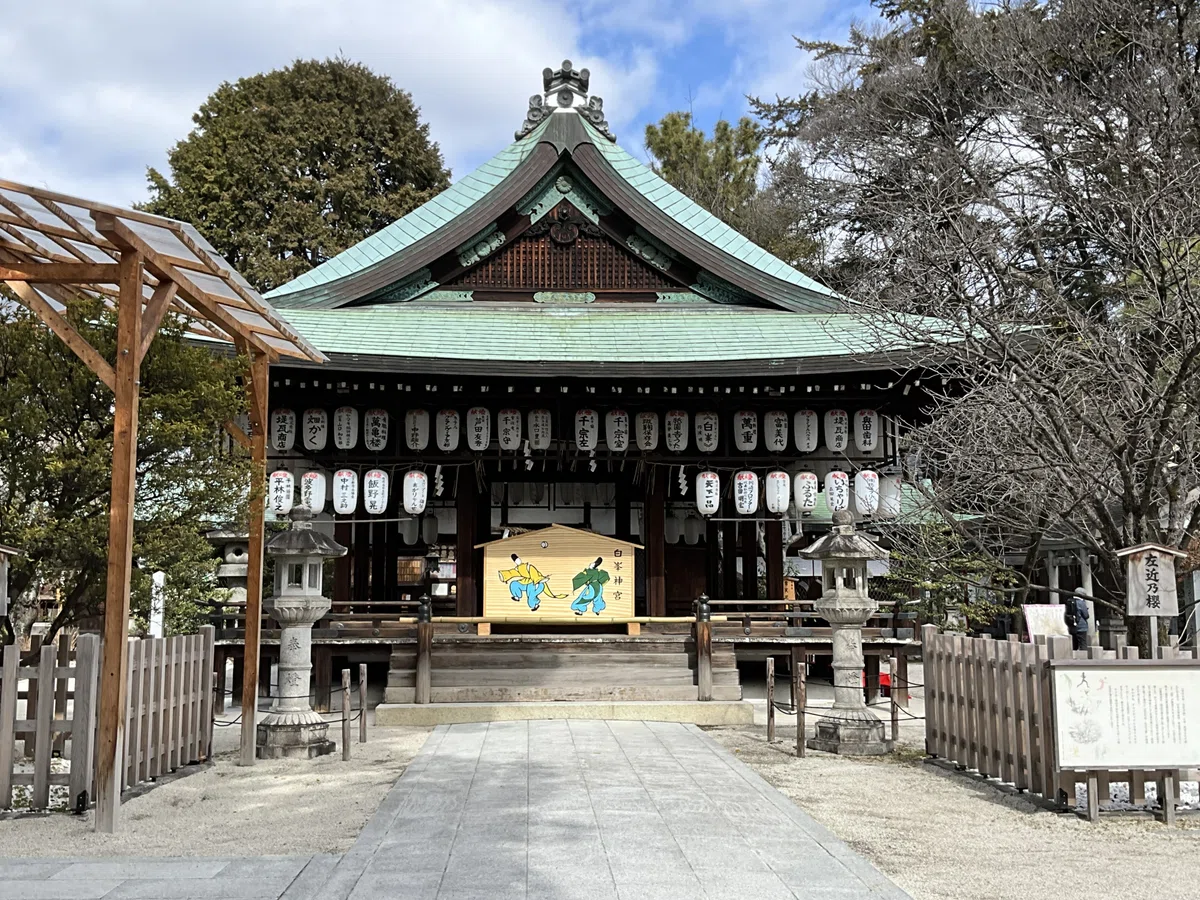
左近の桜,右近の橘
2026年2月19日,筆者撮影
©️Hideaki FUJII
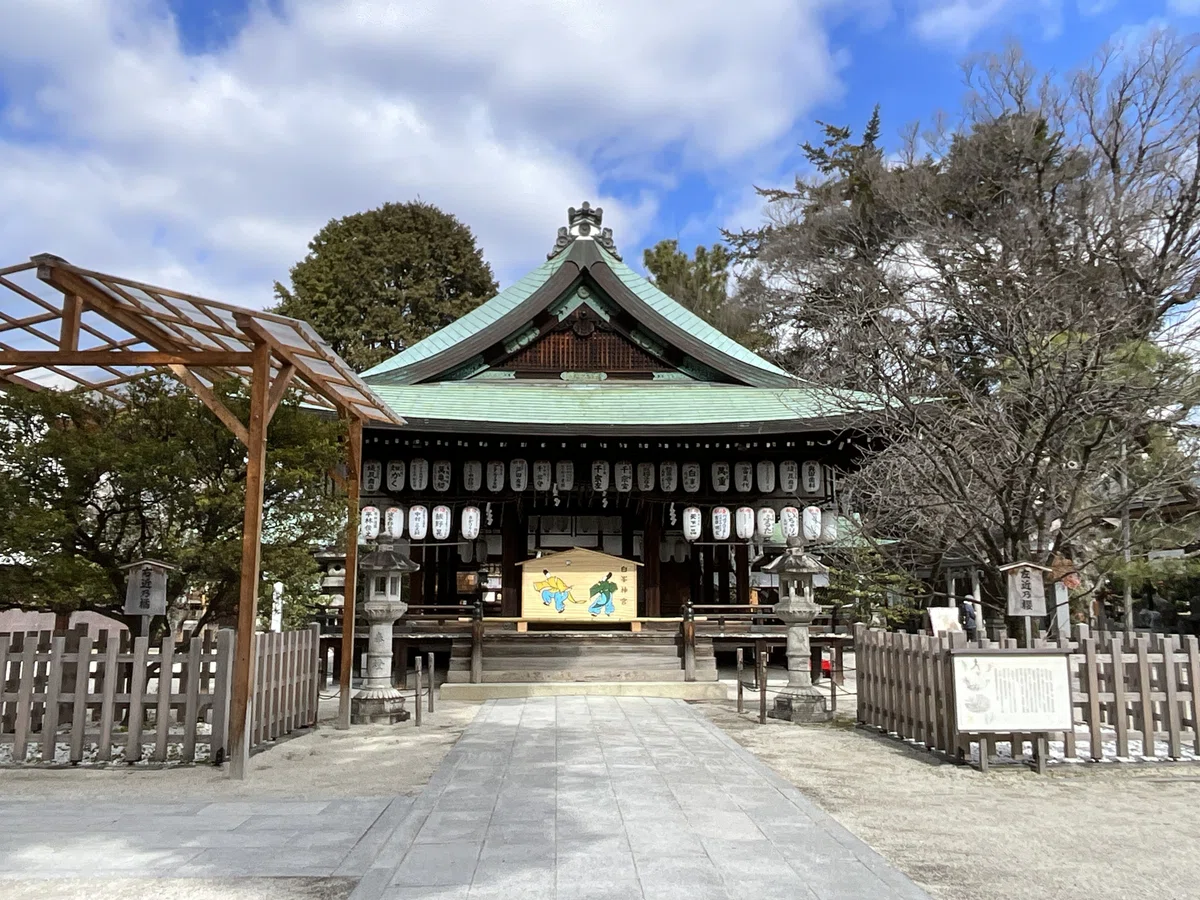
左近の桜,右近の橘
2026年2月19日,筆者撮影
©️Hideaki FUJII
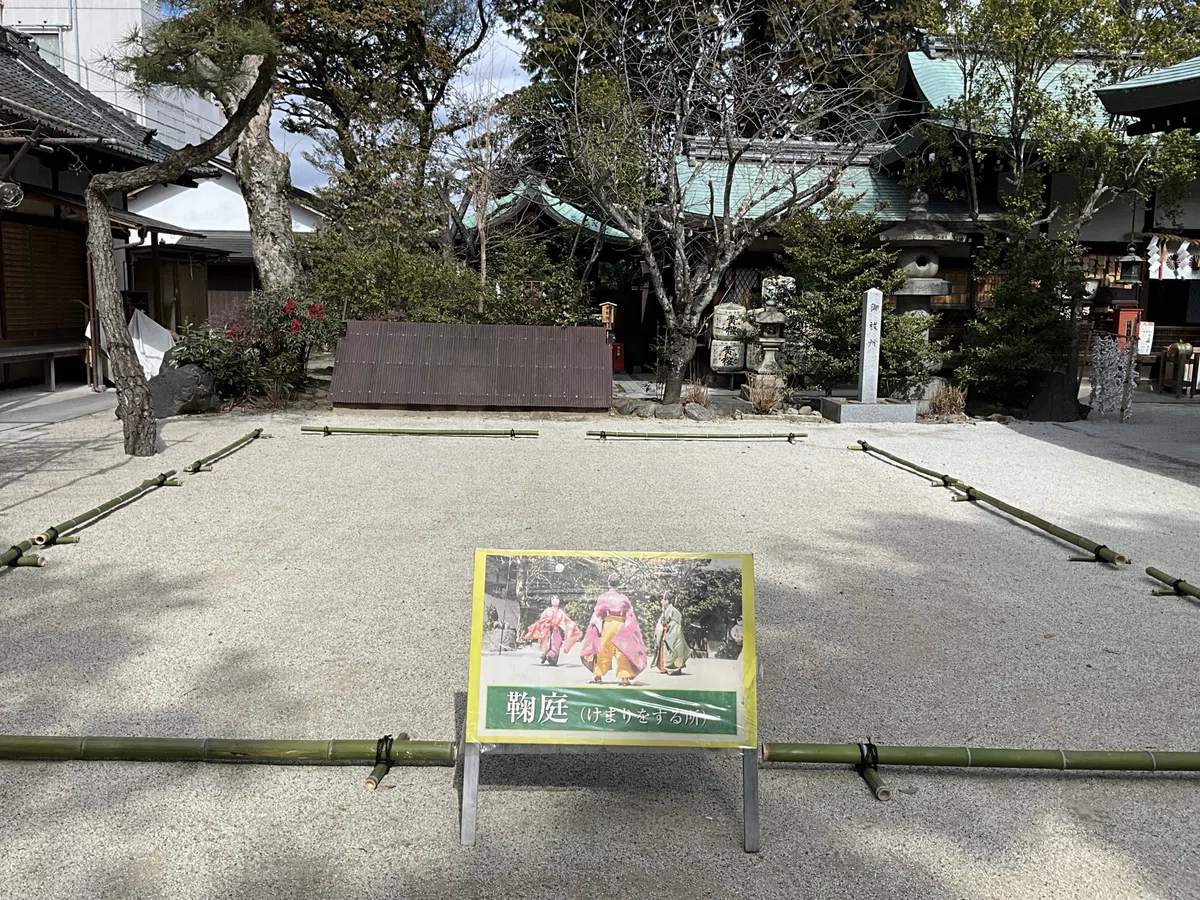
鞠庭
2026年2月19日,筆者撮影
©️Hideaki FUJII
2026年2月19日,筆者撮影
©️Hideaki FUJII
蹴鞠の碑
2026年2月19日,筆者撮影
©️Hideaki FUJII
蹴鞠の碑文
2026年2月19日,筆者撮影
©️Hideaki FUJII
含笑花(がんしゅうげ)
2026年2月19日,筆者撮影
©️Hideaki FUJII
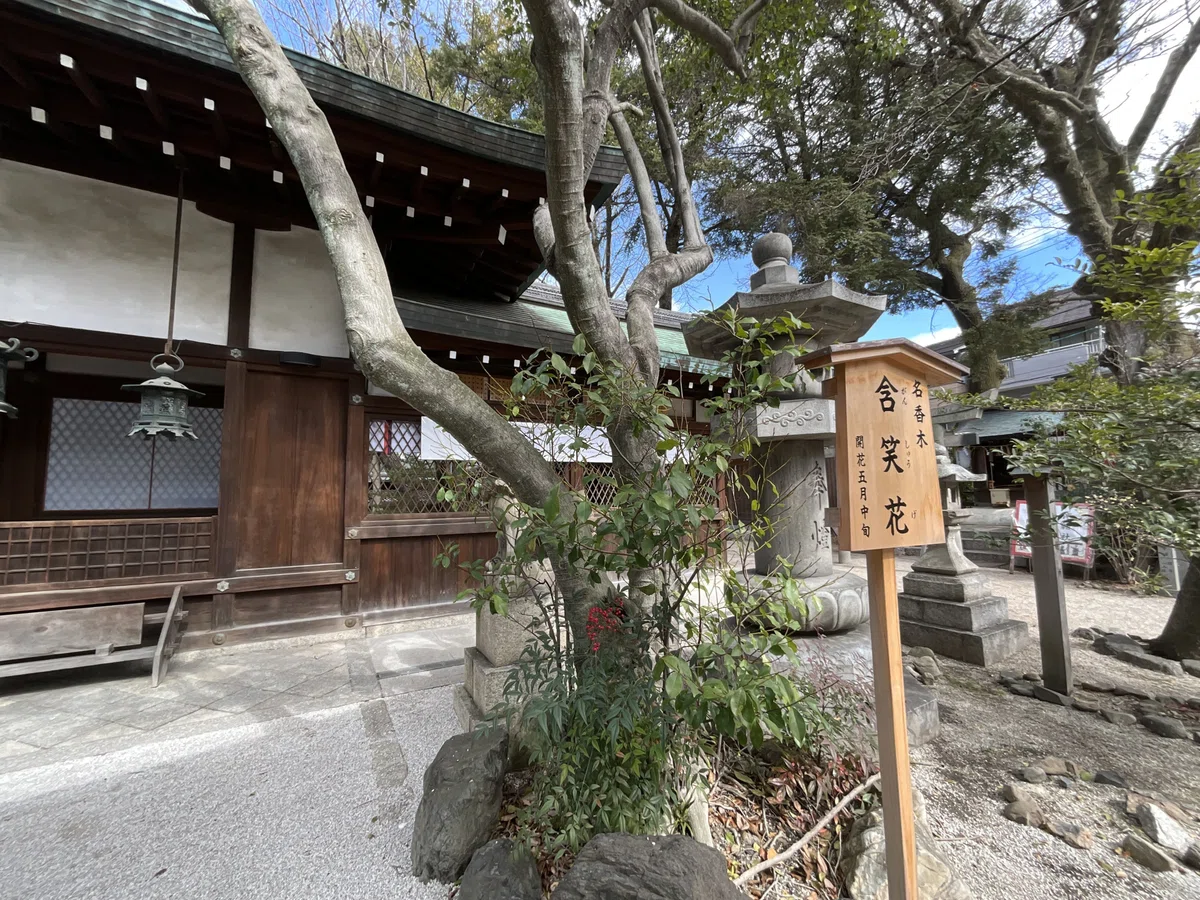
含笑花(がんしゅうげ)
2026年2月19日,筆者撮影
©️Hideaki FUJII
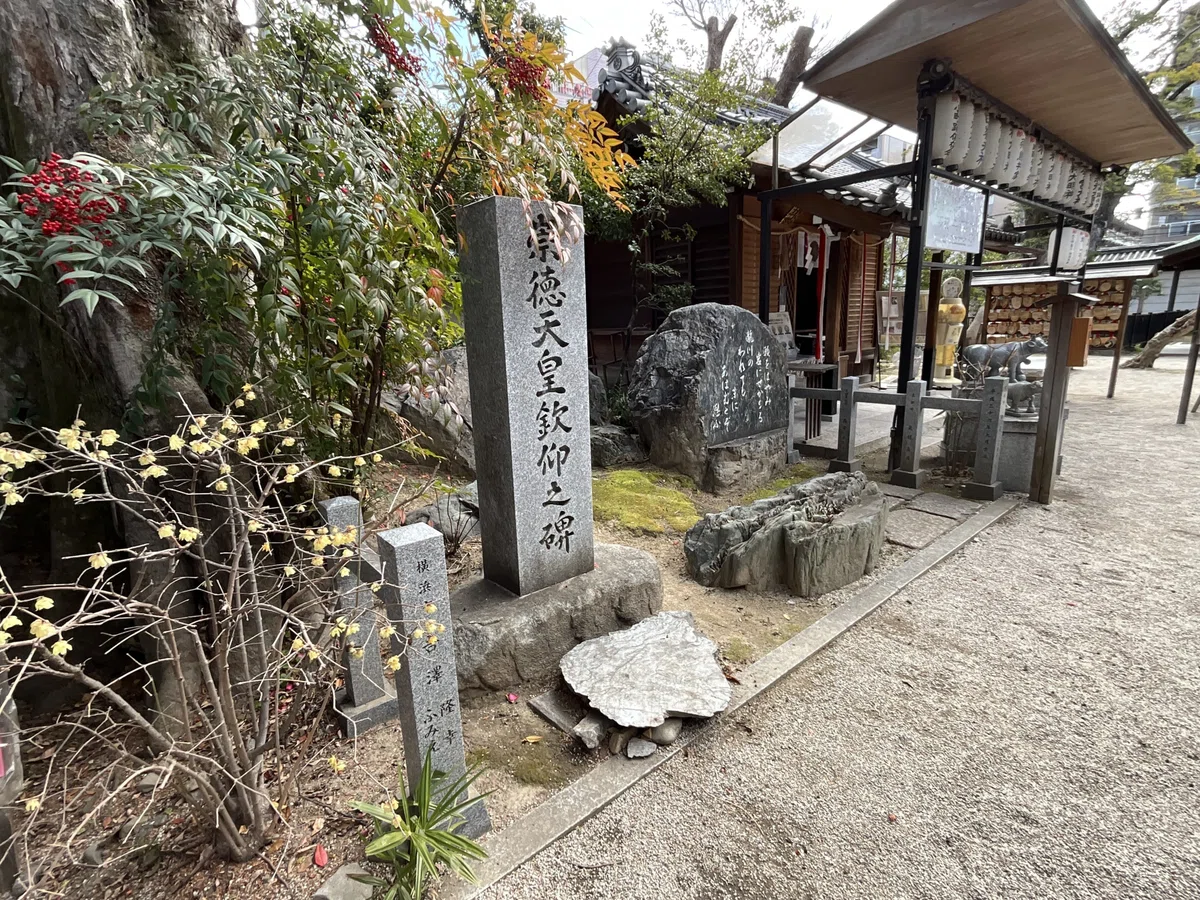
2026年2月19日,筆者撮影
©️Hideaki FUJII
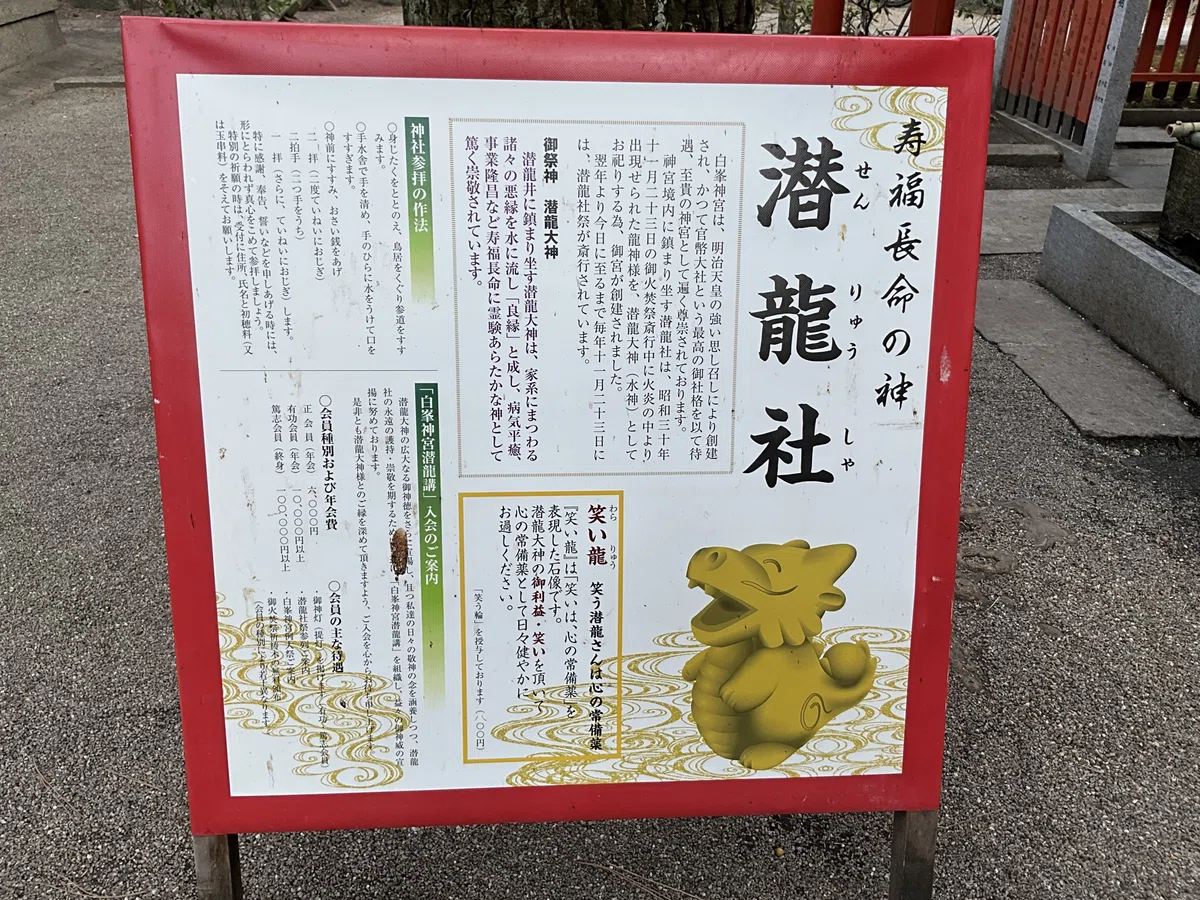
潜龍社
2026年2月19日,筆者撮影
©️Hideaki FUJII
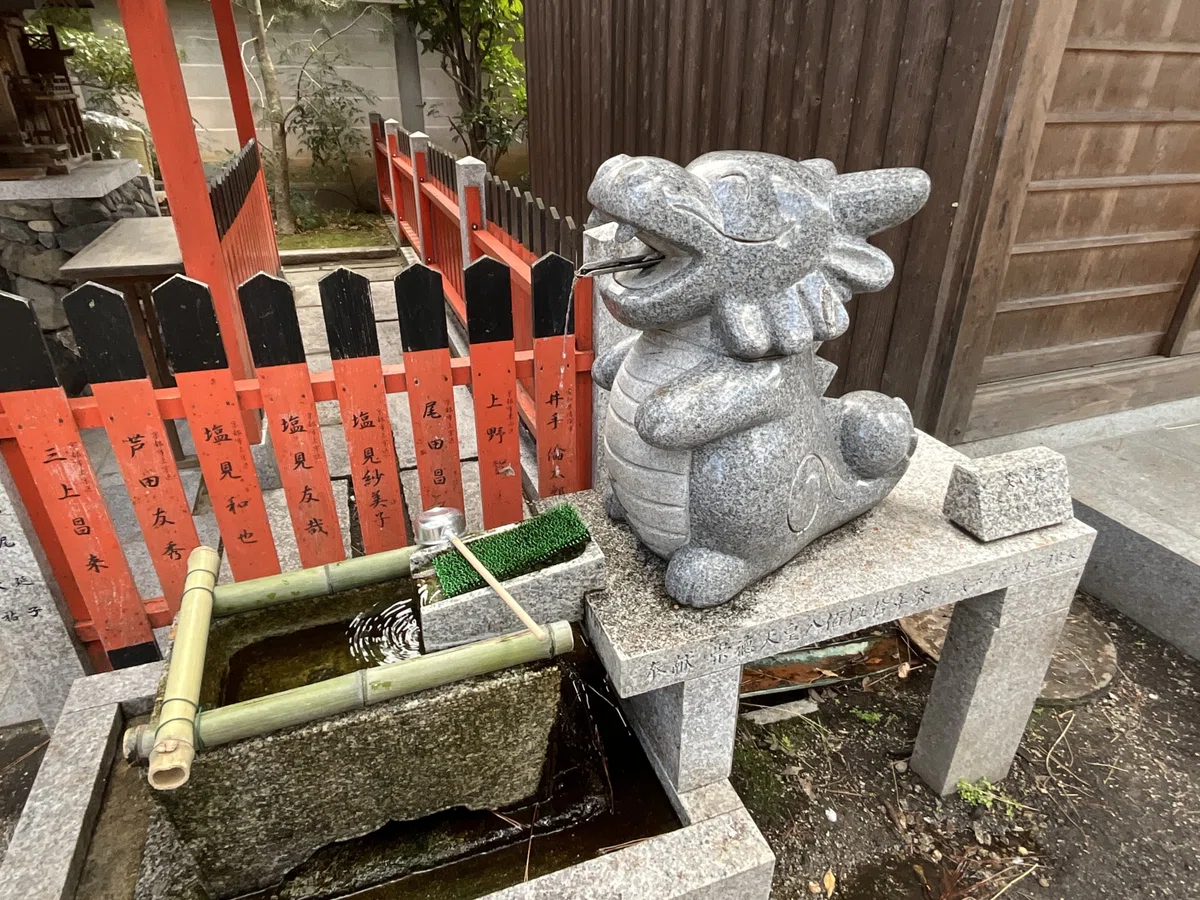
潜龍社の笑い龍
2026年2月19日,筆者撮影
©️Hideaki FUJII
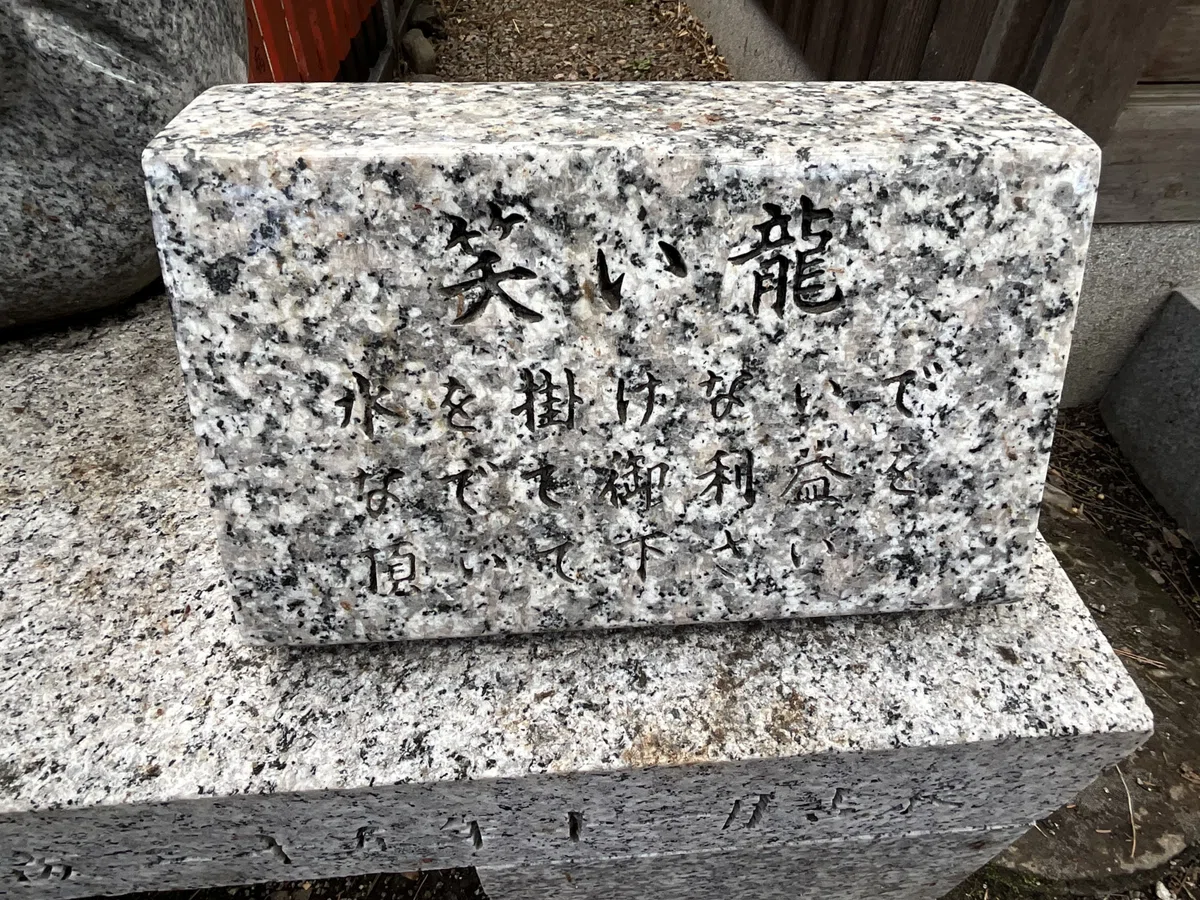
潜龍社の笑い龍
2026年2月19日,筆者撮影
©️Hideaki FUJII
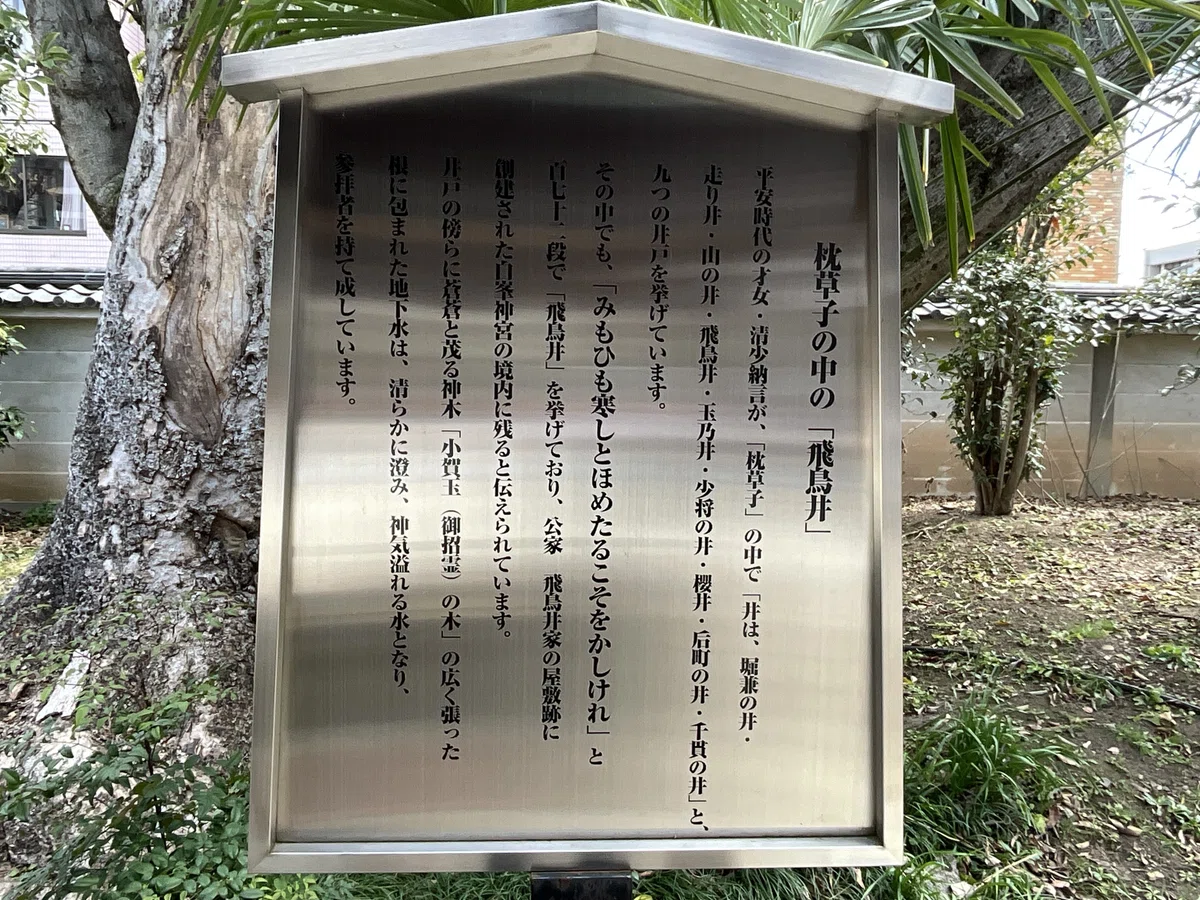
飛鳥井の由緒書き
2026年2月19日,筆者撮影
©️Hideaki FUJII
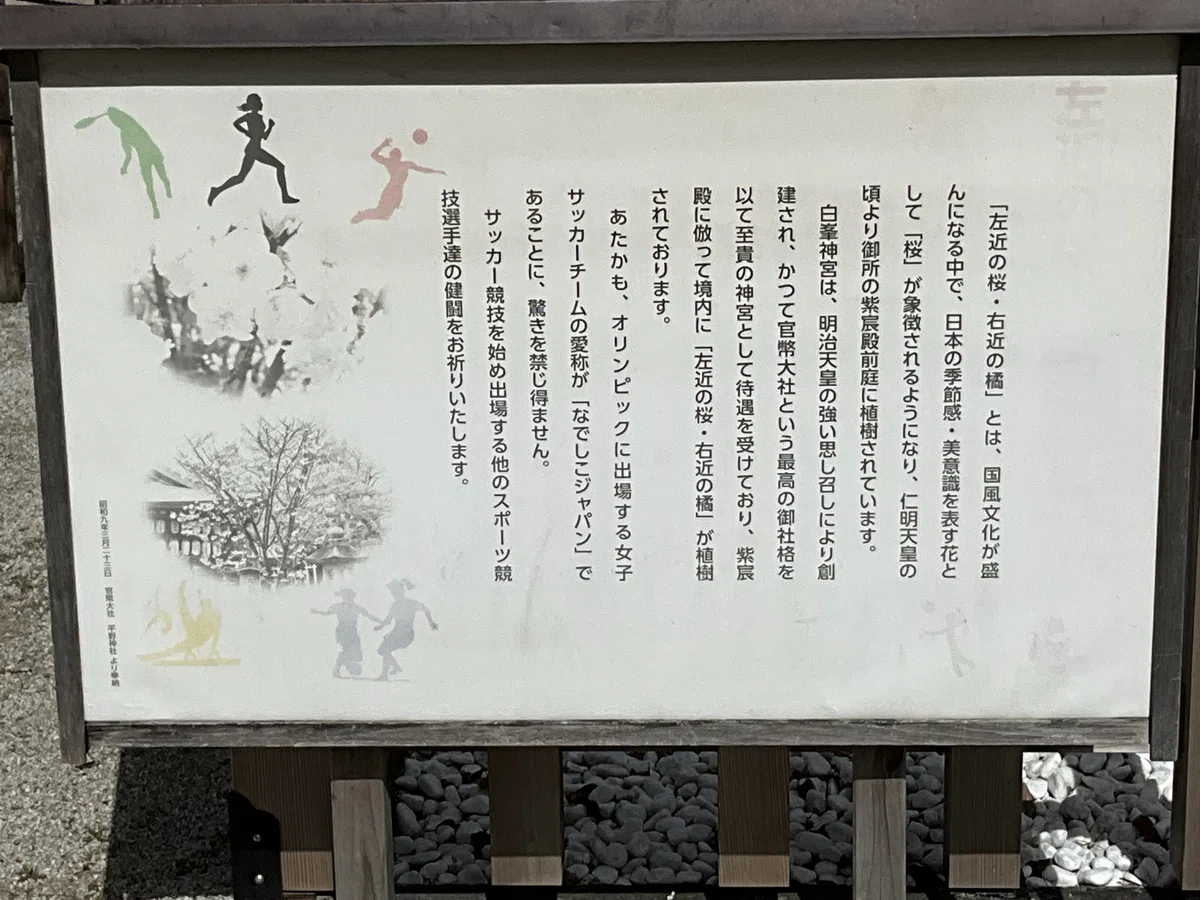
左近の桜,右近の橘の説明パネル
2026年2月19日,筆者撮影
©️Hideaki FUJII
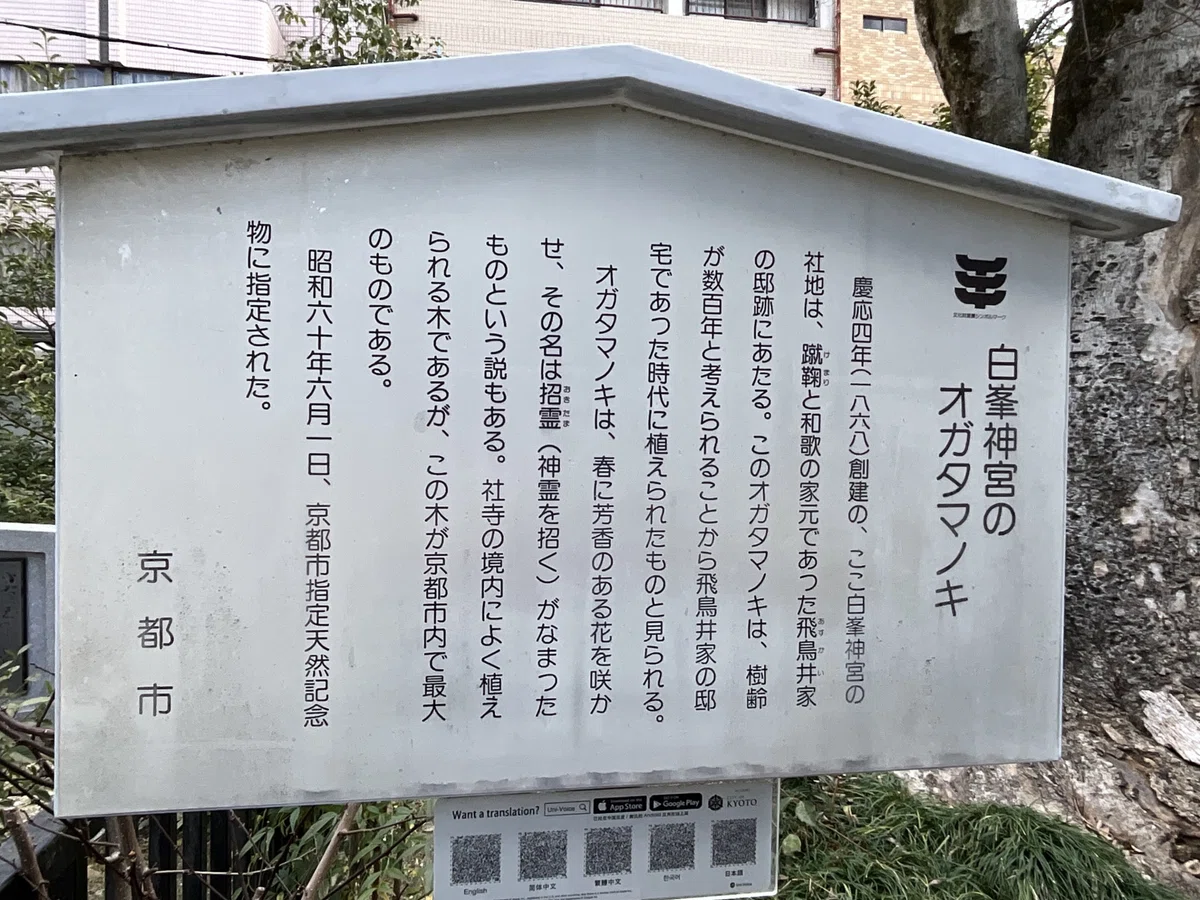
オガタマノキの説明パネル
2026年2月19日,筆者撮影
©️Hideaki FUJII
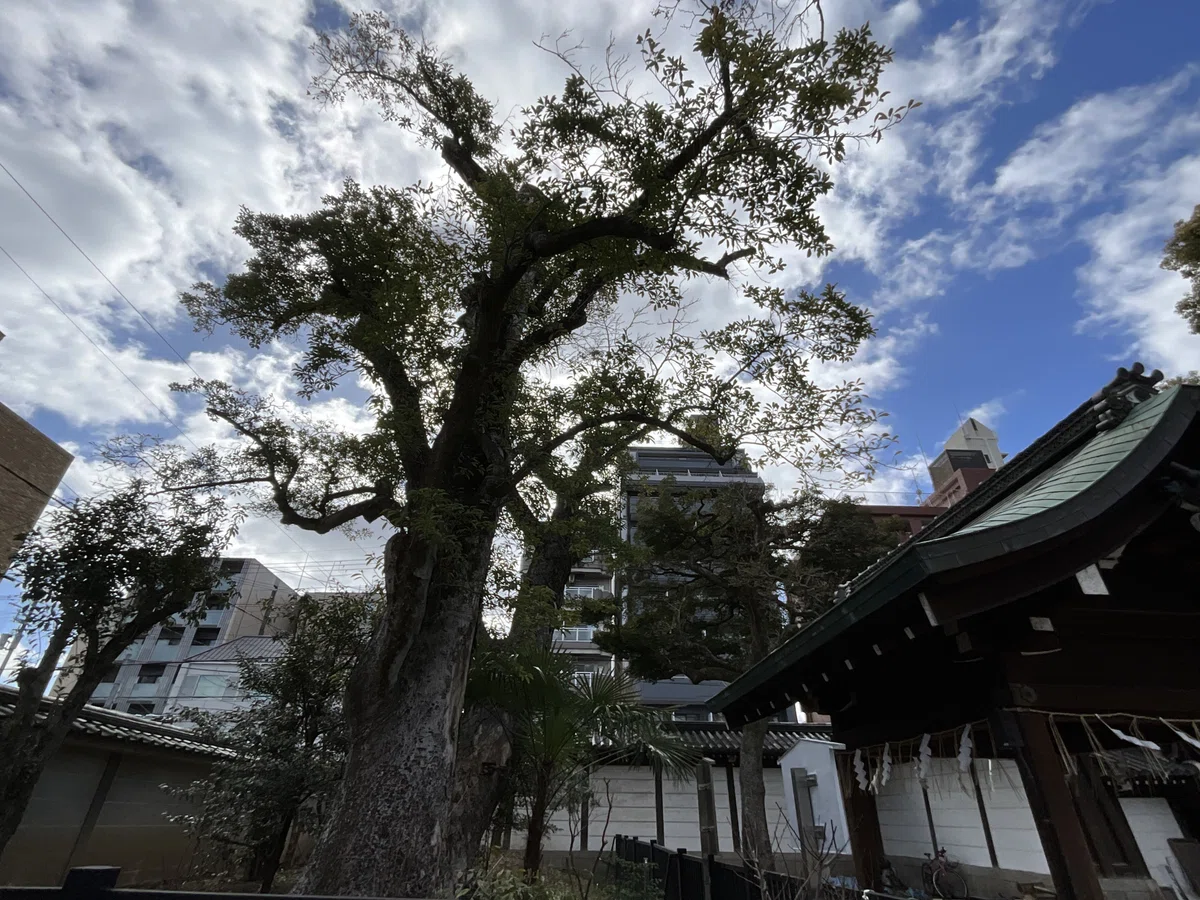
オガタマノキ
2026年2月19日,筆者撮影
©️Hideaki FUJII
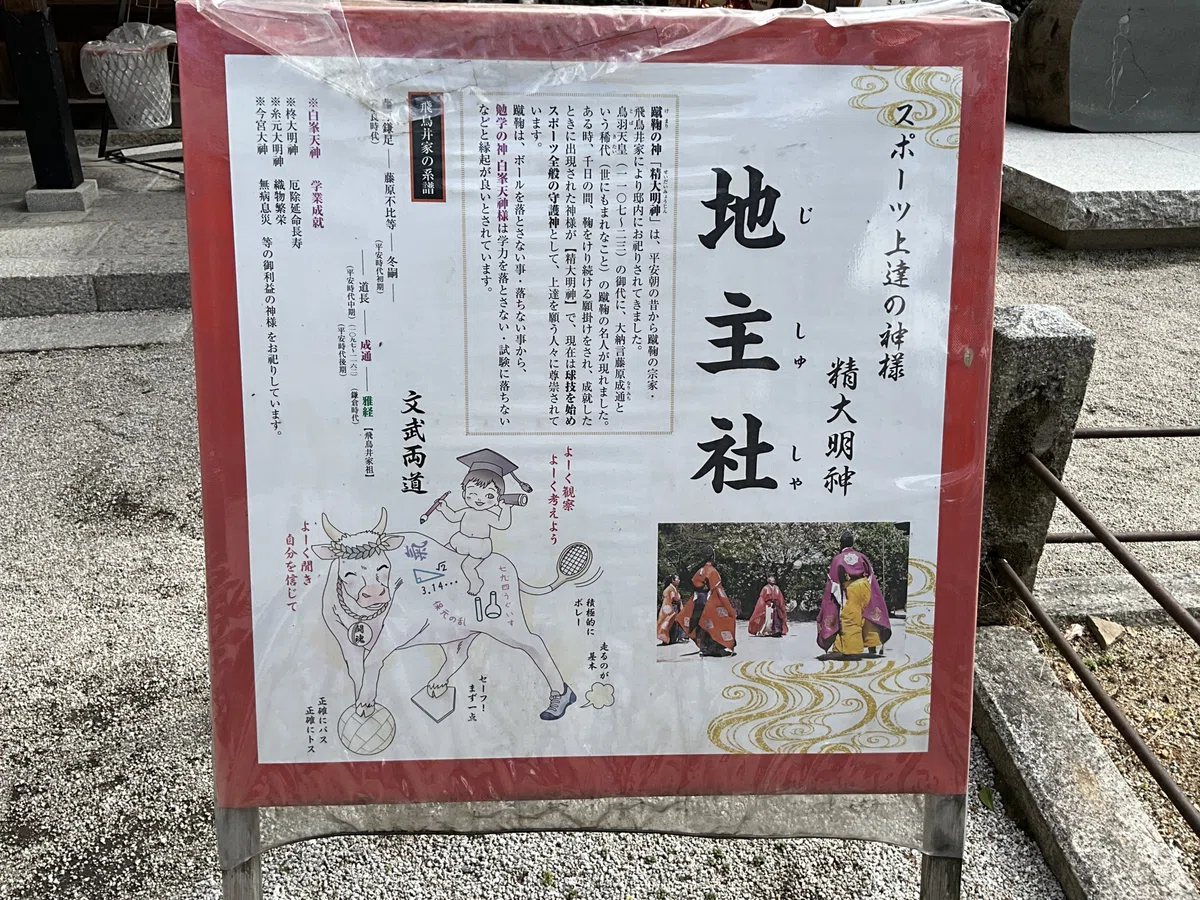
地主社
2026年2月19日,筆者撮影
©️Hideaki FUJII
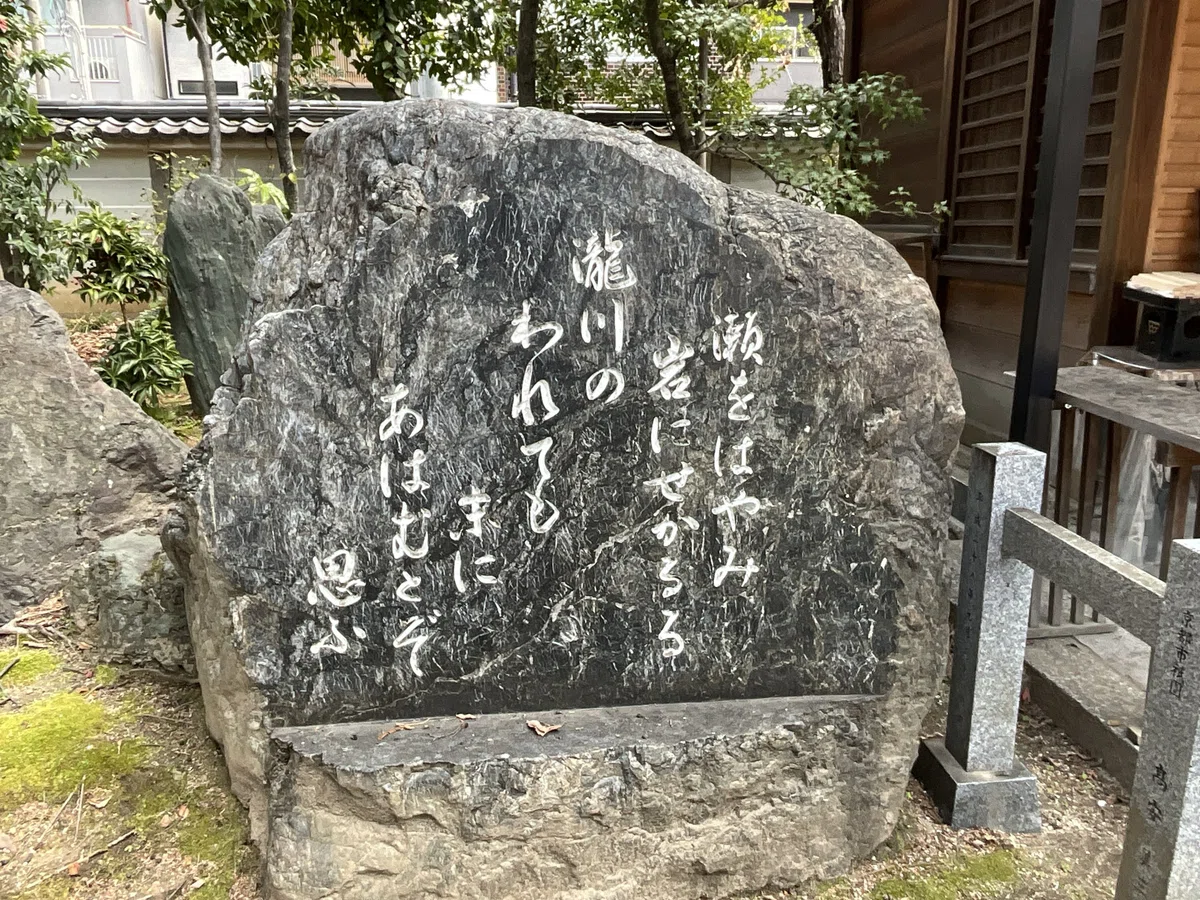
崇徳院の記念歌碑
2026年2月19日,筆者撮影
©️Hideaki FUJII
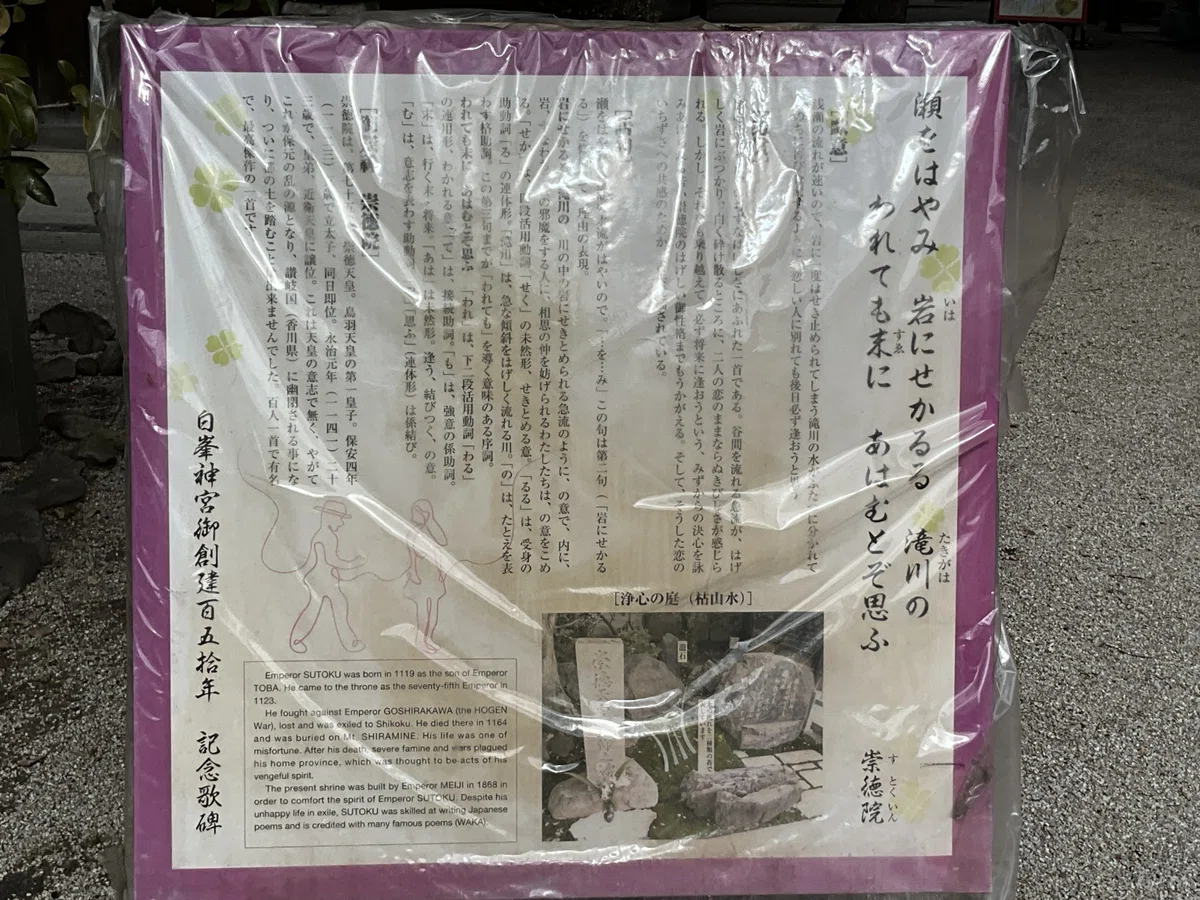
崇徳院の記念歌碑の説明パネル
2026年2月19日,筆者撮影
©️Hideaki FUJII
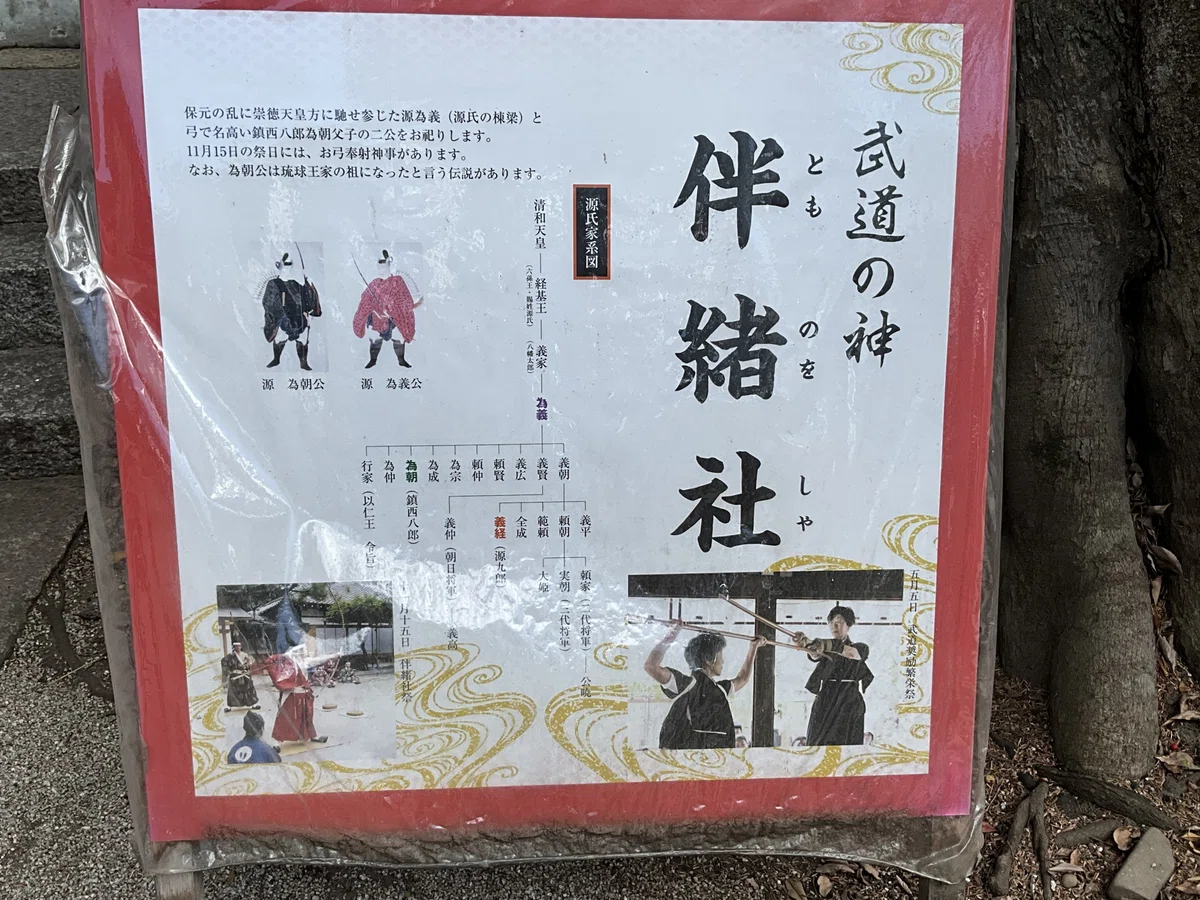
伴緖社
2026年2月19日,筆者撮影
©️Hideaki FUJII
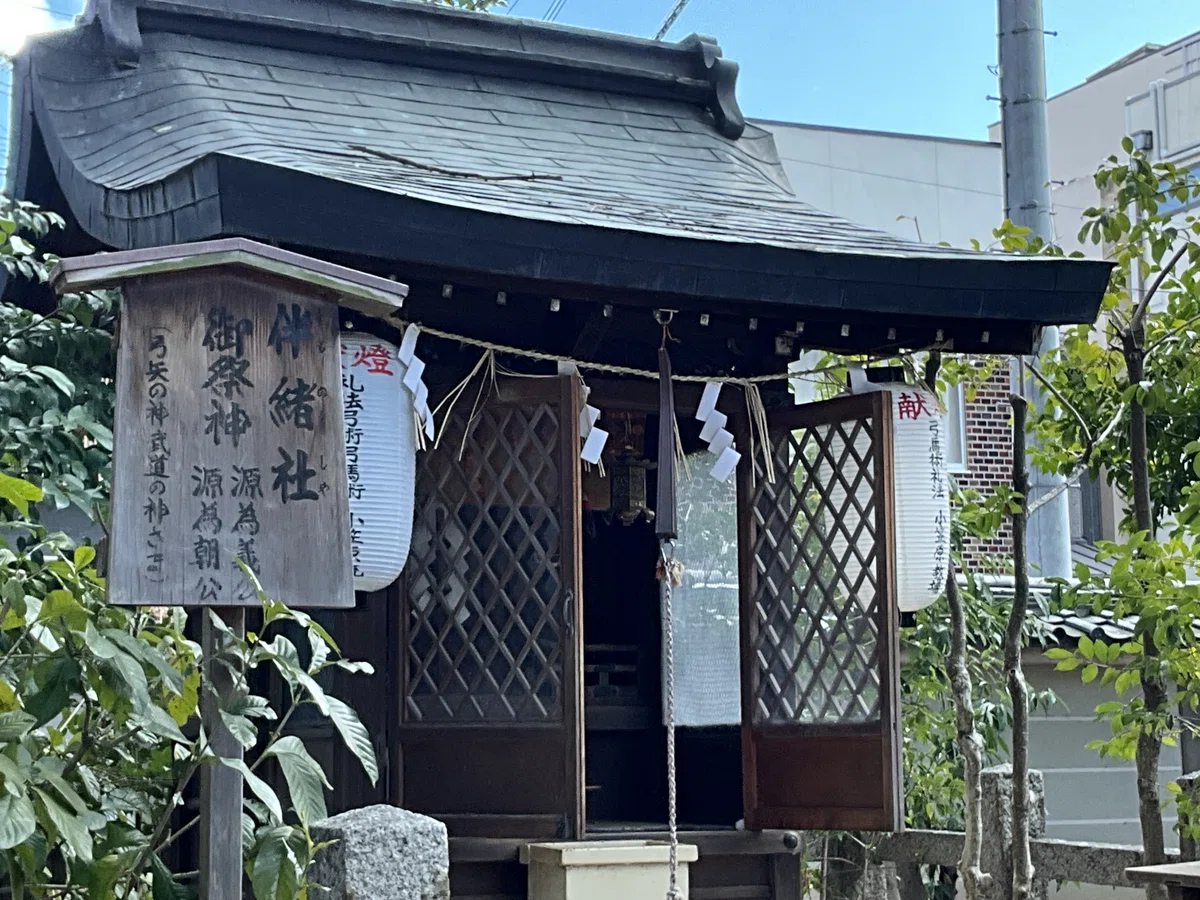
伴緖社
2026年2月19日,筆者撮影
©️Hideaki FUJII
Shiramine Jingu: Thursday, February 19, 2026
Abstract
Shiramine Jingu, located just east of the Horikawa–Imadegawa intersection, is a modest yet culturally dense site well suited for a brief detour during a daily commute. In addition to its historical role as a shrine dedicated to the ill‑fated Emperors Sutoku and Junnin, it stands on the former residence of the Asukai family, hereditary masters of kemari, and is therefore widely revered throughout Japan as a guardian deity of ball games and sports. Within the precincts are dedicated balls, a kemari monument, a ceremonial court, the traditional pairing of sakon‑no‑sakura and ukon‑no‑tachibana, as well as plantings such as Ogatama‑no‑ki and Ganshūge, where history, faith, and plant life intersect in layered form. This essay interprets a visit to Shiramine Jingu as a single “event,” carefully examining its historical, botanical, and cultural contexts. It further considers the social, cultural, economic, and environmental‑resource value the site offers to urban residents, through the interpretive lens of the Kyoto Isōrō Series.
Main Text
1.Shiramine Jingu
On the way to the university, turning east at the Horikawa–Imadegawa intersection reveals the quiet torii of Shiramine Jingu. Bathed in the morning light, the precincts offer a momentary release from the tension of commuting—a small act of “detouring” that softens the day’s beginning. Shiramine Jingu enshrines Emperors Sutoku and Junnin, both of whom met tragic fates in Japanese history, placing the shrine at a crossroads of political and religious narratives.
Yet the appeal of the shrine extends beyond its historical lineage. Stepping into the precincts, one immediately senses its identity as a guardian of sports. Soccer balls, baseballs, volleyballs, and other dedicated balls line the grounds, their presence carrying the traces of athletes’ prayers and aspirations.
2.The Asukai Residence and the Culture of Kemari
Shiramine Jingu’s association with sports derives from its location on the former residence of the Asukai family, hereditary masters of kemari since the Heian period. Because the shrine was founded on this site, it came to be revered as a guardian of all ball games.
Within the precincts stand a kemari monument, an inscribed stele, and a mariniwa court. The texture of the sand, the arrangement of surrounding plants, and the weathering of the inscription reveal how this ancient bodily art continues to breathe quietly within the modern city.
3.The “Asukai Well” in The Pillow Book
The precincts are also said to preserve the “Asukai Well,” one of the wells mentioned in Sei Shōnagon’s The Pillow Book. In section 172, she praises it with the phrase “mimohimo samushi to hometaru koso okashikere,” suggesting its reputation as a source of fine water.
That a well appearing in Heian literature survives—albeit in altered form—within a contemporary shrine underscores the multilayered temporal structure of Kyoto. The overlap of literary memory and sacred space lends the site a distinctive depth.
4.Emperor Sutoku’s Poem and Historical Resonance
A monument in the precincts bears Emperor Sutoku’s poem from the Hyakunin Isshu:
“Sewo hayami / Iwa ni sekaruru / Takigawa no / Waretemo sue ni / Ahamu to zo omou.”
The metaphor of a river split by rocks yet rejoining downstream has long been read as reflecting Sutoku’s own tragic circumstances.
The presence of this poem reinforces the shrine’s identity as a site that holds historical pain alongside spiritual devotion. In the quiet of the precincts, the resonance of history can still be faintly felt.
5.Plants of the Precincts: Ogatama‑no‑ki and Ganshūge
The sacred Ogatama‑no‑ki (Michelia compressa) grows within the precincts. Traditionally believed to invite divine spirits, the tree’s thick leaves, bark texture, and branching patterns offer rich material for botanical observation.
The fragrant Ganshūge (Michelia figo) is also planted here, softening the atmosphere with its scent and form. These plants complement the symbolic landscape of the shrine, where history, faith, and nature intertwine.
6.Social Value: Athletes’ Prayers and Community
Shiramine Jingu is widely known as a place where athletes come to pray for victory. The dedicated balls represent individual aspirations and efforts, and the shrine functions as a spiritual anchor for sports communities.
For local residents, it also serves as a familiar place of daily prayer, woven into the rhythms of urban life.
7.Cultural Value: The Intersection of Bodily Art and Literature
The shrine uniquely brings together the bodily culture of kemari and the literary memory of works such as The Pillow Book and the Hyakunin Isshu. This coexistence highlights the richness of Kyoto’s cultural structure.
8.Economic Value: Potential for Cultural Tourism
Although not a major tourist site, Shiramine Jingu’s distinctive identity as a sports guardian shrine contributes to the diversification of cultural tourism. Athletes’ visits and dedications generate modest but meaningful economic ripple effects.
9.Environmental‑Resource Value: A Green Space within the City
The shrine’s plantings function as a small urban green space, contributing to biodiversity. The presence of Ogatama‑no‑ki and Ganshūge provides insight into the ecological roles of plants within urban environments.
10.Reinterpretation through the Perspective of a Guest
Visiting Shiramine Jingu as a commuter’s detour becomes an act of reinterpreting the urban landscape. The site’s layered intersections of history, literature, bodily culture, and plant life offer those who dwell in Kyoto as “guests” a lens through which to read the city’s depth.
Shiramine Jingu stands quietly as a node of cultural resources embedded within the urban fabric.
いいなと思ったら応援しよう!
 よろしければご応援をお願いします! いただいたチップはクリエイターとしての活動費に使わせていただきます!