【シロクマ文芸部お題】『星を見る』/ショートショート創作童話(英訳付)

※本作のプロット構成や表現の推敲において、一部AI(Geminiなど)のサポートを受けています。
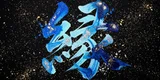
※画像:Geminiにて生成
カシオピア座のすぐとなり
星を見るのは好きだった。
ほら、カシオピア座はMの字のような星の並び。
秋の夜の、北の空でよく見える。
両横の二つずつの星を結んで伸ばしていくと、北極星が見つかる。
祖父母が暮らす田舎は星空が美しいことで有名で、小学校の夏休みに遊びに行ったときには、地元の小学生の友人たちと一緒に、天体観測イベントで、色々な星座を探したものだ。わいわいがやがやと賑やかでとても楽しかった。
このカシオピア座のすぐとなり、天の川の青じろいひかりのすぐまえに、宮沢賢治の世界では、青く輝く『よだかの星』が今でもまだ燃え続けている。
物語の世界の話で、実際には、その星を見ることはできないけれど。
秋は気温が穏やかで湿度が低く、大気の透明度が高いため、天体観測に適した季節だ。
まして今夜は文句なしの星月夜。
なのに今、夏休みに騒がしくも賑やかに天体観測をしたこの公園で、理世以外は星空を見上げている人はいない。
友人だと思っていた同世代の子供たちは誰もつきあってはくれなかった。
どうしてか理世は学校に行けなくなってしまった。
何故? と何度も聞かれたけれど、理世自身にもよくわからない。
学校に行こうと、家を出ようとすると、どうしてか足が動かなくなるのだ。
理世の方が誰かに教えてほしいくらいだった。
両親とも学校の友人ともうまくいかなくなって――祖父母の暮らす田舎に行ってみたいと願った。
夏休みや冬休みに遊びに行くたびに、祖父母の田舎の人たちは理世にとてもあたたかく接してくれたから、きっと優しくしてくれるだろうとどこかで期待していたのだろうと思う。
でもそれは、理世が夏休みに数日しかいないお客さまだったからに他ならなかった。
学校の長期休暇でもないのに、ただ祖父母の家にいる理世を田舎の人たちは遠巻きにして、どう扱ったらいいのかわからないというように、よそよそしくするばかりだった。
誰も悪くなかった……。悪気はなかった……。
ただ、理世は悲しいなあと思った。
優しくしてもらえると一方的に期待して、そうしてもらえなかったからと勝手に傷ついた。それだけだ。
理世だって、気づいていないだけで、他の誰かに同じことをしているのだから。
ただ、理世は青白く燃え上がる『よだかの星』にはなれない。
あと少しだけ星々の輝きに慰められたら、祖父母の家に帰ろう。
きっと、心配しているだろうから。
(終)
[あとがき]
『よだかの星』(宮沢賢治著)からのインスパイアのつもりです。
青白く燃え上がる「よだかの星」のモデルとなった星は、カシオピア座のそばに突然現れて消えていったティコの星という超新星ではないかと言われているそうです。
実を言いますと、『よだかの星』のラストは子供の頃、わたしにトラウマ的なダメージを与えました。
『よだかの星』とのはじめの出会いは、小学校の先生が読み聞かせをしてくれたことだったのです。
当時のことをよく覚えてはいないのですが、そのとき、何らかの事情で、先生は最後まで読み聞かせてくれることができなかったのです。
それで、後日、読み聞かせてあげるねと言うことになったのですが、これまた何らかの事情で、読み聞かせの続きはなくなったのですよ。
この間(ま)と言いますか、最後まで聞けなかったことが、後から考えればよくなかったのですよね。
当時のわたしは、まだ宮沢賢治の独特な作風を知りませんでした。
そして、物語というのは、山あり谷ありトラブルがありながらも、牧歌的なハッピーエンドを迎えるものだと漠然と思い込んでいたのです。
なので、皆から嫌われているよだかが、最後には皆と仲良くなれるようなラストを勝手に想像していたのです。
だから、この読み聞かせからしばらく経って、そういえば、この物語の続きはどうなったんだろうと、探して最後まで読んでみたところ、すごくショックを受けてしまったのです。
よだかに優しくしてくれたのは弟の川せみとお日さまくらいで、誰も仲良くなってはくれなかった。
それに増してラストは「よだかの星は燃えつづけました。いつまでもいつまでも燃えつづけました。今でもまだ燃えています」と、当時のわたしには救いようがなく思えるものだったのですよ。
希望に満ちたラストという感想を持たれる方も多いですし、大人となった今では、そういう感じ方も有だとは思うのです。
けれど、子供のわたしには星になって永遠に輝き続けることは、ただただもの悲しく感じられたのです。
いえ、子供のわたしが勝手にラストを想像して、自爆しただけのことなのですが……。それこそ、誰も悪くなかったです……。
宮沢賢治の作品は好きです。
独特なオノマトペなどは読んでいてドキドキします。
ただ、解説本を読んだり、授業で説明を受けないとわからないことも多いです。
賢治の経歴や考え方を説明されて、ああこういうことだったのかと、自分には考えもつかないことを知れることがあります。
けれど、わからない表現をわからないなりに、なんだか素敵だと感じていることもあるので、まっさらな状態で感じたことというのも大切ではないかと思ったりもします。
そして、賢治の作品は、子供の頃に読んだ感想と、大人になってからの感想はかなり変わることがあります。
子供の頃になんじゃこれ? と思っていたのが、大人になってから読んだら、面白いと思ったりとか。
実際、わたしの場合ですが、「銀河鉄道の夜」は、そこそこ年齢がいってからではないと、面白いと思えませんでした。
シロクマ文芸部のnote企画に参加しています。
※本文のあとに英訳を載せています↓
※AI support (such as Gemini) was used for refining the plot structure and expressions in this work.
※Image generated by Gemini.
Beside Cassiopeia
Subtitle: A Quiet Story About Being Lost and Finding Comfort
I used to love watching the stars.
Look, Cassiopeia forms a constellation shaped like the letter "M," gleaming brightly in the northern sky on autumn nights.
If you trace a line from the two outermost stars on either side and extend it outward, you will find the North Star.
The countryside where my grandparents live is famous for its breathtaking starry skies. When I visited them during summer vacation in elementary school, I spent my days searching for various constellations in guided stargazing events alongside local children. It was a lively, bustling, and wonderfully joyful time.
Right beside Cassiopeia, just before the pale blue radiance of the Milky Way, the blue-glowing "Nighthawk Star" from Kenji Miyazawa’s world continues to burn to this day.
Though it belongs to the realm of fiction, we cannot actually see that star with our own eyes.
Autumn brings a gentle temperature and low humidity, making the transparent night air ideal for stargazing.
Especially tonight, under a night when the starlight feels as bright as the moonlight.
Yet here in this very park where I once shared such a cheerful, bustling stargazing summer, no one other than Rise is looking up at the sky.
None of the children my age whom I once considered friends came along with me.
For reasons unknown even to herself, Rise could no longer go to school.
"Why?" people asked her over and over, but Rise herself did not really understand.
Whenever she tried to go to school, stepping out the front door, her feet would simply refuse to move.
Rise wished someone could explain it to her instead.
When things grew strained with both her parents and her school friends, she had wished to go to the countryside where her grandparents lived.
Every time she visited during summer or winter breaks, the people in her grandparents' village had treated her with such profound warmth, so she must have harboured a quiet expectation that they would be kind to her now as well.
Yet that was only because Rise had been a cherished guest staying for just a few summer days.
Without the excuse of a school holiday, the villagers looked at Rise from a distance, unsure how to treat her, keeping her at arm's length with polite, unfamiliar reserve.
No one was to blame... No one meant any harm...
Still, Rise felt a quiet sorrow.
She had unilaterally expected kindness, and when it wasn't there, she had selfishly wounded herself. That was all.
Without realising it, Rise was likely doing the very same thing to someone else somewhere else.
Only, Rise could never become the pale-blue, burning "Nighthawk Star."
If the starlight can comfort me just a little longer, I will return to my grandparents' home.
Surely, they must be worried by now.
(End)
[Afterword]
This piece is intended as an homage inspired by "The Nighthawk Star" (Yodaka no Hoshi) by Kenji Miyazawa.
It is said that the real-world inspiration for the pale-blue burning "Nighthawk Star" was Tycho’s Supernova—a star that suddenly blazed forth in the constellation Cassiopeia before vanishing into the dark.
To tell the truth, the ending of "The Nighthawk Star" left a traumatic scar on my heart when I was a child.
My very first encounter with the story was when an elementary school teacher read it aloud to us.
I don't remember the details clearly anymore, but due to some circumstances, the teacher was unable to finish reading it to the end that day.
We were promised that she would read the rest of it to us on another day, but again, due to unforeseen reasons, the continuation of the story never happened.
That lingering gap—or rather, not hearing the ending until much later—was, in hindsight, where things went wrong.
At the time, I was still unfamiliar with Kenji Miyazawa’s unique and idiosyncratic style.
I harboured a vague, unexamined assumption that stories always moved through ups and downs and troubles, only to arrive at a pastoral, happy ending.
And so, I blindly imagined a heartwarming conclusion where the nighthawk, disliked by everyone, would finally reconcile with them all in the end.
Thus, long after that storytelling session, when I suddenly wondered how the tale continued, I sought it out and read it to the very end—only to receive a tremendous shock.
Aside from his younger brother the kingfisher and the sun, almost no one was kind to the nighthawk, and no one ever truly befriended him.
Worse still, the ending went: "The nighthawk star continued to burn. It burned on and on, forever and ever. It is still burning to this day"—a conclusion that, to my young mind, felt utterly devoid of salvation.
Many readers view it as an ending filled with hope, and now that I am an adult, I can understand that perspective as valid.
Yet to the child I once was, turning into a star to shine eternally felt simply and overwhelmingly sorrowful.
No, in truth, the child I was had simply spun her own imaginary ending and suffered self-inflicted wounds... In that sense, no one was truly at fault.
I love Kenji Miyazawa’s works.
His unique onomatopoeia always sets my heart aflutter when I read them.
Even so, there are many things that remain obscure unless one reads critical commentaries or listens to explanations in class.
When someone explains Kenji’s background and philosophy, I sometimes find myself thinking, "Ah, so that was what it meant," discovering thoughts that never would have occurred to me on my own.
At the same time, because I sometimes cherish the strange beauty of not-quite-understanding obscure expressions, I also wonder if the unvarnished feelings we experience in total innocence are equally precious.
Furthermore, my impressions of Kenji’s works often change dramatically between what I felt reading them as a child and what I feel as an adult.
What seemed utterly incomprehensible in childhood suddenly revealed a profound charm when read years later.
Indeed, in my own case, I could not appreciate "Night on the Galactic Railroad" until I had grown somewhat older.
※Written in Japanese, translated with the help of AI. I hope the heart of this story reaches you, regardless of the language barrier.