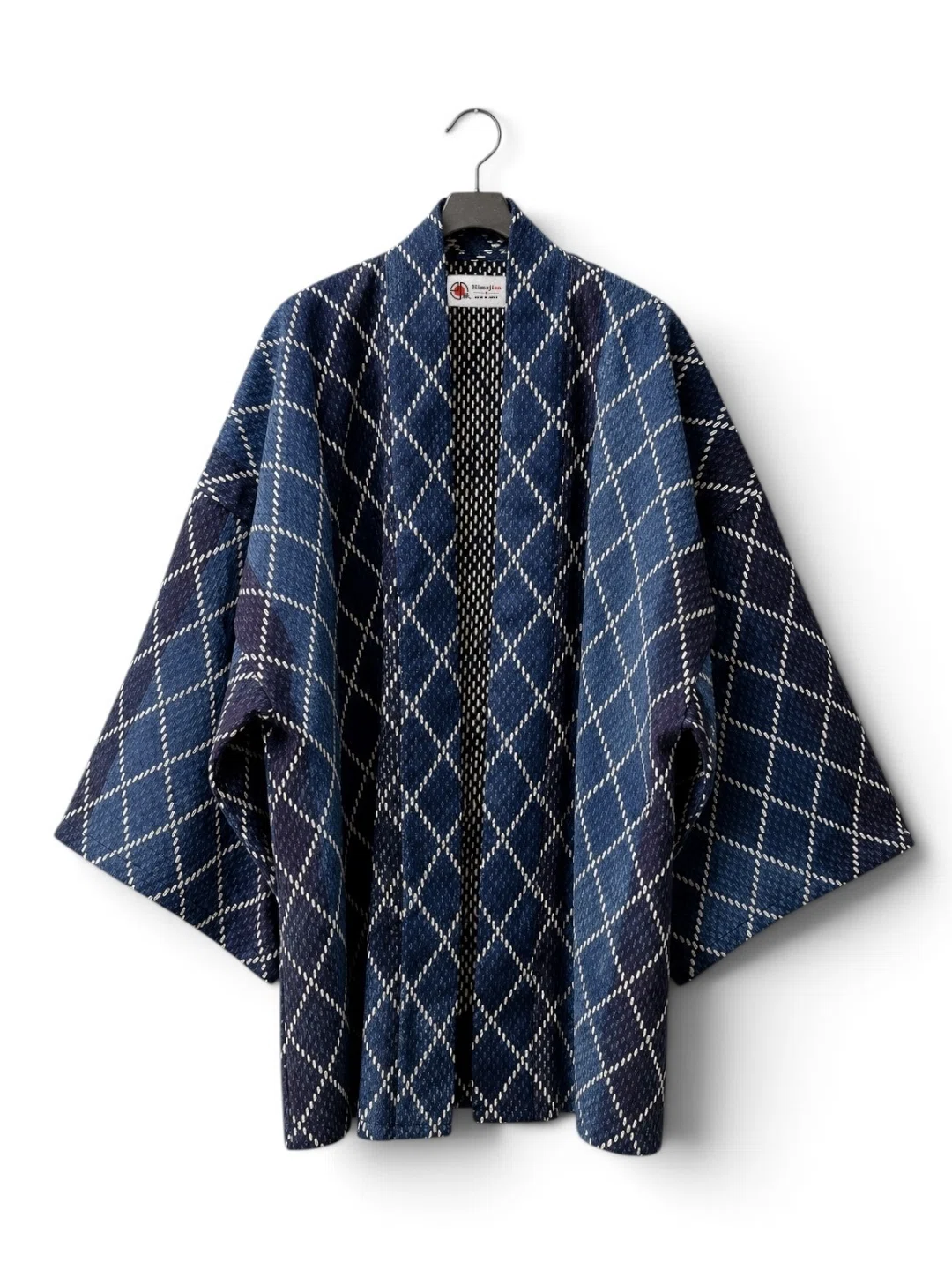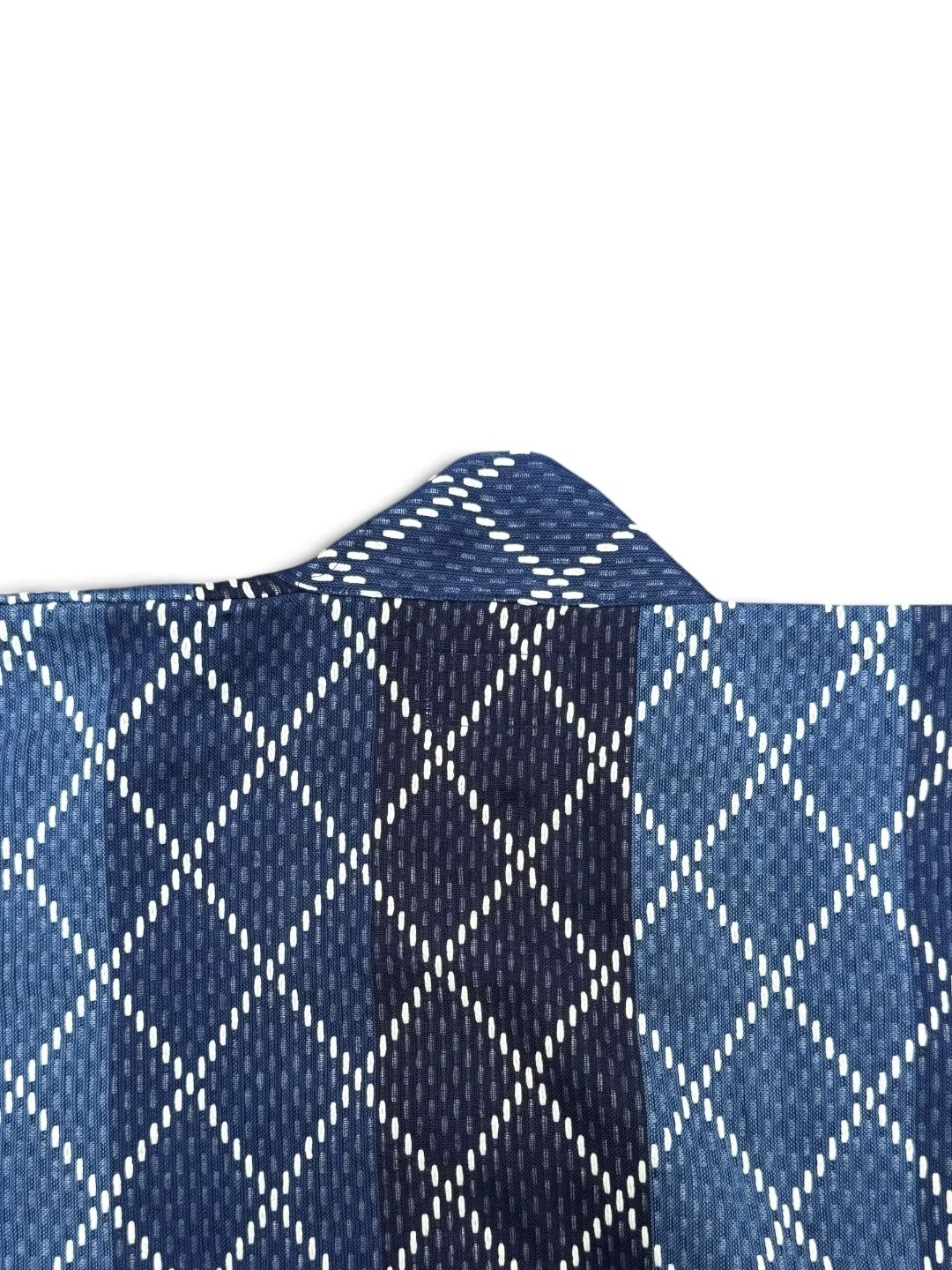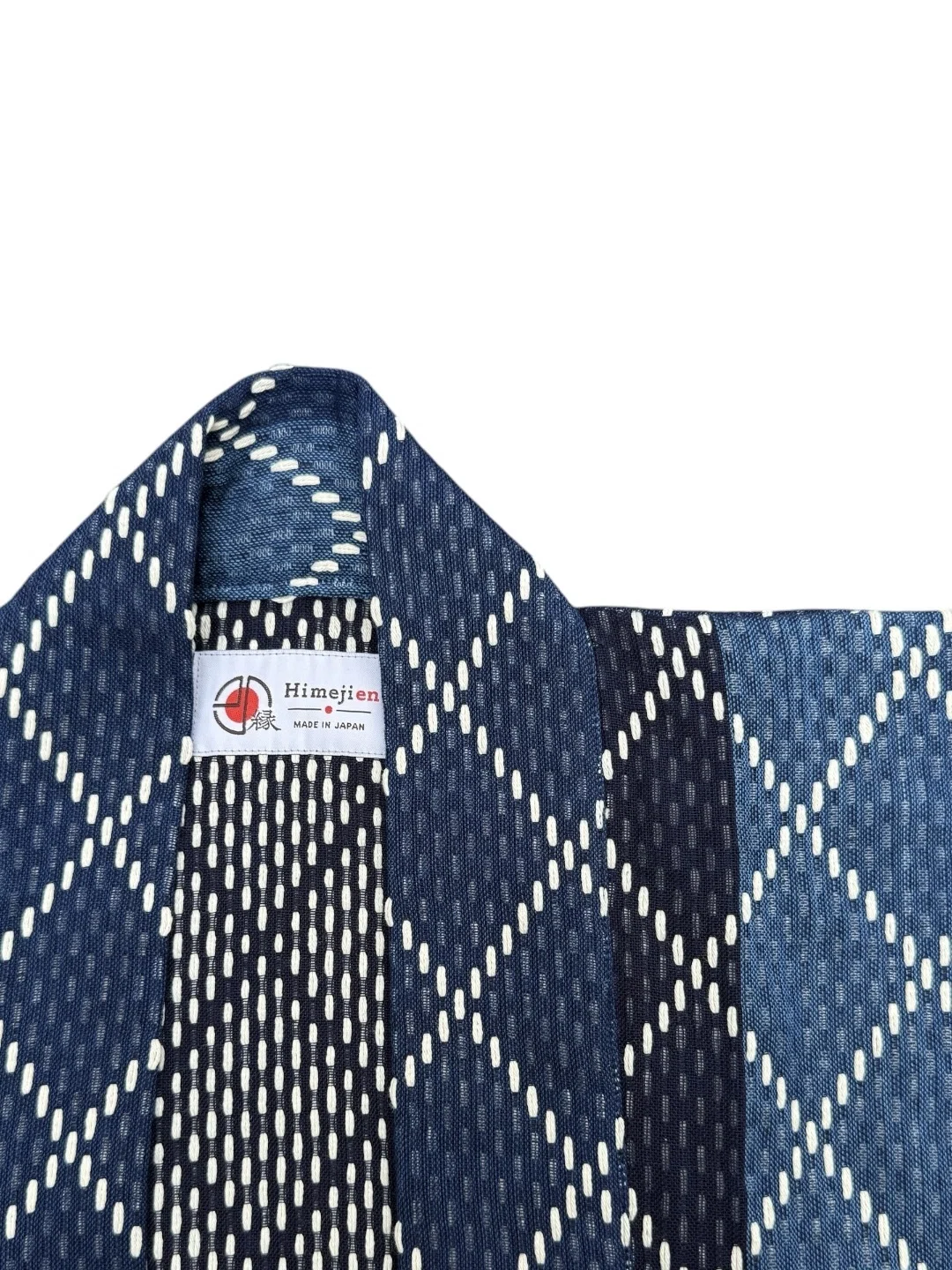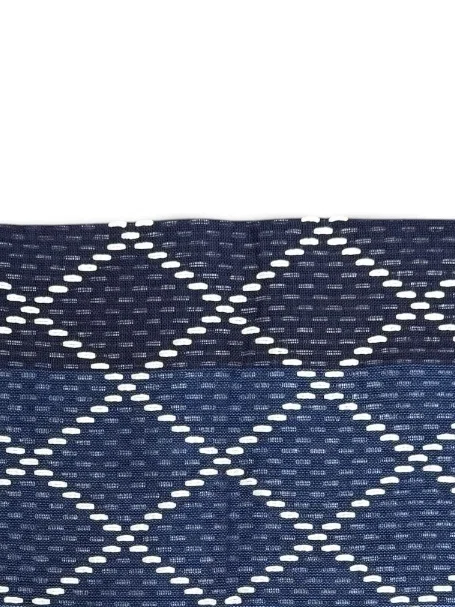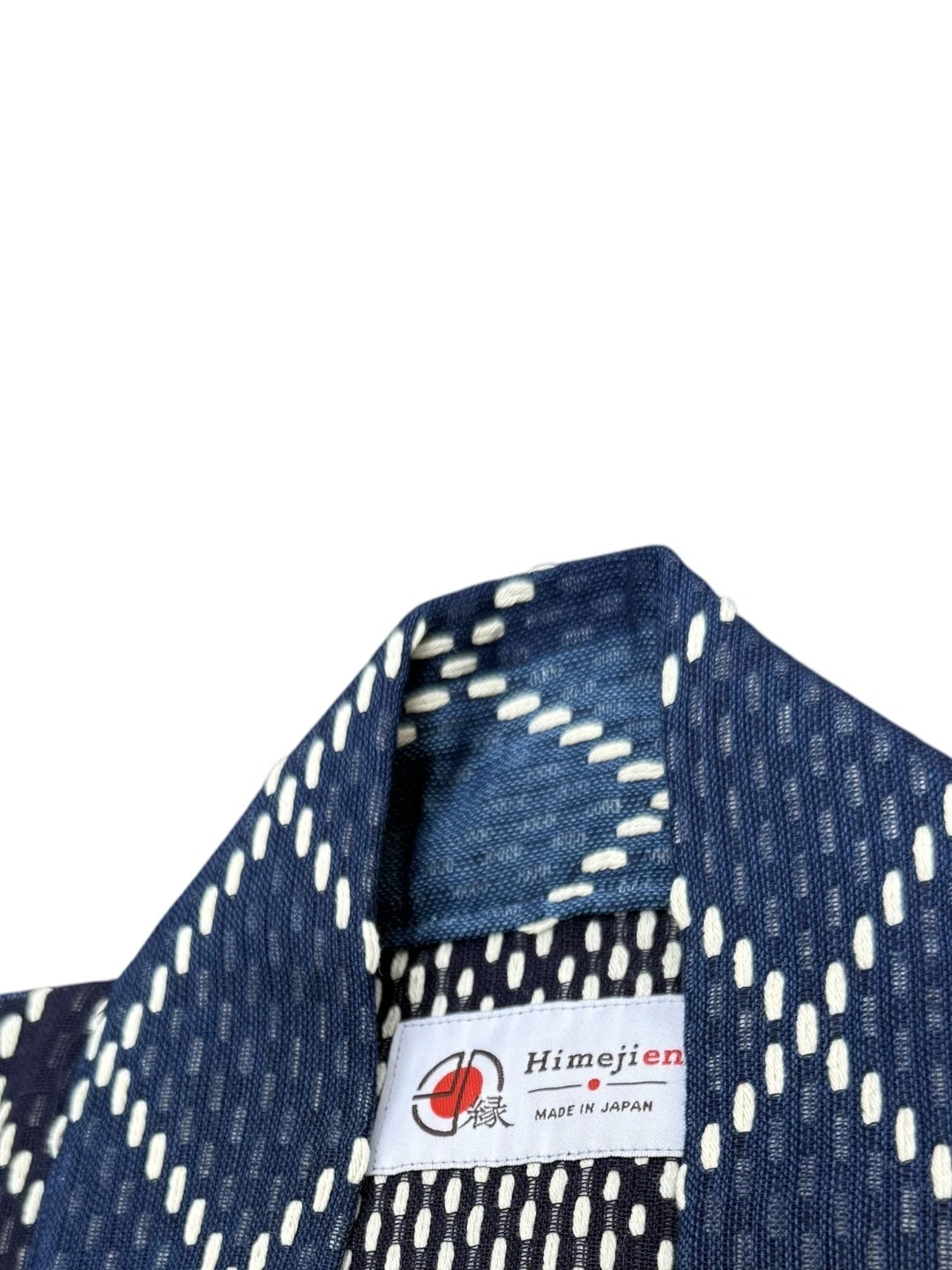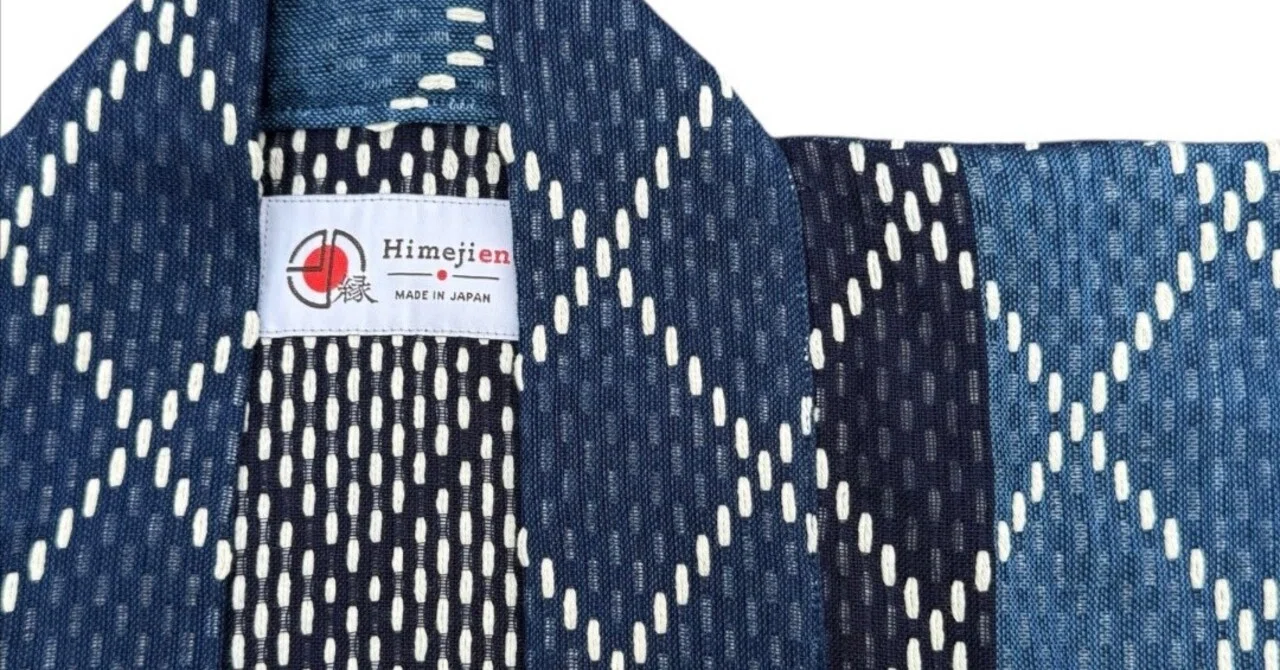
SASHIKO — Stitches Born from Necessity / 刺し子 — 必要から生まれた縫い目

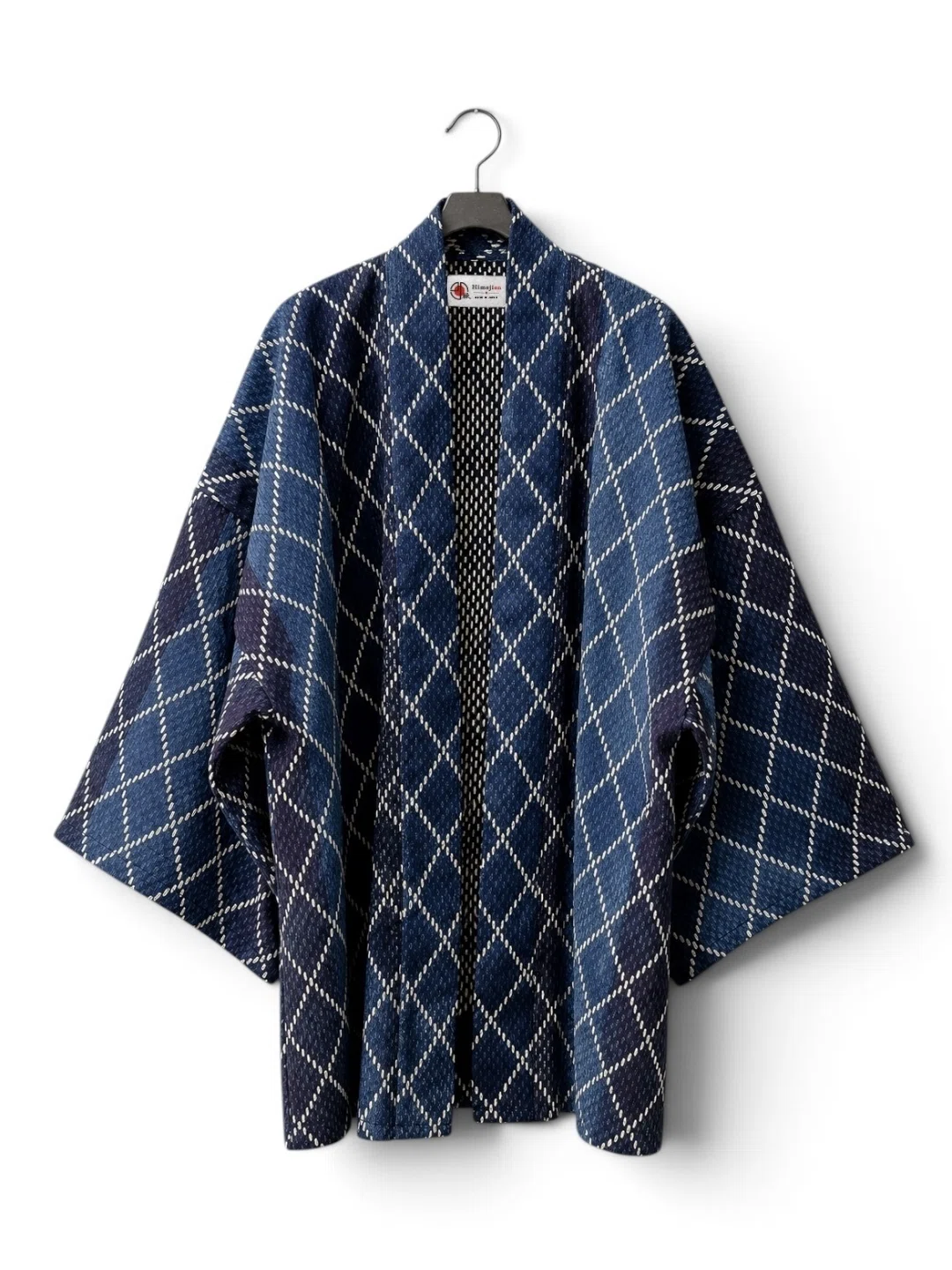
Not Just Decoration
装飾のためではなかった
刺し子は、何百年もの歴史を持つ日本の伝統的な縫製技法です。
現在では、美しい幾何学模様を見て「刺し子」を思い浮かべる人も多いかもしれません。しかし、もともとの刺し子は、単なる装飾として生まれたものではありません。
日々の暮らしの中から生まれたものでした。
Sashiko is a traditional Japanese stitching technique with a history that goes back hundreds of years.
Today, many people recognize Sashiko by its beautiful geometric patterns. But originally, it was not created simply for decoration.
It was born from everyday life.
A Way to Make Things Last
ものを長く使うために
かつての日本では、布はとても貴重なものでした。特に農村部や寒冷地では木綿を手に入れることが難しい地域もあり、服が擦れたり破れたりしたからといって、簡単に新しいものへ買い替えることはできませんでした。
だから、人々は直して使いました。
擦れた部分を縫い、布を重ね合わせ、ときには傷む前からあらかじめ針を通して補強しました。
何度も繰り返される縫い目によって、生地はより丈夫になり、暖かくなり、より長く使えるようになったのです。
In the past, fabric was valuable in Japan, especially in rural and colder regions where cotton could be difficult to obtain. People could not simply replace their clothes when they became worn or damaged.
Instead, they repaired them.
They stitched worn areas, layered pieces of fabric together, and sometimes reinforced clothing before it even became damaged.
These repeated stitches made the fabric stronger, warmer, and able to last much longer.
Warmth from the North
北国の暖かさ
日本北部の寒い地域では、麻などの目の粗い布が多く使われていました。
そこに糸を刺すことで布の隙間を埋め、保温性を高める役割もありました。
そうした実用的な針仕事が何世代にもわたって受け継がれる中で、地域ごとの技法や美しい模様へと発展していきました。
刺し子は、もともとファッションのためのものではありません。
「ものを長く使う」ための知恵だったのです。
In colder areas of northern Japan, where linen and hemp fabrics were commonly used, stitching could also help fill the gaps in the loosely woven cloth and provide extra warmth.
Over generations, this practical work developed into distinctive regional traditions and beautiful patterns.
Sashiko was not originally about fashion.
It was about making something last.
The Firefighters of Edo
江戸の火消したち
江戸時代(1603–1868)になると、刺し子は江戸、現在の東京で活躍した消防士「火消し」とも深く結びついていきます。
江戸は当時、世界でも有数の大都市でした。
しかし、木や紙を多く使った建物が密集していたため、大規模な火災がたびたび発生しました。
その町を火災から守っていたのが「火消し」と呼ばれる人々です。
During the Edo period (1603–1868), Sashiko also became closely connected with the firefighters of Edo, the city we now call Tokyo.
Edo was one of the largest cities in the world, built largely from wood and paper, and devastating fires were common.
Firefighters known as “Hikeshi” protected the city.
More Than Protection
防護服以上のもの
彼らが仕事で着ていた半纏には、何枚もの厚い木綿を重ね、刺し子の技法でびっしりと縫い込んだものが使われました。
縫い目によって生地は丈夫になり、火事場へ入る前には水を含ませて使用することもありました。
しかし、その半纏は単なる防護服ではありませんでした。
それぞれの火消しの組には独自の印や力強いデザインがあり、半纏は自分がどの組に所属しているのかを示すと同時に、彼らの誇りの象徴にもなりました。
火消したちは江戸の人々から憧れられる存在であり、その装束もまた江戸の文化の一部となっていきました。
Their working jackets were made from layers of thick cotton fabric stitched densely together using Sashiko techniques.
The stitching made the jackets strong and durable, and the jackets could be soaked in water before firefighters entered dangerous areas.
These jackets were more than protective clothing.
Different firefighting groups developed their own symbols and bold designs, making the jackets a sign of identity and pride.
Firefighters were admired by the people of Edo, and their clothing became part of the visual culture of the city.
From Necessity to Craft
必要から工芸へ
その後、日本が近代化し、衣類や布を簡単に手に入れられるようになると、生きていくために刺し子をする必要性は少しずつ失われていきました。
しかし、その技術が消えることはありませんでした。
各地でその模様や技術、歴史を残そうとする人々によって受け継がれ、かつて日常生活の中にあった針仕事は、やがて日本の伝統工芸として改めて評価されるようになりました。
As Japan modernized, clothing and fabric became easier to obtain, and Sashiko was no longer essential for everyday survival.
But the technique did not disappear.
People began preserving and rediscovering its patterns, craftsmanship, and history.
What was once an ordinary way to repair and strengthen clothing gradually became recognized as a traditional Japanese craft.
Repair Instead of Replace
直すこと、強くすること
そして、そこにこそ、現代における刺し子の面白さがあるのかもしれません。
その美しさは、最初から「美しいものを作ろう」として生まれたものではありません。
必要だったから生まれた美しさなのです。
捨てるのではなく、直す。
傷んでから捨てるのではなく、補強する。
ひとつのものを、できるだけ長く使う。
「サステナビリティ」という言葉が生まれるはるか以前から、日本にはこうした衣服との向き合い方がありました。
刺し子は、単なる模様ではありません。
そこには、名もなき人々の暮らしと知恵、そして日々使うものを大切にする心が、一針一針の中に残されています。
And perhaps that is what makes Sashiko so interesting today.
Its beauty was not created only for the sake of beauty.
It came from necessity.
Repair instead of replace.
Strengthen instead of discard.
Use something for as long as possible.
Every stitch represents a way of thinking about clothing that existed long before words like “sustainability” became part of our modern vocabulary.
Sashiko is not simply a pattern.
It is the history of ordinary people, their ingenuity, and their respect for the things they used every day — preserved in stitches.