灰になるまで使い切る。藁と竹が教えてくれる、日本の美しい「循環」 | Until It Returns to Ash: The Beautiful Cycle of Straw and Bamboo in Japan

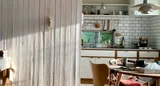
築150年の古民家。復元プロジェクトを見守る中で、私はこの家という「器」の中でかつて営まれてきた、ある完璧な循環に思いを馳せました。
現代の私たちの暮らしの中で、いつの間にか端っこに追いやられ、注目すらされなくなってしまったものがあります。それは「藁」と「竹」です。 プラスチックや便利な化学繊維にあふれた今、これらは見過ごされがちですが、少し前まで日本人の暮らしを根底から支える「無限の資源」でした。

藁は、私たちが食べるお米の副産物です。 昔の人はそれを単なる残り物とはせず、草鞋になり、蓑になり、畳になり、しめ縄になり……地域ごとの気候や風土に合わせて無数の道具を生み出しました。 手の中で藁を綯(な)い、形を作っていく時のあの温かな感触。それは、先人たちが「何とかして日々の暮らしを良くしよう」と工夫を凝らしてきた、知恵の結晶に触れる時間でもあります。


一方の竹も、地面からひょっこりと頭を出した瞬間から「筍」として人々を楽しませ、その後は驚くほどの速さで天に向かって成長します。その強靭な性質を利用して、人々は竹を日用品から建築資材にまで変貌させてきました。
その背景には、毎年必ず新しく生まれる豊かな自然環境があります。

こうして手仕事によって生み出された道具たちは、家という器の中で、人々の生活にすっきりと溶け込んでいきます。
私が何より素晴らしいと思うのは、これらを絶対に「余す事なく使い切る」という覚悟です。 ボロボロになるまで道具として使い倒し、最後は燃やして燃料に

する。残った灰でさえ、畑の肥料にしたり、山菜のあく抜きに使ったりと命を全うさせます。決して乱暴に扱わず、自然からの預かりものとして最後まで感謝し、また翌年の実りに託していく。
手仕事を終え、視点をすーっと引いていくと、そこには人々が生活し、道具が生まれ、自然へ還っていく大きな循環の場である「家」が静かに息づいています。
「なせばなる なさねばならぬ なにごとも」
今日、ふとこの言葉を目にしました。 母から教わったわら細工の手を動かし、古いものを愛でるたびに、藁や竹に込められたこの「使い切る覚悟」と「循環への感謝」を、次の世代にも繋いでいけたらと強く思うのです。
Until It Returns to Ash: The Beautiful Cycle of Straw and Bamboo in Japan
Watching the restoration project of a 150-year-old traditional folk house, I thought deeply about the perfect cycle that once thrived within this "vessel" of a home.
In our modern lives, there are things that have quietly been pushed to the margins: wara (straw) and take (bamboo). In an age of convenient plastics, they are often overlooked, yet not so long ago, they were the "infinite resources" supporting the Japanese way of life.
Straw is a byproduct of the rice we eat. People in the past didn't treat it as leftovers; it became sandals, rain capes, flooring, and sacred ropes. The warm sensation of braiding straw in your own hands is a moment where you touch the crystallized wisdom of our ancestors, who constantly devised ways to better their daily lives.
Bamboo, too, delights people from the moment it sprouts as edible shoots, then shoots upward with astonishing speed to be transformed into everyday tools and architectural materials. Behind this lies a rich natural environment that faithfully gives birth to new life every year.
These hand-crafted tools seamlessly blend into daily life within the vessel of the house.
What I find most remarkable is the sheer commitment to using these materials completely. A tool is used until worn out, then burned for fuel. Even the remaining ash fulfills its purpose as fertilizer or lye. They are received from nature, appreciated to the very end, and entrusted to the next year's harvest.
When you finish your handcrafting and pull your perspective back, you see the "house" quietly breathing—a grand stage of circulation where people live, tools are born, and everything eventually returns to nature.
"Where there's a will, there's a way." (Naseba naru...) Whenever I move my hands to do the straw crafting I learned from my mother and admire old things, I strongly feel the desire to pass down this "commitment to using things up" and "gratitude for the cycle" to the next generation.
#日本の手仕事 #藁と竹 #サステナブルな暮らし
#JapaneseCrafts #SustainableLiving #ZeroWasteJapan