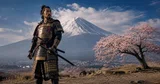
夏目漱石に聞く🎤なぜ近代人は、こんなにも孤独なのか🌙千夜一夜物語第130夜

第130夜を、前回の形式に合わせて作成します。
【千夜一夜物語の行先】
英語を身につけるには洋書の多読が効果的ですが、難易度差が大きく途中で挫折しやすいものです。
この「千夜一夜物語」はCEFR A2レベルから始め、歴史人物のインタビュー形式で英語を自然に定着させることを目的としています。
【千夜一夜物語第130夜 CEFR-A2〜B1 約700語 夏目漱石に聞く――なぜ近代人は、こんなにも孤独なのか】
【英文ストーリー】
◆ A quiet study in Meiji Tokyo. Outside, the city is changing quickly. Trains run, students carry English books, and newspapers speak of progress. Inside the room, a writer sits near a desk. His face is calm, but his eyes look tired.
◇ My name is Natsume Soseki. I lived in the Meiji period, when Japan was running toward the modern world. People believed that new schools, new machines, and new words would make life better. But I saw another question. Could the human heart run as fast as the age?
◆ Tonight’s question is simple. Why are modern people so lonely?
◇ Because modern life gives people more freedom, but also more distance. In the old world, a person belonged to a family, a village, a class, and a tradition. That could be heavy. But it also gave people a place. In the modern world, people are told, “Be yourself.” That sounds bright, but it can also mean, “Stand alone.”
◆ So freedom creates loneliness?
◇ Sometimes. Freedom is not always warm. If you are free, you must choose. If you choose, you must be responsible. If you are responsible, you may feel alone. Modern loneliness is the shadow of modern freedom.
◆ You studied in London. Did that experience change you?
◇ Very much. In London, I saw the center of modern civilization. There were books, buildings, money, smoke, and crowds. But inside the crowd, I felt alone. I learned that a large city can be full of people and still be cold.
◆ Did you feel that Japan was becoming like that?
◇ Yes. Japan wanted to become strong quickly. We studied Western science, law, literature, and technology. That was necessary. But speed has a cost. When a nation changes too fast, many hearts are left behind.
◆ What kind of hearts were left behind?
◇ The hearts of students, teachers, husbands, wives, friends, and thinkers. People learned new words, but they did not always know how to live with them. They learned “individual,” but lost the old comfort of belonging. They learned “success,” but became afraid of failure.
◆ This sounds like Kokoro.
◇ Yes. In Kokoro, I wrote about trust, guilt, love, and loneliness. The characters are not poor in things. They are poor in connection. They want to speak, but they cannot. They want to believe, but they are afraid. The deepest loneliness is not being alone. It is being unable to open the heart.
◆ Why was it so hard to open the heart?
◇ Because the modern self is proud and wounded at the same time. It wants to be independent, but it also wants to be loved. It wants to be strong, but it fears being seen. This inner conflict makes people silent.
◆ Was Meiji progress a mistake?
◇ No. Progress was necessary. Japan had to protect itself and learn from the world. But progress is dangerous when it only measures railways, factories, armies, and schools. A country must also ask: what happens inside the mind?
◆ So the problem was not modernization itself?
◇ Correct. The problem was imbalance. The outside world changed quickly. The inner world moved slowly. Civilization can build a bridge over a river, but it cannot easily build a bridge between two hearts.
◆ What would you say to modern readers?
◇ Do not laugh at loneliness as weakness. Loneliness is often a sign that the heart is asking for a true relation. Do not only collect information. Do not only chase success. Learn to listen, to wait, and to speak honestly.
◆ One last question. Did Meiji people catch up with the age?
◇ Some did. Some did not. Perhaps no one fully catches up with an age of change. We live, fall behind, learn, and write. That is why literature exists. Literature is a lamp for people walking through a new darkness.
◆ The writer closes his notebook. Outside, the sound of a train passes through Tokyo. The age moves forward. But in the quiet room, one human heart is still asking whether progress can teach people how to live.
【日本語訳】
◆ 明治の東京の静かな書斎。外では、町が急速に変わっている。汽車が走り、学生たちは英語の本を抱え、新聞は進歩を語っている。部屋の中では、一人の作家が机のそばに座っている。顔は落ち着いているが、その目はどこか疲れている。
◇ 私は夏目漱石。日本が近代世界へ向かって走っていた明治という時代を生きた。人々は、新しい学校、新しい機械、新しい言葉が人生を良くすると信じていた。だが私は、別の問いを見ていた。人間の心は、時代と同じ速さで走ることができたのか。
◆ 今夜の質問は単純です。なぜ近代人は、こんなにも孤独なのですか。
◇ 近代の生活は人に自由を与えるが、同時に距離も与えるからだ。古い世界では、人は家族、村、身分、伝統に属していた。それは重いこともあった。だが同時に、人に居場所を与えていた。近代の世界では、人は「自分らしくあれ」と言われる。それは明るく聞こえるが、「一人で立て」という意味にもなり得る。
◆ つまり自由が孤独を生むのですか。
◇ 時にはそうだ。自由はいつも温かいものではない。自由であれば、選ばなければならない。選べば、責任を負わなければならない。責任を負えば、孤独を感じることもある。近代の孤独は、近代の自由の影である。
◆ ロンドン留学は、あなたを変えましたか。
◇ 大きく変えた。ロンドンで私は近代文明の中心を見た。本、建物、お金、煙、群衆があった。しかしその群衆の中で、私は孤独だった。大都市は人で満ちていても、冷たいことがあると学んだ。
◆ 日本もそうなっていくと感じましたか。
◇ そうだ。日本は急いで強くなろうとしていた。西洋の科学、法律、文学、技術を学んだ。それは必要なことだった。しかし速さには代償がある。国家があまりにも速く変わる時、多くの心は取り残される。
◆ どのような心が取り残されたのですか。
◇ 学生、教師、夫、妻、友人、思想家の心だ。人々は新しい言葉を学んだが、それとどう生きればよいのかは分からないことがあった。「個人」を学んだが、古い所属の安心を失った。「成功」を学んだが、失敗を恐れるようになった。
◆ それは『こころ』の世界のようですね。
◇ そうだ。『こころ』では、信頼、罪悪感、愛、孤独を書いた。登場人物たちは物に貧しいのではない。つながりに貧しいのだ。話したいのに話せない。信じたいのに恐れている。最も深い孤独とは、一人でいることではない。心を開けないことである。
◆ なぜ心を開くことが難しかったのでしょう。
◇ 近代の自我は、誇り高く、同時に傷ついているからだ。独立したいが、愛されたい。強くありたいが、見透かされることを恐れる。この内側の矛盾が、人を沈黙させる。
◆ 明治の進歩は間違いだったのですか。
◇ 違う。進歩は必要だった。日本は自らを守り、世界から学ばなければならなかった。しかし、進歩が鉄道、工場、軍隊、学校だけで測られる時、それは危険になる。国は同時に問わなければならない。心の中では何が起きているのか、と。
◆ 問題は近代化そのものではなかったのですね。
◇ その通りだ。問題は不均衡だった。外の世界は速く変わった。内側の世界はゆっくり動いた。文明は川に橋を架けることはできる。しかし二つの心の間に橋を架けることは、そう簡単ではない。
◆ 現代の読者には何を伝えたいですか。
◇ 孤独を弱さとして笑ってはいけない。孤独はしばしば、心が本当の関係を求めている合図である。情報を集めるだけではいけない。成功を追うだけでもいけない。聞くこと、待つこと、正直に語ることを学ばなければならない。
◆ 最後に。明治の人々は、時代に追いつけたのでしょうか。
◇ 追いついた人もいる。追いつけなかった人もいる。おそらく、変化の時代に完全に追いつける人などいない。私たちは生き、遅れ、学び、書く。だから文学が存在する。文学とは、新しい暗闇を歩く人のための灯である。
◆ 作家はノートを閉じる。外では汽車の音が東京を通り抜ける。時代は前へ進む。しかし静かな部屋の中で、一つの人間の心は、進歩が人に生き方まで教えられるのかを、なお問い続けている。
【音読・多読のポイント】
今回は「近代」「自由」「孤独」「心」がテーマです。漱石の言葉は、叫ぶのではなく、静かに深く読むと合います。特に Could the human heart run as fast as the age?、the shadow of modern freedom、unable to open the heart、a bridge between two hearts、a lamp for people walking through a new darkness は重要チャンクです。fast / alone / heart / modern / freedom の語を少し強めると、本文の流れがつかみやすくなります。
【語句の解説】
modern:B1目安。「近代の、現代的な」。本文では明治以降の新しい社会を表す。
用例:People entered the modern world.(人々は近代世界に入った。)
lonely:A2〜B1目安。「孤独な、寂しい」。一人でいるだけでなく、心がつながらない状態。
用例:He felt lonely in the city.(彼は都会で孤独を感じた。)
freedom:B1目安。「自由」。自分で選べること。ただし責任も伴う。
用例:Freedom can be difficult.(自由は難しいこともある。)
responsible:B1〜B2目安。「責任がある」。自分の選択や行動を引き受けること。
用例:He is responsible for his choice.(彼は自分の選択に責任がある。)
civilization:B2目安。「文明」。社会の制度、技術、文化の発展全体。
用例:Modern civilization changed Japan.(近代文明は日本を変えた。)
individual:B1〜B2目安。「個人」。集団ではなく、一人の人間としての存在。
用例:The individual became important.(個人が重要になった。)
connection:B1〜B2目安。「つながり」。人と人との関係。
用例:People need real connection.(人には本当のつながりが必要だ。)
inner conflict:B2目安。「内面的な葛藤」。心の中で二つの思いがぶつかること。
用例:He had an inner conflict.(彼には内面的な葛藤があった。)
imbalance:B2目安。「不均衡」。外側の発展と心の成長の速さが合わない状態。
用例:Modern life can create imbalance.(近代生活は不均衡を生むことがある。)
literature:B1〜B2目安。「文学」。小説や詩など、人間の心を言葉で表すもの。
用例:Literature helps us understand the heart.(文学は心を理解する助けになる。)
- #英語学習
- #孤独
- #文学
- #日本文化
- #こころ
- #大人の英語学習
- #夏目漱石
- #音読
- #日本文学
- #英語多読
- #明治時代
- #Japaneseculture
- #literature
- #千夜一夜物語
- #japaneseliterature
- #歴史人物
- #englishlearning
- #やさしい英語
- #loneliness
- #natsumesoseki
- #近代日本
- #kokoro
- #チャンク学習
- #readaloud
- #OneThousandAndOneNights
- #ExtensiveReading
- #LearnEnglishThroughStories
- #歴史インタビュー
- #MeijiEra
- #ModernJapan
- #ModernLife
- #近代人の孤独