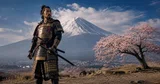
中山久蔵に聞く🎤米が育たないと言われた北海道で、なぜ稲作を諦めなかったのか🌙千夜一夜物語第161夜 英語

【千夜一夜物語の行先】
英語を身につけるには洋書の多読が効果的ですが、難易度差が大きく、途中で挫折しやすいものです。この「千夜一夜物語」はCEFR A2レベルから始め、歴史人物へのインタビュー形式で、物語を楽しみながら英語を自然に定着させることを目的としています。
中山久蔵は1828年、河内国、現在の大阪府に生まれました。北海道へ移住し、1871年に島松へ入植。当時、道南を除く北海道では寒さのため稲作は難しいと考えられていましたが、久蔵は寒さに強い「赤毛種」の種もみを取り寄せ、水温を上げる暖水路を作るなどの工夫を重ね、1873年に安定した収穫に成功しました。さらに、よく育った稲を翌年の種として選び続け、1879年からは種もみを開拓農民へ無償で配布しました。赤毛種は石狩、空知、上川などへ広がり、北海道の寒地稲作発展の重要な基礎となりました。(北広島市)
重要なのは、久蔵が「自分の田んぼで米ができた」ことだけで満足しなかったことです。成功した種をほかの農民へ分け、北海道全体へ稲作を広げようとしました。北広島市は、久蔵が1879年に種もみ100俵を無償で提供することを提案し、配布を始めたと伝えています。
【英文ストーリー】
千夜一夜物語 第161夜 CEFR A2〜B1 英文ストーリー約700 words
◆ Shimamatsu, Hokkaido, in the early Meiji period. Cold water runs from a river toward a small rice field. A man stands beside it, watching young rice plants that do not seem to grow.
◇ My name is Nakayama Kyuzo. I was born in Kawachi, near present-day Osaka, and later came to Hokkaido. In 1871, I settled in Shimamatsu. People said that rice could not grow well this far north. (北広島市)
◆ Why did you try to grow rice if people said it was impossible?
◇ Because many settlers came from places where rice was part of daily life. They wanted rice, but much of it had to be brought from other parts of Japan.
I looked at the land and thought, “Perhaps rice cannot grow here in the usual way. But does that mean it cannot grow here at all?”
“Impossible” sometimes means only that the right method has not been found yet.
◆ What was the biggest problem?
◇ Cold.
Rice needs warmth, especially when it begins to grow. The water coming from the river was too cold. My first attempts did not go well.
I could have stopped there and said, “Everyone was right.”
But a failed crop can also be information.
◆ What did you learn from the failure?
◇ I began to think that the problem was not simply Hokkaido itself. Perhaps the water was entering the field too cold.
So I made a channel where the water could stay under the sun before reaching the rice field. The sun warmed it. It is said that I even carried warm bath water to the field to help keep the temperature up. (北広島市)
When you cannot change the climate, change the conditions around the plant.
◆ But you also needed the right kind of rice.
◇ Yes. In 1872, I obtained seed rice of a cold-resistant variety called Akage from Ono village in southern Hokkaido.
I planted it and watched carefully. Then I selected plants that grew well and saved their seeds for the next year.
Little by little, I tried to find rice better suited to this land. (北広島市)
◆ When did you know your idea could work?
◇ In 1873, we had a successful harvest. The field produced about 345 kilograms per tan.
It was not simply a harvest of rice. To me, it was evidence that rice farming in cold central Hokkaido was possible.
◆ Did you feel that you had won?
◇ I was happy, but one successful field does not change a region.
If only my family could grow rice, the achievement would remain very small.
Success becomes much larger when other people can repeat it.
◆ Is that why you gave seed rice to other farmers?
◇ Yes. From 1879, I began distributing Akage seed rice without charge to settlers in different parts of Hokkaido. I wanted farmers to try it for themselves.
The seed spread into areas such as Ishikari, Sorachi, and Kamikawa. Some people even called it “Nakayama’s seed.” (北広島市)
◆ Why give it away? You could have sold it.
◇ Perhaps I could have made money.
But what was more valuable—owning a successful seed or creating a region where many families could grow food?
A seed becomes valuable when it is planted.
Knowledge is similar.
If knowledge remains in one person’s hands, its power remains small.
◆ Were you trying to change all of Hokkaido?
◇ I was a farmer, not a man who could control the future. I worked on the problems in front of me: cold water, weak plants, seed selection, and the next harvest.
Large change often begins that way.
You solve one real problem. Then another person uses your solution. Then another person improves it.
◆ Today Hokkaido is famous for rice. What would you think if you saw modern varieties such as Yumepirika and Nanatsuboshi?
◇ I would probably be surprised first.
The Akage rice that we grew became part of the long history that led to modern Hokkaido rice.
But I would not say, “I created all of this.”
Thousands of farmers, researchers, and other people continued the work.
A pioneer opens a door, but many people must walk through it.
◆ Why do you think you did not give up?
◇ Because I did not think failure was the end of the experiment.
When the rice did not grow, I asked why.
When the water was cold, I warmed it.
When one plant grew better, I saved its seed.
I did not defeat Hokkaido’s climate. I learned to work with it.
◆ Does your story have a lesson for English learners?
◇ Certainly.
A learner often says, “I cannot understand English,” just as people once said, “Rice cannot grow here.”
But perhaps the real question is different.
Is the material too difficult? Are you listening often enough? Are you reading aloud? Are you repeating useful chunks?
Do not simply say, “I cannot.”
Change one condition and try again.
Progress often begins when you replace “I can’t” with “What can I change?”
◆ Evening comes to Shimamatsu. The water in the channel has been warmed by the sun. A farmer bends down and touches it with his hand.
Beyond him, a small rice field moves quietly in the wind.
It is not yet the great rice country of the future.
It is only one field.
But sometimes, one field is enough to prove that the future can be different.
【日本語訳】
◆ 明治時代初期の北海道・島松。川から冷たい水が、小さな水田へ向かって流れています。一人の男がそのそばに立ち、なかなか育とうとしない若い稲を見つめています。
◇ 私は中山久蔵です。現在の大阪府にあたる河内国に生まれ、その後北海道へやってきました。1871年、島松に入植しました。このような北の土地では、米はうまく育たないと言われていました。
◆ 米作りは無理だと言われていたのに、なぜ挑戦したのでしょうか。
◇ 多くの入植者は、米を日常的に食べる土地からやってきました。彼らは米を必要としていましたが、多くは本州などから運んでこなければなりませんでした。
私は土地を見ながら考えました。「普通のやり方では、ここで米は育たないかもしれない。しかし、それは本当に、どんな方法でも育たないという意味なのだろうか」と。
「不可能」という言葉は、まだ正しい方法が見つかっていないという意味にすぎないことがあります。
◆ 最大の問題は何でしたか。
◇ 寒さです。
稲は、特に育ち始める時に暖かさを必要とします。川から流れてくる水は冷たすぎました。最初の試みはうまくいきませんでした。
そこでやめて、「みんなの言った通りだった」と言うこともできました。
しかし、作物が育たなかったことも、一つの情報なのです。
◆ 失敗から何を学んだのですか。
◇ 問題は北海道そのものだけではないのではないか、と考え始めました。水が冷たすぎる状態で水田へ入っているのかもしれません。
そこで、水田へ入る前に太陽の下で水をためておく水路を作りました。日光によって水を温めるのです。水温を保つため、風呂の湯まで水田へ運んだとも伝えられています。
気候そのものを変えられないなら、植物の周りの条件を変えればよいのです。
◆ 稲の種類も重要だったのですね。
◇ はい。1872年、道南の大野村から「赤毛」と呼ばれる寒さに強い品種の種もみを手に入れました。
それを植えて注意深く観察しました。そして、よく育った稲を選び、その種を翌年のために残しました。
少しずつ、この土地により適した稲を見つけようとしたのです。
◆ いつ、「これはできる」と確信したのでしょうか。
◇ 1873年、収穫に成功しました。反当たり約345キログラムの米が取れました。
それは、単に米が収穫できたということではありません。私にとっては、寒冷な北海道の中央部でも稲作ができるという証拠でした。
◆ 「勝った」と思いましたか。
◇ うれしかったです。しかし、一枚の水田が成功しただけでは、地域を変えることはできません。
私の家だけで米を作ることができても、その成果は小さなままです。
成功は、ほかの人も同じことをできるようになった時、はるかに大きなものになります。
◆ だから、ほかの農家へ種もみを配ったのですか。
◇ はい。1879年から、北海道各地の入植者へ赤毛種の種もみを無償で配り始めました。農家自身に試してもらいたかったのです。
種は石狩、空知、上川などへ広がっていきました。「中山の種」と呼ぶ人たちもいました。
◆ なぜ無償だったのでしょう。売ることもできたのではありませんか。
◇ おそらく、お金を得ることはできたでしょう。
しかし、成功した種を自分だけが持つことと、多くの家族が食料を作ることのできる地域を生み出すことと、どちらに大きな価値があるでしょうか。
種は、植えられて初めて価値を持ちます。
知識も同じです。
知識が一人の手の中だけに残っていれば、その力も小さいままなのです。
◆ 北海道全体を変えようと考えていたのですか。
◇ 私は農民です。未来を思い通りに動かせる人間ではありません。目の前にある問題に取り組みました。冷たい水、弱い稲、種の選別、そして次の収穫です。
大きな変化は、しばしばそのように始まります。
一つの現実的な問題を解決する。すると、別の人がその方法を使う。さらに別の人が改良するのです。
◆ 現在、北海道は米どころとして有名です。「ゆめぴりか」や「ななつぼし」を見たら、どう思いますか。
◇ まず驚くでしょう。
私たちが育てた赤毛は、現在の北海道米へ続く長い歴史の一部になりました。
しかし、「全部、自分が作った」とは言いません。
その後、何千人もの農家、研究者、多くの人々が仕事を続けてきたからです。
開拓者は扉を開きます。しかし、その扉を通っていくのは多くの人々なのです。
◆ なぜ、諦めなかったのでしょうか。
◇ 失敗を、実験の終わりだとは考えなかったからです。
稲が育たなければ、なぜなのかを考えました。
水が冷たければ、温めました。
よく育った稲があれば、その種を残しました。
私は北海道の気候を打ち負かしたのではありません。その気候とともに働く方法を学んだのです。
◆ この物語から、英語学習者が学べることはありますか。
◇ もちろんです。
学習者はしばしば、「英語が分からない」と言います。それは昔の人々が「ここでは米は育たない」と言ったのに似ています。
しかし、本当の問いは別にあるのかもしれません。
教材が難しすぎるのでしょうか。十分に聞いているでしょうか。声に出して読んでいるでしょうか。役立つチャンクを繰り返しているでしょうか。
ただ「できない」と言わないでください。
一つ条件を変えて、もう一度試してください。
進歩は、「できない」を「何を変えられるだろう」に置き換えた時に始まることがあります。
◆ 島松に夕暮れが訪れます。水路の水は、太陽によって温められています。一人の農民が腰をかがめ、その水に手を触れます。
その向こうでは、小さな水田が風の中で静かに揺れています。
まだ、未来の大きな米どころではありません。
ただの一枚の水田です。
しかし時には、一枚の水田だけで、未来は変えられると証明するには十分なのです。
【音読・多読のポイント】
今回は、失敗から原因を探すこと、環境に合わせて方法を変えること、成功を独占せず広げることがテーマです。中山久蔵を「寒さに根性だけで勝った人物」としてではなく、観察し、条件を変え、小さな改良を積み重ねた人物として読んでください。
“Impossible” sometimes means / only that the right method / has not been found yet.
「不可能」とは時として/正しい方法が/まだ見つかっていないという意味にすぎない。
When you cannot change the climate, / change the conditions / around the plant.
気候を変えられないなら/条件を変える/植物の周りの。
Success becomes much larger / when other people / can repeat it.
成功はもっと大きくなる/ほかの人々が/それを再現できるようになった時。
If knowledge remains / in one person’s hands, / its power remains small.
知識が残れば/一人の手の中だけに/その力も小さいままである。
A pioneer opens a door, / but many people / must walk through it.
開拓者は扉を開く/しかし多くの人々が/その扉を通らなければならない。
Progress often begins / when you replace “I can’t” / with “What can I change?”
進歩はしばしば始まる/「できない」を置き換えた時/「何を変えられるだろう」に。
give up、go well、little by little、without charge、work with、try againは、一語ずつではなく、意味のまとまりとして読んでください。
【語句の解説】
give up:諦める。続けていたことを途中でやめるという重要な句動詞。
用例:He did not give up after the first failure.(彼は最初の失敗の後も諦めませんでした。)
settle in:~に入植する、~に定住する。新しい土地へ移り住み、そこで生活を始めること。
用例:The family settled in Hokkaido.(その家族は北海道に移住しました。)
go well:うまくいく。計画、仕事、試みなどが順調に進むこと。
用例:The first experiment did not go well.(最初の実験はうまくいきませんでした。)
crop:農作物、収穫物。rice plantが個々の稲を指すのに対し、cropは農業で育てる作物全体を表す。
用例:The cold weather damaged the crop.(寒い天候が農作物に被害を与えました。)
conditions:条件、環境。本文では植物を育てる水温など、周囲の状況を指す。
用例:We changed the conditions of the experiment.(私たちは実験の条件を変えました。)
cold-resistant:寒さに強い、耐寒性のある。resistantは「~に耐える力がある」という意味。
用例:They needed a cold-resistant variety of rice.(彼らには寒さに強い稲の品種が必要でした。)
be suited to:~に適している。場所、目的、状況などとの相性がよいことを表すチャンク。
用例:This rice is suited to a cold climate.(この米は寒い気候に適しています。)
little by little:少しずつ。急激ではなく、小さな変化を積み重ねる様子。
用例:The plants became stronger little by little.(稲は少しずつ強くなりました。)
without charge:無料で、料金を取らずに。freeと同じ意味で使えるチャンク。
用例:He gave the seeds to farmers without charge.(彼は農民たちへ種を無償で与えました。)
repeat a success:成功を再現する。同じ方法を使い、ほかの場所や人でも同様の結果を出すこと。
用例:Other farmers were able to repeat the success.(ほかの農民たちもその成功を再現することができました。)
pioneer:開拓者、先駆者。まだ一般的でない分野や土地で、最初に道を切り開く人。
用例:Nakayama was a pioneer of cold-region rice farming.(中山久蔵は寒地稲作の先駆者でした。)
open a door:扉を開く。本文では、新しい可能性や道を作ることを表す比喩。
用例:His discovery opened a door for other farmers.(彼の発見は、ほかの農民たちに新しい道を開きました。)
work with:~とうまく付き合う、~を利用しながら取り組む。本文では自然を征服するのではなく、条件を理解して利用するニュアンス。
用例:Farmers must learn to work with nature.(農家は自然とうまく付き合うことを学ばなければなりません。)
replace A with B:AをBに置き換える。考え方や方法を変える場合にも使える重要なチャンク。
用例:Replace “I can’t” with “I’ll try again.”(「できない」を「もう一度やってみよう」に置き換えてください。)
try again:もう一度やってみる。失敗した後に再び挑戦する、今回の物語を象徴する基本チャンク。
用例:Change one thing and try again.(一つ変えて、もう一度試してみてください。)
- #英語学習
- #挑戦
- #北海道
- #日本史
- #試行錯誤
- #大人の英語学習
- #失敗から学ぶ
- #音読
- #諦めない
- #英語多読
- #シャドーイング
- #明治時代
- #稲作
- #hokkaido
- #米作り
- #英語音読
- #challenge
- #千夜一夜物語
- #品種改良
- #先駆者
- #開拓者
- #歴史人物
- #englishlearning
- #Pioneer
- #北広島
- #やさしい英語
- #JapaneseHistory
- #農業技術
- #shadowing
- #知識の共有
- #北海道開拓
- #nevergiveup
- #チャンク学習
- #北海道農業
- #北海道米
- #北海道の歴史
- #AdultEnglishLearning
- #耐寒性
- #只管多読
- #ChunkLearning
- #readaloud
- #OneThousandAndOneNights
- #historicalfigures
- #ExtensiveReading
- #easyenglish
- #LearnEnglishThroughStories
- #音読習慣
- #英語学習継続
- #TrialandError
- #毎日音読
- #EnglishExtensiveReading
- #ストーリーで英語
- #EnglishReadAloud
- #StoryBasedLearning
- #DailyReadAloud
- #歴史人物インタビュー
- #SustainedExtensiveReading
- #MeijiEra
- #農業の歴史
- #種もみ
- #地域発展
- #水温管理
- #KnowledgeSharing
- #regionaldevelopment
- #JapaneseAgriculture
- #島松
- #LearnFromFailure
- #ricefarming
- #中山久蔵
- #開拓農民
- #kitahiroshima
- #AgriculturalHistory
- #日本農業史
- #AgriculturalInnovation
- #RuralDevelopment
- #赤毛種
- #Hokkaidorice
- #農業と地域社会
- #NakayamaKyuzo
- #寒地稲作
- #HokkaidoHistory
- #暖水路
- #種もみ無償配布
- #HokkaidoAgriculture
- #ColdRegionRiceFarming
- #AkageRice
- #RiceSeeds
- #Shimamatsu
- #ColdResistantRice
- #WaterTemperature
- #FreeSeedDistribution