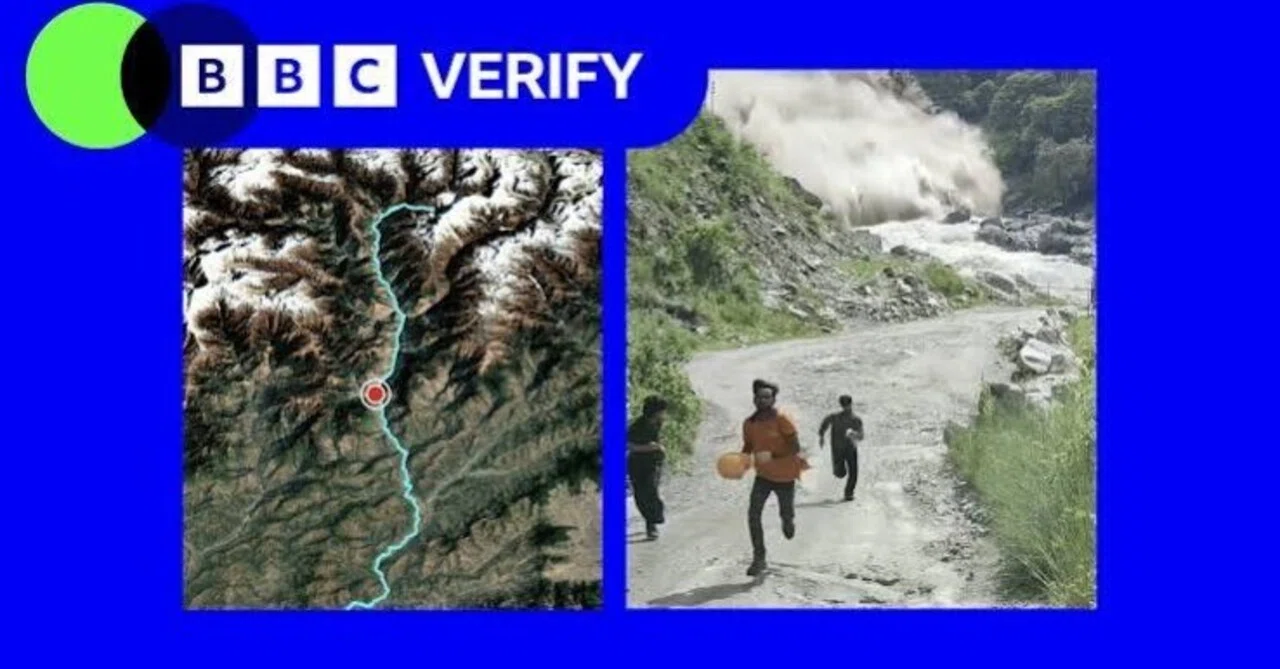
中国ではチベットの洪水の映像が放送されておらず、現地の被災者に関する情報もほとんど伝わっていません。BBC 2026/8/29

その衝撃的な映像は、誰の目にも留まらずにはいられないものでした。ネパールとチベットを結ぶ主要な国境検問所の一つであるギロン(吉隆)口岸を、激流が猛烈な勢いで突き抜け、行く手にあるあらゆるものを押し流す中、何百人もの人々が命からがら逃げ惑う様子が映し出されていたのです。
The dramatic footage was almost impossible to miss. A torrent of water tearing through Gyirong Port, one of the main border crossings between Nepal and Tibet, sweeping away all in its path as hundreds of people fled for their lives.
監視カメラが捉えたその光景は、瞬く間にソーシャルメディアで拡散され、世界中の画面に映し出されました。
The scenes, captured by CCTV cameras, quickly spread on social media and onto screens around the world.
――ここ中国を除いては。
Except here, in China.
中国の国営主要ニュース番組でこれまでに放送されたのは、たった一枚の静止画だけです。
Only a single still-frame shot has been broadcast so far by the country's state-run flagship news bulletin.
厳しく検閲されている中国のインターネット上で、その動画を見つけることも困難な状況です。水曜以来、数百人の命を奪い、同数規模の行方不明者を出しているこの鉄砲水について言及した投稿を見つけることさえ、同様に難しいのです。
It has also been difficult to find the video on China's heavily censored internet. It is just as hard to even find posts describing the flash flooding that has claimed hundreds of lives, with just as many still unaccounted for since Wednesday.
中国政府は数百人の緊急対応要員を動員した大規模な救助活動を開始し、現在もその活動が続けられています。また、習近平国家主席は当局者らとの緊急会議を主宰し、対応の調整を行いました。
Beijing has launched a massive rescue operation involving hundreds of emergency workers, which is continuing, and President Xi Jinping chaired an emergency meeting with officials to co-ordinate efforts.
しかし、同国のインターネット上のコンテンツと、ここ数日間に世界の多くの人々がオンラインで目にしているものとを比較してみると、中国の「ファイアウォール」の存在がこれまで以上に浮き彫りになります。
But when you compare the country's internet content to what much of the world has been seeing online these past few days, China's firewall becomes more visible than ever.
1950年代に中国政府によって併合されたチベットは、長きにわたり中国共産党の統治に抵抗してきました。
Tibet, which Beijing annexed in the 1950s, had long resisted rule by the Chinese Communist Party.
中国は長年にわたり、時には暴力的な手段を用いて抗議活動を抑え込んできたほか、この仏教地域における深刻な人権侵害で非難を浴びてきました。また、亡命中の精神的指導者であるダライ・ラマを「分離主義者」と決めつけています。
China has quashed protests over the years, sometimes violently, and has been accused of grave rights violations in the Buddhist region. It has labelled the exiled spiritual leader, the Dalai Lama, a separatist.
こうした経緯から、「チベット」という名称そのものが中国の検閲の対象となります。とりわけ今回のような時期には、中国政府の過敏な姿勢が如実に表れます。
That history means the very name Tibet draws China's censors. Beijing's sensitivities are especially apparent at times likes this.
行方不明者や死者に関する情報は連日更新されており、北京当局も救助活動の状況や、決壊の恐れがある堰止湖(せきとめこ)の危険性について情報を発信しています。
There have been daily updates on the missing and the dead, and Beijing has also been posting updates on the rescue operations, as well as the dangers posed by a barrier lake that has been at risk of overflowing.
土曜日には中国の国営メディアが新たな映像を公開し、その中では救助隊が泥や岩石に覆われた荒涼とした現場を歩き回りながら、取り残された人がいないか呼びかける様子が映し出されていました。
On Saturday, new footage from Chinese state media showed rescue teams wandering in a wasteland of mud and rock while calling out to anyone trapped.
しかし、それ以上の詳細はほとんど明らかになっていません。チベットの被災者からの証言はなく、惨劇の瞬間やその直後の様子を捉えた一般の人々による映像も皆無に等しい状況です。
But there is little detail beyond that. There are no accounts from survivors in Tibet, and almost no user-generated footage showing the deadly moments or their aftermath.
行方不明者の家族からの声もまだ届いていません。そもそも、現地の住民と連絡を取ることは、平時であっても極めて困難なのです。
We are yet to hear from anxious families of those missing. Trying to contact people there is near-impossible during regular times.
北朝鮮を取材してきたジャーナリストとしての経験から言えば、平壌で取材相手に連絡を取る方が、チベットの首都ラサでそうするよりも容易な場合が多々ありました。
As a journalist who has covered North Korea, it has often been easier for me to contact interviewees in Pyongyang than it is in the Tibetan capital, Lhasa.
木曜日の夜、ヒマラヤの渓谷で起きた甚大な被害が世界中のニュースのトップを飾る中、中国の国営放送は、習近平氏の「最も重要かつ根本的な著作」をまとめた新刊の発表をメインニュースの冒頭で報じました。
On Thursday night, as global headlines led on the devastation in a Himalayan valley, China's state broadcaster opened its main bulletin with the launch of Xi's new book, a selection of his "most important and fundamental works".
外国人ジャーナリストは、政府の許可なしにチベットへ入ることはできません。今回のような重大なニュースにおいて、動画が削除され、人々の声が封じ込められてしまう前に、可能な限り多くの情報を収集できる時間は、ほんの数時間しかないのです。
Foreign journalists cannot travel to Tibet without government permission. We have just a few hours to get as much information as we can on huge stories like this before videos are scrubbed and voices stifled.
その代わりに頼らざるを得ないのが国営メディアの情報ですが、これまでのところ、それらは極めて劇的な救助活動の様子を伝えることに重点を置いています。
Instead, we have to rely on state media, which has so far focused on incredibly dramatic rescue efforts.
専門の捜索隊が山や断崖を登ったり、激流を渡ったりして、被害が最も深刻な地域へ向かおうとする姿などが報じられています。しかし、その後に何が起きたのか、あるいは誰を救助できたのかについては、まだ分かっていません。
Specialist search teams scaling mountains and cliff faces, or crossing raging rivers to try to get to the worst-affected areas. We don't yet know what happened afterwards, or who they were able to save.
だからといって、中国政府が事態を軽視しているわけではありません。むしろ、極めて深刻に受け止めています。
This is not to say that Beijing is unconcerned. Rather, they are very concerned.
中国の李強(り・きょう)首相は直ちに現地へ派遣され、瓦礫(がれき)の撤去作業を視察する姿が見られました。大規模な災害の発生直後に、国家のナンバー2である指導者が現地を訪れるのは異例のことです。
China's Premier Li Qiang was quickly despatched to the region, where he was seen inspecting debris removal - a rare visit by the country's second-most important leader so soon after a major disaster.
世界には「控えめな反応」と映るかもしれないその対応の理由は、習氏が自国のために何よりも渇望しているもの、すなわち「安定」を維持することにあります。
The reason for what the world might see as a muted response is to preserve the one thing Xi covets for his country: stability.
共産党は、こうした惨事が、政府の対応や、あるいは事態を未然に防ぐための先見の明が欠如していたことに対する不満を煽りかねないと懸念するでしょう。
The Communist Party will fear that such a disaster could fuel discontent, either with the response or the lack of foresight to prevent it.
また、こうした悲劇が人々の結束を促すきっかけとなり得ることも恐れているかもしれません。特に、信仰が長きにわたり中心的な役割を果たしてきた地域においては、なおさらです。
It may also fear the impact of a tragedy like this and its potential to be a rallying factor, especially in a community where faith has long played a central role.
この地域では長らく抗議活動は起きていませんが、国外のチベット人団体は、中国による統制の強化を懸念しています。例えば、僧院や仏教信仰の役割を弱めることを意図しているとされる新たな教育法などがその一例です。
Although the region has not seen protests in a long time, Tibetan groups abroad have expressed concern over increasing Chinese control, such as new education laws that they say aim to weaken the role of monasteries and the Buddhist faith.
災害発生からわずか数時間後、共産党の組織は、土砂崩れへの対応をめぐる不満の兆しを封じ込めるべく、末端の党員たちを動員しようと試みた。
Just hours after the disaster struck, the Communist Party machine tried to rally its grassroots to stem any signs of discontent of its handling of the landslide.
地元の党組織から出された通達は、党員に対し、地域での災害救援活動に積極的に参加するとともに、被災住民への精神的なケアや心理的サポートを行うよう求めていた。
A notice came from the local party office urging members to step up and help in disaster relief efforts in their area and provide emotional guidance or psychological support to affected residents.
その通達の核心となる一節では、「被災地における社会秩序を維持し、安定と公衆の信頼を確保するためにあらゆる努力を尽くす」よう指示されていた。優れた成果を上げた者には報奨が与えられる一方、対応が不十分だった者は「責任を問われる」ことになるとされていた。
The key line instructs them to "make every effort to maintain social order and ensure stability and public confidence in the disaster areas". Those who perform well would be rewarded - and those who do badly "would be held accountable".
これは決して軽視できない警告です。人権活動家らによると、同地域のチベット人は、ジャーナリストと話したり、政府の公式見解に反するとみなされる内容をオンラインに投稿したりしただけで、拘束や逮捕をされる恐れがあります。
It is a warning that will not be taken lightly. Tibetans in the region can be detained or arrested for speaking to journalists or posting anything online that is seen as contrary to the government narrative, according to rights activists.
そのため、同地域外に住むチベット人にとっては、親族の安否や状況を把握することが困難になっています。
That is making it difficult for Tibetans outside the region to find out what has happened to their relatives.
「国際チベット・キャンペーン(International Campaign for Tibet)」は、現地で初期対応にあたる人々の活動を評価しつつも、中国当局がソーシャルメディア上の動画や現地の生の情報などを削除していると指摘しました。そして、中国当局に対し、「被害や死傷者に関する完全かつ検証可能な情報を開示する」よう求めました。
The International Campaign for Tibet, while praising the work of first responders in the area, said Beijing had been removing videos and other first-hand information from social media. It called on Chinese authorities to "disclose complete and verifiable information about the damage and casualties".
チベットの人々の生活の実態を知るため、BBCは昨年、ヒマラヤ高原の縁に位置するある町を訪れました。そこは、中国が「チベット自治区」と呼ぶ地域のすぐ外側にあります。
To try to understand what life is like for Tibetans, the BBC travelled to a town that sits on the edge of the Himalayan plateau last year - just outside what China calls the Tibetan Autonomous region.
私たちはそこで、アバ(チベット語ではンガバ)にあるキルティ僧院の僧侶たちに話を聞きました。この僧院はかつて、北京(中国政府)に対する抵抗運動の中心地となっていた場所です。「私たちチベット人は、基本的な人権を奪われています」と、ある僧侶は語りました。
There, we spoke to monks at the Kirti monastery in Aba, or Ngaba in Tibetan, which was once at the heart of its resistance to Beijing. "We Tibetans are denied basic human rights," one monk told us.
彼らは絶えず監視下に置かれた生活を送っており、中国政府から抑圧や迫害を受けていると訴えました。誰かと長時間話しているところを見られるわけにはいかなかったため、対話は短いものにとどまりました。
They said they lived under constant surveillance and claimed the Chinese government oppressed and persecuted Tibetans. The conversations were brief because we could not be seen speaking to anyone for long.
中国政府はチベット人の権利を侵害しているとの指摘を否定し、観光振興や国内他地域との統合を図るために同地域へ巨額の投資を行ってきたことを強調しています。
Beijing denies it is violating Tibetans' rights, and points to the heavy investments it has made in the region to boost tourism and integrate it with the rest of the country.
それにもかかわらず、中国の人々は、現在チベットで何が起きているのかについて、ほとんど何も知らないでしょう。
Nevertheless, people in China will not know very much about what is happening in Tibet right now.
いいなと思ったら応援しよう!
 よろしければ応援お願いします! いただいたチップはクリエイターとしての活動費に使わせていただきます!m(__)m