ハイドンのAdagioは「遅い」のか?──交響曲第96番序奏にみる運動の骨格

「規律」に縛られる違和感
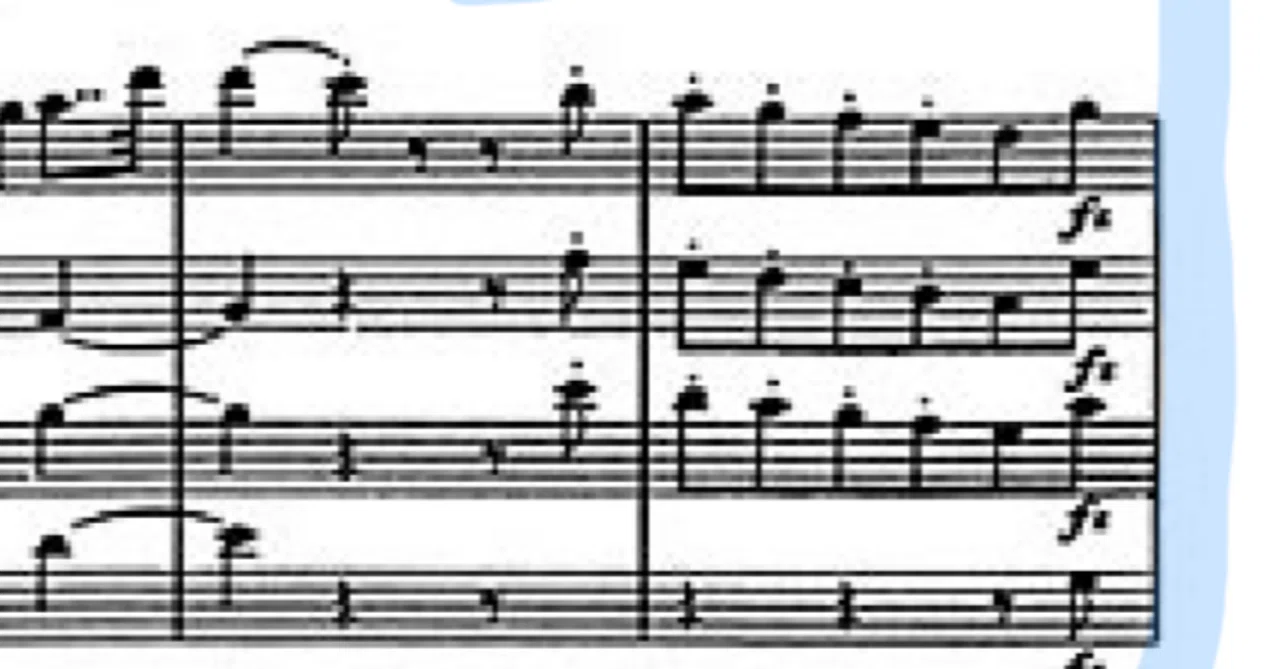
ハイドンの交響曲第96番(Hob. I:96)の冒頭5小節目。そのアウフタクトの8分音符をどのように処理するべきでしょうか。指揮者が示す3拍目にただ反応するというやり方は、いかにも前世紀的な手法に感じられます。それは「音楽教室」や「学芸会」の延長線上に過ぎません。昨今、そうした「指揮の先生」や、それをありがたがるアンサンブルの体質・文化に対し、私は強い嫌悪を抱いています。その「丁寧さ」や「規律正しさ」が、かえって不自然に映るのです。補助輪を外せない自転車に乗っているのに、大人ぶっているような哀れささえ感じてしまいます。
How should we handle the eighth-note upbeat in the fifth measure of Haydn’s Symphony No. 96 (Hob. I:96)? Simply reacting to the third beat indicated by the conductor feels like an outdated, 20th-century approach. It is no different from what one might see in a music school or a student recital. Lately, I have felt a strong aversion toward such "conducting masters" and the ensembles that value them. This brand of "politeness" and "discipline" feels fundamentally unnatural—like the pathos of someone pretending to be an adult while still riding a bicycle with training wheels.
そこにあるのは、合わせるための「わかりやすさ」を誇る指導者と、それに従順であることを誇る「良い子」たちの関係です。そこには「自由」もなければ、「自主性」や「主体性」もありません。芸としてミスを避けることは当然かもしれませんが、あらかじめ用意された升目に音を当てはめていくような演奏は、安全ではあっても、音楽としては死んでいます。「いち、にい、さん」という予備動作で呼吸を固定した途端、生きた息遣いは消えてしまうのです。私が求めているのは、そのような演奏ではありません。
What we find there is a relationship between a teacher who prides themselves on "clarity" for the sake of synchronization, and "good children" who take pride in their obedience. In such a setting, there is no freedom, no autonomy, and no initiative. While avoiding mistakes is a basic requirement of the craft, a performance that merely fits notes into pre-defined boxes may be safe, but it is musically dead. The moment breathing is fixed by a mechanical "one, two, three" preparation, the living respiration of the music vanishes. This is not the kind of performance I seek.
音符を並べるか、小節で呼吸するか
この序奏の指定は確かにAdagioです。しかし、101番「時計」や103番「太鼓連打」と同様に、それは「小節の呼吸」で構成されています。これらハイドンの3/4拍子のAdagioは、4分音符を並べるというよりは、小節単位の運動性によって成立しています。それは「太鼓連打」の事例を見れば明らかでしょう。 (※この件に関しては、以下の記事もお読みください:https://note.com/mizuzu21/n/n79751f0409f4)
The introduction is indeed marked Adagio. However, much like Symphony No. 101 "The Clock" or No. 103 "Drumroll," it is constructed through the "respiration of the measure." These 3/4-time Adagios by Haydn are defined by the momentum of the measure rather than the mere arrangement of quarter notes. This becomes evident when looking at the example of the "Drumroll" symphony. (*For more on this topic, please refer to the following article: https://note.com/mizuzu21/n/n79751f0409f4)
音符を数えることと、小節の動きを捉えることは根本的に異なります。音を鳴らして並べるだけの前者と、全体の運動性から歌い上げる後者とでは、演奏に臨む姿勢が全く異なります。脈絡のない音の羅列を思わせぶりに演奏するのではなく、音楽の帰着点までの過程を理解し、必然性を持ってコントロールする。それこそが本来あるべき演奏の姿です。
Counting individual notes is fundamentally different from grasping the movement of the measure. The attitude of a performer who merely sounds and arranges notes is worlds apart from one who sings through the momentum of the whole. Rather than performing a disjointed string of sounds with feigned significance, a performer should understand the process leading to the musical destination and control it with necessity. This is what a performance should truly be.
交響曲第96番の「骨格」を読み解く
小節単位の運動を捉えることで、音楽の真の動きが見えてきます。たとえば「4小節目3拍目の裏」の音は、それまでの波に乗り、1拍目の反動によって自然に呼び起こされるべきものです。あるいは、5小節目の立ち上がりへの「きっかけ」として機能します。
By capturing the movement in units of measures, the true motion of the music becomes visible. For instance, the note on the upbeat of the third beat in the fourth measure should be naturally evoked by the recoil of the first beat, riding the preceding wave. Alternatively, it functions as a "trigger" for the start of the fifth measure.
では、この冒頭の運動はどのような骨格の上に成り立っているのでしょうか。その構造を読み解かない限り、単なる「音並べ」から脱却することはできません。運動には必ず、きっかけとしての「起点」と、それによって導かれる「帰着点」が存在します。
What, then, is the skeletal structure upon which this opening movement is built? Unless we decipher this structure, we cannot break free from mere "note-arranging." In any movement, there is always a "starting point" that acts as a trigger and a "destination" to which that movement leads.
この第96番の場合、把握すべきポイントは2つあります。 1つ目は、下降音型である1小節目の動きが2小節目へと落下し、それがきっかけとなって3小節目のアウフタクトを立ち上げるという点。つまり、冒頭の流れは2小節目に一度帰着します。そしてそこから始まる次の運動は、6小節目に帰着し、7小節目からの新しいフレーズへの呼び水となります。この2つの大きな流れをまとめる「脈絡」を探る必要があります。
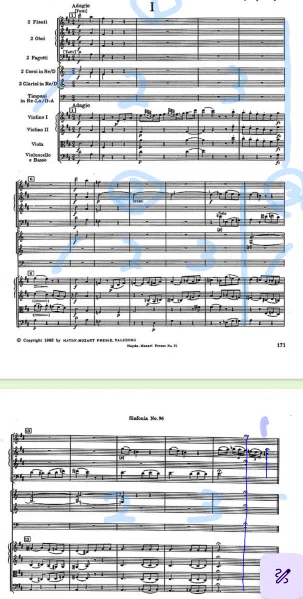
In the case of No. 96, there are two key points to grasp. First, the downward motif of the first measure falls into the second measure, which then triggers the upbeat of the third measure. In other words, the initial flow reaches its first destination in the second measure. The subsequent movement then proceeds toward the sixth measure, acting as a catalyst for the new phrase starting in the seventh measure. One must seek the "context" that binds these two large flows together.
さらに、もう1つのヒントがあります。6小節目と同じ形の下降音型が4小節目にも見られる点です。つまり、大きな帰着点は6小節目にあるのですが、その過程において、2小節目と4小節目にも小さな帰着点が存在すると判断できます。
There is a second hint: a downward motif identical to the one in the sixth measure also appears in the fourth measure. This suggests that while the primary destination is the sixth measure, there are smaller points of arrival in the second and fourth measures along the way.
また、7小節目が6小節目を起点として立ち上がることを踏まえれば、1小節目が始まる前にも「1小節分の余白」が必要であることは明白です。実質的な「0小節目」が、1小節目を立ち上げているのです。
Furthermore, considering that the seventh measure rises from the starting point of the sixth, it becomes clear that a "one-measure void" is necessary before the first measure begins. In effect, a "Measure 0" is what launches the first measure.
「大きな3拍子」がもたらす自由
これらの事実を整理すると、**「2つの小節を1単位とする、大きな3拍子」**という骨格が浮かび上がってきます。
【1拍目】 第0・1小節
【2拍目】 第2・3小節
【3拍目】 第4・5小節
【次の1拍目】 第6・7小節……
Organizing these facts reveals a skeletal structure of a "large triple meter," where two measures constitute a single unit:
自然な呼吸を目指す演奏は、この「大きな3拍子」の骨格を見据えて行われるべきです。この脈絡が見えていれば、「4小節目3拍目の裏」をそれまでの波の中で把握できます。4小節目1拍目の反動によって、その音を自然に導き出せるのです。ミクロな視点とは異なり、大きな呼吸の中で次を見据える。その運動の予測があるからこそ、6小節目3拍目を過剰にクリック(指示)しなくても、その8分音符を波に乗るように捉えることができるのです。
A performance aiming for natural respiration should be conducted with this "large triple meter" in mind. When this context is visible, the upbeat of the third beat in the fourth measure can be grasped within the existing wave. The recoil of the first beat in the fourth measure naturally brings forth that note. Unlike a micro-level perspective, this allows one to look ahead within a larger breath. Because the movement is anticipated, the eighth note in the third beat of the sixth measure can be captured as if riding a wave, even without an overt physical cue from the conductor.
「遅さ」よりも優先されるべき「生命感」
しかし、この理想的な運動を実現するためには、教科書的な「Adagio=遅い」というテンポ感では不可能です。このAdagioを遅く、重く演奏してしまえば、運動性そのものが失われます。そこに残るのは、表情の死んだ義務的な演奏だけです。
However, achieving this ideal movement is impossible with a textbook sense of an "Adagio = slow" tempo. If this Adagio is played too slowly or heavily, the momentum itself is lost. What remains is a lifeless, dutiful performance.
「Adagio=遅い」という固定観念に縛られる前に、楽譜に記された情報をいかに運動として捉えるか。その視点を持つことが不可欠ではないでしょうか。しかし、それはこの曲の「常識」的なテンポ感から見たら「速い」と思われます。それでも、「Adagioとしては速すぎる」と批判する人の基準は、結局のところ誰かの演奏の模倣や、慣習的なイメージに過ぎないのではないか。私にはそう思えてなりません。
Before being bound by the stereotype that "Adagio equals slow," is it not essential to consider how the information in the score can be translated into movement? From the perspective of "conventional" tempo, this approach might be perceived as "fast." Yet, I cannot help but feel that the criteria used by those who judge a performance as "too fast for an Adagio" are, after all, merely imitations of someone else's performance or based on conventional imagery.
実は、私の最大の疑問はそこにあります。その「Adagio=重い」の伝統的な演奏が、停滞して、色彩感もなく、ただ置かれていくだけの音楽的とは言い難いものであっても、「それが正しいハイドン演奏だ」と言い切れる根拠が果たしてあるのでしょうか。むしろ、音楽的な生命感を蘇らせることの方が大事であるのではないでしょうか。
This is where my greatest doubt lies. Even if a traditional "Adagio = heavy" performance is stagnant, colorless, and hardly musical in its delivery, is there really any ground to claim that "this is the correct way to play Haydn"? On the contrary, is it not more important to revive the musical vitality of the work?
楽譜から音楽の運動性を捉えていこうとすると、「時計」や「太鼓連打」を含め、ハイドンのAdagioの意図は「音符の遅さ」ではないことに気が付くはずです。本来、Adagioとは「くつろいで」「ゆったりと」「心地よく」を意味します。単なる物理的な速度ではなく、心に余裕を持ち、安らぎを感じる優雅なテンポ。その運動性そのものが「ゆったり」としている。それが私の仮説です。
When we attempt to grasp the musical momentum from the score, we realize that Haydn’s intention for his Adagios—including "The Clock" and "Drumroll"—was never about the "slowness of notes." Originally, Adagio meant "at ease," "leisurely," or "comfortably." It refers to a graceful tempo that provides a sense of peace and mental space, rather than just a physical speed. My hypothesis is that the momentum itself is what is "leisurely."
このハイドンのAdagioに対する仮説をきっかけに、私は多くの楽曲においてAdagioを捉え直すようになりました。「遅い」ことよりも、「緩やかな運動性」こそが演奏において重視するべき点なのだと感じています。
This hypothesis regarding Haydn’s Adagio has led me to re-evaluate the Adagio in many other works. I feel that "leisurely momentum" is a point that should be valued in performance far more than mere "slowness."
録音文化の中で形作られた平均的なテンポを「伝統」「正統的」と呼ぶ考え方には賛同できません。それこそがクラシック演奏が抱える問題点ではないでしょうか。楽譜から情報を読み解き、それを生きた「歌」へと昇華させる。停滞した音の羅列から脱却するために、私たちは何よりも「生命感」を優先させるべきだと信じています。
I cannot agree with the idea of calling the average tempos shaped within recording culture "traditional" or "orthodox." Perhaps that is the very problem facing classical music performance today. It is more important to decipher the information written in the score and sublimate it into a living "song." To break away from the stagnant parade of notes, I believe we must prioritize "vitality" above all else.
