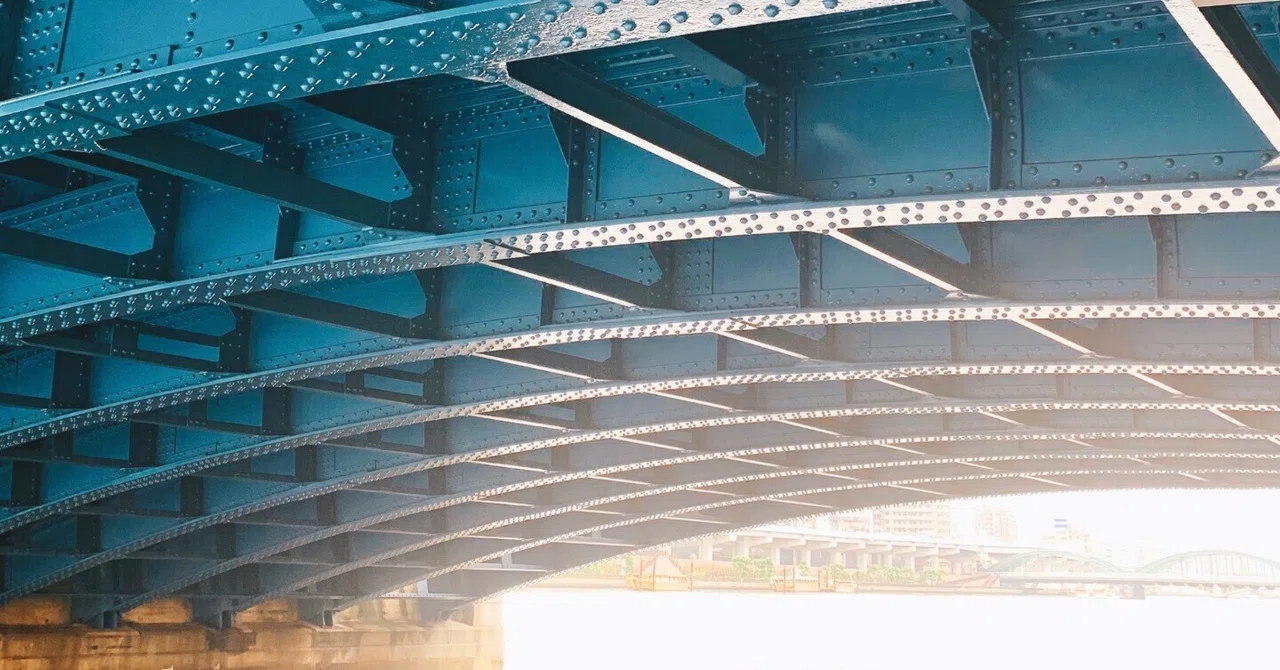
Tokyo Bridge Stories ― 下町を渡る風景 episode3.駒形橋(台東区)

駒形橋 ― 時代をつなぐ、水のかけ橋 ―
隅田川に架かる駒形橋。
その上を歩くと、
時代の風がふわりと頬をかすめる。
川面を渡る風、行き交う船、鉄のきしむ音。
江戸と東京、過去と現在が交差する場所。
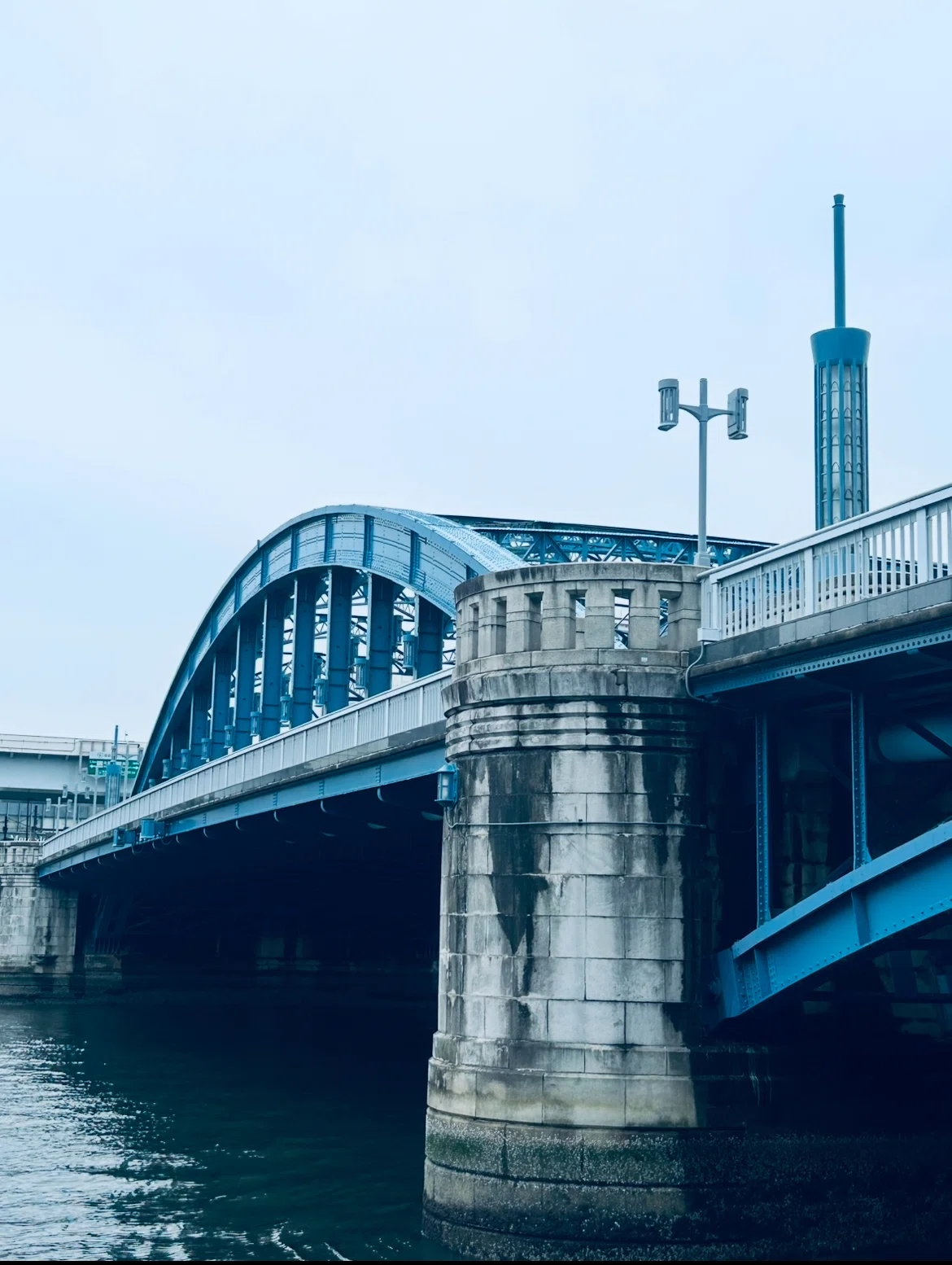
台東区側は浅草通りに繋がり
上野まで道が伸びている
駒形という地名は、
浅草寺の縁起に深くつながる。
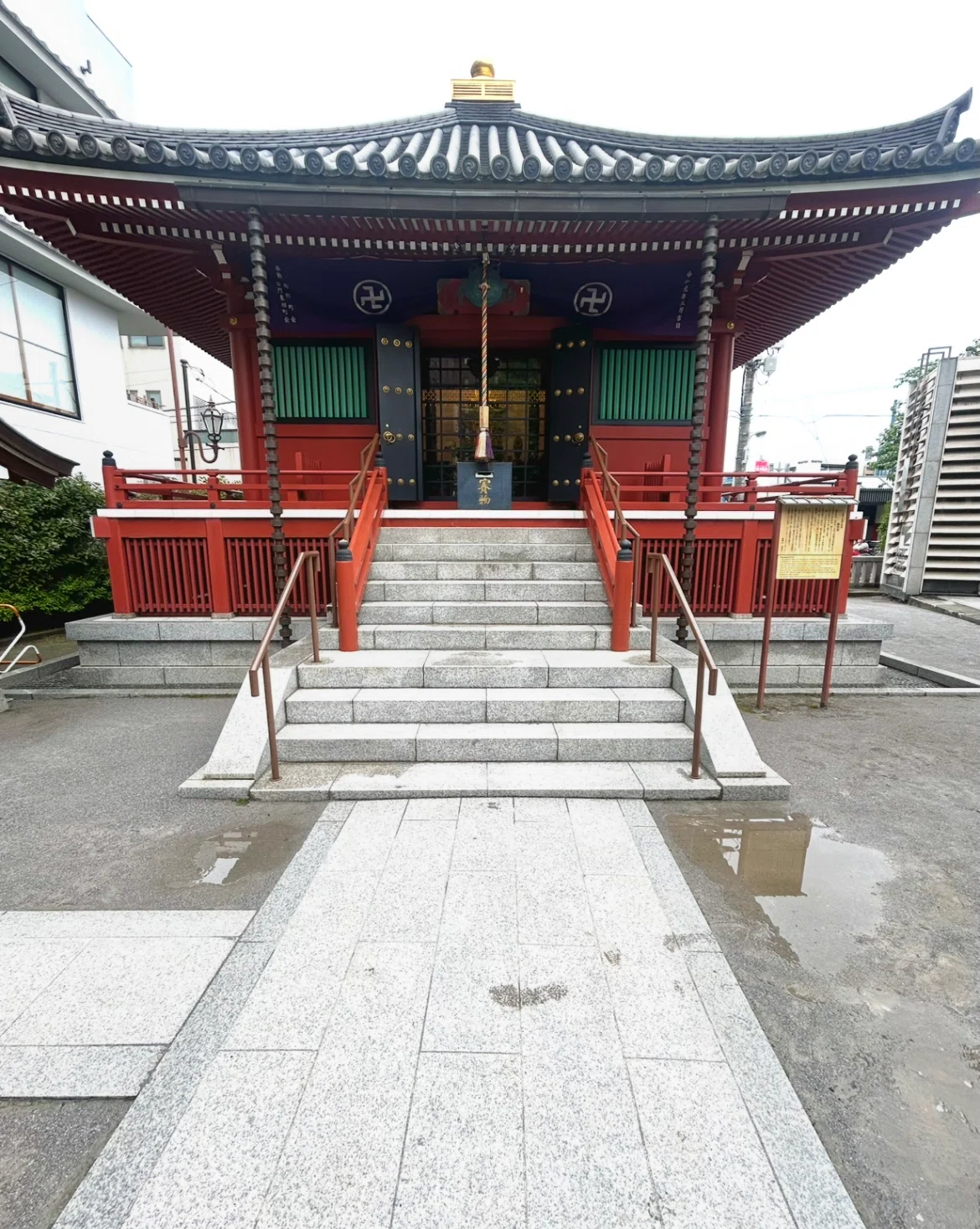
観音さまが最初に祀られたとされる駒形堂。
堂は今も小さく佇み、まちのはじまりの記憶をそっと抱えている。
江戸の頃、浅草は門前町としてにぎわい、
川を挟んだ向こう岸とは舟や渡し船が往来していた。
駒形の渡しは、ひととものをつなぐ水の道だった。
現在の駒形橋が生まれたのは昭和2年、
関東大震災からの復興の只中。
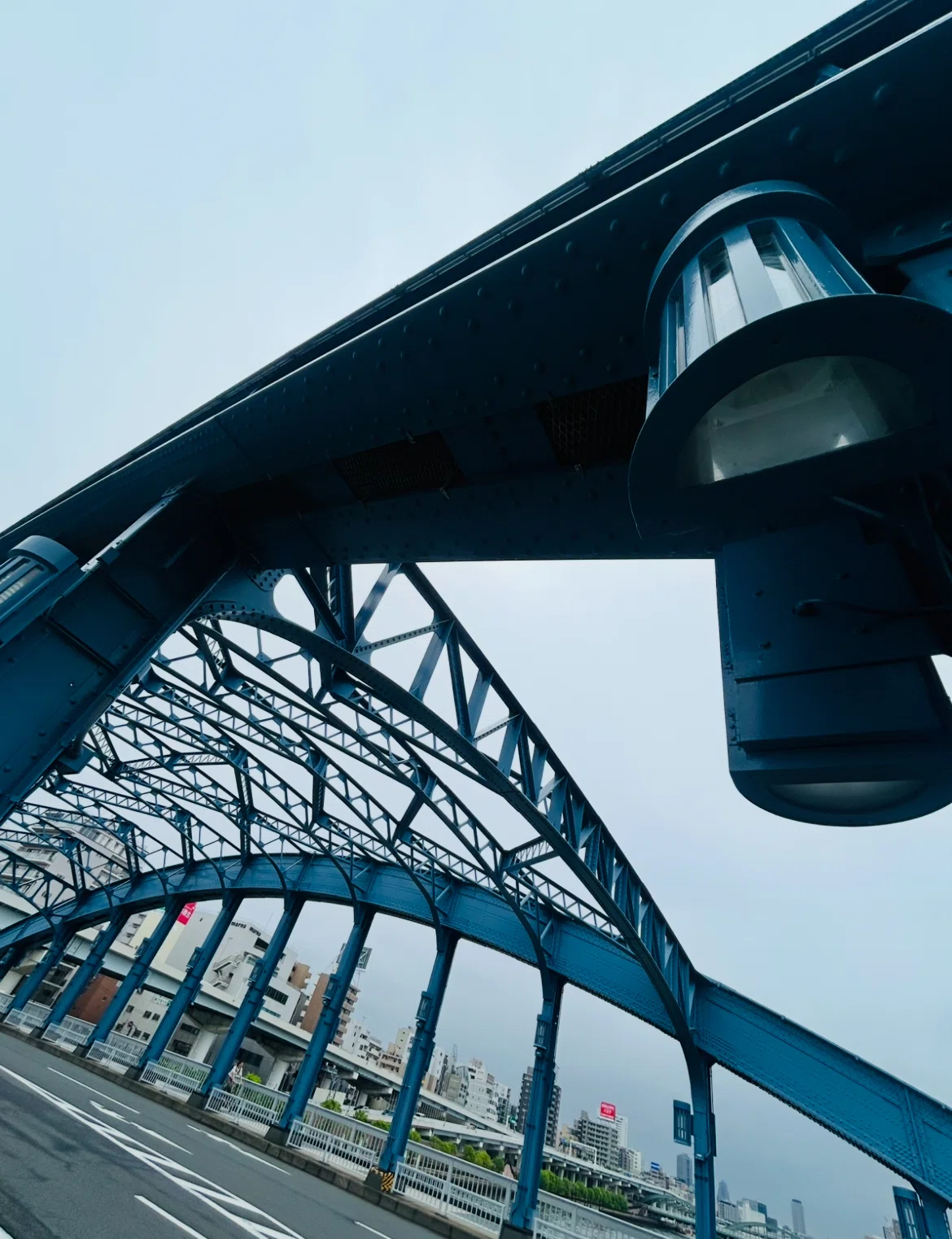
青く塗られた鋼のアーチは、
震災を越えて再生を願った時代のかたち。
都内初の震災復興橋梁として、
都市の再生を象徴する構造だった。
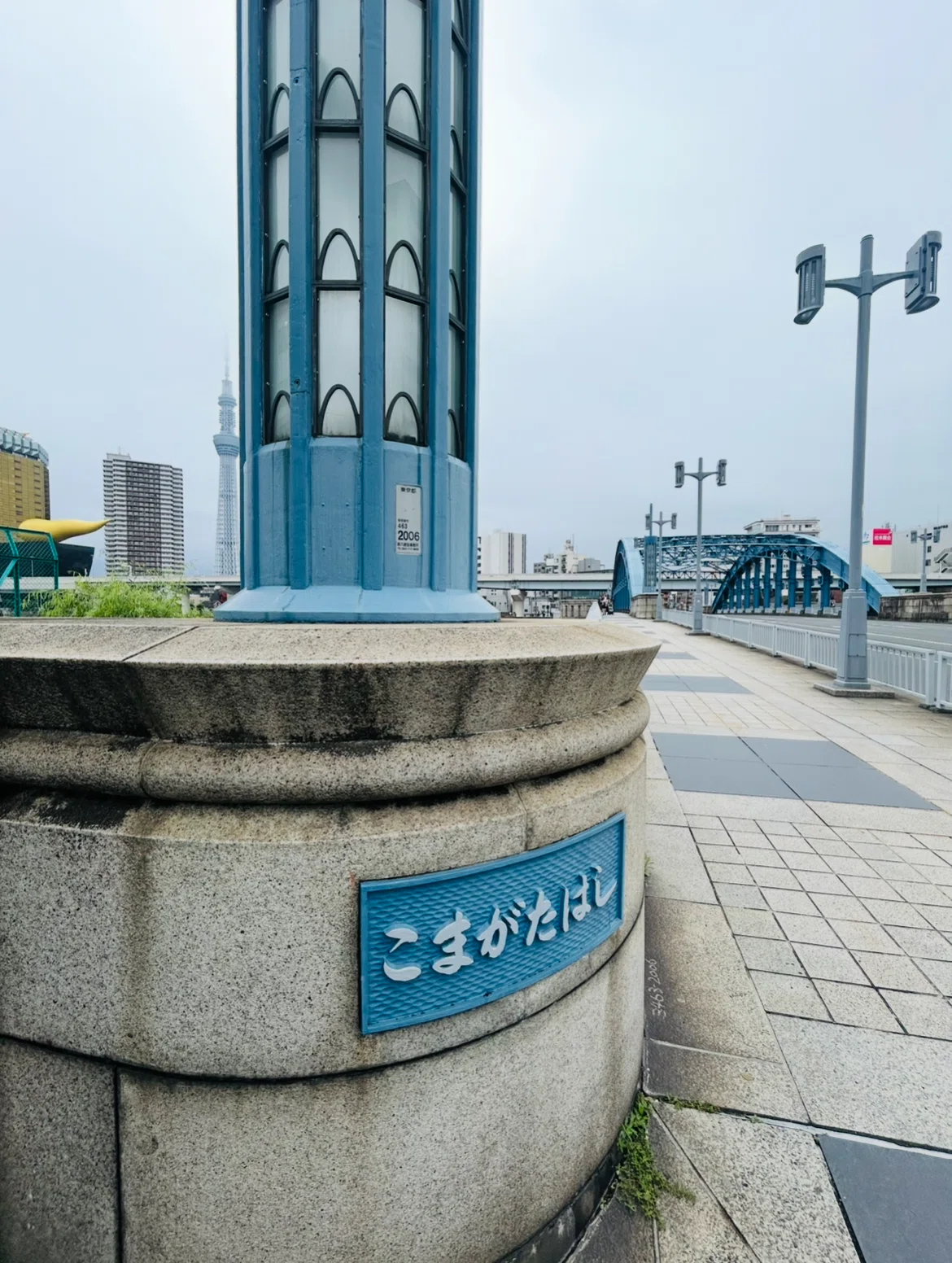
橋の上に立つと、
吾妻橋と東京スカイツリーが上流に、
厩橋と蔵前橋が下流に見える。
朝の光が川面を照らし、
夕暮れには空が水に溶ける。
夏には隅田川花火大会の音が、橋桁に反響する。
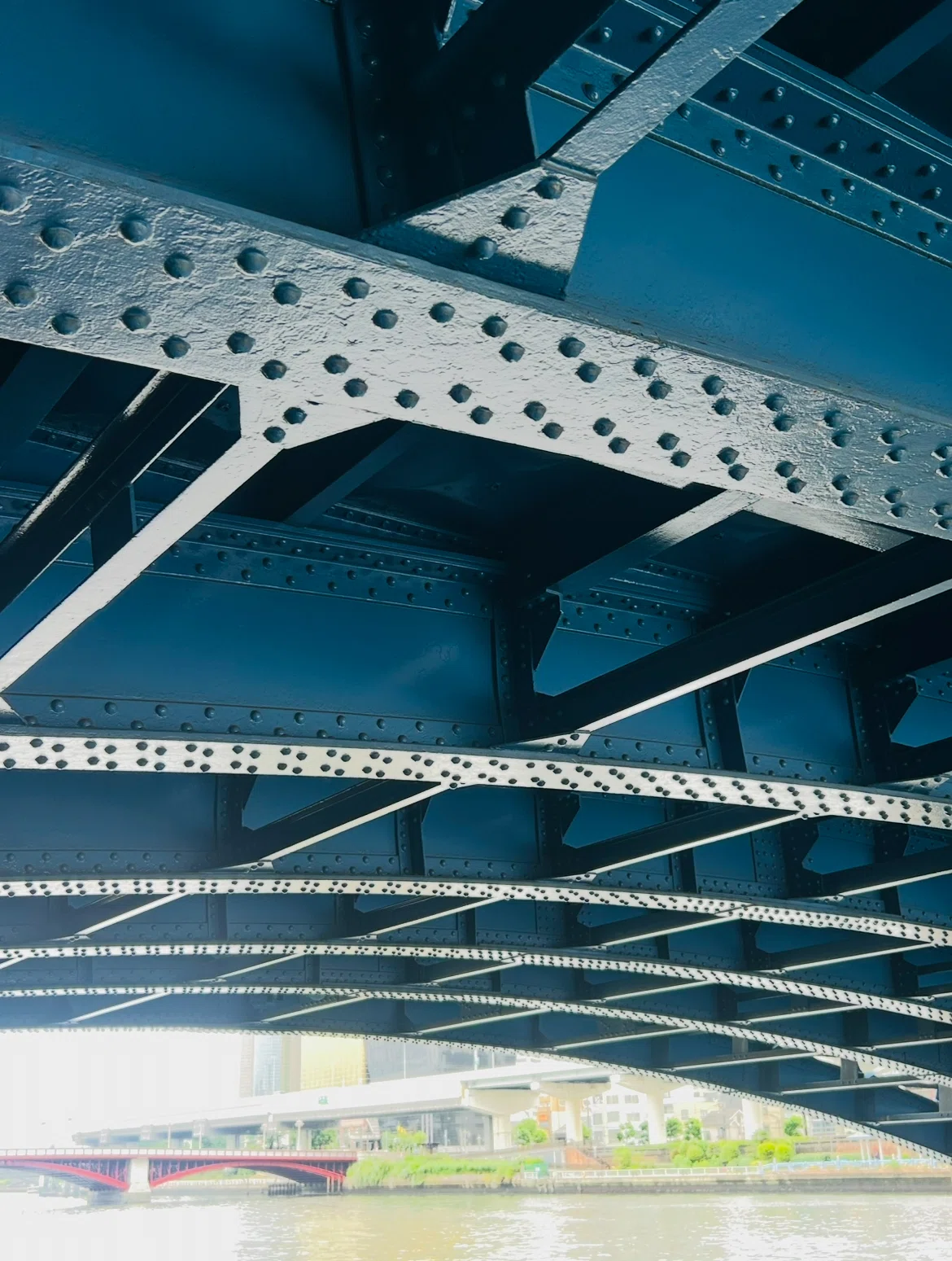
浅草の喧騒はすぐそこに
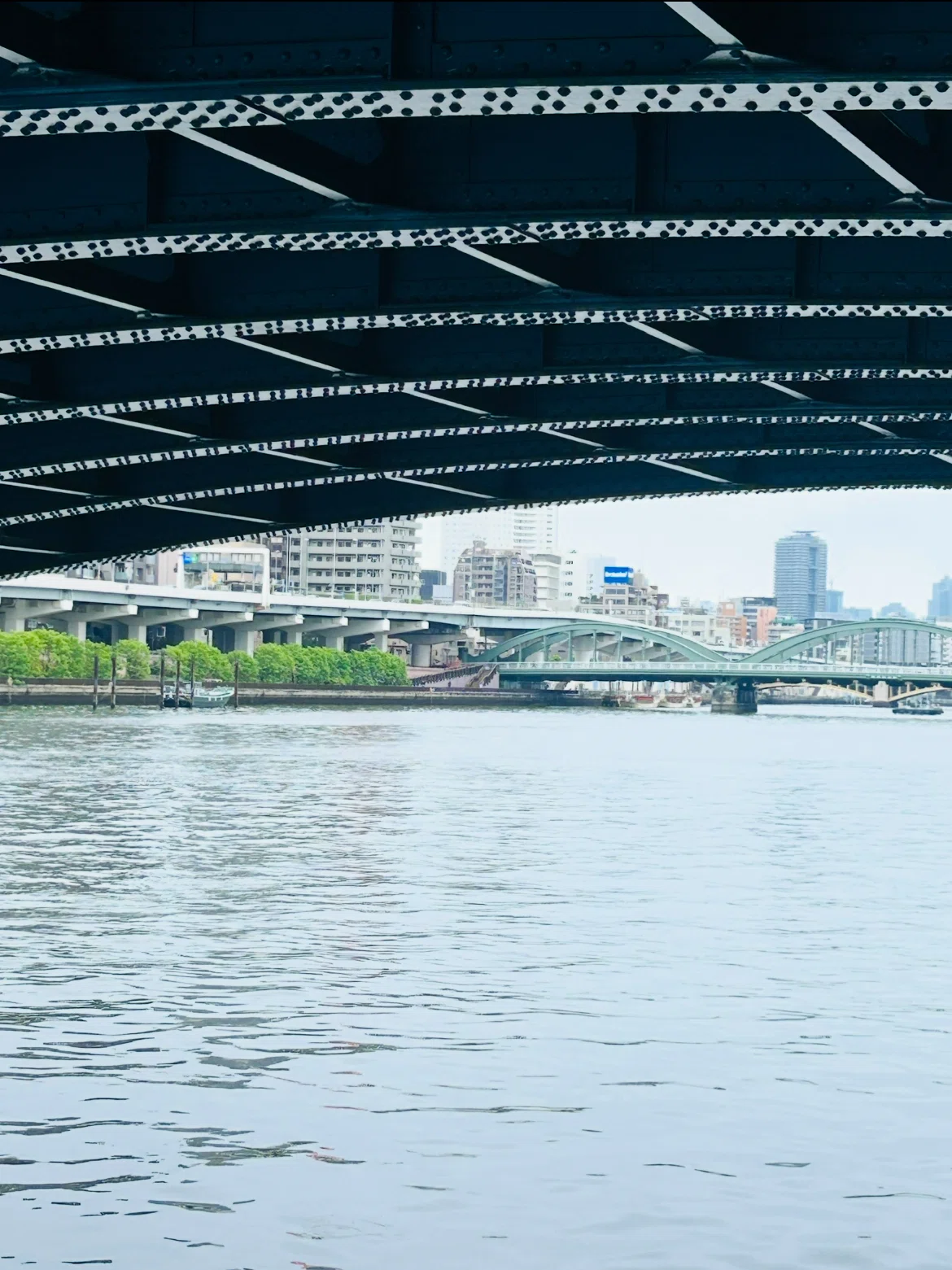
その奥に蔵前橋を臨む
その先には両国橋が続く
両国橋は大橋(千住大橋)に次いで
江戸時代に作られた橋
橋の欄干に手を置くと、足元から響くとてとてという音にまじって、
舟の櫓音や水上バスの波音が、
時を越えて聞こえてくる気がする。
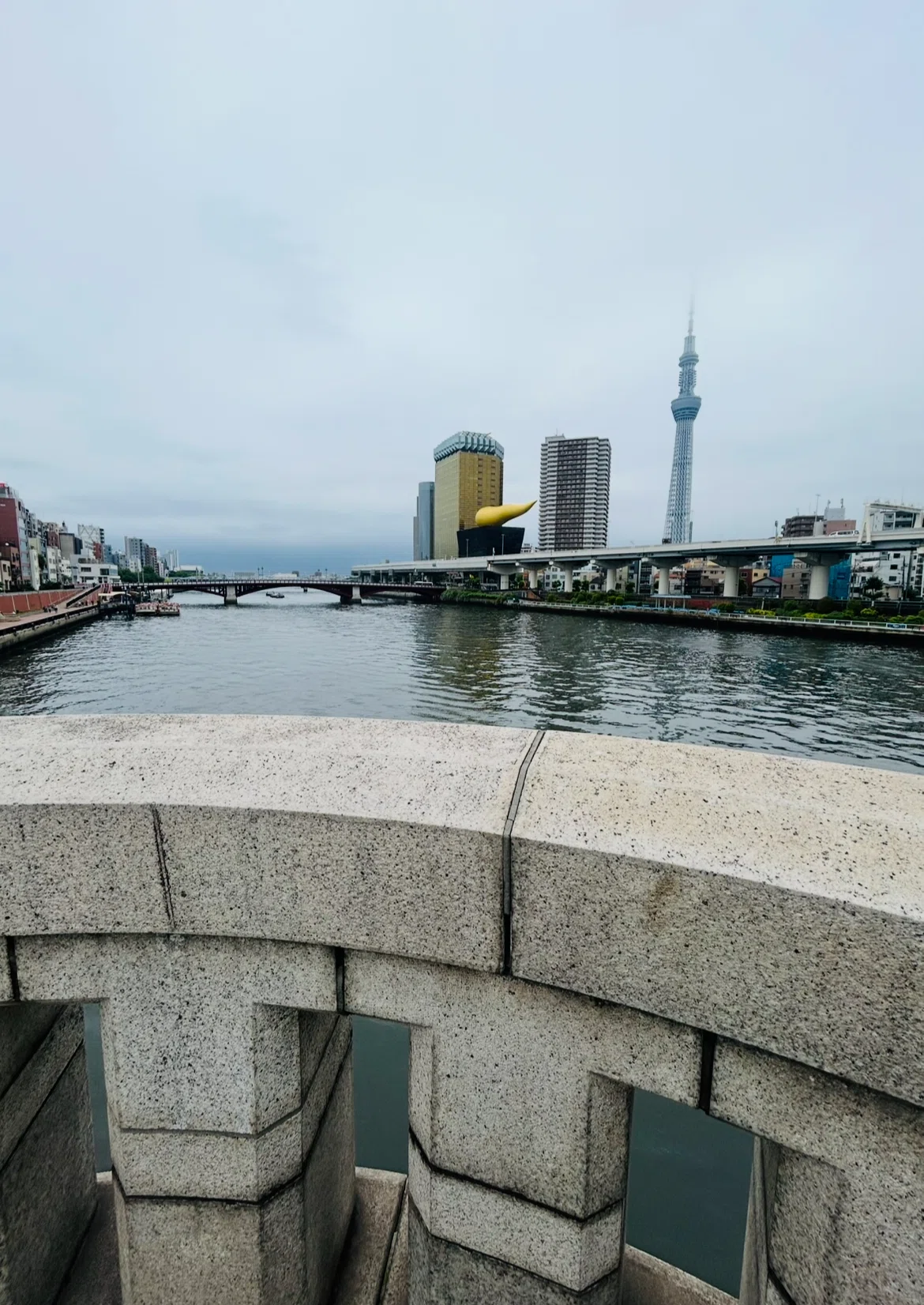
東京下町のランドマークが
次々と
橋のたもとには、駒形どぜうの老舗の店構え。
暖簾が揺れ、昭和と令和、江戸と東京、
その境目にまちの風景が重なる。
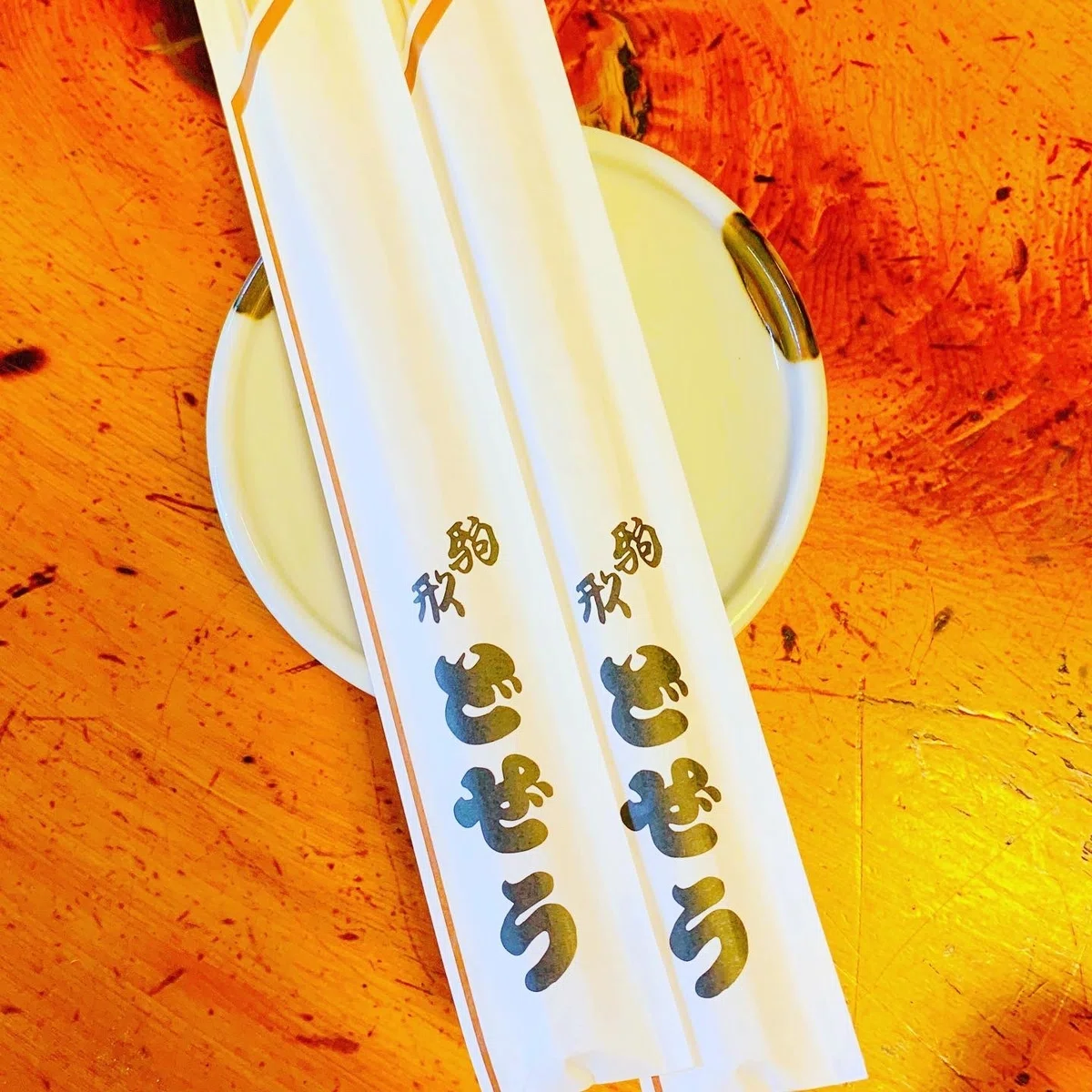
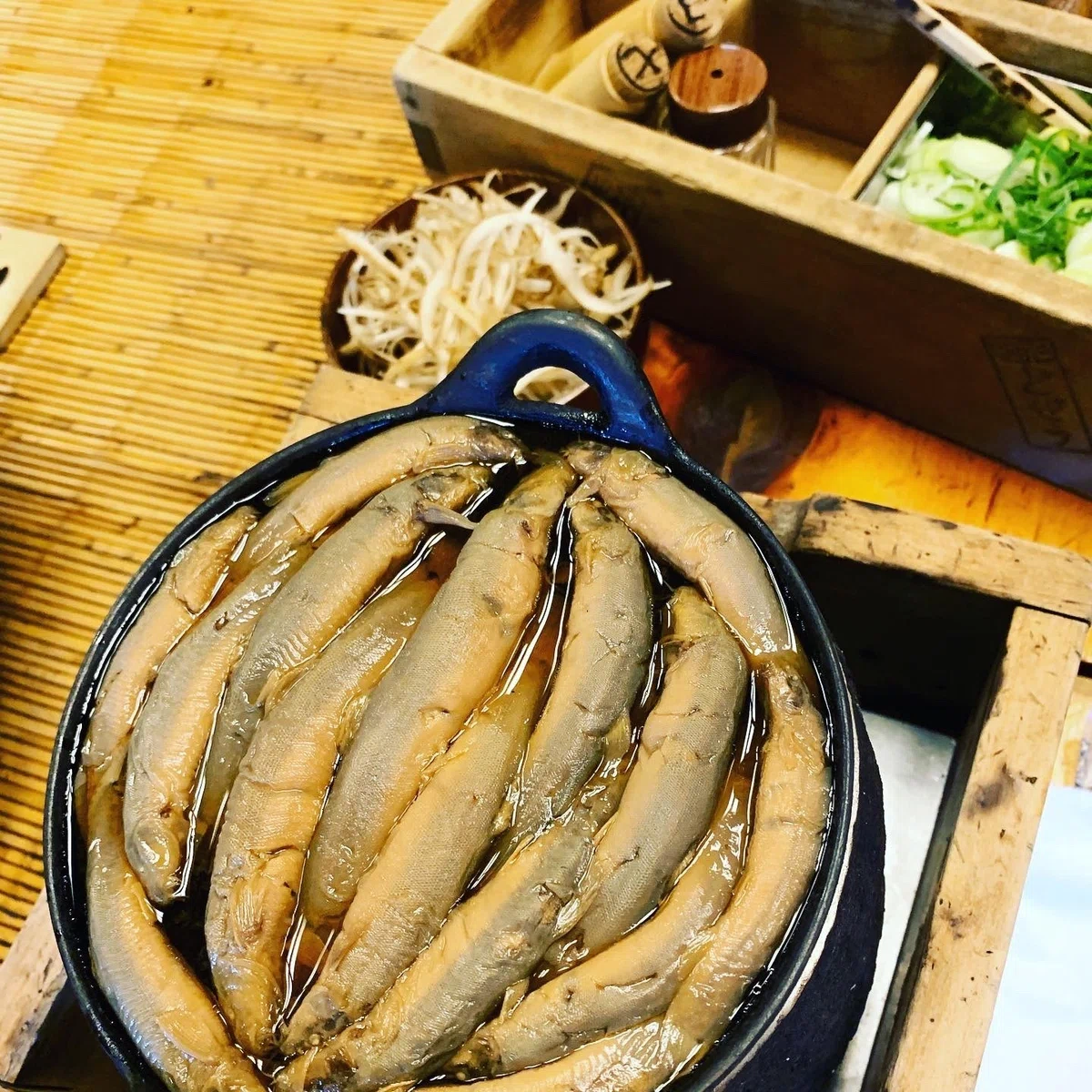
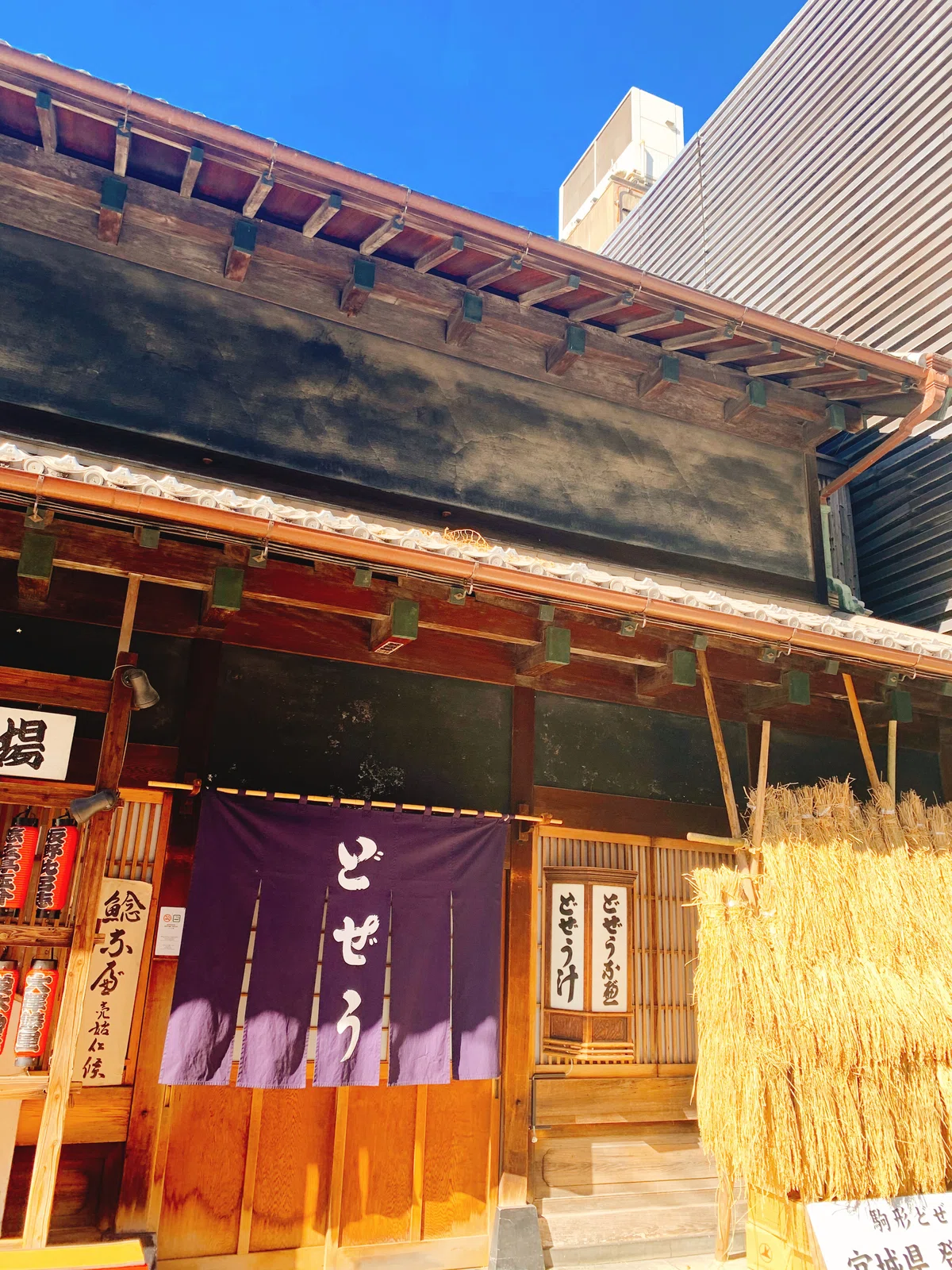
鯉の洗いなどもいただける
駒形橋は、ただの交通インフラではない。
それは、水のうえに架けられた、
記憶のための橋。
川を渡るごとに、見えない時間をそっと越えてゆく。
駒形という名の記憶
駒形という地名には、
まちの深い記憶が染みこんでいる。
その名の由来となったのは、
浅草寺の縁起に登場する駒形堂。
この小堂こそが、観音信仰と浅草の歴史の出発点ともいわれる場所だ。
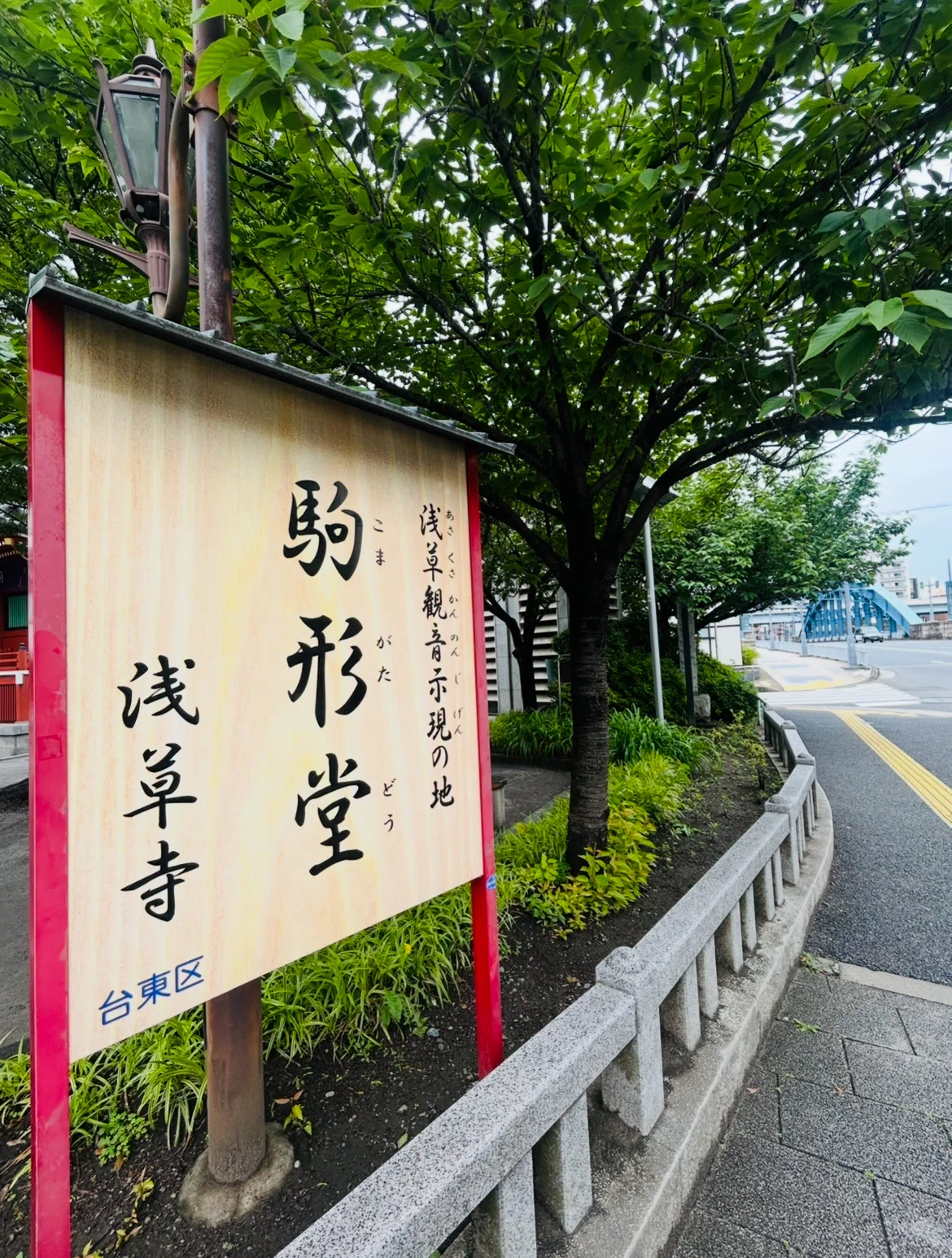
伝承によれば、推古天皇の時代、
隅田川に一本の観音像が流れ着いた。
それを漁師の兄弟、檜前浜成・竹成が引き上げたのが、現在の駒形橋のあたり。
その尊像を最初に祀ったのが、
まさに駒形堂の地だった。
のちにその観音像は浅草寺本堂に遷され、
まちは門前町として栄えてゆく。
堂の名前「駒形」は、馬の守護神である
馬頭観音(ばとうかんのん)にちなむという説もある。
交通と旅の安全を司る馬頭観音が祀られた地は、
まさに人と物が行き交う川辺にふさわしい。
駒形堂の前に広がっていたのは、
川を越えて江戸の東と西をつなぐ水上交通の玄関口だった。
江戸時代、隅田川は舟運の大動脈。
川には多くの渡し場が設けられ、駒形の渡しもそのひとつとして活況を呈していた。
人力の渡し舟が、
両岸を絶え間なく往来していた時代。
いま橋が架かっている場所に、かつては舟が人を乗せて川を渡っていた。
駒形橋という名は、単に地名を表すものではない。
それは、信仰と暮らしと川が結びついたこの土地の記憶を、そのまま橋に託したもの。
風景の奥には、まちの成立を支えた水と祈りの物語が、ひそやかに息づいている。
駒形橋は、ただの交通のための橋ではない。
それは、水のうえに架けられた、記憶のための橋。
川を渡るごとに、見えない時間をそっと越えてゆく。
次にこの橋を渡るとき、
ふと立ち止まってみるといい。
風の音にまぎれて、かすかに聞こえてくるかもしれない。
江戸から続くまちの記憶が、
川の流れにのって語りかけてくる。
―そして、次回のアナザーストーリーでは。
この駒形橋のたもとから、ふと視線を江戸のまちへ向けたとき、思い出すのは、葛飾北斎が描いた一冊の本。
『隅田川両岸一覧』―
江戸の人々がどんなふうに川と町を見ていたのか、
その風景を、そっとめくってみようと思います。
Komagata Bridge — A Waterborne Link Through Time
Spanning the Sumida River, Komagata Bridge catches the wind of another era as you cross.
The breeze skimming over the water, passing boats, the creak of steel.
This is a place where Edo and Tokyo, past and present, meet and mingle.
The name Komagata is deeply connected to the origins of Sensō-ji Temple.
Here stood Komagata-dō, said to be the first place where the Kannon deity was enshrined.
Even now, the modest hall quietly holds the memory of the city’s beginnings.
In Edo times, Asakusa thrived as a bustling temple town.
Across the river, ferryboats and skiffs came and went.
The Komagata ferry crossing was a waterway that linked people and goods,
a path across the river, cut by oars.
The current bridge was built in 1927, amid the recovery from the Great Kantō Earthquake.
Its blue-painted steel arch took form as a shape of resilience,
Tokyo’s first earthquake reconstruction bridge —
a structure that symbolized the rebirth of the city.
From atop the bridge, Azuma Bridge and Tokyo Skytree stretch into view upstream,
while Umaya Bridge and Kiyosu Bridge rest downstream.
Morning light glimmers on the river; at dusk, the sky melts into water.
On summer nights, the thunder of fireworks echoes through the beams.
Resting your hand on the railing, you may hear soft totetote footsteps rising from beneath,
mingled with the sound of oars, and the lapping wake of waterbuses —
sounds that seem to carry across time.
At the foot of the bridge, the historic restaurant Komagata Dozeu still stands.
Its curtain sways, releasing a savory fragrance into the air.
Here, the scenery overlaps: Shōwa and Reiwa, Edo and Tokyo —
eras layered at the river’s edge.
Komagata Bridge is more than mere infrastructure.
It is a bridge laid across the water for the sake of memory.
Each crossing carries you quietly over unseen time.
The Memory of Komagata
The name Komagata holds the deep memory of this town.
It traces back to the legend of Komagata-dō, where the story of Sensō-ji begins.
This small hall marks the very origin of Kannon worship in the area.
According to tradition, in the time of Empress Suiko,
a statue of Kannon drifted down the Sumida River.
Two fishermen, Hinokuma Hamanari and Takenari, drew it from the waters
at a spot near what is now Komagata Bridge.
They enshrined the sacred statue there,
before it was later moved to the main hall of Sensō-ji,
and the temple town of Asakusa blossomed around it.
Some say the name “Komagata” derives from Batō Kannon,
a deity who protects horses and travelers.
A fitting guardian for this riverside place,
where people and goods crossed paths for centuries.
In the Edo period, the Sumida River was a major artery of transport.
Many ferry crossings spanned the river, and Komagata no Watashi was among the busiest.
Human-powered boats carried passengers back and forth in an endless rhythm.
Where the bridge now stands, once there were only ferries pulling across the flow.
The name Komagata Bridge is more than a geographic label.
It carries the layered stories of faith, daily life, and waterbound trade.
Behind the visible scenery lie quiet tales of a city shaped by prayers and the river’s current.
Komagata Bridge is more than a structure.
It is a vessel of memory.
Each step across it carries you gently into time unseen.
Next time you cross this bridge, try pausing for a moment.
In the hush between the wind and the water,
you may just hear the whispers of a city’s memory carried downriver from long ago.
And so, in the next Another Story—
Standing again at the foot of Komagata Bridge,
my gaze turned upstream, toward the old city of Edo,
and I remembered a book drawn by none other than Katsushika Hokusai.
“Panoramic Views Along the Sumida River” —
How did the people of Edo see their river, their town, their lives?
Next time, let’s gently turn the pages of that scenery together.
いいなと思ったら応援しよう!
 まだ見ぬ東京下町を探す旅。
応援していただけたらうれしいです。
よろしくお願いいたします。
まだ見ぬ東京下町を探す旅。
応援していただけたらうれしいです。
よろしくお願いいたします。