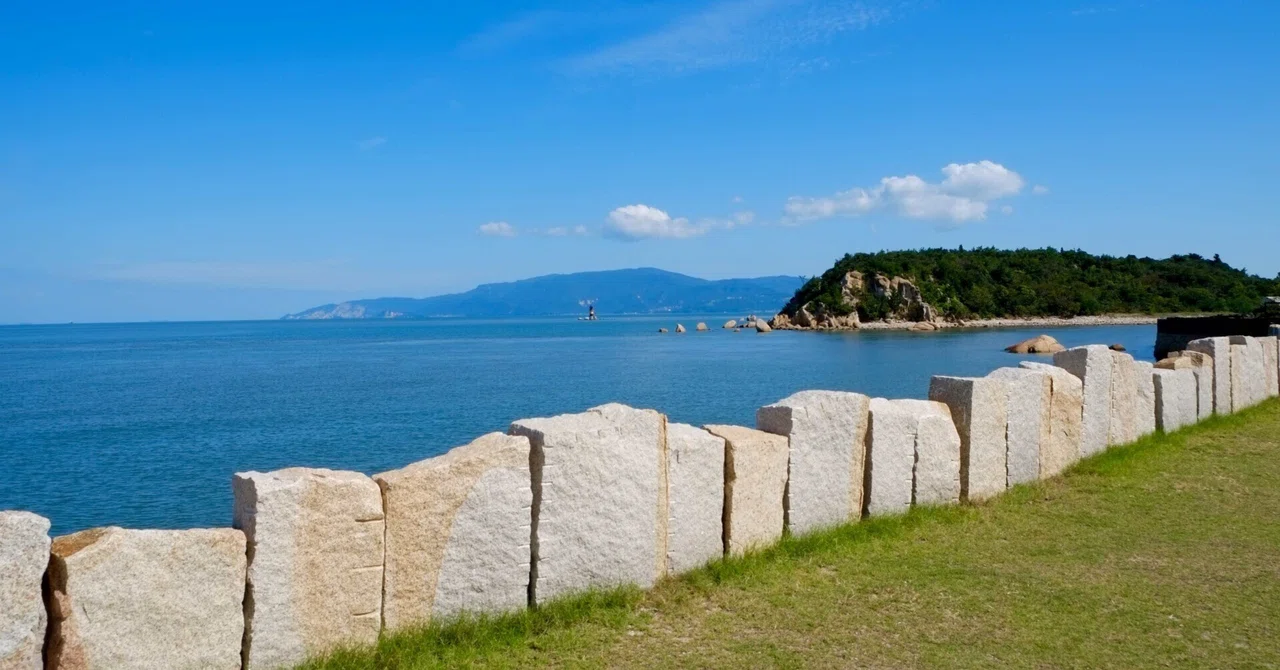
A Trip to the Seto Inland Sea - Island Hopping

~ Memories of Shodoshima, Teshima, Inujima, and Naoshima ~
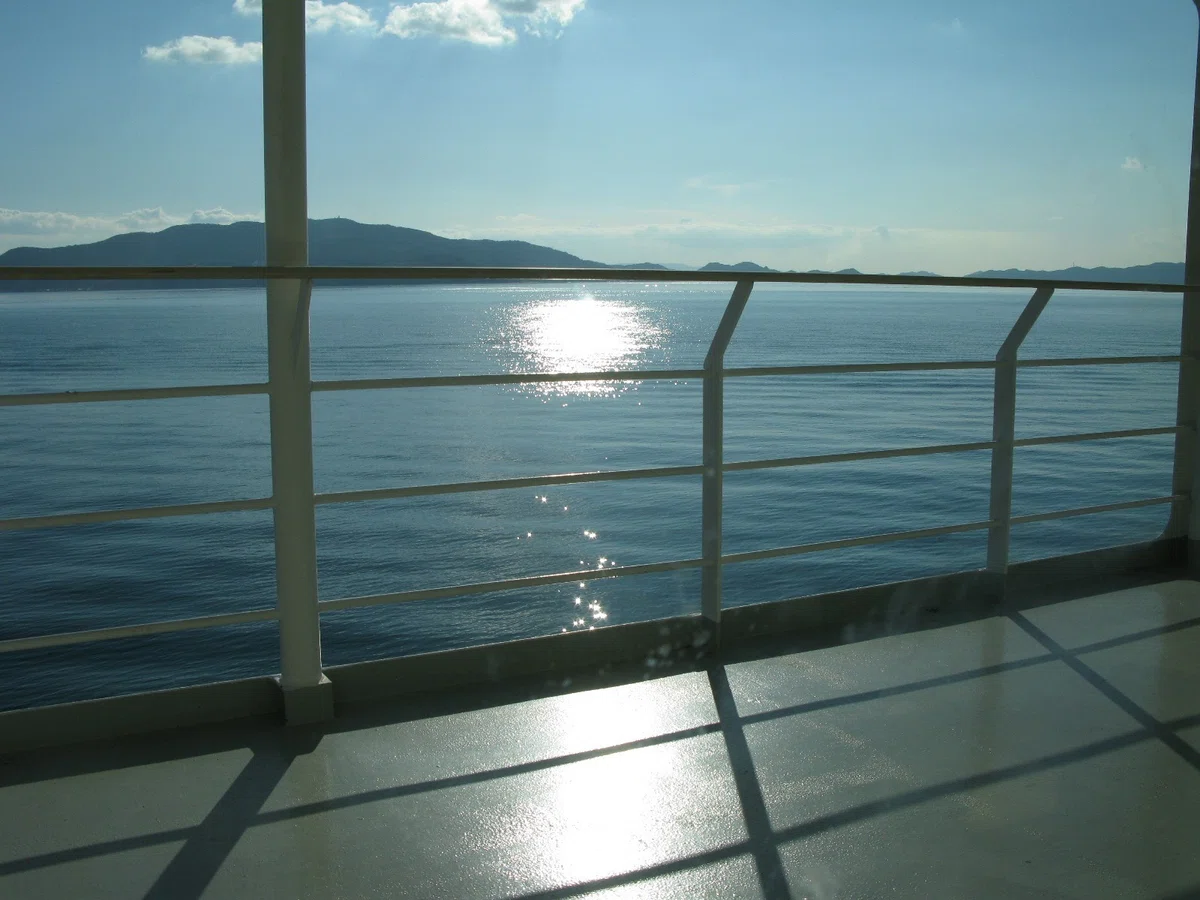
As someone who loves to travel, I've seen many different seas around the world, but the Seto Inland Sea is particularly memorable for its calmness, the way it sparkles in the soft sunlight, and its pleasant breeze. It's a place I want to visit again and again. The Seto Inland Sea is home to many islands, each inhabited by local people engaged in fishing, agriculture, tourism, and other industries. It's a place where you can relax and unwind, yet there are plenty of events to enjoy, making it perfect for families, couples, or solo travelers.
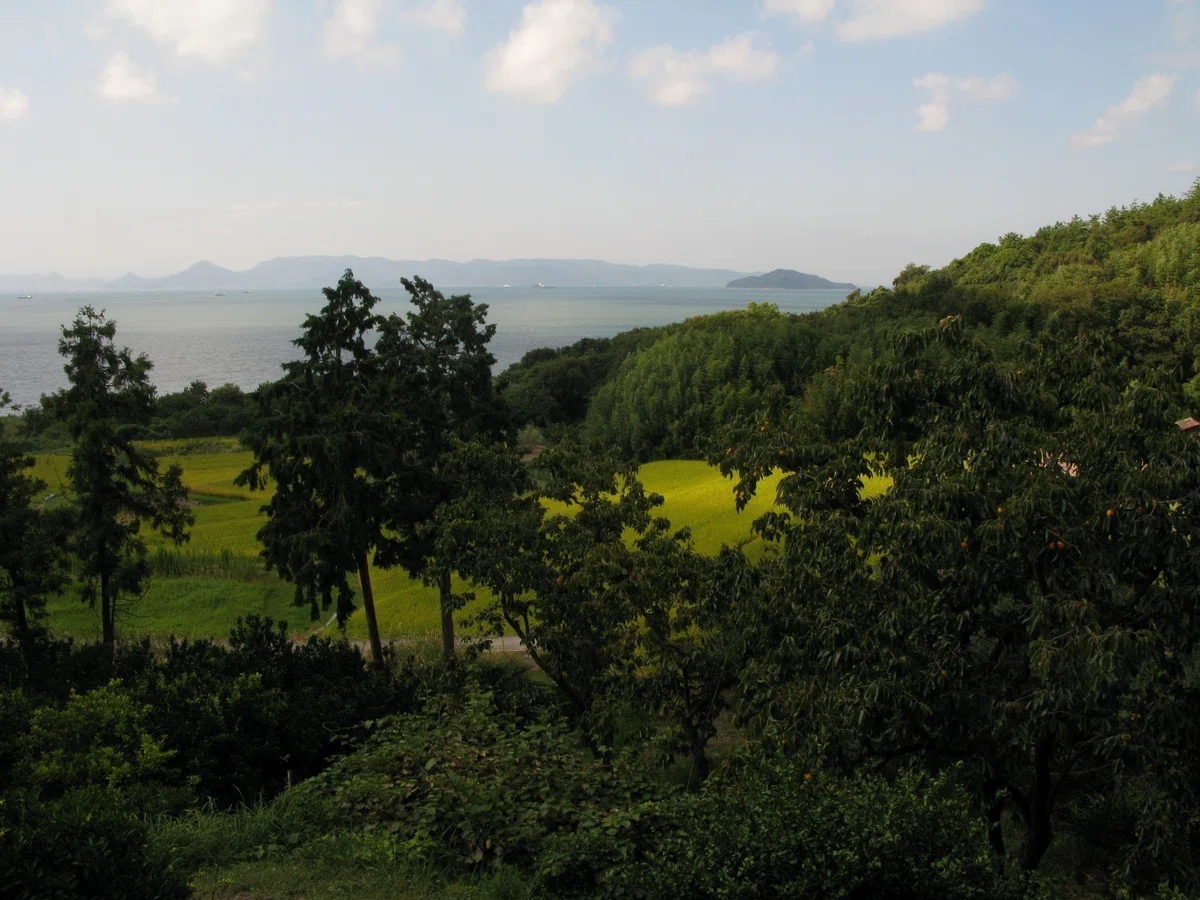
I visited Shodoshima over ten years ago. At that time, I took a ferry from Okayama, stayed at a typical coastal inn, and strolled around the Angel Road area. Angel Road is a sandbar that appears and disappears with the tides, and because of this mysterious phenomenon, it has become a “power spot” where people pray for everlasting love. Walking along the sandy beach that emerges at low tide, you’ll encounter a surreal coastal landscape dotted with boulders, offering a sense of escapism. Of course, there are also romantic attractions like the “Yakusokuno-Tenbodai (Promise Observation Deck)” and the “Shiawase-no-Kane (Bell of Happiness).”
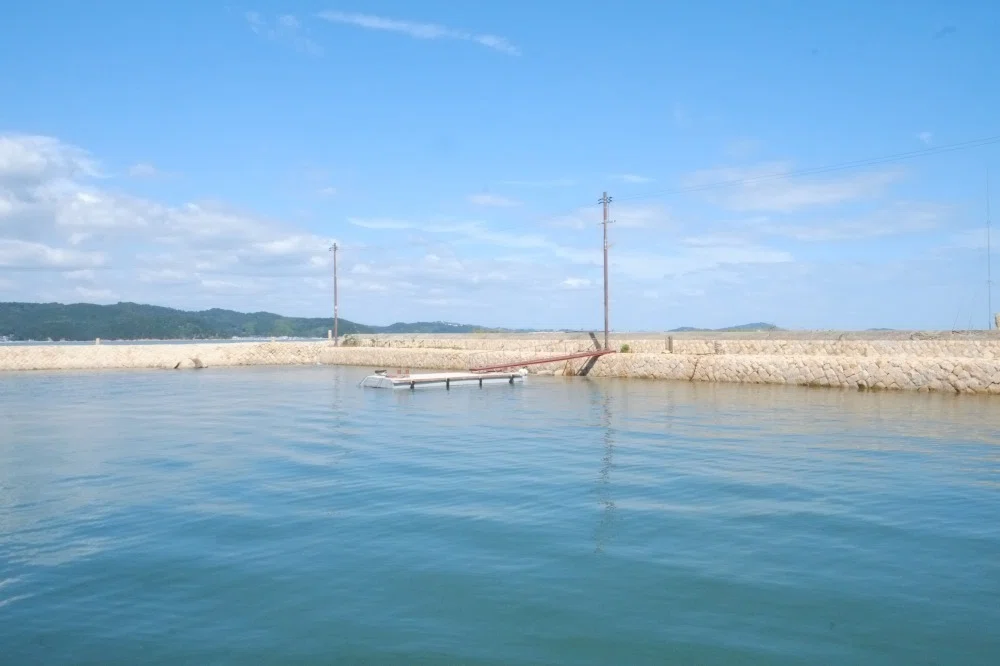
Shortly after that, on another occasion, I visited Inujima, Teshima, and Naoshima to see the Benesse Art Project. Apparently, the official name is “Benesse Art Site Naoshima,” but the project is currently being held not only on Naoshima but also on the islands mentioned above, as well as on Megijima. It’s surprising to learn that the project began over 30 years ago and, far from shrinking, has since become world-renowned.
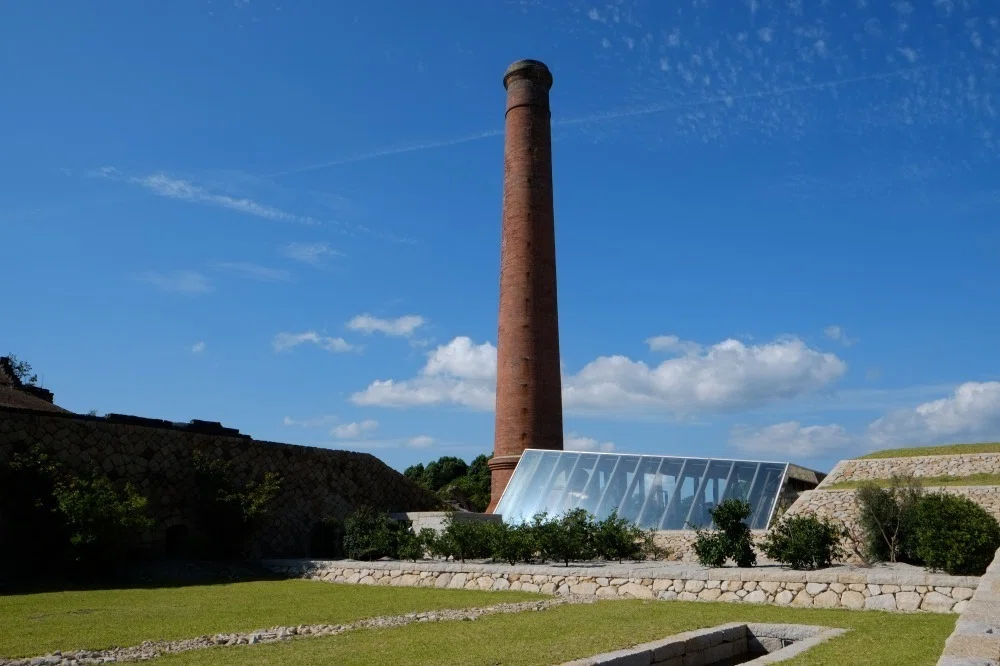
First, I took a ferry from Hoden Port in Okayama to Inujima, toured the island, and then crossed over to Teshima, where I stayed overnight. Inujima is a small island, and the highlight of the tour is the “Inujima Seirensho Art Museum.” It is the building of a former copper refining plant. I think this is an absolutely unmissable and fascinating attraction among the art projects. I’m not quite sure if it’s art or a historical heritage site, but in any case, the scenery is surreal, and it gives you the sensation of having stepped into a Hayao Miyazaki anime. It’s a safe place, so I recommend it even for urban exploration beginners.
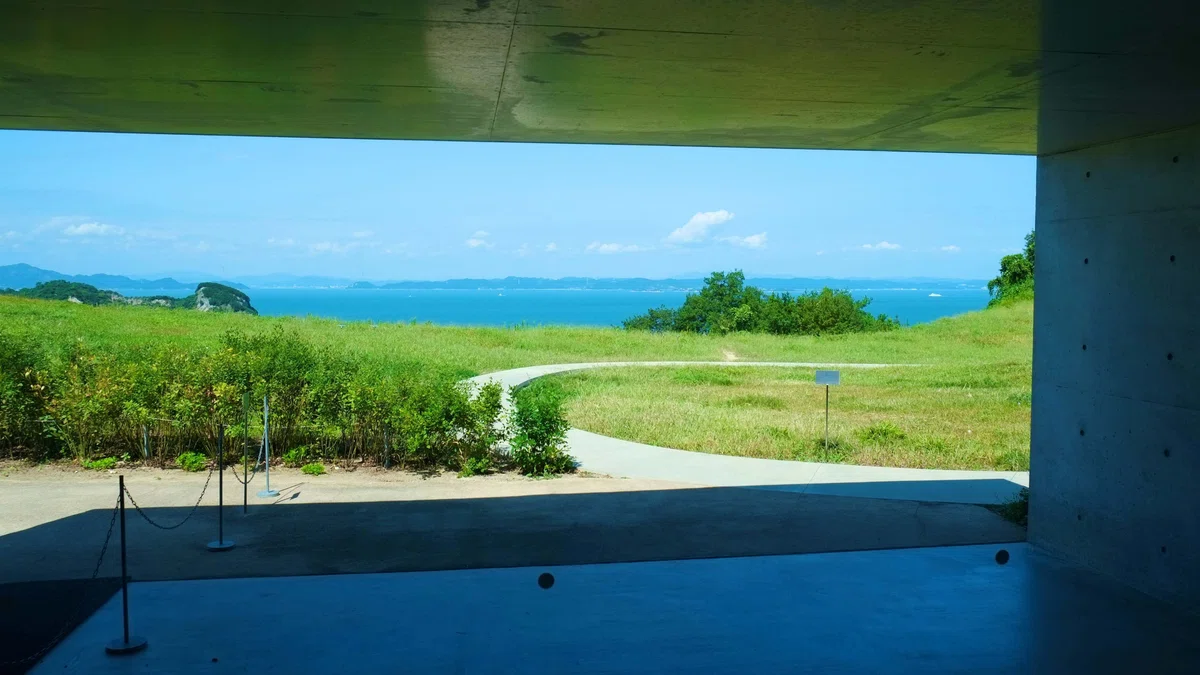
Teshima Island is dotted with art galleries, museums, must-see spots that have been around the area for a long time, and stylish shops, so I explored it by rental bicycle. The electric-assist bicycle made it easy, and just riding along the hills overlooking the island's sea was incredibly refreshing. That alone would have been enough, but the island is also home to the Teshima Art Museum, designed by famous designer Rei Naito and architect Ryue Nishizawa. Stepping into the spacious, shell-structured building—or rather, the hole—is like entering a different world, completely isolated from reality. An experiential museum?! It's not the enclosed space of a typical museum, so you can have a philosophical experience, exploring your inner self while feeling connected to nature.
Teshima has many attractions, but I'll skip over them and just introduce one more place: the Teshima Yokoo House. As the name suggests, it's a place where the world of Tadanori Yokoo unfolds, and it's a fun spot you shouldn't miss. He is a famous Japanese artist widely known overseas, and has received prestigious awards such as the Purple Ribbon Medal and the Dark Blue Ribbon Medal. Originally a commercially successful graphic designer, he has had a spiritual interest since childhood and has created many oil paintings featuring spiritual themes; today, his work focuses primarily on fine art. He has interacted with renowned figures such as Yukio Mishima and Shuji Terayama, and is an indispensable figure when discussing Japanese contemporary art.
Finally, we arrived at Naoshima. Apparently, many people come to see the Benesse Art Project and only visit Naoshima, and indeed, Naoshima alone offers enough attractions to be satisfying.
When I visited, the "Naoshima New Museum of Art " hadn't been built yet, but the "Chichu Art Museum," "Lee Ufan Museum," and "Benesse House Museum," all designed by the famous architect Tadao Ando, were already there. I love modern art museums like these, built in such spacious settings, because they offer a neutral, otherworldly space where you can truly immerse yourself in the artworks. Walter de Maria’s “Time/Timeless/No Time,” where the entire space itself becomes the artwork, has a powerful impact and is on a scale rarely seen in other museums. It’s a shame that some of the art at the Benesse House Museum—which offers overnight stays—can only be viewed if you’re staying there.
The “House Project” is also wonderful: artists have transformed vacant houses and other properties into works of art, weaving in the time and memories of when people lived there. It was a pleasure to wander among the scattered houses and enjoy the art, each with its own unique flair.
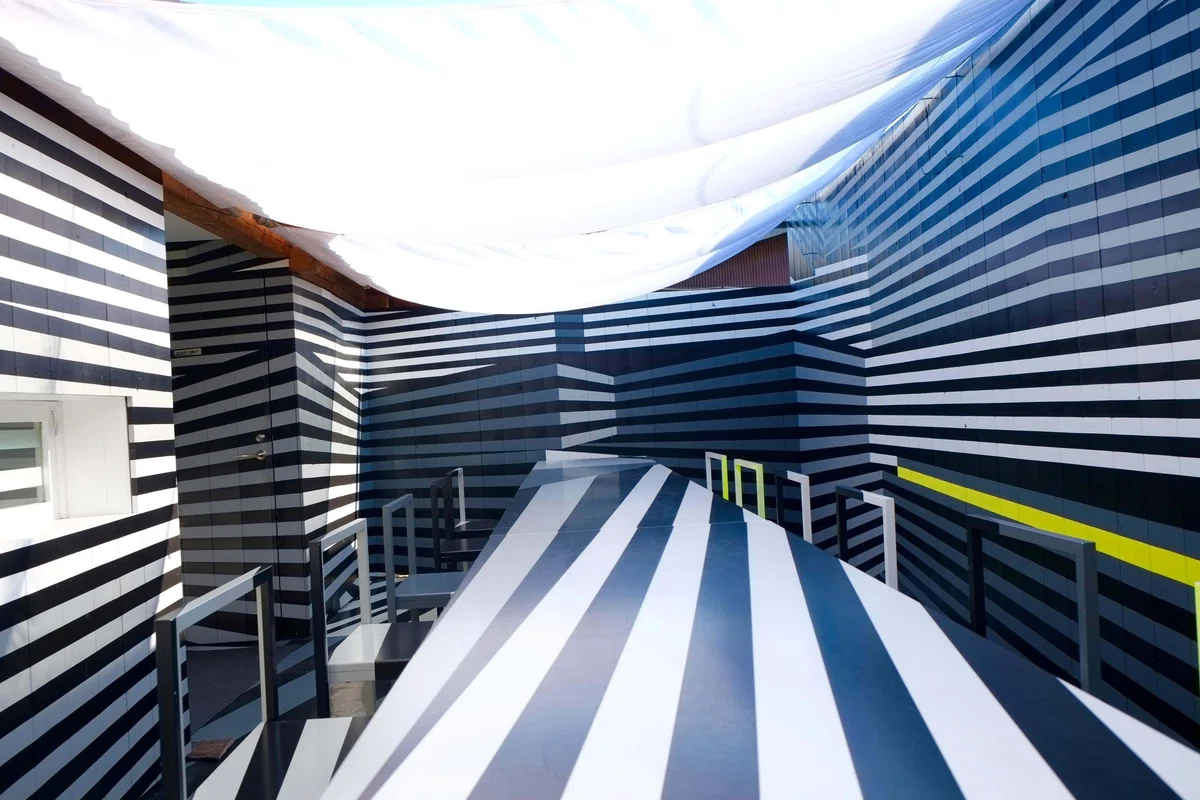
I also found the “Naoshima Sento ‘I♥湯’” (Naoshima Public Bath "I love yu(you)"—an art facility where you can actually take a bath—to be fascinating. I learned it was designed by the artist Shinro Ohtake.
For these reasons, I recommend visiting the Benesse Art Project sites, as you can heal your mind and body in a liberating landscape, have time for reflection, and feel truly enriched. Also, while I don’t think this has anything to do with Benesse, there are programs where you can stay with farmers or fishermen and experience farming or fishing firsthand, which is quite interesting.
Finally, Yayoi Kusama’s “Pumpkin”—now a symbol of the project and a cultural phenomenon—appears to have been restored and returned to its original location after being washed away by a typhoon.
