
㊗ #BBD 国内上映記念転載 【英日対訳】「彼女は日本のレイプに対する沈黙を破った」(She Broke Japan’s Silence on Rape) | NYタイムズ(2017.12.29)


はじめに
2025年12月12日、性暴力被害者である伊藤詩織さんが自身の手記とこれまで自身で記録してきた映像記録をベースに作り上げたセルフ・ドキュメンタリー『Black Box Diaries』が本邦初上映となった。2024年1月以降、国外ですでに上映・配信され、好評を博していた作品だったが、紆余曲折あって、国内上映までに2年近くかかってようやく本国上映が適い、私自身も、2025年中に二回鑑賞をすることが適った。
#BlackBoxDiaries 最後の視聴を終えて
— 💫T.Katsumi@X 🌍🌏🌎 (@tkatsumi06j) December 26, 2025
二回、同じ会場で同じ作品を観て、そして今日、舞台挨拶にまで接することができて、ようやく何か纏まった言葉にできそうな気がします。… https://t.co/UmrxFcuU5w
映画を通じて初めて伊藤詩織さんや準強姦事件の概略を知った人も多いなかで、映画の中でも登場した、世界に詩織さんの話が広がる起爆剤となったのが、2017年の年末(2017.12.29)に満を持して掲載された米紙ニューヨークタイムズの記事(当時東京支局長だったモトコ・リッチ著)だった。
2018年1月にTumblrにその和訳記事を転載したが、どうやらユーザー以外は閲覧がしづらい状況になっているようなので急遽、上映実現と全国拡大上映を祝して転載することにした。「ブランケット」のひとつのつもりで。
※「参考」となっているのは当時自分で追記した資料
※太字は初回翻訳時から主に発言部分を判別しやすいように適宜付けたもの
Tumblrリード文(自著)
「彼女は報道インターンだった。彼はTVジャーナリストだった。彼女は、彼が彼女をレイプしたと”声を上げる“という、日本女性としては極めて稀な行動に訴え出た」
というバイラインで始まるこの記事。
紙面版では8面をカバーしたというこの記事が出版されたことで、日本と世界における伊藤詩織さんの準強姦事件をめぐる情勢が変わってきた。まさにGAME CHANGERといえる華麗な登場だったが、国内英字紙の『Japan Times』に比べても半年以上遅れての鮮烈デビューだった。
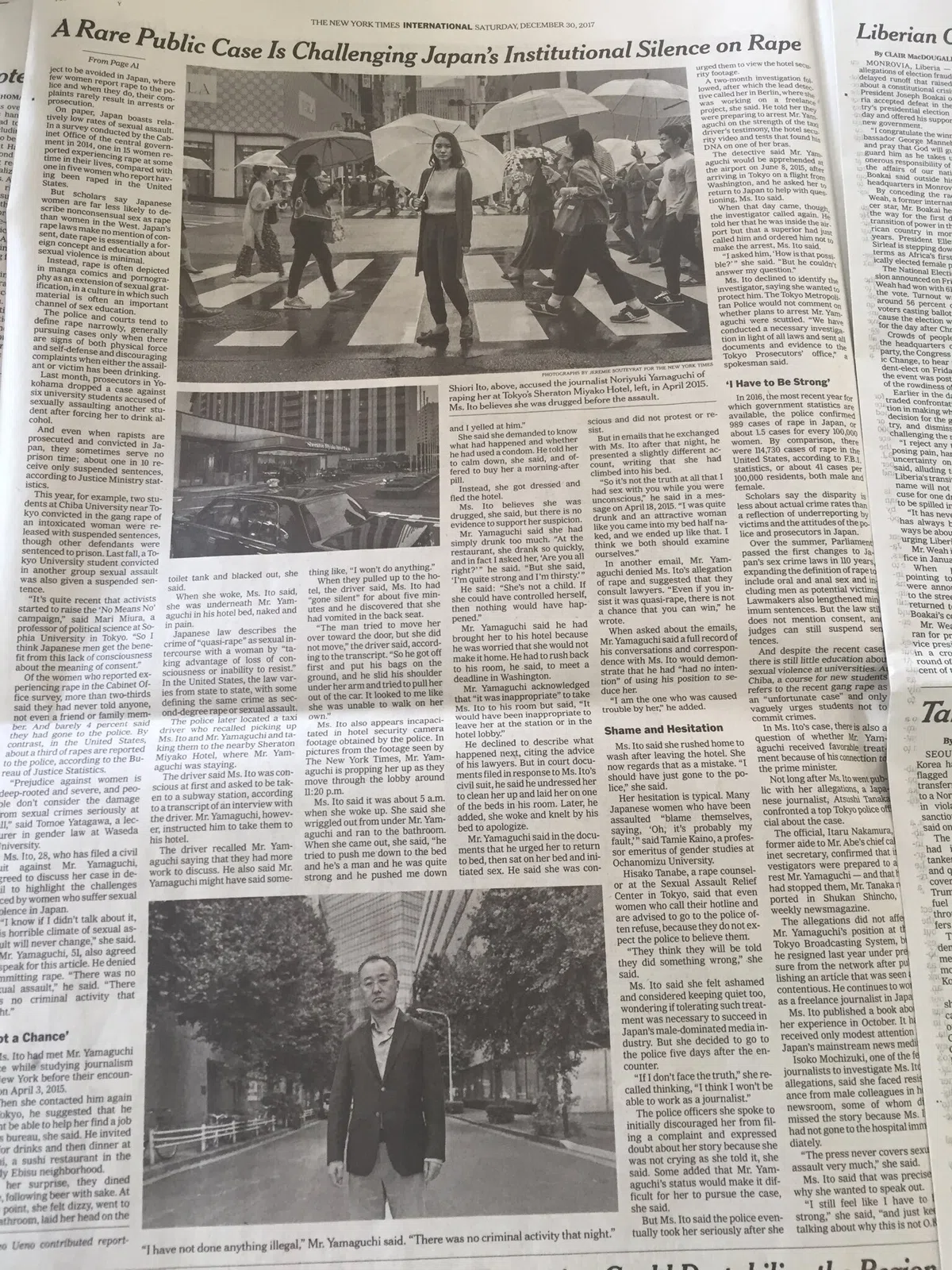
内容的にはこれまで各紙が報道した内容と遜色はない。山口氏に直接取材したことは評価できるが、その発言の内容は月刊『Hanada』に掲載された「反論文」とほぼ変わらない。おそらく山口氏がそう弁護士に指示されているのだろう。とはいえ、『Hanada』のような場末の右翼メディアに掲載された内容はNYTが取り上げでもしなければ国際的な日の目を見ることはないのだから、その功績は認めざるを得ない。
しかし、東京支局のあるメディアなら5月の最初の記者会見あるいは10月の二度目の記者会見の段階では報じて貰いたかったものだ。そうすれば、潮目はだいぶ変わっていただろう。海外メディアに頼らなければならないというのも情けない話だが、それが現実だ。
記事本編
She Broke Japan’s Silence on Rape
彼女は日本のレイプに対する沈黙を破った
著: Motoko Rich
Dec. 29, 2017
訳: @tkatsumi06j
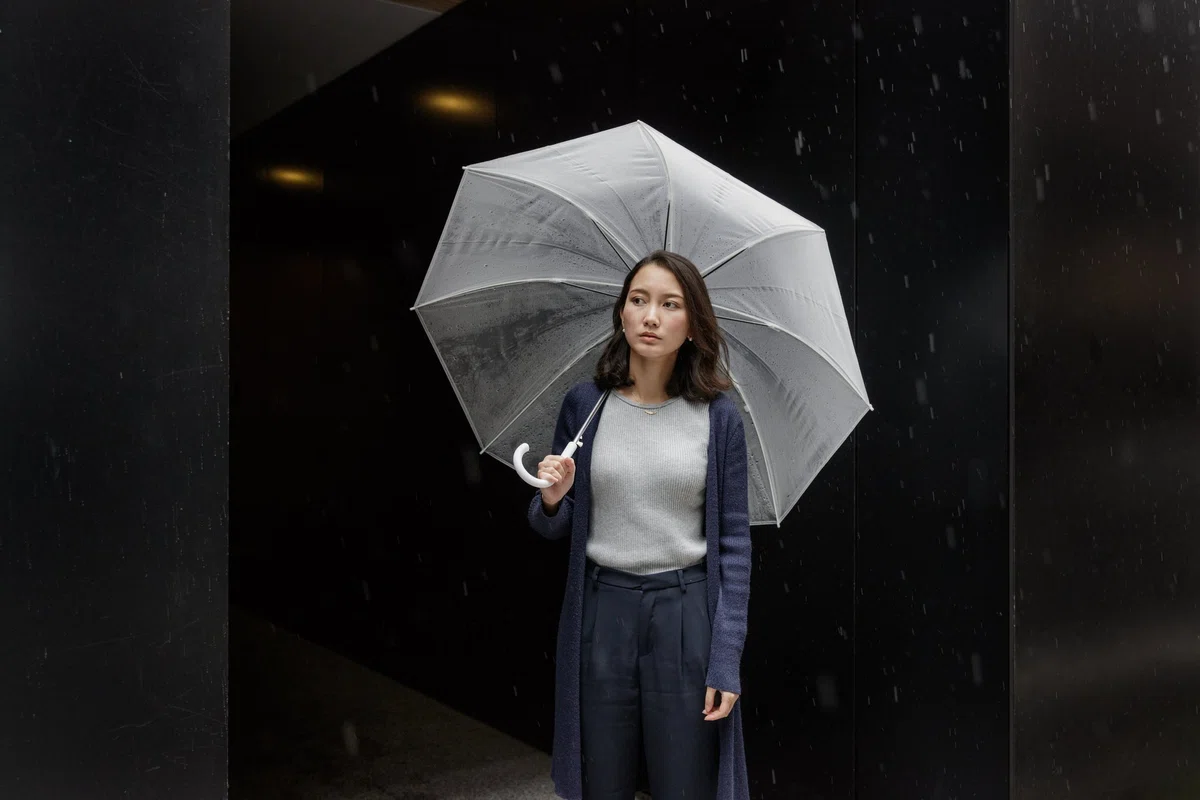
[写真] 伊藤詩織さんは警察に、当時TBSワシントン支局長で安倍晋三首相の伝記作家である山口敬之氏によりレイプされたと訴えた。(ジェレミー・スーテイラットが本紙のために撮影)
TOKYO - It was a spring Friday night when one of Japan’s best-known television journalists invited Shiori Ito out for a drink. Her internship at a news service in Tokyo was ending, and she had inquired about another internship with his network.
(東京 29日)日本の最も著名なテレビジャーナリストに数えられる人物が伊藤詩織さんを飲みに誘ったのは、春先の金曜の晩のことだった。東京の通信社でのインターンが終了するからと、その人物の局で新たなインターンをやる機会を探っていた。[訳注: 探していたのはプロデューサー枠の仕事]
They met at a bar in central Tokyo for grilled chicken and beer, then went to dinner. The last thing she remembers, she later told the police, was feeling dizzy and excusing herself to go to the restroom, where she passed out.
二人は、東京都心にあるバーでは焼き鳥とビールだけで済ませ、その後夕食を共にした。のちに伊藤さんが警察で供述したことによると、彼女が最後に記憶しているのは、気分が悪くなってトイレに行かせて貰い、そこで意識を失ったことだった。
By the end of the night, she alleged, he had taken her back to his hotel room and raped her while she was unconscious.
伊藤さんは、その夜が終わる頃にはその男のホテルの部屋に連れていかれ、彼女が無意識である間に男にレイプされたと主張している。
The journalist, Noriyuki Yamaguchi, the Washington bureau chief of the Tokyo Broadcasting System at the time and a biographer of Prime Minister Shinzo Abe, denied the charge and, after a two-month investigation, prosecutors dropped the case.
当時TBSワシントン支局長で [のちの] 安倍晋三首相の伝記作家であるジャーナリストの山口敬之氏は、起訴内容を否認。二か月にわたる警察の捜査の結果、検察は事件を不起訴処分とした。
Then Ms. Ito decided to do something women in Japan almost never do: She spoke out.
すると伊藤さんは、日本の女性のほぼ誰もがけっして行わないことを実行に移した。声を上げたのである。
In a news conference in May and a book published in October, she said the police had obtained hotel security camera footage that appeared to show Mr. Yamaguchi propping her up, unconscious, as they walked through the hotel lobby. The police also located and interviewed their taxi driver, who confirmed that she had passed out. Investigators told her they were going to arrest Mr. Yamaguchi, she said - but then suddenly backed off.
5月に行った記者会見と10月に出版された著書で伊藤さんは、山口氏が意識を失っている彼女を抱え上げ、ホテルのロビーを通り抜けた様子がわかる防犯カメラの映像を警察が入手したと述べた。また警察はさらに、彼女が気を失っていたことを証言したタクシー運転手を特定して事情聴取を行っていた。伊藤さんによると、警察の捜査官らは山口氏を逮捕すると彼女に告げていたのだが、突如、取りやめとなったのだという。

[写真] 伊藤さんは自身の経験を綴った手記を出版した。写真提供、文芸春秋株式会社。
Elsewhere, her allegations might have caused an uproar. But here in Japan, they attracted only a smattering of attention.
他の国ならば、彼女の訴えは騒動を引き起こしていただろう。だが、ここ日本では、わずかに耳目を集めたにすぎなかった。
As the United States reckons with an outpouring of sexual misconduct cases that have shaken Capitol Hill, Hollywood, Silicon Valley and the news media, Ms. Ito’s story is a stark example of how sexual assault remains a subject to be avoided in Japan, where few women report rape to the police and when they do, their complaints rarely result in arrests or prosecution.
米国が政界、芸能、産業、報道の各界における性的加害行為の噴出に直面しているのとは対照的に、伊藤さんの身に起きたことは、日本において性暴力がいかに忌避される話題であるかを如実に物語っている。
On paper, Japan boasts relatively low rates of sexual assault. In a survey conducted by the Cabinet Office of the central government in 2014, one in 15 women reported experiencing rape at some time in their lives, compared with one in five women who report having been raped in the United States.
統計上、日本は比較的低い性暴力の発生率を誇る。14年度に内閣府が実施した世論調査では、日本で生涯を通じてレイプを経験したことがあると答えた女性が15人に1人であるのに対して、米国でレイプされたことがあると答えた女性は5人に1人であった。[訳注: 但し、米国の統計は2010年度のもの]
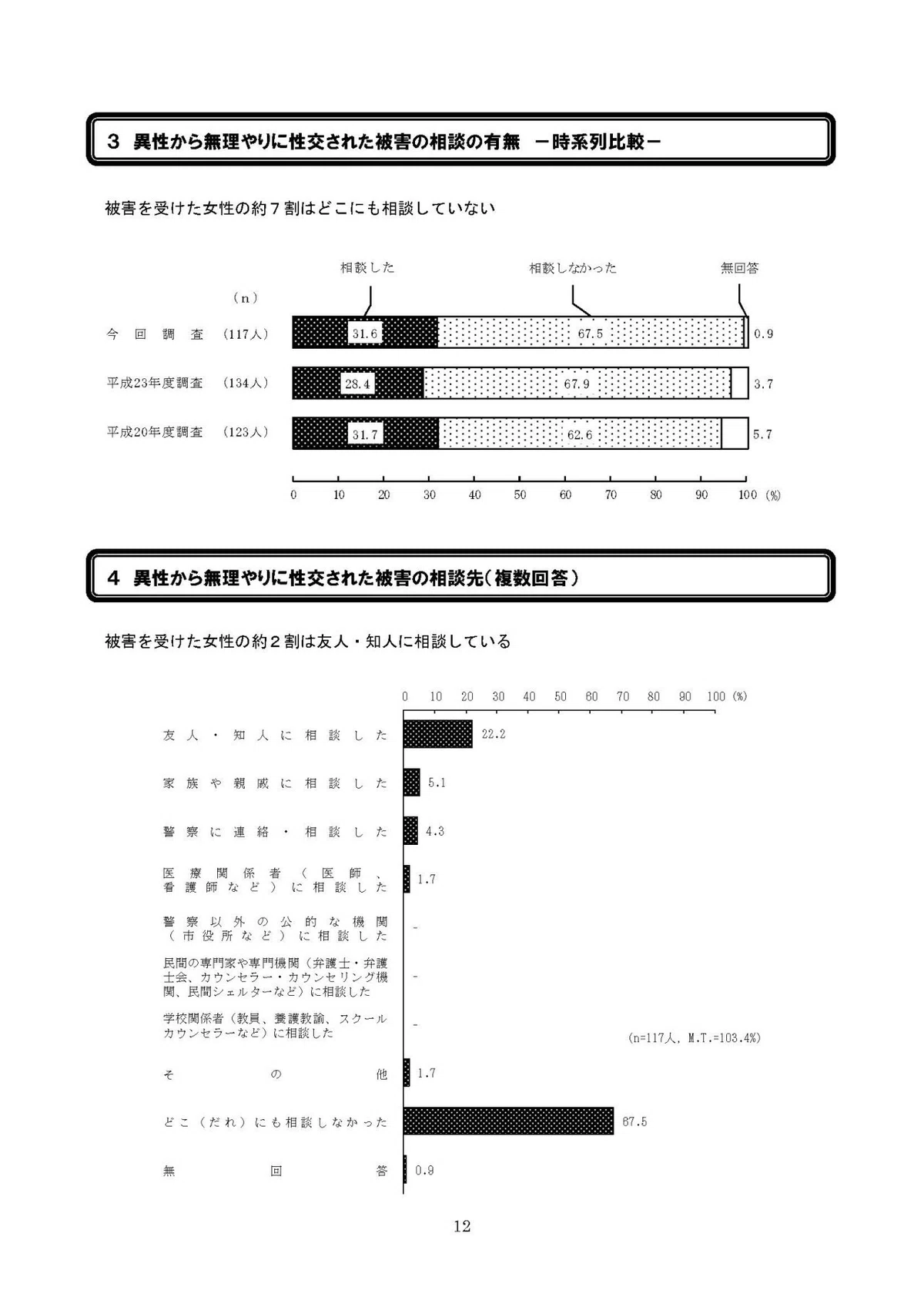
『男女間における暴力に関する調査』報告書(平成26年度)より
http://www.gender.go.jp/policy/no_violence/e-vaw/chousa/pdf/h26danjokan-8.pdf
But scholars say Japanese women are far less likely to describe nonconsensual sex as rape than women in the West. Japan’s rape laws make no mention of consent, date rape is essentially a foreign concept and education about sexual violence is minimal.
しかし研究者らは、日本女性は西洋の女性に比べて「同意なき性行為」を「レイプ」と表現することがはるかに少ないと言う。また日本の対レイプ法には同意に関する記載がなく、「デートレイプ」は外来の概念で、日本では性暴力に対する教育も最低限しかされていない。
Instead, rape is often depicted in manga comics and pornography as an extension of sexual gratification, in a culture in which such material is often an important channel of sex education.
むしろ、本来ならば性教育を行うための文化的に重要なチャンネルである筈の漫画コミックやポルノという素材において、 性的欲求を満たす延長としてレイプが描かれることがよくある。
The police and courts tend to define rape narrowly, generally pursuing cases only when there are signs of both physical force and self-defense and discouraging complaints when either the assailant or victim has been drinking.
警察や裁判所はレイプを狭義に捉える傾向があり、一般的には、物理的な暴力が確認でき、自衛の努力 [抵抗] が行われたことの痕跡がある場合にのみ訴追を行い、 加害者・被害者のいずれかが飲酒していた場合は告訴を思い留まらせようとする。
Last month, prosecutors in Yokohama dropped a case against six university students accused of sexually assaulting another student after forcing her to drink alcohol.
先月、横浜の地方検察局は、女子学生の一人に酒を飲ませた後で性的暴行を加えた容疑で書類送検された6人の大学生を不起訴処分にした。
And even when rapists are prosecuted and convicted in Japan, they sometimes serve no prison time; about one in 10 receive only suspended sentences, according to Justice Ministry statistics.
レイプ犯が起訴され有罪判決を受けても、日本では懲役刑すら課せられないこともある。法務省の統計によると、およそ10件に1件が執行猶予付きの判決で済まされるという。
This year, for example, two students at Chiba University near Tokyo convicted in the gang rape of an intoxicated woman were released with suspended sentences, though other defendants were sentenced to prison. Last fall, a Tokyo University student convicted in another group sexual assault was also given a suspended sentence.
たとえば今年、東京近郊の千葉大学で二人の学生が女学生を輪姦した事件では、被告の一部は懲役刑で収監されたが、他の共犯者らは執行猶予付きの判決となった。昨年秋、別の輪姦事件で有罪判決を受けた東京大学の学生にも執行猶予付きの判決が下された。
“It’s quite recent that activists started to raise the ‘No Means No’ campaign,” said Mari Miura, a professor of political science at Sophia University in Tokyo. “So I think Japanese men get the benefit from this lack of consciousness about the meaning of consent.”
「活動家たちが「ノーはノー」というキャンペーンを立ち上げたのはごく最近のことです」
東京の上智大学で政治学を教える三浦まり教授はこう語った。
「だから日本の男性は、同意に対する意識が浸透していない現状にあぐらをかけるのだと思います」
Of the women who reported experiencing rape in the Cabinet Office survey, more than two-thirds said they had never told anyone, not even a friend or family member. And barely 4 percent said they had gone to the police. By contrast, in the United States, about a third of rapes are reported to the police, according to the Bureau of Justice Statistics.
内閣府の世論調査で「レイプを経験したことがある」と答えた女性のうち、その3分の2以上が友人や家族にさえも、けっして「誰にも言わなかった」と答え、「警察に相談した」と答えたのは4%をわずかに超える程度だった。対照的に、米司法統計局がまとめたところによると、米国ではレイプ経験の約3分の1が警察に報告されている。
“Prejudice against women is deep-rooted and severe, and people don’t consider the damage from sexual crimes seriously at all,” said Tomoe Yatagawa, a lecturer in gender law at Waseda University.
「女性に対する偏見は根深く、深刻です。性犯罪による被害はまったく真剣に受け止められていません」
早稲田大学でジェンダーと法を教える谷田川知恵教授はこう語る。
Ms. Ito, 28, who has filed a civil suit against Mr. Yamaguchi, agreed to discuss her case in detail to highlight the challenges faced by women who suffer sexual violence in Japan.
山口氏に対する民事訴訟を起こした伊藤さん(28)は、日本で性暴力に悩む女性たちが直面する数々の課題に光を当てるために、本紙に自身の事件の詳細を語ることを承諾してくれた。
“I know if I didn’t talk about it, this horrible climate of sexual assault will never change,” she said.
「私がこのことを語らなければ、性暴力をめぐる酷い状況はけっして変わることはないだろうと感じたのです」
伊藤さんは語った。
Mr. Yamaguchi, 51, also agreed to speak for this article. He denied committing rape. “There was no sexual assault,” he said. “There was no criminal activity that night.”
山口氏(51)も、取材に応じることを承諾した。レイプを行ったことは否定し、次のように語った。
「性的暴行は行われていない。あの夜、犯罪行為は行われなかった」
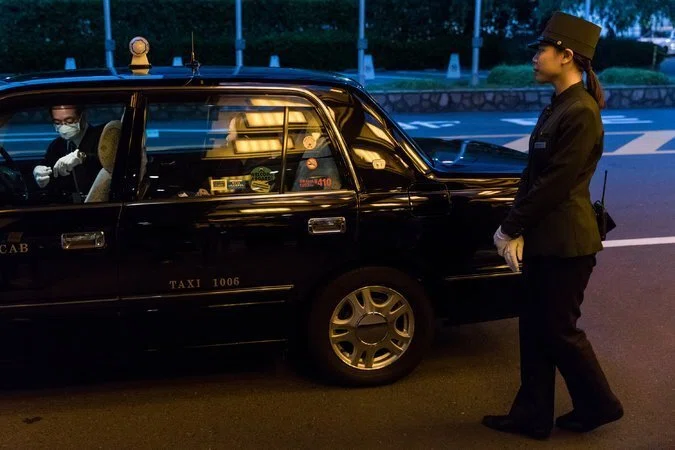
[写真] シェラトン都ホテルの外に停車するタクシーの車両。警察は、伊藤さんと山口氏をホテルに送り届けたが、女性は電車の駅に行くことを要求していたと証言するタクシーの運転手を事情聴取した。本紙のためにジェレミー・スーテイラットが撮影。
‘Not a Chance’
「あなたが勝つ事はあり得ない」
Ms. Ito had met Mr. Yamaguchi twice while studying journalism in New York before their encounter on April 3, 2015.
2015年4月3日に再会する以前、伊藤さんは山口氏に二度会ったことがある。ニューヨークでジャーナリズムを学んでいる間のことだ。
When she contacted him again in Tokyo, he suggested that he might be able to help her find a job in his bureau, she said. He invited her for drinks and then dinner at Kiichi, a sushi restaurant in the trendy Ebisu neighborhood.
伊藤さんによれば、彼女が東京で再び山口氏に連絡をとると、山口氏は自身の支局で仕事を見つけてあげられるかもしれないと答えたという。山口氏は彼女を飲みに誘い、その後で流行りの恵比寿界隈の寿司屋『鮨の喜一』に食事に連れて行った。
To her surprise, they dined alone, following beer with sake. At some point, she felt dizzy, went to the bathroom, laid her head on the toilet tank and blacked out, she said.
伊藤さんが驚いたのは、ビールと酒を飲んだ後の食事も二人きりだったことだった。彼女は途中で気分が悪くなりトイレに行かせてもらったのだが、トイレの給水タンクに頭をもたれかけながら、そのまま意識を失ってしまったという。
When she woke, Ms. Ito said, she was underneath Mr. Yamaguchi in his hotel bed, naked and in pain.
意識を取り戻した時には、ホテルの部屋のベッドの上で山口氏が自分に覆いかぶさっていたという。彼女は裸で、痛みを感じていた。
Japanese law describes the crime of “quasi-rape” as sexual intercourse with a woman by “taking advantage of loss of consciousness or inability to resist.” In the United States, the law varies from state to state, with some defining the same crime as second-degree rape or sexual assault.
日本の法律では、"quasi-rape"(準強姦罪)を当該女性の「心神喪失若しくは抗拒不能」に乗じて当該女性と「姦淫すること」と定義している。米国では州によって法律には差異があるが、同じ犯罪を第二級の強姦罪もしくは性的暴行罪と定義している州もある。(参考)旧刑法第百七十八条2「女子の心神喪失若しくは抗拒不能に乗じ、又は心神を喪失させ、若しくは抗拒不能にさせて、姦淫した者は、前条の例による」
The police later located a taxi driver who recalled picking up Ms. Ito and Mr. Yamaguchi and taking them to the nearby Sheraton Miyako Hotel, where Mr. Yamaguchi was staying.
警察はのちに、伊藤さんと山口氏を乗せ、山口氏の宿泊先である『シェラトン都ホテル東京』で二人を降ろしたタクシーの運転手を特定した。
The driver said Ms. Ito was conscious at first and asked to be taken to a subway station, according to a transcript of an interview with the driver. Mr. Yamaguchi, however, instructed him to take them to his hotel.
運転手の証言記録によれば、伊藤さんは、最初は意識があり、地下鉄の駅に連れ行ってほしいと運転手に懇願していたが、山口氏にホテルに向かうよう指示されたという。
The driver recalled Mr. Yamaguchi saying that they had more work to discuss. He also said Mr. Yamaguchi might have said something like, “I won’t do anything.”
運転手は、山口氏がまだ二人で仕事の話をしなければいけないと話したことを記憶しており、また山口氏が「何もしないいから」というようなことを言っていたと証言している。
When they pulled up to the hotel, the driver said, Ms. Ito had “gone silent” for about five minutes and he discovered that she had vomited in the back seat.
運転手によると、ホテルに着いた頃には伊藤さんは5分ほどの間「静か」になっていて、その時に彼女が後部座席に嘔吐していたことに気付いたのだという。
“The man tried to move her over toward the door, but she did not move,” the driver said, according to the transcript. “So he got off first and put his bags on the ground, and he slid his shoulder under her arm and tried to pull her out of the car. It looked to me like she was unable to walk on her own.”
記録によると、運転手は次のように証言している。
「男は彼女をドアの方向に動かそうとしたんですけど、彼女は動きませんでした。そこで男は、先に降りてカバンを地面に置いてから、女性の脇の下に肩を通して、車から彼女を引き出そうとしました。彼女は1人で歩けそうには見えませんでした」
Ms. Ito also appears incapacitated in hotel security camera footage obtained by the police. In pictures from the footage seen by The New York Times, Mr. Yamaguchi is propping her up as they move through the lobby around 11:20 p.m.
警察が入手したホテルの防犯カメラに映る伊藤さんも、意識がないように見える。本紙が入手した動画の写真からは、午後11時20分頃に、山口氏が彼女を抱えながらロビーを通り抜けていく様子がうかがえる。
Ms. Ito said it was about 5 a.m. when she woke up. She said she wriggled out from under Mr. Yamaguchi and ran to the bathroom. When she came out, she said, “he tried to push me down to the bed and he’s a man and he was quite strong and he pushed me down and I yelled at him.”
伊藤さんによれば、彼女が意識を取り戻したのは午前5時頃だったという。彼女は山口氏の下からなんとか這い出して、トイレに駆け込んだ。トイレから出てくると、「彼は私をベッドに押し付けようとしました。やはり男性なので、力がかなり強く、押し付けられてしまったので私は彼を怒鳴りつけました」
She said she demanded to know what had happened and whether he had used a condom. He told her to calm down, she said, and offered to buy her a morning-after pill.
いったい何が起こったのか、男は避妊具を使ったのか、伊藤さんは答を要求した。男は彼女に落ち着くようにいい、モーニングアフターピルを買うことを提案した。
Instead, she got dressed and fled the hotel.
彼女はこれに応じることなく、服を着て、ホテルから逃げ出した。
Ms. Ito believes she was drugged, she said, but there is no evidence to support her suspicion.
伊藤さんは薬物を飲まされたと確信しているが、この疑惑を証明する証拠は何もない。
Mr. Yamaguchi said she had simply drunk too much.
山口氏は、彼女がただ飲み過ぎただけだ、と主張する。
“At the restaurant, she drank so quickly, and in fact I asked her, ‘Are you all right?’” he said. “But she said, ‘I’m quite strong and I’m thirsty.’”
「居酒屋で彼女は相当なペースで飲んでいたので、私は実際こう聞いたんですよ。『大丈夫かい?』と。でも彼女は「私はけっこうお酒強いんです。それに喉が渇いているので」と答えました」
He said: “She’s not a child. If she could have controlled herself, then nothing would have happened.”
「彼女も子どもではないので、自分をしっかりコントロールさえしていれば、何も起こらなかったでしょう」
Mr. Yamaguchi said he had brought her to his hotel because he was worried that she would not make it home. He had to rush back to his room, he said, to meet a deadline in Washington.
山口氏はこう述べ、彼女をホテルに連れて行ったのは彼女が家に帰れないかもしれないと思ったからで、ワシントンの仕事の締め切りに間に合わないから急いで部屋に戻らなければならなかったからだと語った。
Mr. Yamaguchi acknowledged that “it was inappropriate” to take Ms. Ito to his room but said, “It would have been inappropriate to leave her at the station or in the hotel lobby.”
山口氏は、伊藤さんを部屋に連れ込んだのは「不適切だったかもしれない」と認めつつ、「彼女を駅やホテルのロビーに置き去りにすることも不適切だと思った」と語った。
He declined to describe what happened next, citing the advice of his lawyers. But in court documents filed in response to Ms. Ito’s civil suit, he said he undressed her to clean her up and laid her on one of the beds in his room. Later, he added, she woke and knelt by his bed to apologize.
山口氏はその後で何が起きたかについては弁護士の助言により語ることを控えた。伊藤さんの民事訴訟に提出された書類によると、山口氏は伊藤さんの衣服を洗い流すために彼女の服を脱がせ、ホテルの部屋のベッドの一つに寝かせたという。山口氏は、さらにその後、伊藤さんが目を覚ましてベッドの脇にひざまずき、彼に謝罪したことを付け加えた。
Mr. Yamaguchi said in the documents that he urged her to return to bed, then sat on her bed and initiated sex. He said she was conscious and did not protest or resist.
提出書類では、伊藤さんにベッドに戻るように伝えたが、自身で彼女のベッドに腰掛け、性行為を始めた、とある。彼女に意識はあったが、抵抗も拒絶もしなかったという。
But in emails that he exchanged with Ms. Ito after that night, he presented a slightly different account, writing that she had climbed into his bed.
ところが、その夜以降に伊藤さんとの間で交わされたメールで山口氏が語った内容は、これとは多少異なる。
彼女が自分で彼のベッドに潜り込んできたと書いているのだ。
“So it’s not the truth at all that I had sex with you while you were unconscious,” he said in a message on April 18, 2015.
「だから、意識不明のあなたに私が勝手に行為に及んだというのは全く事実と違います」
2015年4月18日付けのメールにはこう書いてあった。
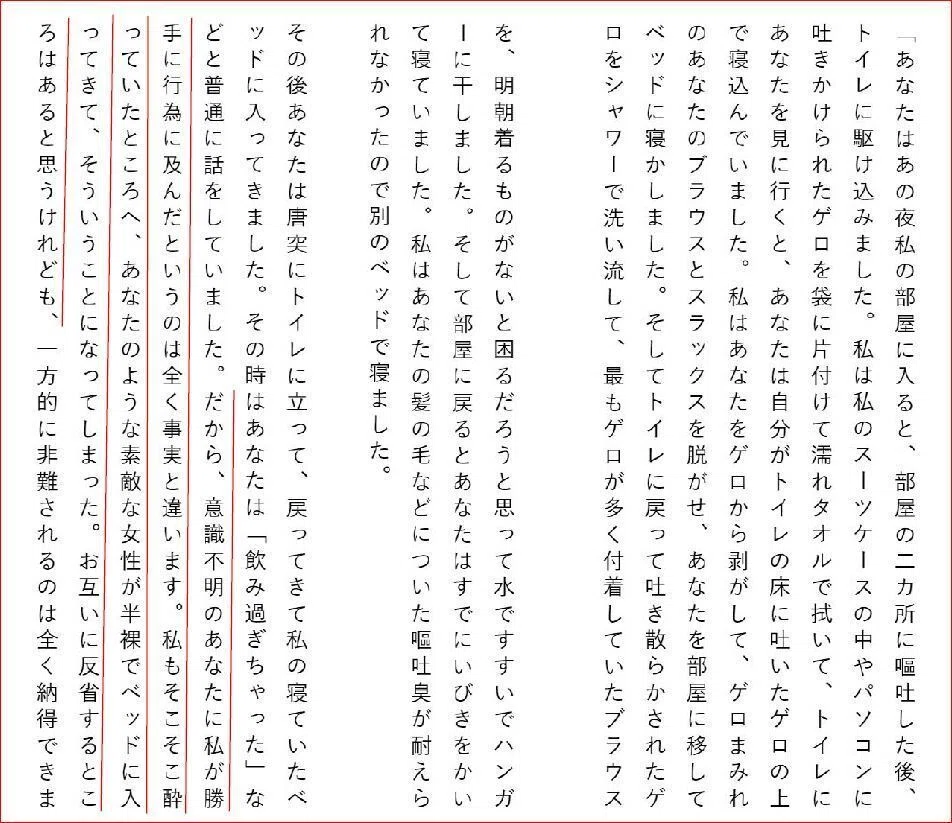
“I was quite drunk and an attractive woman like you came into my bed half naked, and we ended up like that. I think we both should examine ourselves.”
「私もそこそこ酔っていたところへ、あなたのような素敵な女性が半裸でベッドに入ってきて、そういうことになってしまった。お互いに反省することろはある」[※著書『Black Box』記載の原文ママ ]
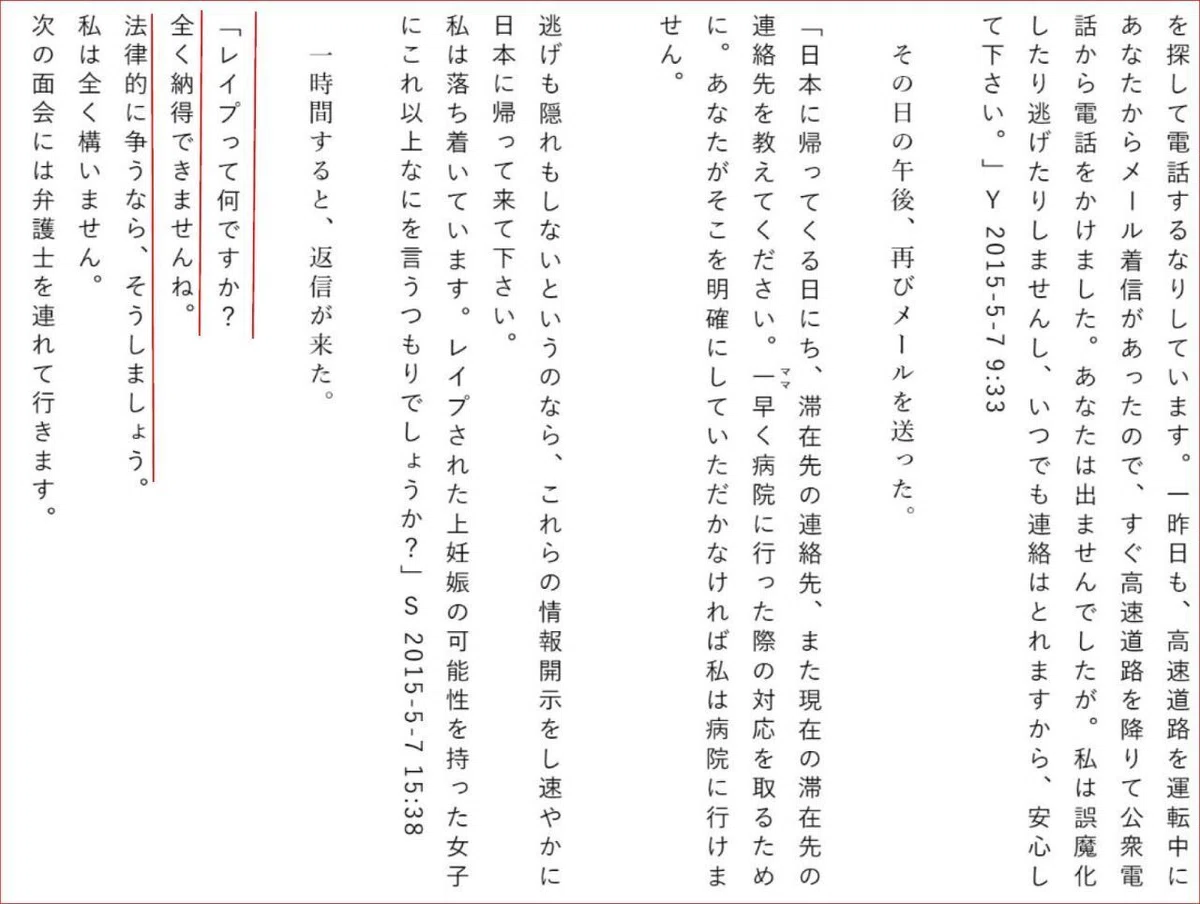
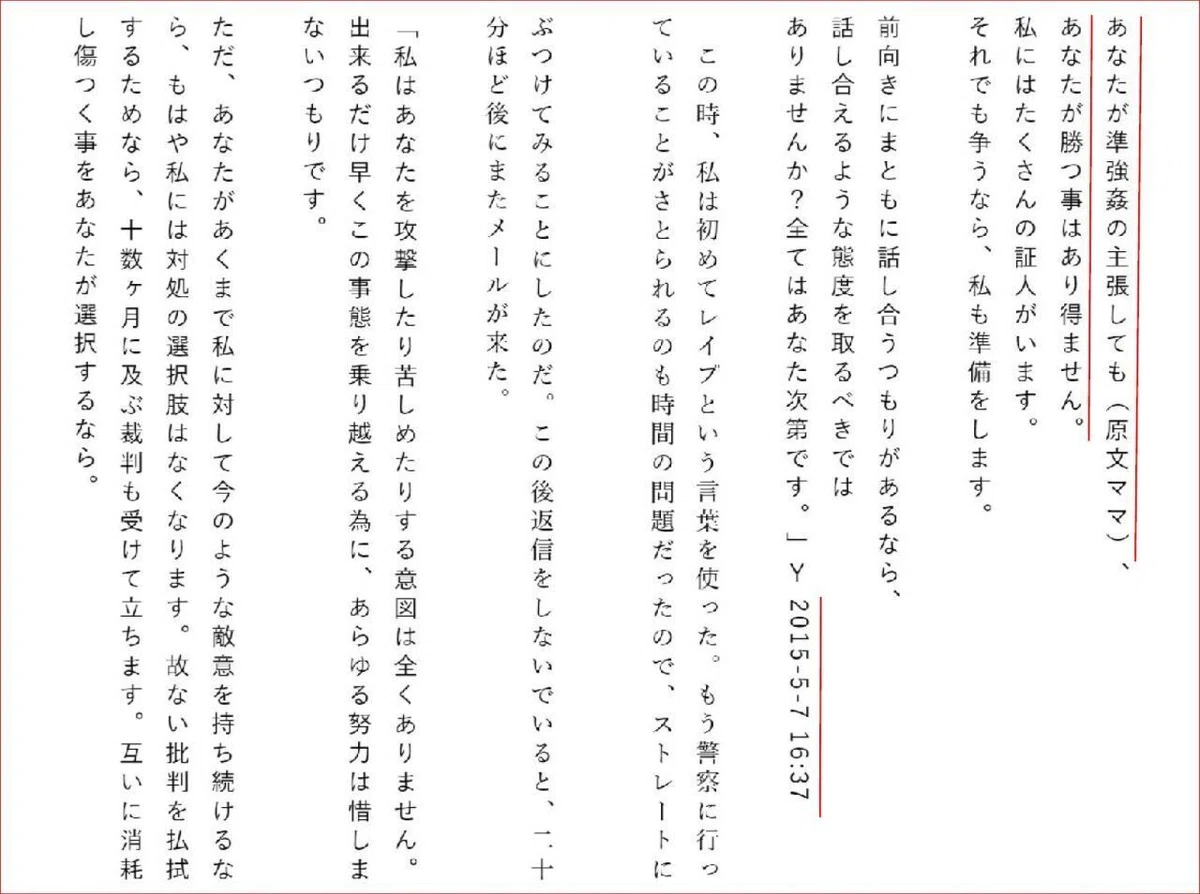
In another email, Mr. Yamaguchi denied Ms. Ito’s allegation of rape and suggested that they consult lawyers. “Even if you insist it was quasi-rape, there is not a chance that you can win,” he wrote.
別のメールで山口氏は、レイプの訴えを否定し、互いに弁護士に相談するべきだと提案する。
「あなたが準強姦の主張しても(原文ママ)、あなたが勝つ事はありません」
When asked about the emails, Mr. Yamaguchi said a full record of his conversations and correspondence with Ms. Ito would demonstrate that he had “had no intention” of using his position to seduce her.
本紙が一連のメールについて尋ねたところ、山口氏は、伊藤さんとのやりとりの全記録が、自分の立場を利用して彼女を誘う「意図はなかった」ことを証明するだろうと答えた。
“I am the one who was caused trouble by her,” he added.
「彼女に迷惑をかけられているのは私のほうです」
山口氏はそう付け加えた。
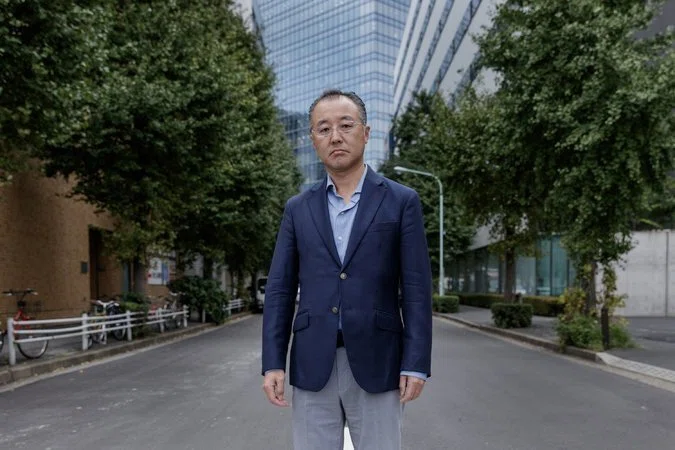
[写真] 「私は何も違法なことはしていない」「性的暴行は行われていない。あの夜、犯罪行為は行われなかった」と山口氏は語った。本紙のためにジェレミー・スーテイラットが撮影。
Shame and Hesitation
恥とためらい
Ms. Ito said she rushed home to wash after leaving the hotel. She now regards that as a mistake. “I should have just gone to the police,” she said.
伊藤さんはホテルを出た後、急いで自宅に帰り体を洗い流したという。
彼女はいま、そのことを後悔している。
「警察に行くべきでした」
Her hesitation is typical. Many Japanese women who have been assaulted “blame themselves, saying, ‘Oh, it’s probably my fault,’” said Tamie Kaino, a professor emeritus of gender studies at Ochanomizu University.
彼女のような「ためらい」は典型的といえる。
「性的暴行の被害に遭った日本女性の多くは『私のせいに違いない』と自分を責めます」
お茶の水女子大学でジェンダー法学を研究する戒能民江名誉教授はこう語る。
Hisako Tanabe, a rape counselor at the Sexual Assault Relief Center in Tokyo, said that even women who call their hotline and are advised to go to the police often refuse, because they do not expect the police to believe them.
性暴力救援センター・東京(SARC東京)でレイプ・カウンセラーを務める田辺久子氏は、ホットラインに電話してくる女性に警察に行くように勧めても、警察が信じる筈がないと拒まられることがよくあるという。
“They think they will be told they did something wrong,” she said.
「彼女たちは、自分が間違ったことをしたと指摘されると思っているんです」
Ms. Ito said she felt ashamed and considered keeping quiet too, wondering if tolerating such treatment was necessary to succeed in Japan’s male-dominated media industry. But she decided to go to the police five days after the encounter.
伊藤さんも、自らを恥じ、口を閉ざしつづけることを考えた。男社会の日本のメディア業界で成功するためには、このような扱いでも耐え忍ばなければらないのかと、悩みつづけた。しかし、事件の5日後、彼女は警察へ行くことを決心した。
“If I don’t face the truth,” she recalled thinking, “I think I won’t be able to work as a journalist.”
「真実と向き合わなければ、私はジャーナリストとしてやっていけないと思ったんです」
伊藤さんは当時を振り返った。
The police officers she spoke to initially discouraged her from filing a complaint and expressed doubt about her story because she was not crying as she told it, she said. Some added that Mr. Yamaguchi’s status would make it difficult for her to pursue the case, she said.
伊藤さんが相談した警官らは当初、彼女が泣かずに話を伝えたため彼女を疑い、被害を届け出ることを思い留まらせようとしたという。ある警官は、山口氏の業界での地位を考えると、事件の追及は困難であろうという見方すら示した。
But Ms. Ito said the police eventually took her seriously after she urged them to view the hotel security footage.
しかし伊藤さんがホテルの防犯カメラの映像を確認してほしいと訴えつづけた結果、警察は最終的に彼女の話を真剣に受け止めたのだという。
A two-month investigation followed, after which the lead detective called her in Berlin, where she was working on a freelance project, she said. He told her they were preparing to arrest Mr. Yamaguchi on the strength of the taxi driver’s testimony, the hotel security video and tests that found his DNA on one of her bras.
二か月にわたる捜査の末、フリーランスとしてベルリンでプロジェクトに参画していた伊藤さんに捜査主任から連絡が入った。捜査官は彼女に、タクシー運転手の証言やホテルの防犯カメラ映像、そして彼女の下着(ブラジャー)に付着したDNAが検出されたことから、山口氏を逮捕する準備を進めていることを伝えた。
The detective said Mr. Yamaguchi would be apprehended at the airport on June 8, 2015, after arriving in Tokyo on a flight from Washington, and he asked her to return to Japan to help with questioning, Ms. Ito said.
捜査官は、2015年6月8日にワシントン発東京行きの便で空港 [訳注: 成田空港] に到着する山口氏を逮捕する計画なので、取り調べへの協力のために日本に帰国するよう伊藤さんに要請したという。
When that day came, though, the investigator called again. He told her that he was inside the airport but that a superior had just called him and ordered him not to make the arrest, Ms. Ito said.
しかし当日になると、その捜査官が再び電話をかけてきた。空港内にいると言う捜査官は、たったいま、上から逮捕を行わないよう指示を受けたと伊藤さんに伝えた。
“I asked him, ‘How is that possible?’” she said. “But he couldn’t answer my question.”
「私は彼に尋ねました。『どうしてそんなことが可能なのですか?』と。でも、彼は質問に答えることができませんでした」
Ms. Ito declined to identify the investigator, saying she wanted to protect him. The Tokyo Metropolitan Police would not comment on whether plans to arrest Mr. Yamaguchi were scuttled.
伊藤さんはその捜査官を守りたいと、捜査官の名を明かすことを拒んだ。
警視庁の広報官は、山口氏を逮捕する計画がとん挫したことについては言及を控え、次のようにコメントした。
“We have conducted a necessary investigation in light of all laws and sent all documents and evidence to the Tokyo Prosecutors’ office,” a spokesman said.
「われわれは法令に基づき必要な調査を行い、すべての文書と証拠を東京地方検察庁に送付しました」
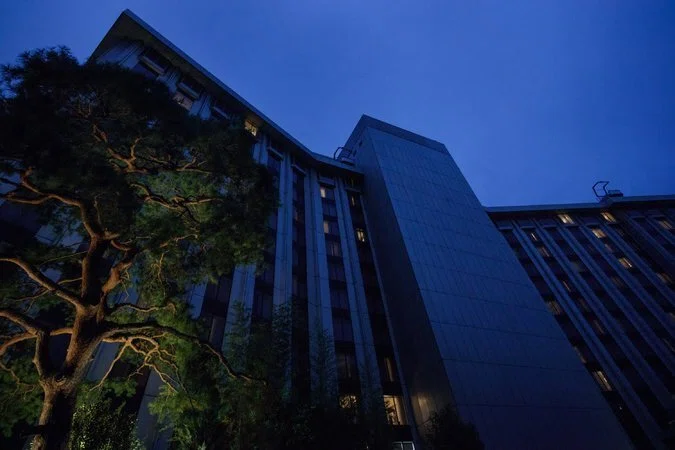
[写真] 恵比寿界隈に佇む「シェラトン都ホテル東京」。本紙のためにジェレミー・スーテイラットが撮影。
‘I Have to Be Strong’
「私が強くあり続けなければ」
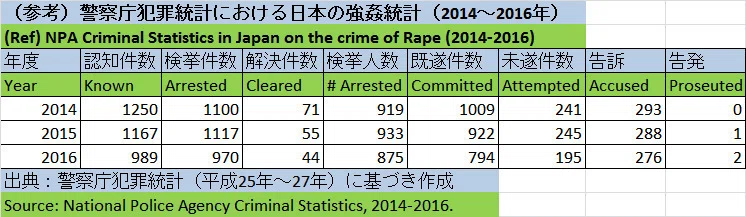
In 2016, the most recent year for which government statistics are available, the police confirmed 989 cases of rape in Japan, or about 1.5 cases for every 100,000 women. By comparison, there were 114,730 cases of rape in the United States, according to F.B.I. statistics, or about 41 cases per 100,000 residents, both male and female.
最新の2016年度の政府統計によると、警察は日本国内989件のレイプ事件が起きていることを確認している。女性10万人当たりおよそ1.5件の割合で事件が生じているということになる。これと比較して、米連邦捜査局(FBI)の統計によると、米国内では11万4730件のレイプ事件が発生しており、男女含めた全住人の10万人当たりおよそ41件の割合で事件が生じていた。
Scholars say the disparity is less about actual crime rates than a reflection of underreporting by victims and the attitudes of the police and prosecutors in Japan.
研究者らは、日米の犯罪率の差は、実際の犯罪率ではなく、被害者による過小な報告や日本の警察・検察の態度を反映したものだ主張する。
Over the summer, Parliament passed the first changes to Japan’s sex crime laws in 110 years, expanding the definition of rape to include oral and anal sex and including men as potential victims. Lawmakers also lengthened minimum sentences. But the law still does not mention consent, and judges can still suspend sentences.
日本の国会は今夏、この110年間で初めて、性犯罪処罰法の改正を受け入れ、 レイプ [訳注: 新罪名「強制性交等罪」] の定義を拡大した。口淫と肛門性交が加えられ、潜在的な被害者 [訳注: 客体] に男性が含められた。また最も軽い処罰の刑期を増やした。ただし、同意については依然として明記せず、執行猶予判決を下す余地も残した。
And despite the recent cases, there is still little education about sexual violence at universities. At Chiba, a course for new students refers to the recent gang rape as an “unfortunate case” and only vaguely urges students not to commit crimes.
また、最近事件が起きたばかりであるにも関わらず、大学構内での性暴力に関する啓蒙はほとんど行われていない。千葉大学の新入生を対象とした講義では、最近起きたばかりの輪姦事件を『不幸なケース』と教えるのみで、「犯罪を行ってはならない」と漠然と促すに留まっている。
In Ms. Ito’s case, there is also a question of whether Mr. Yamaguchi received favorable treatment because of his connection to the prime minister.
伊藤さんの事件では、果たして山口氏が首相との繋がりによって特別に待遇されたのかという点についても疑問が残る。
Not long after Ms. Ito went public with her allegations, a Japanese journalist, Atsushi Tanaka, confronted a top Tokyo police official about the case.
伊藤さんが事件のことを公に訴えた後、ほどなくして日本人ジャーナリストの田中敦(あつし)氏が警視庁の最高幹部に直撃した。
The official, Itaru Nakamura, a former aide to Mr. Abe’s chief cabinet secretary, confirmed that investigators were prepared to arrest Mr. Yamaguchi - and that he had stopped them, Mr. Tanaka reported in Shukan Shincho, a weekly newsmagazine.
幹部の名は中村格(いたる)。安倍首相の官房長官を務める菅義偉官房長官の元秘書官で、捜査官らが山口氏を逮捕する準備を進めていたところ、それを差し止めたことを中村氏自ら誌面で認めた。『週刊新潮』にその記事を書いたのが、田中氏だった。
The allegations did not affect Mr. Yamaguchi’s position at the Tokyo Broadcasting System, but he resigned last year under pressure from the network after publishing an article that was seen as contentious. He continues to work as a freelance journalist in Japan.
伊藤さんの訴えは山口氏のTBSでの立場には影響しなかった。ただ、山口氏は昨年、問題となる記事を発表したことで局から辞職に追い込まれた。現在はフリーランスのジャーナリストとして日本で活動している。
Ms. Ito published a book about her experience in October. It has received only modest attention in Japan’s mainstream news media.
10月、伊藤さんは自身の経験を綴った手記を出版した。だが、日本の主要メディアはあまり関心を寄せていない。
Isoko Mochizuki, one of the few journalists to investigate Ms. Ito’s allegations, said she faced resistance from male colleagues in her newsroom, some of whom dismissed the story because Ms. Ito had not gone to the hospital immediately.
伊藤さんの事件を調査する数少ないジャーナリストの一人である望月衣塑子(いそこ)氏は、自身も職場の報道フロアの同僚男性らの抵抗に遭っているという。彼らは、伊藤氏がただちに病院に赴かなかったことを理由に事態を軽視していた。
“The press never covers sexual assault very much,” she said.
「メディアは性的暴行に関することをほとんど報道しようとしません」
望月氏は言う。
Ms. Ito said that was precisely why she wanted to speak out.
だからこそ、声を上げたのだと、伊藤さんは言う。
“I still feel like I have to be strong,” she said, “and just keep talking about why this is not O.K.”
「私はまだ強くあり続けなければならないのだと、そう感じます。そして、なぜこれを容認できないか、語り続けなければならないのだと思います」
Hisako Ueno contributed reporting.
執筆協力:上乃久子
A version of this article appears in print on December 30, 2017, on Page A1 of the New York edition with the headline: She Reported It. And Her Country Ignored Her.
本記事の紙面版は2017年12月30日付けのA1面ニューヨーク版に「彼女は訴えた。彼女の母国はこれを黙殺した」と題して記載されている。
関連記事一覧
※Tumblr掲載
いいなと思ったら応援しよう!
 noteをご覧くださりありがとうございます。基本的に「戦う」ためのnoteですが、私にとって何よりも大切な「戦い」は私たち夫婦のガンとの戦いです。皆さまのサポートが私たちの支えとなります。よろしくお願いいたします。