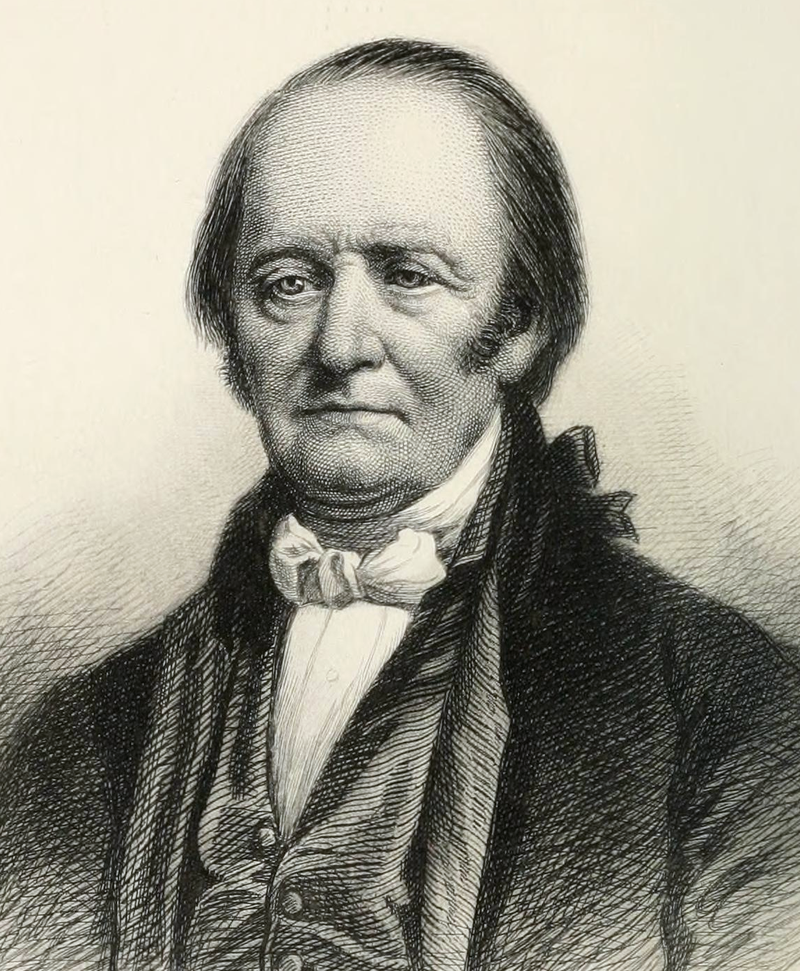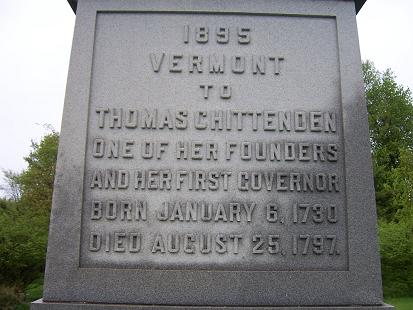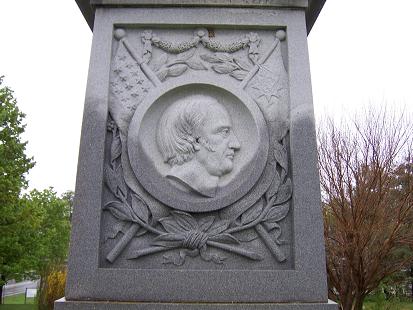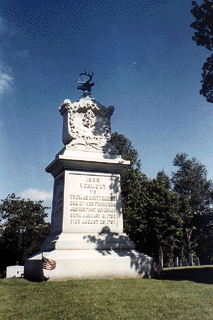
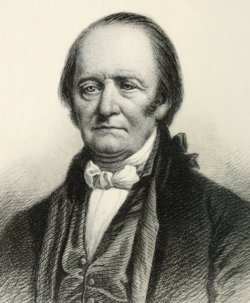
Politician. He was the first and third Governors (Presidents) of the Vermont Republic and the first Governor of the state of Vermont. Thomas was a farmer and later developed his early leadership abilities by serving in various local offices, including justice of the peace. He held the rank of colonel in the Connecticut Colonial Militia from 1756 to 1760 during the French and Indian War. Chittenden served as a member of the Connecticut Colonial General Assembly from 1765 to 1772. In 1774, he left Connecticut and moved to the New Hampshire Grants, the territory later to be known as Vermont. Chittenden was the Williston area's first white settler and a good friend of the Vermont Patriots, Ethan and Ira Allen. He served as a member of the council that prepared Vermont's first request for statehood in 1777. When it was rejected by the Continental Congress, Vermont declared itself an independent Republic, of which he became Governor, serving from 1778 to 1789 and 1790 to 1791. When Vermont joined the Union as the 14th state in 1791, Thomas Chittenden was elected the first Governor, serving from 1791 to 1797. Chittenden County and the town of Chittenden in Rutland County are named for him. His son, Martin, also served as the second Governor of the state of Vermont, and several other sons were active in Vermont politics and the State Militia.
Politician. He was the first and third Governors (Presidents) of the Vermont Republic and the first Governor of the state of Vermont. Thomas was a farmer and later developed his early leadership abilities by serving in various local offices, including justice of the peace. He held the rank of colonel in the Connecticut Colonial Militia from 1756 to 1760 during the French and Indian War. Chittenden served as a member of the Connecticut Colonial General Assembly from 1765 to 1772. In 1774, he left Connecticut and moved to the New Hampshire Grants, the territory later to be known as Vermont. Chittenden was the Williston area's first white settler and a good friend of the Vermont Patriots, Ethan and Ira Allen. He served as a member of the council that prepared Vermont's first request for statehood in 1777. When it was rejected by the Continental Congress, Vermont declared itself an independent Republic, of which he became Governor, serving from 1778 to 1789 and 1790 to 1791. When Vermont joined the Union as the 14th state in 1791, Thomas Chittenden was elected the first Governor, serving from 1791 to 1797. Chittenden County and the town of Chittenden in Rutland County are named for him. His son, Martin, also served as the second Governor of the state of Vermont, and several other sons were active in Vermont politics and the State Militia.
Bio by: Bill McKern
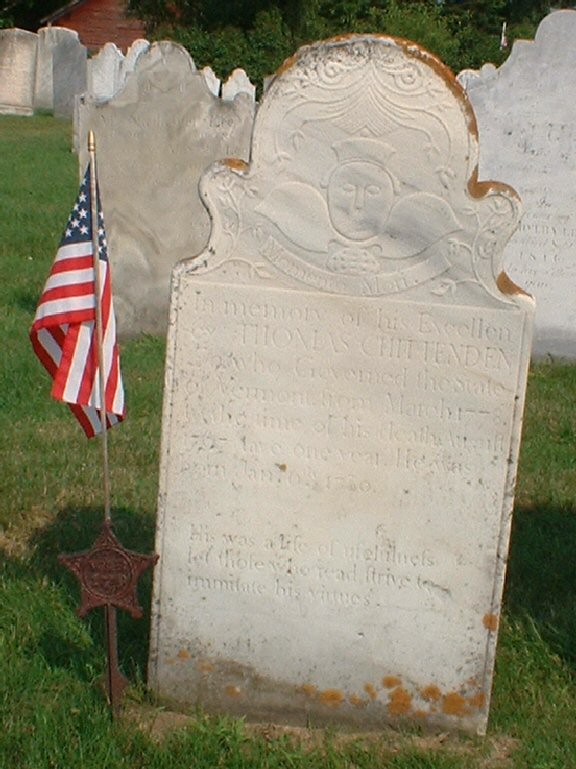
Inscription
In Memory of his Excellen
THOMAS CHITTENDEN
Who Governed the State of Vermont March
Unable to read remainder of inscription
Family Members


-
![]()
Mabel Chittenden Barney
1750–1838
-
![]()
Noah Chittenden
1753–1835
-
![]()
Hannah Chittenden Clark
1756–1789
-
![]()
Mary Chittenden Galusha
1758–1794
-
![]()
Martin Chittenden
1763–1840
-
![]()
Beulah Chittenden Lyon
1763–1824
-
![]()
Col Giles Chittenden
1768–1819
-
![]()
Judge Truman A. Chittenden
1770–1853
-
![]()
James Chittenden
1770–1839
-
![]()
Electa Chittenden Spafford
1773–1828