
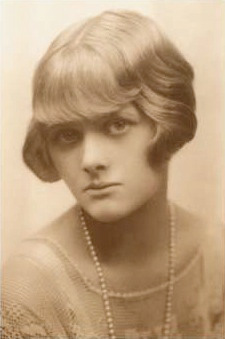
Author. Dame Daphne du Maurier received world-wide fame as a 20th century English author of romantic novels, with a dramatic and sometimes violent twist in the plots. Born into a gifted family of actors and writers, she was the daughter of Sir Gerald du Maurier and his wife Muriel Beaumont, who were both actors. She was the granddaughter of the novelist George du Maurier. Before going to Paris to study, she and her two sisters were home schooled by a governess. With her strong tomboy personality, she wanted a career as a writer, while her parents pushed her to marry-well and settle for being a wife. Living most of her very unorthodox Bohemian life-style in Cornwall, she eventually rented a rambling house by the sea called "Menabilly," which became the setting of many of her novels. In 1931, she published her debut novel, "The Loving Spirit." She often wrote in first person using the pronoun "I" as she narrated the story. After marrying in 1932, to Fredrick Browning, a career military man, she became the mother of a daughter in 1933, which followed with a second daughter and in 1940, a son. She never used the name "Browning" in her publications. Leaving her two daughters in England, the couple had a military deployment in the mid-1930s to Egypt where she was very unhappy longing for England. During World War II, she moved to "Menabilly" in Cornwall. After the war, her successful literary career overshadowed her husband's military achievements, driving them apart. Her husband died in 1965. Since she was unable to renew her lease on her beloved "Menabilly," she moved to Kilmarth, in Par, living the rest of her reclusive life as a widow. It was there she wrote, in 1967, " Vanishing Cornwall," a travel guide and in 1969, "The House on the Strand." By the age of thirty, she had published four novels and two biographies. Her 1938 novel, "Rebecca," was made into a film which was directed by Sir Alfred Hitchcock in 1940, as was her 1952 thriller novel, "The Birds," in 1963. Critics can not agree which one of these books is her best work. In 1940, "Rebecca" received the Best-Picture Oscar at the Academy Awards. Although critics first stated that "Rebecca" was a simple love story, it became a bestseller, and the novel has endured for over eighty years, never been out of print, and selling "around 50,000 copies a month" according to British publishers. She was not pleased that the film "The Birds" had swayed from her original writings. From the publication of both novels, she received accusations of plagiarism of non-English novels, but nothing came about these accusations legally. She is credited with twenty novels, and her other books include her first best-seller, a romantic novel about pirates on the coast of Cornwall, "Jamaica Inn" in 1936; followed with another book with pirates, "Frenchmans Creek" in 1942; "My Cousin Rachel" in 1951 and her last novel, "Rule Britannia" in 1972. Besides "The Birds" and "Rebecca," many of her novels made it to films, including "Jamaica Inn" directed by Hitchcock in 1938, "Scapegoat" starring Bette Davis in 1959, and most recently in 2017 "My Cousin Rachel." Not limited to novels, she wrote biographies, three plays and a dozen collections of short stories. Her 1934 biography about her father, "Gerald: A Portrait," was shocking to the public, yet gave her the recognition that she needed as a serious and gifted writer. "Gerald: A Portrait" was her first attempt to write non-fiction, but she is credited with at least ten, including an autobiography and her own literary reviews. With her being the highest paid female author in the 1950s in Britain, Queen Elizabeth made her a Dame of the British Empire in 1969, for her literary achievements, yet she did not use the title. Being made Dame is the female equivalent of a knighthood, which both her father and husband had received. Strangely, her children learned about this honor from a newspaper article. Although she no longer wrote novels, she wrote her autobiography, "Growing Pains" in 1977, which was followed by a collection of short stories and in 1981, a collection of literary remembrances. As the years passed, her health and creative talents declined, leading to a psychotic break in 1981. At least ten biographies have been published about her and collections of her works have published posthumously. She was one of five "Women of Achievement" selected for a set of British stamps issued in August 1996.
Author. Dame Daphne du Maurier received world-wide fame as a 20th century English author of romantic novels, with a dramatic and sometimes violent twist in the plots. Born into a gifted family of actors and writers, she was the daughter of Sir Gerald du Maurier and his wife Muriel Beaumont, who were both actors. She was the granddaughter of the novelist George du Maurier. Before going to Paris to study, she and her two sisters were home schooled by a governess. With her strong tomboy personality, she wanted a career as a writer, while her parents pushed her to marry-well and settle for being a wife. Living most of her very unorthodox Bohemian life-style in Cornwall, she eventually rented a rambling house by the sea called "Menabilly," which became the setting of many of her novels. In 1931, she published her debut novel, "The Loving Spirit." She often wrote in first person using the pronoun "I" as she narrated the story. After marrying in 1932, to Fredrick Browning, a career military man, she became the mother of a daughter in 1933, which followed with a second daughter and in 1940, a son. She never used the name "Browning" in her publications. Leaving her two daughters in England, the couple had a military deployment in the mid-1930s to Egypt where she was very unhappy longing for England. During World War II, she moved to "Menabilly" in Cornwall. After the war, her successful literary career overshadowed her husband's military achievements, driving them apart. Her husband died in 1965. Since she was unable to renew her lease on her beloved "Menabilly," she moved to Kilmarth, in Par, living the rest of her reclusive life as a widow. It was there she wrote, in 1967, " Vanishing Cornwall," a travel guide and in 1969, "The House on the Strand." By the age of thirty, she had published four novels and two biographies. Her 1938 novel, "Rebecca," was made into a film which was directed by Sir Alfred Hitchcock in 1940, as was her 1952 thriller novel, "The Birds," in 1963. Critics can not agree which one of these books is her best work. In 1940, "Rebecca" received the Best-Picture Oscar at the Academy Awards. Although critics first stated that "Rebecca" was a simple love story, it became a bestseller, and the novel has endured for over eighty years, never been out of print, and selling "around 50,000 copies a month" according to British publishers. She was not pleased that the film "The Birds" had swayed from her original writings. From the publication of both novels, she received accusations of plagiarism of non-English novels, but nothing came about these accusations legally. She is credited with twenty novels, and her other books include her first best-seller, a romantic novel about pirates on the coast of Cornwall, "Jamaica Inn" in 1936; followed with another book with pirates, "Frenchmans Creek" in 1942; "My Cousin Rachel" in 1951 and her last novel, "Rule Britannia" in 1972. Besides "The Birds" and "Rebecca," many of her novels made it to films, including "Jamaica Inn" directed by Hitchcock in 1938, "Scapegoat" starring Bette Davis in 1959, and most recently in 2017 "My Cousin Rachel." Not limited to novels, she wrote biographies, three plays and a dozen collections of short stories. Her 1934 biography about her father, "Gerald: A Portrait," was shocking to the public, yet gave her the recognition that she needed as a serious and gifted writer. "Gerald: A Portrait" was her first attempt to write non-fiction, but she is credited with at least ten, including an autobiography and her own literary reviews. With her being the highest paid female author in the 1950s in Britain, Queen Elizabeth made her a Dame of the British Empire in 1969, for her literary achievements, yet she did not use the title. Being made Dame is the female equivalent of a knighthood, which both her father and husband had received. Strangely, her children learned about this honor from a newspaper article. Although she no longer wrote novels, she wrote her autobiography, "Growing Pains" in 1977, which was followed by a collection of short stories and in 1981, a collection of literary remembrances. As the years passed, her health and creative talents declined, leading to a psychotic break in 1981. At least ten biographies have been published about her and collections of her works have published posthumously. She was one of five "Women of Achievement" selected for a set of British stamps issued in August 1996.
Bio by: Linda Davis