Know Islam With Quran And Hadith References
The Five Pillars of Islam: Shahada, Salat, Sawm, Zakat, Hajj
Each pillar is explained below with references from the Quran and authentic Hadith, alongside naats, duas, and Muslim scholar biographies from the site.
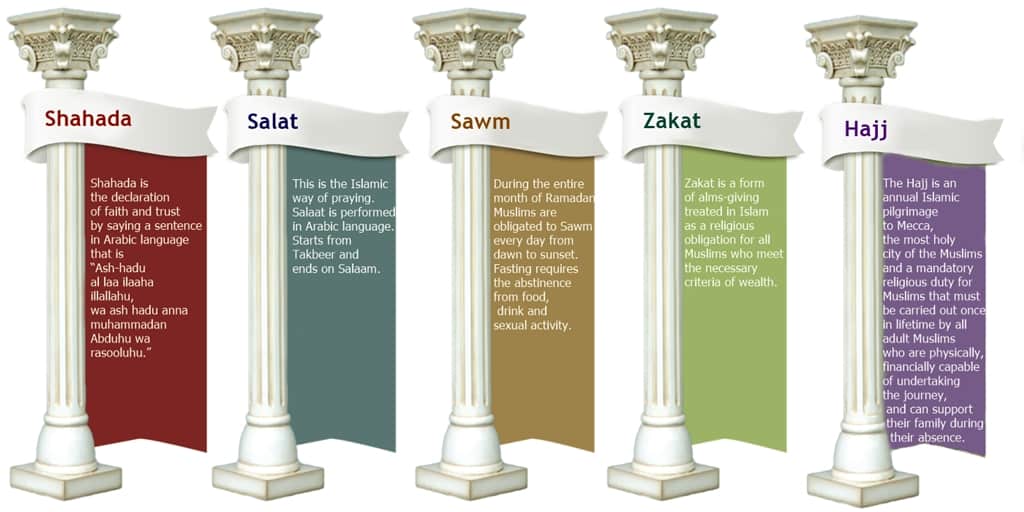
What Are The Five Pillars Of Islam
The Five Pillars of Islam are the five duties every Muslim is required to fulfil: the testimony of faith, namaz five times a day, the Ramadan fast, compulsory charity, and the pilgrimage to Makkah. The Prophet (PBUH) said, “Islam is built upon five: shahada, salat, zakat, hajj, and sawm of Ramzan” (Bukhari, no 8). They are also known as Arkan E Islam or Arkan E Deen.
- Shahada is the testimony of faith
- Salat means the prayer offered five times a day
- Sawm is the fast kept in the month of Ramadan
- Zakat is compulsory charity on savings
- Hajj is the pilgrimage to Makkah in Saudi Arabia
Islam believes in one and only God, Allah. Allah sent many prophets to earth, like Jesus, Moses, and Noah, to remind mankind that there is only one god worthy of worship. Muhammad (PBUH), the final of them, was sent for all mankind. Allah said in the Holy Quran, Surah Anbiya, Ayat 25: “And we didn’t send any messenger before you but said him: There is no god else me so worship to me.”
Islam is an Arabic word that means peace and to submit your will to Almighty God. One who believes in Islam is a Muslim, so a Muslim is a person who submits his will to Almighty God. Each pillar below carries its Quran and Hadith references.
Shahada: The Testimony Of Faith
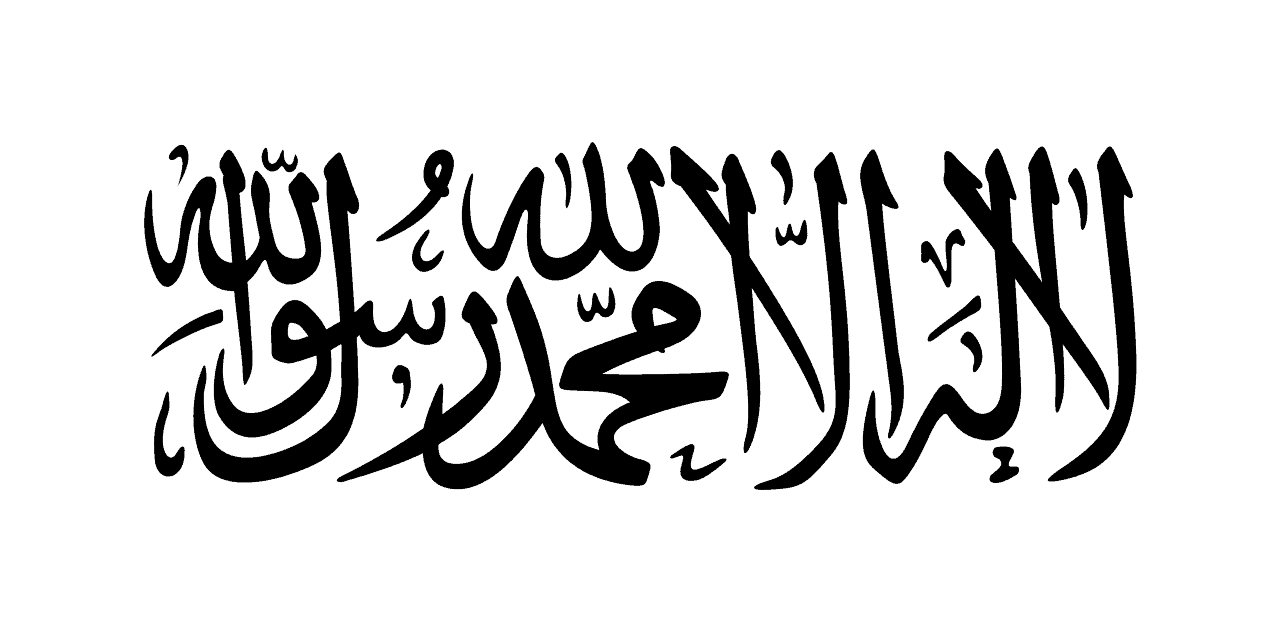
Shahada is the declaration of faith by saying in Arabic: “Ash-hadu al laa ilaaha illallahu, wa ash hadu anna muhammadan abduhu wa rasooluhu.” It means: “I bear witness there is no god to be worshiped but Allah and Muhammad is his servant and his messenger.” Testifying this is necessary for a person who wants to become a Muslim.
Umar son of Khattab (R) narrated that Jibraeel once asked, “O Muhammad! tell me what is Islam?” The Prophet (SAW) replied, “Islam is to testify that there is none worthy of worship and that Muhammad is the messenger of Allah.”
Islam does not allow its believers to follow many gods in many forms. Everything else is a creature, and the creator is only one God, who alone is worthy of worship.
Salat: The Prayer Duty

Salat is the Islamic way of praying, performed five times a day in Arabic. It starts from Takbeer and ends in salaam, with a series of standing, bowing, prostrating, and sitting. The five prayers are Fajr, Dhuhr, Asr, Maghrib, and Isha. Wudu is compulsory before every salat.
Nabi (SAW) said, “The earth has been made a place of prostration and a means of purification for me. So wherever a man of my ummah is when the time for prayer comes, let him pray” (Sunan Nasai 432). Muslims may perform salat anywhere on earth, though mosques are the common places for it.
- Fajr starts from true dawn and ends at sunrise
- Dhuhr is performed when the sun declines
- Asr is performed after Dhuhr, till the sun turns yellow
- Isha may be performed till midnight
- Maghrib starts after the sunset
These timings come from the narration of Abu Hurairah (R) in Tirmidhi Shareef, no 151. Step-by-step guides: How To Perform Salat and Wudu (Ablution).
Sawm: Fasting In Ramadan

Sawm is the obligatory fast Allah prescribes for all able and adult Muslims during the whole month of Ramadan, the ninth month of the lunar calendar. Muslims must abstain from food, drink, and sexual intercourse from dawn to sunset. It is obligatory for those who have reached puberty.
Allah says: “O you believe! Fasting is prescribed for you as it was prescribed for before you that you may become righteous” (Surah Baqarah, verse 183). This duty is not unique to Islam, as every religion has some form of it.
The fast develops self-control, patience, and God-consciousness. Each moment, a person suppresses passions and desires in loving obedience to God, and that awareness strengthens faith. Read more about Ramadan Kareem and Taraweeh Dua.
Zakat: Compulsory Charity

Zakat literally means that which purifies. It is compulsory charity, binding on all believers whose wealth is above Nisab. Zakat is 2.5% (1/40th) of a Muslim’s total savings and wealth above Nisab, based on savings and possessions, not income. By Quranic ranking it comes next after prayer in importance.
The Nisab fixed by the Prophet (SAW): gold is 20 mithqal (87.48 grams, 7.5 tolas) and silver is 200 dirhams (612.35 grams, 52.5 tolas).
The recipients of zakat according to the Quran (Surah Tawba, verse 60) are the poor and the needy, those employed to administer the funds, those whose hearts have been recently reconciled to Truth, those in bondage and in debt, in the cause of Allah, and the wayfarer.
Zakat cannot be given to parents, grandparents, children, grandchildren, husbands, wives, or non-Muslims. It cannot be used for construction of a masjid, madrasa, hospital, bridge, or any other public amenity, and it cannot be given to Bani Hashim.
Hajj: Pilgrimage To Makkah
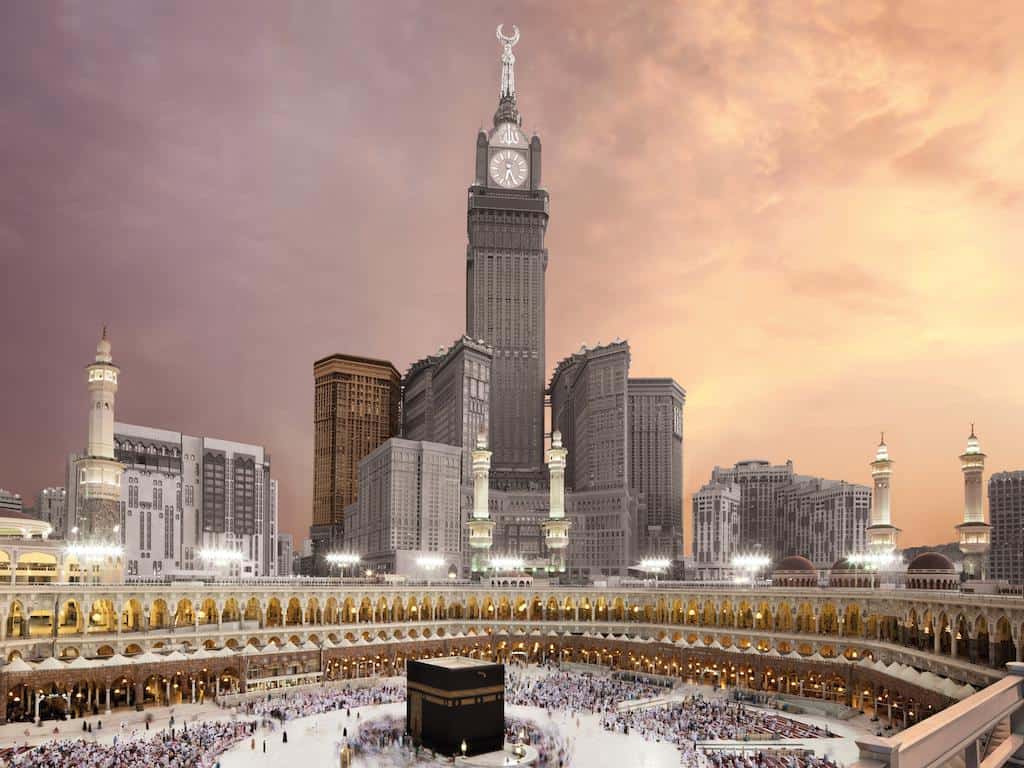
Hajj is the annual Islamic pilgrimage to Makkah, the holiest city for Muslims. It is a mandatory religious duty that must be carried out at least once in a lifetime by every adult Muslim who is physically and financially capable (Mustati) and can support their family during their absence. It occurs from the 8th to the 13th of Dhul Hijjah.
Allah says: “As a right of Allah, it is obligatory on the people to perform Hajj of the house on everyone who has the ability to manage his way to it” (Surah Ale Imran, verse 97).
The Hajj includes Ihram, Tawaf, Sayi, Wuqoof, Nahr, and Jimar. Pilgrims enter Ihram at one of five Meeqats: Zul-hulaifa, Al-juhfa (west), Qarn-al-manazil (east), Yalamlam (south), and Zat-e-irq (north). In Ihram, pilgrims wear two white seamless sheets, and all stand equal before one God.
Pilgrims perform Tawaf by walking seven times around the Kaaba and run seven times between Mount Safa and Mount Marwah (Sayee). On the 8th of Dhul Hijjah they go to Mina, then to Arafat for the Khutba of Ameer e Hajj, then Muzdalifah for the night. On the 10th they perform Rami Jimar, sacrifice animals in commemoration of Ibrahim’s sacrifice, and complete the final Tawaf e Wada in Makkah. Full guide: What Is Hajj.
Naat Download And Naat Collections
MP4 and audio naats from famous naat khwans, free to download and share.
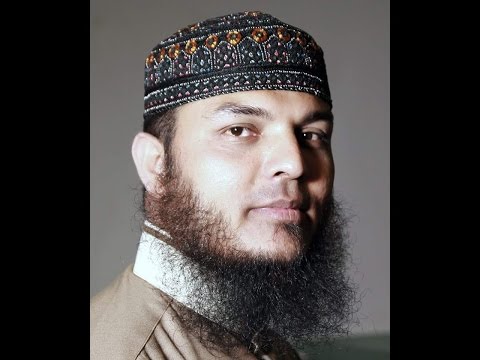 Hafiz Abu Bakar Naats
Best naats of Hafiz Abu Bakar in one collection.
Hafiz Abu Bakar Naats
Best naats of Hafiz Abu Bakar in one collection.
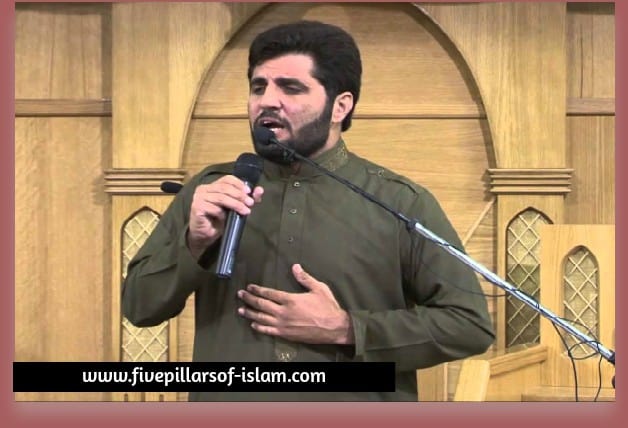 Noman Shah Bukhari Kalam
Kalam and selected recitations of Noman Shah Bukhari.
Noman Shah Bukhari Kalam
Kalam and selected recitations of Noman Shah Bukhari.
Muslim Scholars And Biographies
Life stories of scholars and personalities, written with verified details.
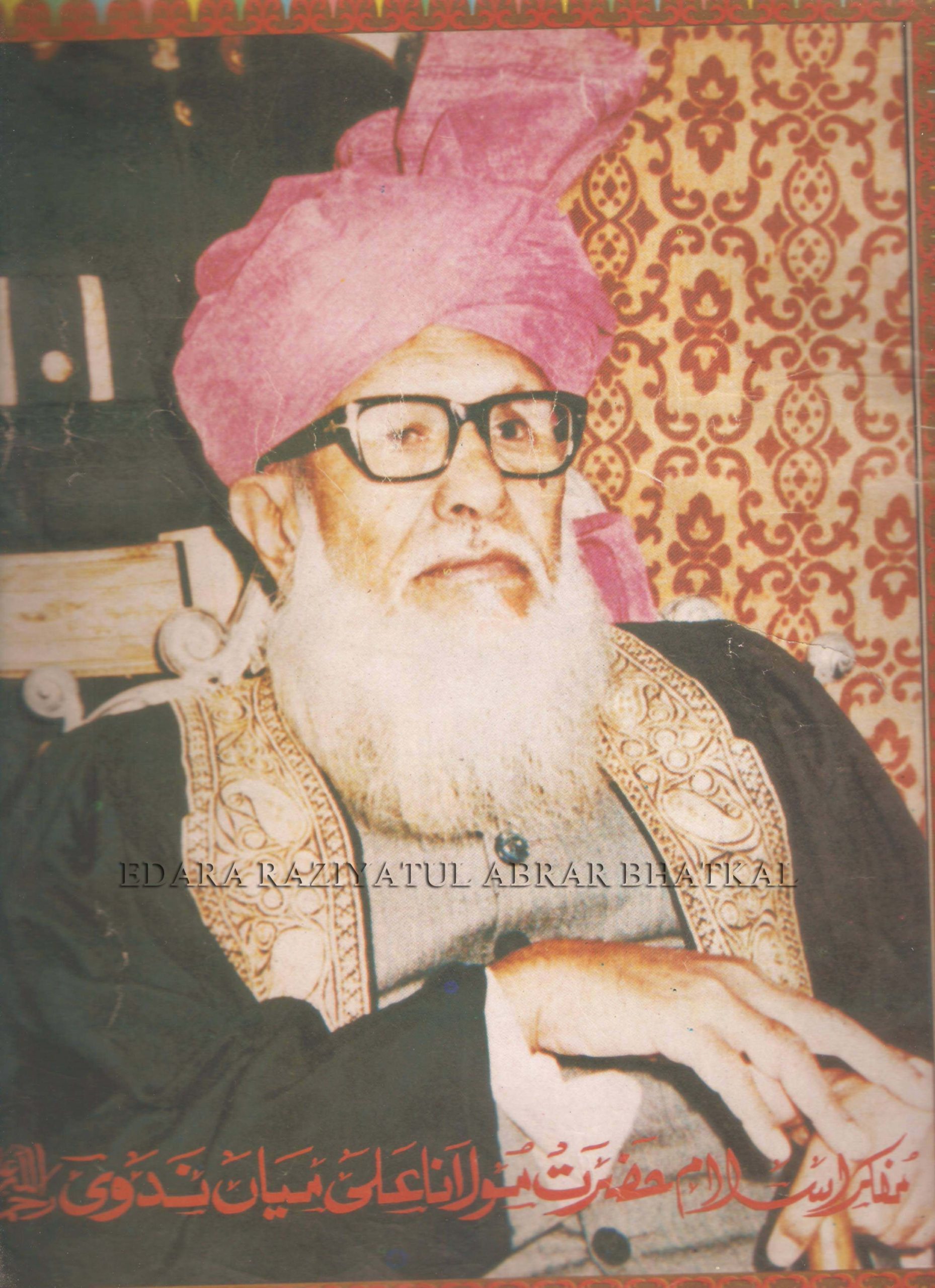 Abul Hasan Ali Mian Nadwi
Biography, books, and awards of the great scholar.
Abul Hasan Ali Mian Nadwi
Biography, books, and awards of the great scholar.
Duas And Namaz Guides
Supplications and prayer guides with Arabic text and meanings.
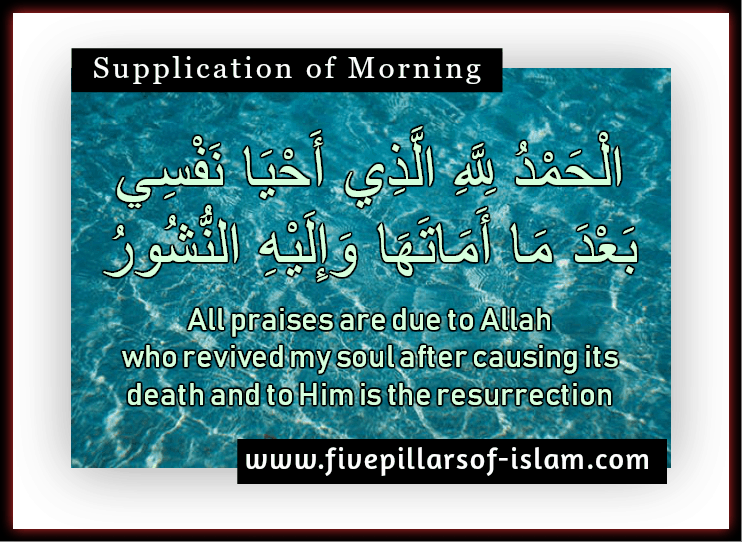 Morning Dua
Supplication for waking up in Fajr.
DD
Daily Duas
Masnoon supplications for everyday life.
Morning Dua
Supplication for waking up in Fajr.
DD
Daily Duas
Masnoon supplications for everyday life.
Islamic Quotes And Status
Short lines and status you can share on WhatsApp and social media.
