

Observed INTELSAT 14 (IS-14) Inclination Control Ceased
An automated KTOC notice for a cessation of inclination control observed in the public element sets and awaiting confirmation, detected 2026-08-27 23:02Z.


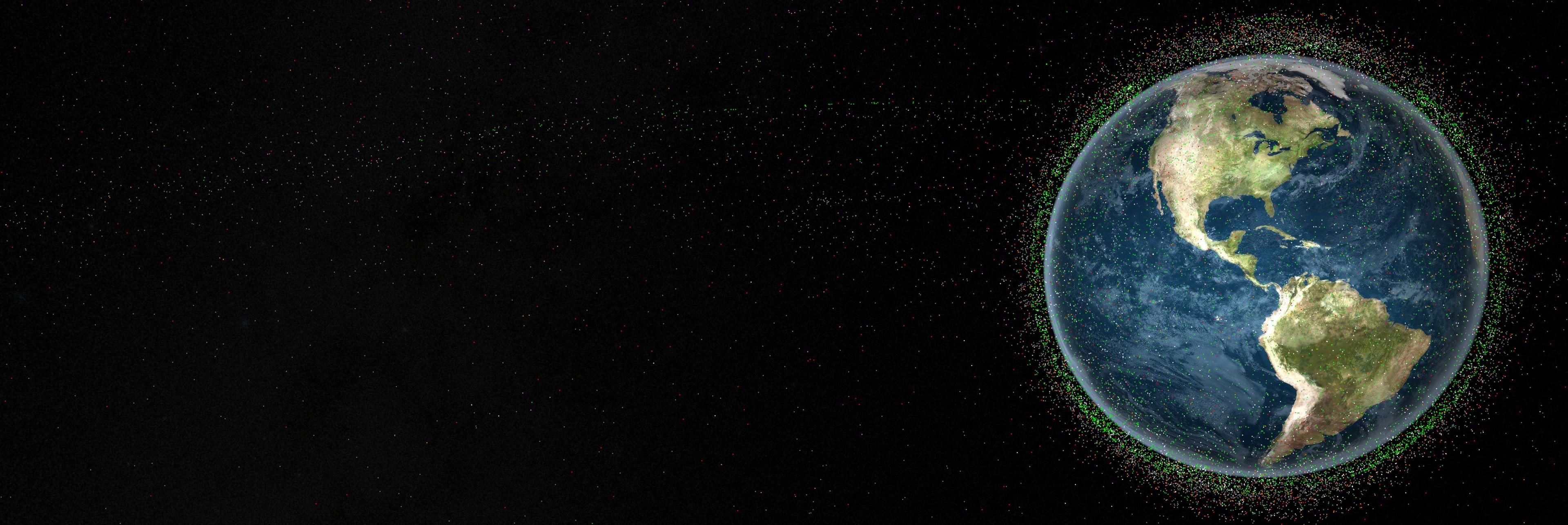
Real-Time Satellite Tracking
It's never been so easy to launch into space.

A radar on a Pacific atoll can spot a marble a thousand kilometers up. A telescope in the New Mexico desert delivers most of what the world knows about the geostationary belt. These are the ten sensors that build the catalog of everything in orbit - and the app you're reading this on renders exactly what they find.
Read the story »KeepTrack Operations Center · Automated Monitoring
Automated notices on catalog events (relocations, departures, new debris), with the element-set evidence behind each flag. Full notices are a member benefit.
An automated KTOC notice for a cessation of inclination control observed in the public element sets and awaiting confirmation, detected 2026-08-27 23:02Z.

An automated KTOC notice for a departure observed in the public element sets and awaiting confirmation, detected 2026-10-10 18:20Z. TJS-19 departed 141.3°E drifting east at 2.54°/day (11.1° net by end of leg).

An automated KTOC notice for an orbit anomaly on a non-maneuvering object observed in the public element sets and awaiting confirmation, detected 2026-09-14 17:56Z.
Expert analysis, technical guides, and the latest developments in space domain awareness

Two of every three satellites circling Earth answer to the United States, and four of every five of those are Starlinks. The real contest is for second place, where a fading superpower is about to get passed.

On October 4, 1957, the world looked up to watch Sputnik 1 cross the sky. What most people saw was the 26-meter rocket stage that put it there, and two physicists who only listened to the beeps ended up inventing satellite navigation.

In 2025 a single company launched more orbital rockets than every other country on Earth combined, and nearly all of it lifted off from just two American ranges. Here is where the world's record-breaking launch year actually happened.
Concise daily updates on launches, orbital events, and breaking space news
Deep dives and Top 10 rankings from the KeepTrack team

SpaceX was worth about $21 billion in 2017, $137 billion in January 2023, $800 billion in December 2025 and roughly $2.2 trillion as a public company in October 2026. Here is every round, tender and market milestone in one dated table.

SpaceX has not set a date for Starship Flight 15 as of October 2026. Flight 14 on September 28 was the first Starship to reach orbit and deploy real Starlink satellites. Here is the full flight log and what to watch next.

Sea Launch went bankrupt flying 36 missions from a converted oil rig. China's Oriental Spaceport in Haiyang has run 27 sea launches without a failure, and it builds the rockets a few kilometers from the pier. Inside the ships, the solid rockets, and the orbital mechanics that turned a dead idea into a working piece of China's launch machine.

In 2015 a Russian satellite parked between two Intelsat spacecraft and stayed five months without a word. A second one followed in 2023, and the first broke apart in January 2026.

Yes. SpaceX has traded on the Nasdaq as SPCX since June 12, 2026, and it closed at $162.57 on October 9. Here is how the ticker works, what the price has done, and the indirect routes that still exist.

Space-Track's latest TIP puts the reentry of ISRO's SpaDeX satellite SDX02 at 23:05 UTC on 12 October 2026, with a one-hour window.
Start with the basics or dig through the archive
KeepTrack is built in the open. Talk satellites with us, follow development, and never miss an article.
KeepTrack is free and open source. Starring the repo helps more people find it.
Star on GitHub