Odysseus Elytis
Facts
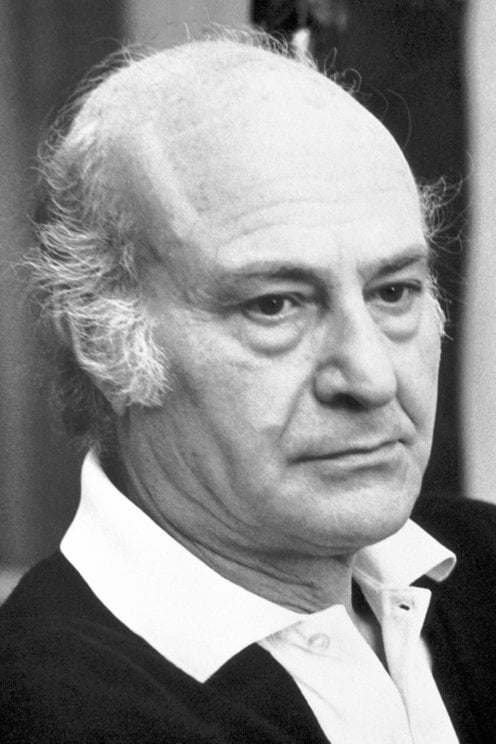
Photo from the Nobel Foundation archive.
Odysseus Elytis
Nobel Prize in Literature 1979
Born: 2 November 1911, Iráklion, Crete (now Greece)
Died: 18 March 1996, Athens, Greece
Residence at the time of the award: Greece
Prize motivation: “for his poetry, which, against the background of Greek tradition, depicts with sensuous strength and intellectual clear-sightedness modern man's struggle for freedom and creativeness”
Language: Greek
Prize share: 1/1
Life
Odysseus Elytis was born in 1911 on the Greek island of Crete. The family later moved to Athens. After finishing his secondary school studies there, Elytis studied law at the University of Athens. He immediately attracted attention when he published his poems in the magazine Nea Grammata (New Culture) in the 1930s. Elytis took part in World War II, fighting against Mussolini’s troops in Albania. When the Greek military junta seized power in his native country in 1967, he chose to take up residence in Paris, where he became acquainted with several artists and writers. When the dictatorship fell in 1974, he returned to Greece.
Work
In the poetry of Odysseus Elytis, influences of surrealism meet traditional Greek literature. The sun plays a central role in his early works. His poems celebrate light, the turquoise sea, the rocky landscape and the ancient ruins of Elytis’ native country. Elytis’ experiences during World War II introduced a darker element into his poetic world. One of his most prominent works is Axion esti (1959) (It Is Worthy), in which poetry and prose intermingle as in old Byzantine liturgy.