“Chud Thai: Knowledge, Craftsmanship, and Practices of the Thai National Costume”
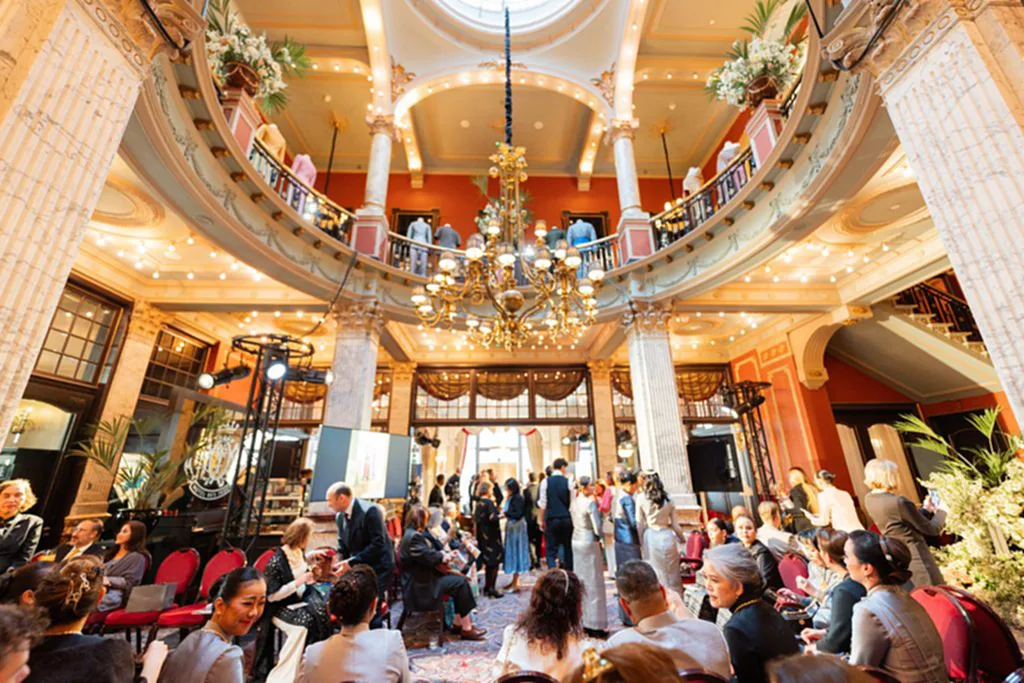
9 April 2026, Hotel Des Indes, The Hague, Kingdom of the Netherlands
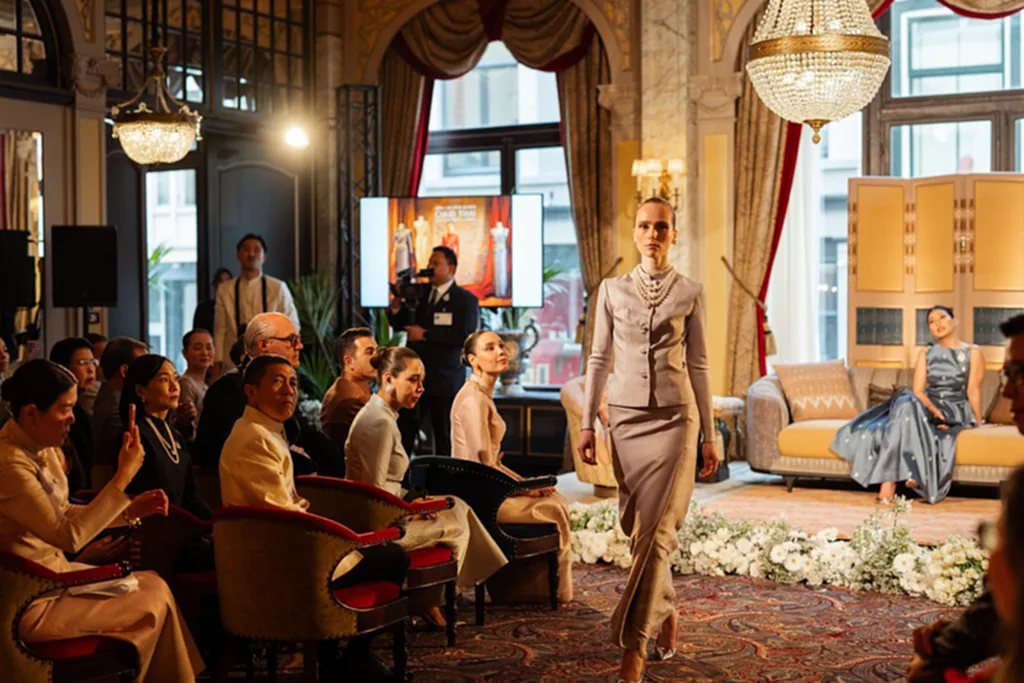
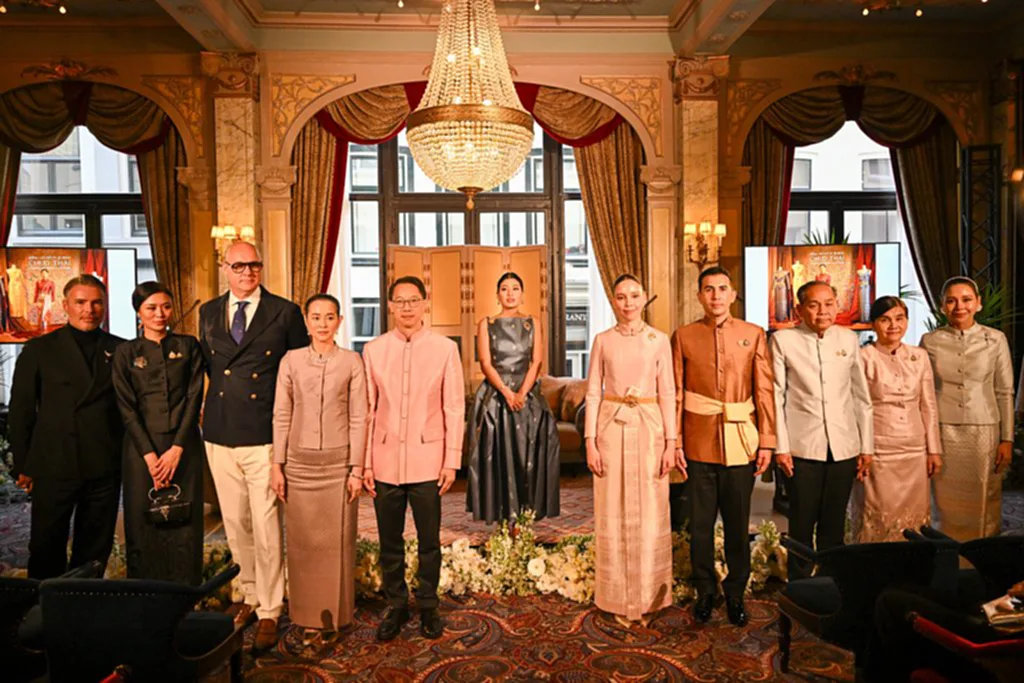
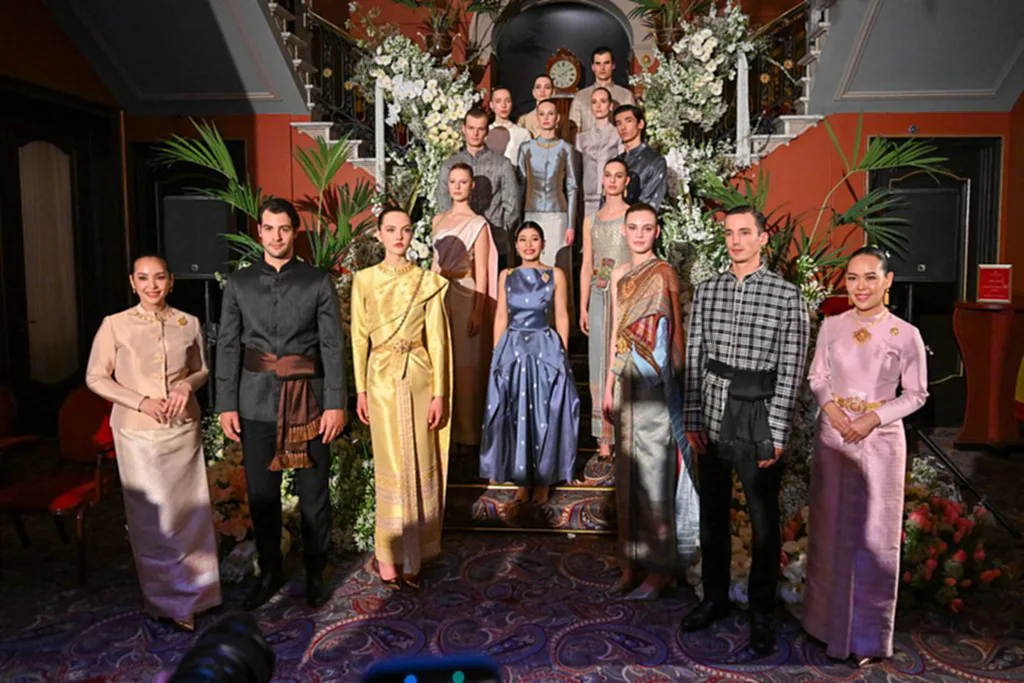
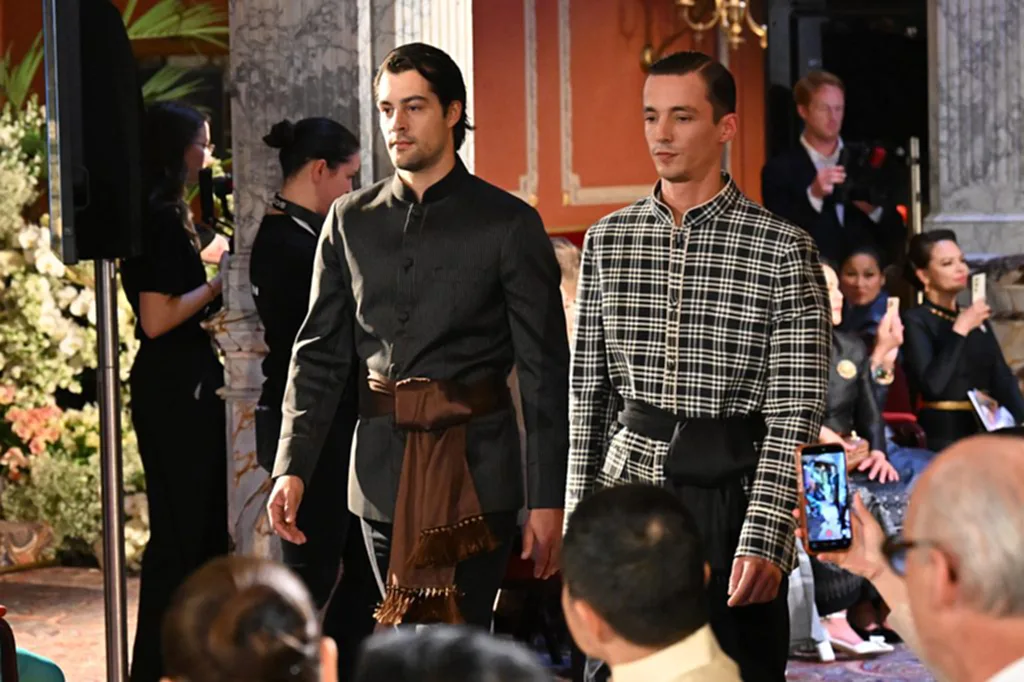
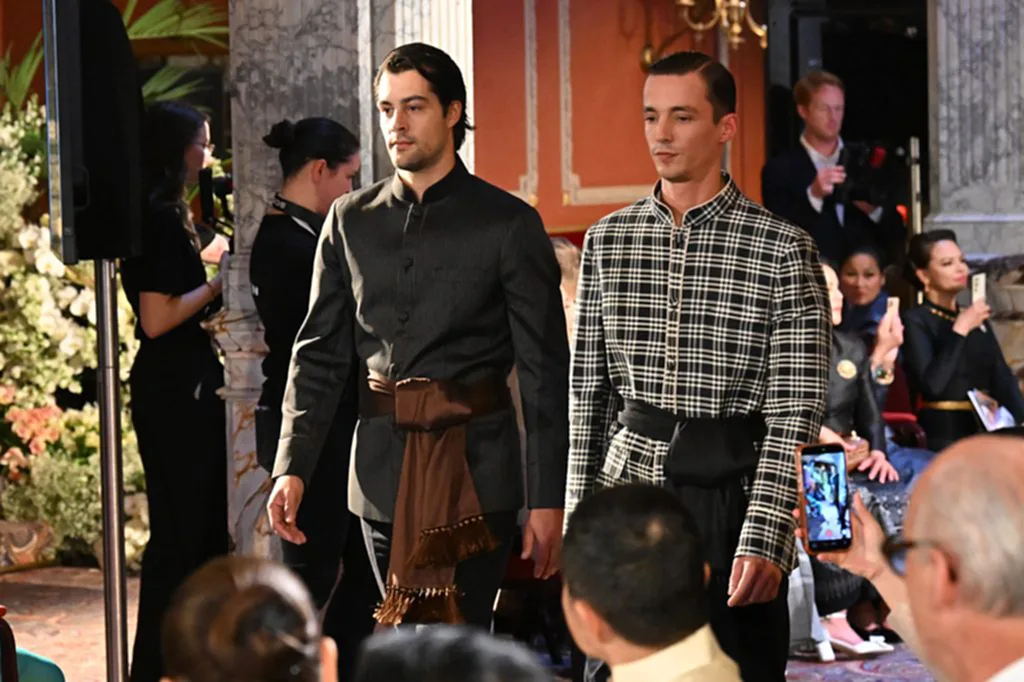
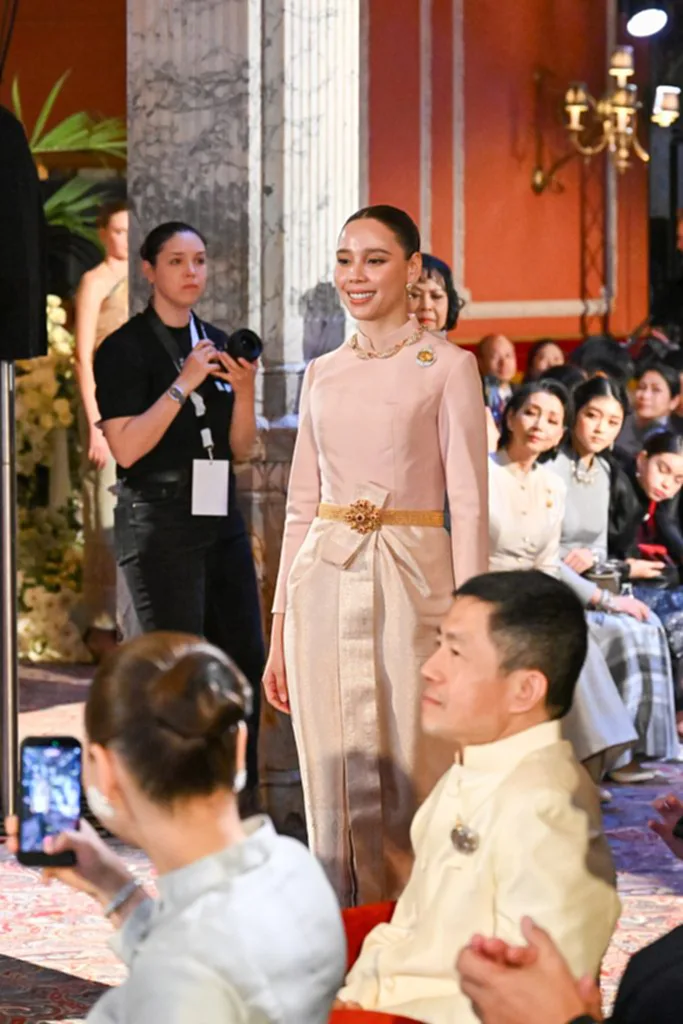
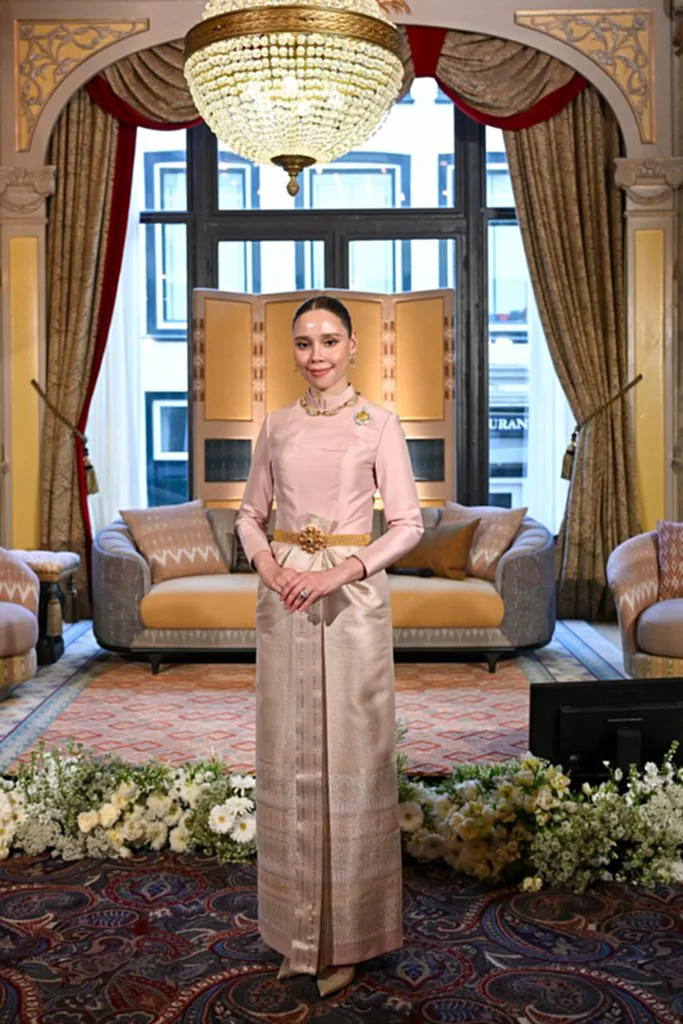
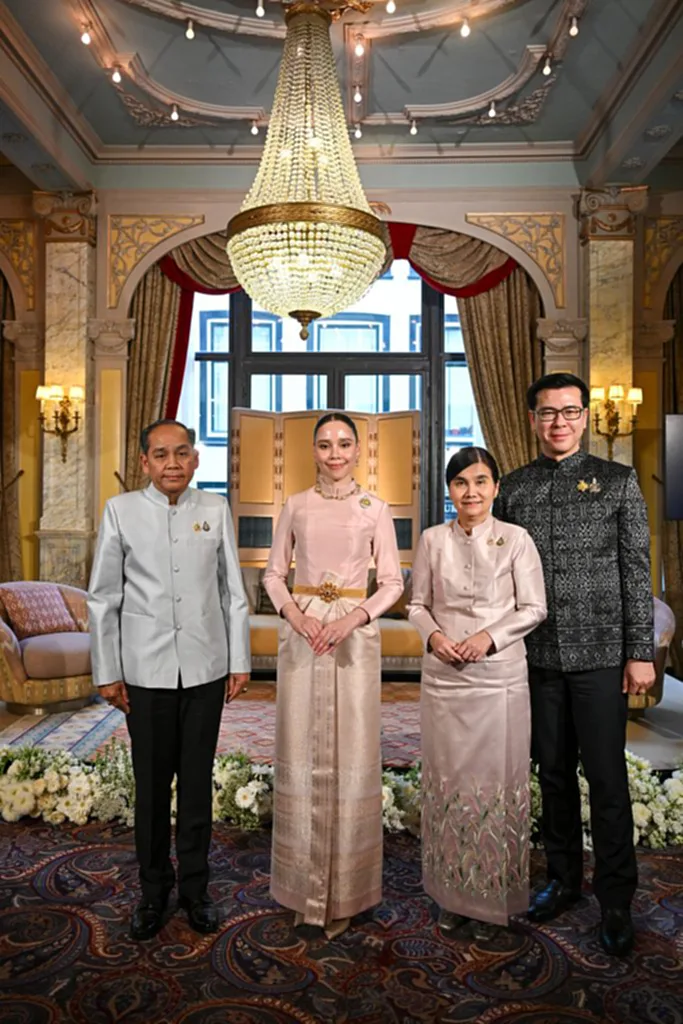
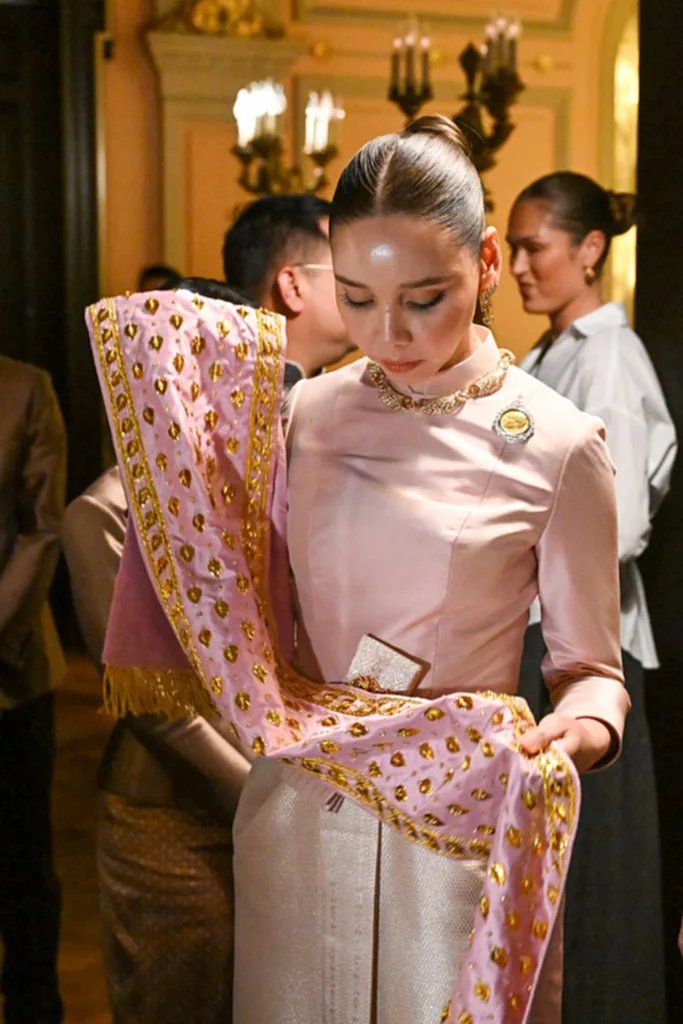
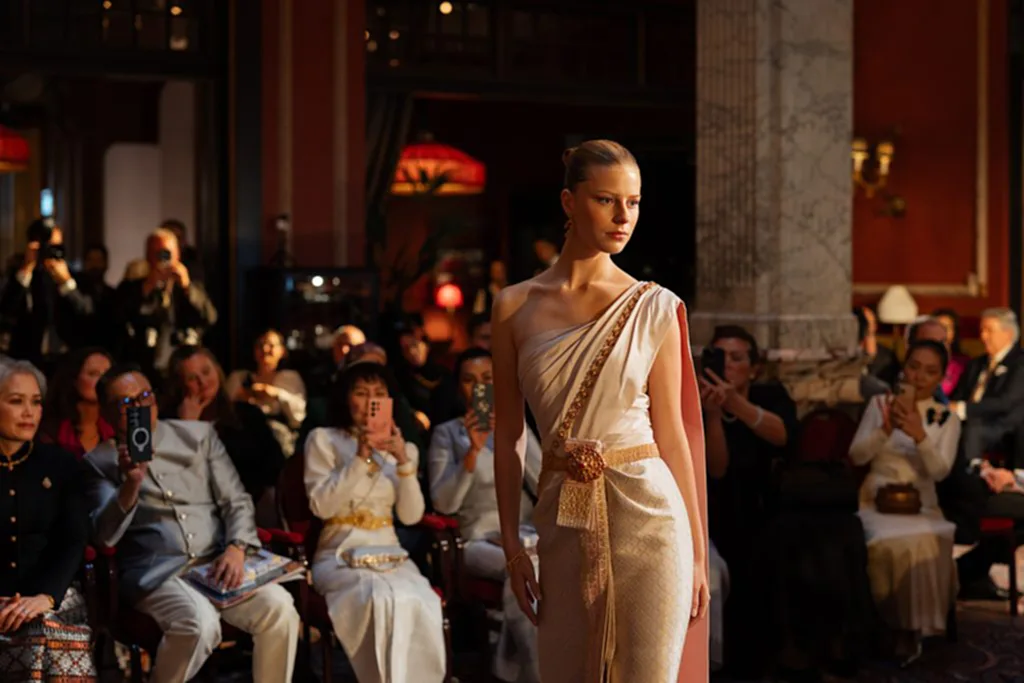
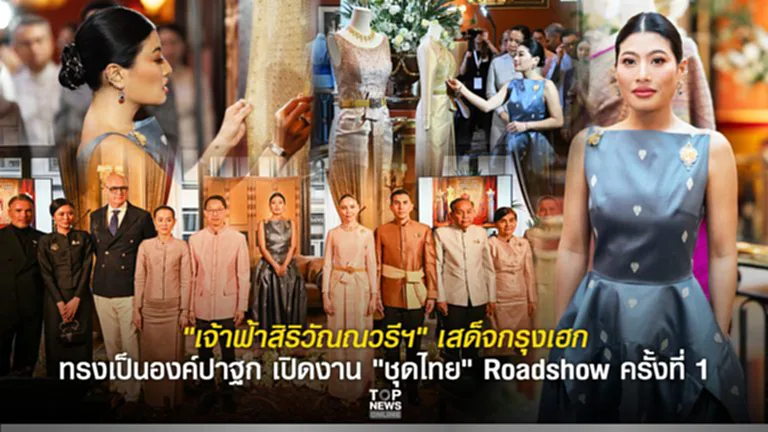
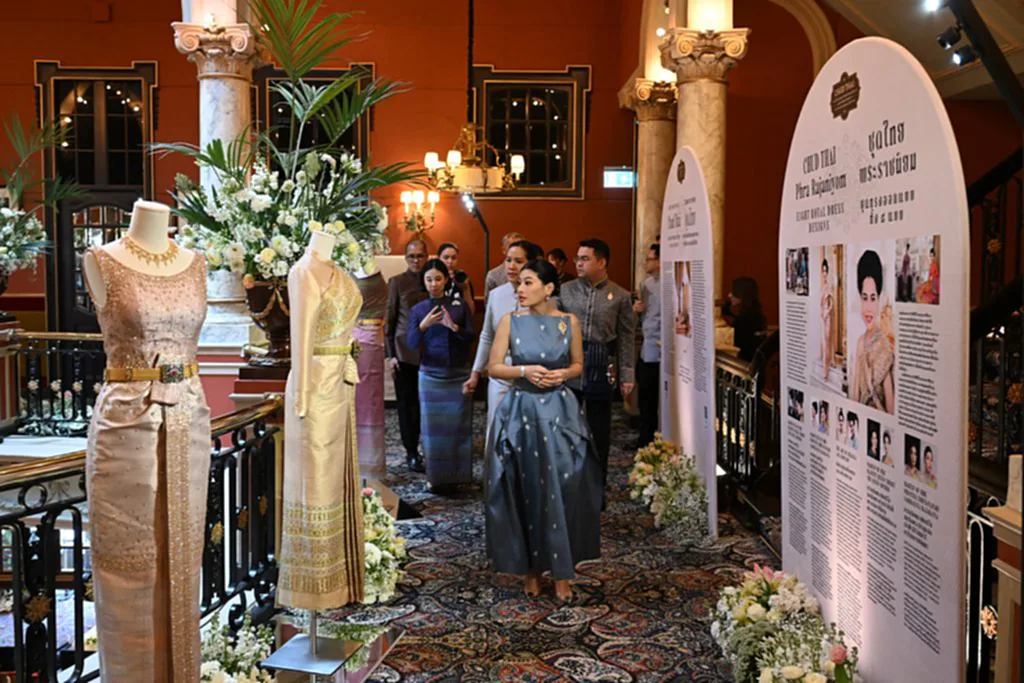
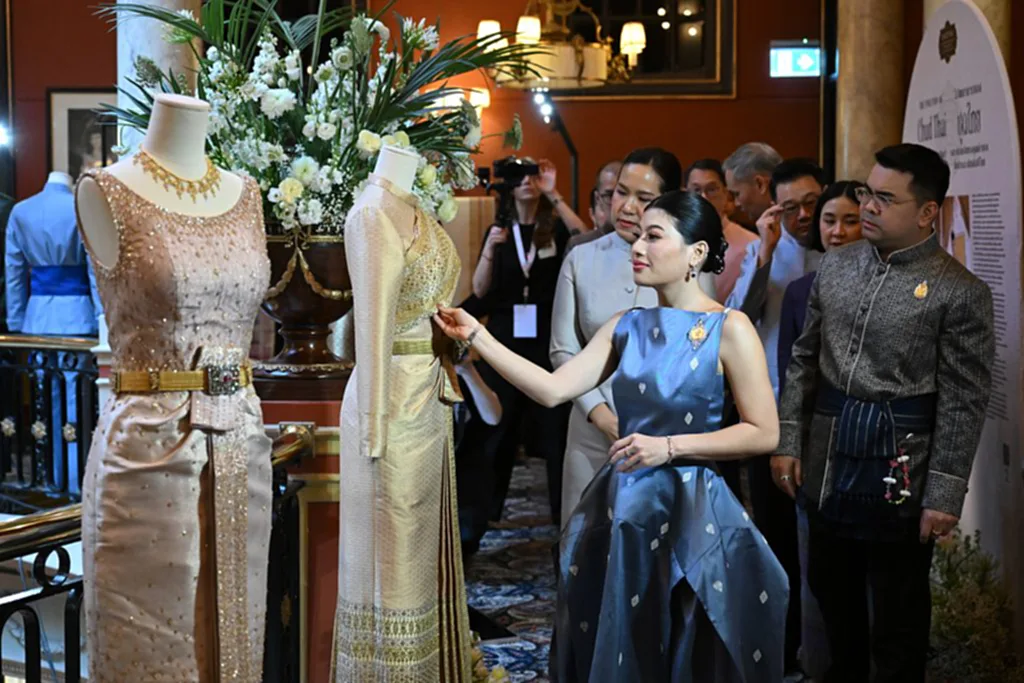
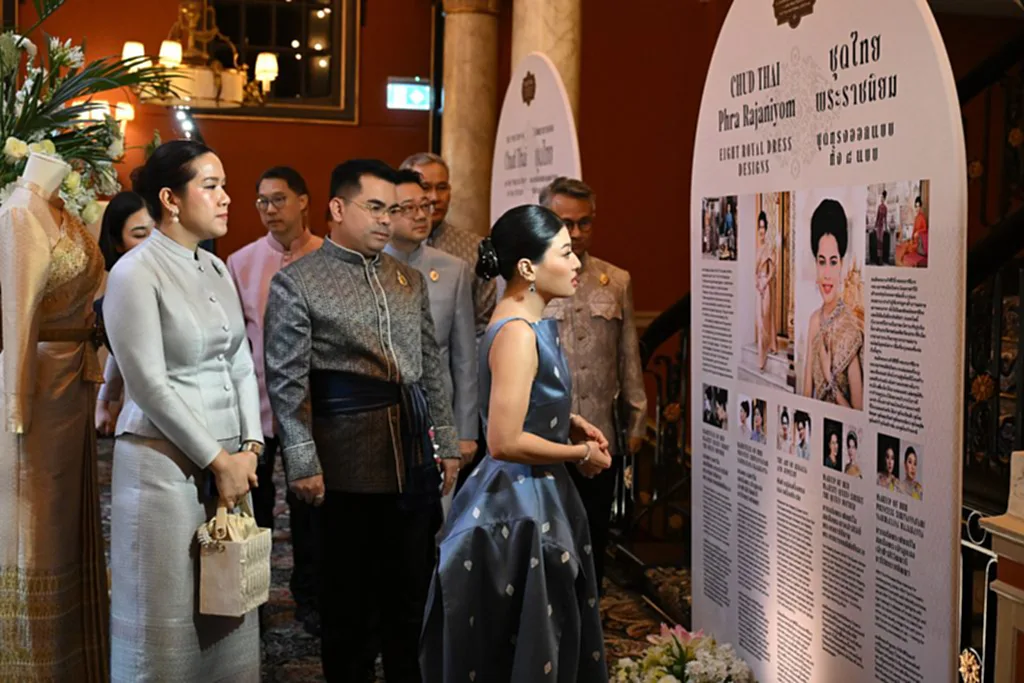
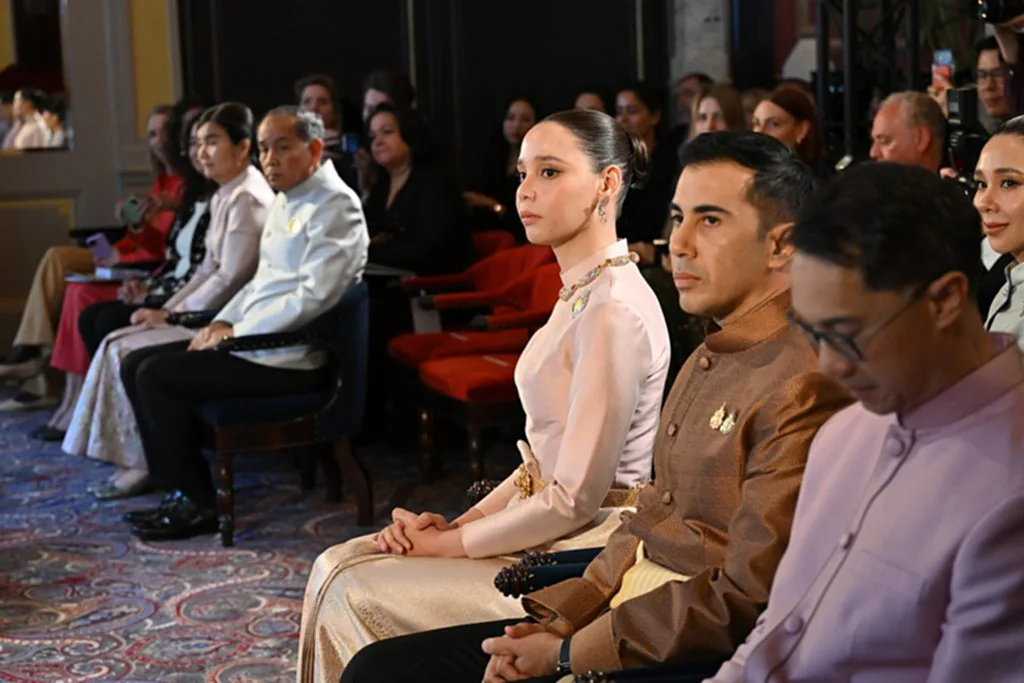
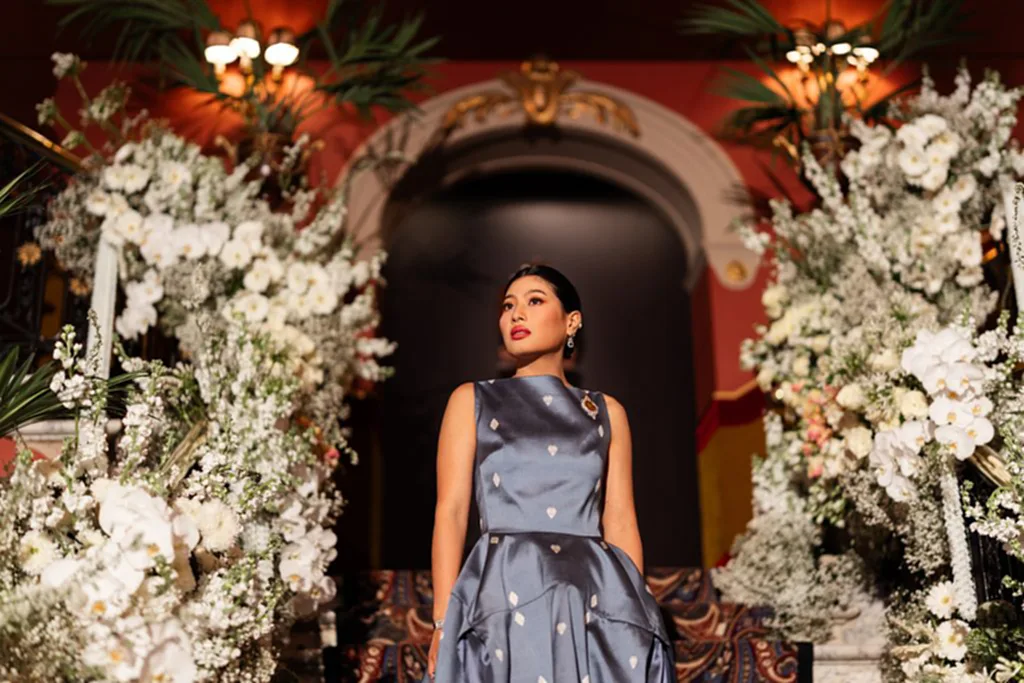
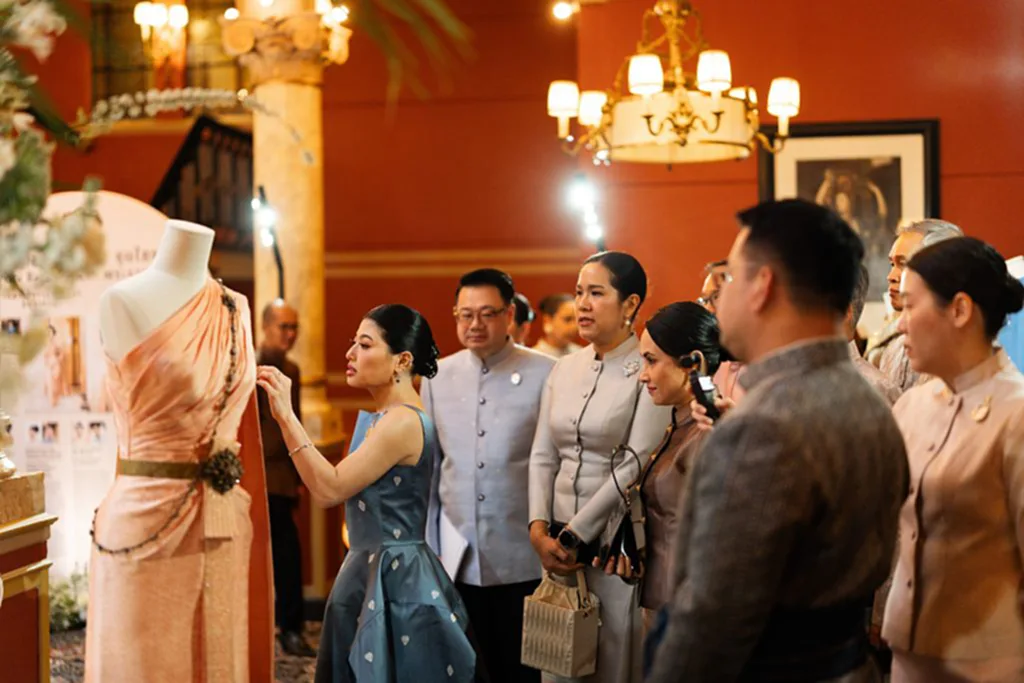
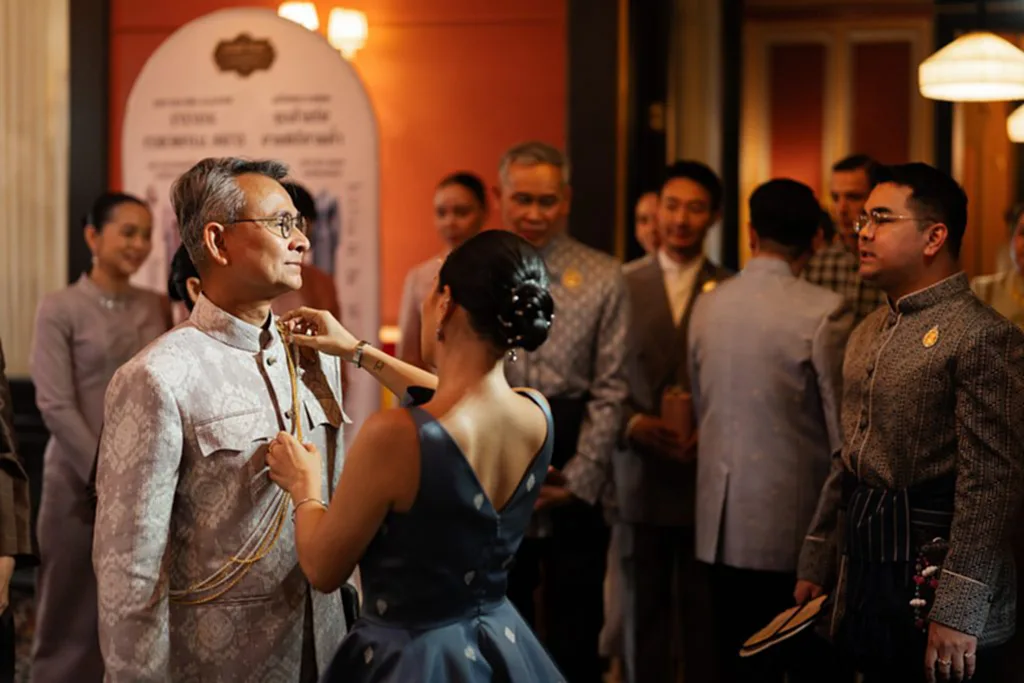
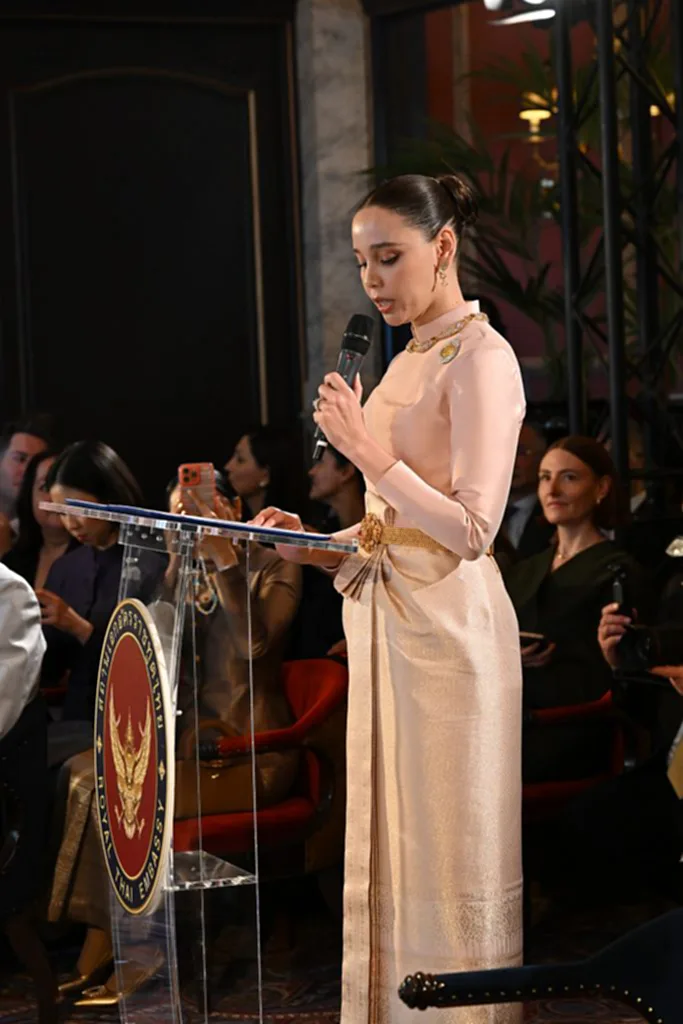
On 9 April 2026 at Hotel Des Indes, The Hague, Kingdom of the Netherlands, Her Royal Highness Princess Sirivannavari Nariratana Rajakanya graciously delivered the keynote address at the academic forum and knowledge transmission on Chud Thai Phra Rajaniyom, and delivered a lecture on the topic “The Evolution of Thai Costume and Thai Textiles,” accompanied by a presentation of all eight styles of Chud Thai Phra Rajaniyom and three styles of Phra Rajathan shirt for men. This event formed part of the first international roadshow under the project “Promotion of Thai National Costume: Thai Textile Wisdom and Craftsmanship on the Global Stage,” organized by the Department of Cultural Promotion, Ministry of Culture.
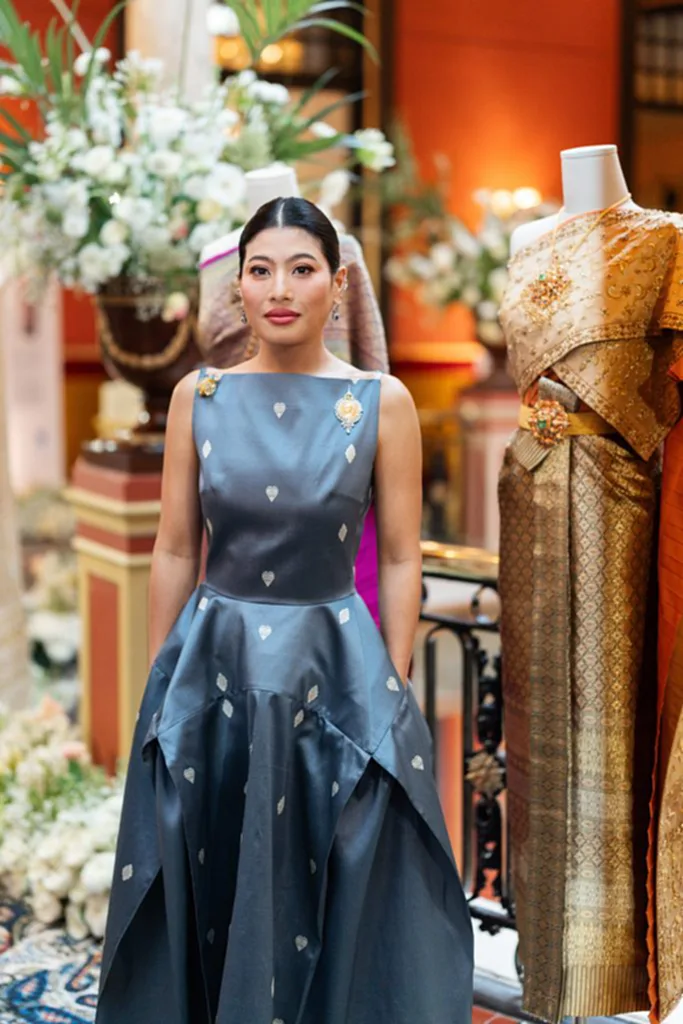
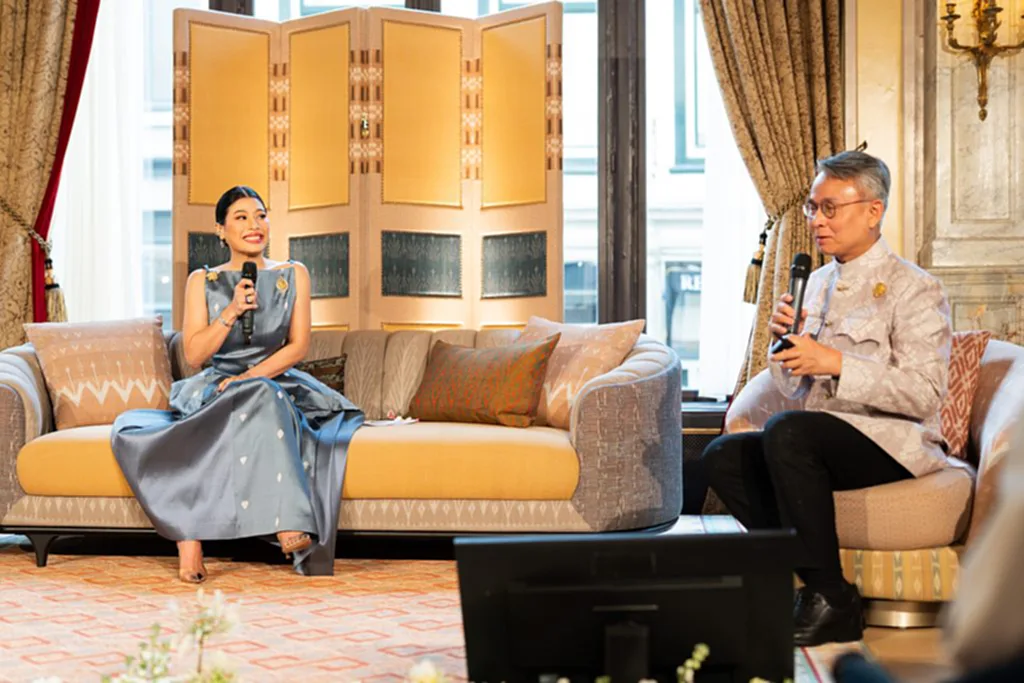
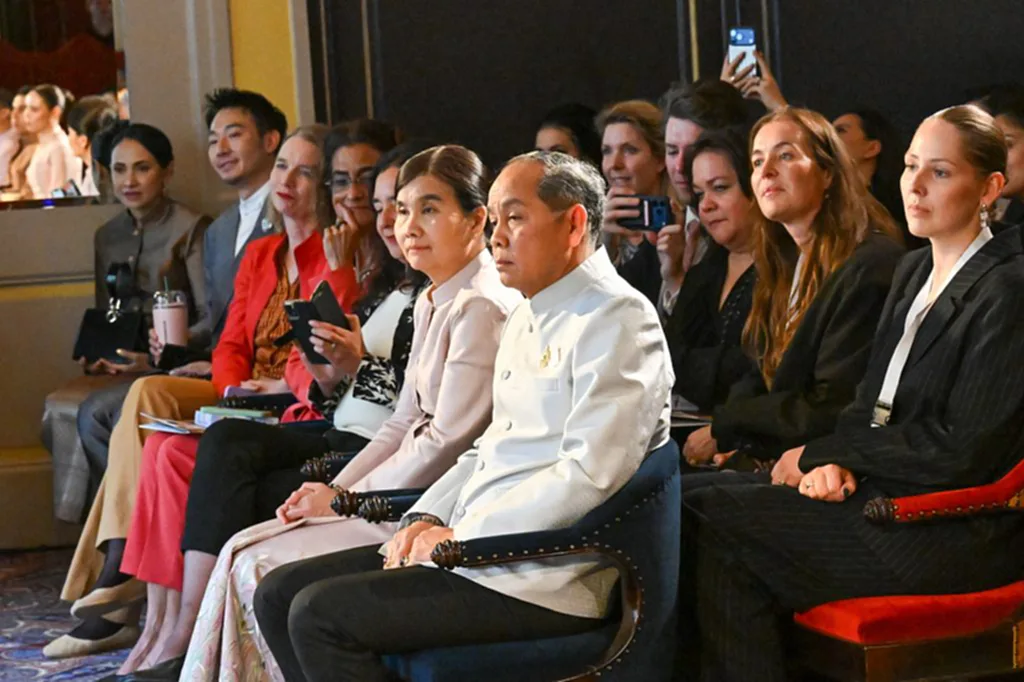
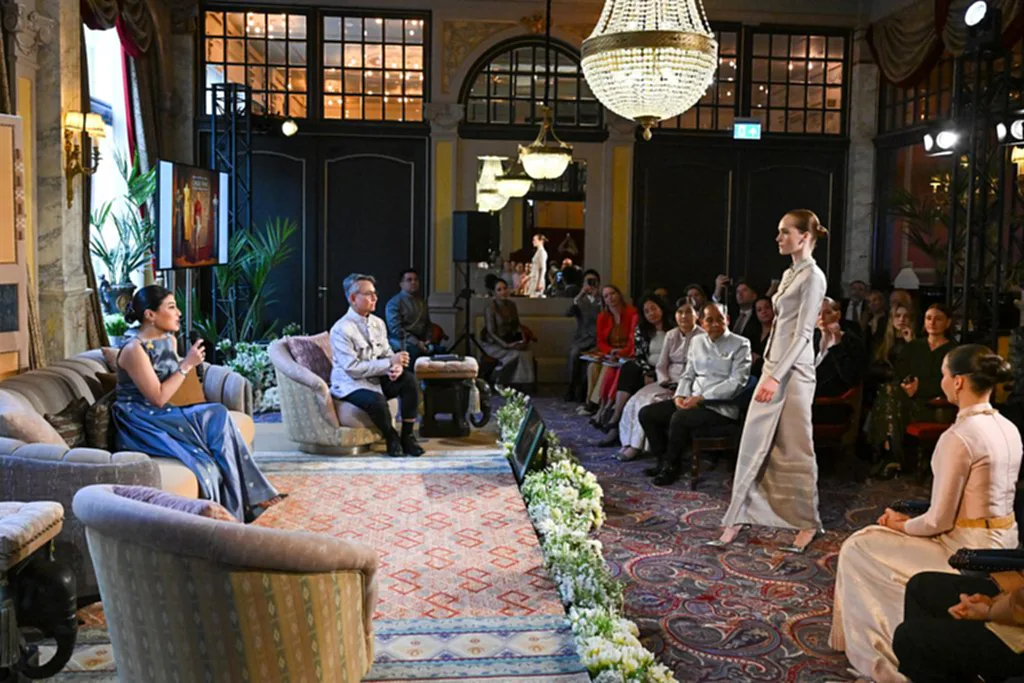
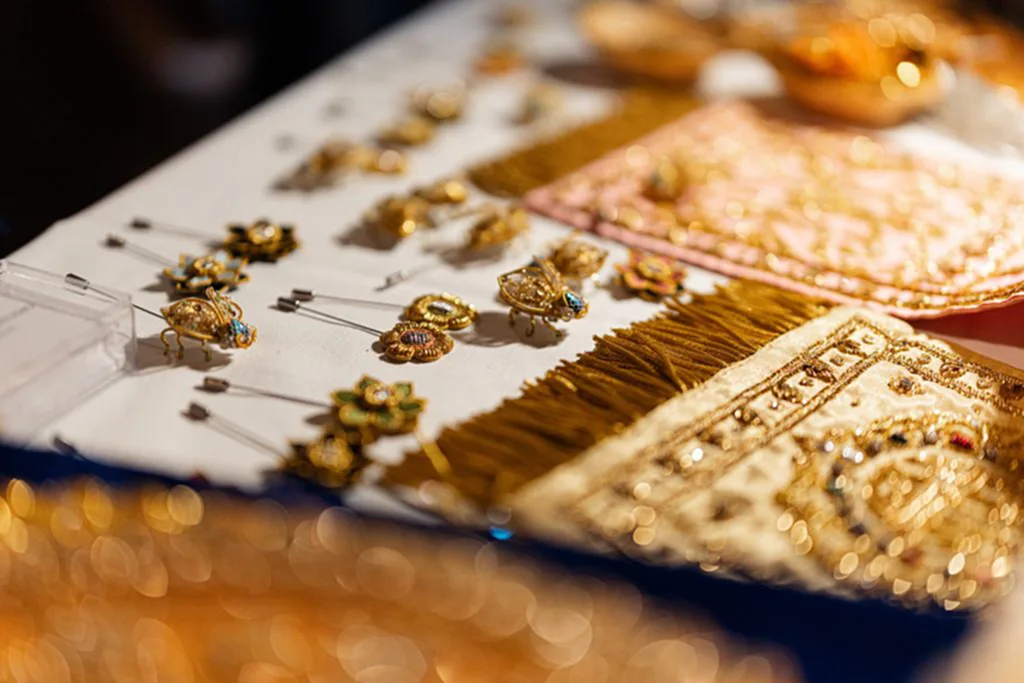
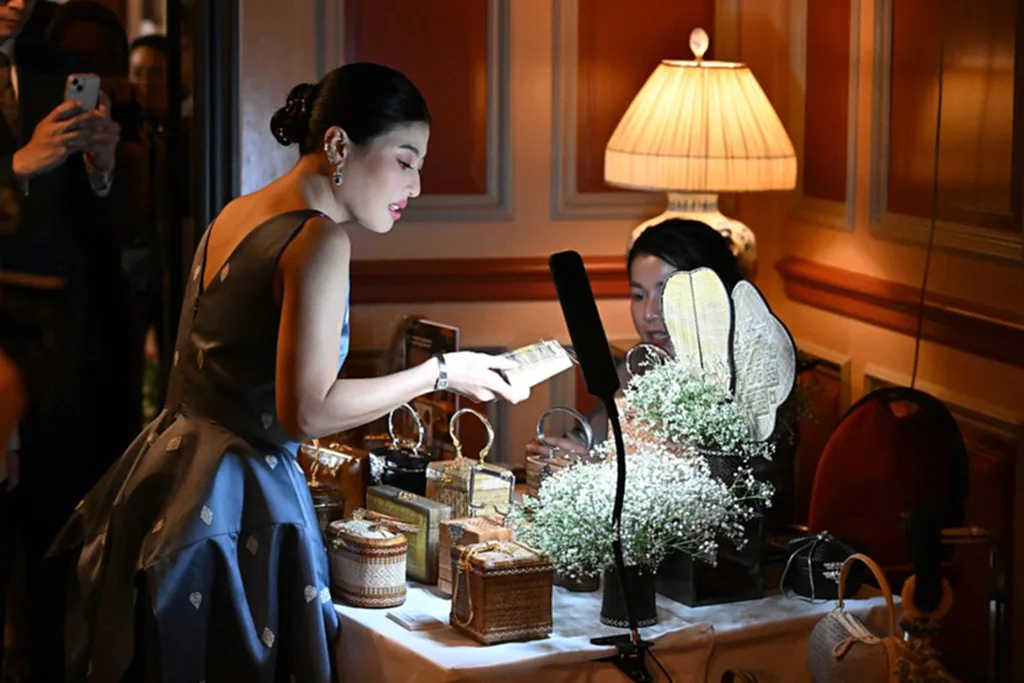
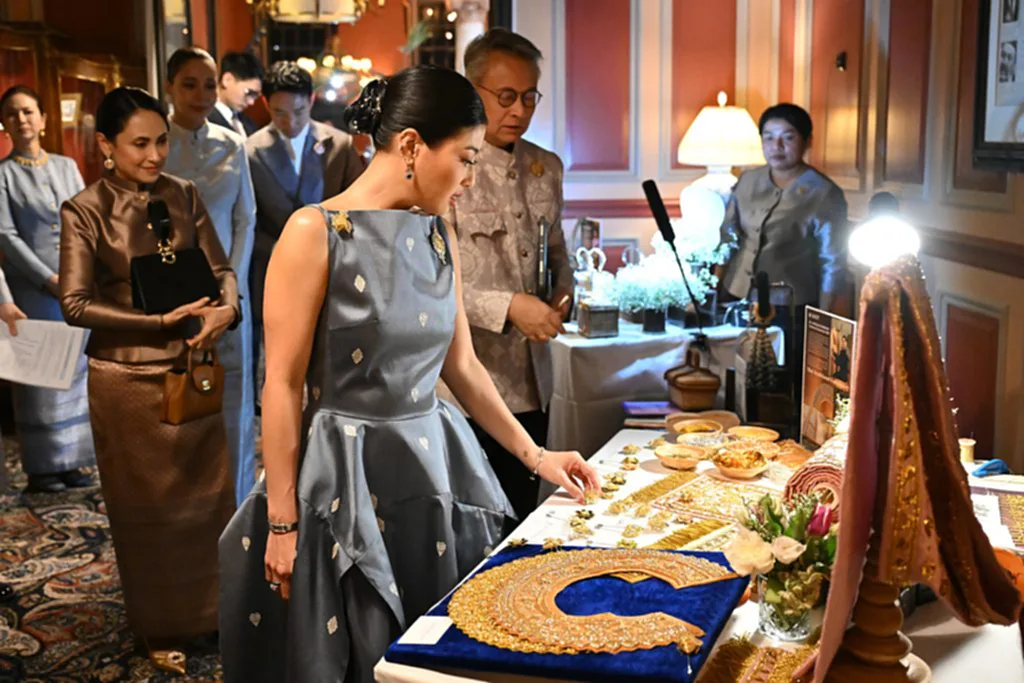
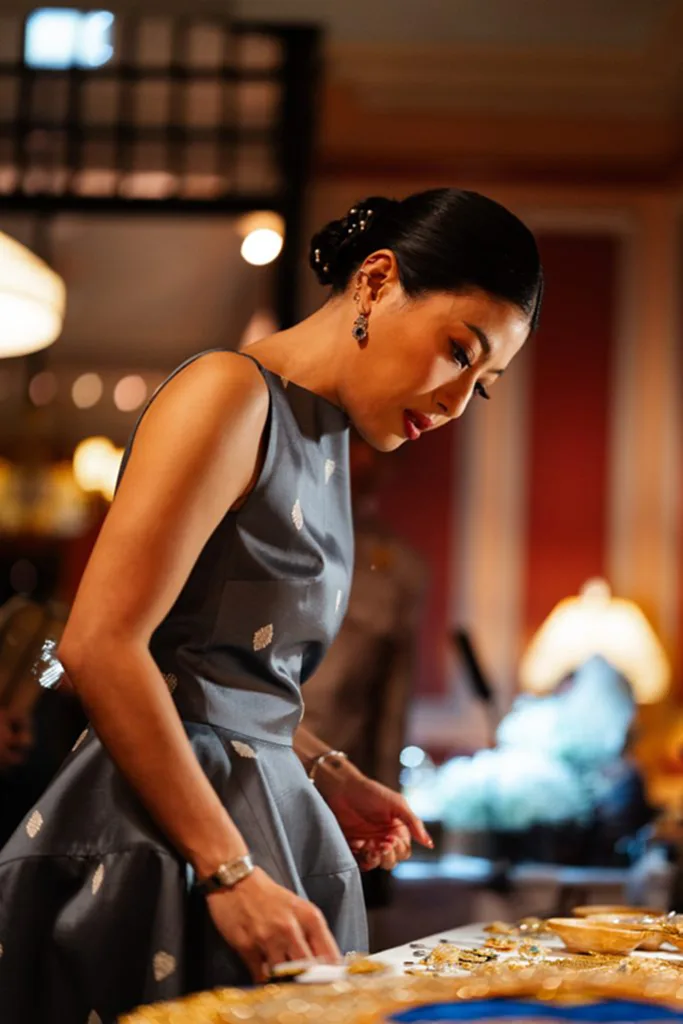
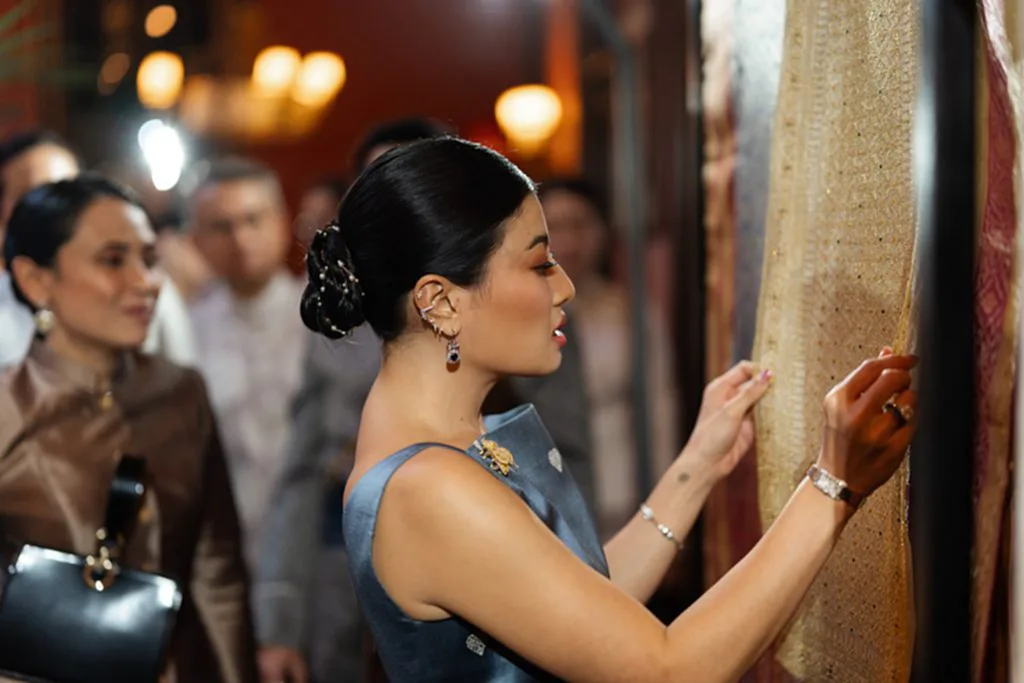
The event also featured demonstrations of traditional Thai craftsmanship, including Yan Liphao (Climbing Fern) basketry and gold and silver thread embroidery, presented by the Sustainable Arts and Crafts Institute of Thailand (Public organization)-SACIT, as well as an exhibition of Chud Thai Phra Rajaniyom in collaboration with the Queen Sirikit Museum of Textiles. All activities were presented as contemporary design works reflecting artistic structure, not merely as historical objects but as living heritage capable of continuous development.
The foundation for the development of Chud Thai onto the global stage originates from the royal initiative of Her Majesty Queen Sirikit The Queen Mother, who has been committed to preserving and continuing the nation’s artistic and cultural heritage, particularly in attire as a key element of Thai identity. With Her vision and exceptional insight, Her Majesty systematically studied Thai dress, both within the royal court and across different periods. Her Majesty graciously commissioned experts in history and design to collaboratively develop “Chud Thai Phra Rajaniyom” as a standard form of dress for Thai women, appropriate in both cultural and contemporary contexts.
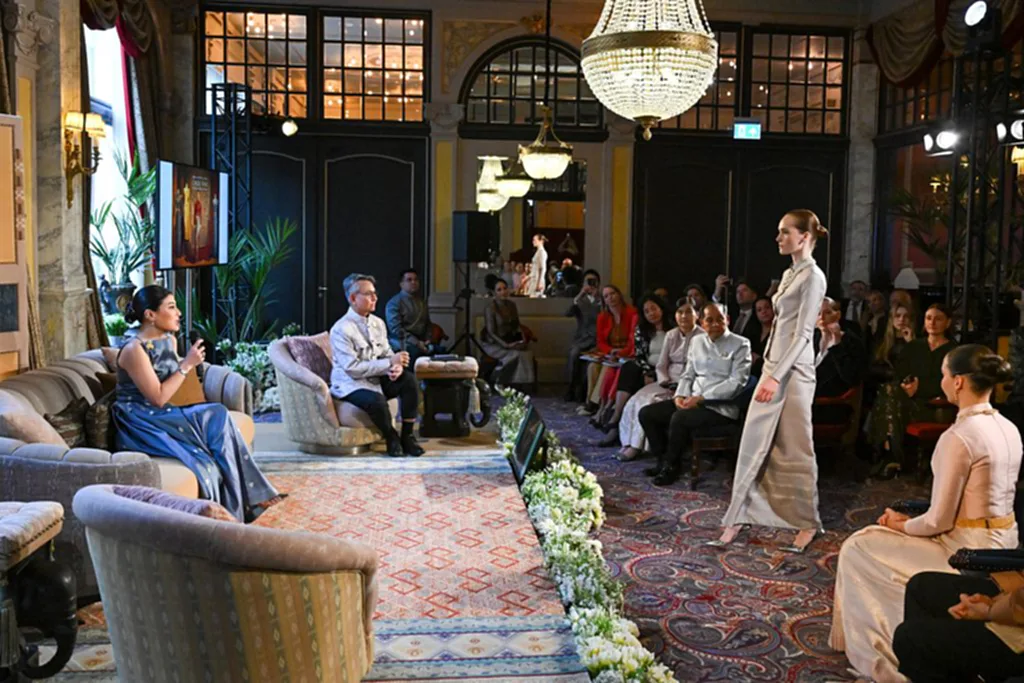
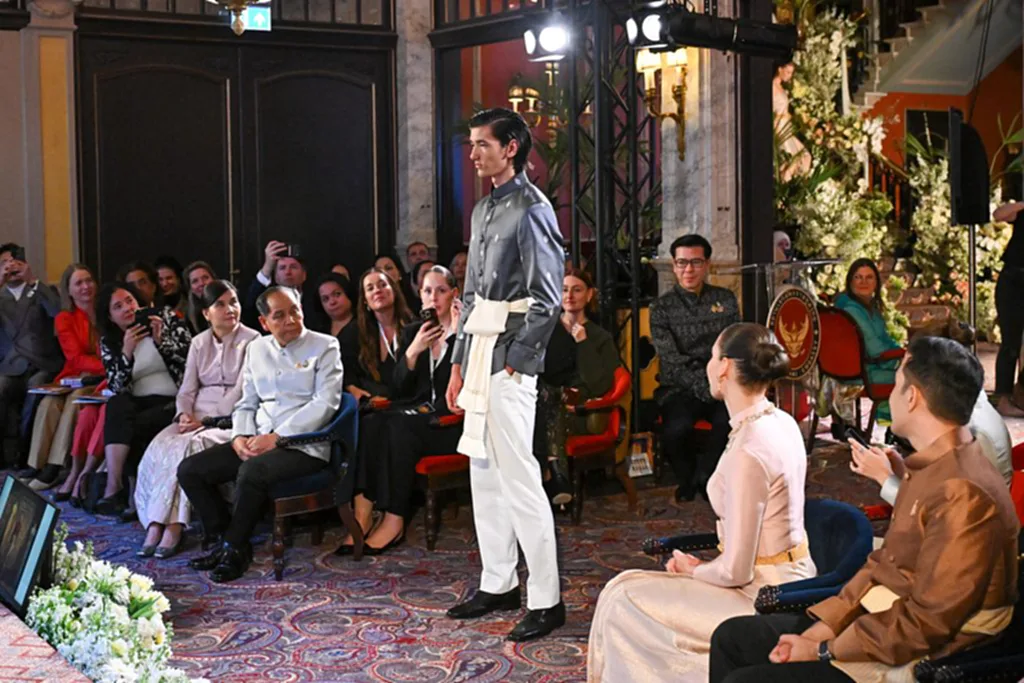
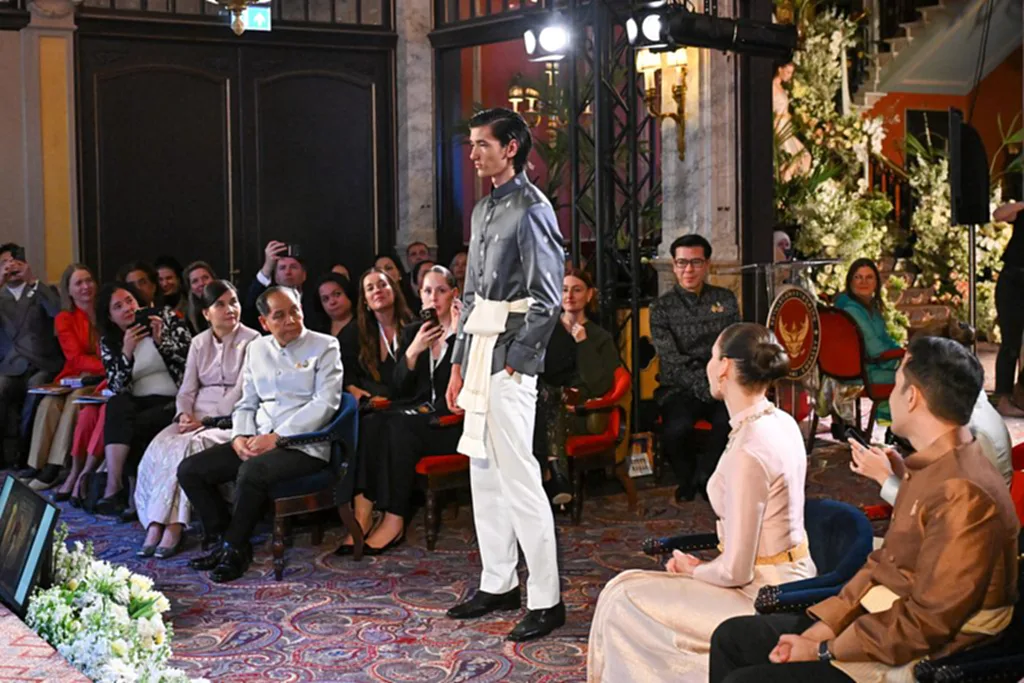
Chud Thai Phra Rajaniyom comprises eight styles: Chud Thai Ruean Ton, Chud Thai Chitralada, Chud Thai Amarin, Chud Thai Boromphiman, Chud Thai Dusit, Chud Thai Chakri, Chud Thai Siwalai, and Chud Thai Chakraphat. These styles are named after royal residences within the Grand Palace and Dusit Palace. In addition, there are three styles of Phra Rajathan shirts for men, reflecting dignity and pride, as well as the long-standing development of Thai costume heritage.
Throughout the years, Her Majesty Queen Sirikit The Queen Mother has worn Chud Thai Phra Rajaniyom on numerous occasions, using attire as a cultural medium to convey Thailand’s image internationally, particularly during official visits to the United States and European countries, including the Netherlands, in 1960. Chud Thai Phra Rajaniyom gained international admiration and recognition, and led to collaboration with Pierre Balmain, the French designer who played a key role in presenting the beauty of Thai silk through haute couture.
In 2024, the Cabinet approved the submission of “Chud Thai: Knowledge, Craftsmanship, and Practices of the Thai National Costume” to UNESCO for consideration for inscription on the Representative List of the Intangible Cultural Heritage of Humanity, at the 21st session of the Intergovernmental Committee, to be held from 30 November to 5 December 2026 in Xiamen, People’s Republic of China.
Chud Thai Phra Rajaniyom is therefore regarded as a highly valuable cultural heritage graciously bestowed upon the Thai people. It represents the origin of Thai identity development in a global context and continues to inspire further development in all dimensions. Today, Chud Thai Phra Rajaniyom continues to be preserved and developed, reflecting the dynamic nature of Thai culture that adapts to changing times while maintaining its essence. This presentation is not merely an act of preservation, but a reinterpretation in a contemporary dimension, where craftsmanship becomes cultural capital and Thai identity is conveyed as a living value, ready to achieve sustainable recognition on the global stage.