


DLSS (or Deep Learning Super Sampling) has revolutionized PC gaming, bringing features that previously were performance-killing, such as ray tracing, to more consumers without the need to upgrade to expensive new hardware. It has allowed regular gamers to enjoy smoother framerates with AI-upscaled frames, without having to significantly compromise visual fidelity. It has been a big hit among many gamers. With each new iteration, the feature set and technology have continued to improve, and DLSS has been slowly but surely cementing its place not only as an exciting new technology for gamers, but as one of the few consumer-focused, day to day uses of AI that real people can take advantage of right now.
DLSS has gone from strength to strength since its introduction in September 2018, and with NVIDIA increasingly pivoting to an 'AI company that makes graphics cards for gaming,' there doesn't seem to be a sign of slowdown anytime soon. With that in mind, here are (in no particular order) some reasons why I think that DLSS is still one of the most revolutionary technologies in PC gaming.
3 The performance boosts are more meaningful than ever

Source: Samsung 
Source: HP 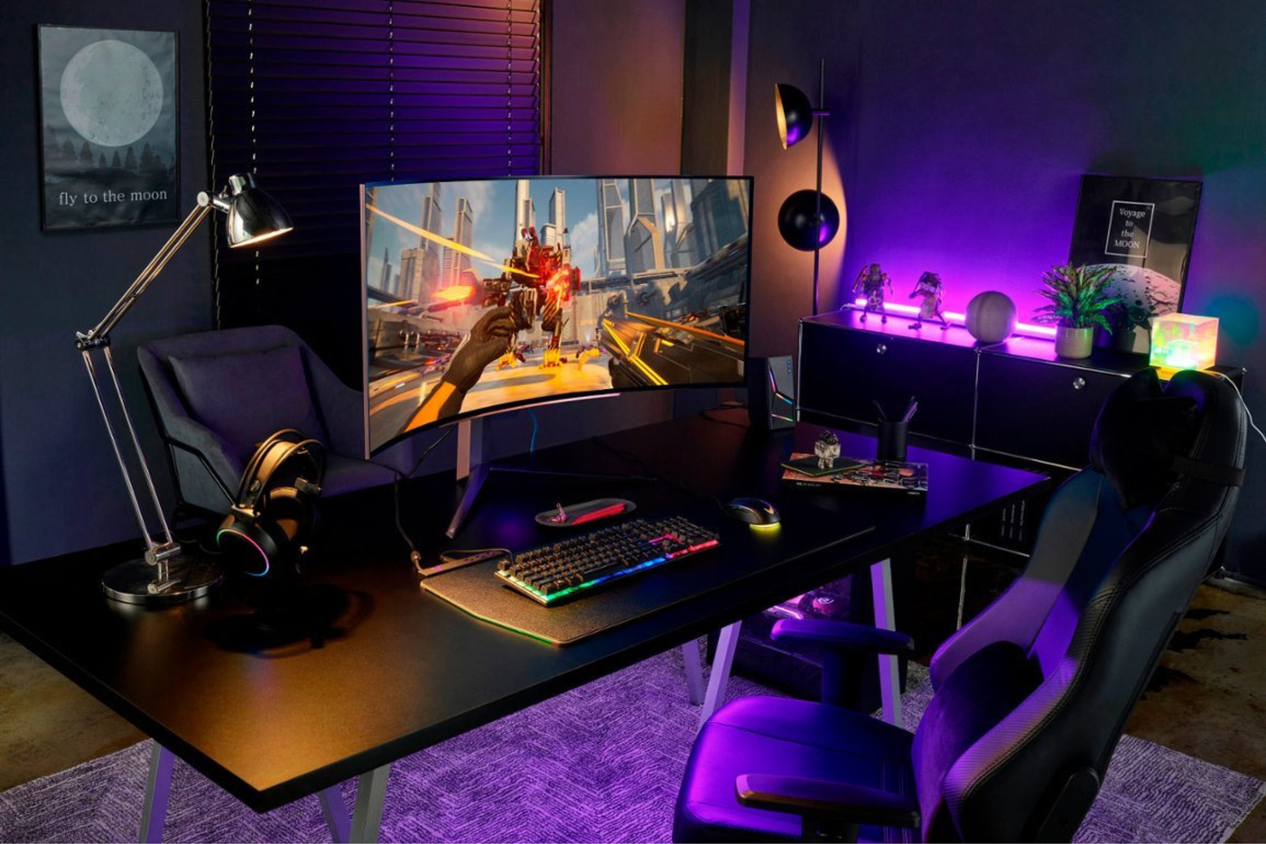
Source: LG



Source: Samsung 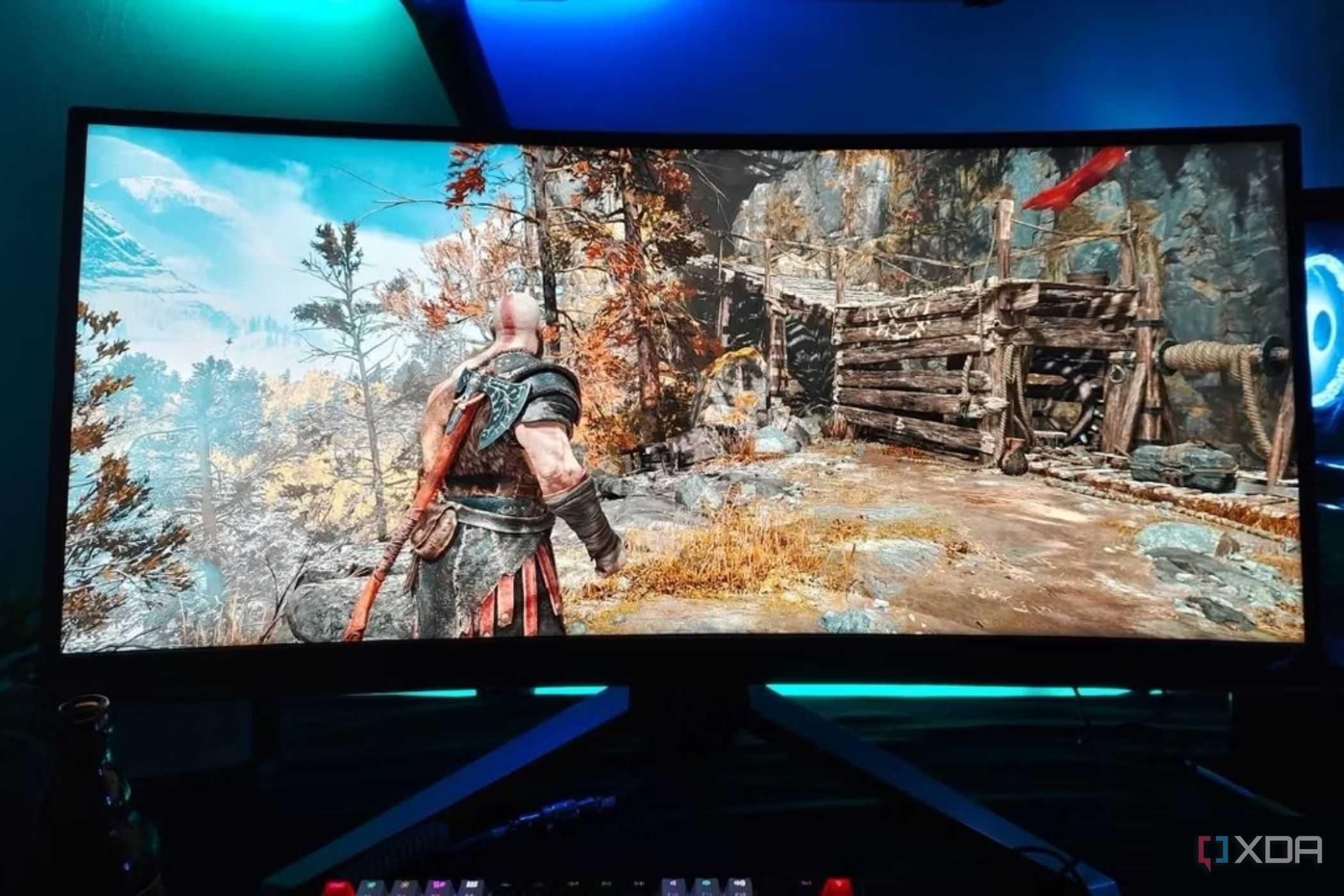
Source: HP 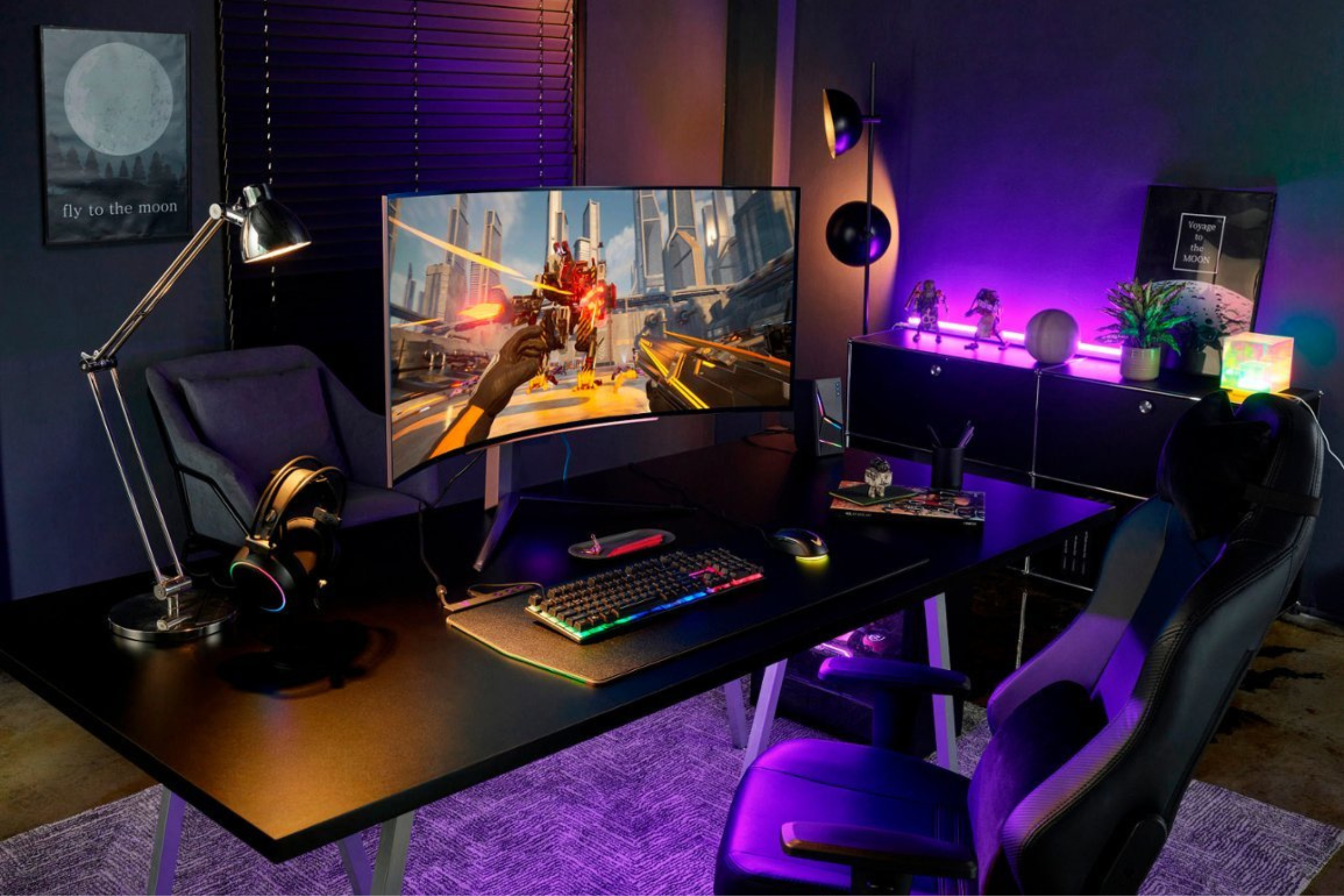
Source: LG


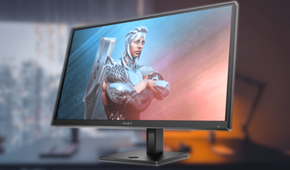
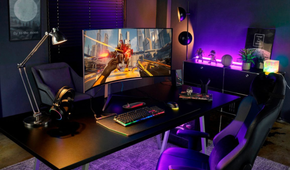
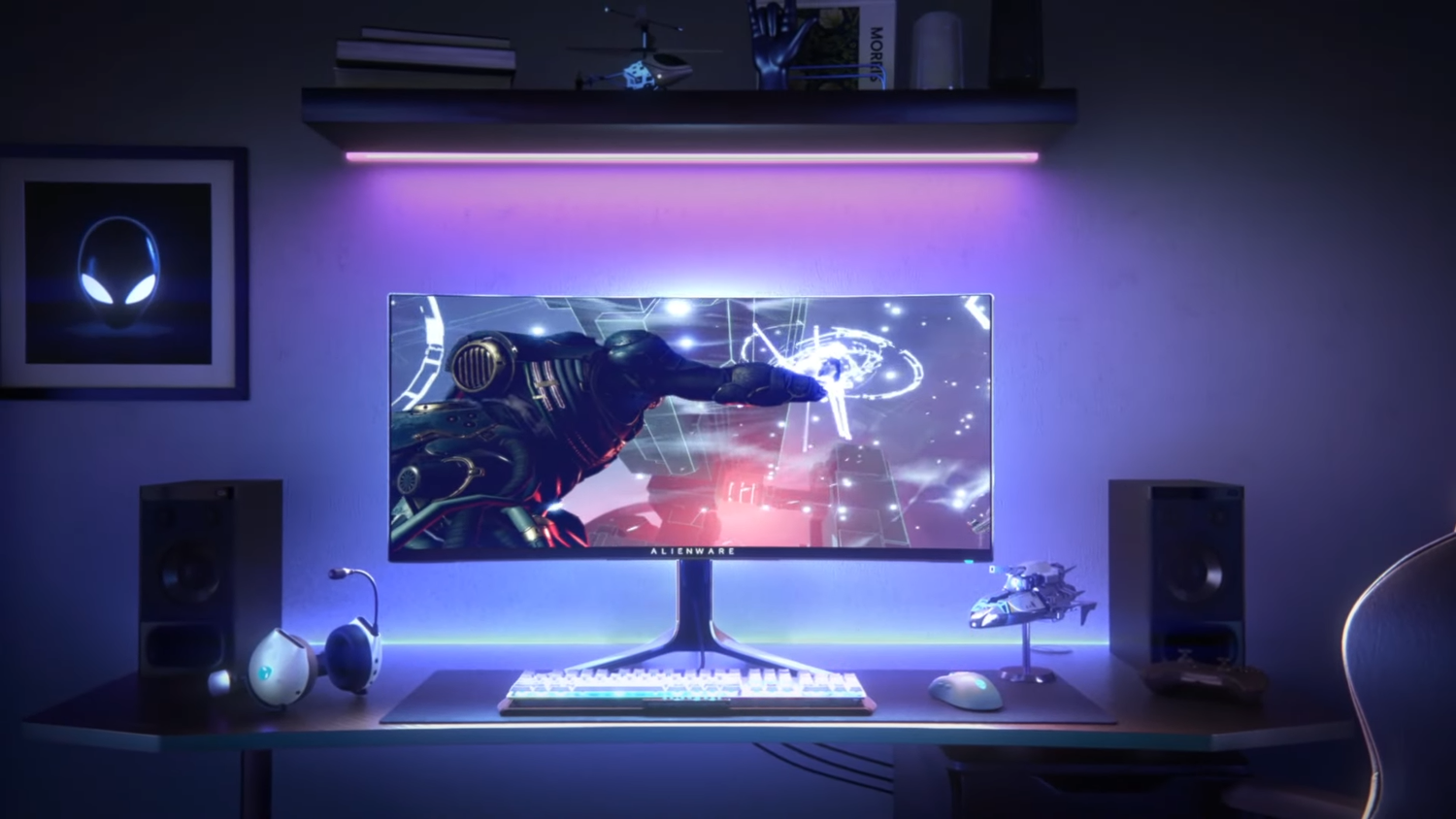
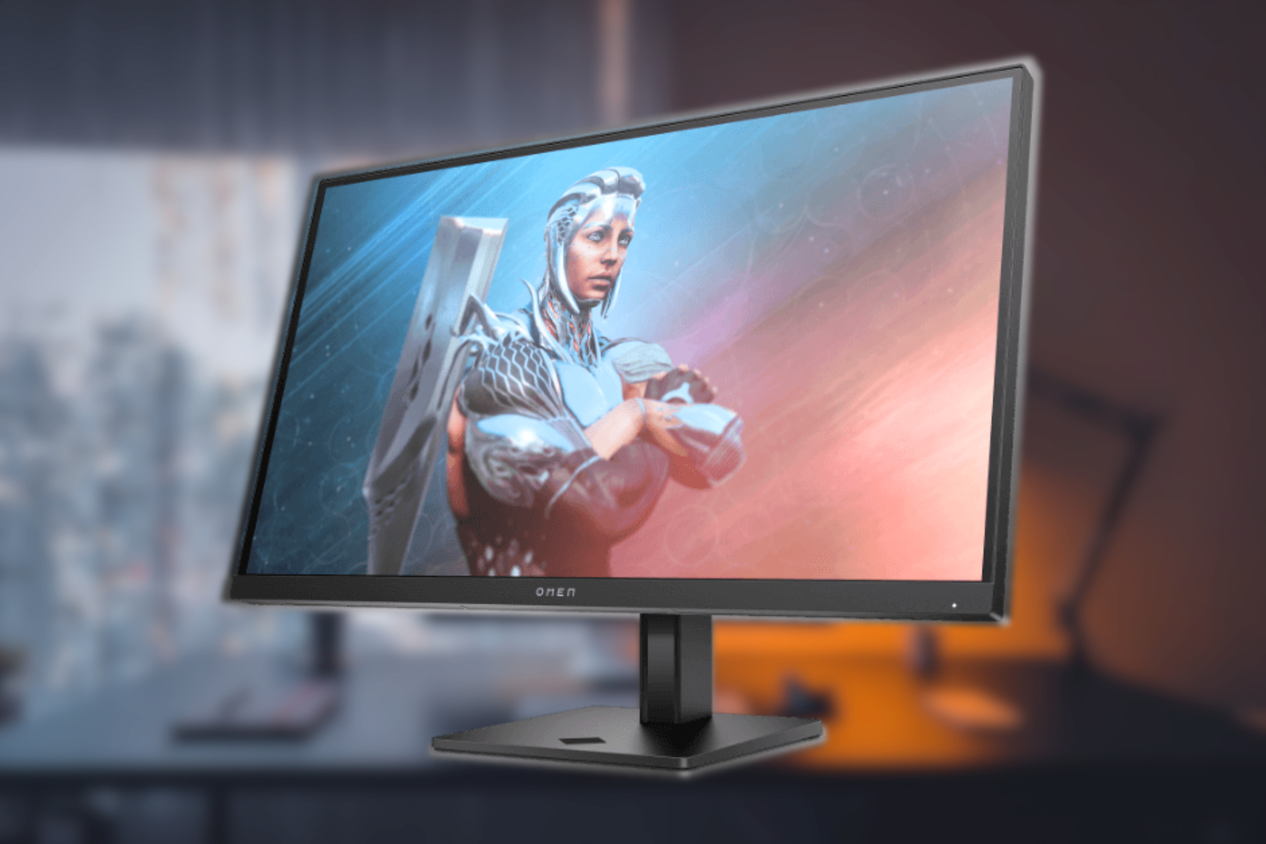
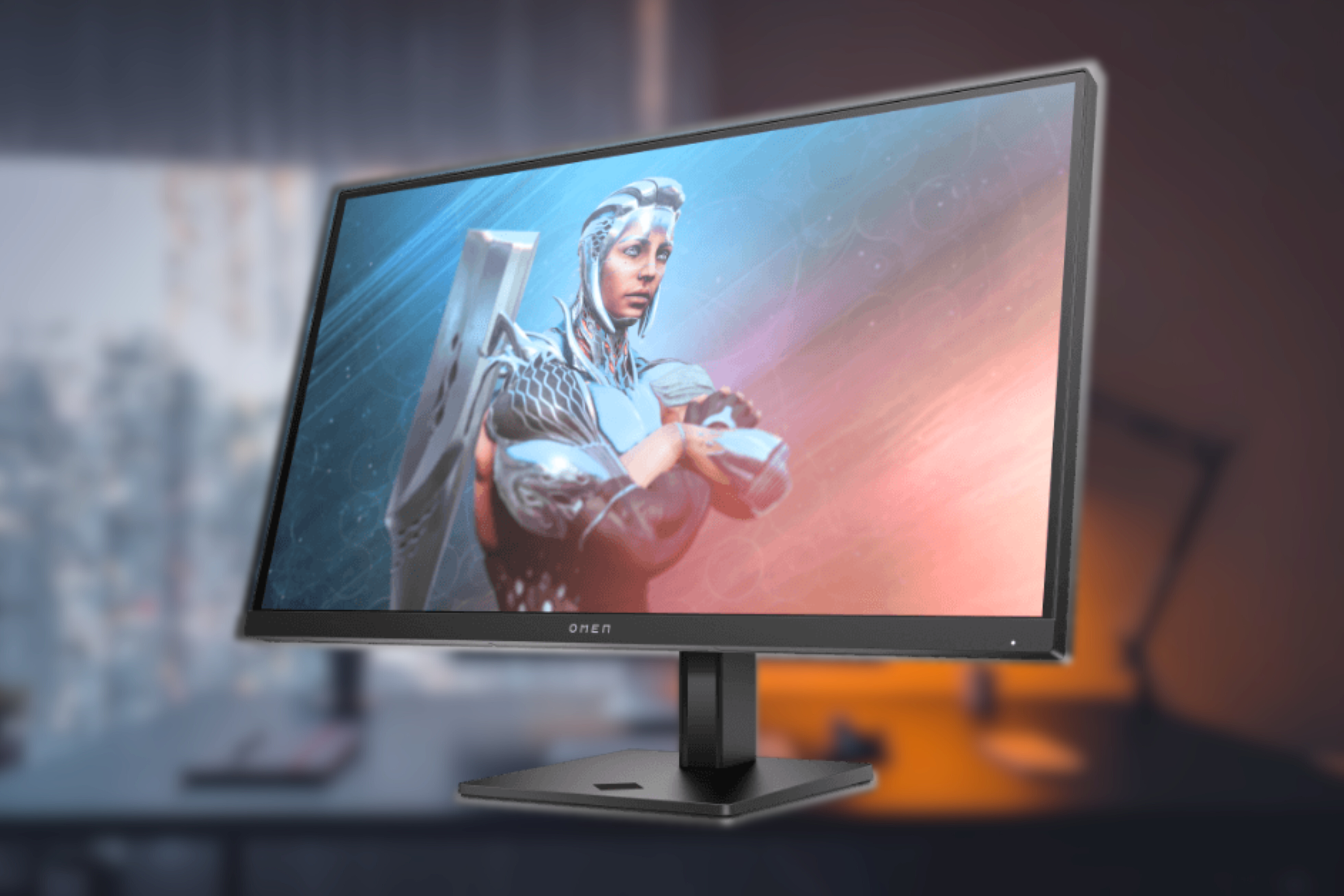
The performance boosts offered by DLSS are pretty nice - gaining a few extra frames in the latest AAA titles is always welcome. As higher quality displays (especially in the higher refresh range) are getting cheaper and more accessible than ever, these boosts are more and more welcome. You can pick up a 144Hz+ monitor for as low as $100 at the moment, and more and more gamers are taking the plunge. While most of us are still stuck at 1080p, playing at a slightly lower base resolution, upscaling can help unlock some of those extra frames to really be able to take advantage of a great new monitor.This also correlates with more and more games natively supporting both DLSS and higher frame rates. Thankfully, the days of games being locked at 30 or 60 FPS are mostly gone.
2 Graphics cards haven't kept up

One of the more disappointing reasons why DLSS has remained so exciting is that graphics cards really haven't kept up. Personally, I was convinced that we'd all be playing at 4K/120Hz at least by 2024, a belief I took action on by springing for a pair of 28" 4K monitors in 2017. Since then, I've sold my 4K monitors and gone back to 1440p/240Hz, simply because the improvements in graphical horsepower which I (and many others) had hoped for haven't materialized yet. Games look better than they did a decade ago, but the rate of improvement has significantly slowed. I'm sure the inevitable and painful shift towards full ray-tracing has probably had an impact here, in all fairness.
Unfortunately, this sad state of affairs doesn't look to be changing anytime soon. While AMD has been clawing back market share from Intel across the board, both in the enterprise and consumer space, there's still a lot of work to be done to combat NVIDIA in the GPU space. The RX series has gone a long way towards restoring AMD to competitiveness (I own one myself), but it's still fighting an uphill battle. Until we see some serious pressure on NVIDIA to continue innovating in the GPU space, something that seems unlikely given the insane hype-cycle it is experiencing off the back of the AI boom, then DLSS might be "the best of the rest" for us gamers. This isn't ideal, but without the same meaningful upgrade pathways we had in the past, it is nice to at least get some mid-generation performance gains on existing GPUs without breaking the bank for fractional improvements.
This is especially true for entry level and mid-range GPUs, which can take particular advantage of the quality and performance gains DLSS can realize. This is sorely needed for a market segment that has struggled for a while now. I'm not sure that we've had a properly good value low/mid-range card since the GTX 1060 (2016).
1 Compatibility is improving all the time

While DLSS remains an NVIDIA only feature, other compatibility with both cards and games is improving all the time. DLSS 2 is supported on all RTX GPUs, and more games (new and old) are adopting the technology into their engines. All RTX 40-series cards can enjoy DLSS 3, and ray reconstruction has been made available on 20 and 30-series RTX cards as part of DLSS 3.5, expanding the number of gamers who can access the technology. Over 400 games now support DLSS - there's a regularly maintained list curated by gg.deals available online which lists 485 supported games at the time of writing. We only expect this list to grow in the future, with modern AAA titles like Call of Duty: Black Ops 6 and Baldurs Gate being among plenty of other big releases in 2024 which support the technology.
DLSS 4 is also on the horizon. It's been over a year now since the release of DLSS 3.5 in September 2023, and two years since DLSS 3 in September 2022. Obviously, Nvidia has some other priorities right now, namely, selling as many H-series GPUs as they can possibly manufacture. Hopefully we will see a new version of DLSS released towards the first half of next year.
While we're not going to see DLSS support on AMD anytime soon (read: ever), AMD FSR has also come along by leaps and bounds. While it's not quite the powerhouse DLSS is, it's good to see competition driving both companies to exploit this new technology - and long may it continue.
DLSS is hopefully here to stay
DLSS has progressed a lot since its original release in 2019. At the time, plenty of people (myself included) were skeptical about the long-term prospect of AI-upscaling as a legitimate tool for improving visual fidelity in our games. Since then, I have been truly convinced, and while there are still ongoing concerns about lazy developers not bothering to optimize games with DLSS support, as well as poor hardware utilization from game engines, the overall benefit has certainly been overall positive.
Hopefully, we will continue to see a strong pace of development for both DLSS and FSR. Graphics cards still seem to be in a sticky place, and it is uncertain whether we'll ever return to the generation on generation performance gains we once enjoyed. But in the interim, DLSS is certainly a nice to have, and it's something I remain optimistic about.
