


We all love when a game looks great. Graphical fidelity has only continued to increase as time goes on; game developers continue to push the envelope with how good a game can look, integrating tech like ray tracing and textures at extreme resolutions. This, of course, comes at a cost, and it’s paid for in FPS.
Generally speaking, a computer that’s capable of pushing out frames at extreme fidelity, with all the graphical bells and whistles turned on, will also be capable of pushing out high framerates at lower settings. However, the threshold for a computer to put out high framerates is significantly lower, both in price and parts availability. Here’s why your next PC build should be planned around high framerates rather than high fidelity.
3 Your build will be much more affordable
Unlike high settings, high framerates don't have to break the bank

Source: Pexels 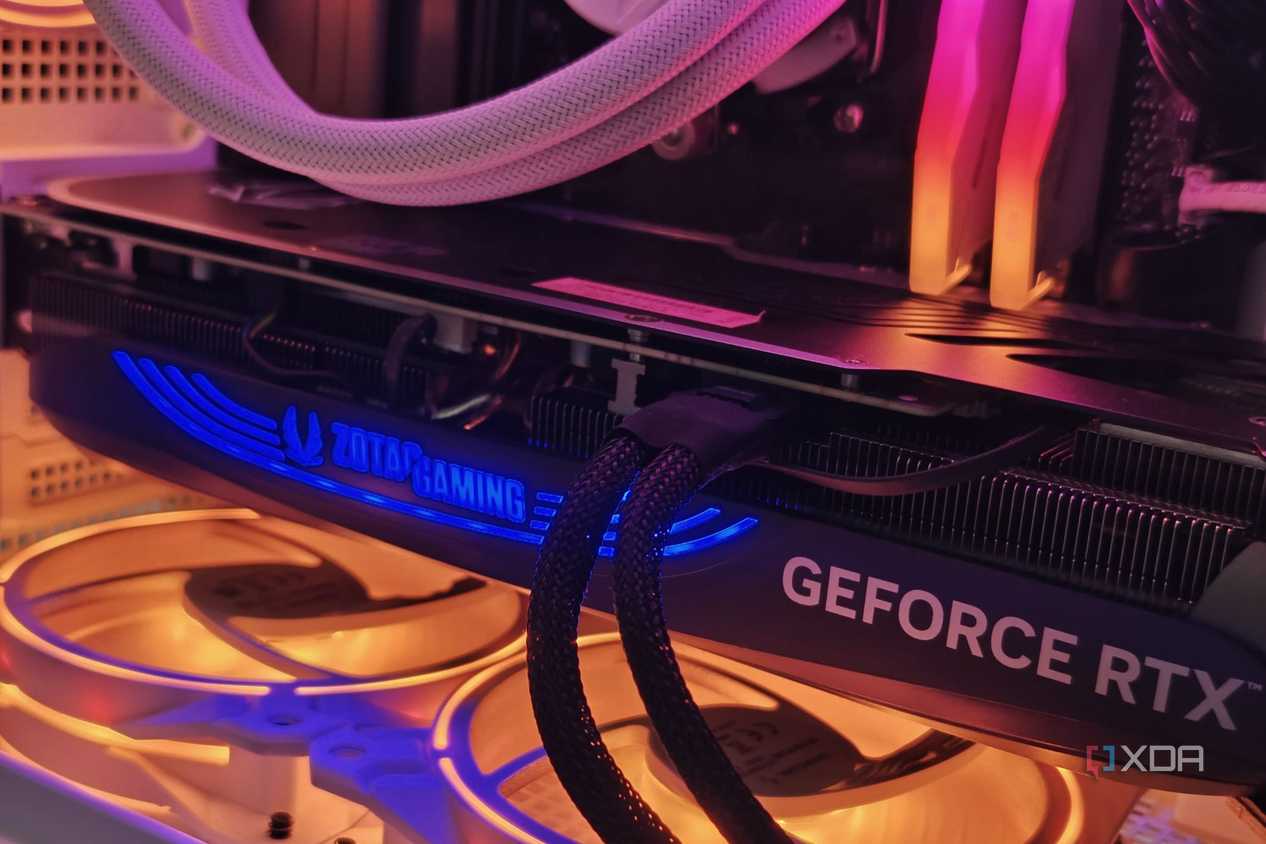



Source: Pexels 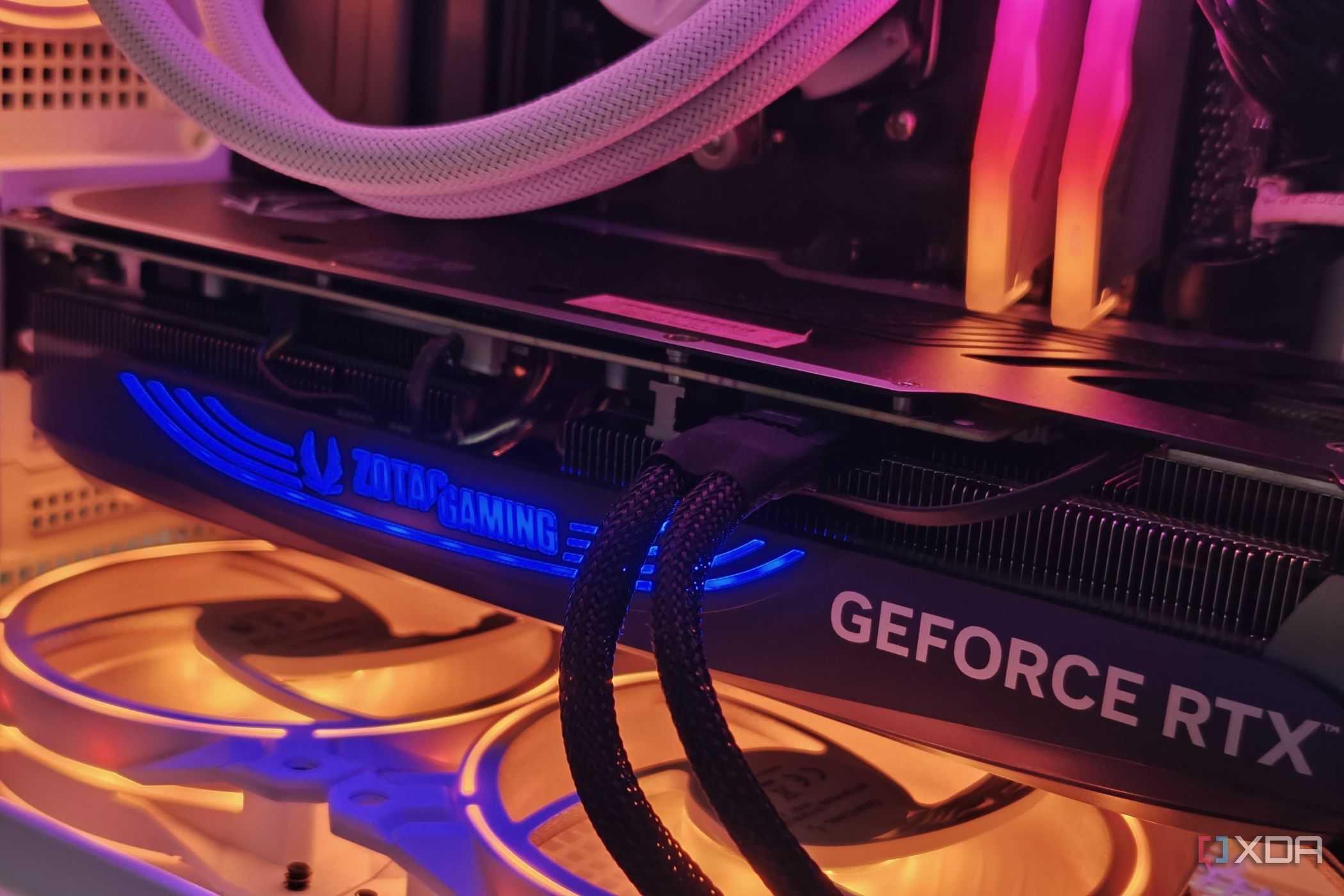
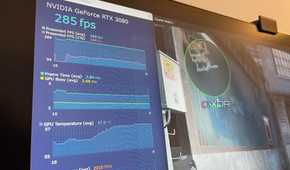

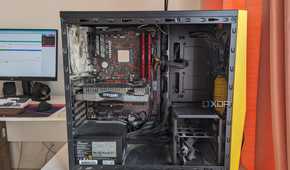

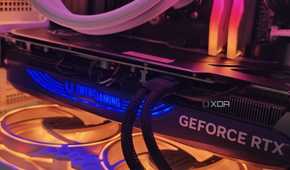
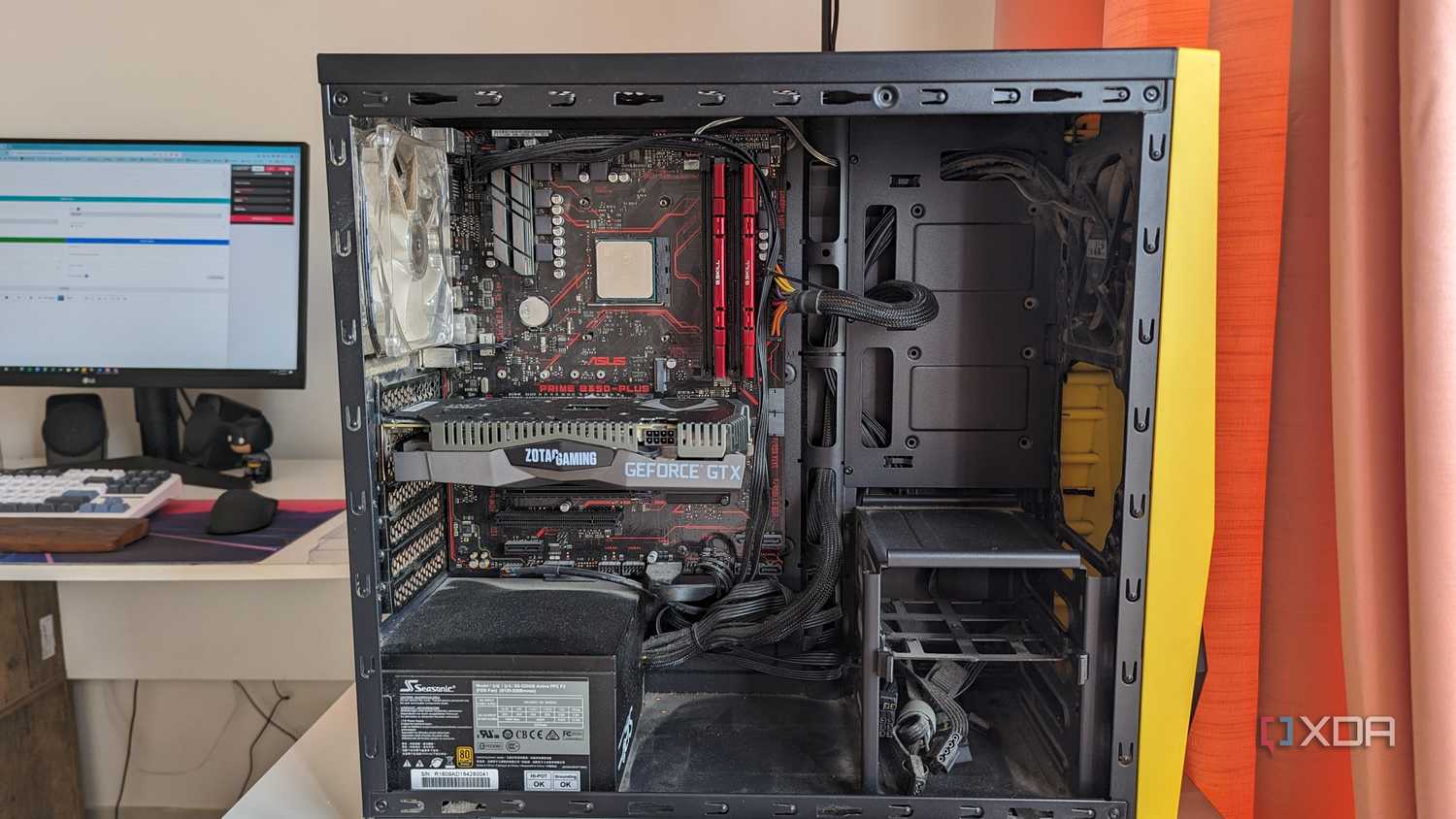
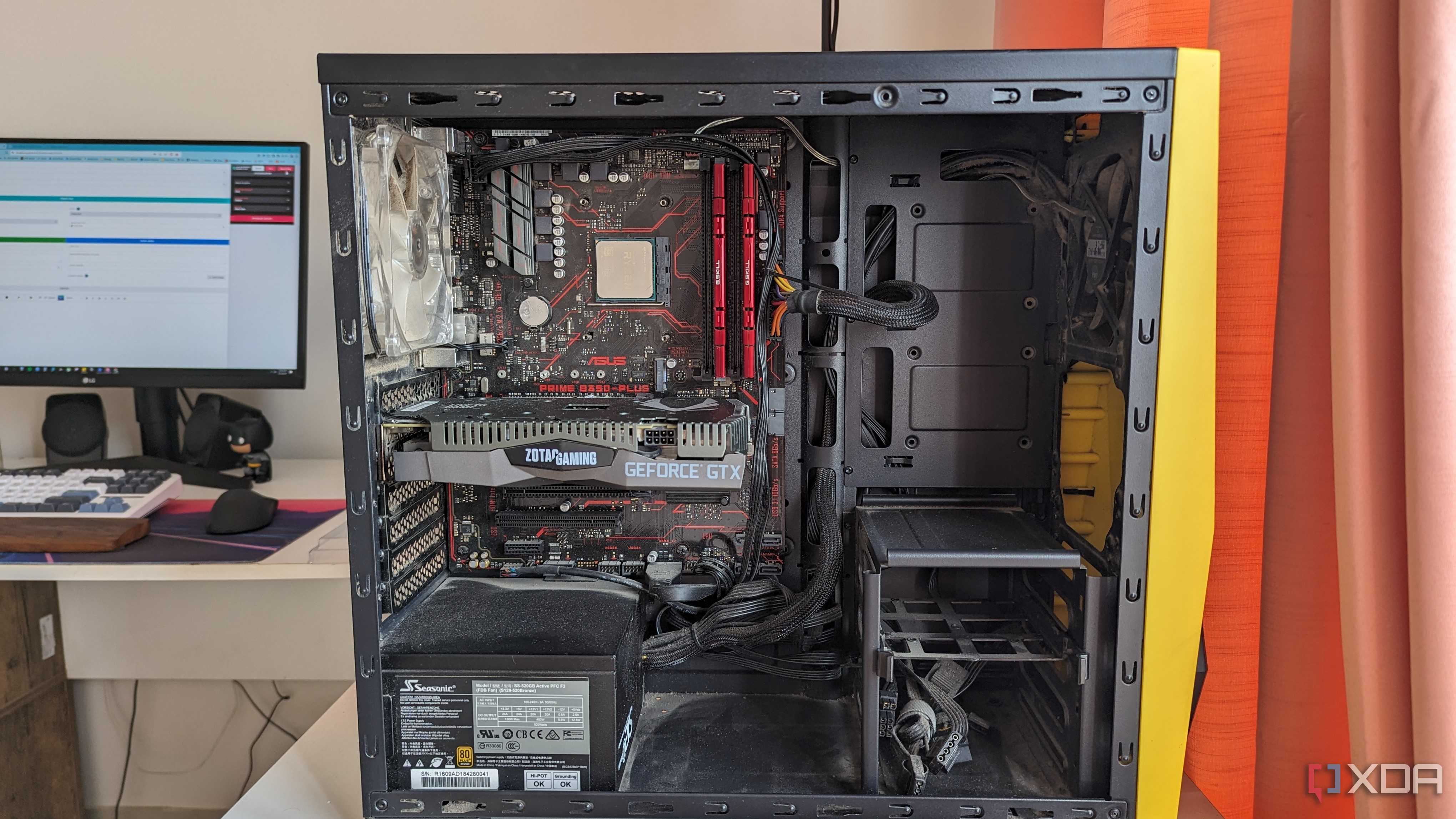
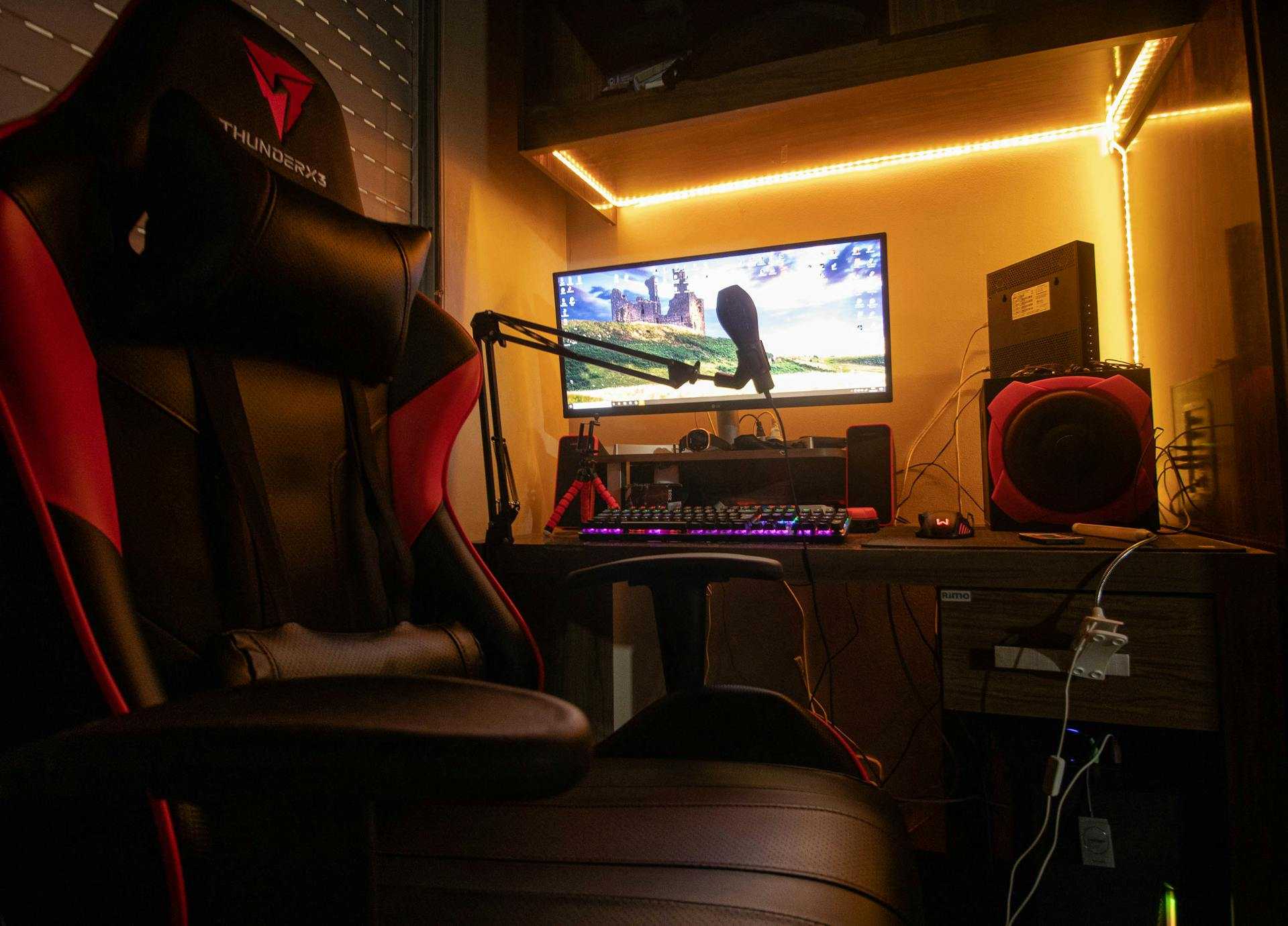
Especially in esports titles, reaching framerates in excess of 144 shouldn’t be too difficult for most modern gaming hardware. A mid-tier system is absolutely capable of putting out consistent framerates, allowing for a smooth experience. In order to crank up the graphics settings, however, a more powerful GPU is required, which has only been ballooning in cost as of recently. Cards like the 4060 or 7600 XT from this generation are more than adequate for 1080p gaming at medium to low settings, and if found at MSRP, provide a decent value. Want ray tracing and slightly better-looking textures? That’ll be an extra few hundred dollars, as well as a big chunk of your average framerate.
2 Consistent, high framerates provide a better gaming experience
You won't notice the extra fidelity while playing anyway

The starkest difference between gaming on a console and gaming on a PC is the ability to push out high framerates. That’s not a slight to console gamers either, by the way. A consistent 60 FPS is better than 120 FPS average with dips to below 60. But every time I’ve introduced someone who’s only ever played console games to a similar title on PC, they immediately notice the fluidity of the experience.
It obviously depends on the title, but I find cranking settings like effects and lighting to their max doesn’t provide a better experience, and if anything, only takes away from gameplay. If you were to take a screenshot of a game running on low settings and look around, I’m sure you could point out multiple graphical imperfections, maybe even things that just look straight-up bad. To me, though, how the gameplay feels is so much more important, and if I’m getting constant dips in framerate just for some better glass refraction effects, I’d rather just turn the settings down a bit.
1 It allows you to harness high refresh rate displays
High refresh rate screens can make a huge difference in some titles

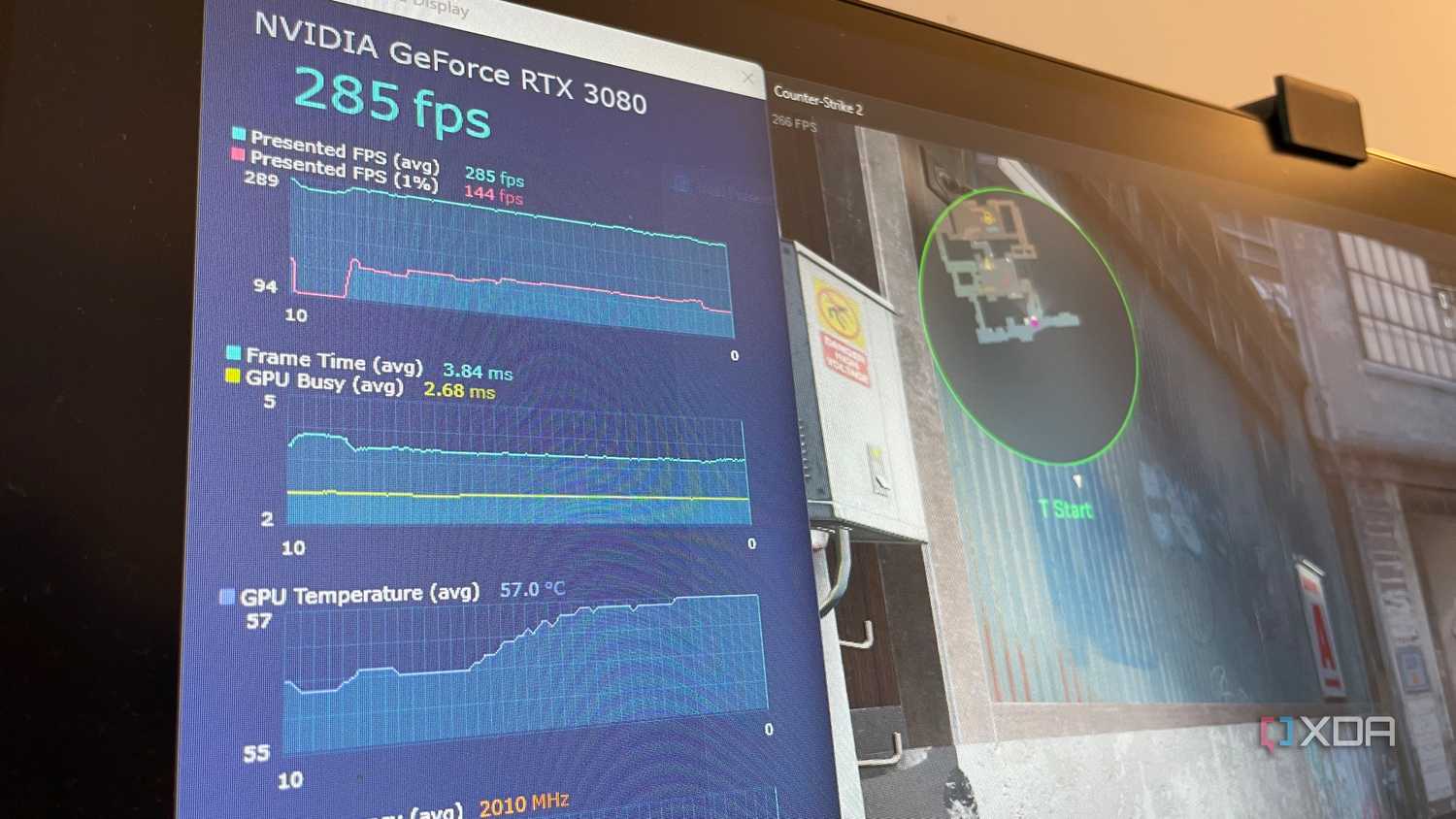
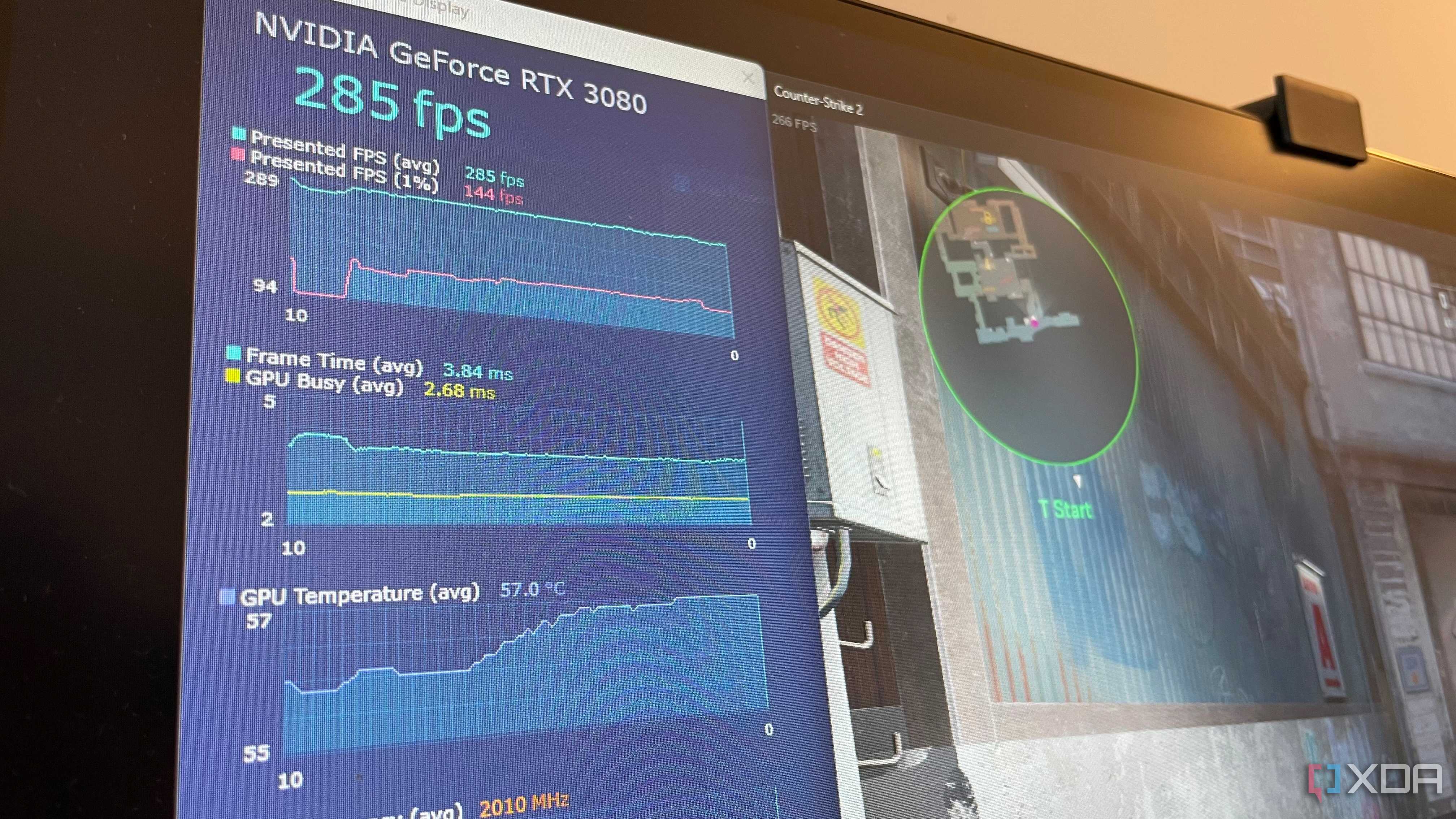
It’s likely the case that if you have a powerful PC, you probably have a nice monitor as well. A high refresh rate display is only as good as the frames you send to it, so if you’re only able to output 60 FPS to your 240hz display, you’re wasting a ton of potential. Even for those of us who may not have the highest-end components, it’s still possible to squeeze out framerates that make a high refresh rate display worth using. In FPS titles like Counter-Strike 2 or Rainbow 6 Siege where you’ll absolutely feel the extra hertz, it’s possible to output great framerates with a system that doesn’t break the bank.
Playing on high settings can be overrated
There are games that look absolutely fantastic at high settings, especially some single-player titles where framerate isn’t paramount. If you’re looking to get into these kinds of titles and want the highest fidelity possible, it’ll cost you a pretty penny, but it would be worth it if that’s what your primary use case would be. For a lot of PC builders out there, though, it’s worth it to save a few bucks and just turn the settings down a bit. A fluid game on medium settings is better than a choppy one on ultra.
