


Like any hobby, PC building has its fair share of tall tales. These myths propagated through word of mouth and the doldrums of web forums throughout the early 2000s, many of which no longer apply to modern components. But from these stories come superstitions that persist through generations and continue to be passed down, and honestly, despite their efficacy being questionable at best, I doubt I'll ever leave behind these four PC building superstitions.
Never put the side panels on before the first boot
It's just bad juju



 Credit: Source: Steiger Dynamics
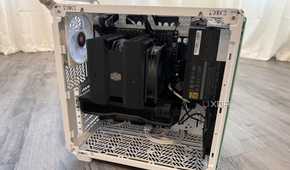
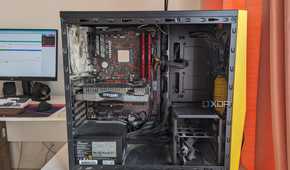
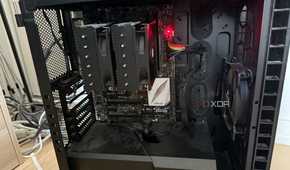


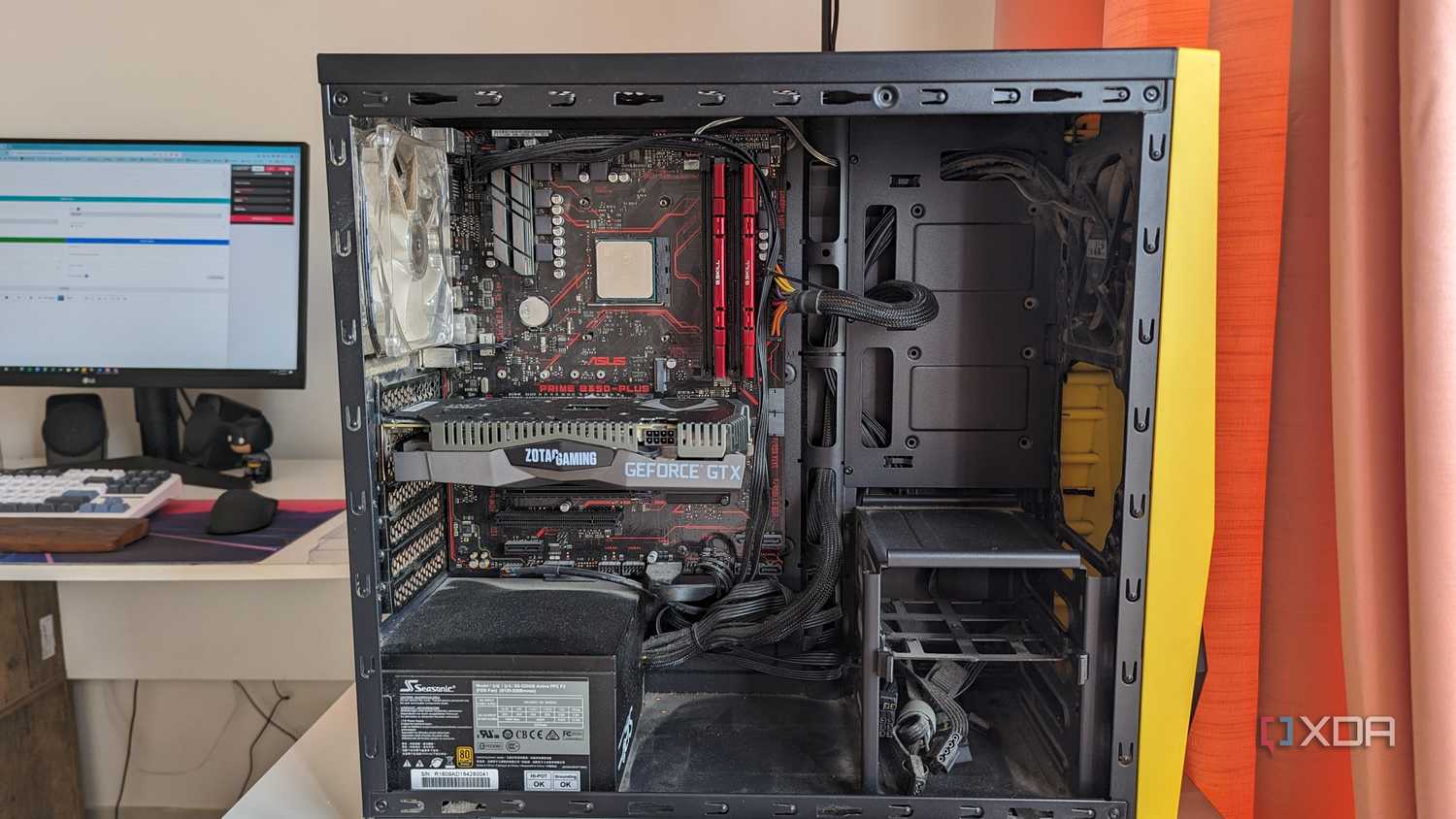
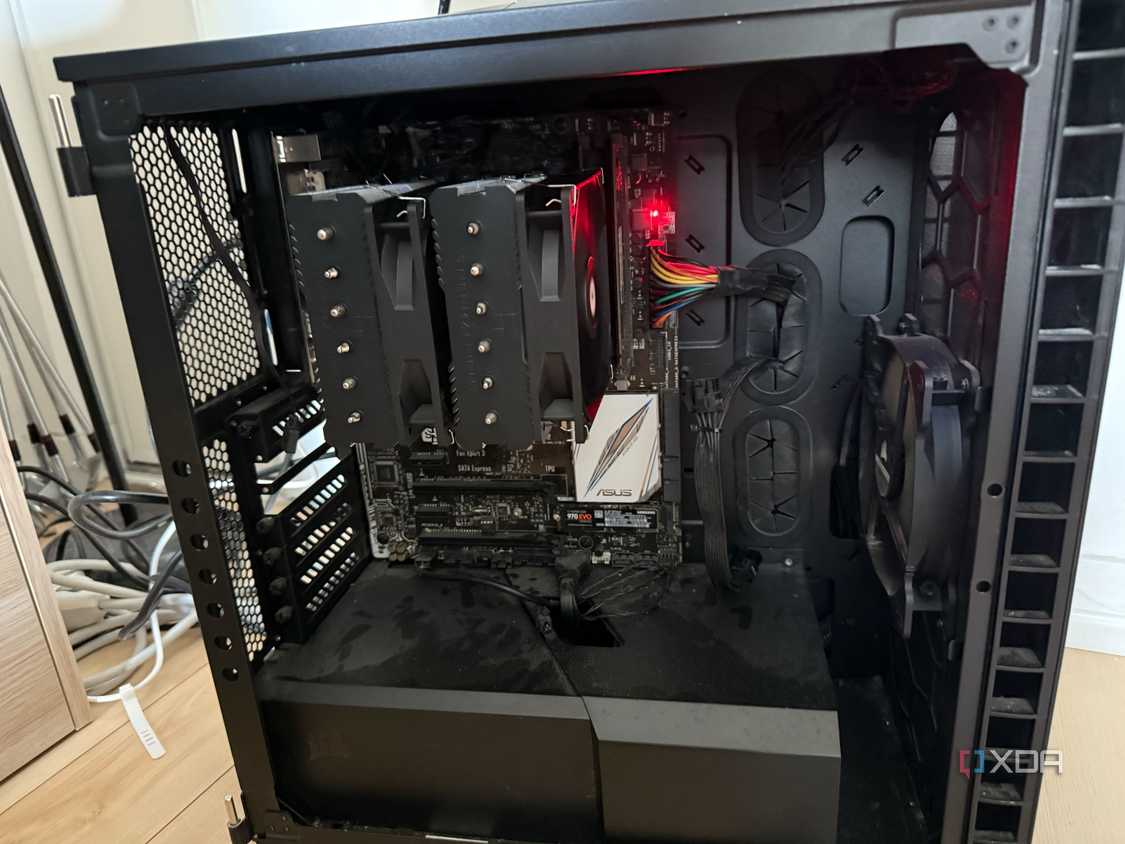
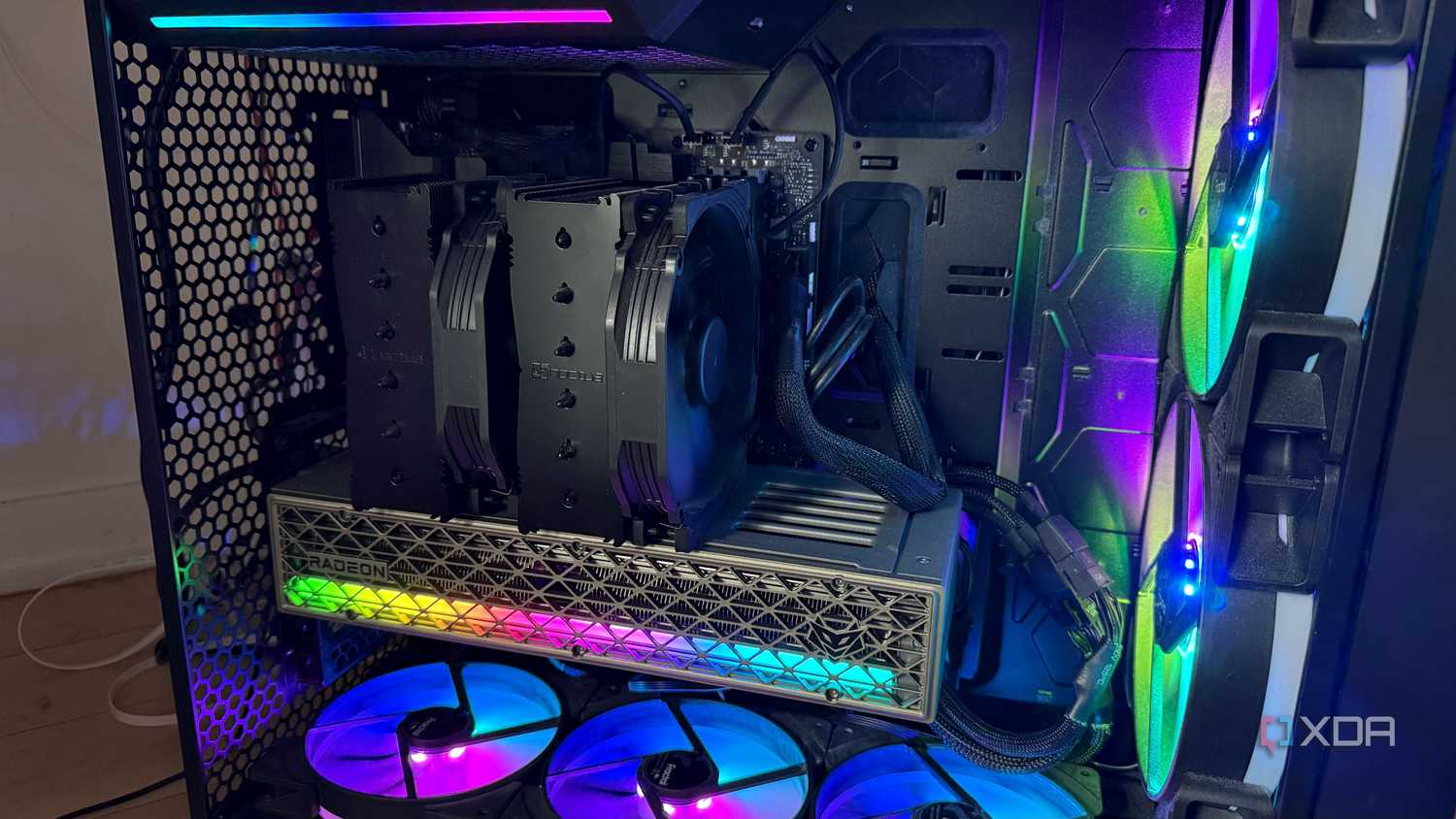
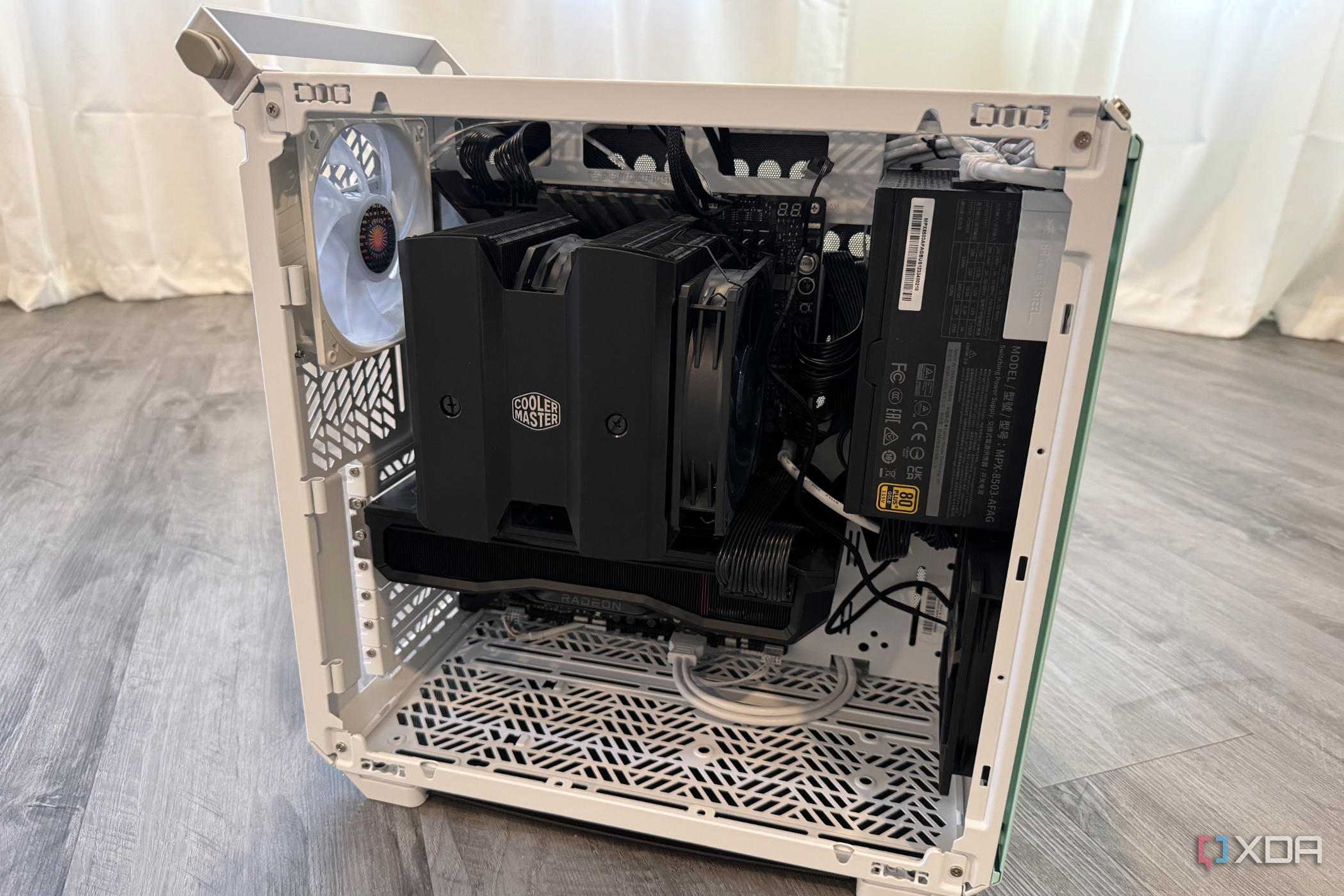
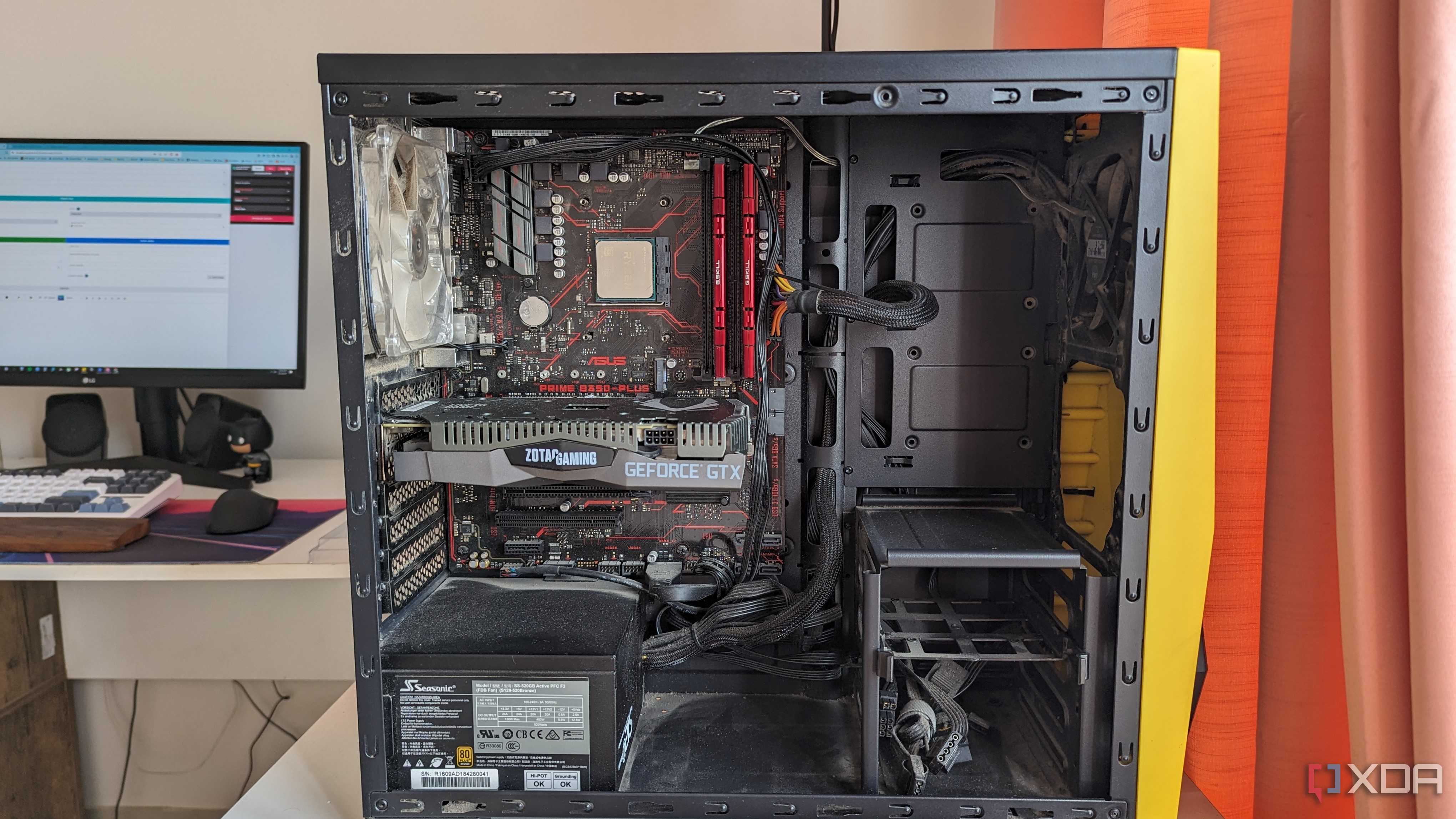
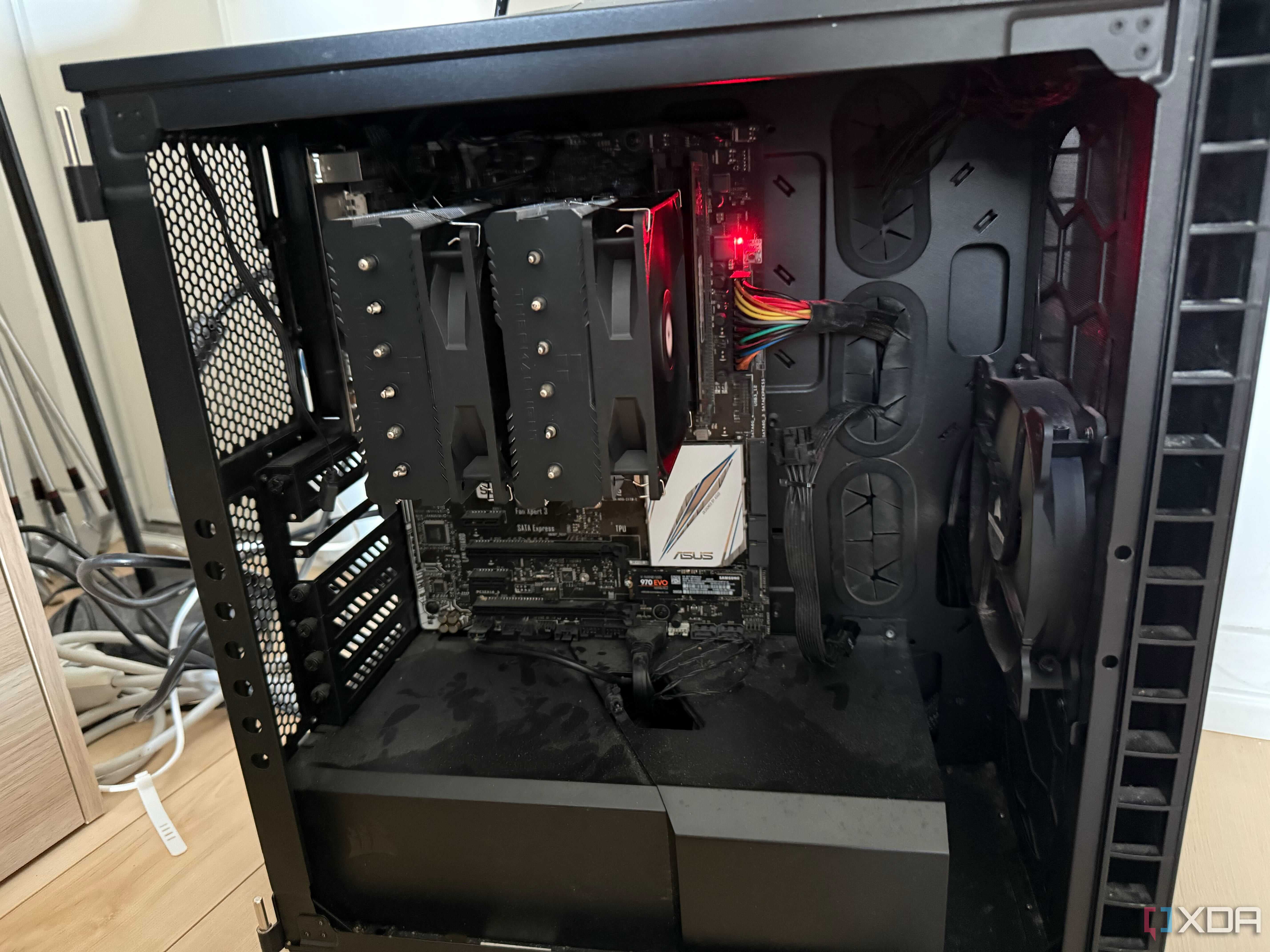
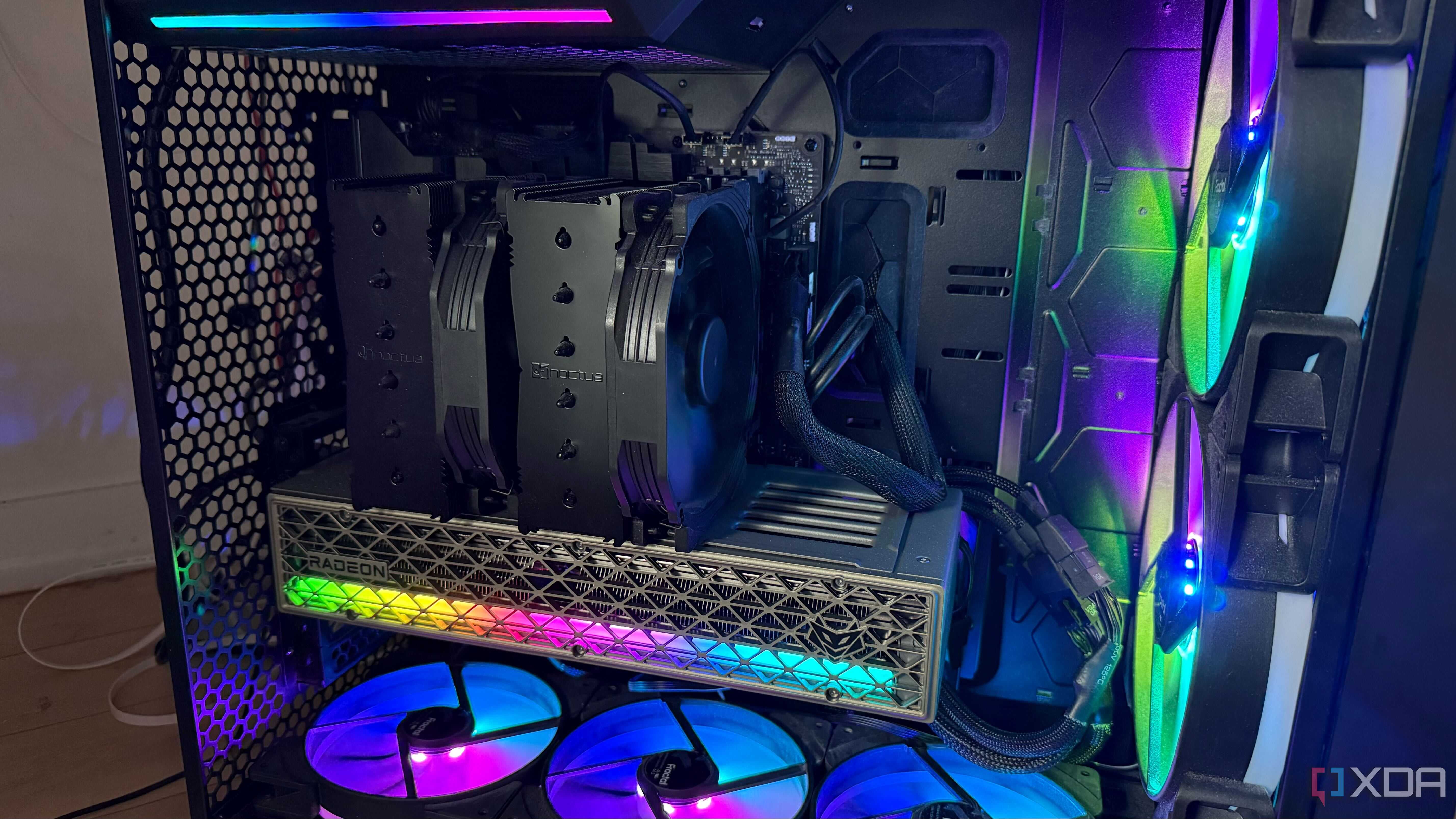
You've finally finished your build. Everything is plugged in and seated, cables are managed well enough, and you're finally ready to power everything up for the first time. But don't you dare put those side panels on yet.
Every time I've finished a build and put the side panels on before the first POST, it's a guarantee that something is about to go wrong. Whether it's not all the RAM being detected, not getting video output, not all drives showing up in the BIOS, or even a complete failure to POST, screwing the side panels back on before you've confirmed everything works is just asking for trouble. The PC building gods frown upon such presumptuous behavior.
Various thermal paste superstitions
It's just bad advice now, honestly

Thermal paste application is one of the most divisive and polarizing parts of a PC build. In recent years, the discussion surrounding it has largely cooled down, but in the 2010s, enthusiasts had some very strong opinions on what you should and should not do when it comes to applying the grey goo.
To spread, or not to spread? Pea sized dot or X-shaped pattern? For a while, some builders were convinced their thermal troubles were due to air bubbles being formed underneath their paste application, or because of too much or too little being applied. In reality, most of this is nonsense, and has been proved ad nauseam, but that doesn't mean I still don't think about it each and every time I apply thermal paste.
When I built my current rig that has an X3D chip, it sort of short-circuited my brain. I was so used to applying a pea-sized dot as I always did, but doing so with the cut-out style of heat spreader used on the X3D chips would result in poor contact across the outer parts of the IHS. I reluctantly used a spatula to spread out the thermal compound, and of course, my thermals are great.
If you didn't get cut, something is going to go wrong
Every build needs to claim its own scratch

This may be one that is exclusive to me, but honestly, I find it pretty easy to get scratched while working on PCs, especially when working in small spaces or with air coolers. Despite doing my best to save my knuckles and fingers, I often still leave with a few nicks here and there, and I'm never really quite sure where I got them. The one thing I do know, is if I made it out unscathed, I'm paying for it down the line somewhere. I'll struggle with getting hardware detected, an OS installed, or something will just die. If there was no blood sacrifice, the build might as well be doomed.
Grounding yourself constantly
It's quite difficult to kill components with static

Obviously, there is precedent for grounding yourself while building a PC. Static discharge is why we store components in anti-static bags, wear anti-static wrist straps while building, and why companies spend millions of dollars trying to prevent ESD in fabrication facilities. While I might not wear a strap, I still ground myself constantly on exposed metal while working with components, despite not having carpet and the risk of discharge actually killing a component being quite low.
Huge disclaimer: ESD can absolutely affect your components, and grounding yourself isn't pure superstition—it does actually do something, but I have made such a habit of doing so that it borders on superstition. Touching the power supply or case as long as they don't have some kind of thick powder coat can discharge you adequately while building, and if you want to be 100% sure you're grounded adequately, working on an anti-static surface and wearing the wrist strap is often more than enough for warding off static at home.
PC building is full of myths
Some certainly have more truth to them than others, but the building process is ripe for the creation of superstitions like these. Any sort of detail-oriented process where even the smallest error can result in catastrophic failure will have these sorts of ritualistic processes, and honestly, I wouldn't have it any other way.
