


Summary
- New PC gaming handhelds offer great performance, and aren't due for upgrades anytime soon, making it a great time to buy one now.
- The Asus ROG Ally X and Steam Deck OLED are top choices for Windows and Linux gaming handhelds.
- An array of gaming handheld options available now cater to varied needs, ensuring a buyer's market.
Gaming handhelds started out as a cool concept, but they've blossomed into a rapidly-growing sector of the PC gaming market. New concepts and releases feel like they're coming out all the time; in fact, we saw four of them debut at Computex in early June. With a whirlwind of releases and a quickly-evolving market, it's fair to wonder whether it's a good idea to buy one of the best PC gaming handhelds out there or wait. Two months ago, my answer was that you should certainly hold off on buying one. That was when an Asus ROG Ally refresh or successor was rumored to be imminent.
A lot has changed in just a few short months. We saw the new Asus ROG Ally X officially revealed at Computex, and it looks like a massive upgrade. There's still the Steam Deck OLED, which is a great option for people who want a Linux-based handheld that feels just like a console. And we didn't see a new chip appear in any of the new handhelds, except for a negligible spec bump to Intel's current-gen Core Ultra processor in the MSI Claw 8 AI+. Put it all together, and it's finally a great time to buy a PC gaming handheld again. Windows and Linux handhelds are at the top of their game, and a significant overhaul is too far out to be worth waiting for.
4 We're still a long way out from a chip upgrade
Neither the Steam Deck OLED or the ROG Ally X are true successors


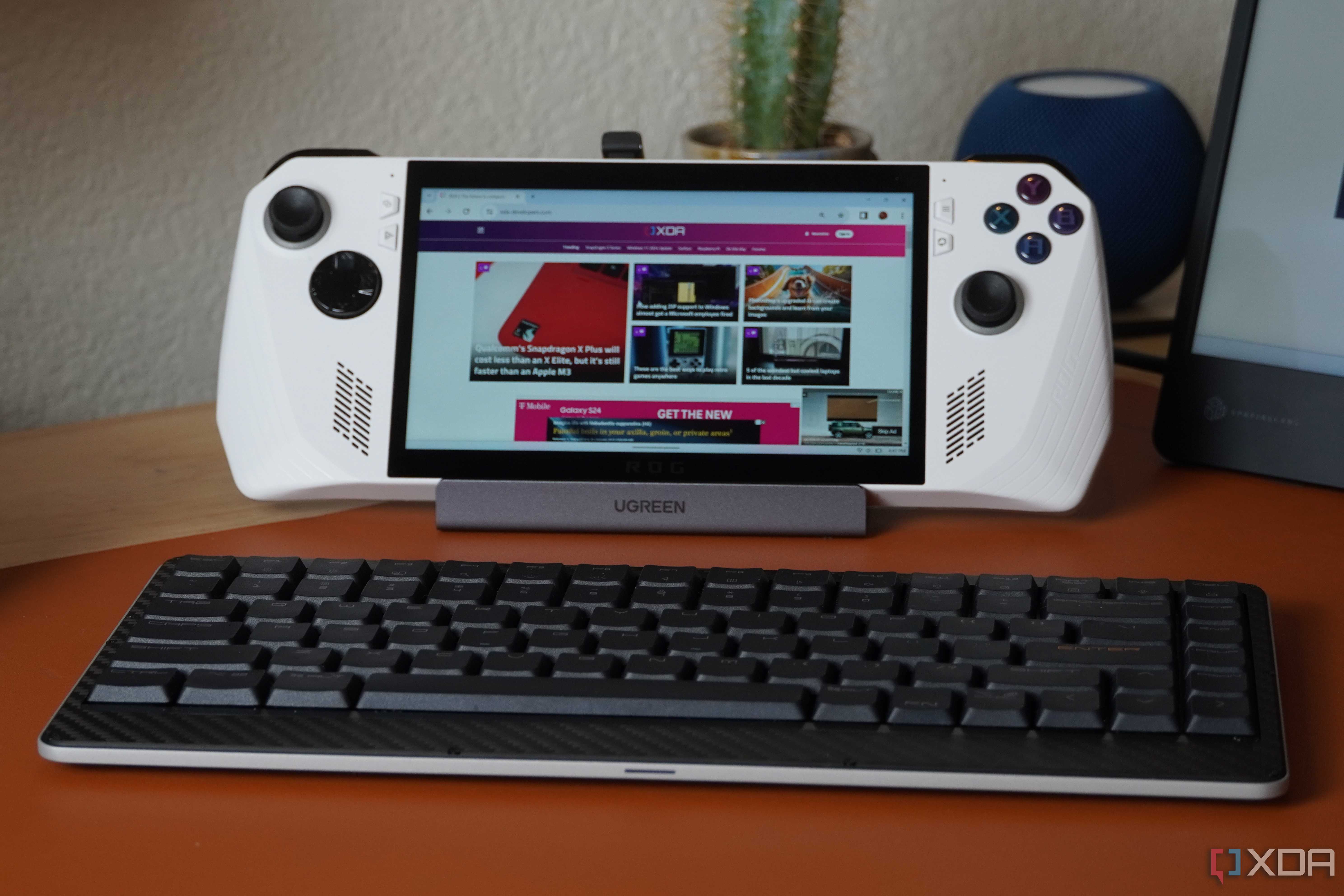





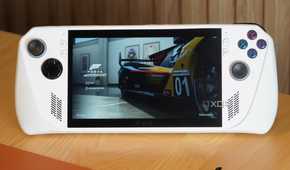

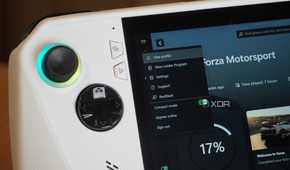
While the pace of new gaming handheld releases is blazing fast, the speed of chip and performance upgrades isn't. When Asus revealed the new ROG Ally X, it increased the amount of RAM available but kept the same Ryzen Z1 Extreme processor from the first ROG Ally. Presumably, the so-called "Ryzen Z2 Extreme" chip wasn't ready yet, and Asus didn't want to wait for it. Now that Asus released the ROG Ally X as a mid-cycle refresh, it's unlikely we'll see an ROG Ally 2 with new silicon for some time.
The story appears to be the same for the Steam Deck. Valve designer Lawrence Yang said in a November 2023 interview that a next-generation performance upgrade wouldn't be possible for about two or three years. We haven't gotten an update since that one, but Yang's comments would put a Steam Deck chip upgrade at sometime in 2025 at the earliest. It could be later than that, too. In other words, major performance upgrades won't be coming to the ROG Ally or the Steam Deck for at least a year or more. If you wait for more power, you'll be waiting a while.
3 The market is full of a variety of options
There are arguable too many options, but that creates a buyer's market


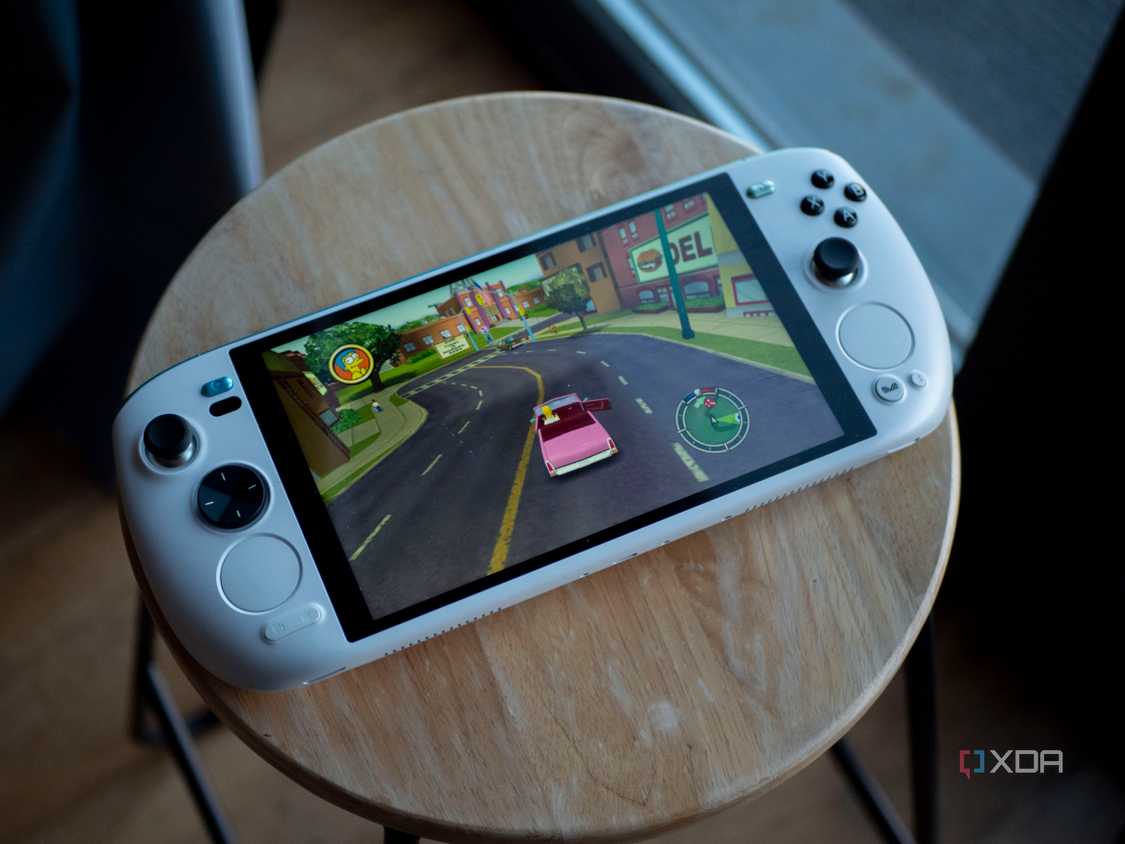


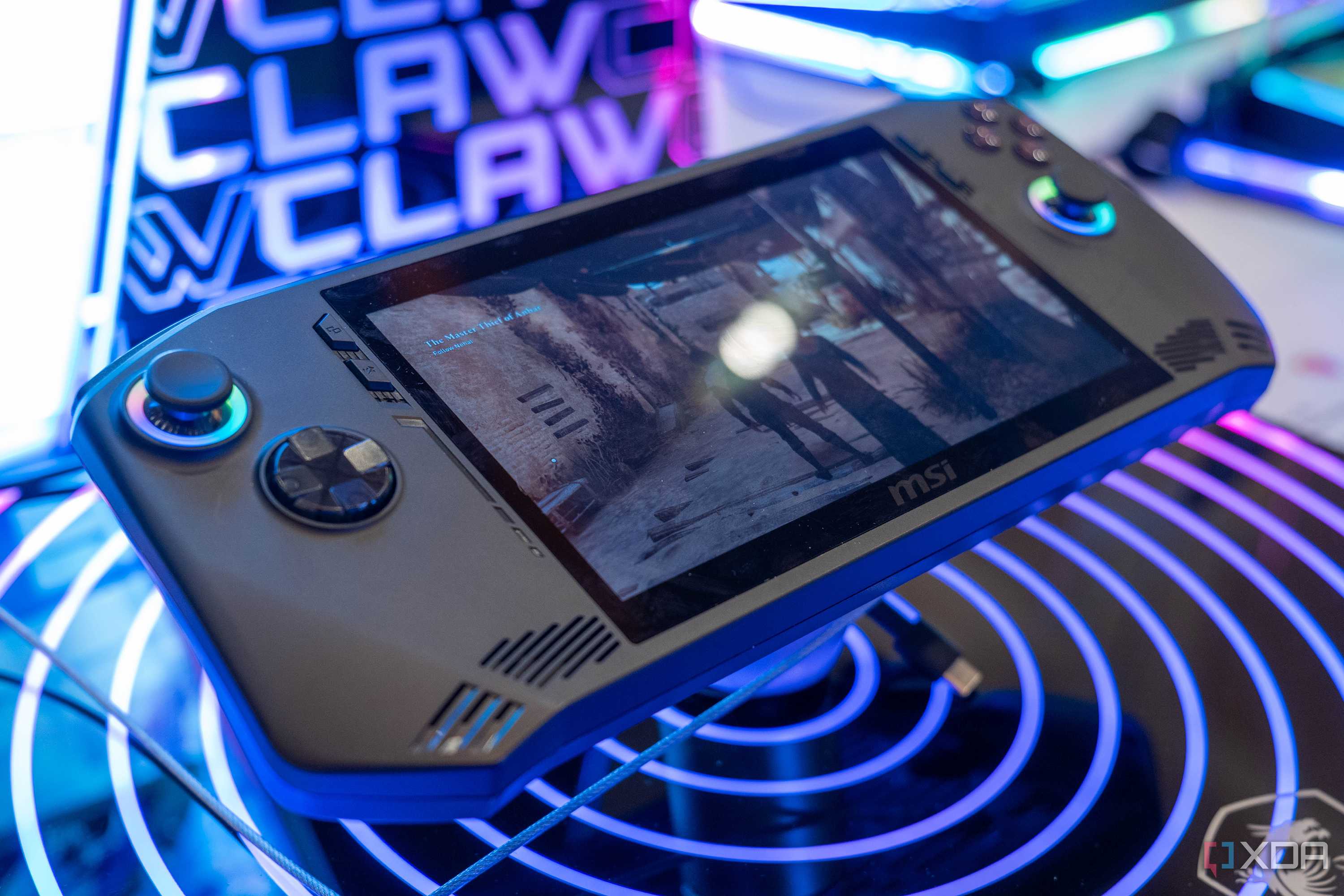

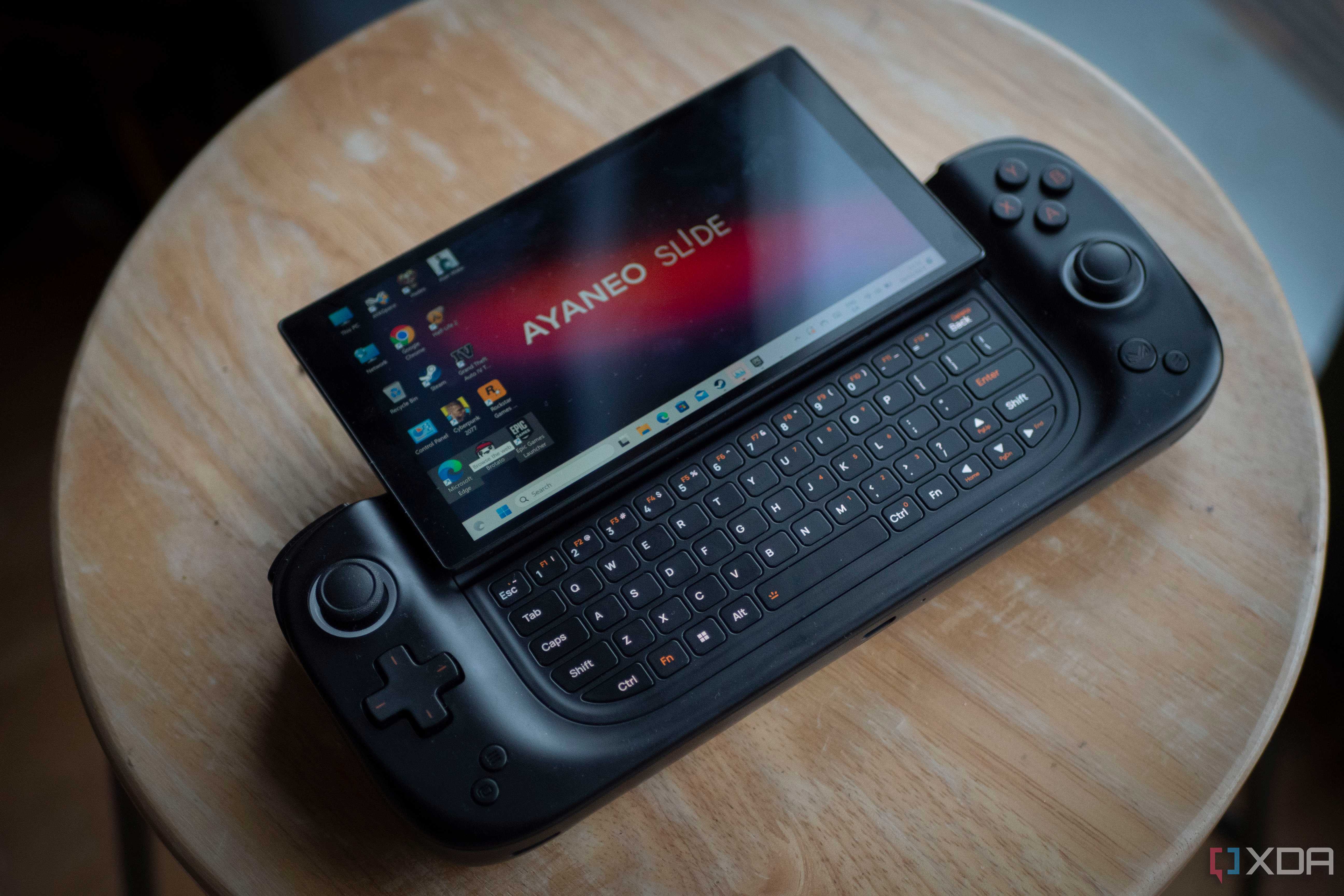
 Credit: Ayaneo Kun





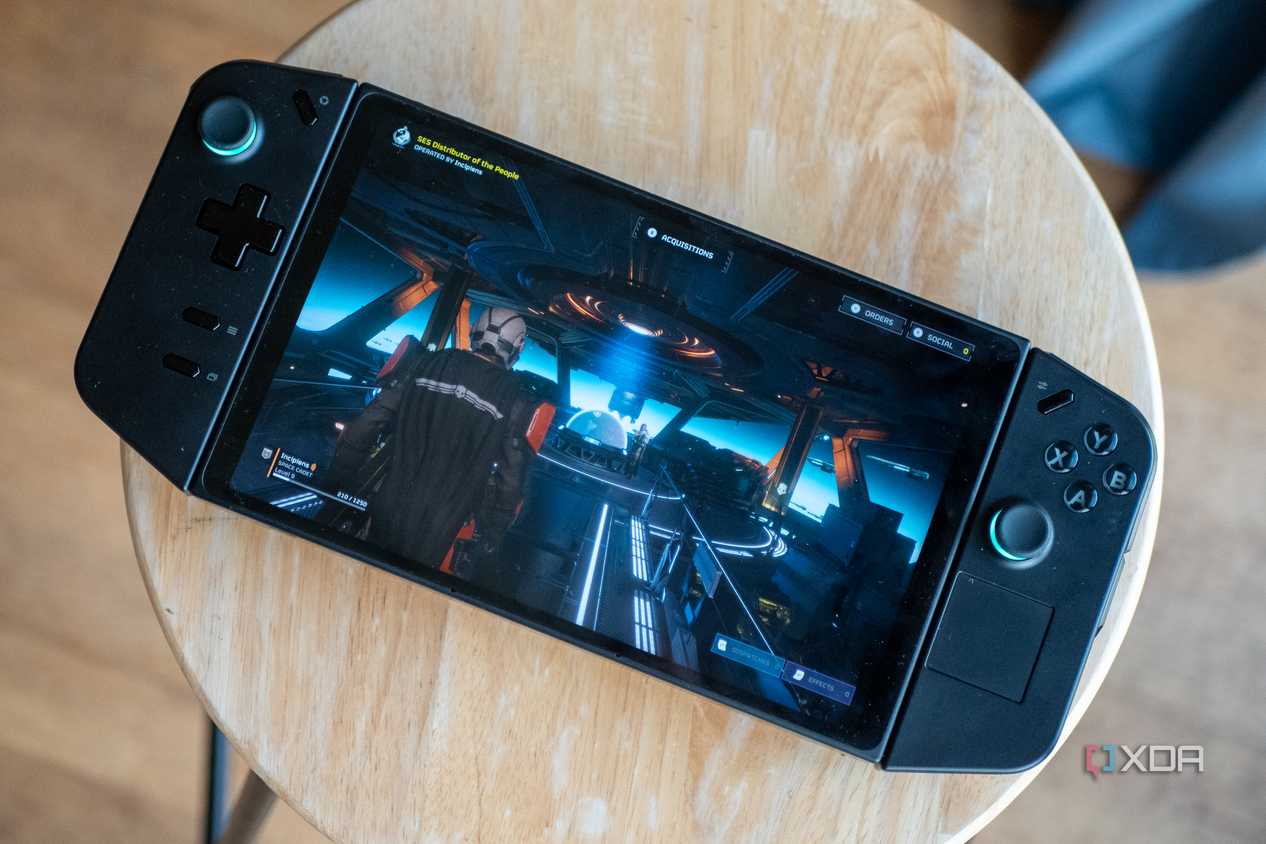
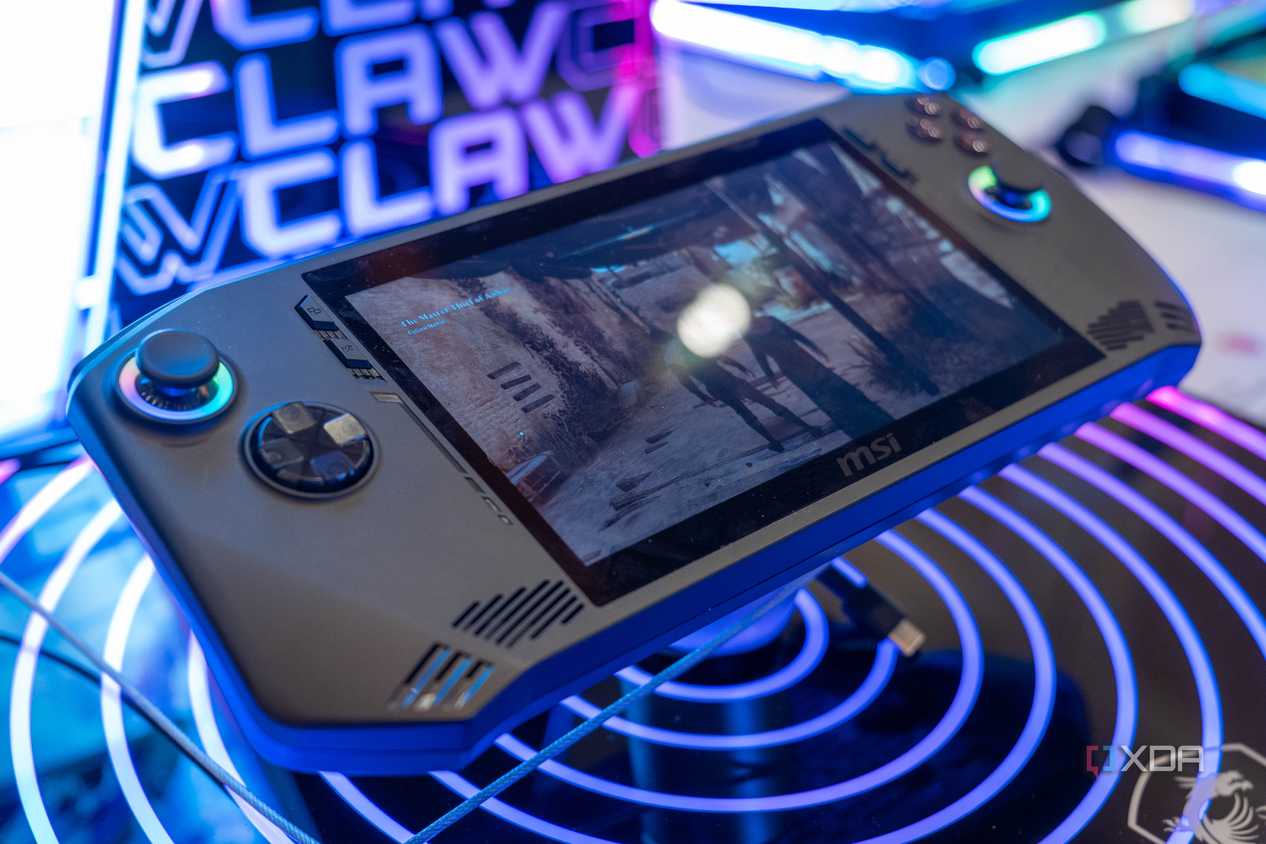
There are so many different gaming handhelds available right now that it's almost ridiculous. You obviously have the industry-leading options from Asus and Valve, but there are plenty more. There's the Lenovo Legion Go for those who want a Nintendo Switch-style form factor, and the MSI Claw for those who want Intel. The Adata XPG Nia showcased at Computex is set to feature user-replaceable memory, and the OnePlayer X1 is there for people who need ludicrous screen real estate. Don't forget about Ayaneo, which has a handheld with an inbuilt keyboard and another with two screens.
Imagine the weirdest handheld you can think of, and it probably exists. Seriously, you can say a lot of things about the PC gaming handheld market in 2024, but you can't say it's short of options. That makes it a great time to buy one, because you can find the perfect one for your needs.
2 The Steam Deck OLED is the perfect Linux handheld
If you like the Linux and SteamOS lifestyle, this is the definitive handheld to buy


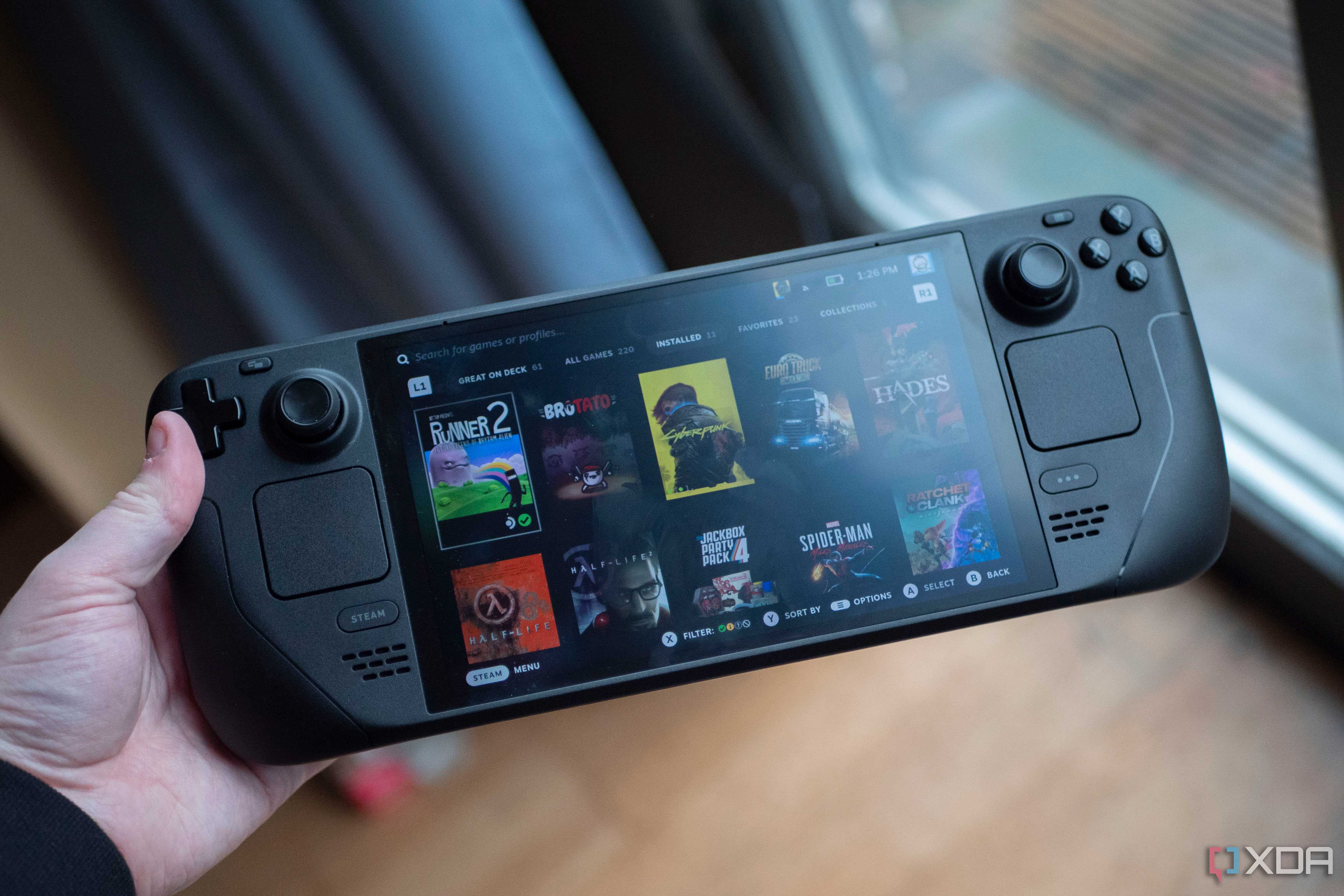
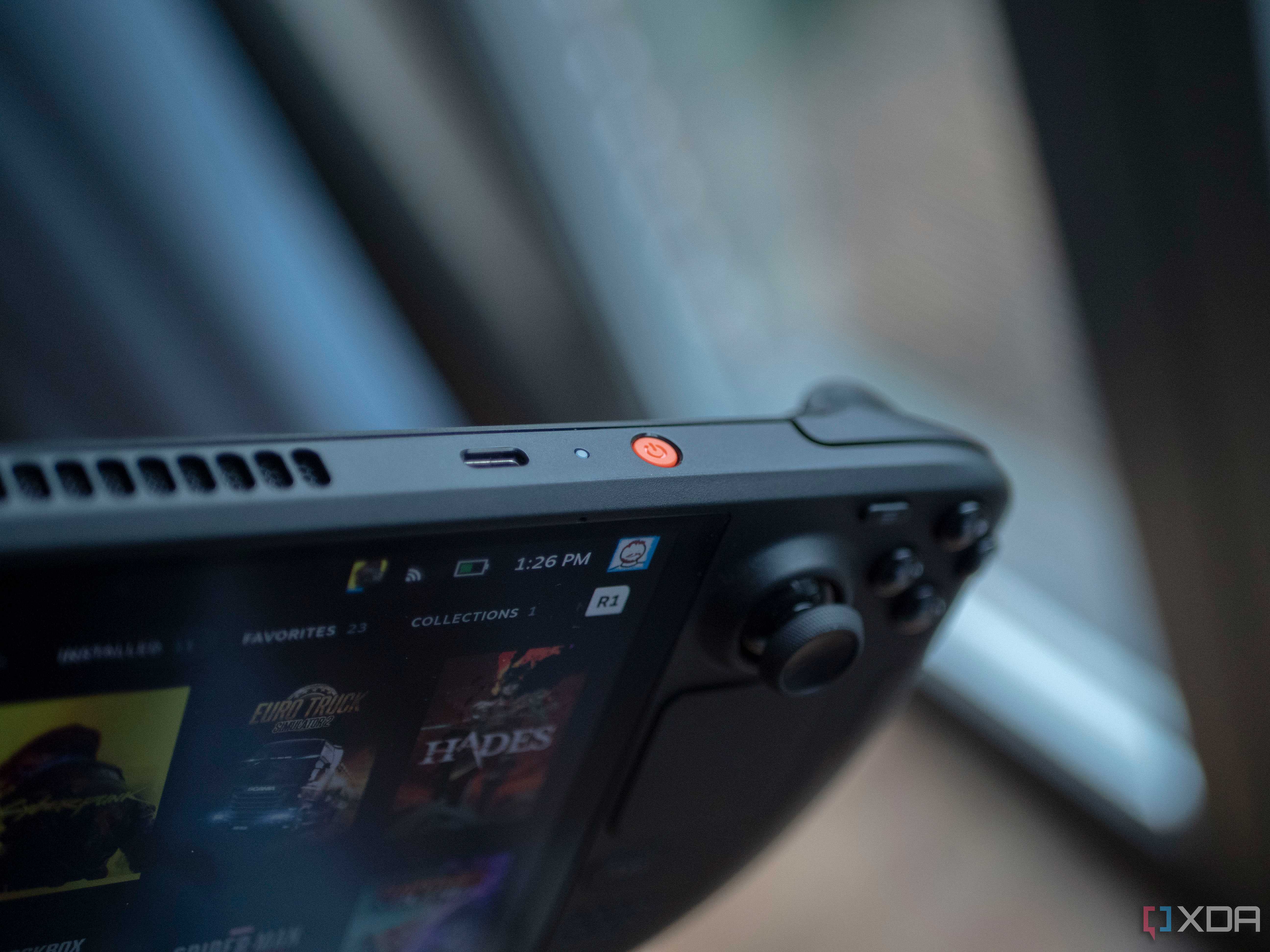
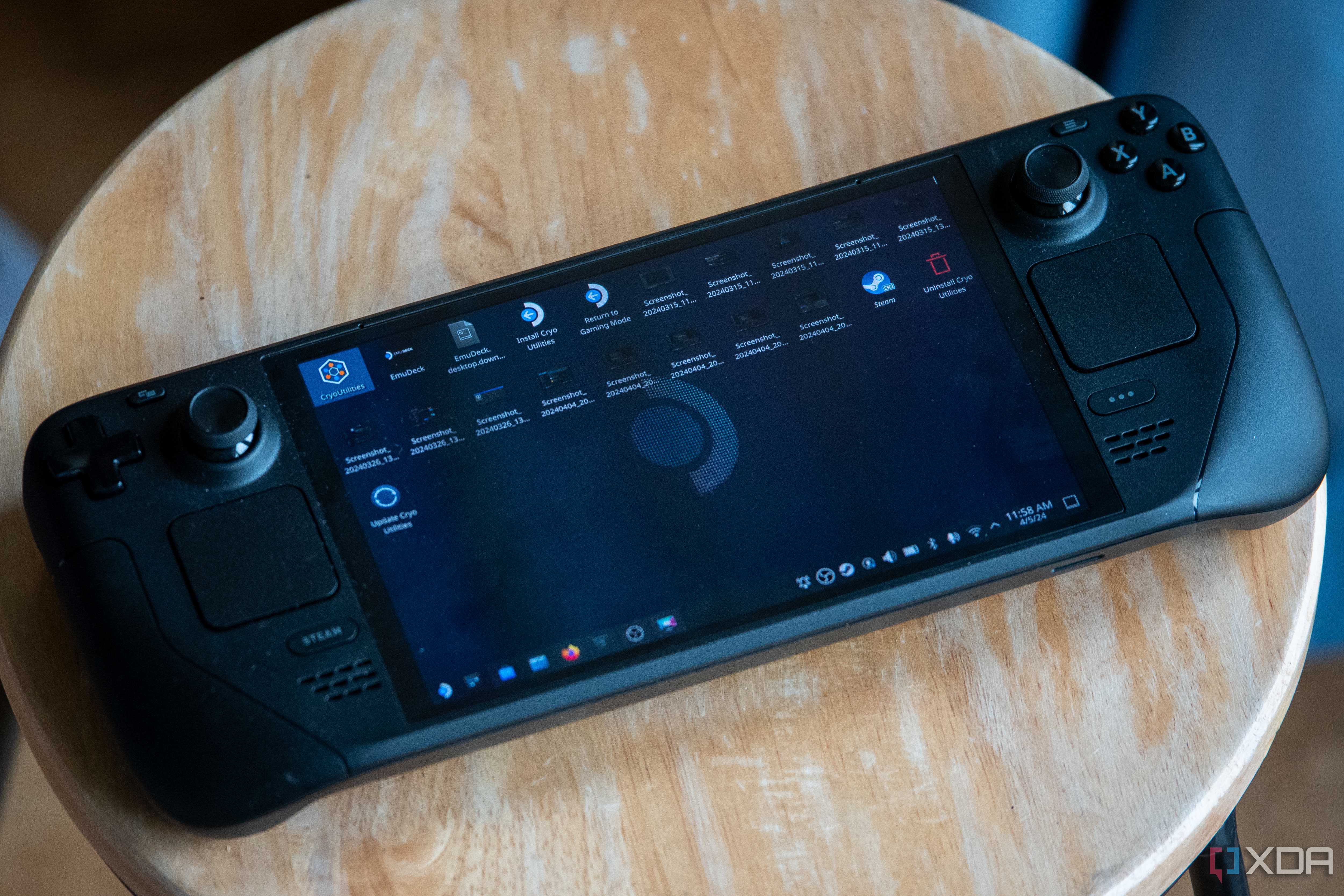
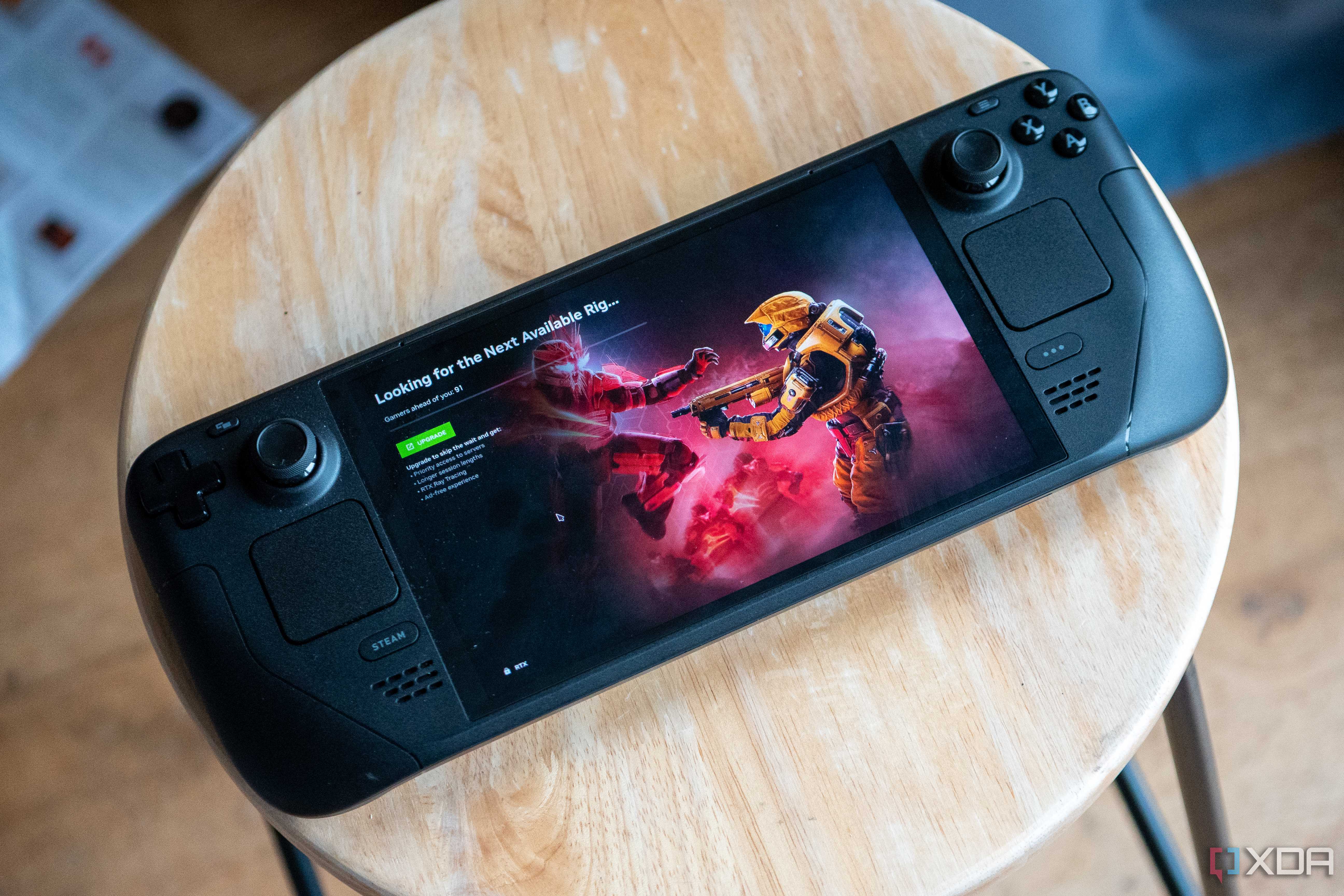
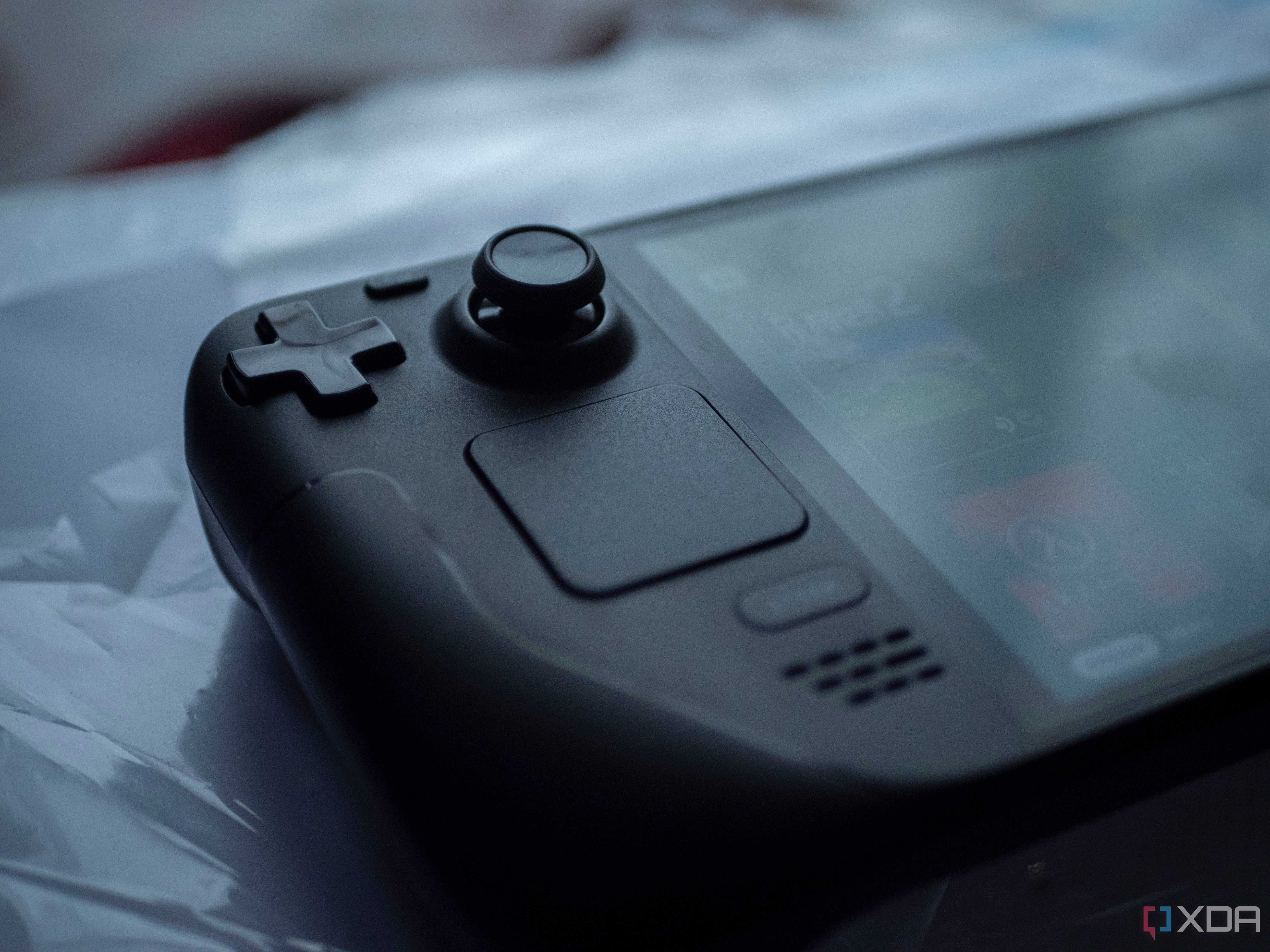

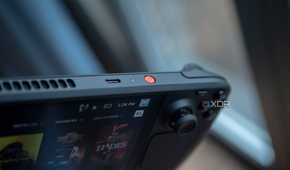
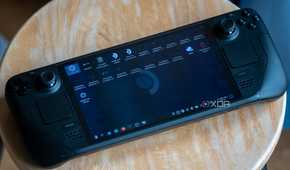


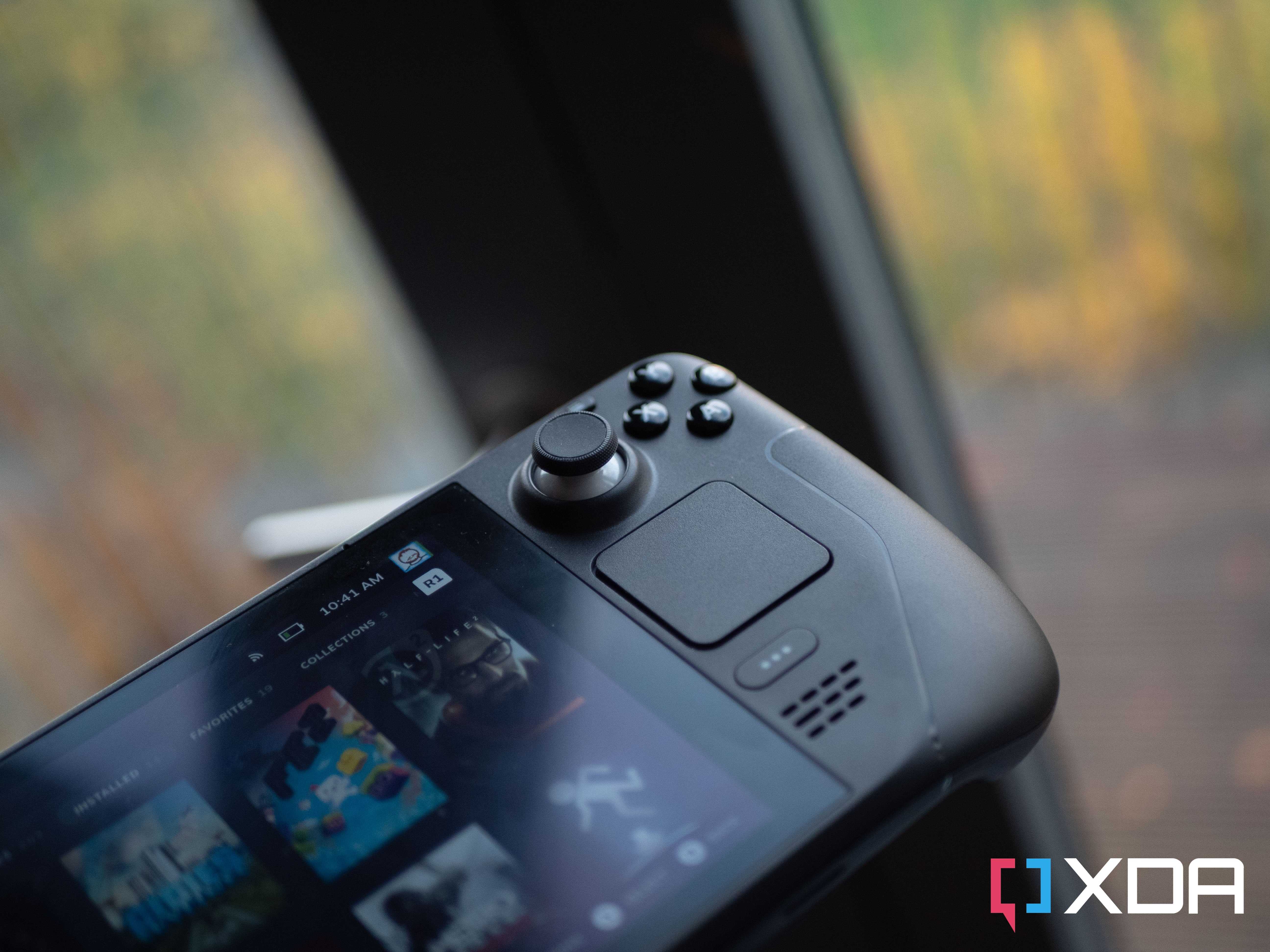
The main reason that it's a great time to buy a PC gaming handheld is because the top options are just so good. Let's start with the Steam Deck OLED, which adds a dazzling screen to an already-great Linux handheld. Of course, there's the screen upgrade, but the Steam Deck OLED also adds faster RAM and HDR support. Putting specs aside for a second, the reason you'd want to buy the Steam Deck OLED is for SteamOS. It's a Linux distro designed specifically for Valve's handhelds, and it's fantastic. You could use the Steam Deck forever without ever seeing the desktop, which is something no Windows handheld can claim.
If you're looking for a PC gaming handheld that feels just like a console, this is the one to buy. It checks nearly all the boxes. Most importantly, we know that a successor isn't coming anytime soon. There's no reason to hold off buying the Steam Deck OLED because it's certain to be the top Linux option for at least a year, and maybe more. Why wait if you can get an excellent product right now?
1 The ROG Ally X is the perfect Windows handheld
To get the absolute most performance, this is the handheld to buy


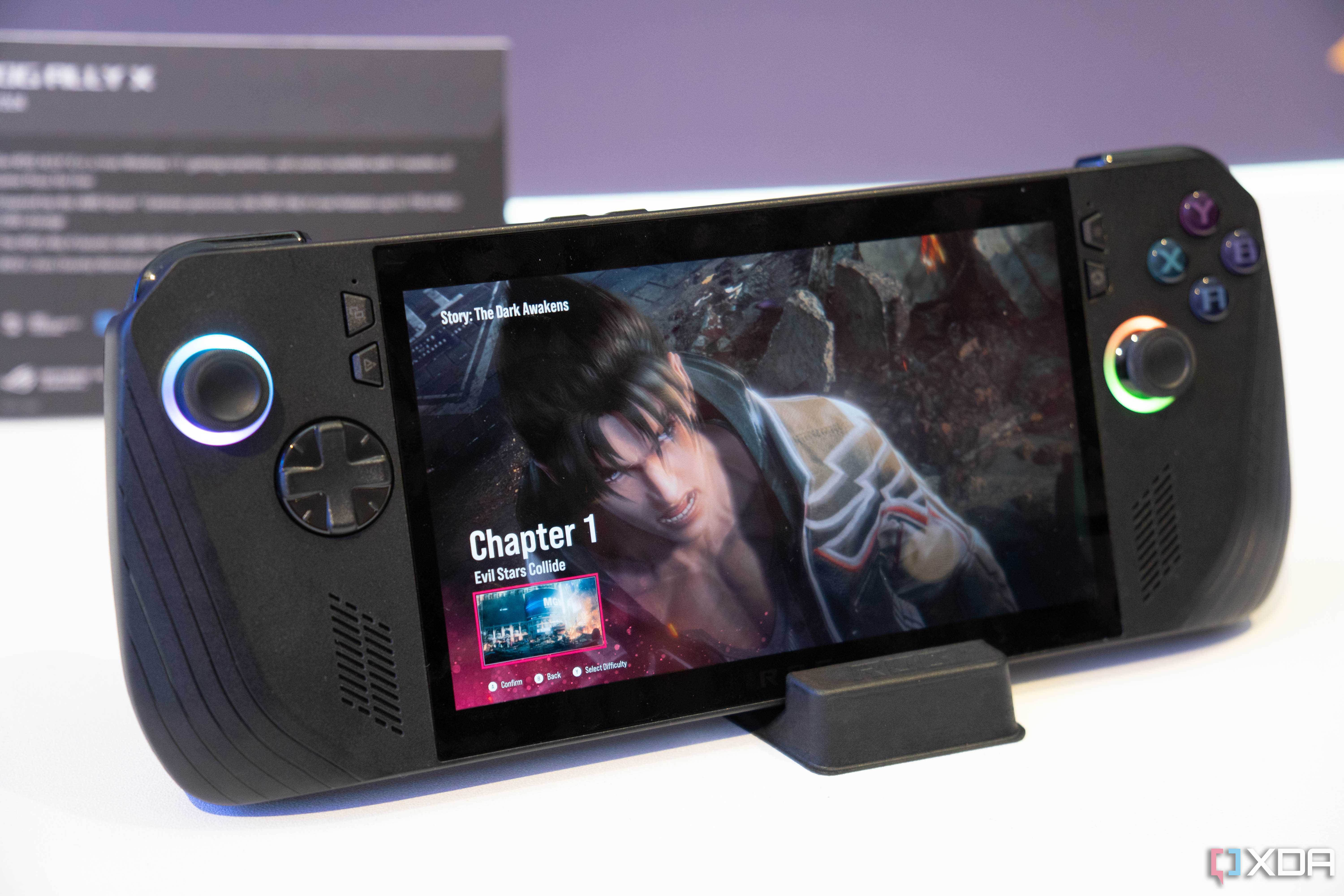
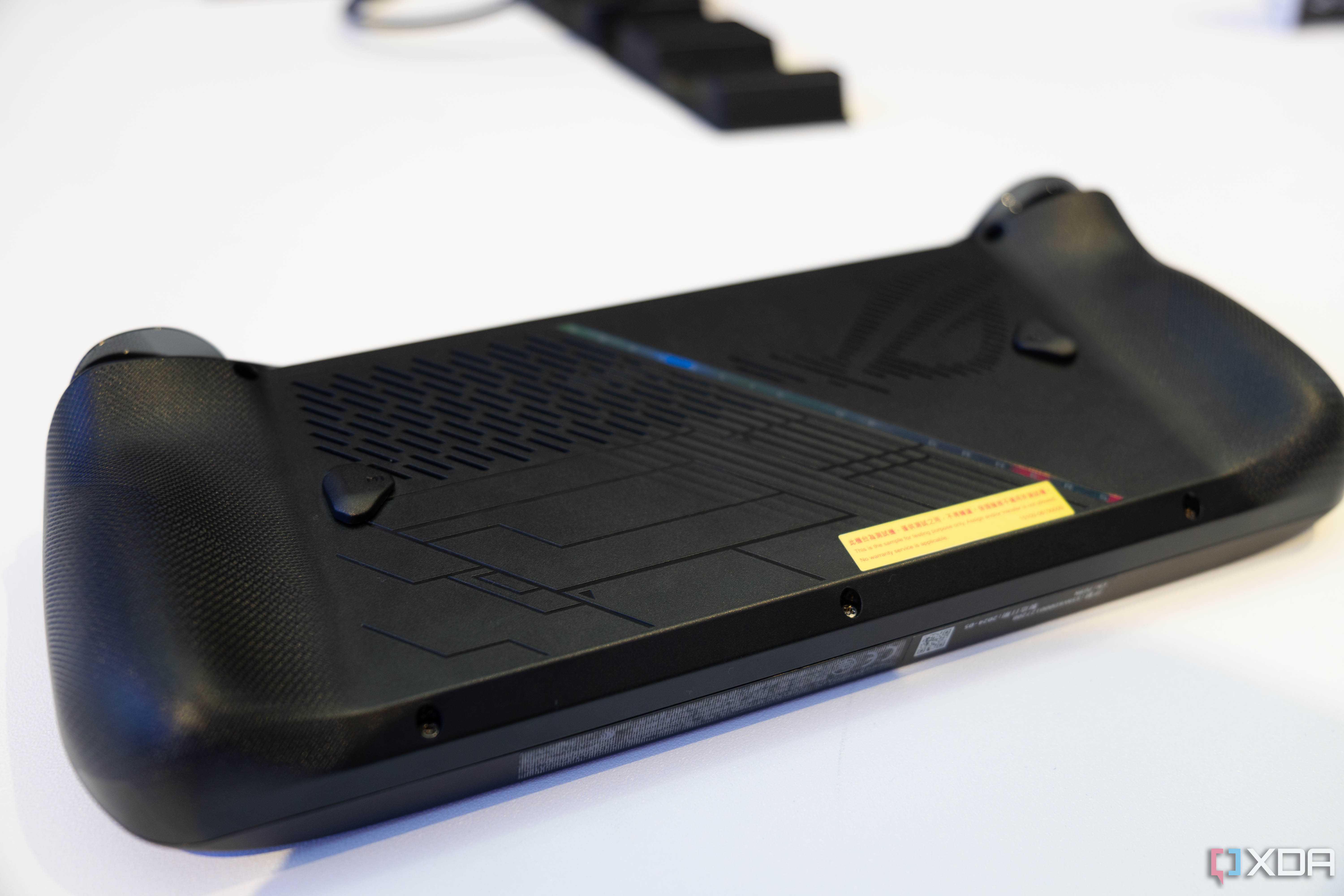
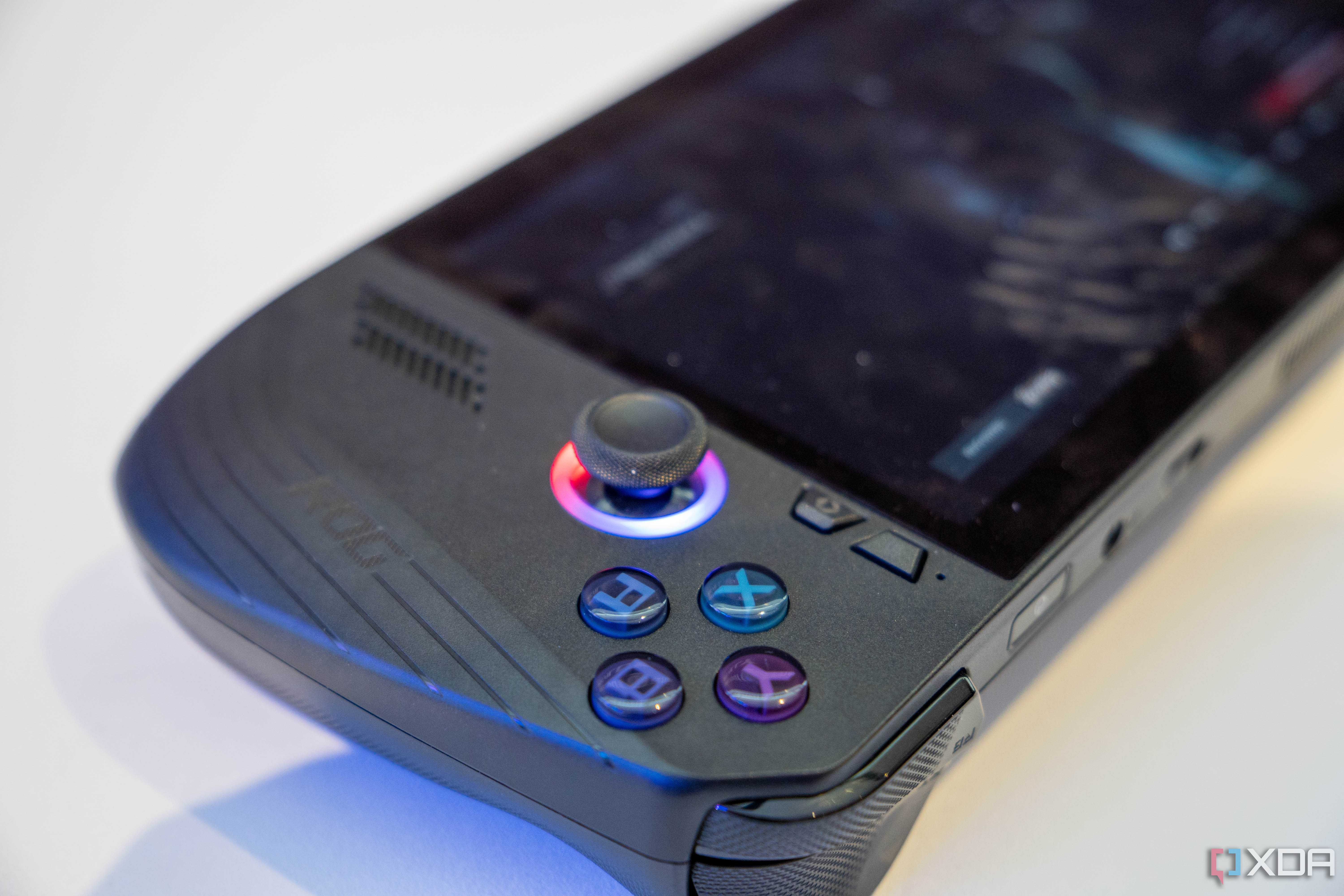


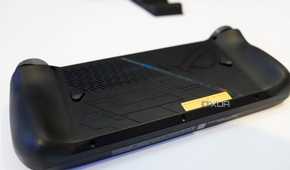

The Steam Deck OLED has been great for a while, but the ROG Ally X rounds out your options. A Linux-based handheld isn't great for everyone, especially if you want to run games that require specialized software. For starters, Epic's Easy Anticheat doesn't run on the Steam Deck, and that rules out games like Fortnite. However, the original ROG Ally had a few significant drawbacks that made it worth waiting to see what Asus could improve on with a successor.
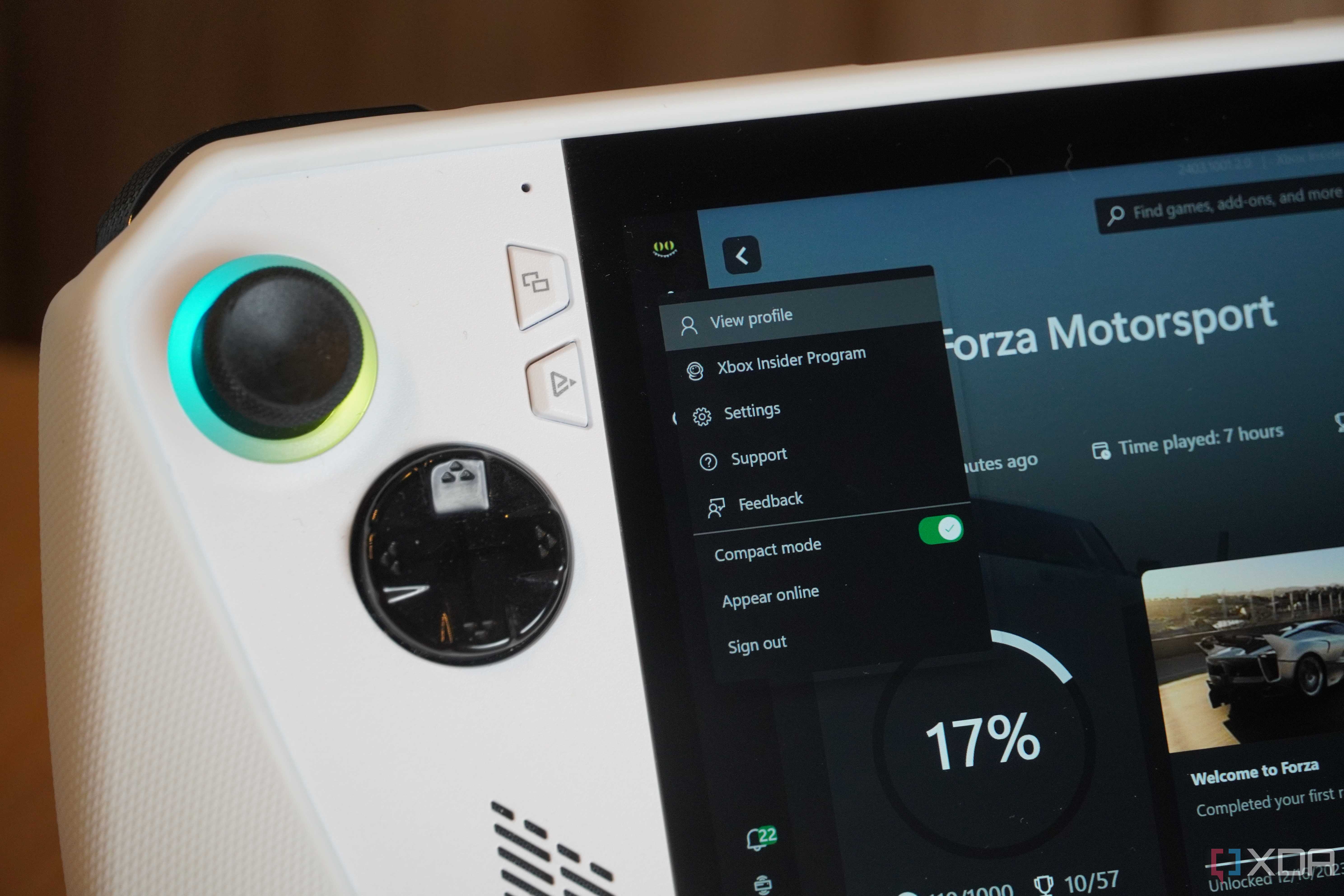
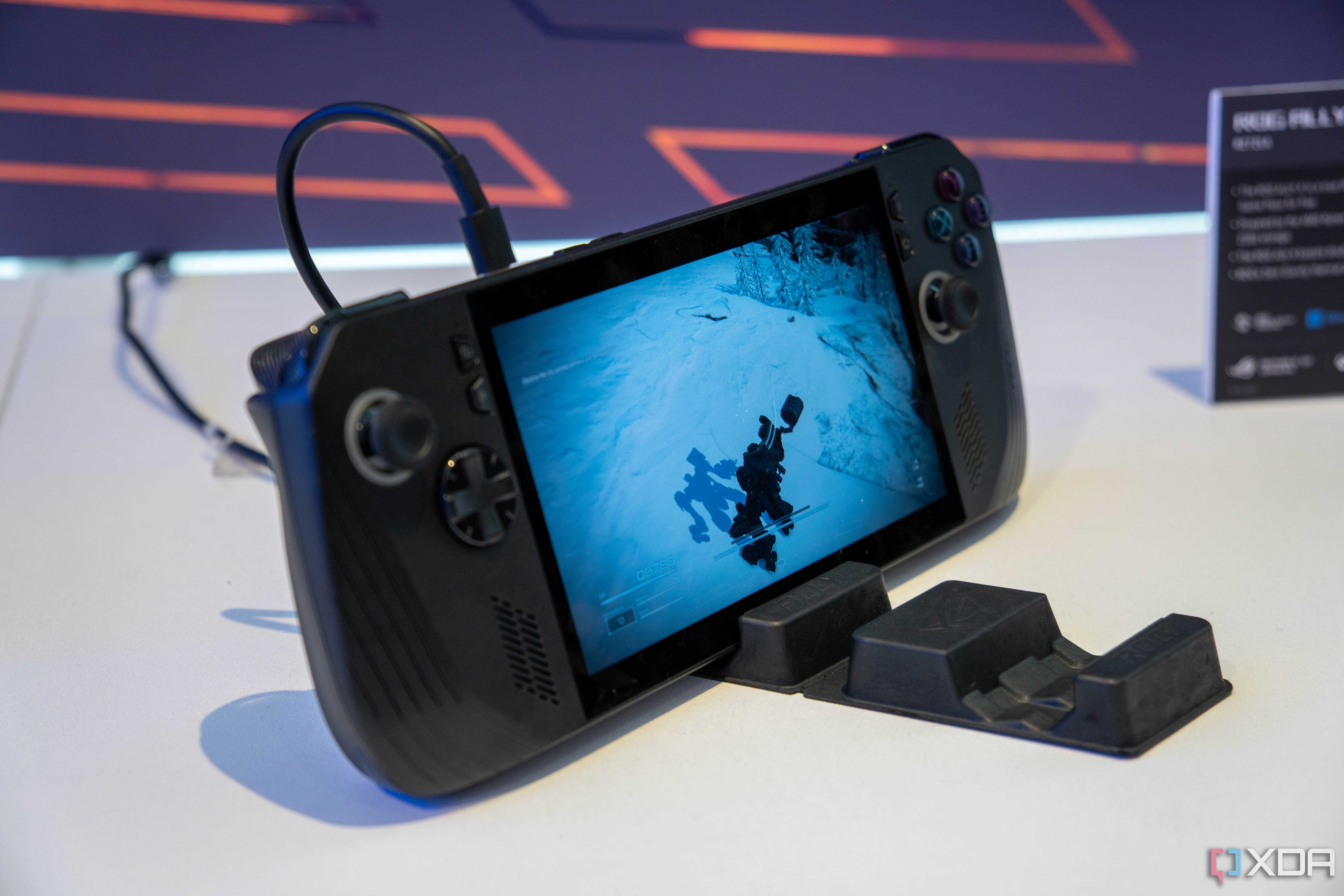
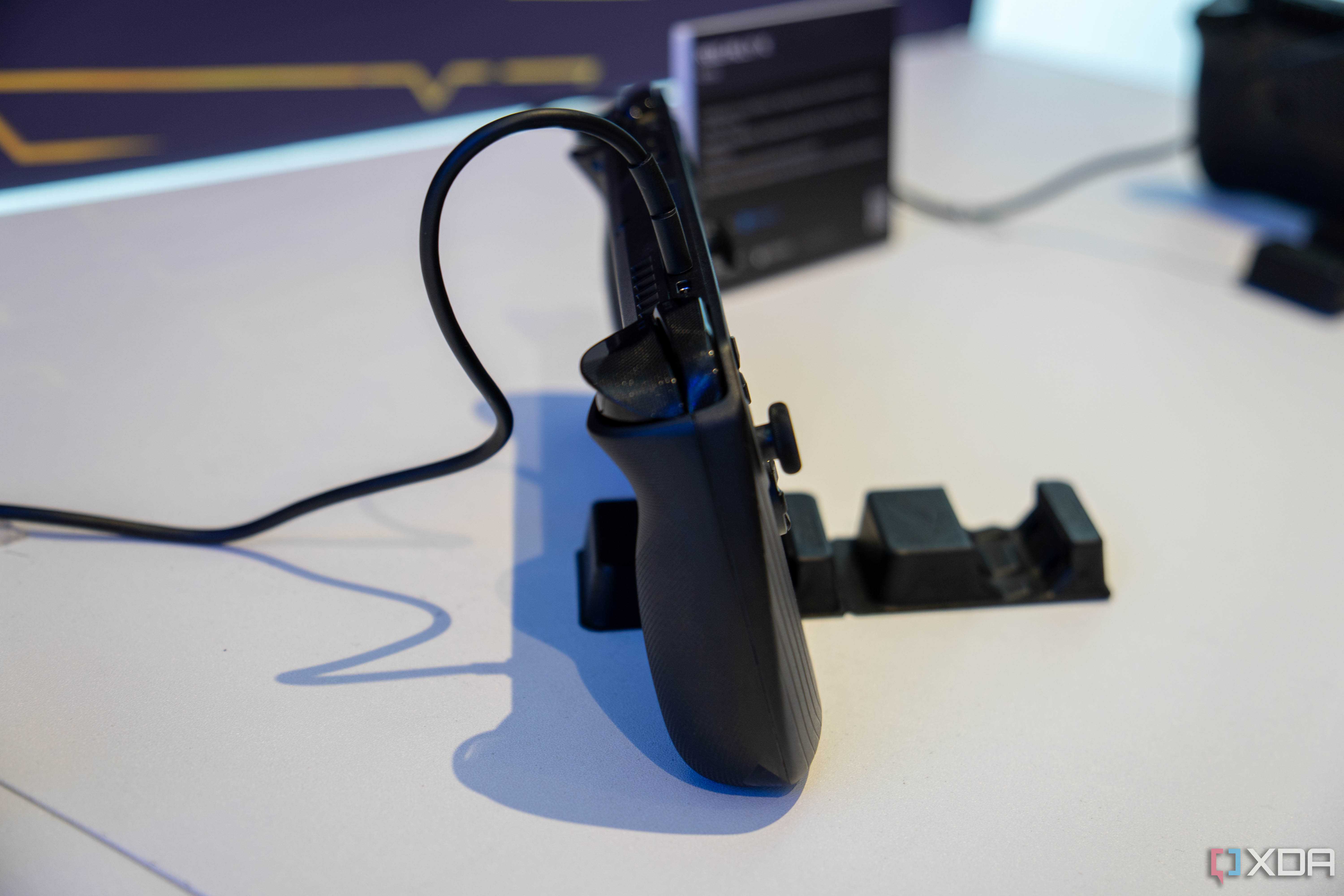
Well, the ROG Ally X is here, and it feels like Asus followed my ROG Ally 2 wishlist when it drew up the new handheld. There's better battery life, a second USB-C port, a microSD card slot that won't fry your cards, and plenty more improvements. The chassis got an overhaul, too, gaining a slick black colorway and a more ergonomic design. It's impossible to understate how big of an upgrade this handheld is for Windows gamers. It's probably not worth the upgrade if you have the original ROG Ally, due to the lack of a chip upgrade, though.
But for new buyers, the ROG Ally X is the definitive Windows handheld to get. This handheld is going to be the best in its class for the foreseeable future. What makes now a great time to buy a handheld isn't the ROG Ally X, the Steam Deck OLED, or the number of other options available. It's the fact that all of them can be purchased right now, and none of them are due for an immediate refresh. You can buy either of these handhelds and know they won't be obsolete anytime soon.
Which gaming handheld should you buy?
Picking out a gaming handheld is a personal choice, and there isn't a right or wrong answer. I'm partial to the ROG Ally, because I'm familiar with Windows gaming, and I value things like full anti-cheat and Xbox app compatibility. It has better performance than the Steam Deck on average, too. However, there is certainly a case to be made for picking up a Steam Deck OLED instead. SteamOS is truly great, and the Steam Deck is the only handheld I've tried that actually feels like a console.
To me, it's a two-way race between the Asus ROG Ally X and the Steam Deck OLED. Since those handhelds are both excellent following mid-cycle refreshes, now is a great time to buy either one of them. If you do end up buying one for yourself, we have a few tips and tricks to help you make the most of them.
