


The term "4K" has long been a buzzword in the entertainment industry for selling everything from TVs to physical media and streaming services. It's also been a mainstay of the gaming industry, with gaming consoles saying they're 4K-ready, even if they're not actually pushing out a native 4K signal in many situations. In PC gaming, buying a 4K monitor and hardware powerful enough to ensure a smooth experience is thought to be the pinnacle of enthusiast setups, but how common is it, really? The answer might surprise you, given how prominent 4K branding is in the gaming space, occupying a niche that isn't representative of the whole.
5 Most people are still using smaller monitors
4K is too many pixels for a 24" display


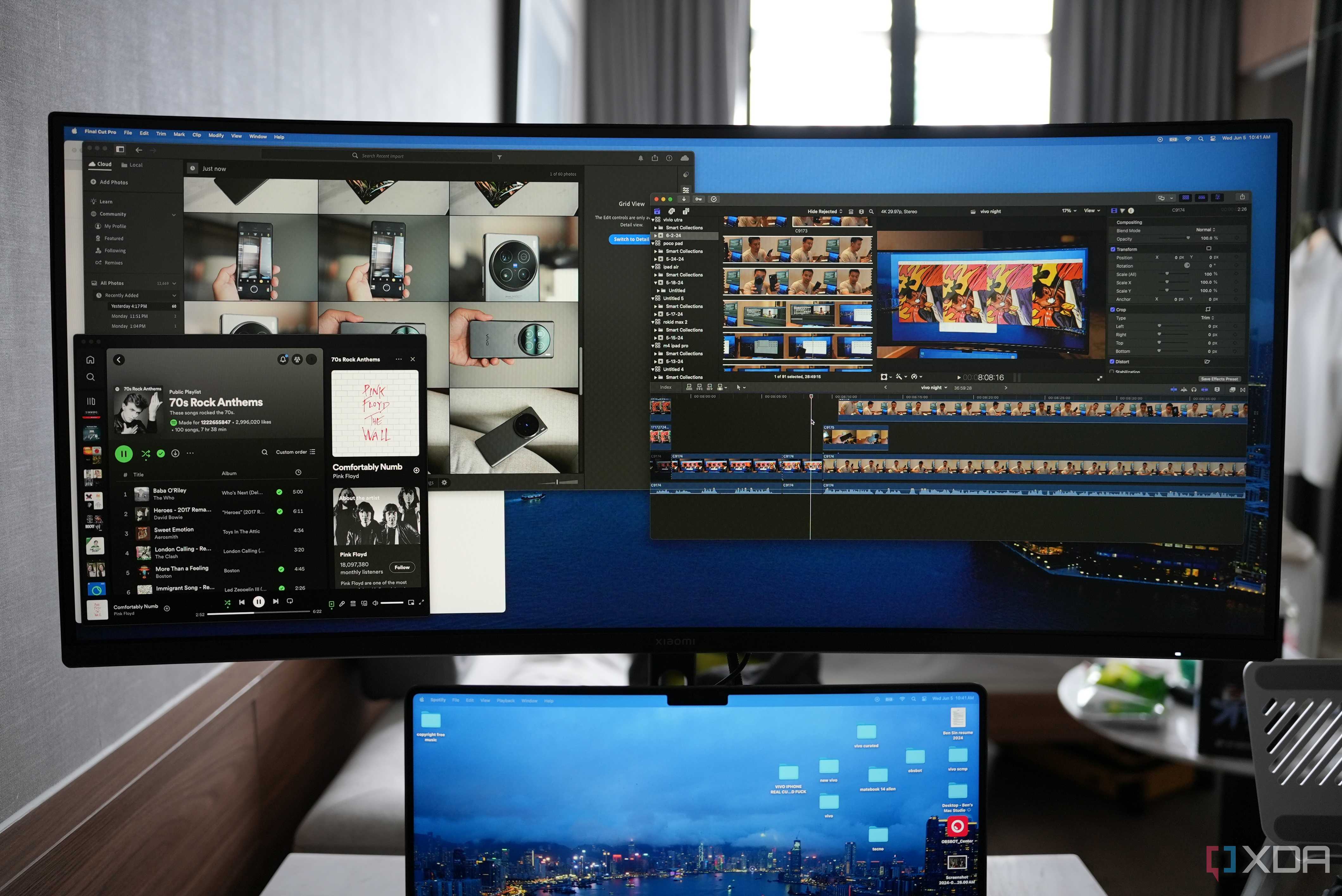
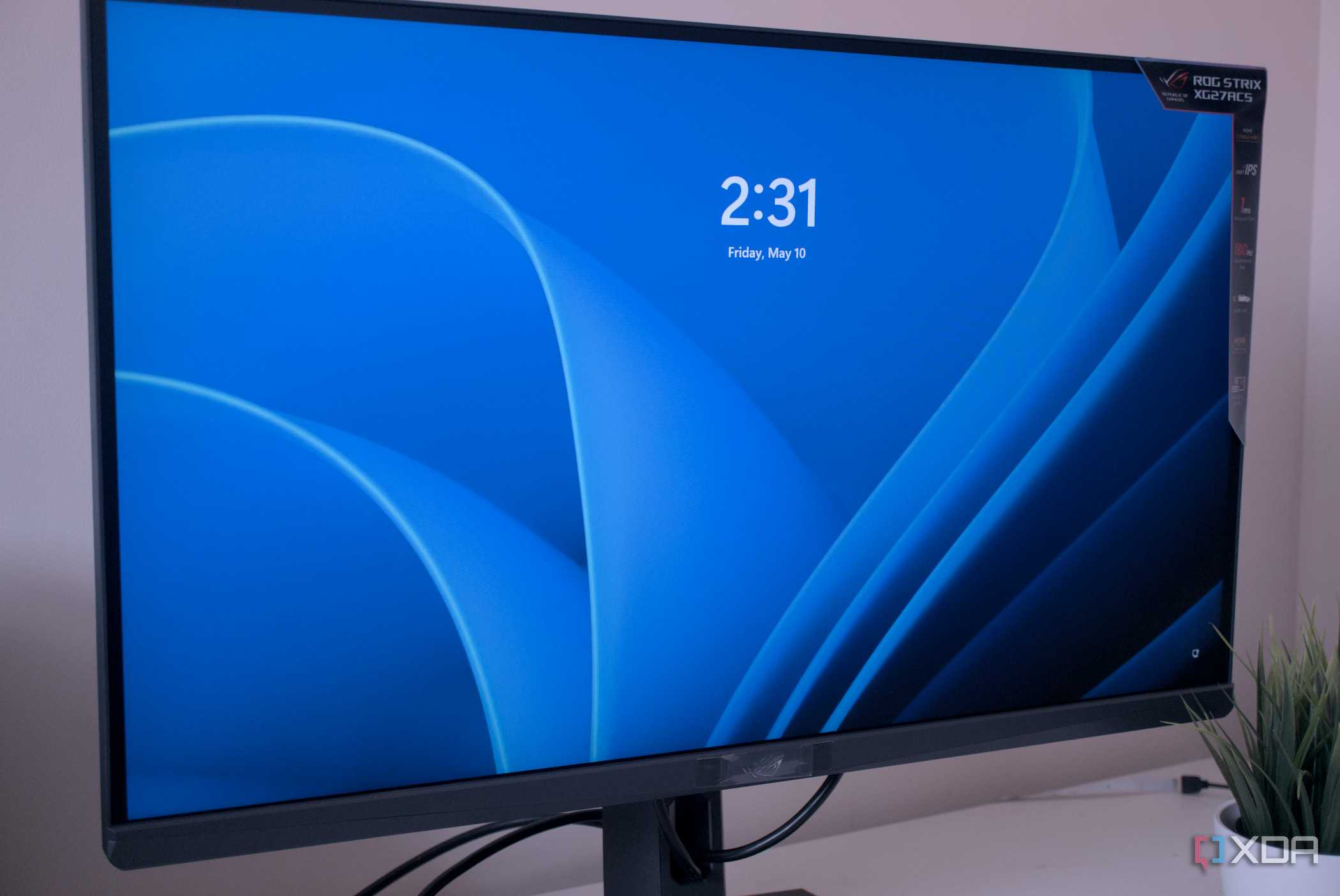
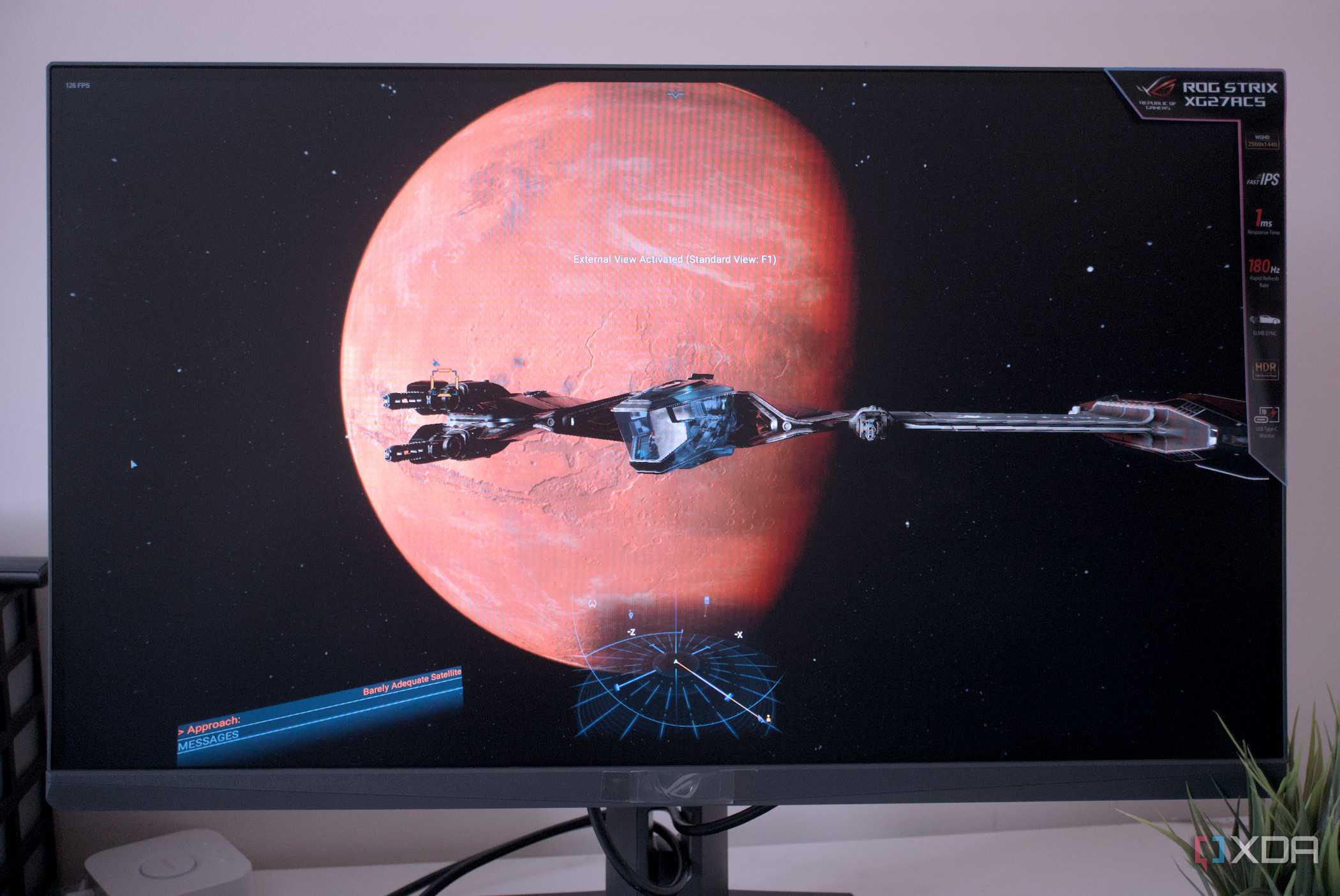
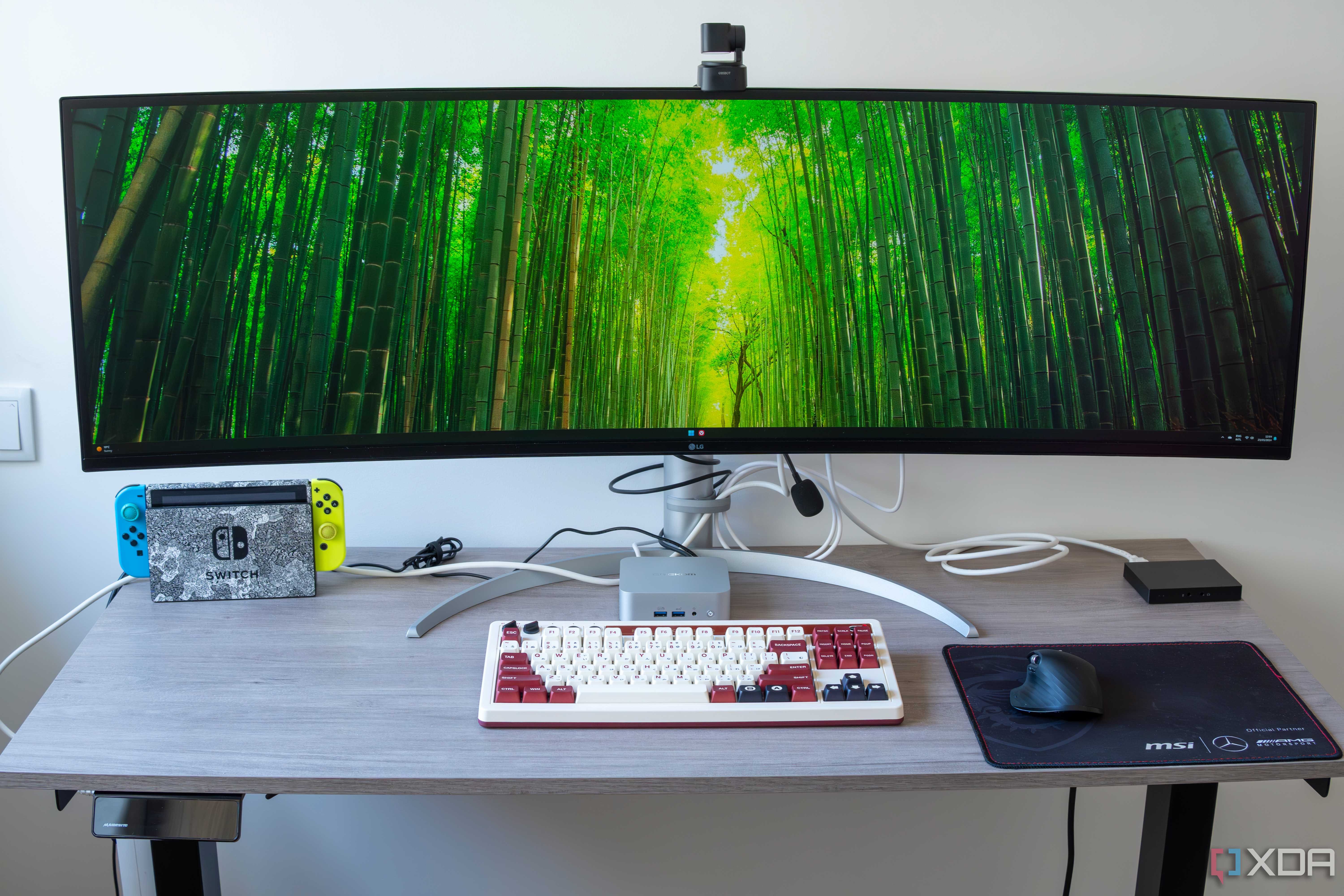
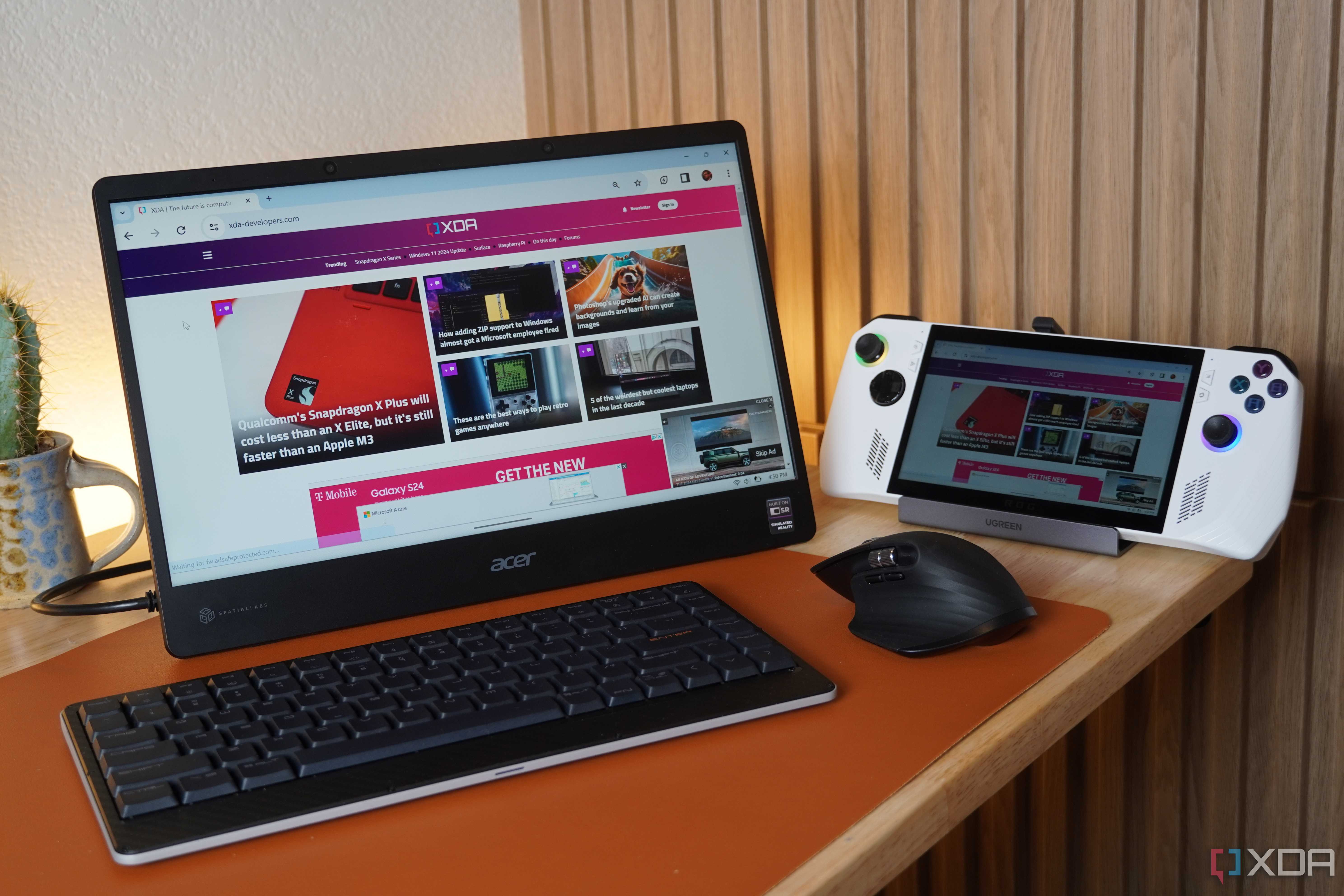



Screen size is the biggest driver of resolution in displays. That's why, as TV sizes trended up, manufacturers pushed 4K, as 1080p didn't have enough pixels to look good on a TV that's 40 inches or higher. While 4K is warranted on large living room TV screens, that's not the case for desktop viewing. According to panel manufacturer AU Optronics (via TFTCentral), in 2022, the average display size was only 24.7 inches. That size is trending upwards, but slowly, and the bulk of monitor shipments are for smaller sizes.
Now, that's the desktop monitor market as a whole, but the gaming market will be no different. Many competitive gamers prefer 1080p panels with high refresh rates so they can get fast reaction speeds, which can be the difference between victory and defeat. Steam's Hardware Survey shows almost 50% of gamers use a 1080p display, with the next significant number using 1440p resolution displays. Now, that survey doesn't show the screen size, only the resolution, but outside of laptop users, 1080p is only really used on monitors up to 27", with a few exceptions for 32-inch smart monitors, and 1440p is mostly used up to 32" unless it's an ultrawide monitor. 4K might be crisp, but it's totally unnecessary under 27 inches, and that's the screen sizes that most gamers are using.
4 4K monitors are still expensive
Even with prices coming down, lower resolutions are cheaper


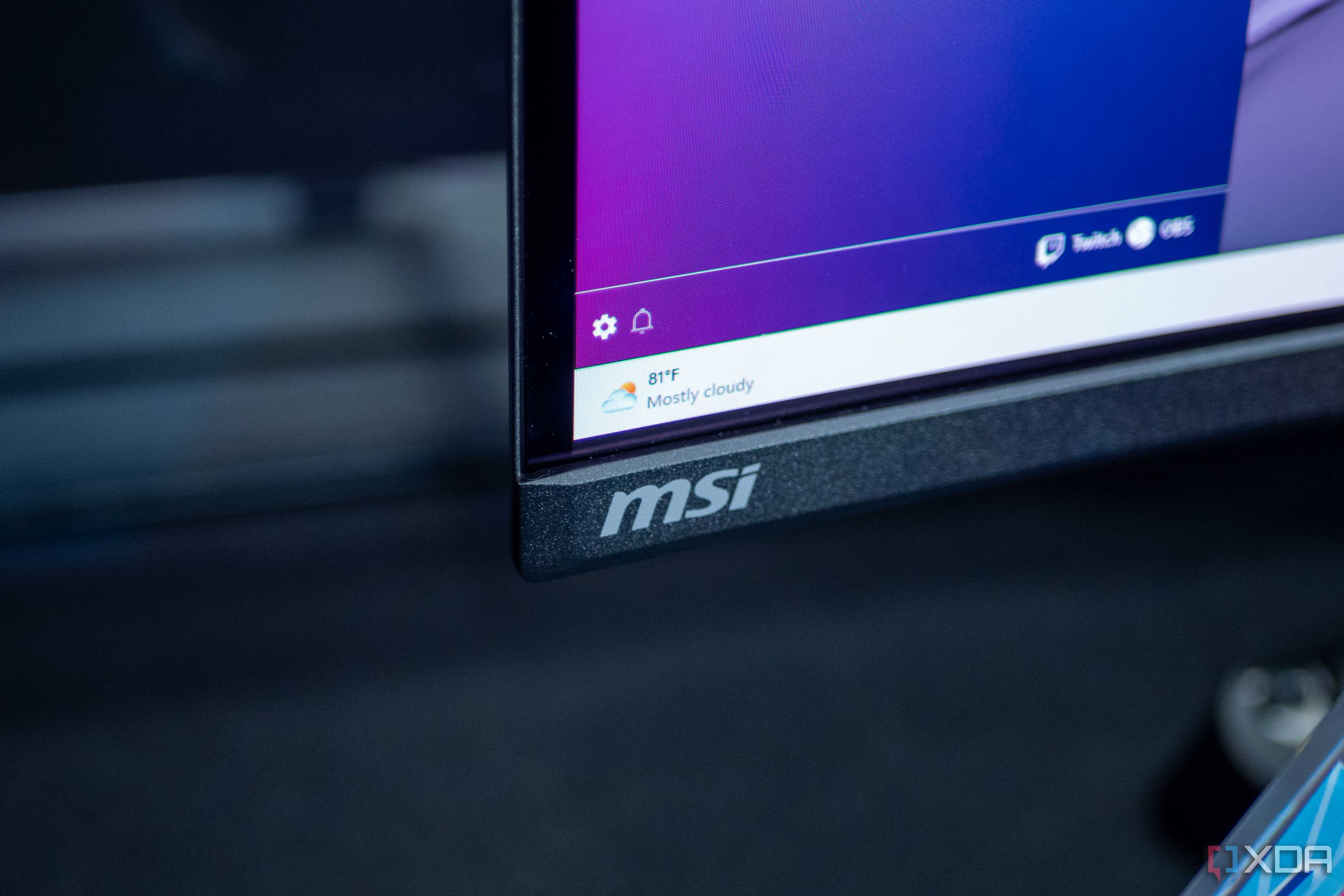
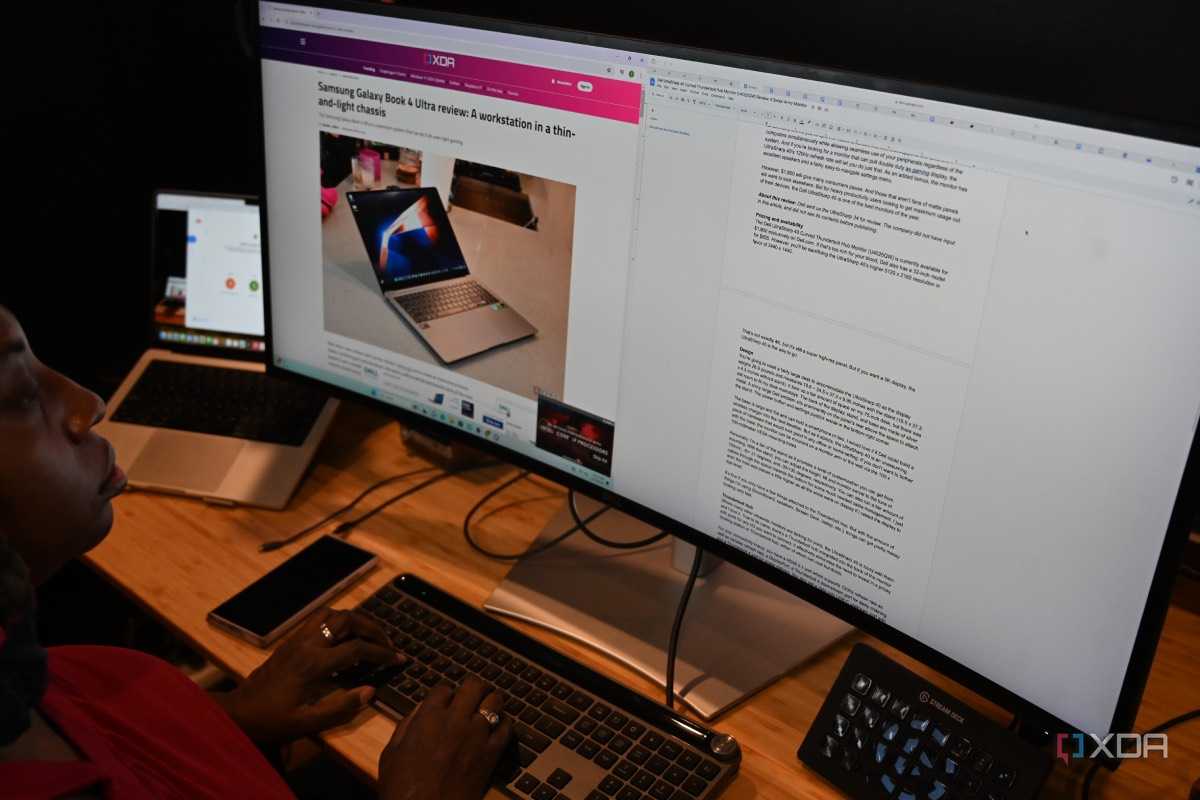
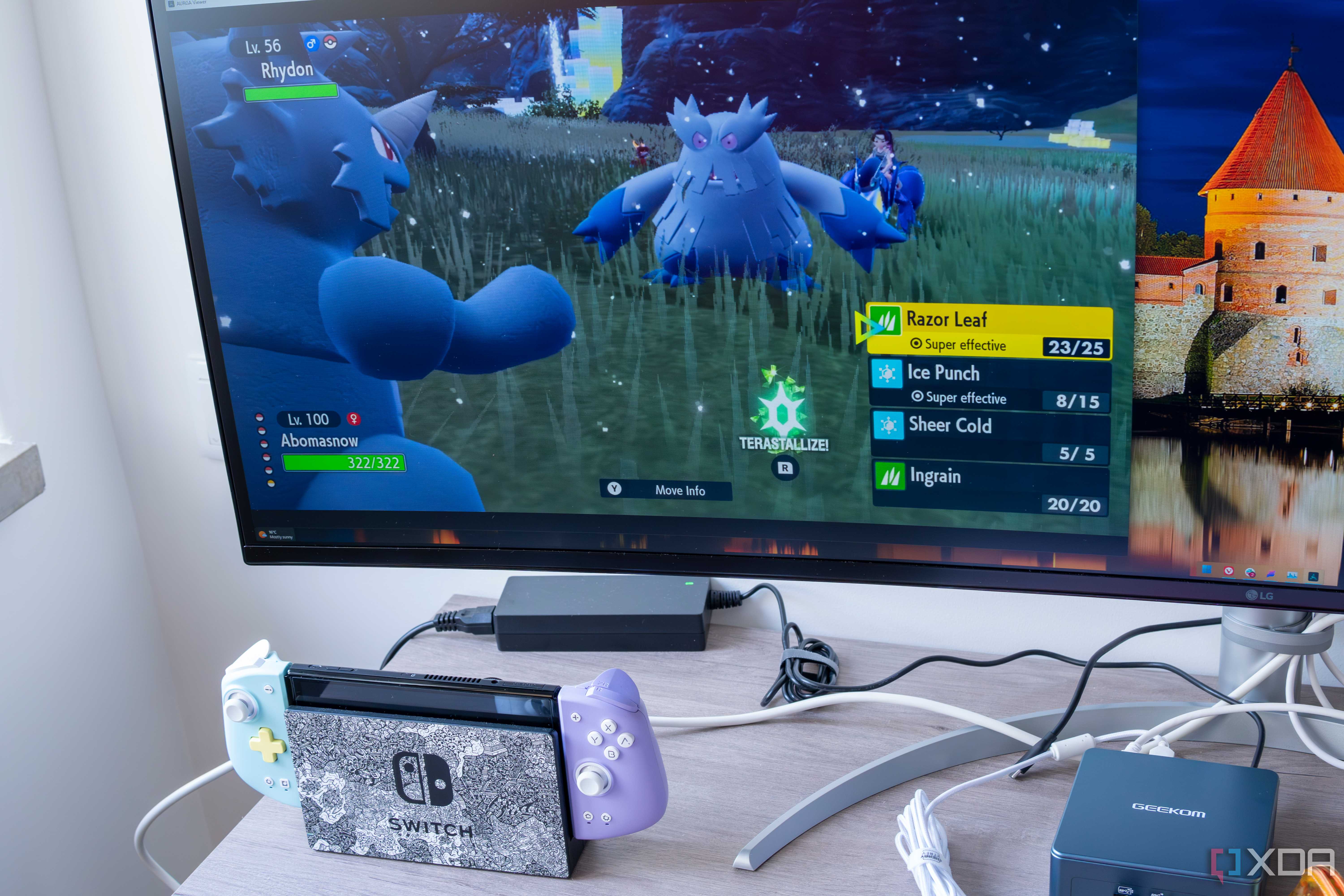
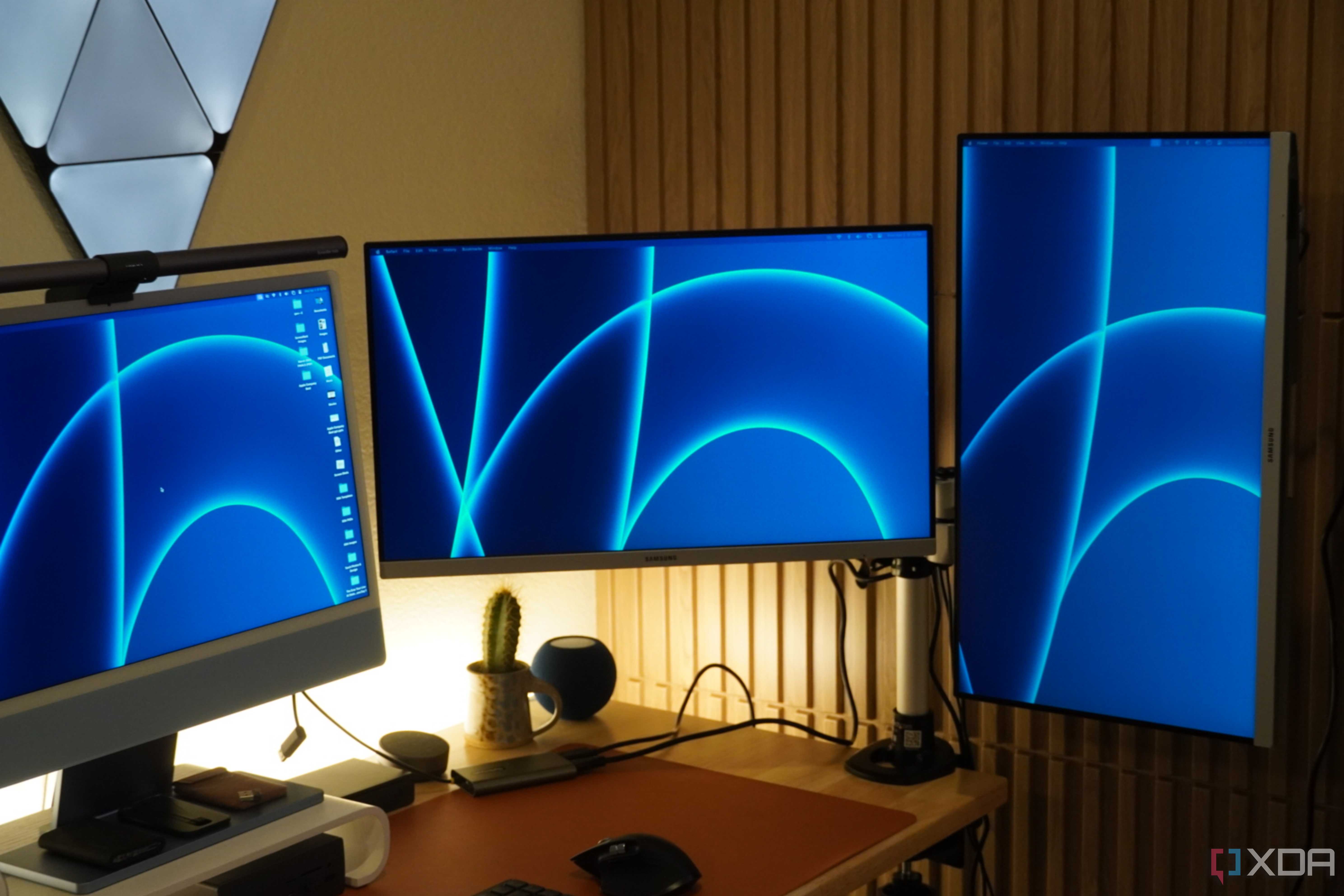
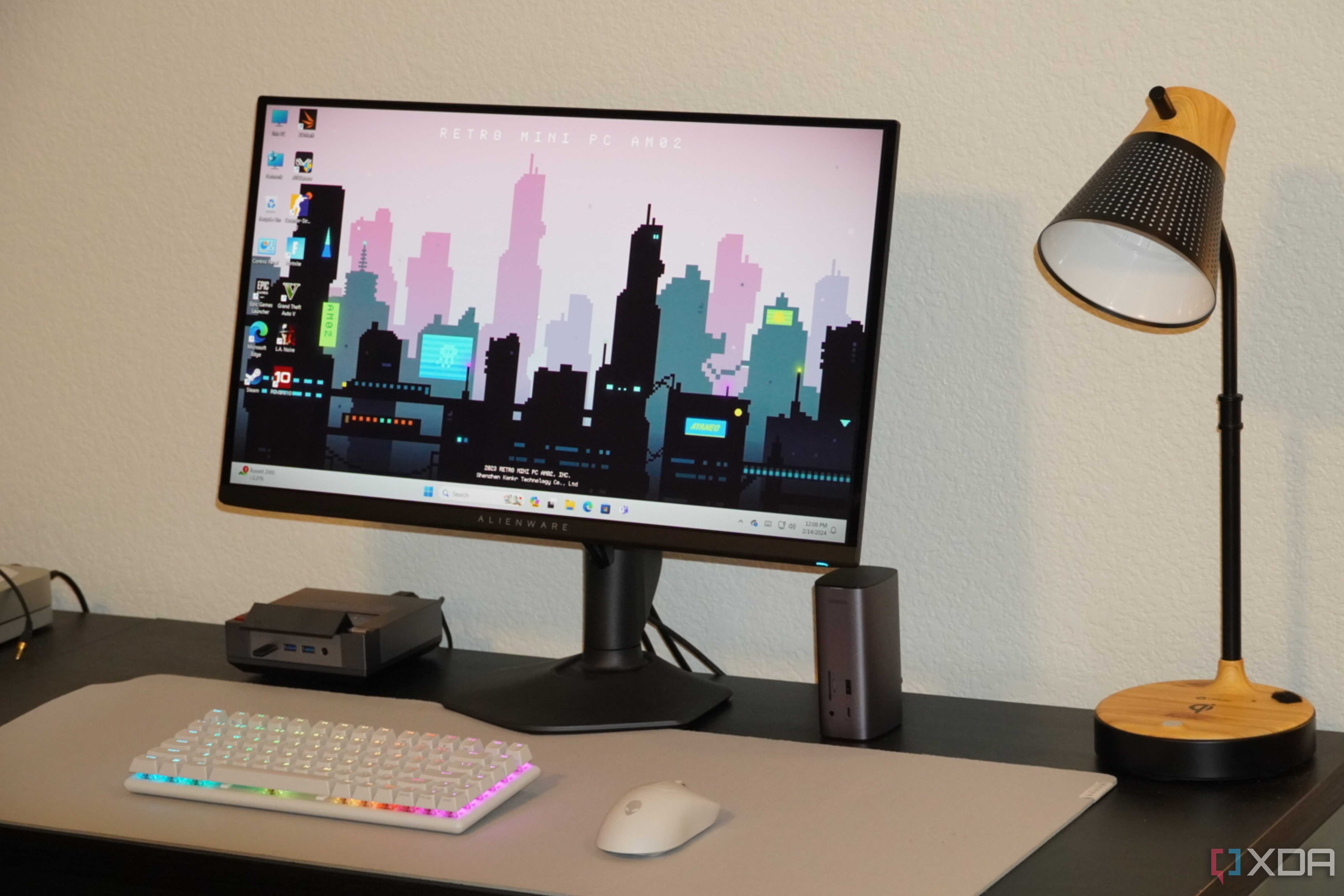




The price of 4K gaming monitors is still a significant hurdle for most gamers. Even with prices coming down to more reasonable levels, it's still not far enough for it to be worth it for most. I remember when the first 4K, 144Hz monitor came out, it was over $2,000, a staggering amount of money for anyone. Nowadays, you can get a decent 4K monitor for under $500, but the pricing overall has come down, so 1440p and 1080p gaming monitors are even more affordable than that. Really, unless you want OLED, you can get a fantastic gaming monitor with VA or IPS for a few hundred dollars or less, even if you want 165Hz or higher refresh rates and other premium features.
3 4K needs expensive graphics cards
You'll need to shell out for flagship GPUs


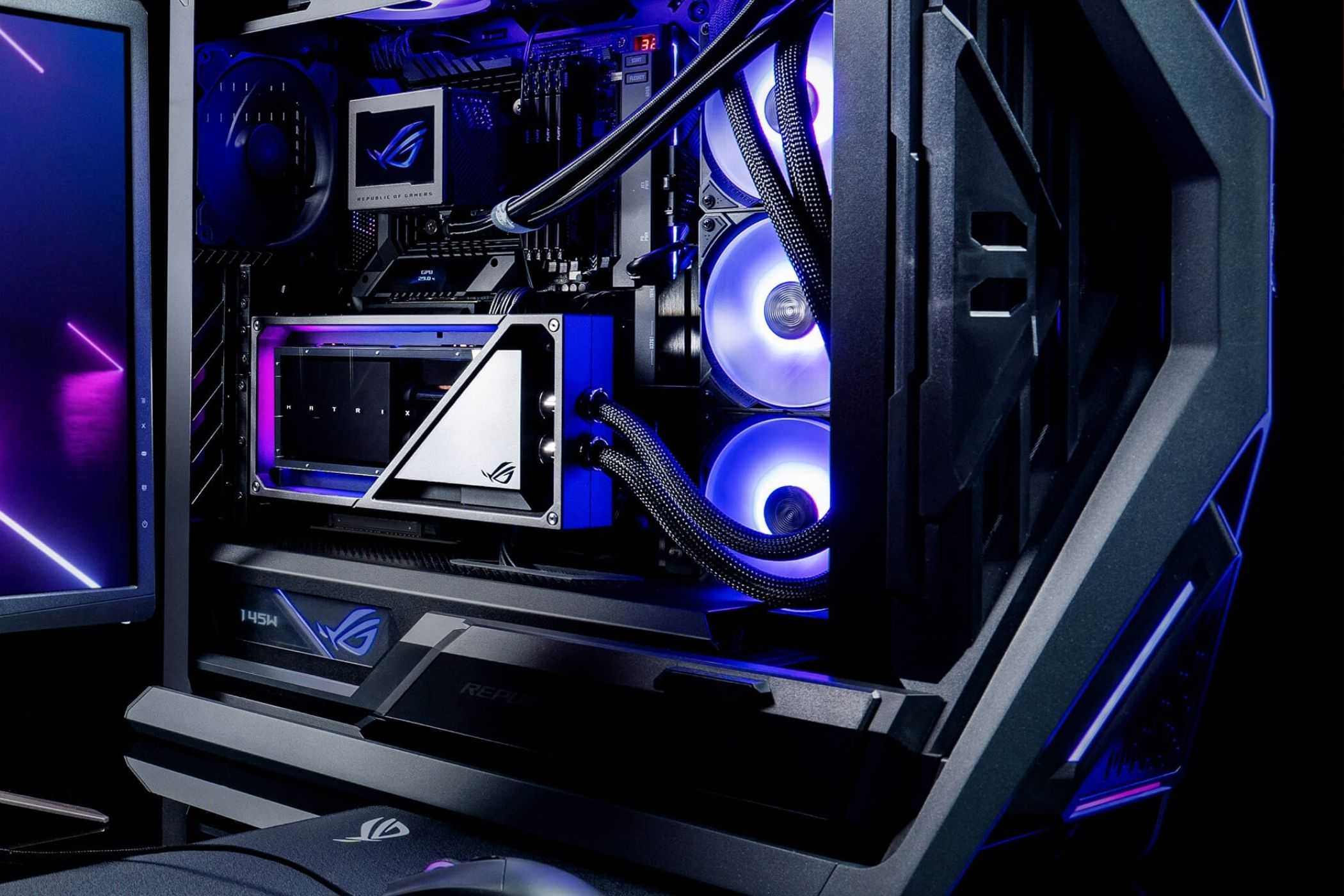
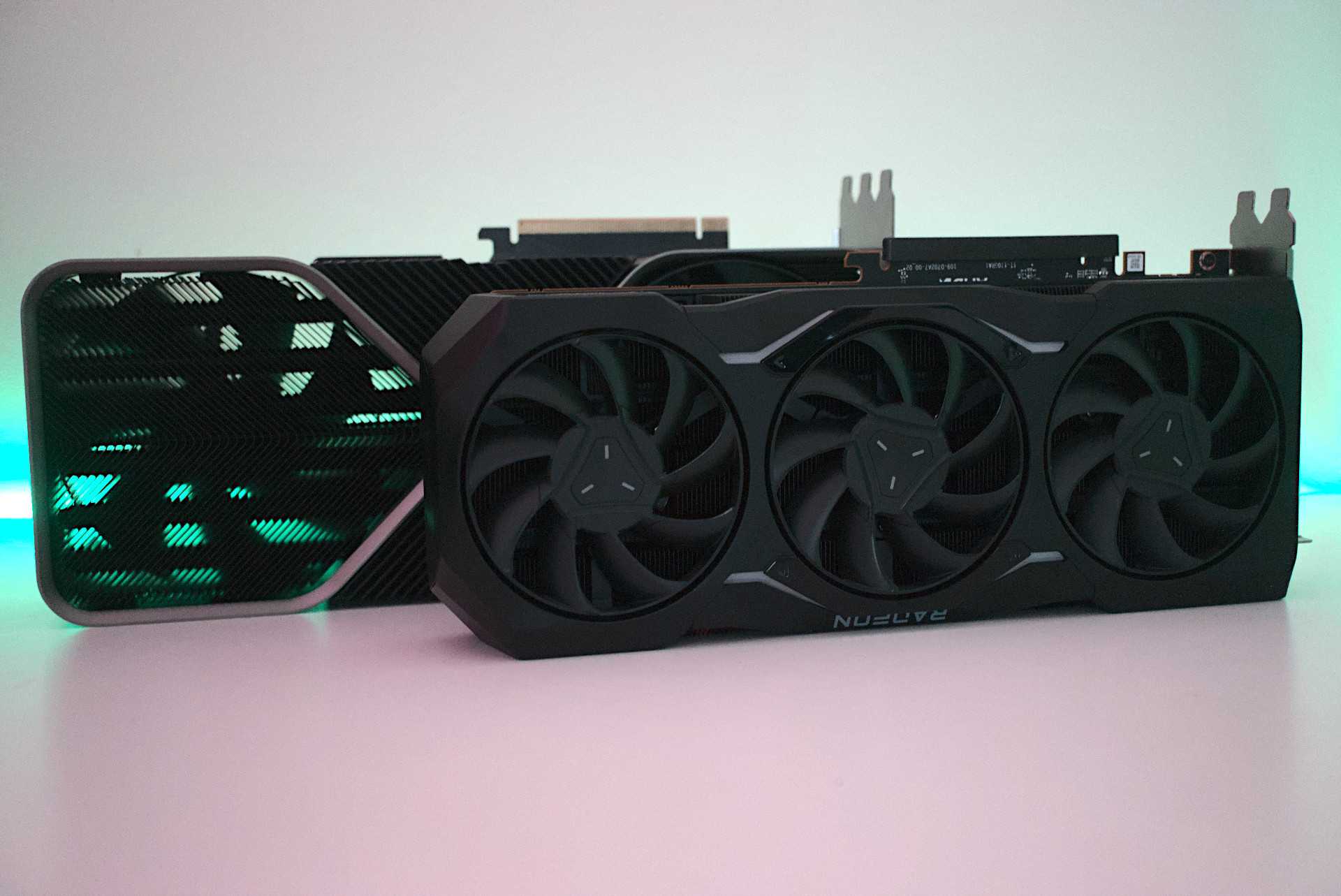
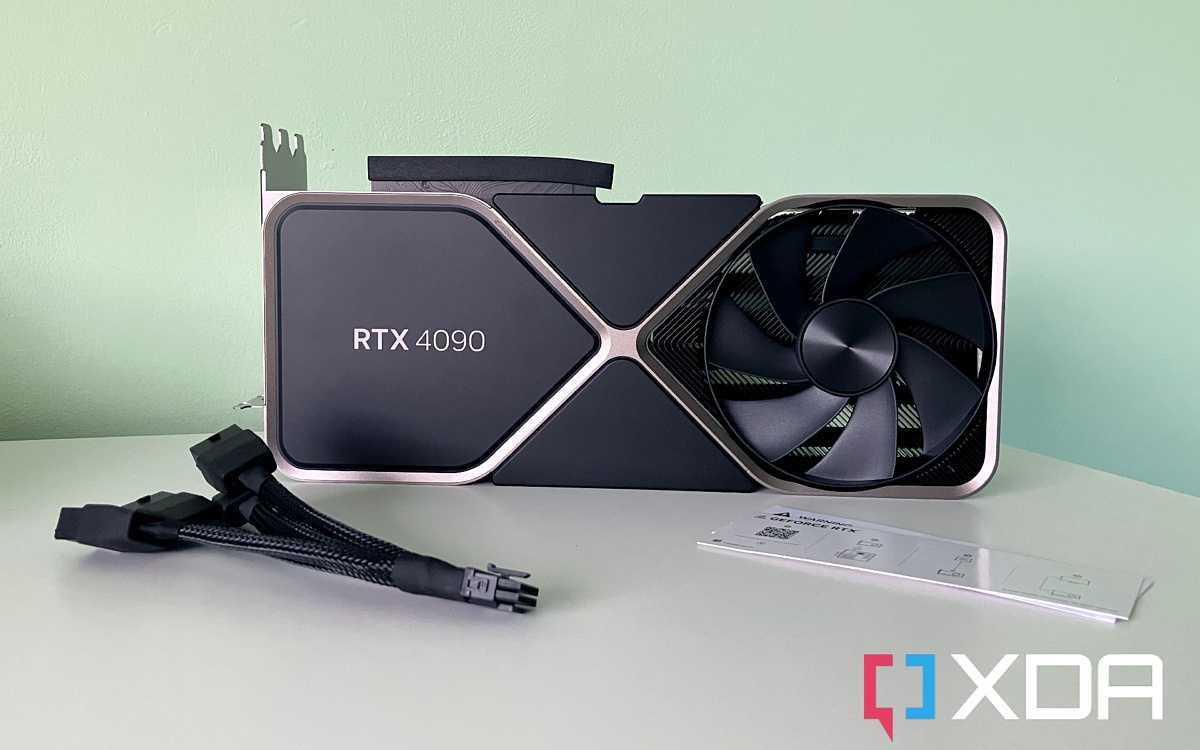
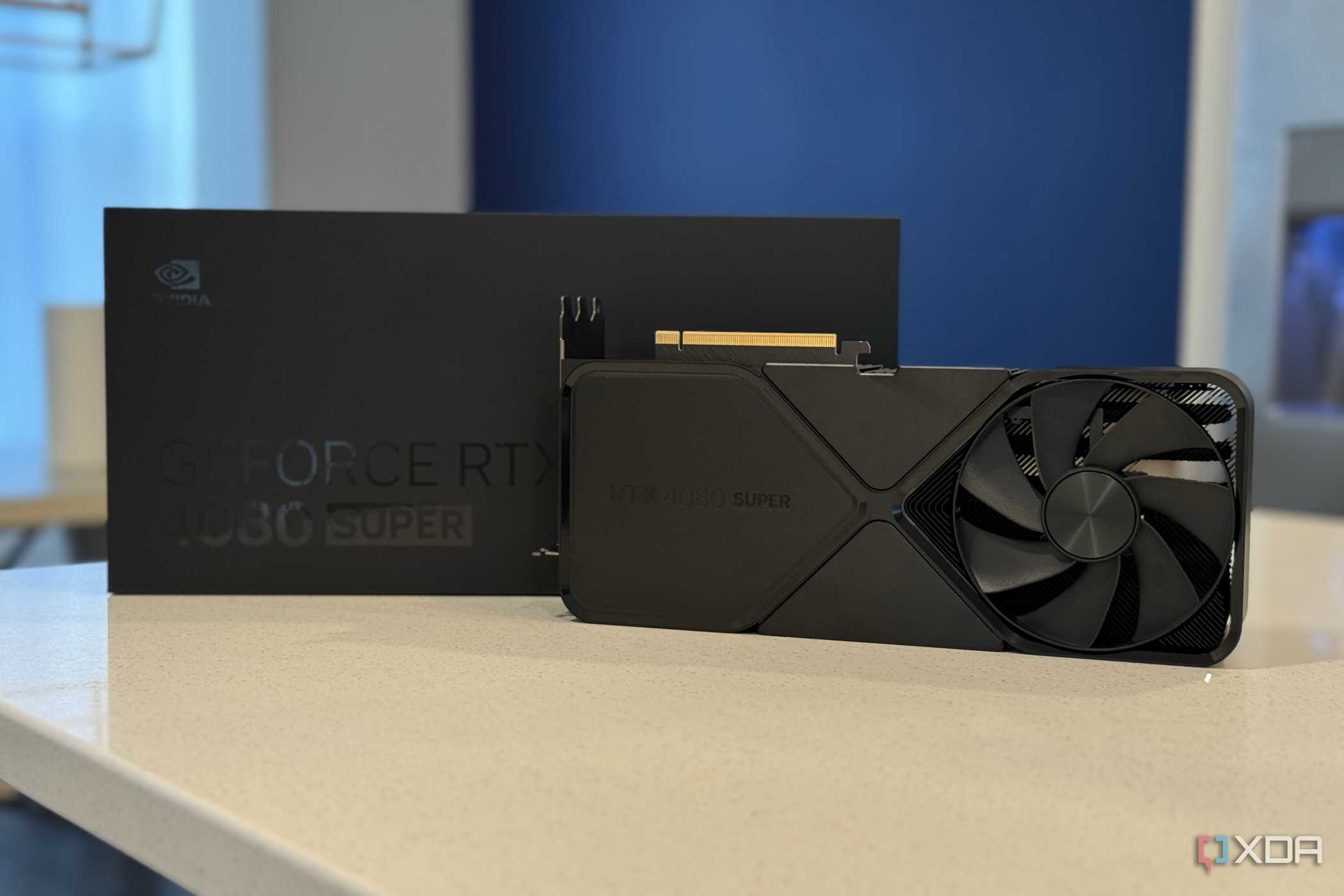




Buying a 4K gaming monitor is only half of the equation. You still need a gaming PC powerful enough to push frames at that resolution, and even flagship GPUs aren't quite up to the task in the most demanding game titles. Nor should they be able to, because games are often made to have graphical settings that are too advanced for the technology available at the time, like FarCry or Cyberpunk 2077. These system-crushing titles were never meant to be played at maximum settings on the hardware that most gamers had at the time of release. Instead, they were technical showcases of what games will look like in the future once the hardware has caught up.
With new games resorting to upscaling like DLSS or FSR to get playable frame rates at higher resolutions, the only time you can get true 4K gaming is by playing older titles. That might be okay if you have a hefty backlog of games to get through, but I have yet to find a game that I prefer playing at 4K instead of 1440p. When I'm using a PC gaming handheld, I'm fine with the compromise of turning down in-game settings for better frame rates on low-spec hardware. When I'm playing on my desktop gaming PC, which has an Nvidia GeForce RTX 4080 Super, I want to run things at the best visual quality I can, and that's just not possible on new games at 4K resolution without a huge hit to frame rates. What's the point in paying for enthusiast hardware, if it can't run games at 4K Ultra settings?
2 You might not notice the higher resolution
4K brings its own issues to the desktop

Aside from the hefty cost of entry, 4K gaming has its own problems. Depending on your screen size, you'll probably need to scale the desktop UI to make text and other elements comfortable to read. That essentially shrinks the screen space available to you back down to 1440p or even lower, so why go for 4K in the first place? It's not only the desktop where scaling issues crop up either because depending on the game and how it's coded, but menus, text, inventory screens, and other on-screen UI elements could also all be hard to see on a 4K screen, as many titles were optimized for smaller resolution screens.
1 Steam says it's niche
The Steam Hardware Survey shows 4K gaming has a small number of gamers

If none of the other reasons have convinced you that 4K is a niche and you probably don't need it, what about hard data from Valve? The Steam Hardware Survey is one of the largest repositories of metrics about the hardware gamers worldwide are using. The most common resolutions are Full HD and Quad HD. The number of Steam users with a 4K monitor or above is lower than 4% of the respondents to the survey. And with 132 million monthly active users, that's a large sample size showing how few 4K monitor users there really are out there.
If you're reading this on a 4K monitor, you're part of the niche
For most PC gamers, 4K is still a resolution too far, with a cost that doesn't provide good ROI. That calculation does change somewhat once you start using screens over 32 inches, where the extra resolution does provide benefits to crispness, but again, not many people run that large a monitor. It's not like the TV market, where it's hard to find a display that's not 4K, as the screens are designed for different cases. Maybe this will change as graphics cards get more powerful and 4K is easier to drive at high refresh rates, but until then it's going to remain a niche section of the overall gaming landscape.
