


There's little argument that OLED monitors are some of the best gaming monitors you can buy, but I wouldn't blame you if you've written them off for the past couple of years. Between low brightness, burn-in risks, and prices in the quadruple digits, an OLED monitor didn't make sense for most people. That's changing, though. OLED monitors have seen some significant upgrades and drastic price drops over the past few years, and now is the perfect time to start considering one.
5 They're a lot cheaper now
We're talking half the price


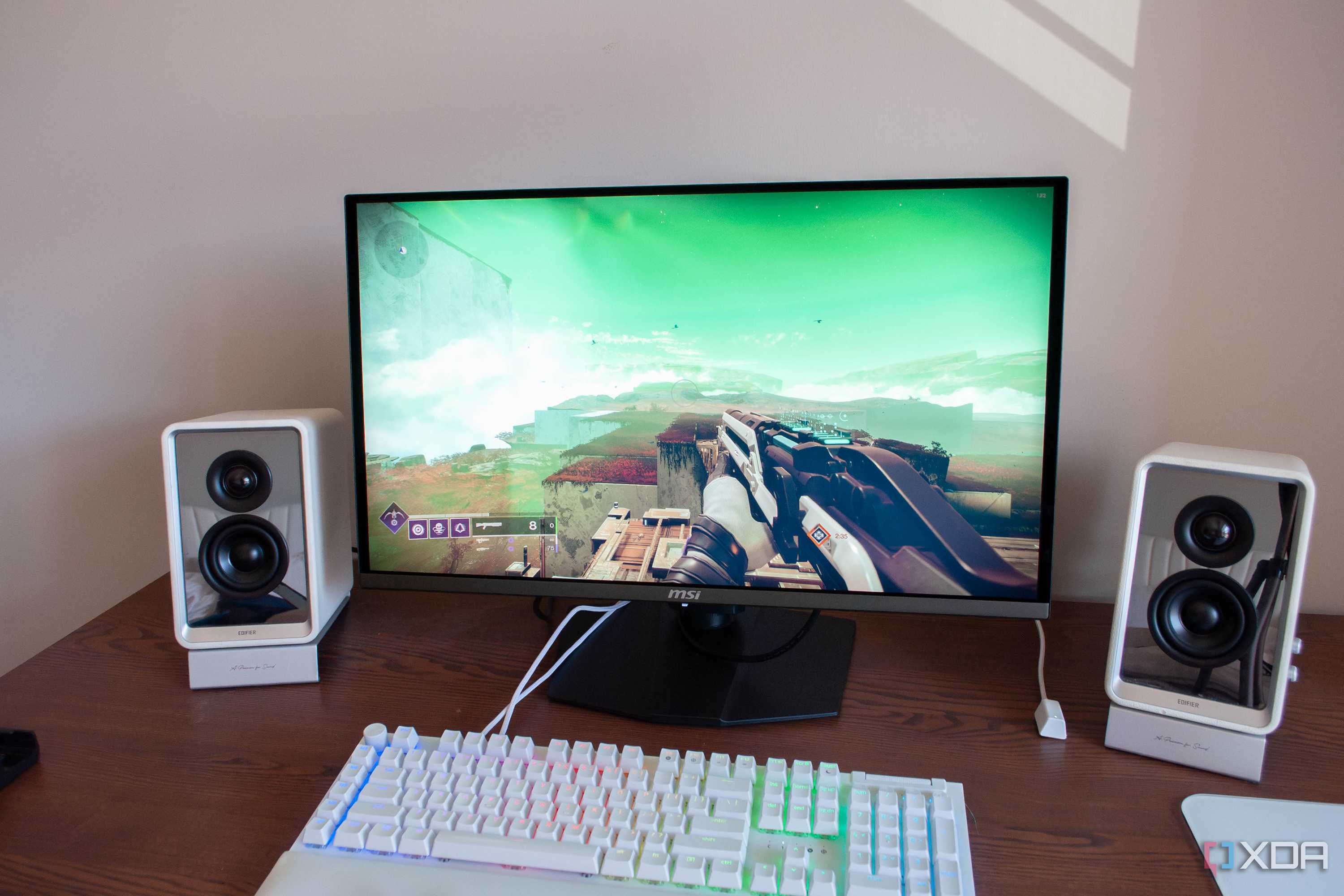
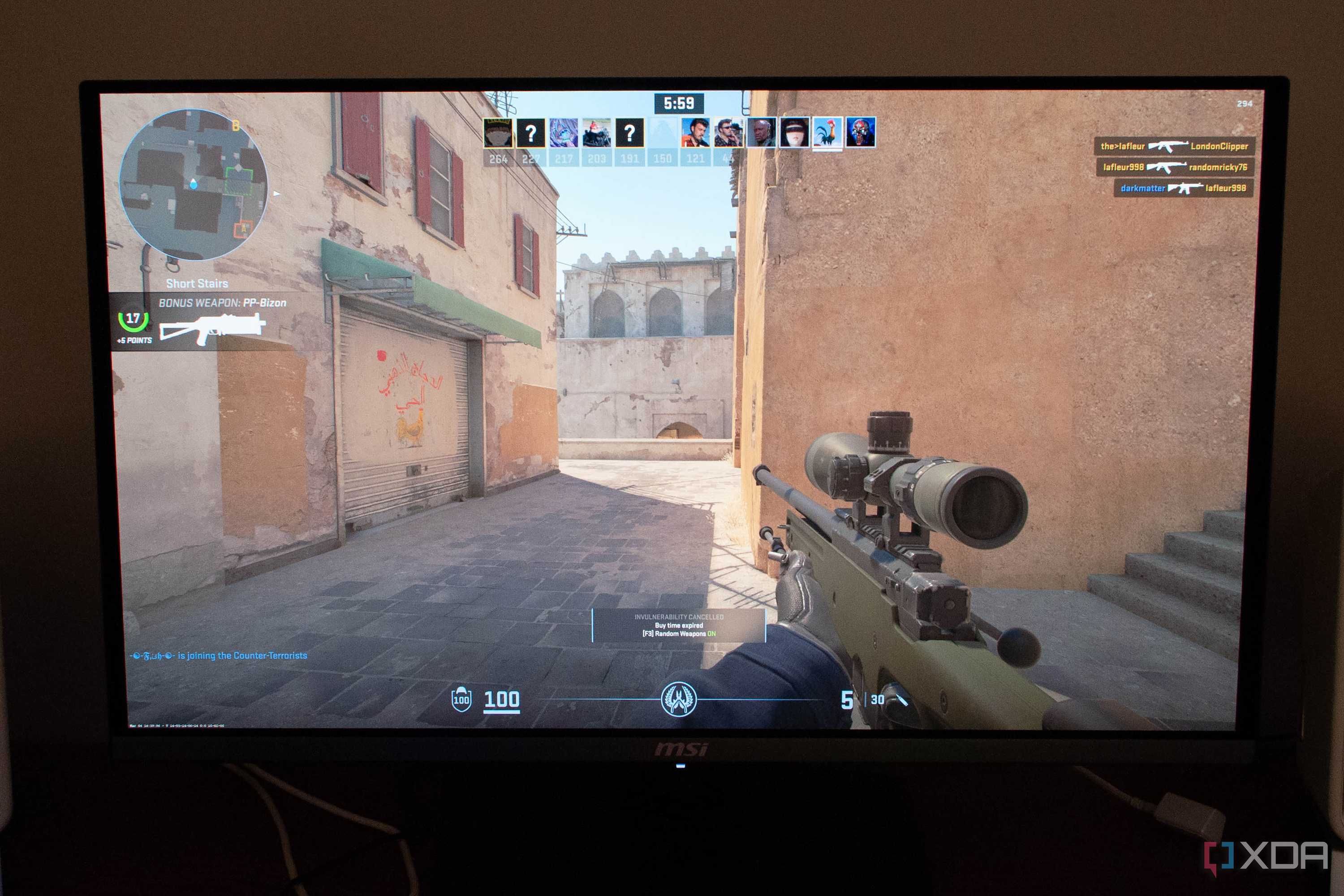
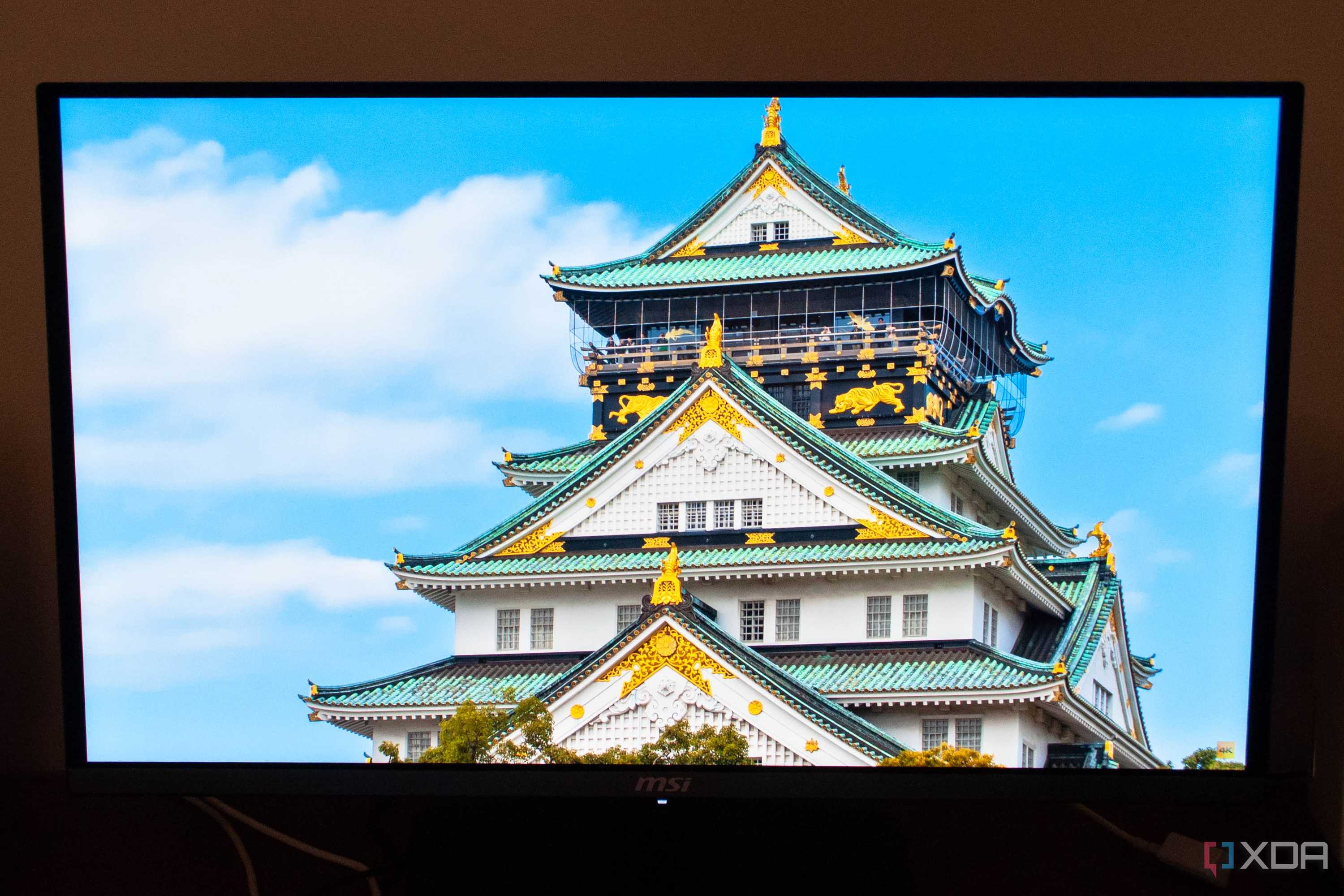
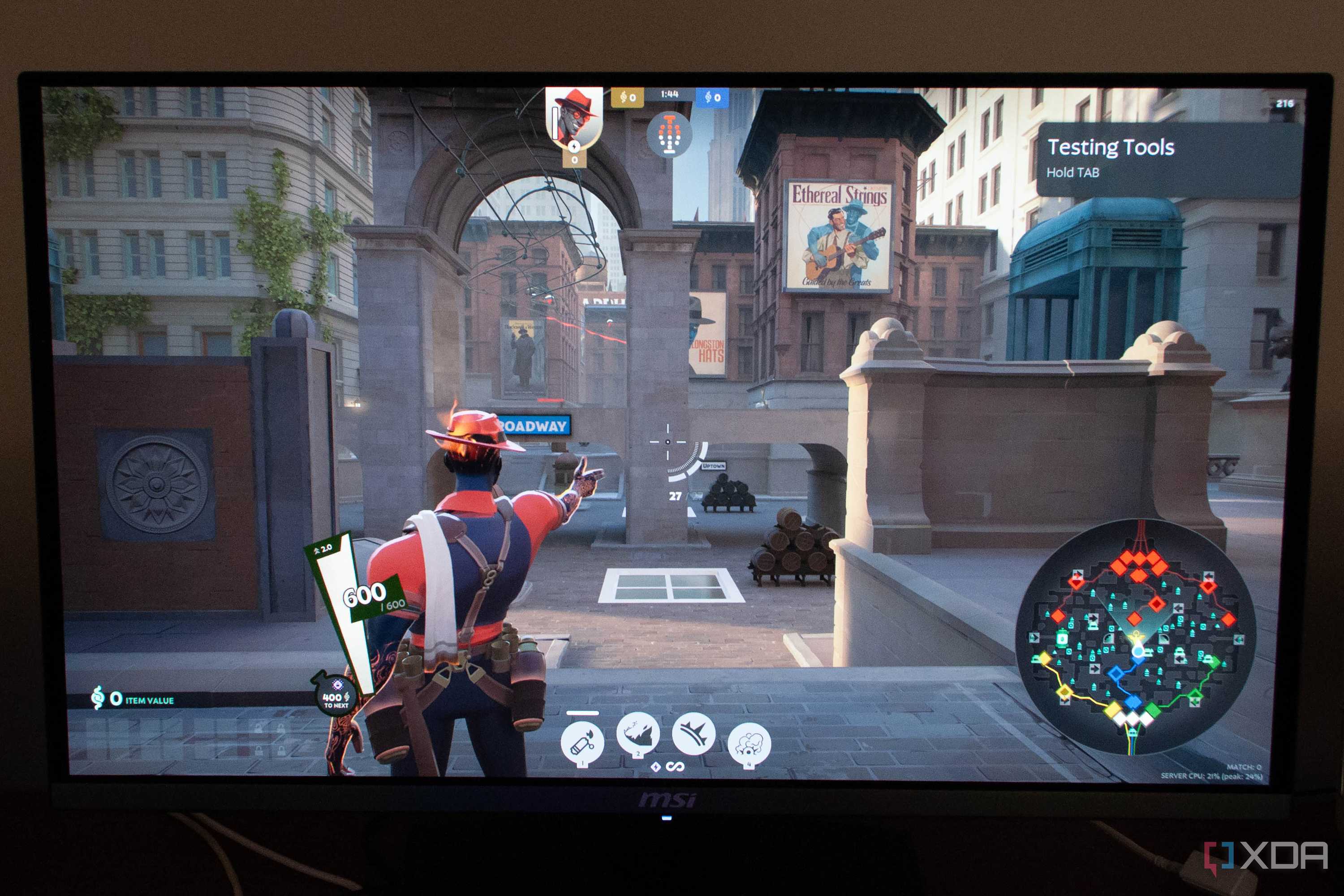



OLED monitors are significantly cheaper than they used to be. You're still paying for a premium display, no doubt, but prices have dropped as much as 50% over the past couple of years for some of the most sought-after displays. The best example of that is the Alienware 34 QD-OLED. It was the crown jewel of gaming displays a few years back, and it was priced accordingly with a $1,400 MSRP. Now, you can pick up that display for $700, and it's not even on sale.
I'm not just cherry-picking that display, either. Samsung's $1,600 Odyssey OLED G9 is available for $1,000 now. You would have spent $1,000 on the LG UltraGear OLED 27 a year ago, but now you can pick it up for $650. And if you don't need to go with a name brand, you can pick up a 27-inch OLED from KTC for a little over $500.
At least with the panels available now, it looks like a lot of them have hit their floor on pricing, which is somewhere around $500 to $700 depending on size and specs. The latest and great OLED displays will still run you north of $1,000, but going back even one generation can save you hundreds.

LG 27" Ultragear OLED (27GR95QE-B)
The LG Ultragear is a high-end 27-inch OLED computer monitor with a QHD (2560 x 1440) resolution and HDR10 support.
4 OLED isn't just for gaming anymore
Don't waste money on features you won't use

The first wave of OLED monitors was focused squarely on gaming, and it makes sense. PC gamers are more accustomed to spending up on emerging tech, and OLED has an inherent benefit for gamers with its near-instantaneous response times. But if you weren't a gamer, it was hard to justify spending $1,000 or more on an RGB-ridden display with specs and features that you don't need. Thankfully, that's changing.
This year, especially, we're starting to see a lot more OLED monitors targeting mainstream users. Dell launched its first non-gaming OLED a few months ago with the Dell Plus S3225QC, while Samsung gave its smart monitor an OLED makeover with the Smart Monitor M9. These displays aren't available for purchase yet, but they signify a push toward non-gaming applications on OLED displays.
3 Resolution and size aplenty
Have your cake, and eat it, too

A couple of years ago, you didn't have a lot of choice with OLED monitors. For a while, the Alienware 34 QD-OLED was the only display on the scene, and other brands slowly started trickling out their own versions. After that, you had the LG UltraGear OLED 27, and again, other brands followed suit. All of these monitors used the same two panels: a 21:9 display with UWQHD resolution and a 165Hz refresh rate, and a 16:9 panel with a 240Hz refresh rate and 1440p resolution. Things are much better today.
You have 32:9 options like the Odyssey OLED G9, 4K displays like the Asus ROG Swift PG32UCDM, and even LG's unique Dual Mode OLED, which lets you swap between 4K at 240Hz and 1080p at 480Hz on the same 32-inch display. Although OLED monitors are still largely restricted to popular formats and sizes, you have way more options than used to be available.

2 Burn-in is much less problematic
You won't lose any sleep over it

One of the key concerns about upgrading to an OLED monitor is burn-in, and I get it. You don't want to spend hundreds of dollars on a display that will develop issues within a few years. But burn-in isn't nearly the problem that it used to be. Not only are brands like Asus, MSI, Alienware, LG, and Gigabyte offering generous multi-year warranties on burn-in, you also have a ton of mitigation features from Taskbar detection to built-in pixel refresh. On top of that, the latest OLED panels are more energy efficient, reducing the risk of burn-in.
Over a long enough period of time, the organic compounds inside an OLED panel will wear out. That's what causes burn-in, and it's a reality that OLED monitors will always have to deal with. The goal is to extend their lifespan as long as possible, though, and all the tools are available to do that now. You can develop burn-in within a few years when blasting your monitor at 100% brightness with the same static image on screen, sure. But for most normal use cases, and with proper maintenance, you should be able to get a decade out of your display before you even notice burn-in, if you notice it at all.
1 Panel kinks are mostly ironed out
Fringing and flicker aren't the problems they used to be

OLED monitors weren't perfect out of the gate, and they still have a ways to go. However, the issues that showed up in early panels have either been solved or drastically reduced. Brightness, for example, has been a weak point of OLED displays. You could barely ask for above 600 nits with most monitors for any reasonable window size. Now, however, monitors like the Sony InZone M10S can easily climb above 1,200 nits for the brightest highlights. That's a lot of progress for OLED in just a couple of years.
Similarly, fringing on text was a major issue with the first generation of QD-OLED panels, but more recent monitors packing a third- or fourth-gen QD-OLED panel show almost no fringing at all. VRR flicker also showed up on some early OLED displays, but brands like Asus have tried to combat that problem with its Anti-Flicker 2.0 feature. OLED monitors aren't perfect, but the most prominent issues with the first wave of OLED displays have either been solved or severely diminished.

OLED's time to (literally) shine
OLED monitors were a novelty when they first showed up a few years ago, but the tech has grown a lot in a very short amount of time. It's a ruthlessly competitive space, which has pushed down prices, and many of the high-level issues with the tech have been eliminated or bypassed. Although prices will continue to drop and premium features will start showing up on mainstream models, now is the perfect time to start looking for an OLED display.
