


Storing data backups is an exercise in common sense. Having multiple copies of mission-critical data is imperative, whether it's a family photo album or essential work documents. There are several backup types to choose from, but they usually fall into two different flavors: hot and cold storage. Hot storage backup is for data you need to access regularly, and cold storage is for data you seldom need to access.
Cloud-based hot storage will cost a good chunk of change, or storing data locally would warrant buying some beefier hardware. Cold storage is quite the opposite. It's for archival data that you won't need to access very often. Cold cloud-based solutions cost less than their hot counterparts due to more modest hardware requirements, and if you're storing the data on your own, loading up some HDDs and sticking them in storage is an option, so long as you take the proper precautions. Cold storage of both types should be a consideration when making your backups, and here are 5 reasons why.
5 Protection against security threats
Cold data is much more difficult to gain access to if you store it locally

There's nothing worse than unauthorized access to your important information. If you store your data locally and have it isolated from the internet, the chances of it being accessed by nefarious actors are slim. There's no way to gain unauthorized access to drives that aren't powered on, unless physically stolen.
When using the cloud for cold storage, you are offered a more sophisticated level of protection while being offered the convenience of access from wherever you happen to be. The downside of this is having to entrust your data with a third party. Their attack surface is also much larger, leading to more potential for a breach.
4 Lower wear on your drives
No need to keep them powered on

If you're running your backups to the cloud, there's not much concern about wear and tear for you, the end user. That burden falls on whomever you decide to use for storage. If you're running your backups locally, however, using cold storage can help preserve your drives. Even if you're not actively accessing data, having drives plugged in and powered up 24/7 can lead to wear and tear that adds up over time.
3 Disaster recovery
In case of an emergency, you can have off-site storage

Life happens, and when tragedy does strike, backups can be invaluable. If you store cold storage locally, its ability to make it through an emergency depends on where and how it's stored. Depending on the severity of the event, you might still be out of luck, but if your drives are powered off and kept out of harm's way, you might be alright. Cold cloud backups are impervious to local natural disasters or any kind of physical threat to your systems, making them a preferable option if you're looking to protect your data from such events.
2 Data integrity
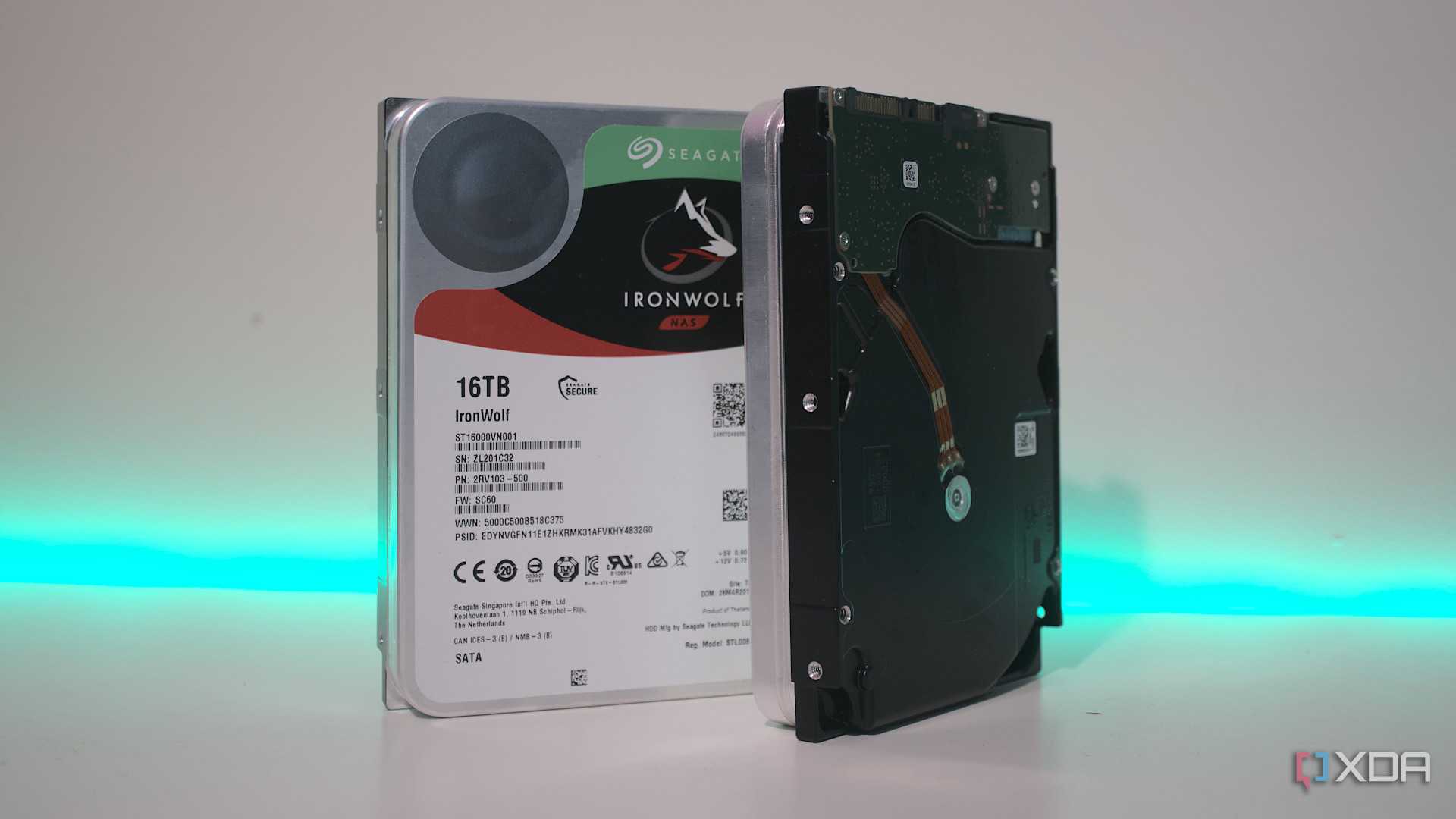
As long as you take proper precautions, it should last decades

When doing any kind of long-term backup, data integrity is of great concern. Over time, data integrity can degrade, resulting in corruption in parts of or even all data stored on the drives. Bit rot can happen if hard drives aren't powered on and written to for long periods of time. Cold storage doesn't mitigate this, but infrequent access does mean less chance for something to become corrupted because of an error during a read or write. To make sure your cold storage doesn't fall victim to bit rot, there are special archival drives specifically for cold storage use. In addition, running checksums and regularly auditing data can mitigate any kind of data loss over time.
1 Peace of mind
No need to worry!
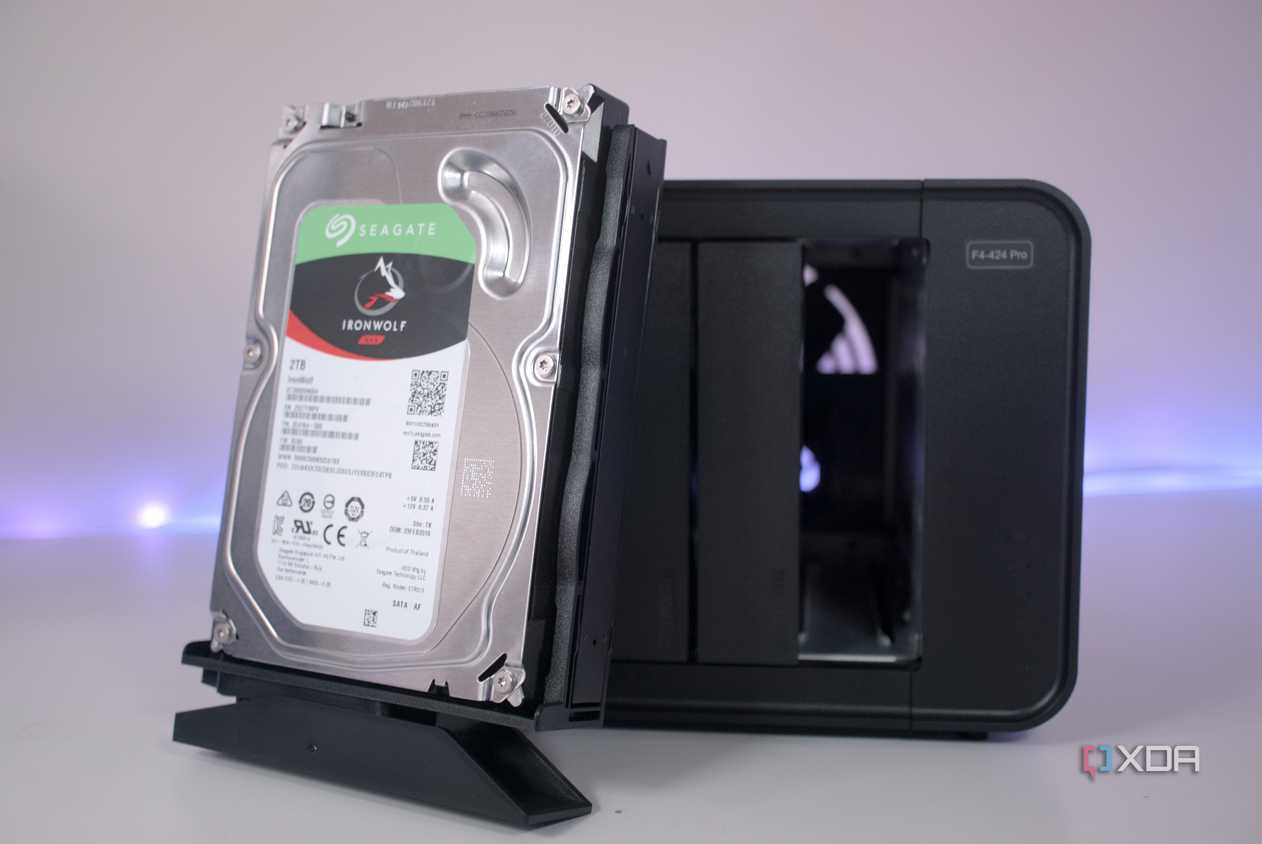
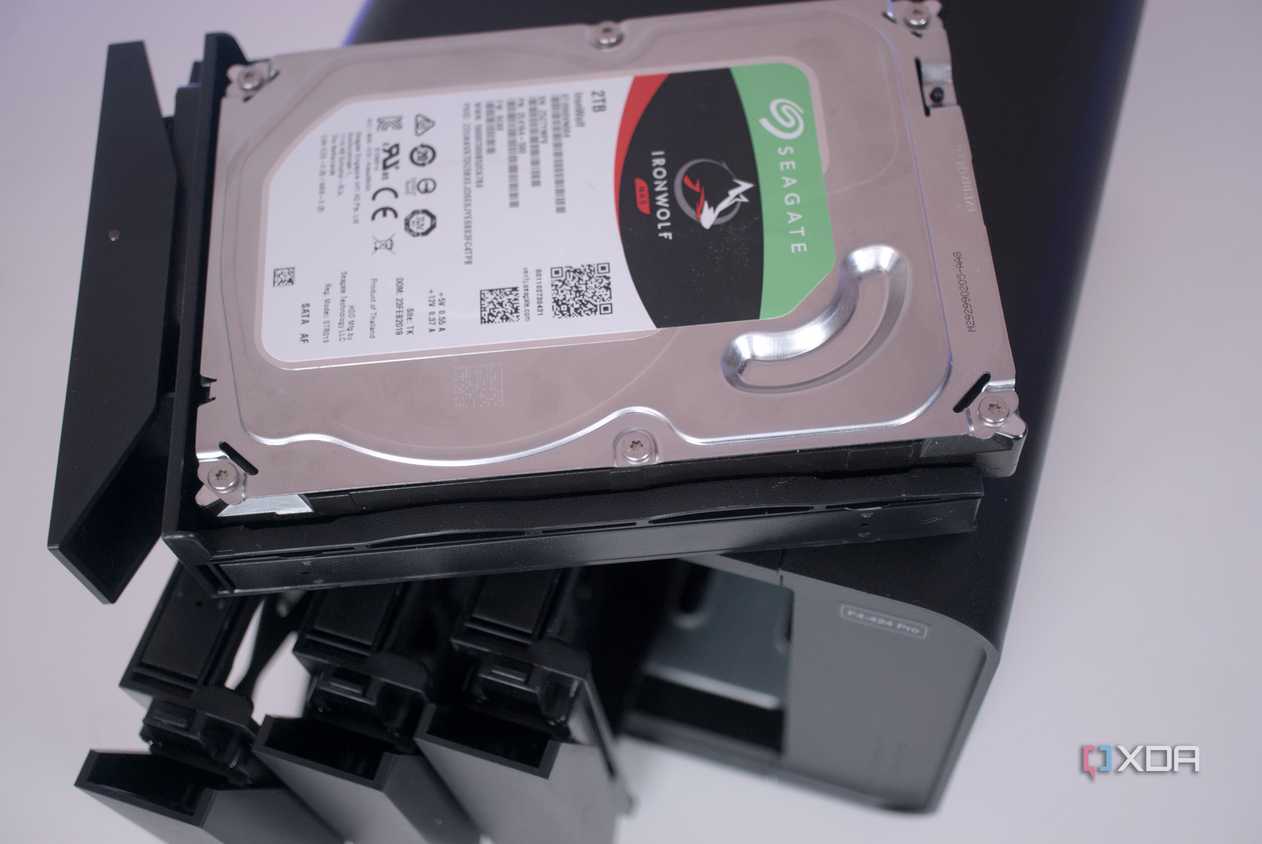
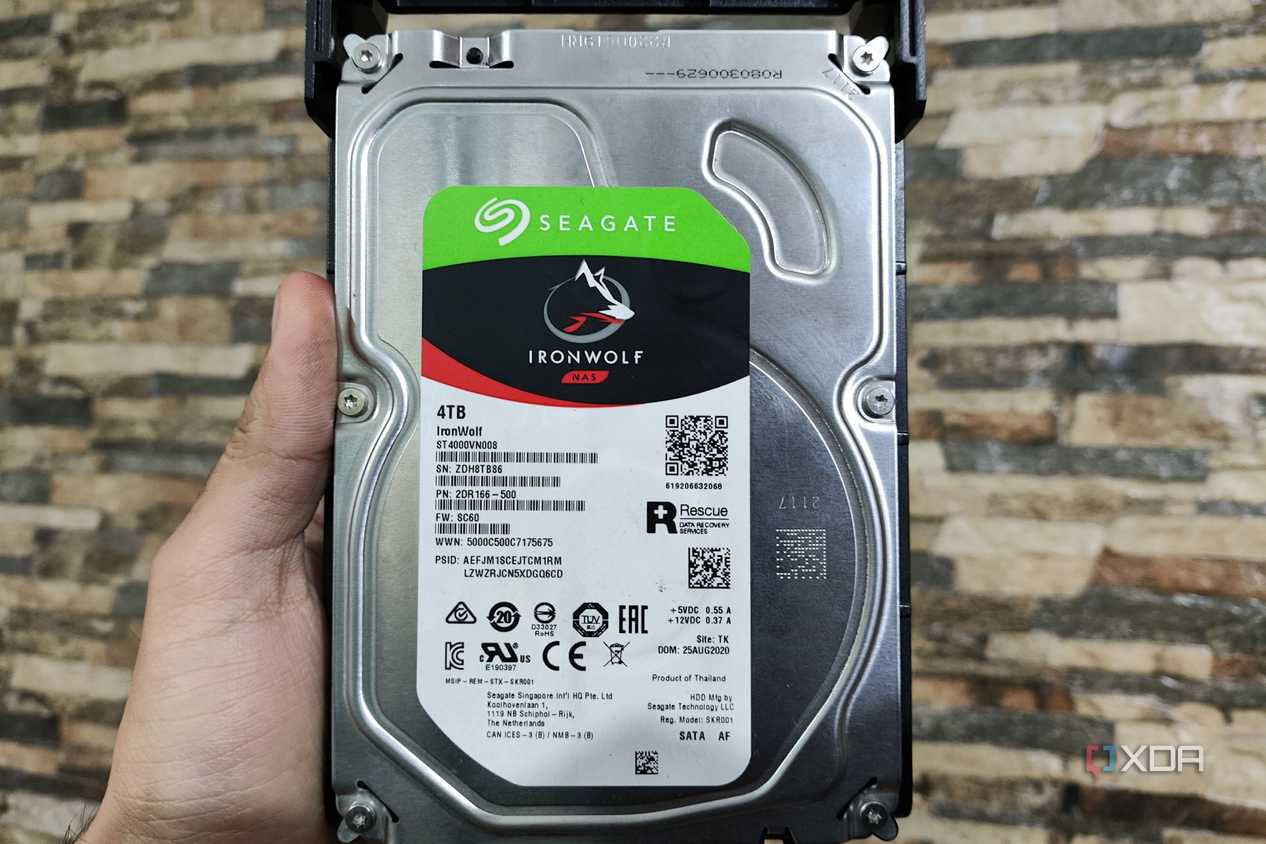
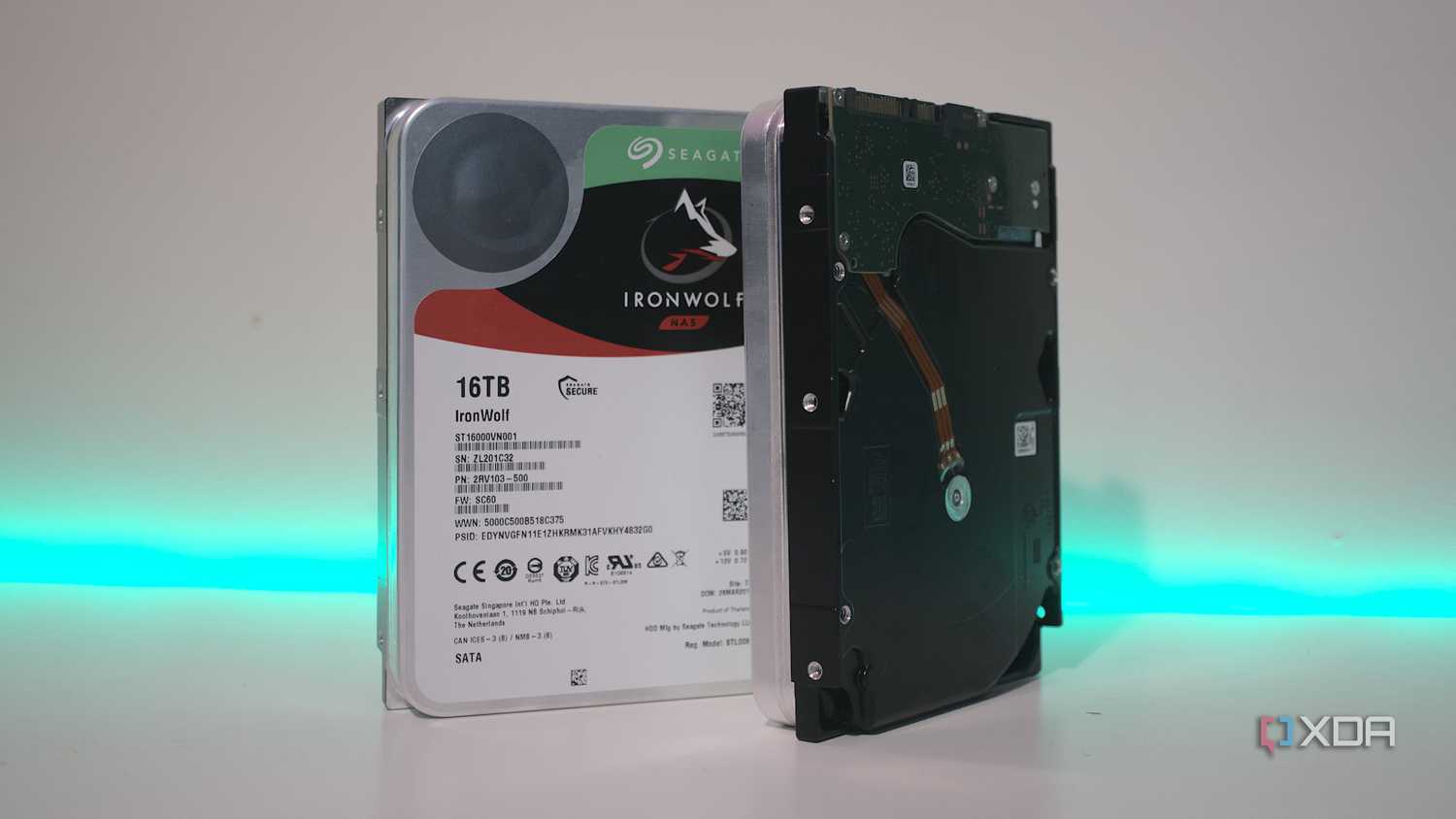
Source: XDA 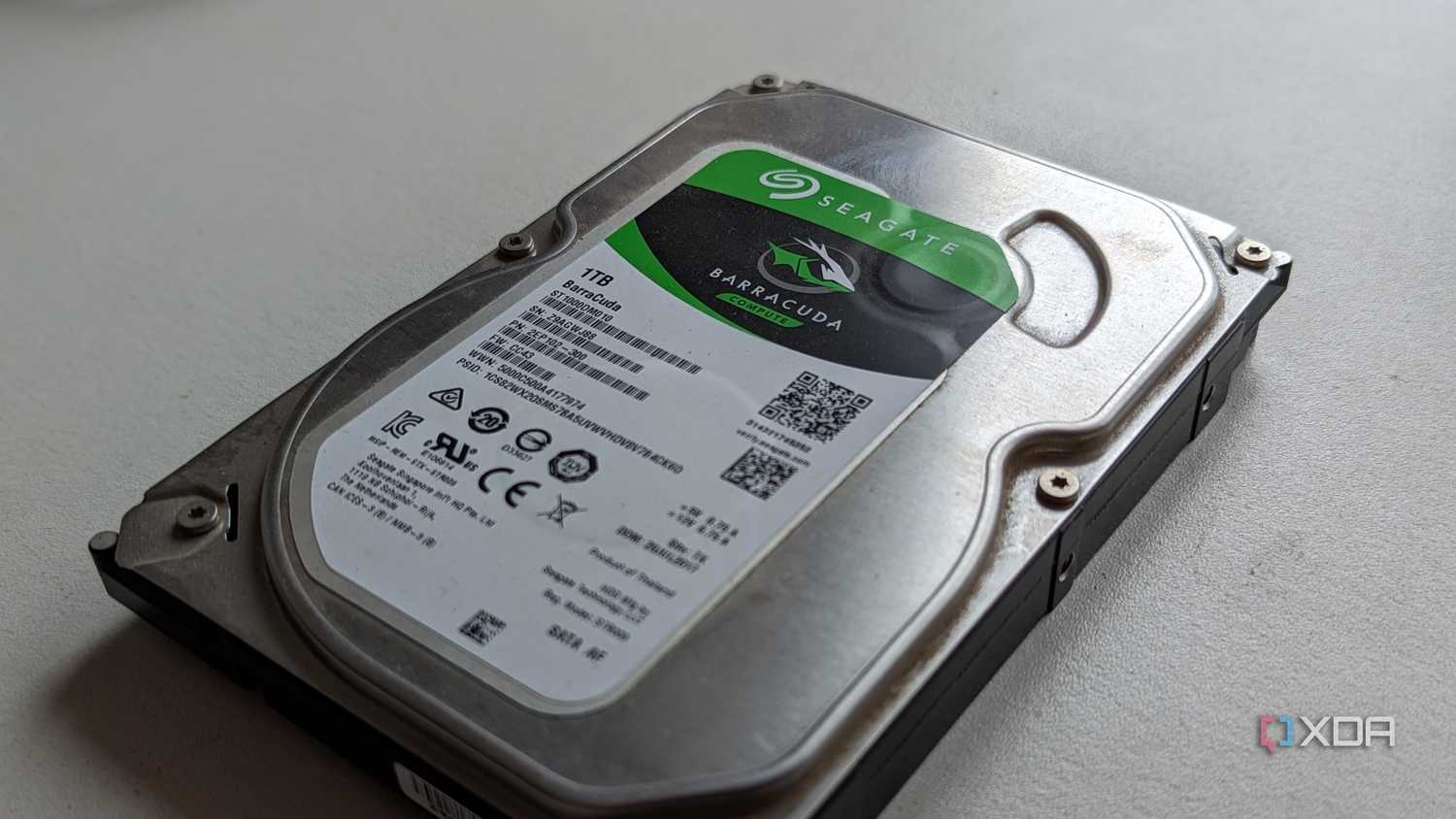


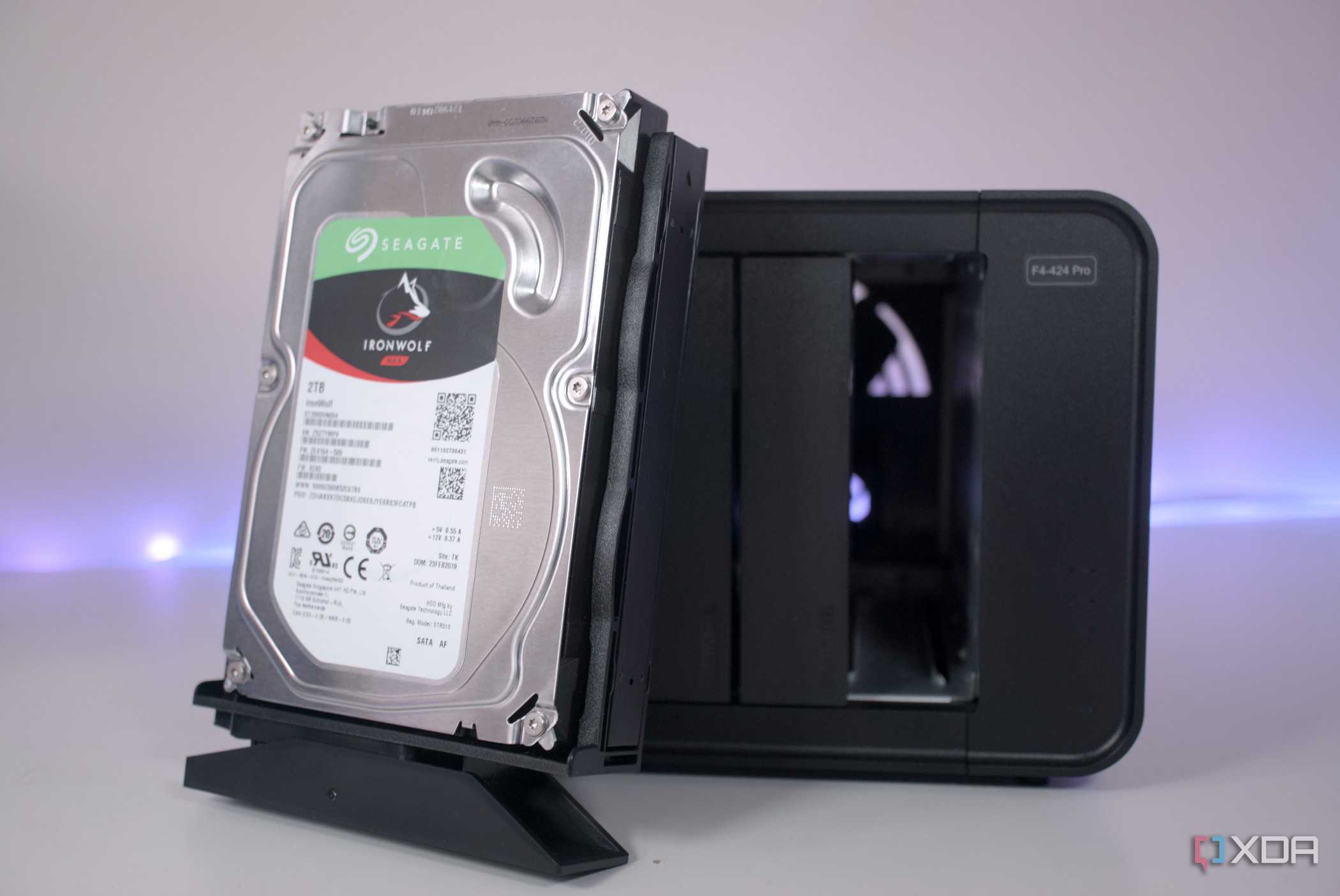
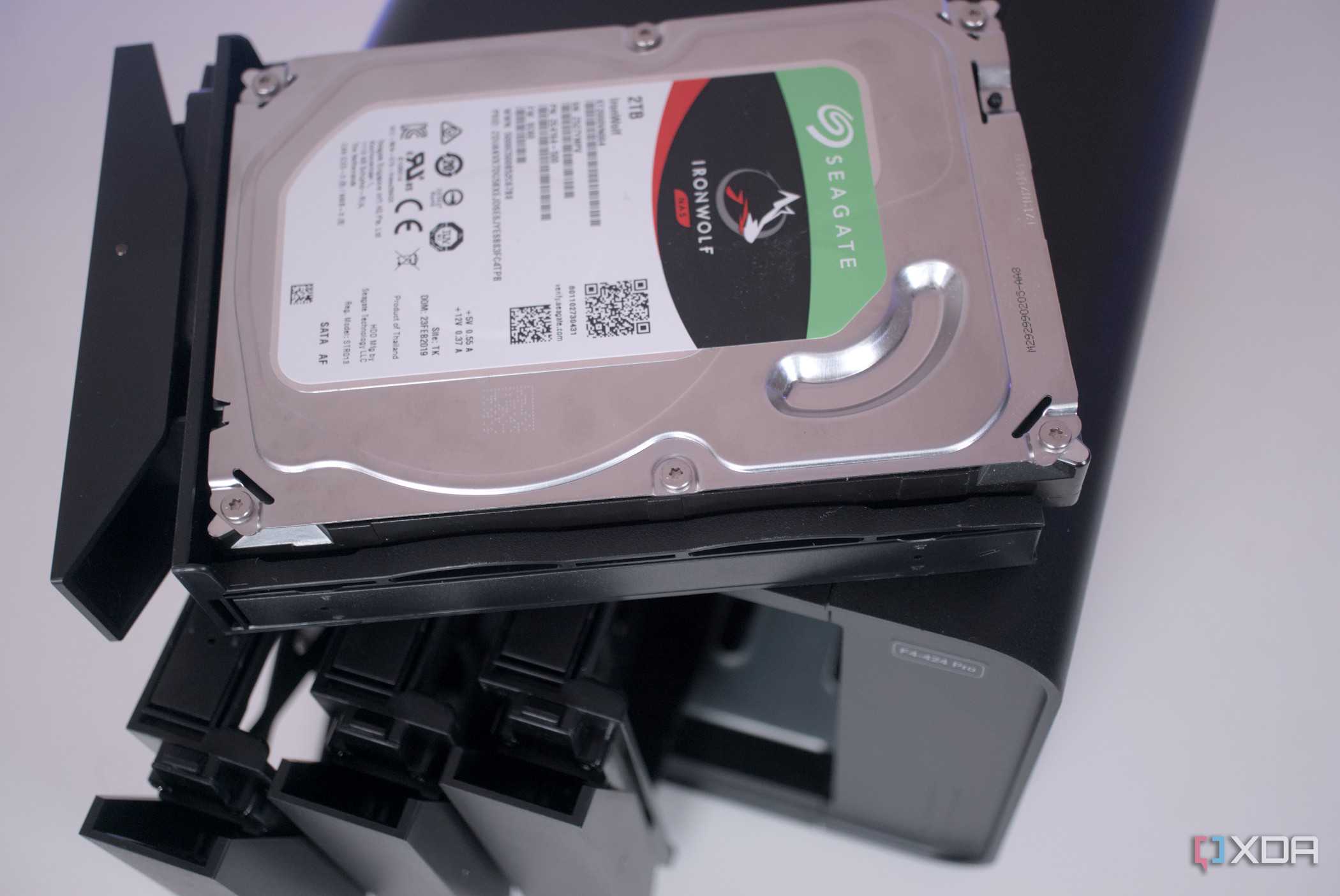
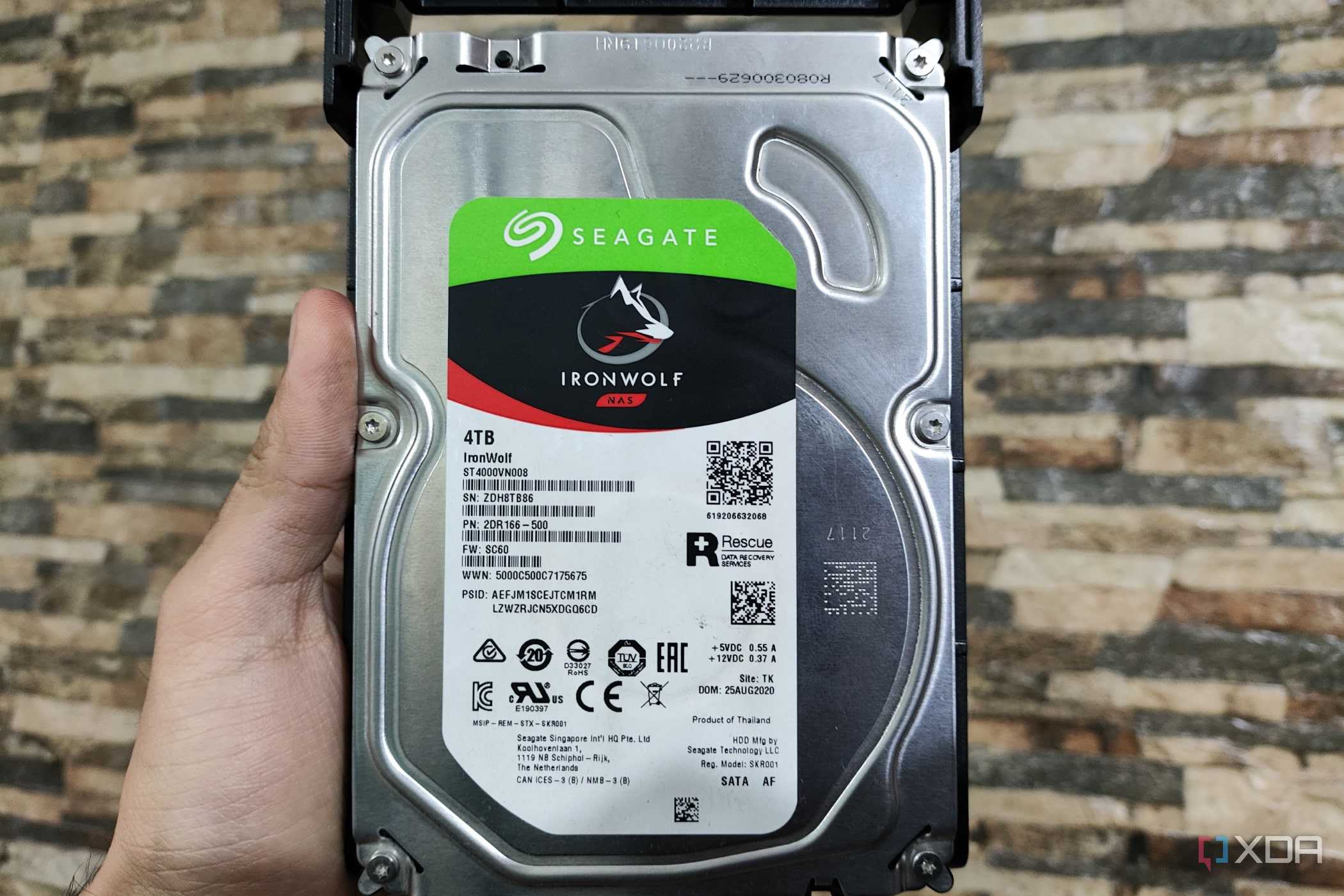
Source: XDA 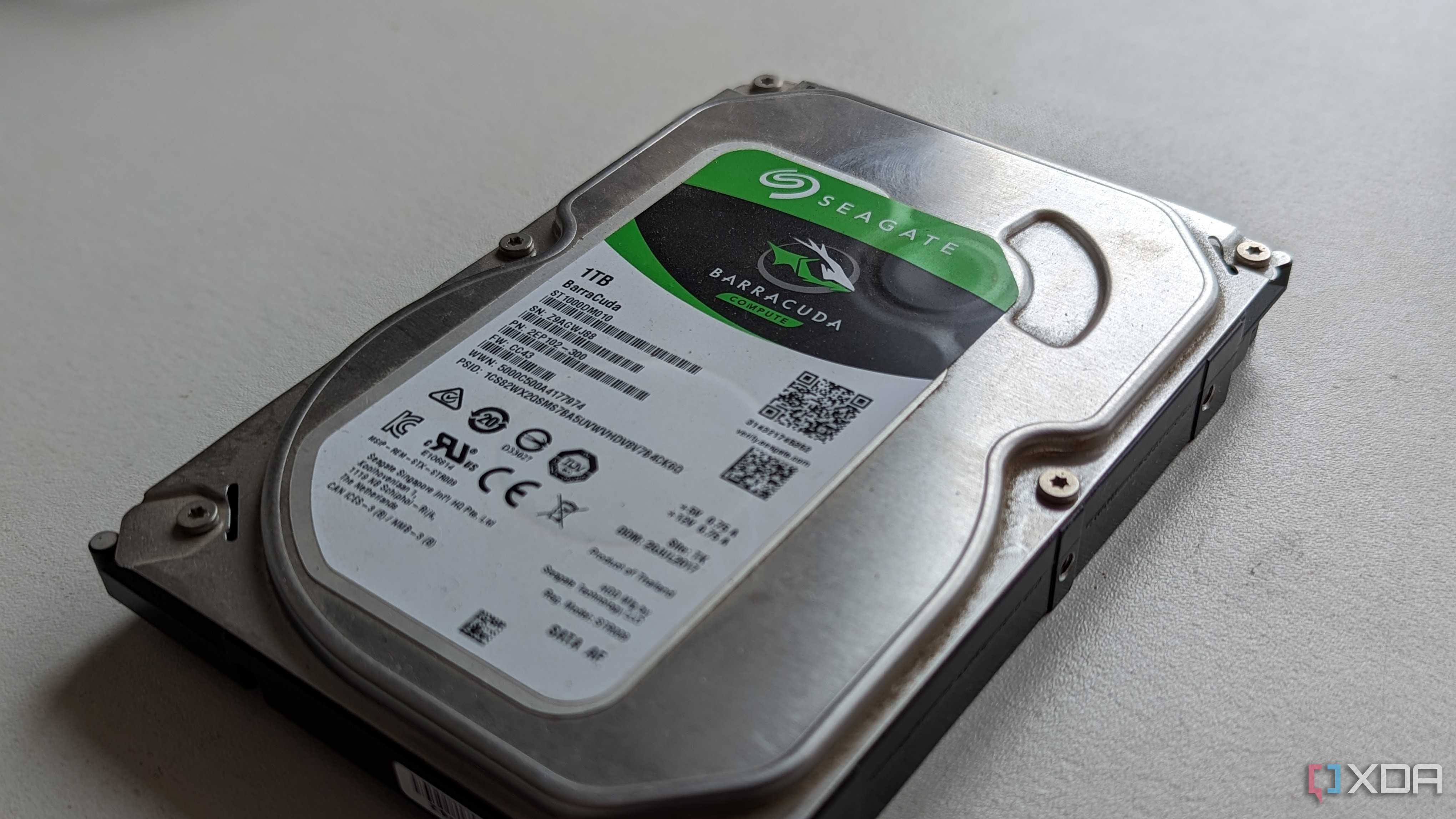
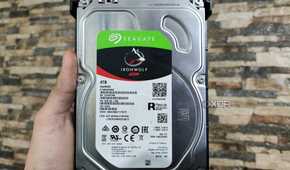
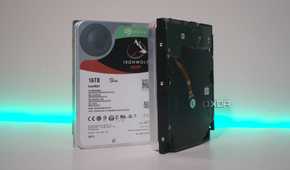
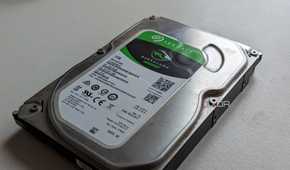
The greatest gift cold backups give to you is peace of mind. Having a complete backup of important data off-site can keep you from losing sleep. With localized warm or hot storage, you have to keep running tabs on hardware holding data you don't necessarily need to access all the time. With cold storage, those factors aren't a concern, leaving you able to focus on more important matters.
Cold storage can be a great way to back up important data
So long as you don't need it in the interim, cold storage is a great option for backups, and should always be a consideration if you do any kind of mission-critical work. Even if you don't, and you just want to keep the family photo album safe, keeping a copy unplugged or in a cold cloud can be preferable to any kind of warm storage.
