


It’s wild to look back and realize just how many old games saw the future coming before the rest of us even knew what a memory card was. Now, I could name a lot of games that predicted the future vis-à-vis what the world would look like, what political tensions could lead to, and how industries would evolve, but some games predicted the future of gaming itself.
Apart from being genre-defining by being pioneers of new mechanics, these games could essentially be considered prophetic today. Before every RPG gave you five endings and a Netflix tie-in, or before open-worlds became the norm, a few trailblazing games were already doing it. They laid the groundwork for the future of the medium, and despite being decades old today, it’s clear how they truly saw where gaming was going.
6 Castlevania II: Simon’s Quest came up with multiple/alternate endings
Bubble Bobble did the same, a year prior


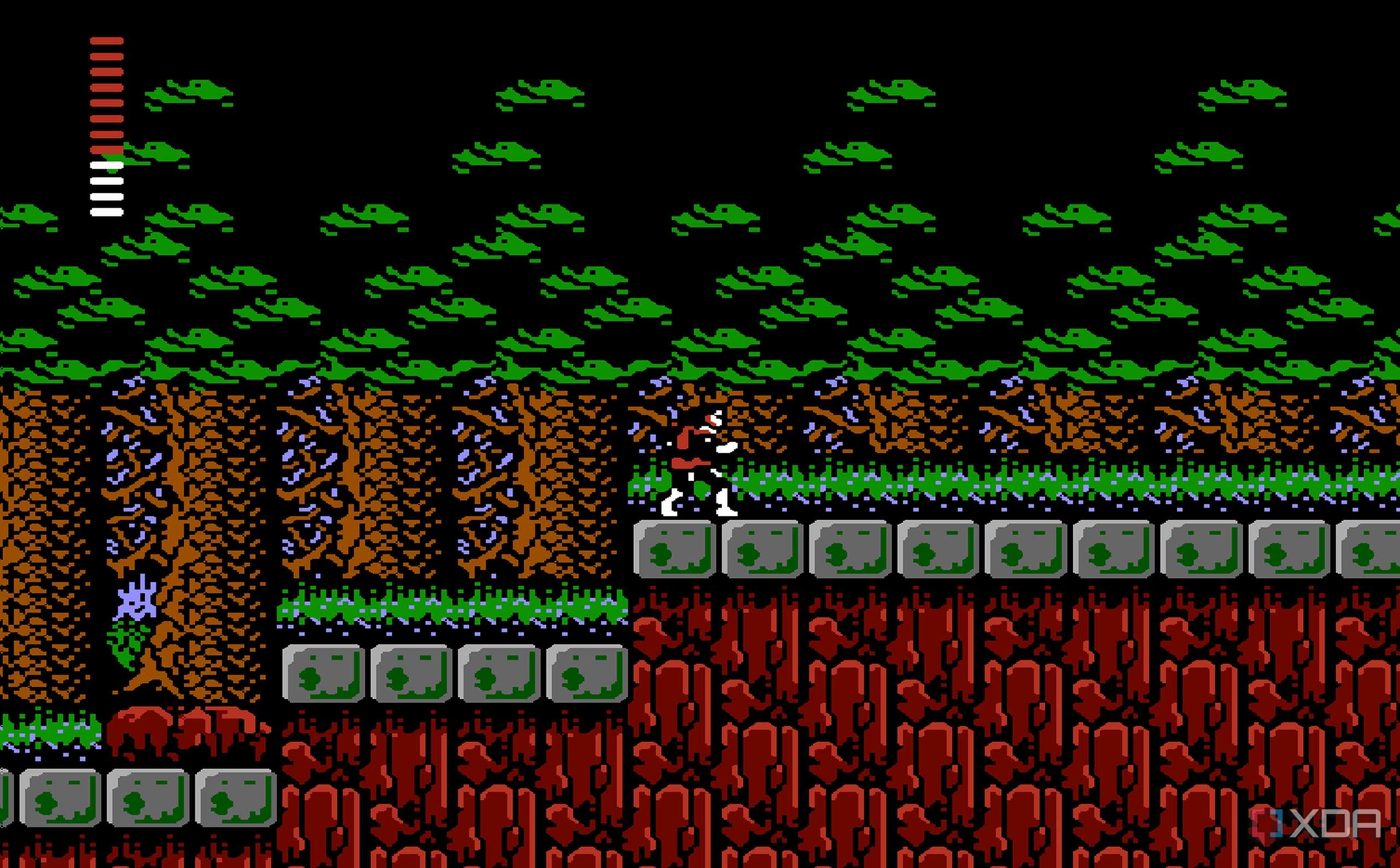
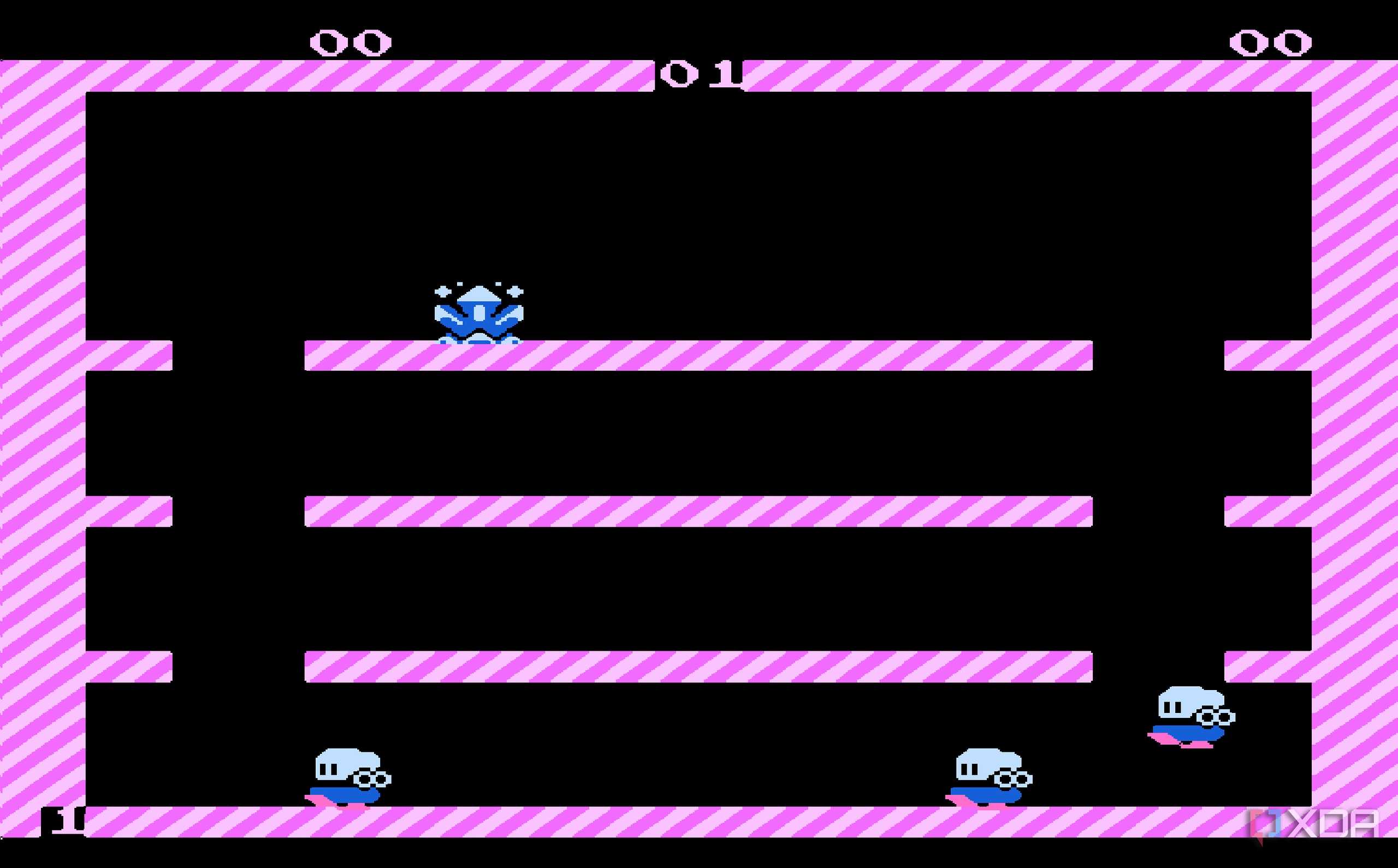
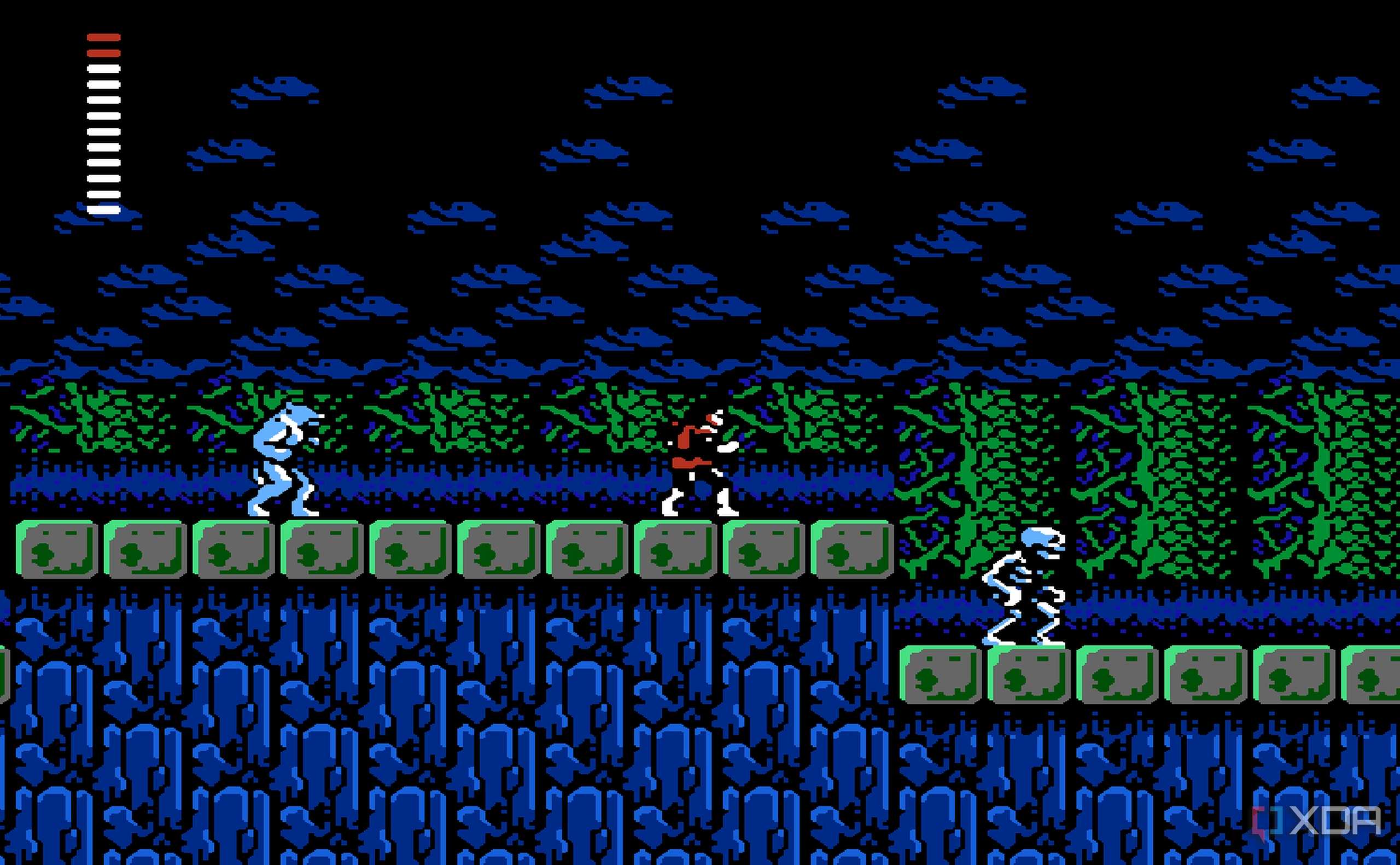
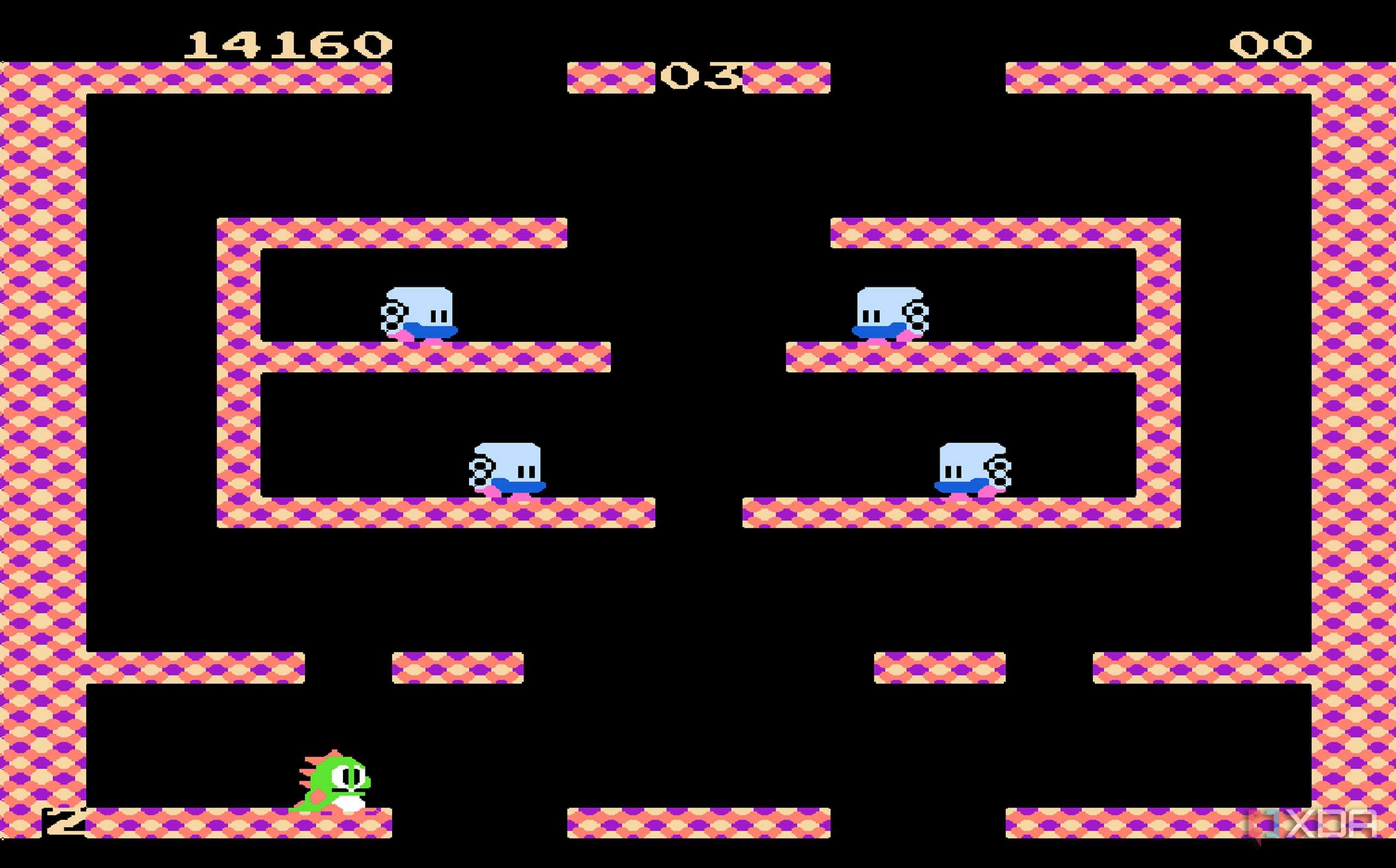
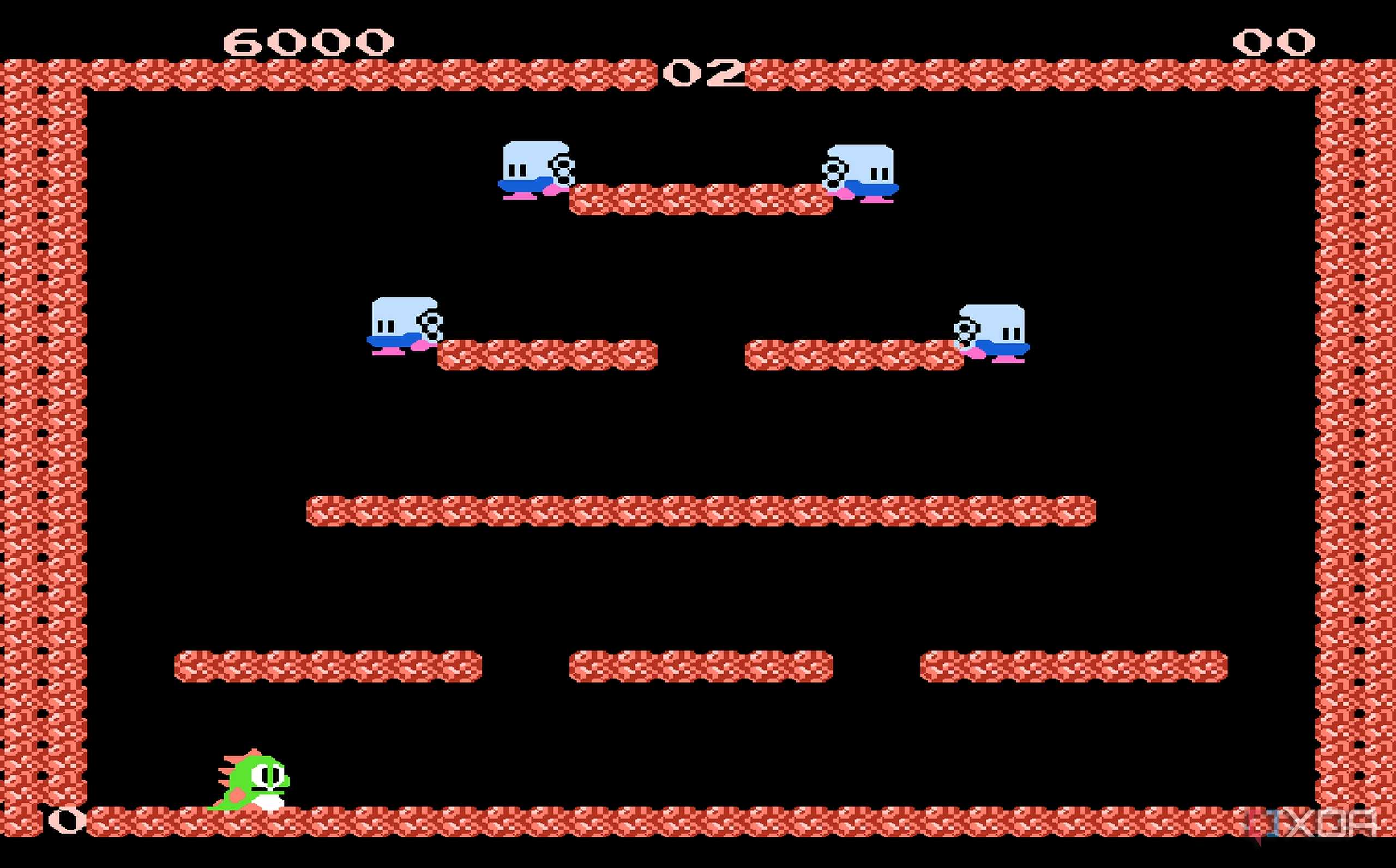
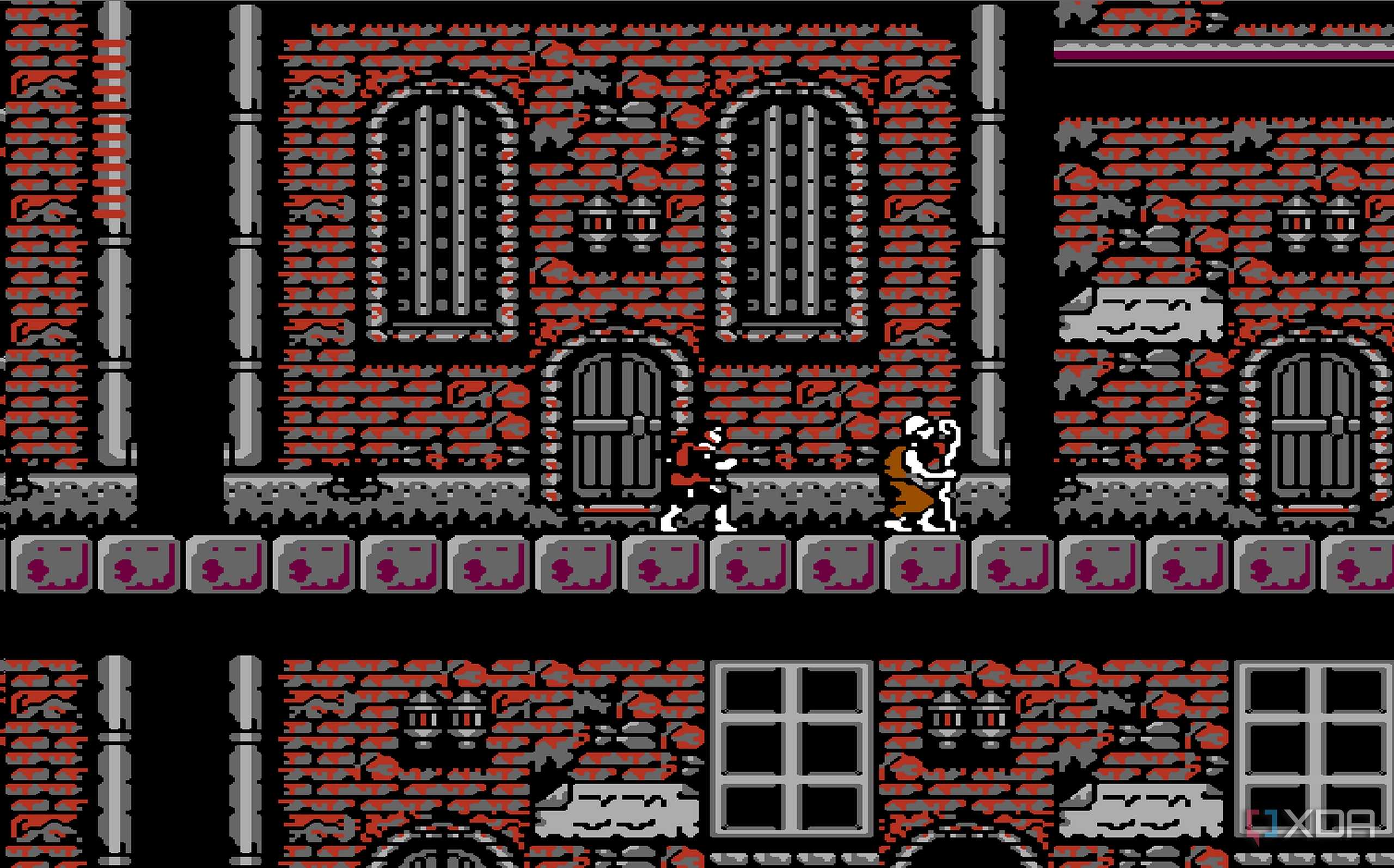
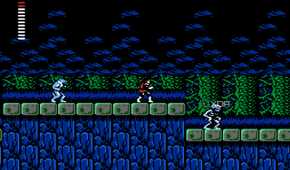
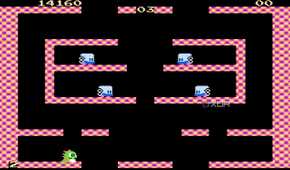
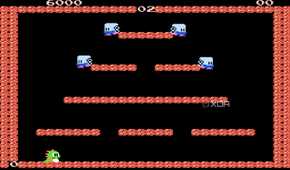
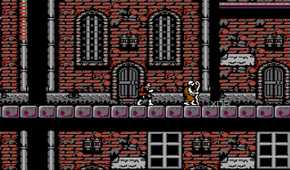
There’s always something awesome about finishing a game and realizing you didn’t get the “real” ending. Alternate or multiple endings are extremely commonplace today, and they have us scouring through online guides, Reddit threads, and YouTube tutorials to see how to get the ending we wanted. The very first games to start the trend, however, are almost forty years old today.
Castlevania II and Bubble Bobble had alternate endings based on your performance, time taken, or secrets discovered. Today, we won’t bat an eye if a game has different outcomes. It could have a fully branched-out separate narrative or just a good versus bad ending like Elden Ring (which I’m still mad about). However, these two titles were the first in the game to introduce the idea of your journey possibly ending in more than one way.
Suddenly, games’ endings weren’t set in stone, and you were immediately going back to replay the game out of sheer curiosity. It may have been handled a lot simply at the time, but today, whether it’s Silent Hill, Undertale, The Witcher 3, or even something hilarious like The Stanley Parable — they all feature alternate endings because, forty-odd years ago, Simon either died fighting Dracula, or both of them stayed alive, depending on how quickly you, the player, finished the game.
5 Cinematic storytelling was Metal Gear Solid's gift to the medium
Cinematic storytelling before it became the standard
Source: Steam 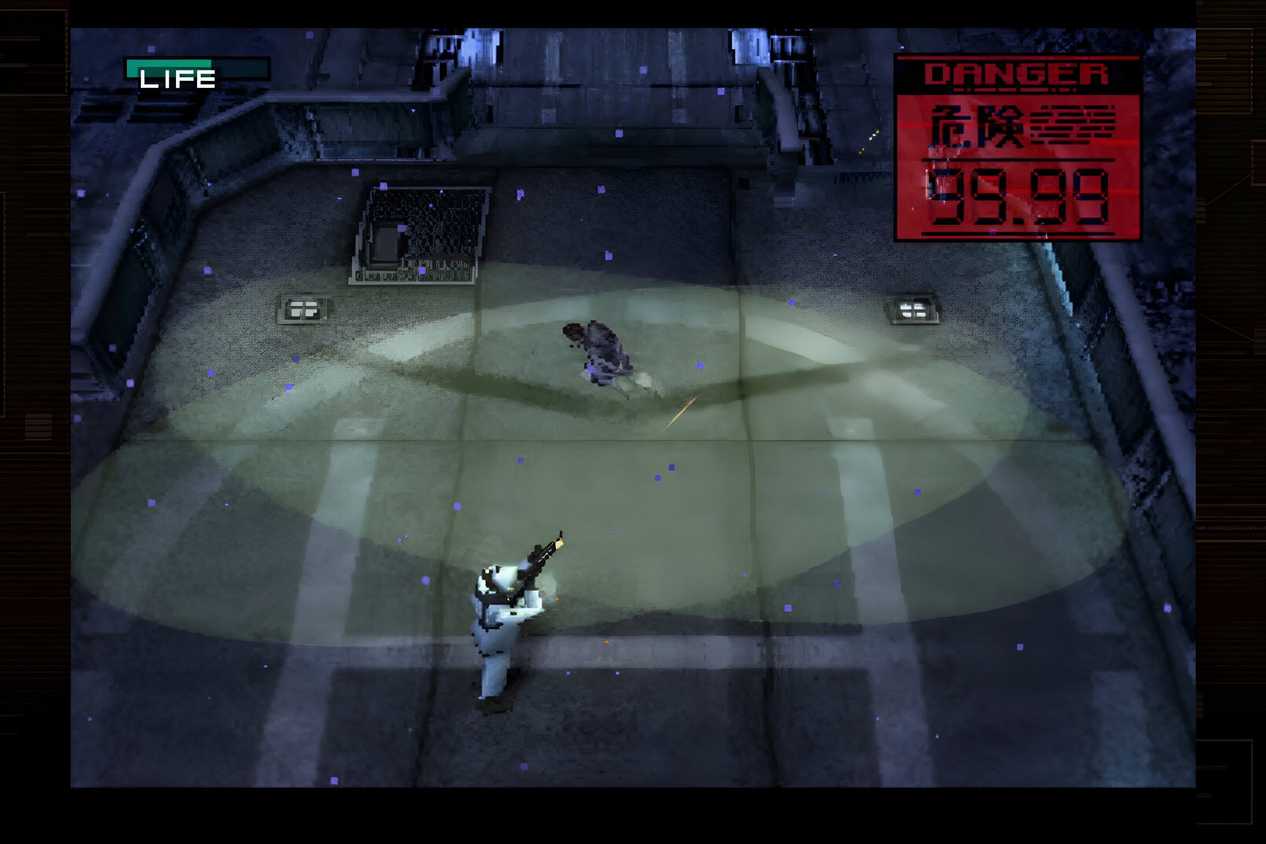
Source: Steam 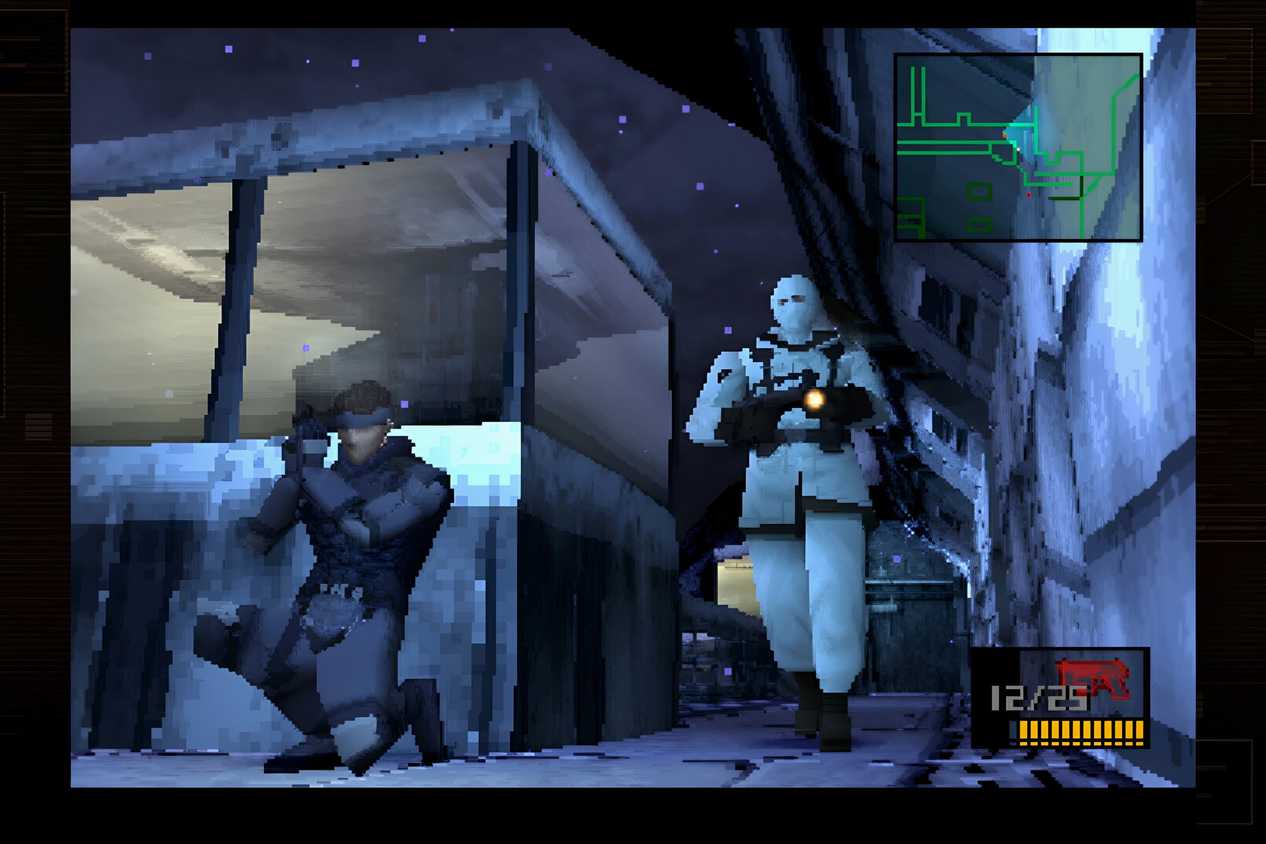
Source: Steam 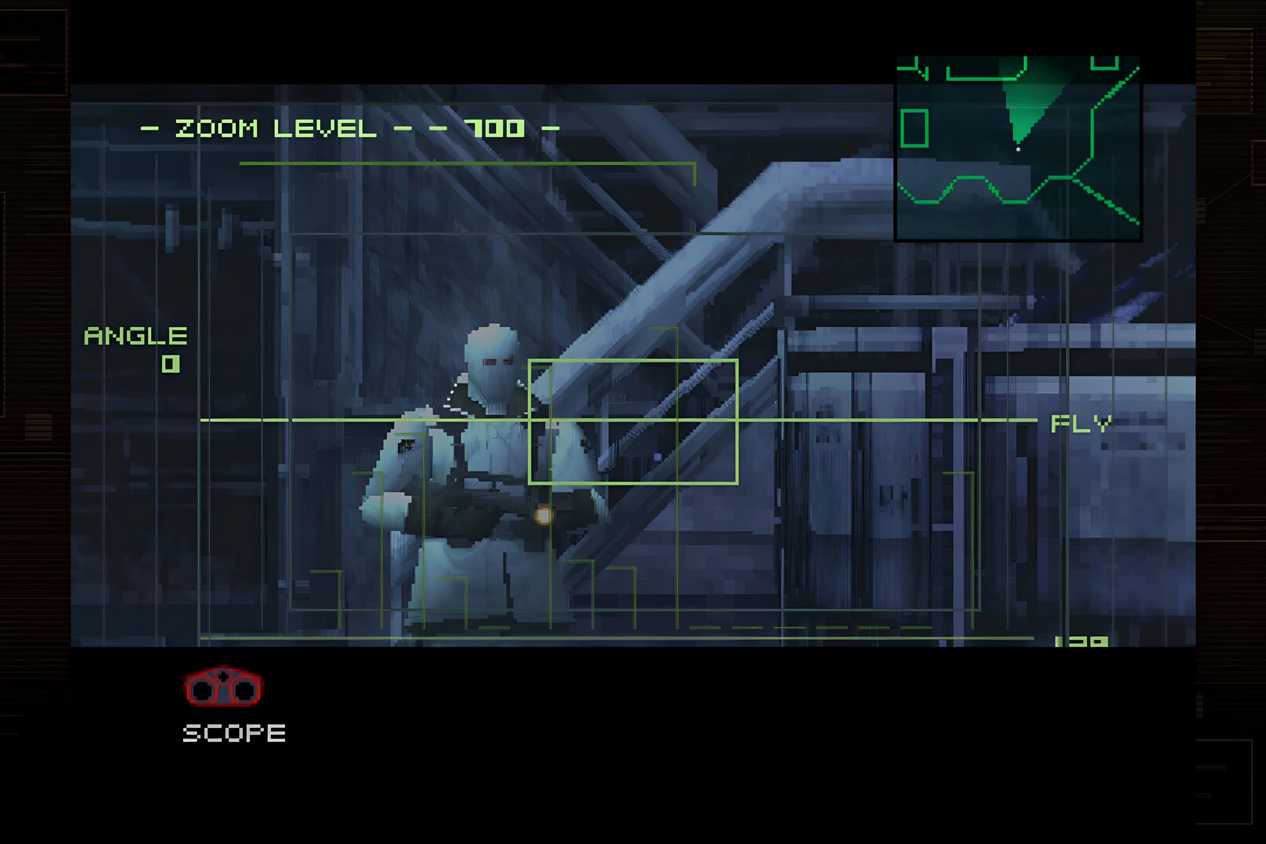
Source: Steam 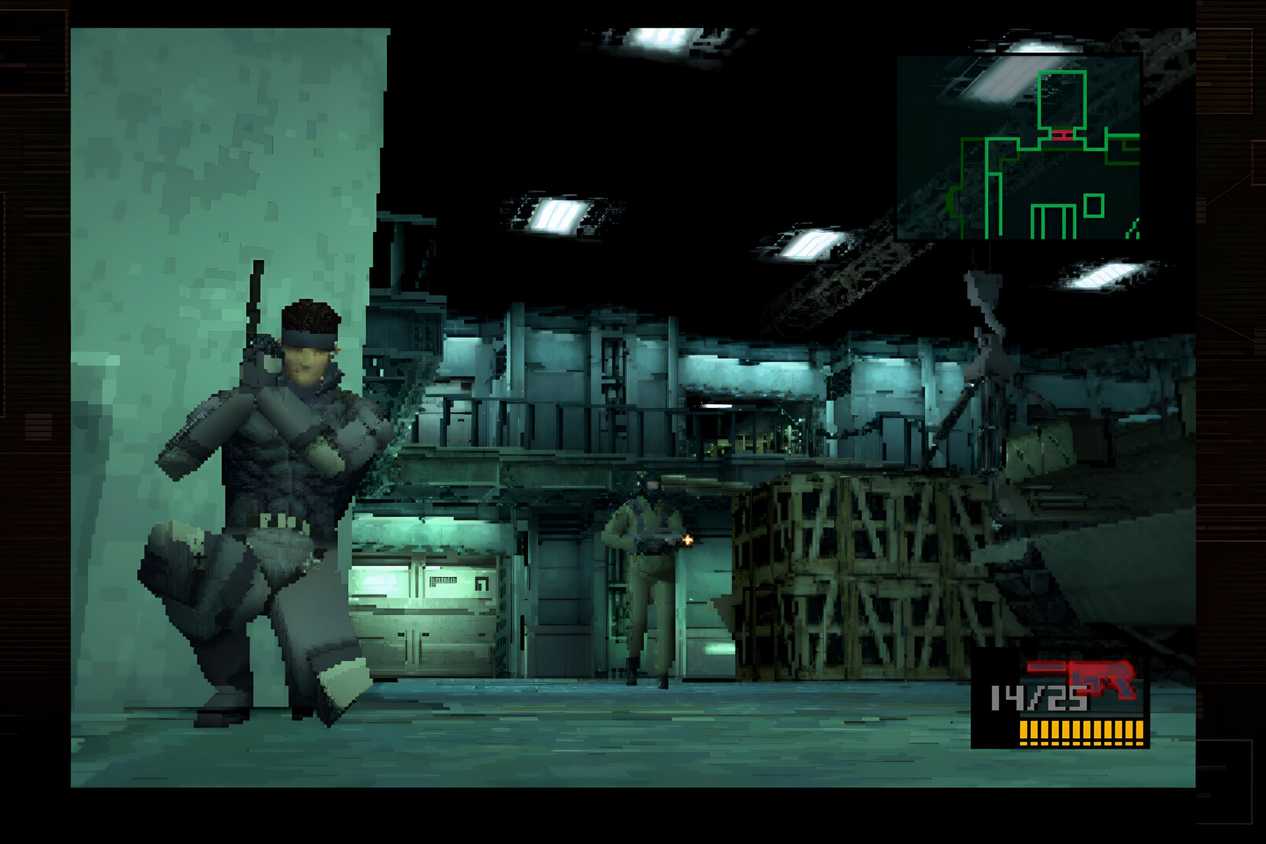
Source: Steam


Source: Steam 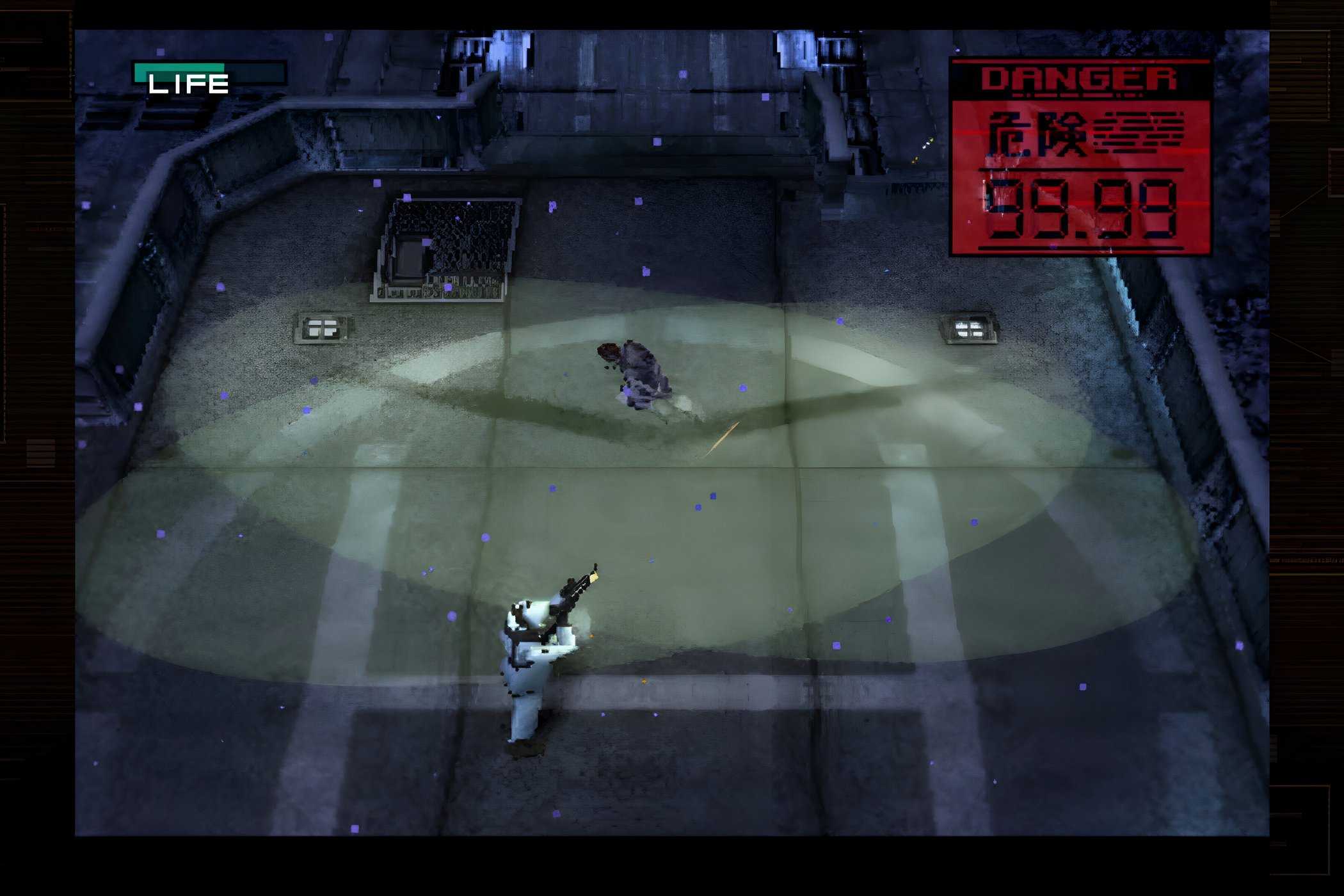
Source: Steam 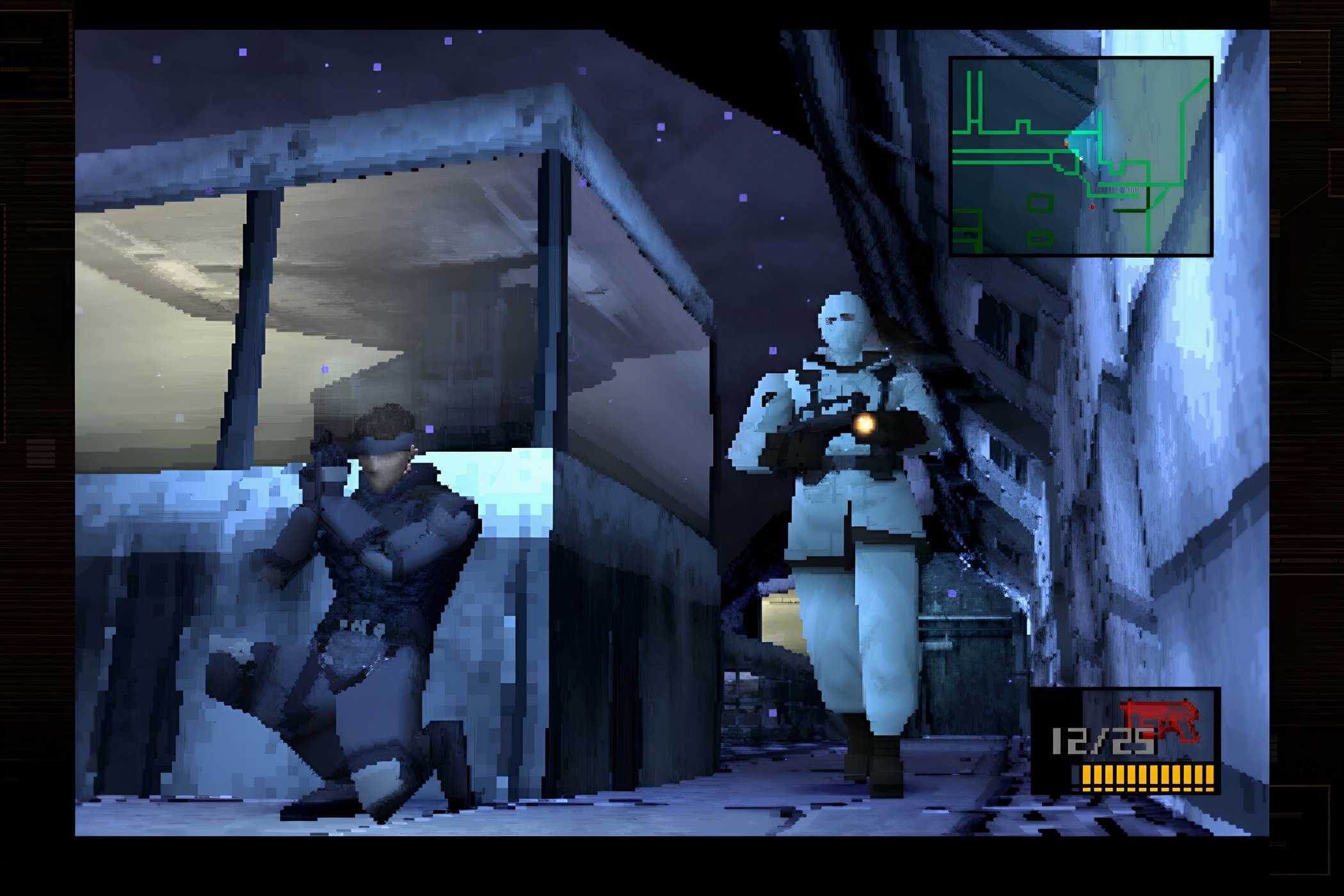
Source: Steam 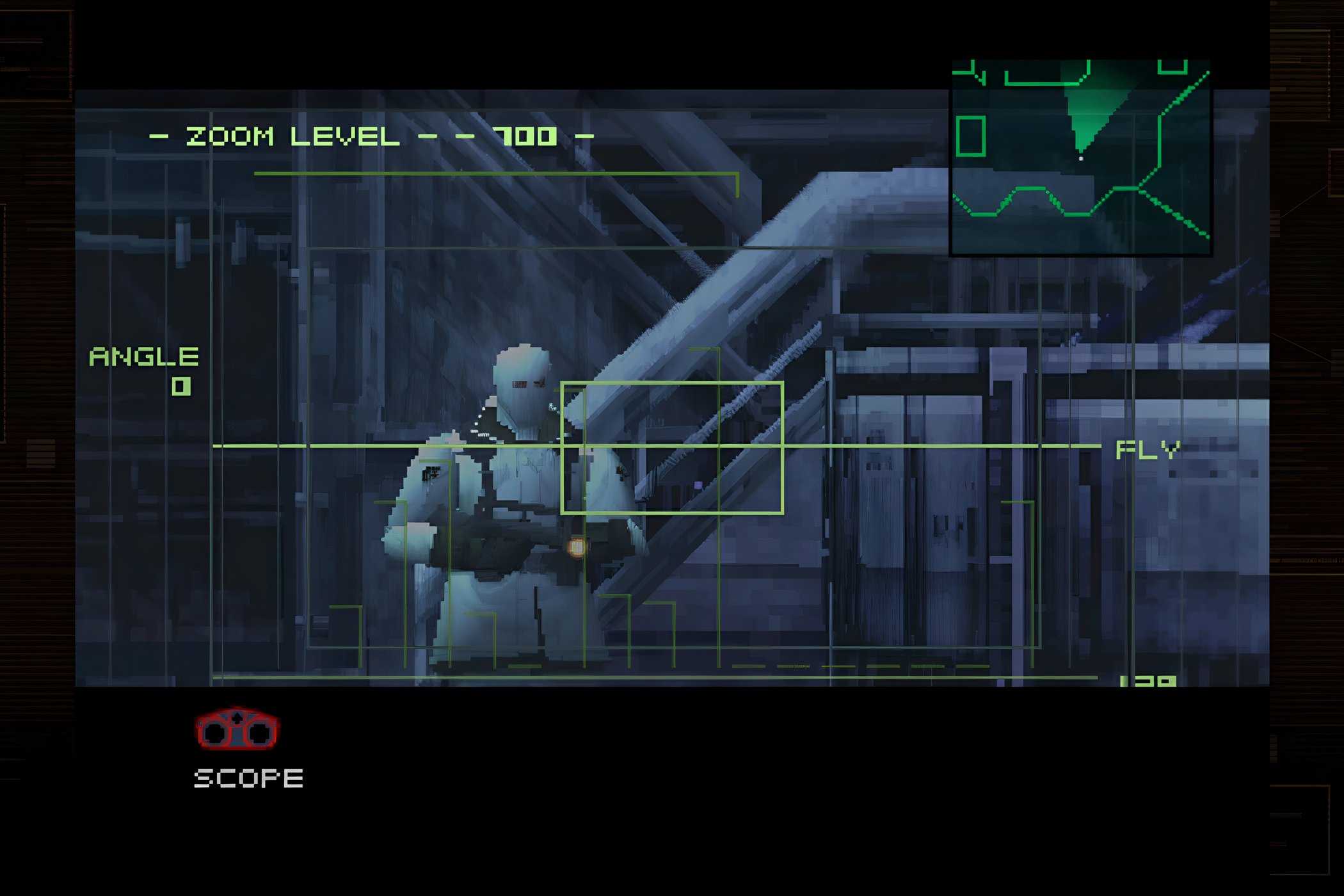
Source: Steam 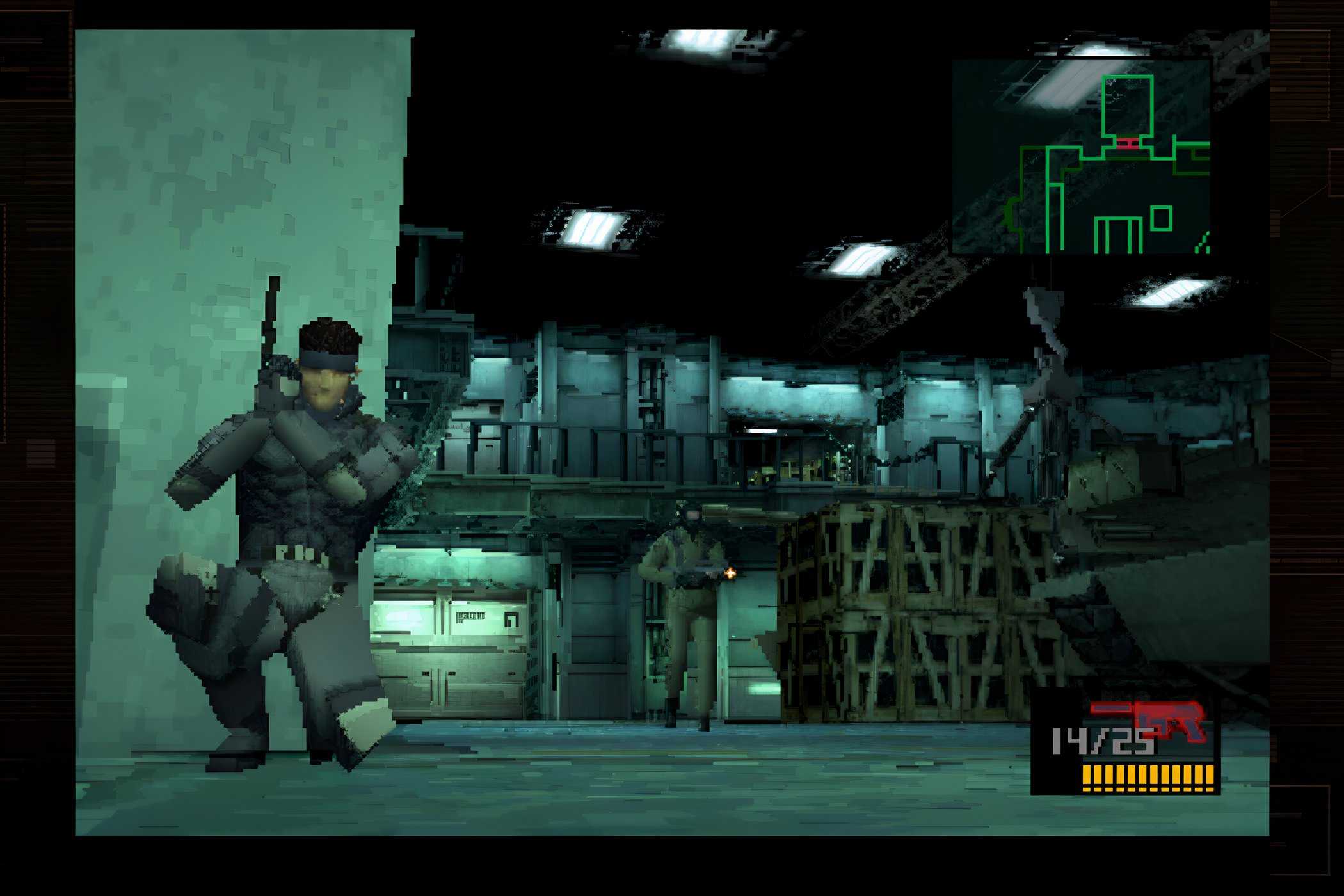
Source: Steam
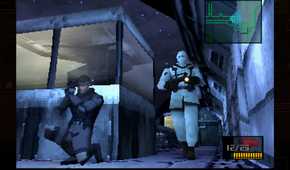
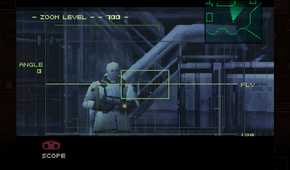
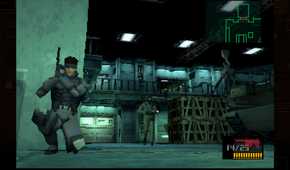
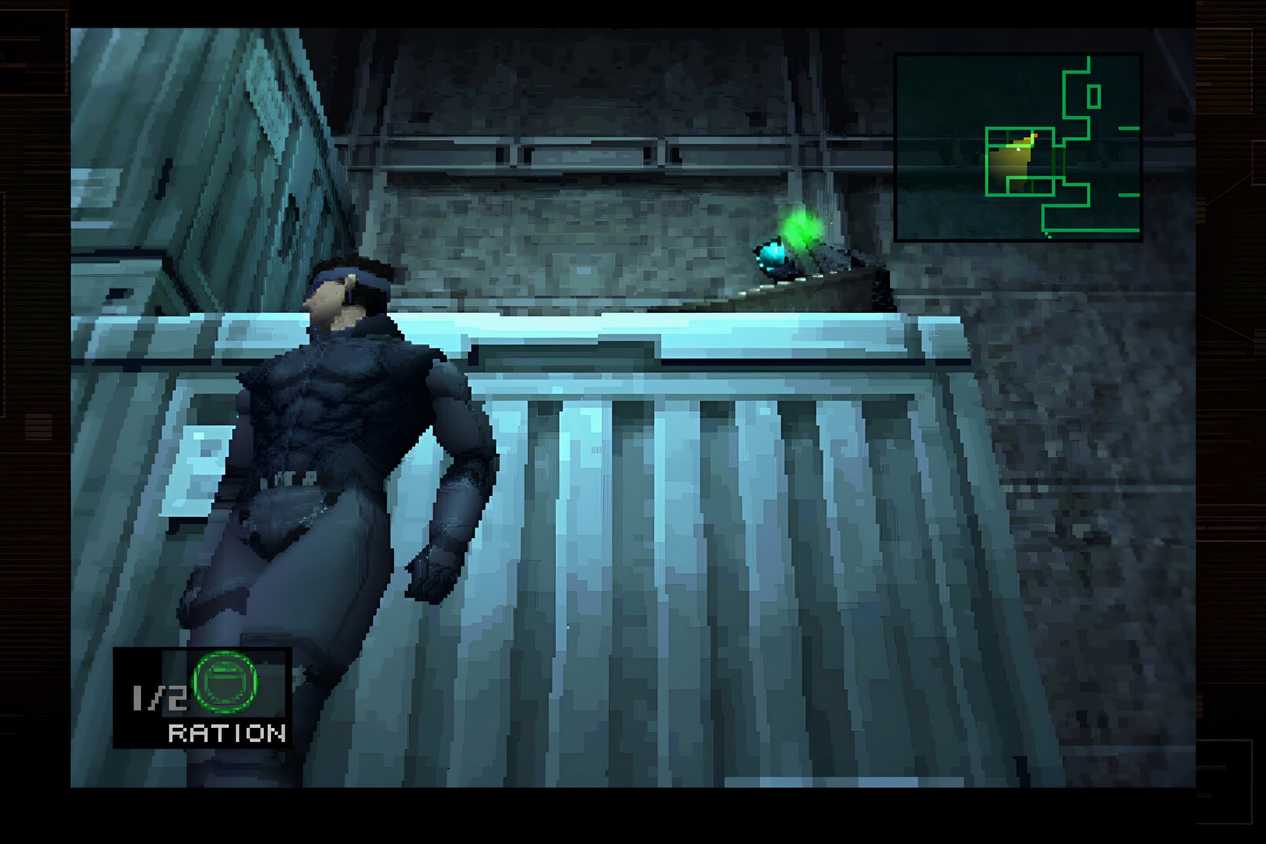
I pride myself on the tattoo of Ellie’s moth on my forearm. Nate Drake’s motto, Sic Parvis Magna, is engraved on the other one. Neither of these games would’ve hit me so hard and impacted me emotionally as significantly as they did had it not been for their brilliantly-written and remarkably-acted cinematic cutscenes, where the actors brought their A-game. Plus, I just spent the last weekend misty-eyed, tears streaming down my face as Death Stranding 2: On the Beach ended — a brilliant blend of masterful acting, storytelling, and cinematography. None of this, and I do mean none, would’ve been possible without Hideo Kojima’s Metal Gear Solid in 1998, the year I was born.
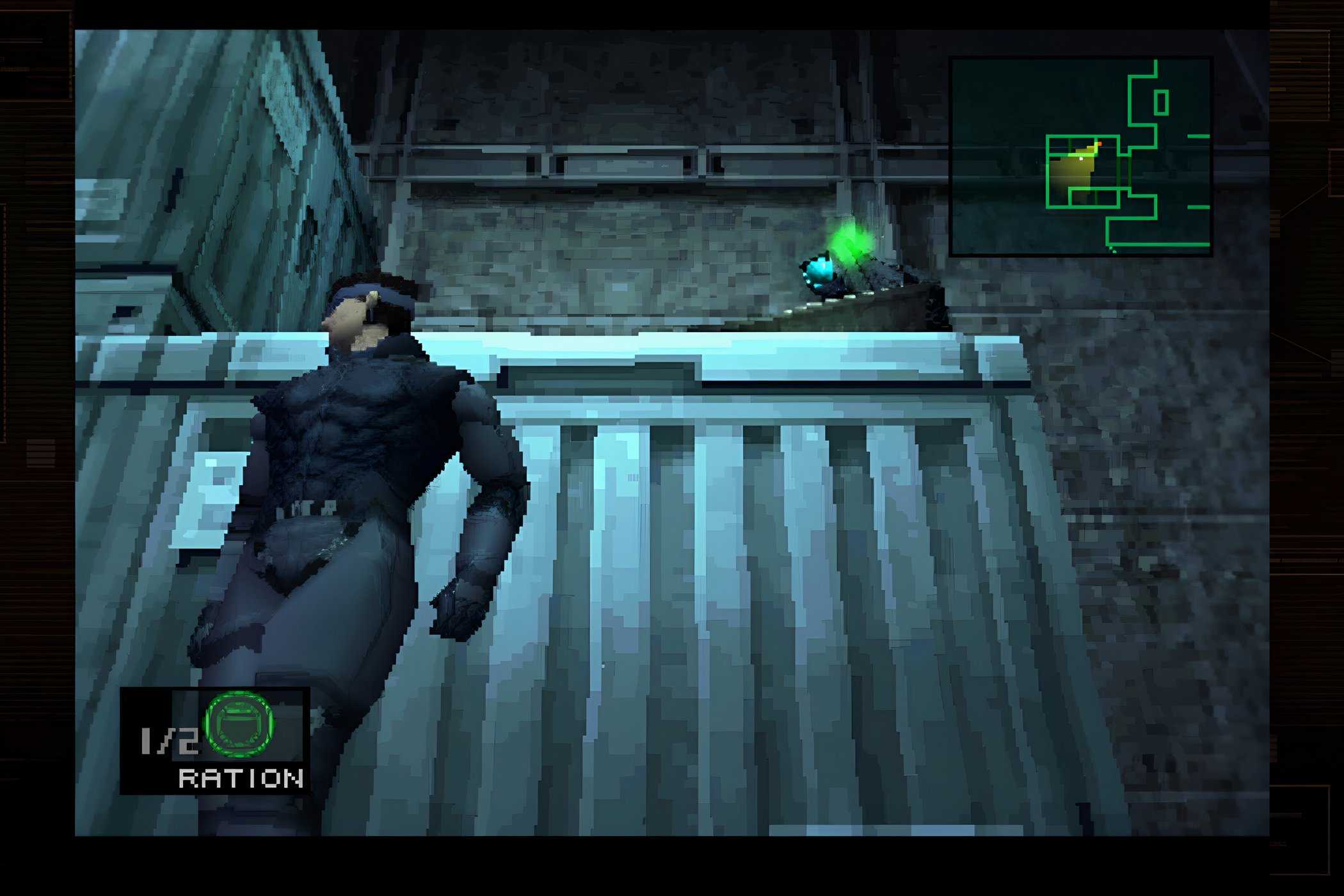
When MGS landed on the PlayStation, it heralded a completely new generation and era. It felt like you were playing through a full-blown action movie, thanks to its voice acting, dramatic camera angles, and cutscenes that actually added to the story instead of interrupting it or taking away from the final product. Through codec calls, tense infiltration sequences, and a script that would’ve been right at home in a major summer spy thriller, MGS immediately became the standard for cinematic storytelling in gaming.
We do take this kind of storytelling device for granted today, but when a cutscene checks all the boxes, we’re always affected. Naughty Dog games in the past three generations have practically built an empire on it. And so did Kojima and Konami, through the fabled Metal Gear series, and the newer Death Stranding games. MGS effectively predicted the fusion of games and cinema, long before mo-cap, high-budget cutscenes, and gaming actors with schedules packed for years prior became the norm. If you’ve ever cried over a character monologue, or sat through a quiet walk-and-talk in a modern game, you’ve got Metal Gear to thank.
Metal Gear Solid: Master Collection Version bundles iconic stealth-action games, including MGS1, 2, and 3, with enhanced graphics and bonus content. Experience classic espionage adventures in one package.

4 The Legend of Zelda: Ocarina of Time's Z-Targeting
Lock-on mechanics are unthinkable not to have today

Ocarina of Time took the Zelda franchise into 3D and defined how 3D action adventure-games would work for decades. The most important innovation, however, was the Z-targeting. It made you lock on to enemies and made 3D combat intuitive for the first time, instead of just looking in the general direction and hoping for the best. Suddenly, you weren’t flailing your sword in the vague direction of a bad guy, but rather circling, timing your dodges, and finding openings for the finishing blow. It was elegant, and it made sense.
Look at games like Dark Souls or even the Horizon: Zero Dawn franchise, and countless others. If target-locking didn’t exist in the Souls games, you’d be fighting the camera the entire time, as opposed to the few times you currently do during their 100-hour campaigns. Anywhere you look, from Stellar Blade to Devil May Cry, you’ll easily be able to see echoes of that same system that Z-targeting started. Today, it’s a simple R3 click that you expect every game to have, but it wasn’t inevitable. Someone during Ocarina of Time’s development thought about it, figured it out, and then cracked it wide open. Who wants tank-controlled cameras like a PS1 horror game? Nobody, not anymore. This was Nintendo at its most quietly genius, changing the rules for everyone and making it look easy.
3 Neverwinter Nights was the first true MMO


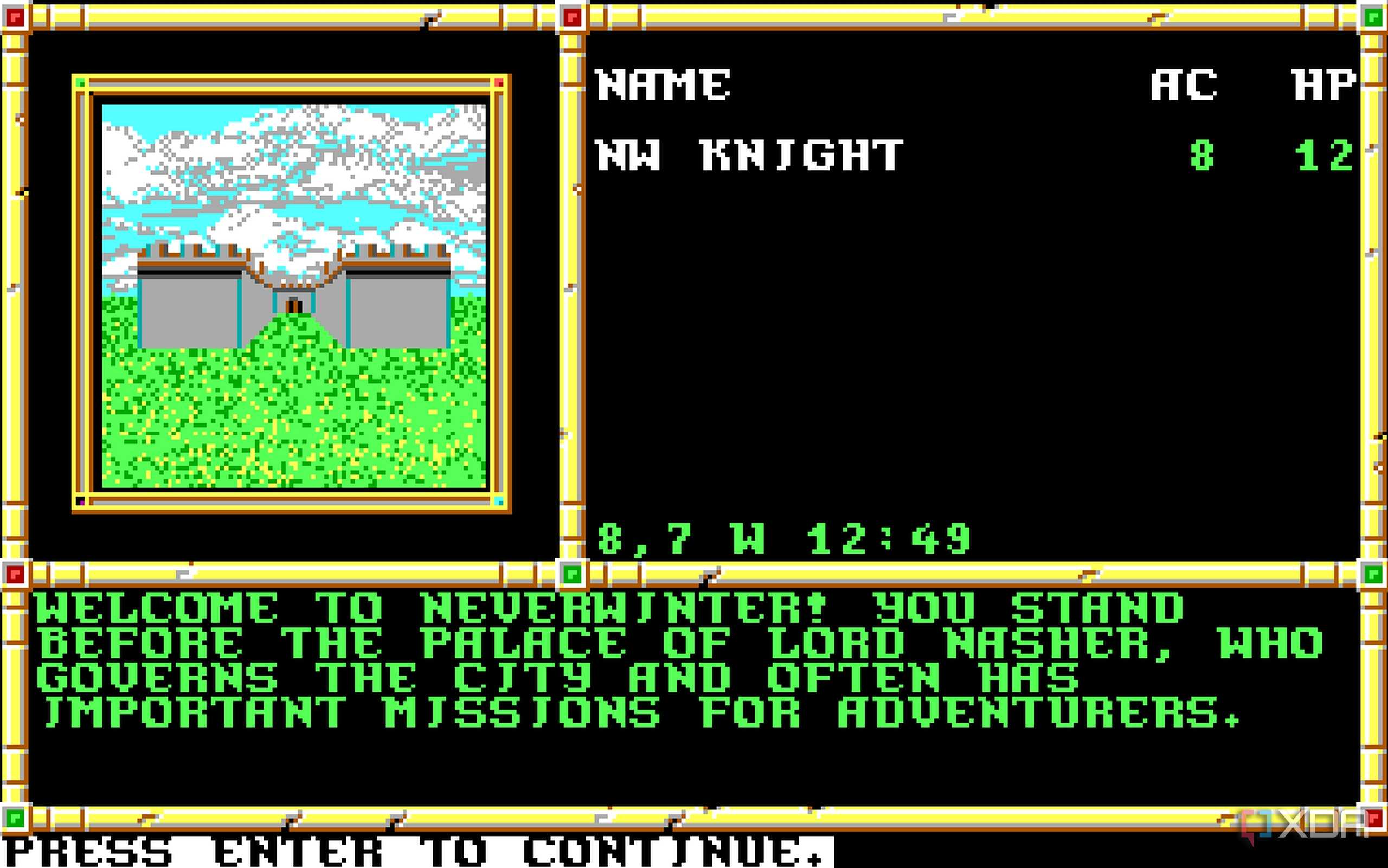
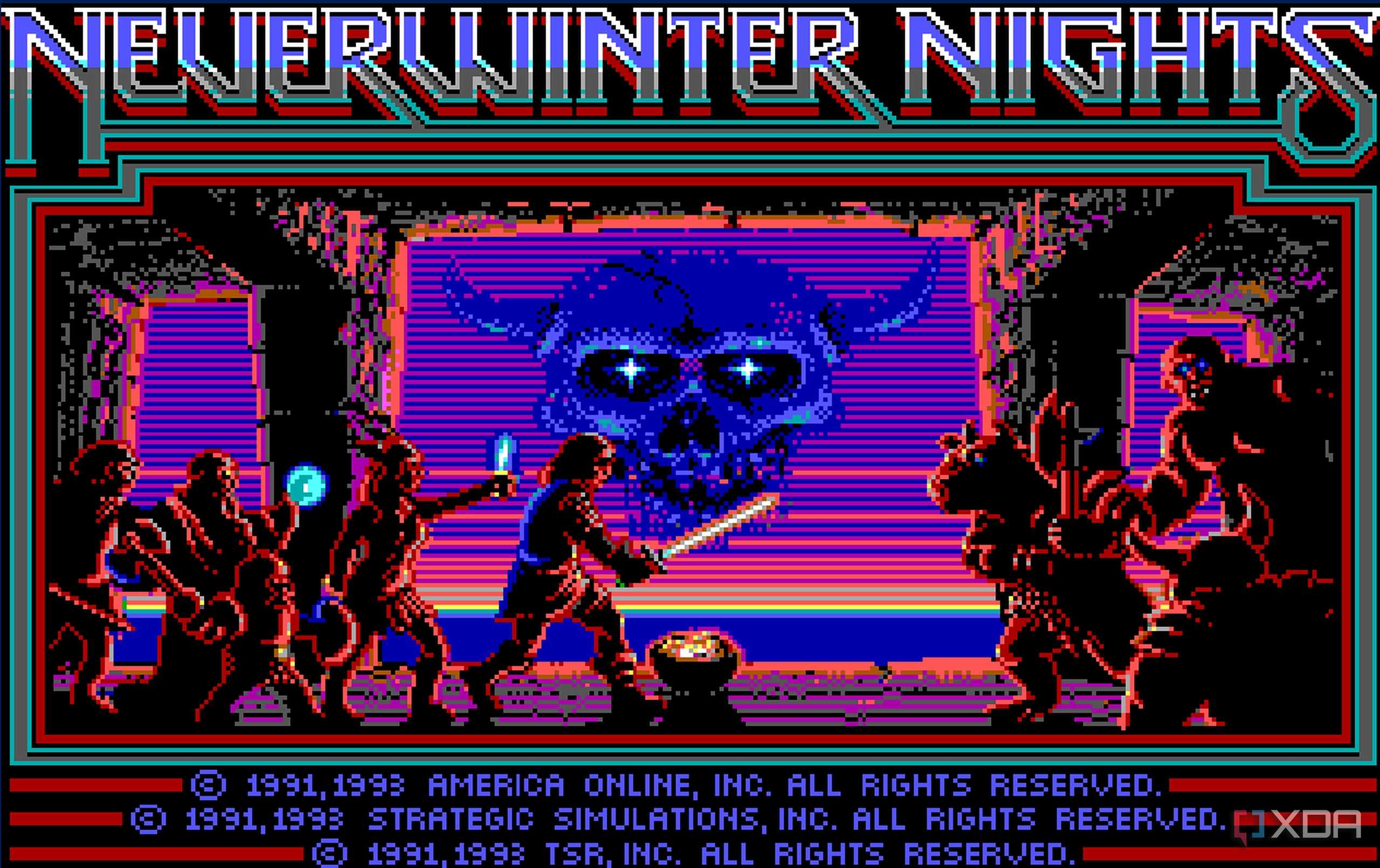
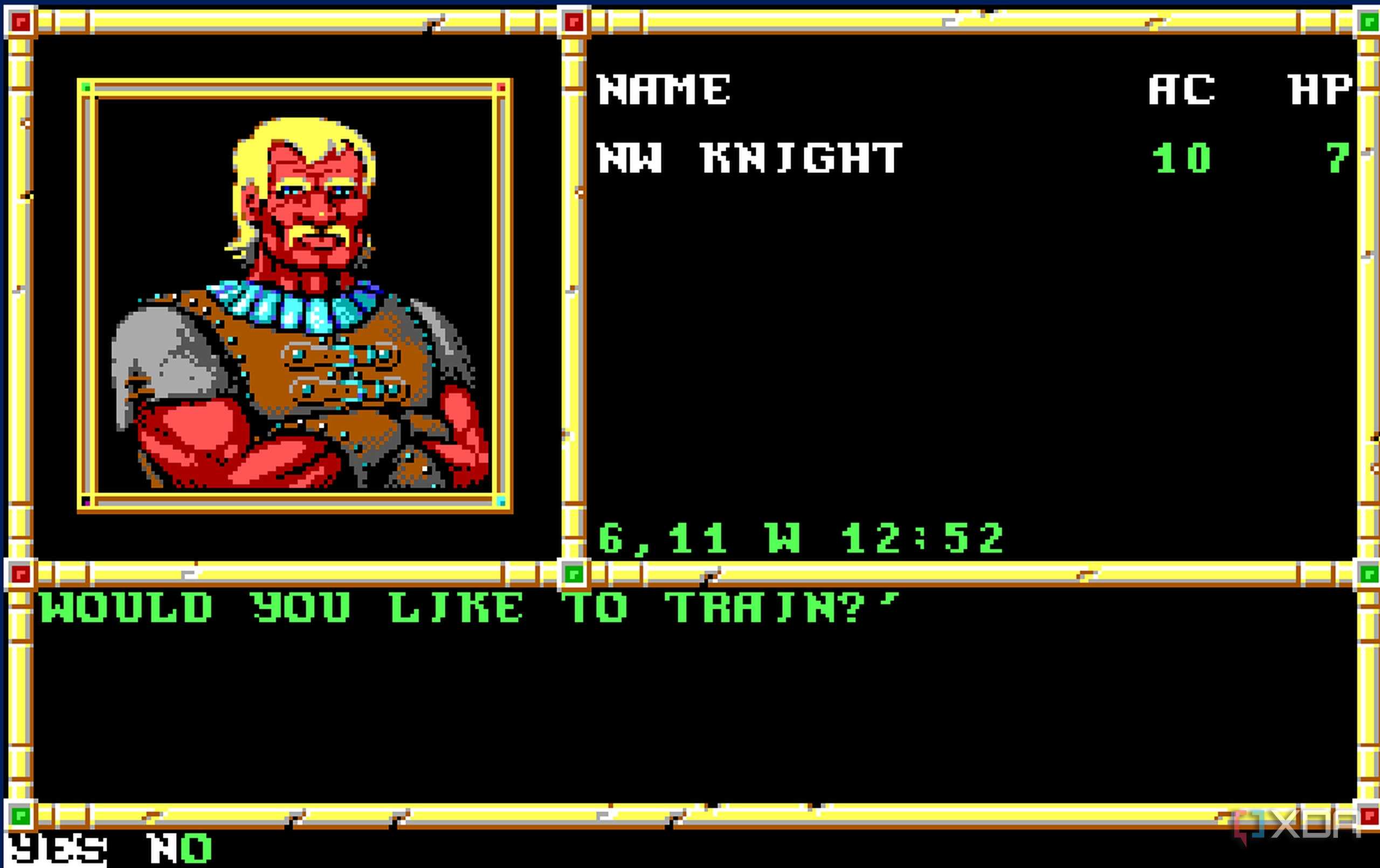
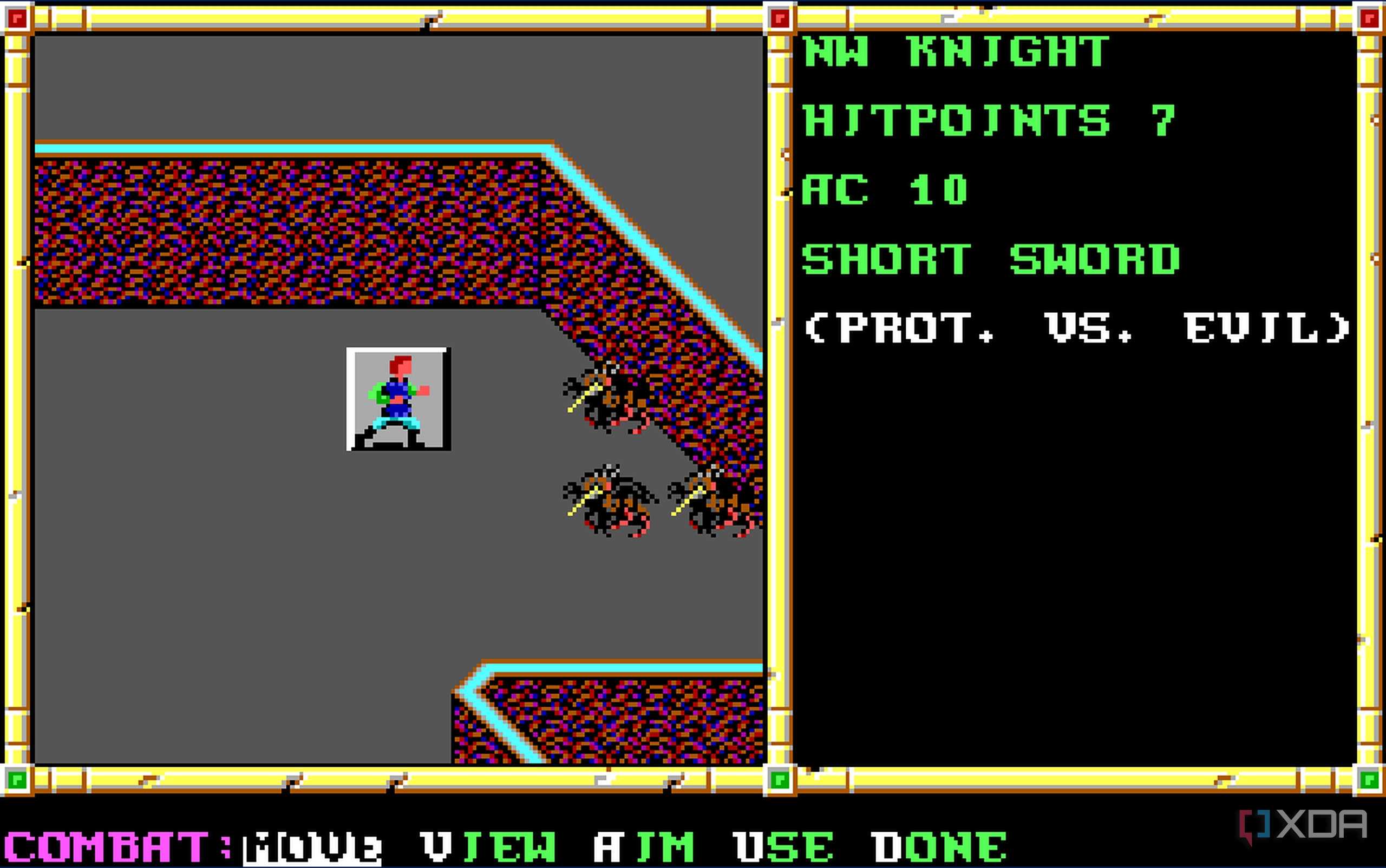
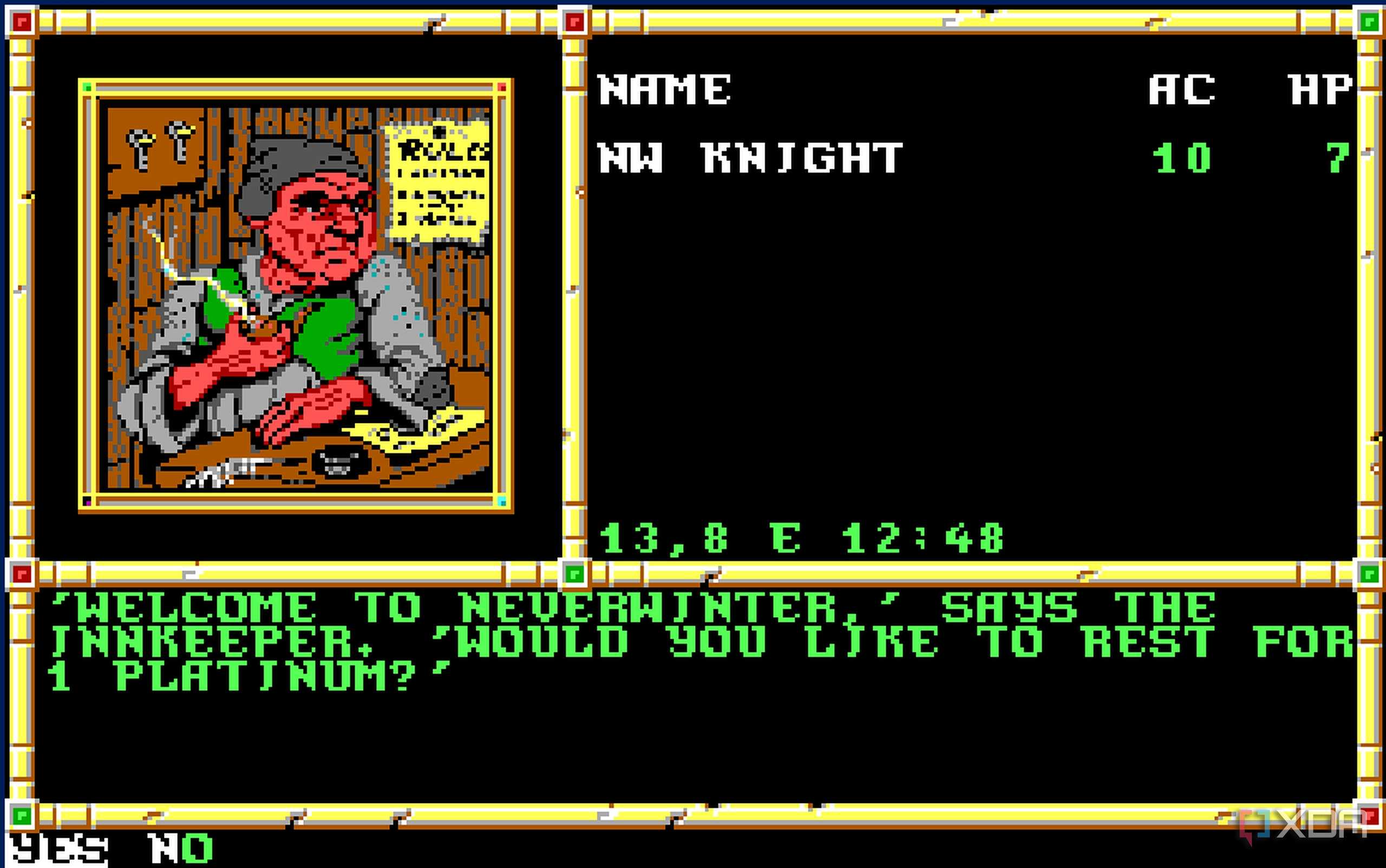
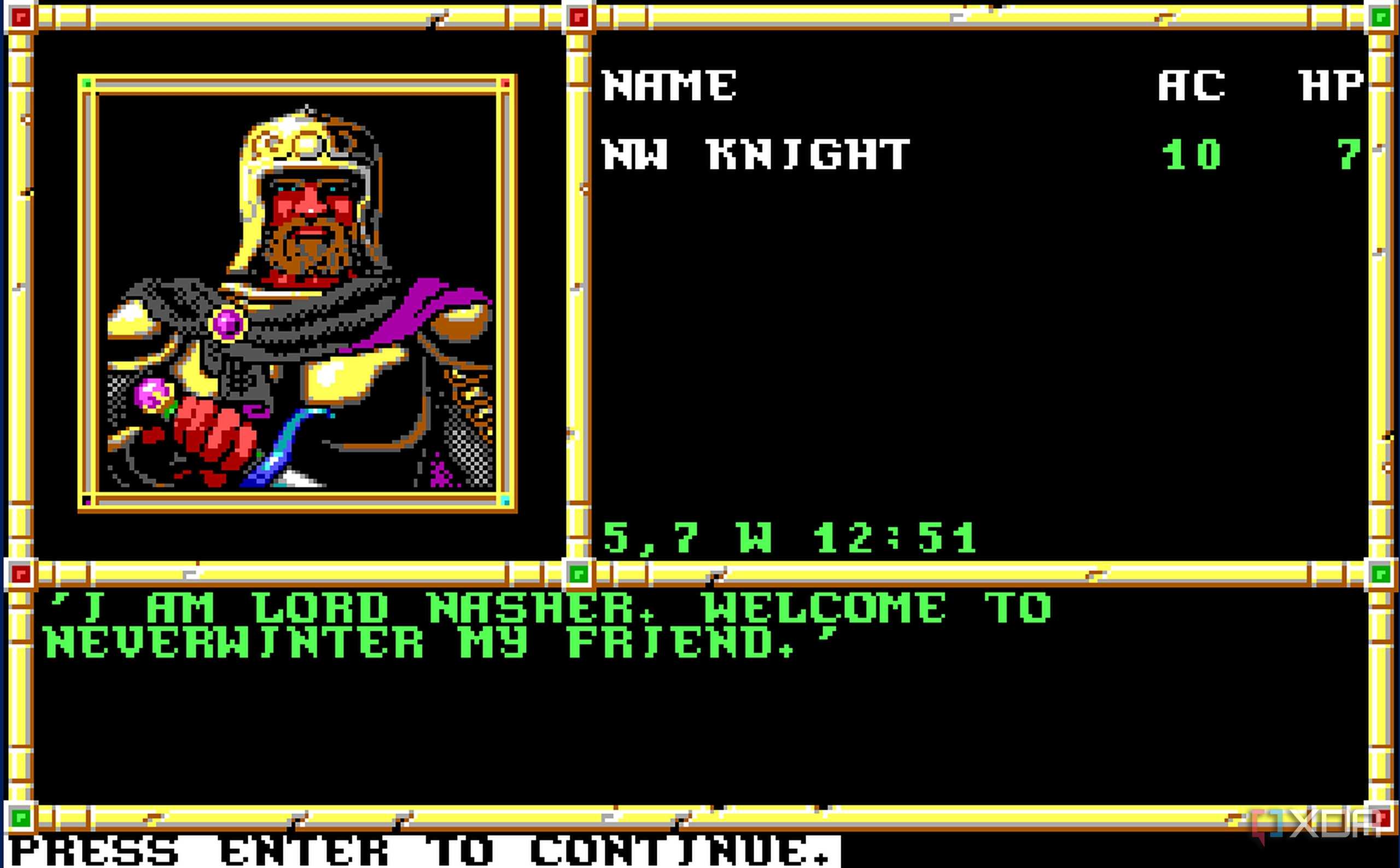
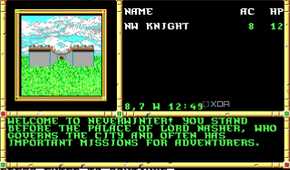
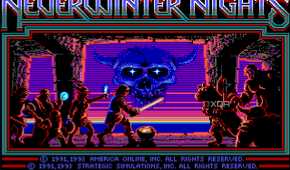
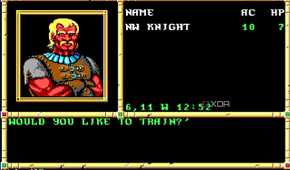
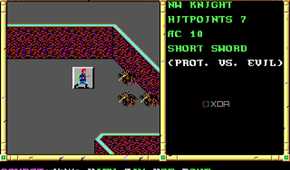
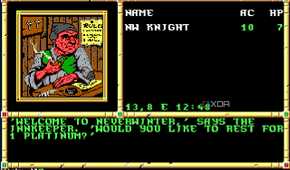
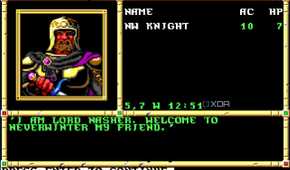
Before World of Warcraft or Runescape, the term "massively multiplayer online game" had only existed in pipe dreams of gamers who had to jump through a hundred hoops to organize a single LAN event. In 1991 though, a text-heavy, AOL-hosted game, Neverwinter Nights, became the first true graphical 'MMO'. It showed us the earliest version of what we consider an MMO today. First off, it had graphics. Then, there were parties, persistent worlds, player-driven adventures, and connection fees. Now, this one didn't 'predict' the MMO genre so much as it created it.
Neverwinter Nights showed what was possible when you took D&D online. Players could meet strangers, go on quests together, and forge bonds through gameplay, not just forums. It set the stage for everything Ultima Online to Final Fantasy.
Heck, even modern online elements like guilds, raids, and live-service economies could trace their roots to what this game quietly pioneered. In a way, it's the blueprint for how we play games socially now. And while it's been largely forgotten outside of hardcore circles, it deserves a place in the digital hall of fame, and its due credit for getting us where we are today.
2 Shenmue was the first true open-world sandbox

Back in 1999, Shenmue was released by SEGA, but it spent its first year only in Japan, with western audiences getting the game eleven months later. This meant that larger western audiences never got to see the game for what it was for a whole year — a fantastic game with a sprawling, detailed world that was ahead of its time. We might credit GTA III for being the first open-world, sandbox-based 3D game that laid out the blueprint for future open-world games, but it was truly Shenmue that deserves that credit. It just never got the full global release treatment that might have catapulted it to the Rockstar game's level of success.
Gaming had just taken the leap into 3D, with the PlayStation being front and center of the 3D revolution. Final Fantasy VII blew everyone's minds with its 3D polygons, and Shenmue came about with an open-world format, a huge sandbox where weather changed in real time, shops closed for the night, and NPCs had their own set, scripted schedules to go about their day.
You could train, work a job, or just waste your day playing arcade games in Shenmue. It was mundane, meticulous, and by the gods, it was revolutionary. The game never got its due on the global scale, sure, but its influence became impossible to deny. Shenmue did everything we credit GTA III for, before Rockstar. Without it, there's no Fallout, and definitely no Red Dead Redemption 2. It laid down the design philosophy that your game world could and should feel alive, rather than just big. Shenmue showed gamers that immersion came from the little details like overheard conversations on the street or watching a cat grow up over in-game weeks.

-
 OpenCritic Reviews
- Top Critic Avg: 73/100 Critics Rec: 47%
- Released
- December 29, 1999
- ESRB
- t
- Developer(s)
- Sega
- Publisher(s)
- Sega
- Engine
- Unreal Engine 4
- Sequel(s)
- Shenmue 2, Shenmue 3
- Franchise
- Shenmue
- Steam Deck Compatibility
- Unsupported
The first game in the series, Shenmue begins the tale as Ryo travels around Yokosuka, Japan, gathering clues about his father’s murder and dealing with nefarious gangsters along the way
- Genre(s)
- Action-Adventure
1 System Shock predicted how we will consume stories
At our own pace, per our own involvement
Source: Steam 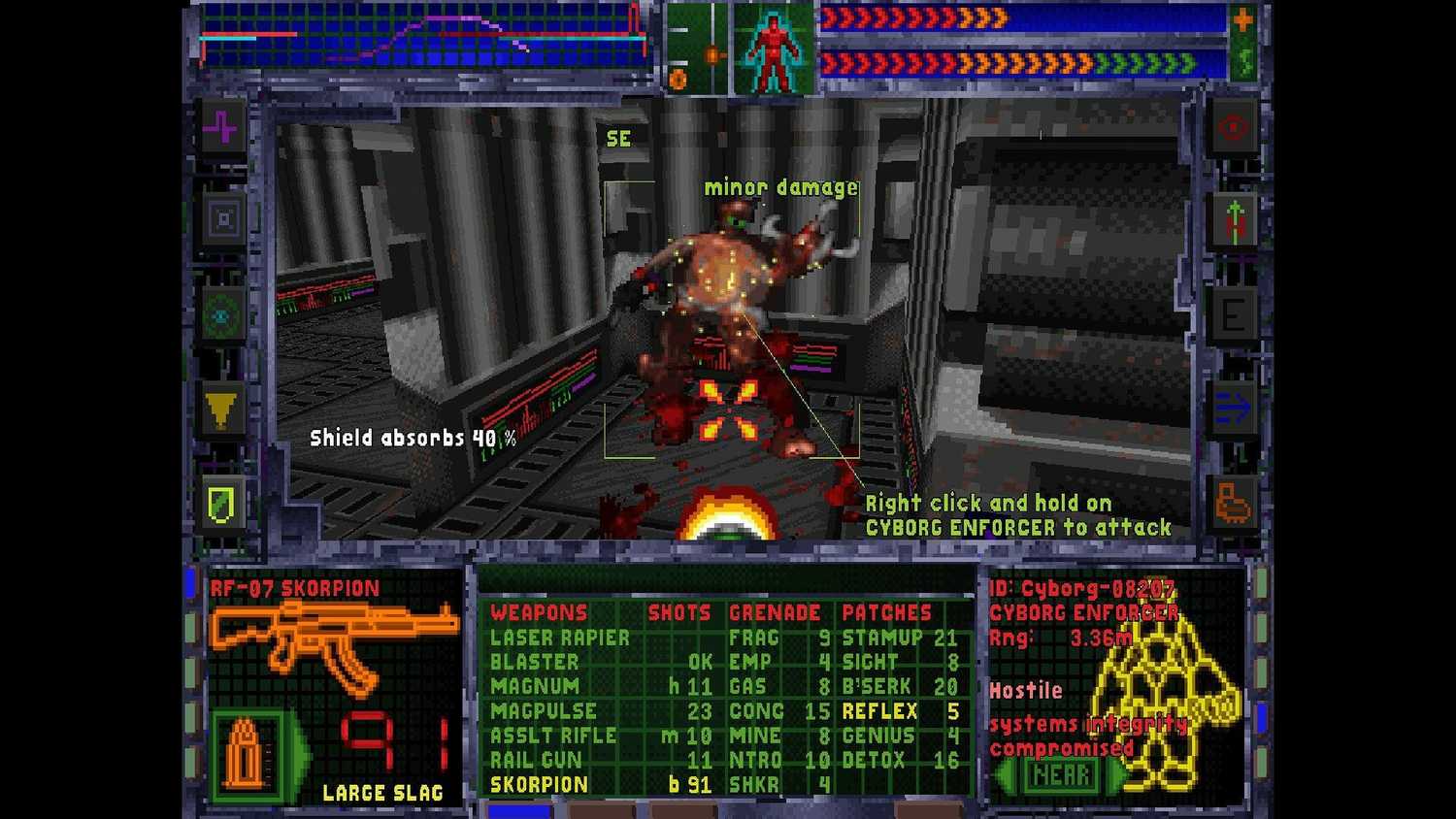
Source: Steam 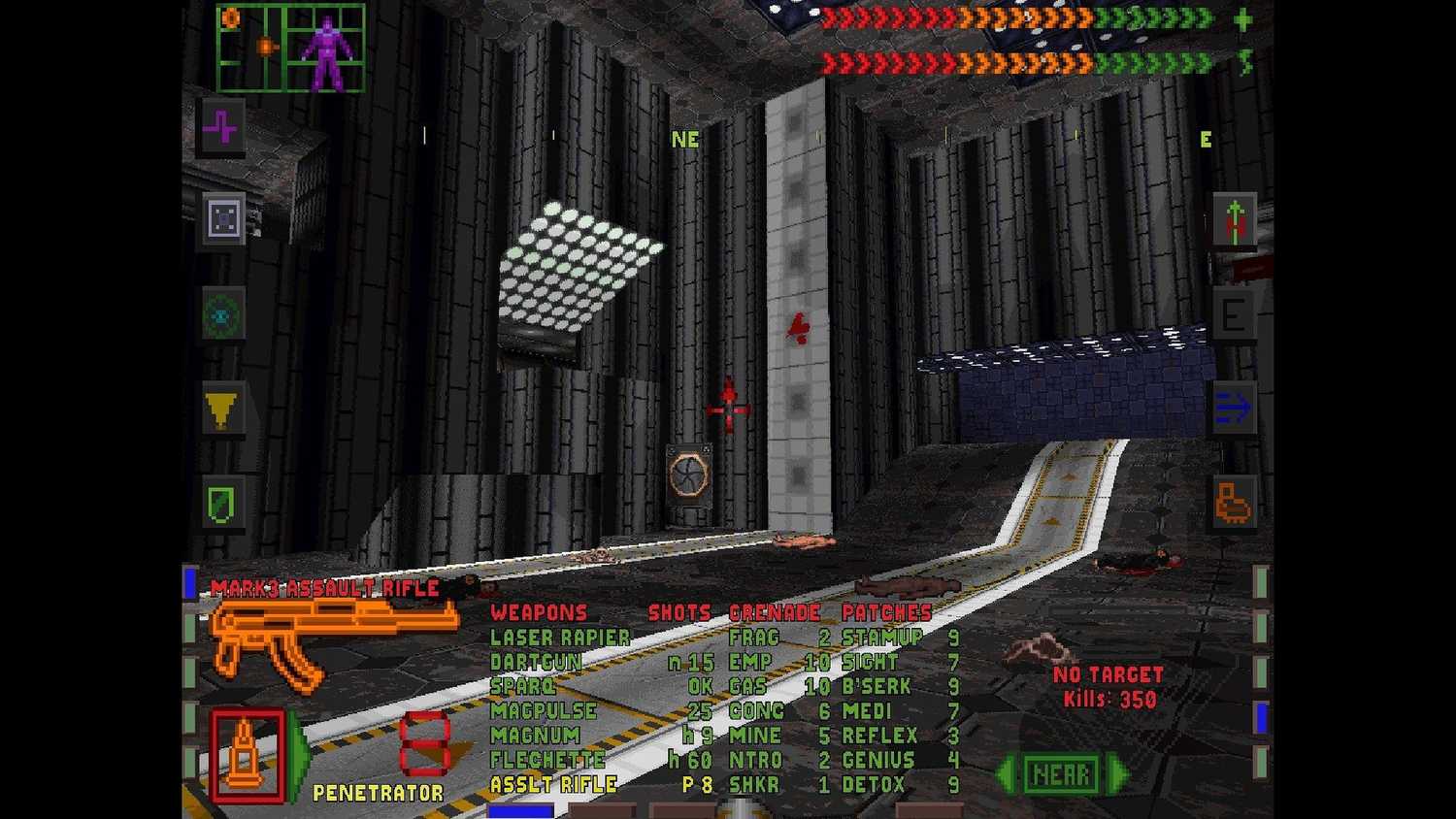
Source: Steam 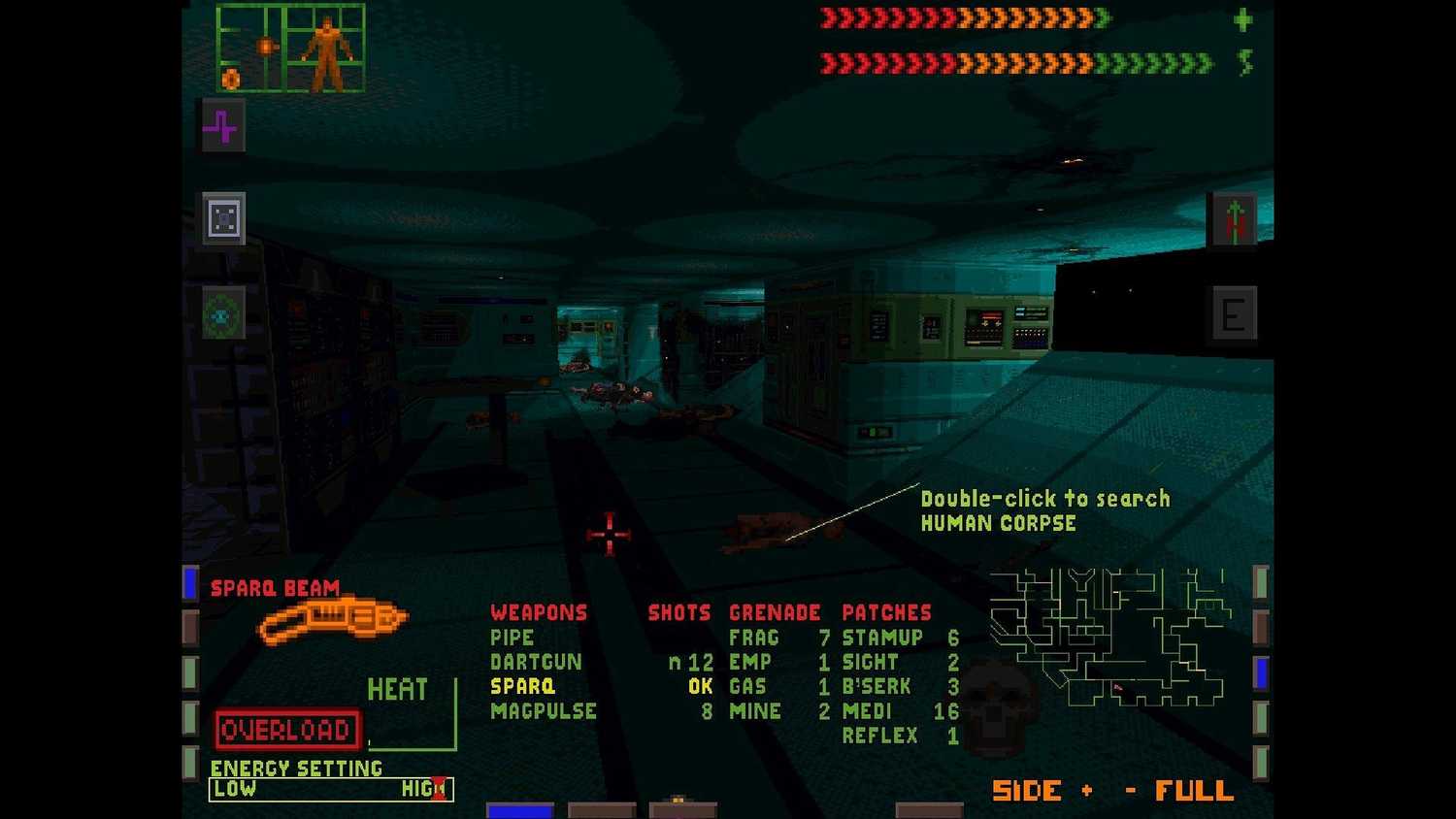
Source: Steam 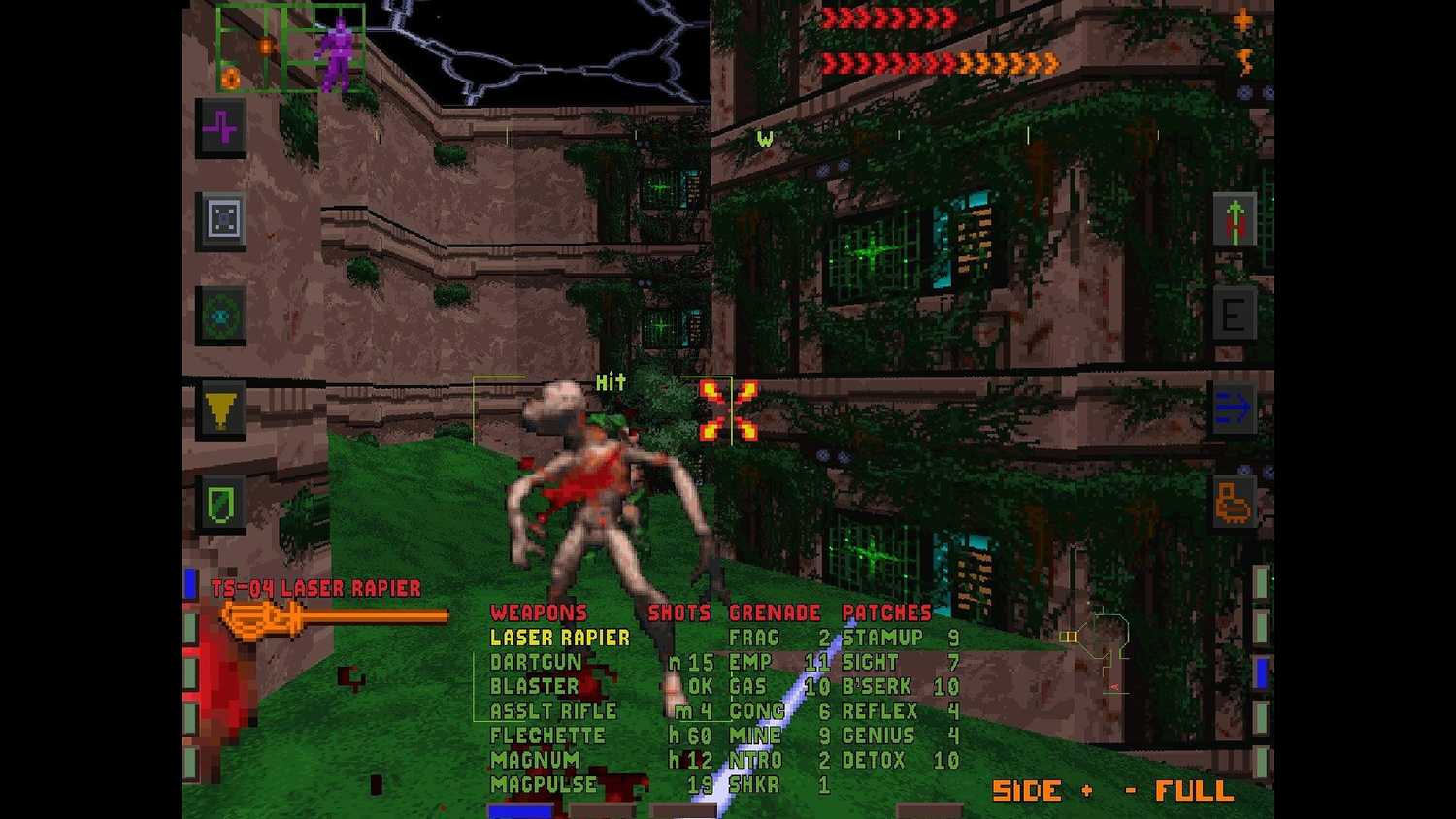
Source: Steam 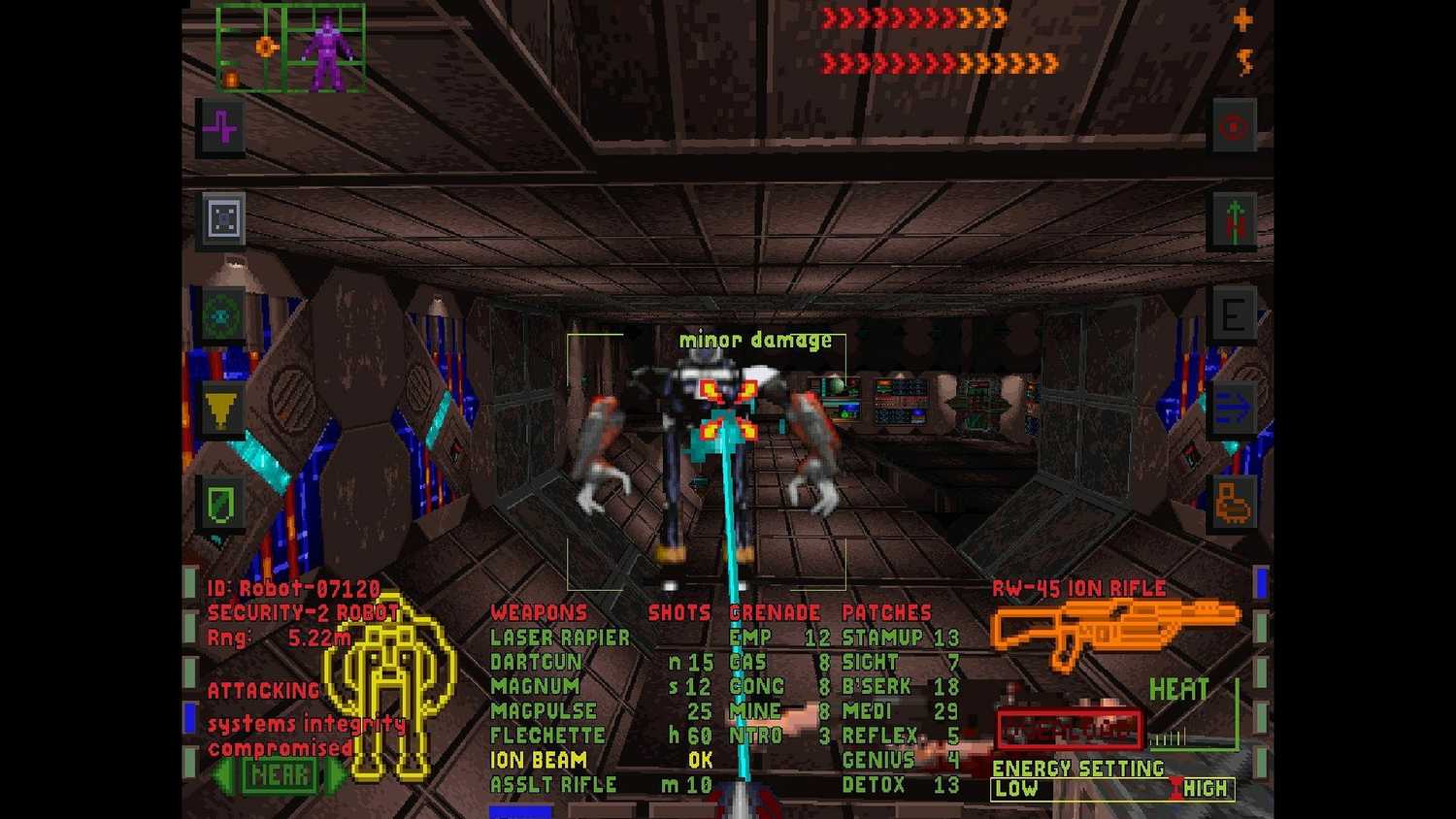
Source: Steam


Source: Steam 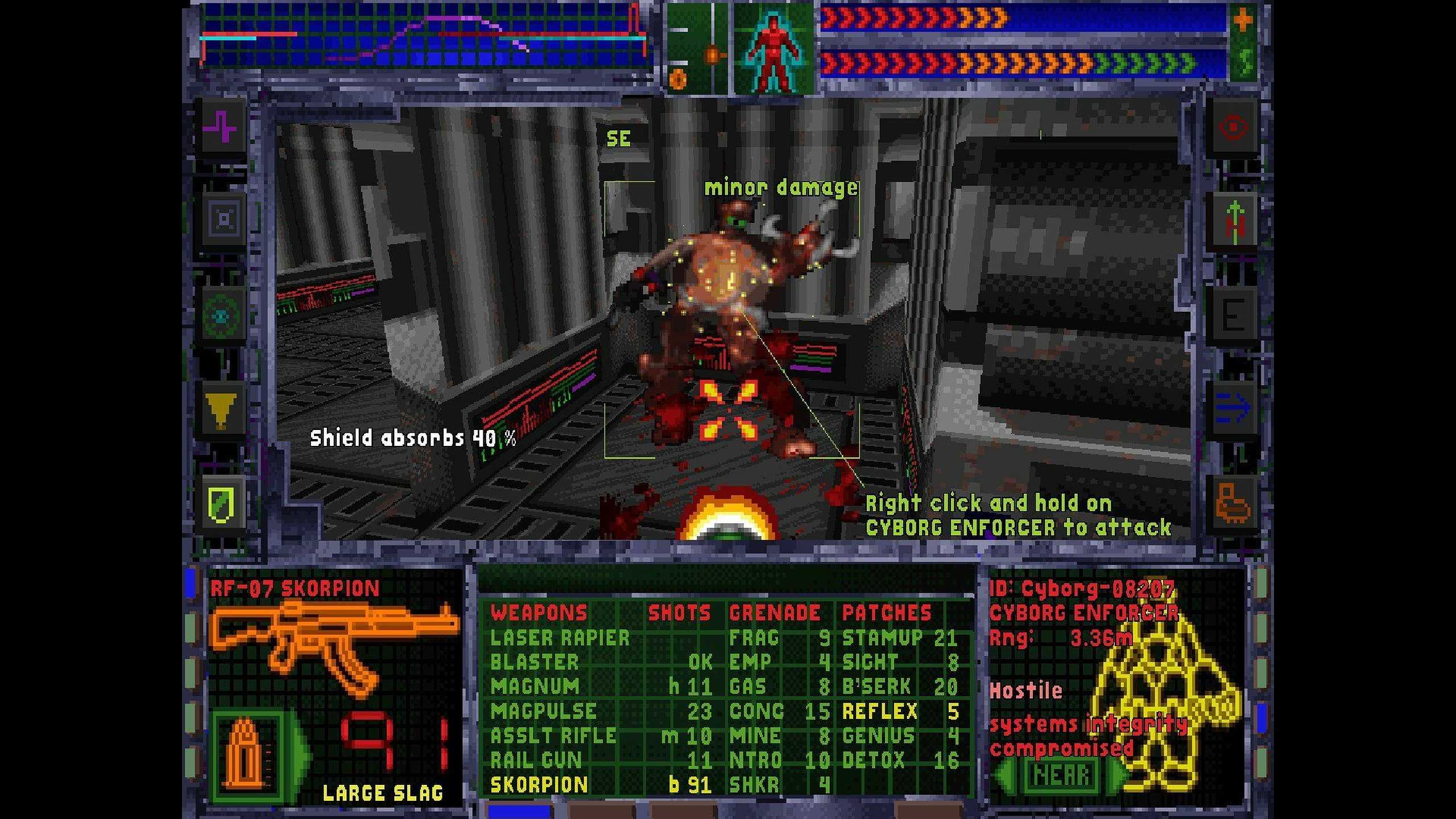
Source: Steam 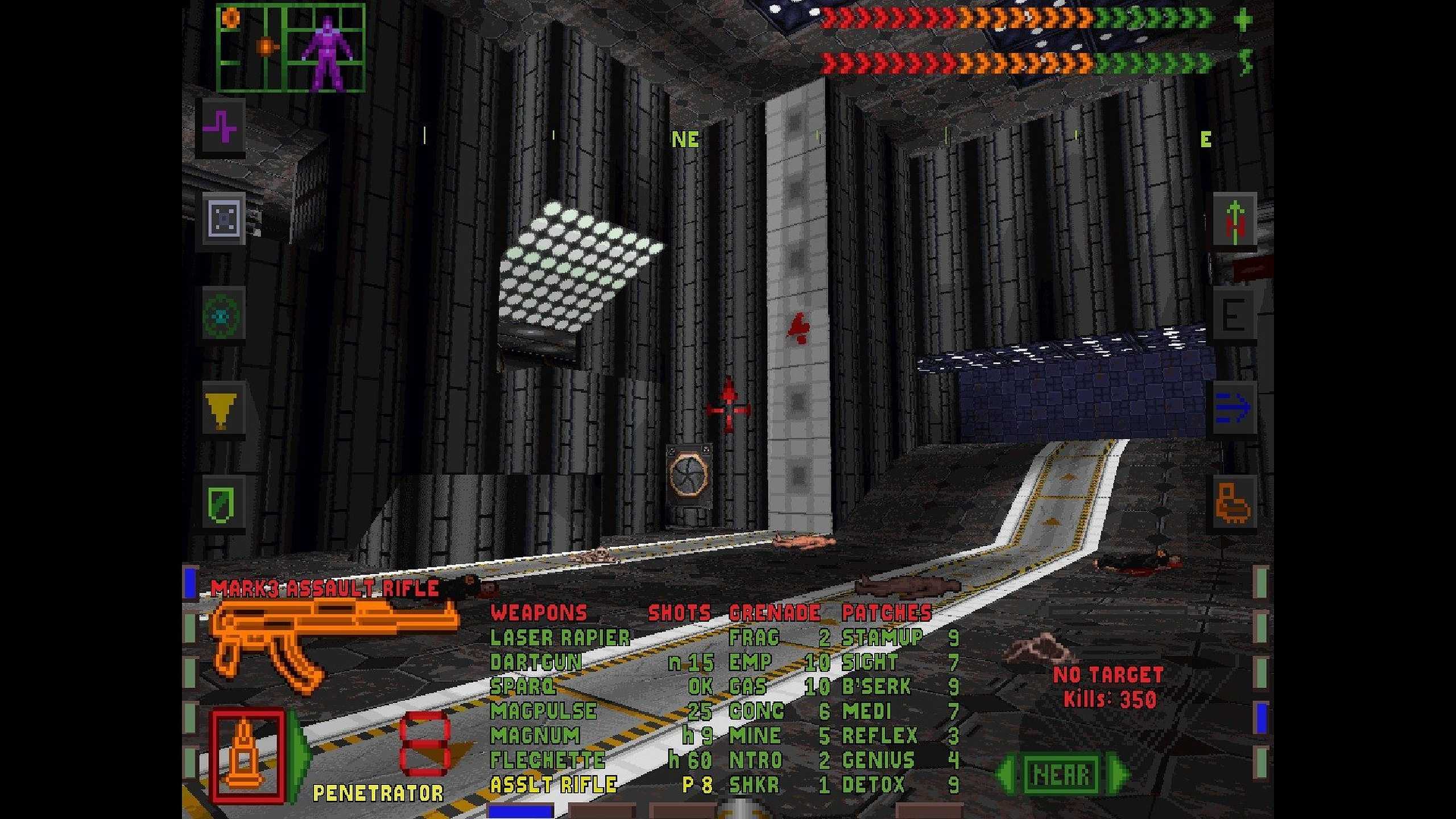
Source: Steam 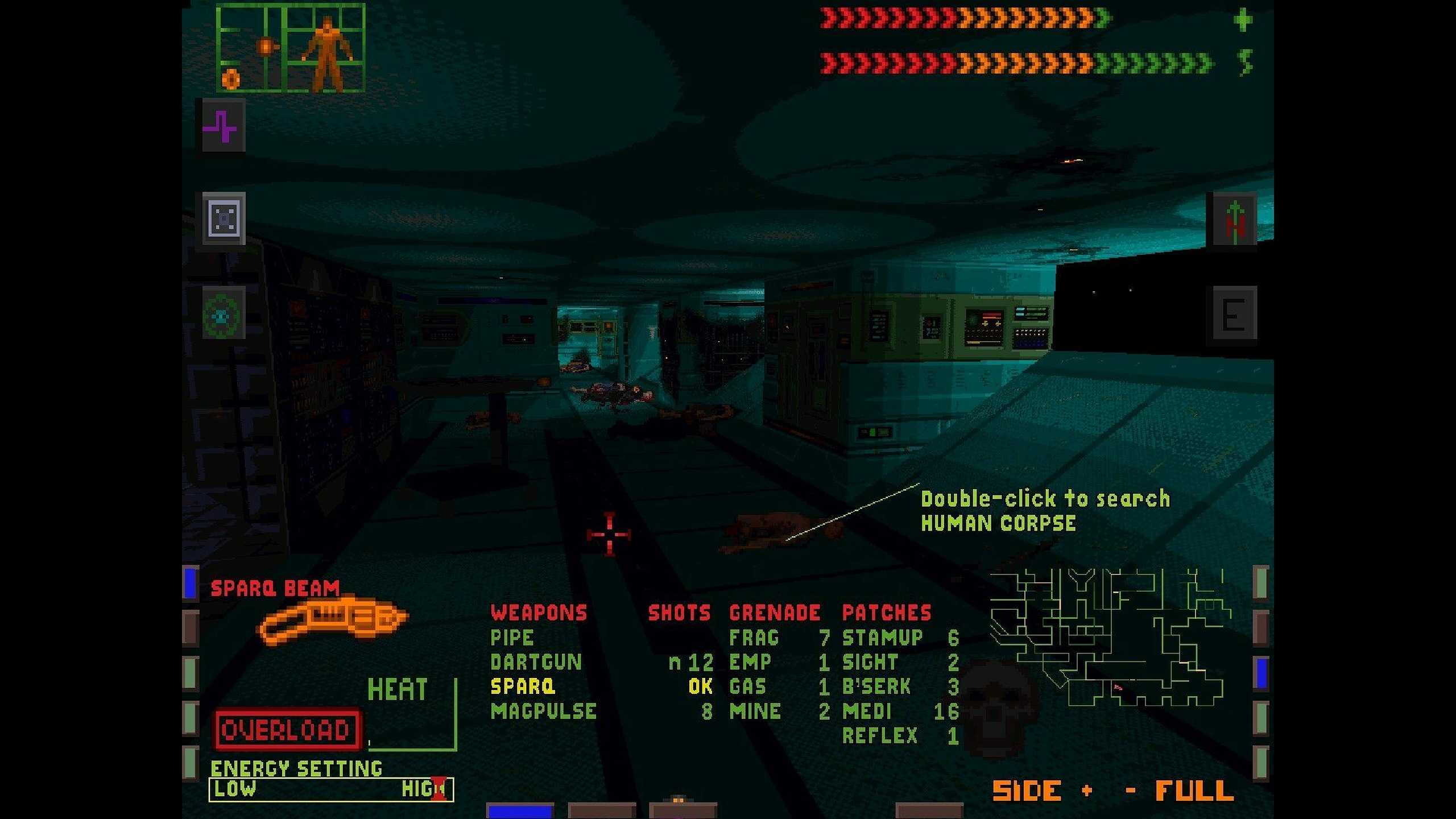
Source: Steam 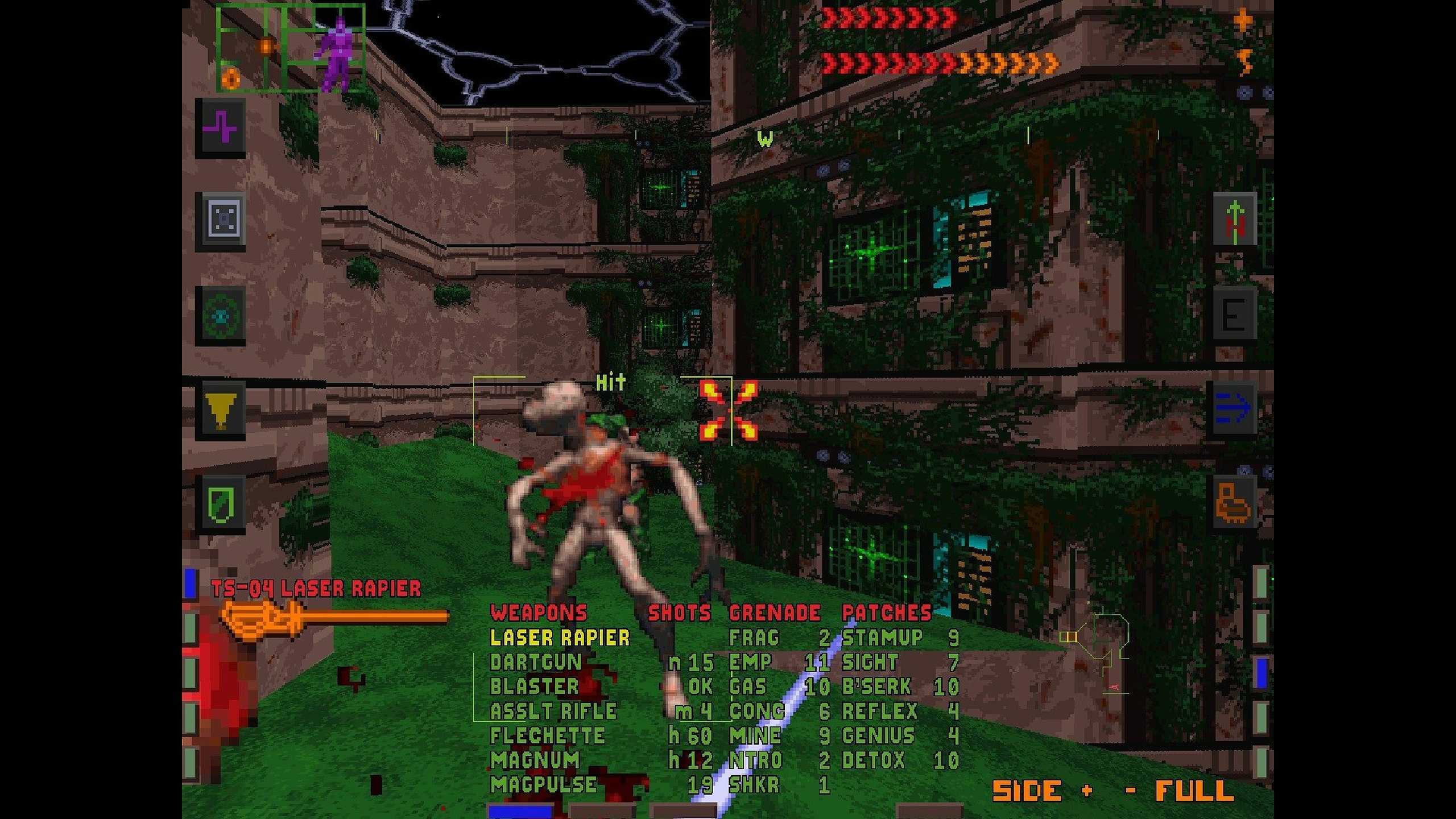
Source: Steam 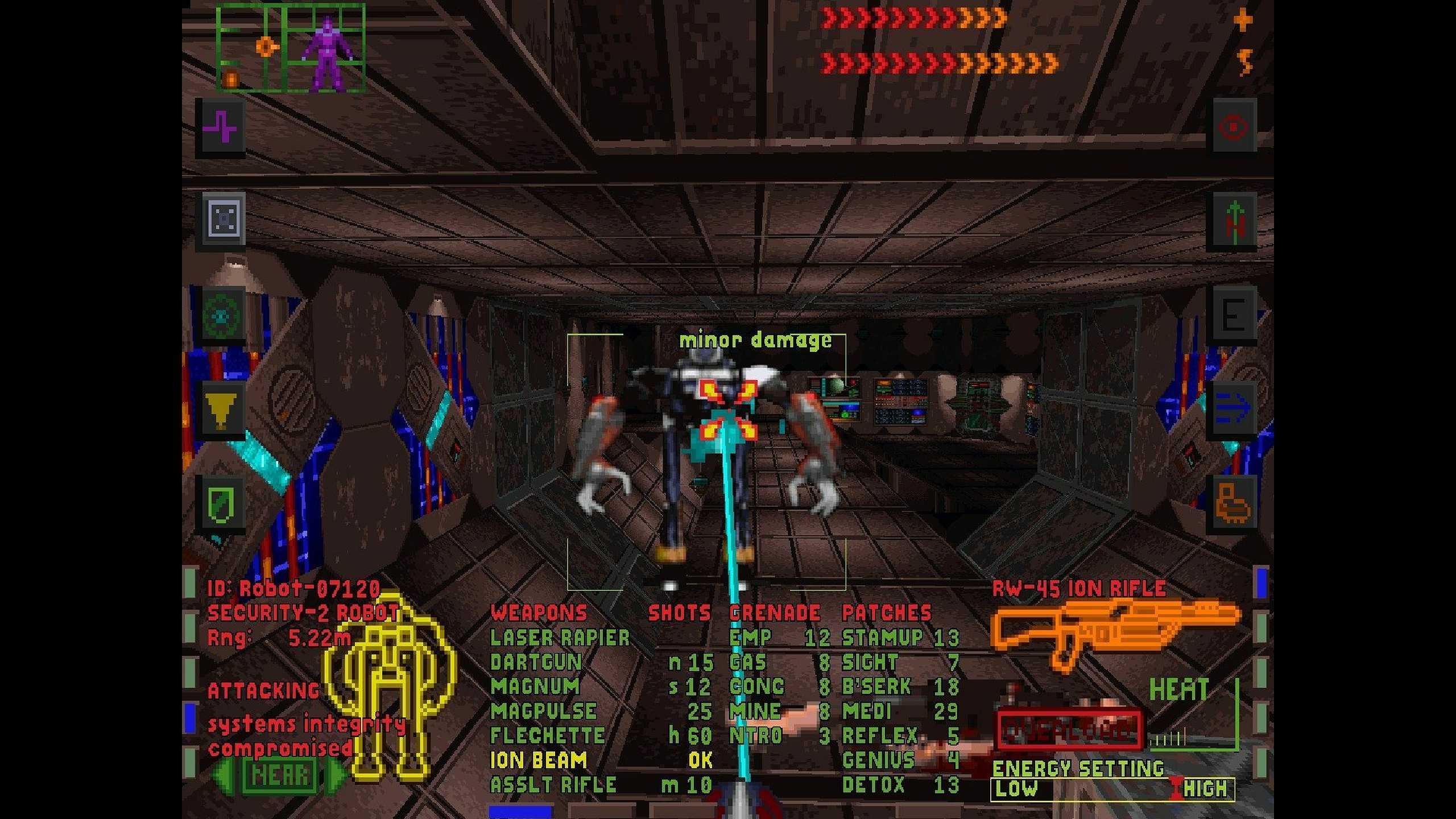
Source: Steam
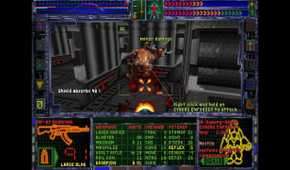
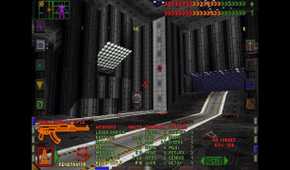
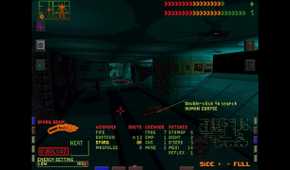
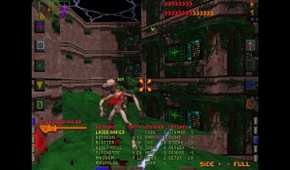
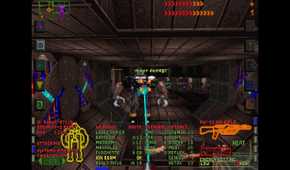
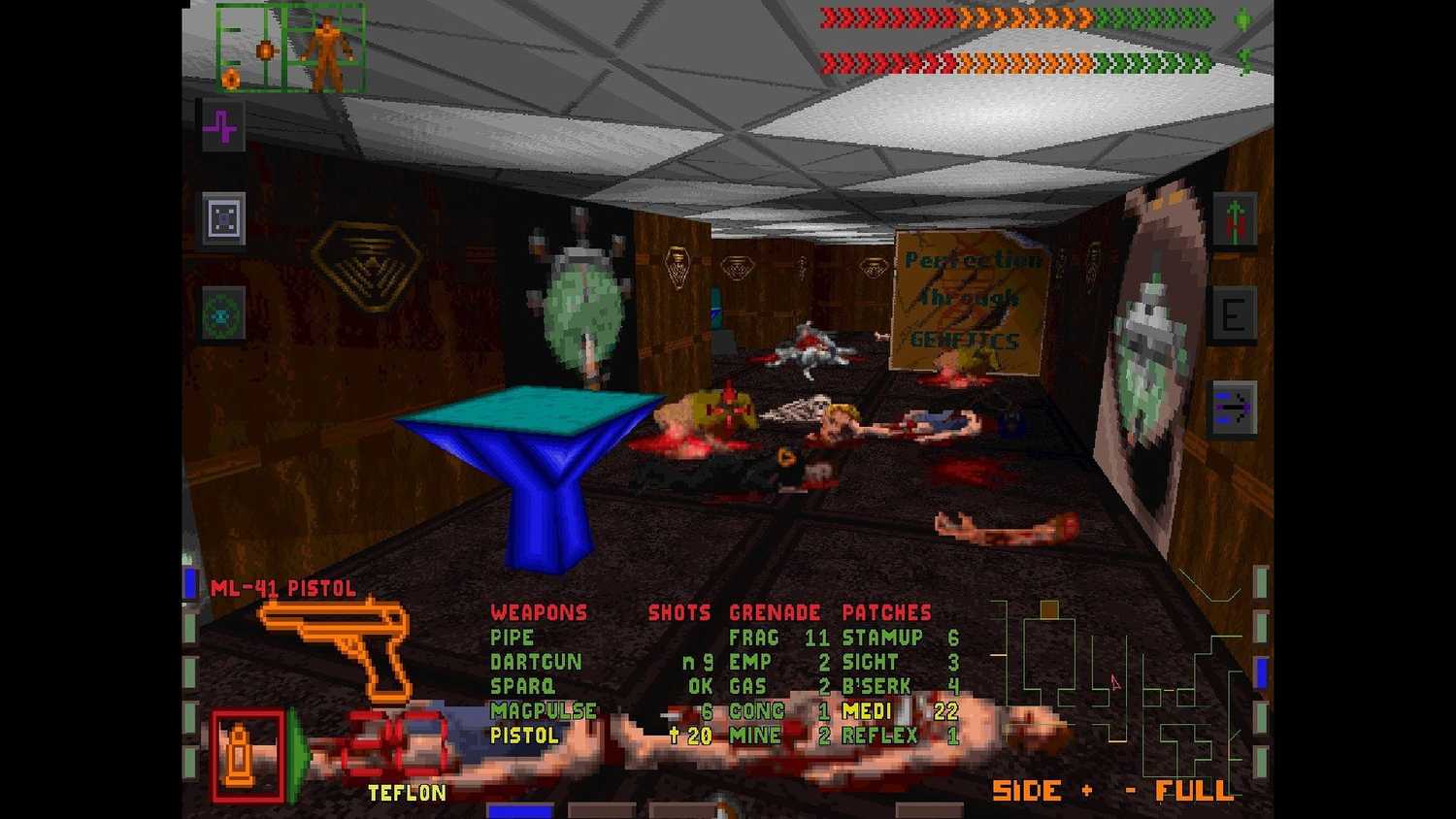
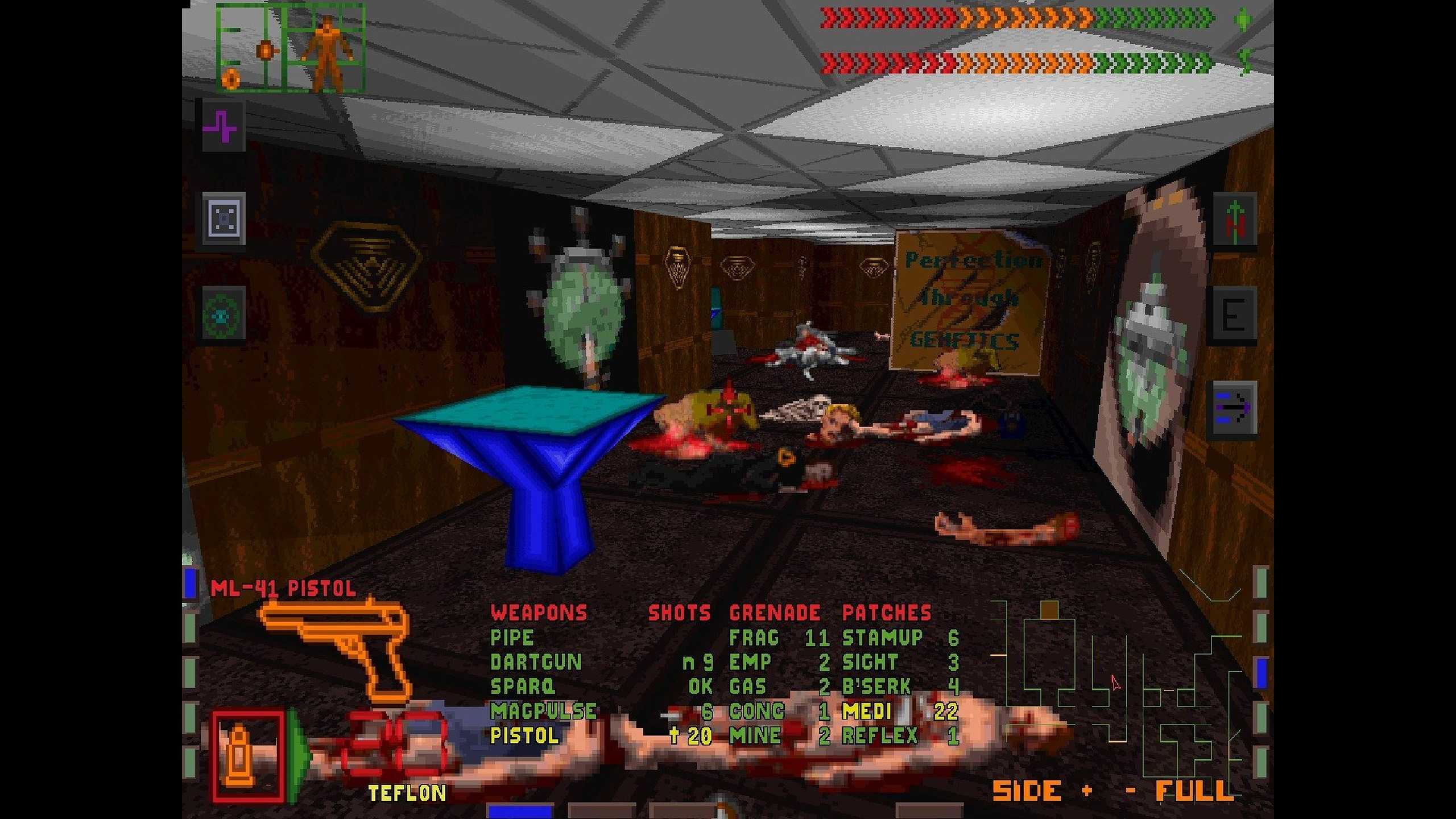
System Shock came out in 1994 as a PC-exclusive game, and didn't do a lot of talking before throwing you into a space station, handing you a few tools, and letting you take it from there. As the player, you'd piece together what had happened through scattered logs, broken terminals, and a creepy ambiance. In System Shock, there were no flashy cutscenes explaining everything. Instead, there were haunting voices of the dead, and the slow realization creeping on that something had gone very, very wrong.
Since then, it wouldn't be an understatement to say that this formula has been copied a thousand times over. From BioShock's Rapture to Dead Space's Ishimura, the idea that you discover the story rather than sit through it all began here. Audio logs became so much more than just collectibles, and they were not the soul of the game, letting you go deeper into the lore.
However, it'd only matter if you, the player, wanted to go deeper. That's still the idea balance today, with the larger, overarching narrative being front and center and driving the plot forward, while the added immersion that audio and text logs bring is optional, not enforced.
By letting you control the pace of your experience, all the way back in 1994, System Shock set the bar for how atmosphere and story could live inside the gameplay itself.
We're living in the future these games predicted
These games managed to predict where gaming would go in key ways.
None of these games could've known that they were making history. If anything, all these pioneering mechanics had been hit-or-miss at the time, just experiments on limited hardware, driven by curiosity and boldness instead of trends.
Still, they managed to predict where gaming would go in some key way, either in terms of storytelling and atmosphere, or design philosophy and world-building. They are old now, yes, but they were thinking far, far ahead, and that's why they deserve all the credit in the world for building the medium as we know it today.
