


For every DIY PC elitist, there are multiple prebuilt PC owners, and that's for a pretty simple reason: they lower the barrier to entry for PC gaming. For as long as system integrators (SIs) that sell PCs built from off-the-shelf components have existed, the arguments against buying them have been the same—they don't offer the best value, you can't ensure that the assembly process was done properly, and the fact that you're missing out on the experience of putting it together yourself.
For as true as some of those arguments are, I can't deny that prebuilts have become a better buy than DIY in some ways. There's a ton of variance depending on where you buy from, but at the end of the day, if the goal is to get up and running fast, prebuilts have a huge advantage in ease of setup, parts selection, and (sometimes) even price.
Prebuilts remove so much hassle
It simply can't be ignored when weighing pros and cons


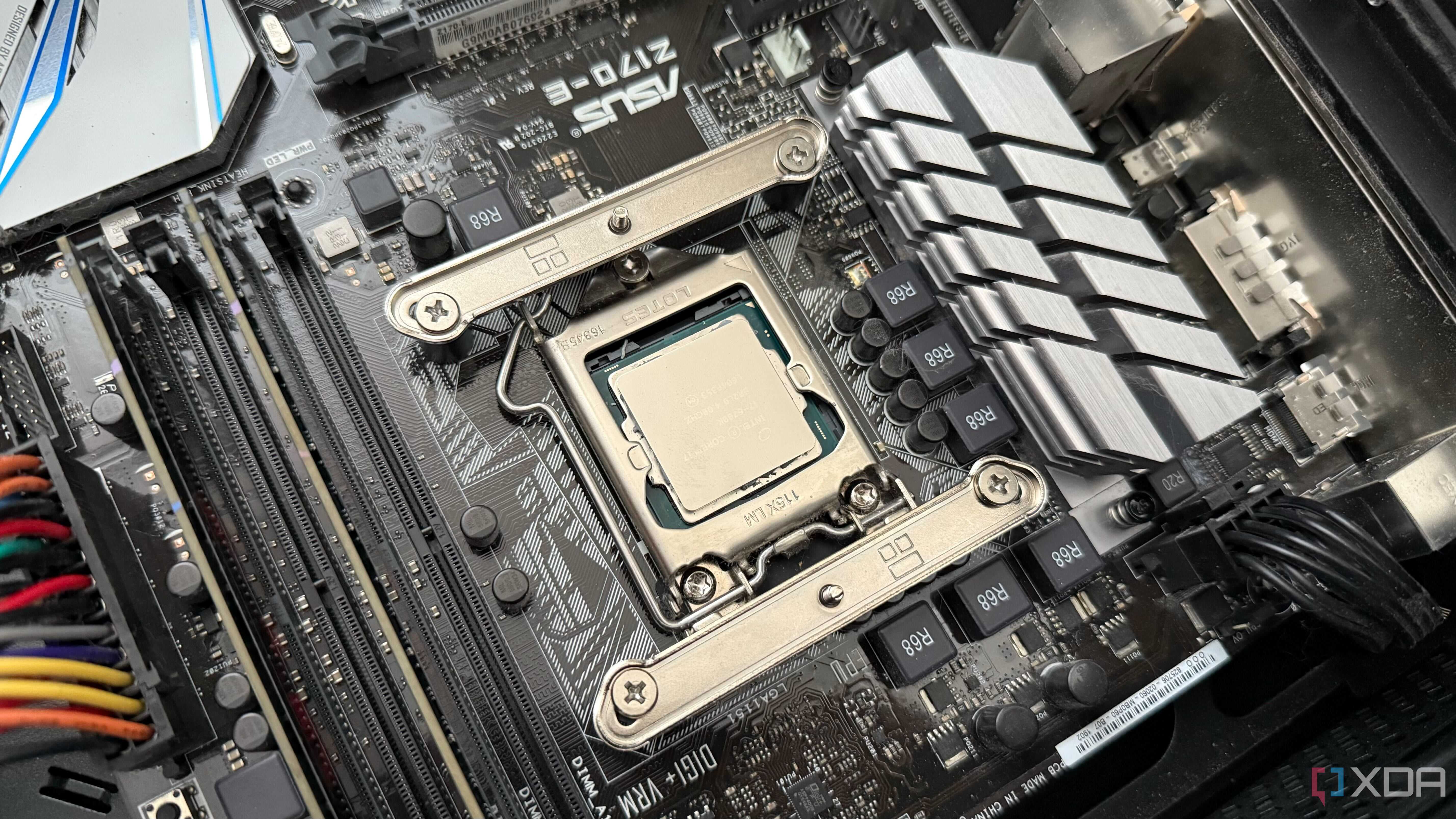
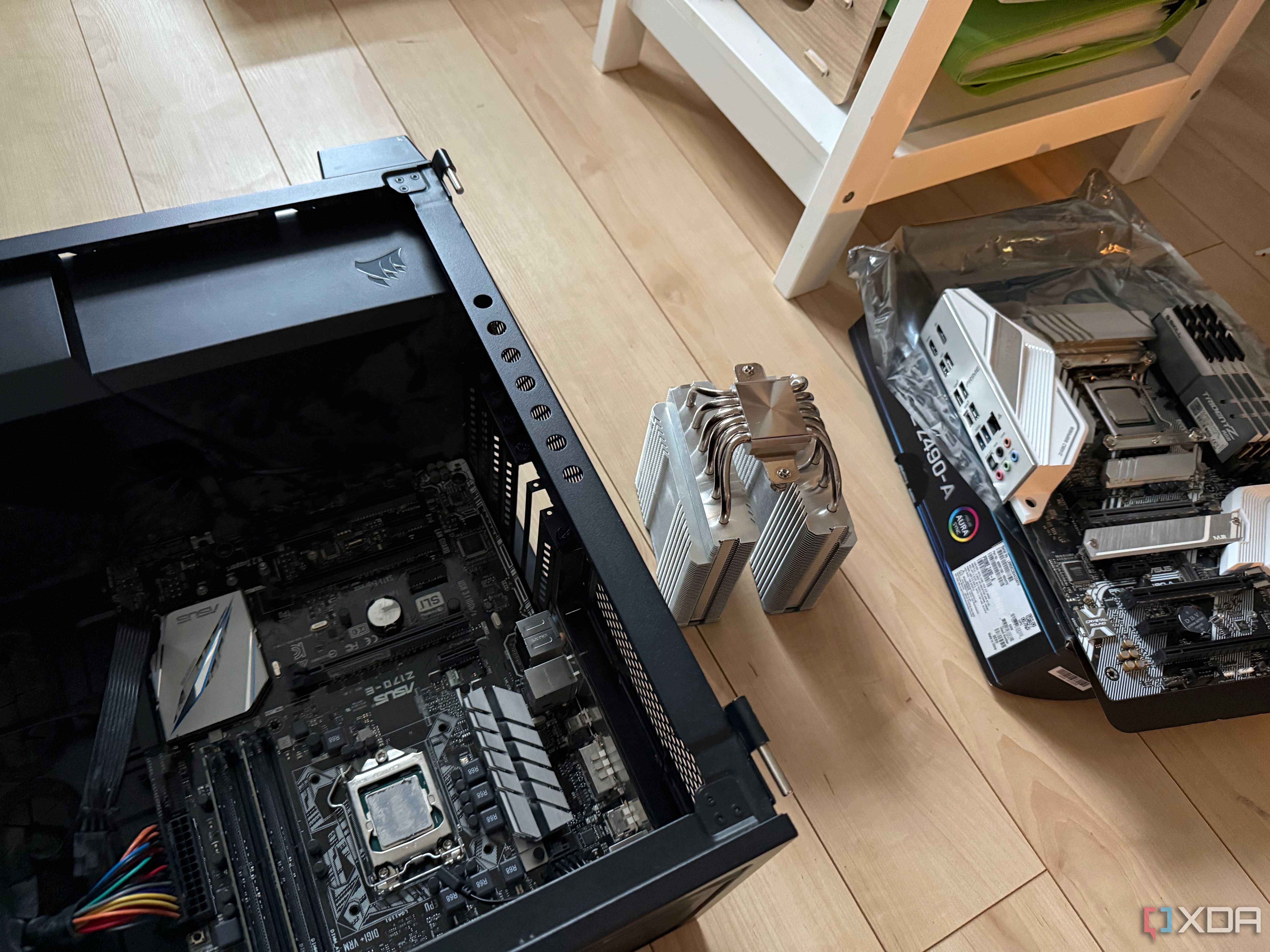
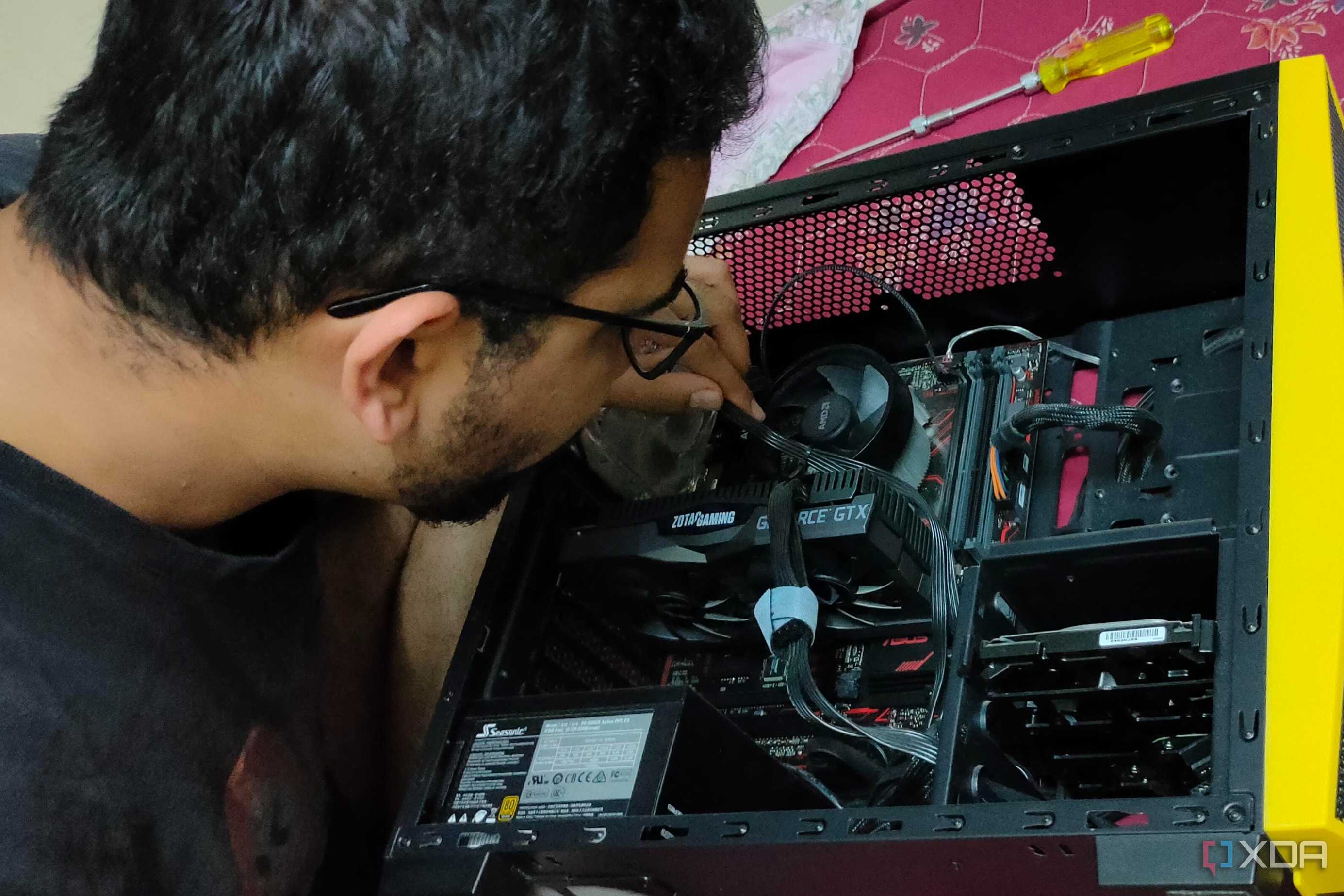
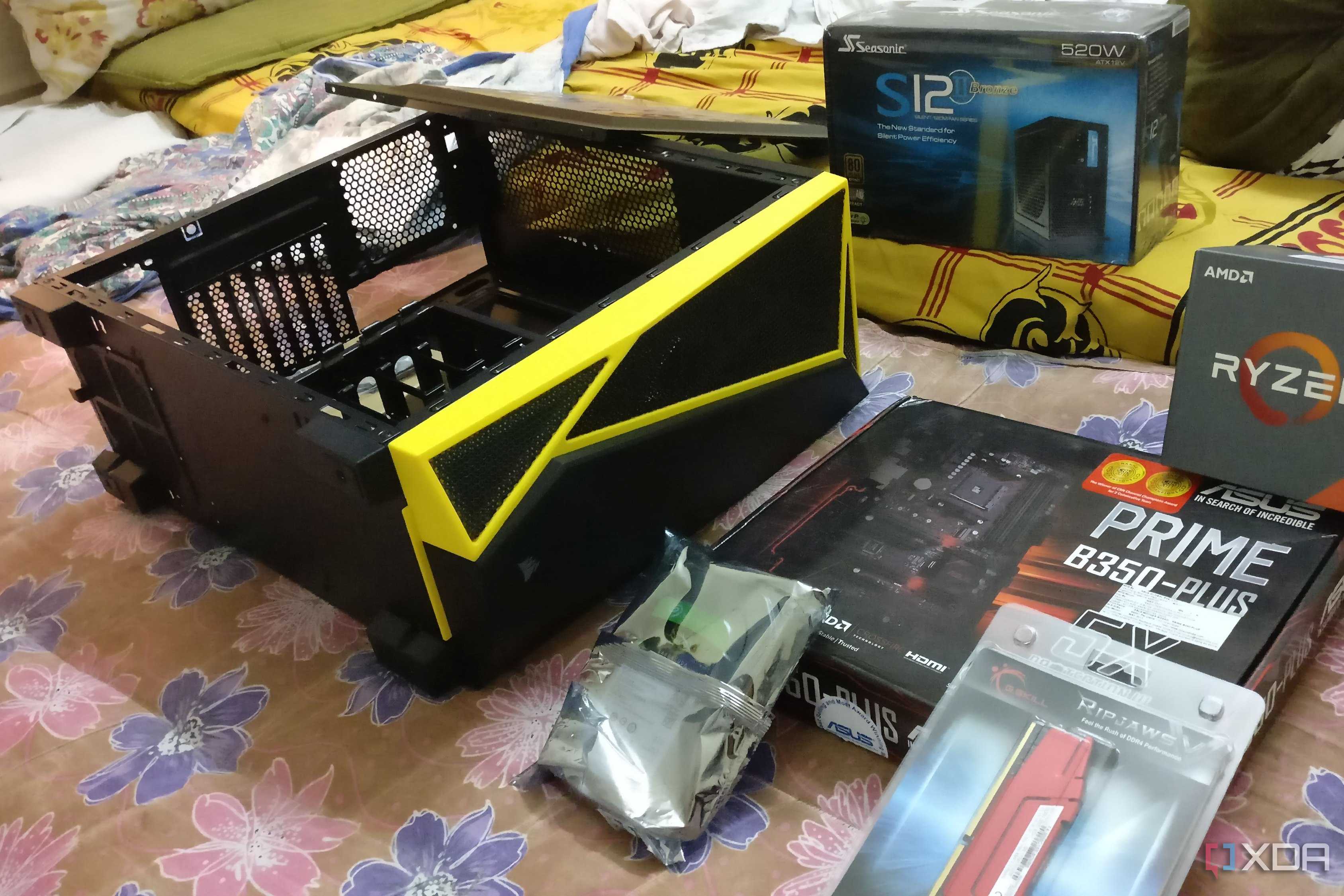
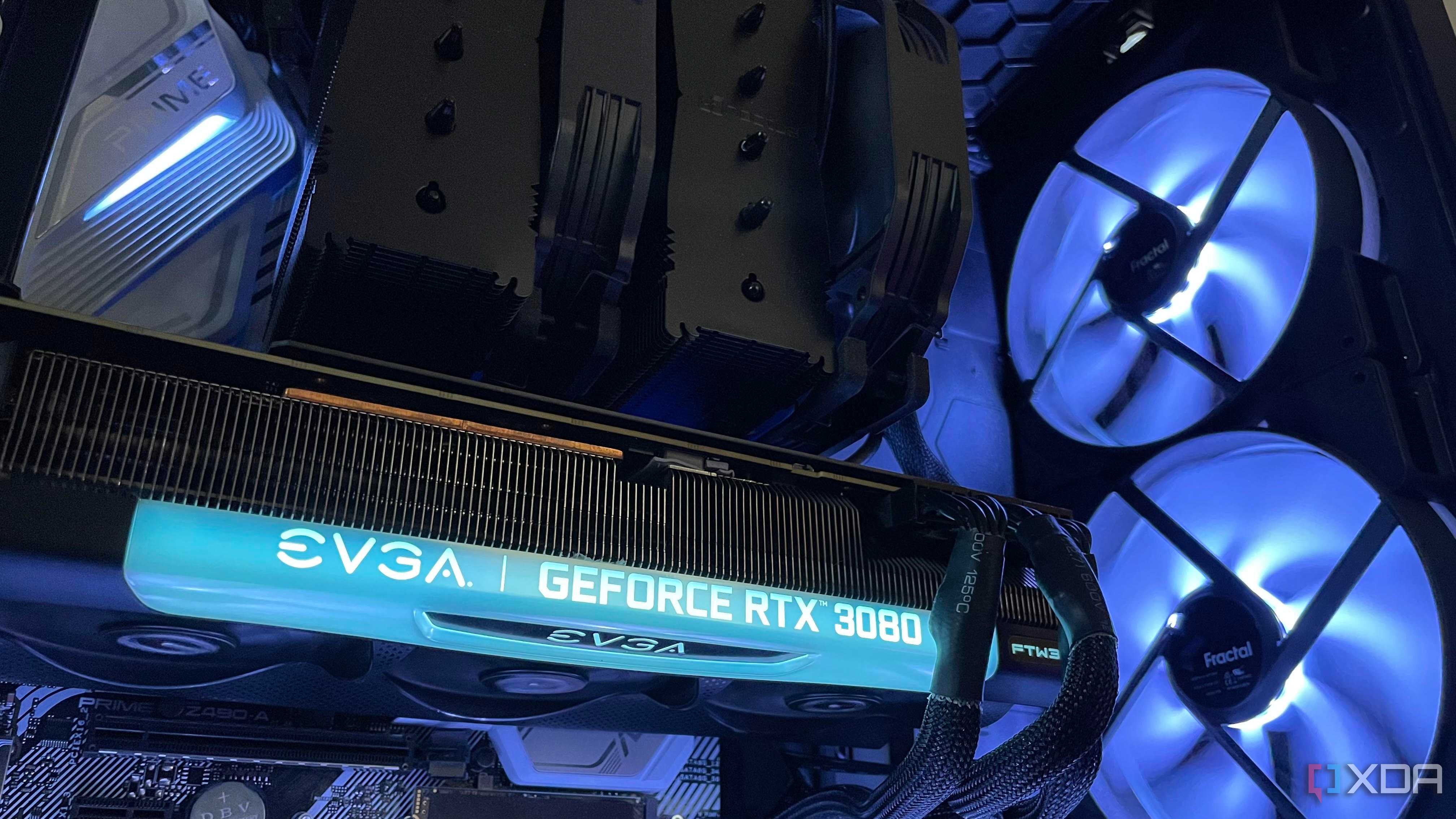
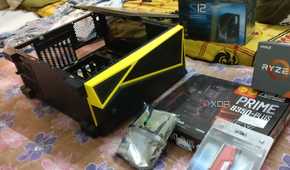
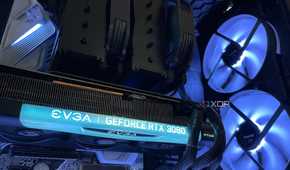
The biggest, most apparent benefit of prebuilts is the fact that they save you the time and effort of buying parts, waiting for them to arrive, and then the building and setup process. As someone that's built every PC they've owned, I'm firmly in the DIY camp, but as I get older and as my free time dwindles, I can totally see myself paying the premium for a prebuilt.
The fact that it takes the building process out of your hands is another factor entirely (which I'll get to), but that can be seen as a pro in a lot of ways, especially if you're not fully comfortable with the building process.
One thing that always seems to get lost in the prebuilt conversation is warranty and customer service. The quality of customer service varies wildly from company to company, but having a number to call or an email to contact when you have an issue can be better than feeling like you're on an island, especially if you're dealing with expensive PC components. The fear of breaking something can be very real, even for intermediate builders, and having the option to send it back to the SI for repairs is invaluable for some.
Parts selection can be better
You can choose between a set configuration, or choose specific parts you have in mind

In an era of PC building where more and more stock seems to be getting pulled away from the DIY market, a great way to get the parts you want is to just buy a prebuilt machine, especially right after a new release. We saw this during the chip shortage in 2020, with many users buying prebuilt computers just to get the GPU inside, and you can make an arugment for doing it now.
A lot of SIs will have a set selection of configurations, ranging from entry-level to the extreme high-end, but beyond that, some of them will even allow you to swap components out for the ones you specifically desire. With DIY, you obviously have total control over which parts you use, but this could be a negative for those who either don't have up-to-date knowledge of which parts are good for their use case, or for those who do know, but can't be bothered with the minutiae.
Assembly is hit-and-miss, but it's getting better
It's not nearly as bad as it once was

If you're tuned into the PC hardware space and have any experience with prebuilts from the last 5 years or so, you're probably at least aware of some of the common mistakes with assembly that SIs make. It can be as simple as not turning XMP on, or as bad as improper packaging, leading to catastrophic damage.
Prominent PC hardware YouTuber Gamers Nexus has an ongoing series where they purchase prebuilt PCs anonymously, and while they've seen some pretty rough ones, there have been SIs that have made changes to their building and QA processes as a result of these videos, as well as other reviews from other creators. It's important to note that paying more for assembly and parts from a boutique SI isn't always a guarantee that you'll get a competently built PC, and there will always be an element of QA on your end, no matter who you buy from.
DIY still offers the best value for your money
Especially if you have the time and knowledge

If your top priority is to save a buck, you cannot beat DIY. You dodge any markups on parts and labor, which can bring the price down on a build significantly. If you have the time and knowledge required to build a PC, you can not only ensure everything has been assembled correctly yourself, but save a significant buck doing it. You can even opt for mixing in used parts, further subtracting from the total price.
An asterisk you could add to this is the recent ballooning in price of DRAM, which affects not just RAM modules, but things like NAND flash for storage, and even GPUs. SIs may have a slight bulk discount or current overstock of components that are affected by the recent price hikes, so you might be able to find a better deal through them than you otherwise would buying new.
I'm DIY for life, but prebuilts are getting good
If you asked me a few years ago if I'd ever buy a prebuilt PC, I'd probably come up with a lot of elitist reasons for saying I'd never do such a thing, but my tune has changed quite a bit. A lot of the prebuilts I see these days are pretty competitive when you factor in warranty and labor cost, and despite taking a slight risk on assembly, I think there's a compelling argument to buy one in terms of value, time, and parts selection.
