


Four years is an eternity when it comes to PC hardware. And surely, a lot has changed since 2022. As of Q1 2026, AMD has surged to capture 25% of the total x86 market, now shipping a remarkable 33% of all desktop CPUs as it continues to eat into Intel's slice of the pie.
What hasn't changed during this time is AMD's formidable lead in the 3D V-Cache technology. As competitors continue to play catch-up, CPUs featuring this technology have now become the default choice for premier high-end gaming systems, and it's all because the innovation solves a key problem that core count increases and boost frequency gains never addressed.
Why is AMD's 3D V-Cache still a 'game changer'?
Uncovering AMD's proprietary CPU technology

A lot of the apparent 'magic' of the 3D V-Cache is just clever physics. CPUs until the debut of the 5800X3D in 2022 relied on a planar cache layout, where the L3 cache sat alongside the cores on the same die. This inevitably meant that it wasn't possible to "add more cache" without dedicating more area to SRAM and subsequently increasing die size. AMD's architectural solution to the problem was stacking an additional 64 MB of SRAM on top of the CCD (Core Complex Die), which created a larger, localized, and more sizable high-speed cache that reduced reliance on DDR5 memory modules.
But that wasn't just it. In 2024, Team Red further refined their architecture with the introduction of the Ryzen 7 9800X3D featuring the second generation of 3D V-Cache. In this architecture, the cache was placed below the cores to reduce thermal resistance and further boost headroom.
You might be asking, why is any of this relevant at all? The answer to that is fairly simple. While AMD continues to refine this technology, Intel, its only rival in the x86 space, doesn't have a direct counter to this technology at all. While Team Blue has indeed made some considerable improvements in hybrid core design and frequency scaling with their Arrow Lake family, it has yet to deploy a comparable solution in its desktop lineup.
Why do gamers love X3D CPUs?
They have taken gaming by the storm


Source: Microsoft 









Source: Microsoft 

 Credit: CD Projekt RED




For years now, X3D processors have had a vice grip on "Best CPUs for Gaming" lists, dominating all performance categories ranging from high-end to mid-range builds. It's the default choice to pair with the top Nvidia Blackwell and Ada Lovelace GPUs for enthusiasts, and there is no hint to suggest that this will change anytime soon.
This is in part due to the fact that AMD established a key differentiator with its 3D-V technology early in the competition, but also because the chips offer the better gaming performance in nearly all conditions versus non-X3D variants. The benchmarks certainly speak for themselves.
|
Title (1080p, High Preset) |
Metric |
Ryzen 5 7600X |
Ryzen 5 7600X3D |
Performance Delta |
|---|---|---|---|---|
|
Red Dead Redemption 2 |
Avg. FPS |
204 |
225 |
+10.36% |
|
1% Low |
104 |
114 |
+9.6% |
|
|
Forza Horizon 5 |
Avg. FPS |
293 |
321 |
+9.2% |
|
1% Low |
214 |
236 |
+10.3% |
|
|
Cyberpunk 2077 |
Avg. FPS |
218 |
251 |
+15.1% |
|
1% Low |
119 |
163 |
+36.9% |
Benchmark data is indicative and can vary based on hardware configurations, system processes and the specific thermal conditions of the testing environment.
It's the best upgrade for your AM5 slot
If you're looking for one


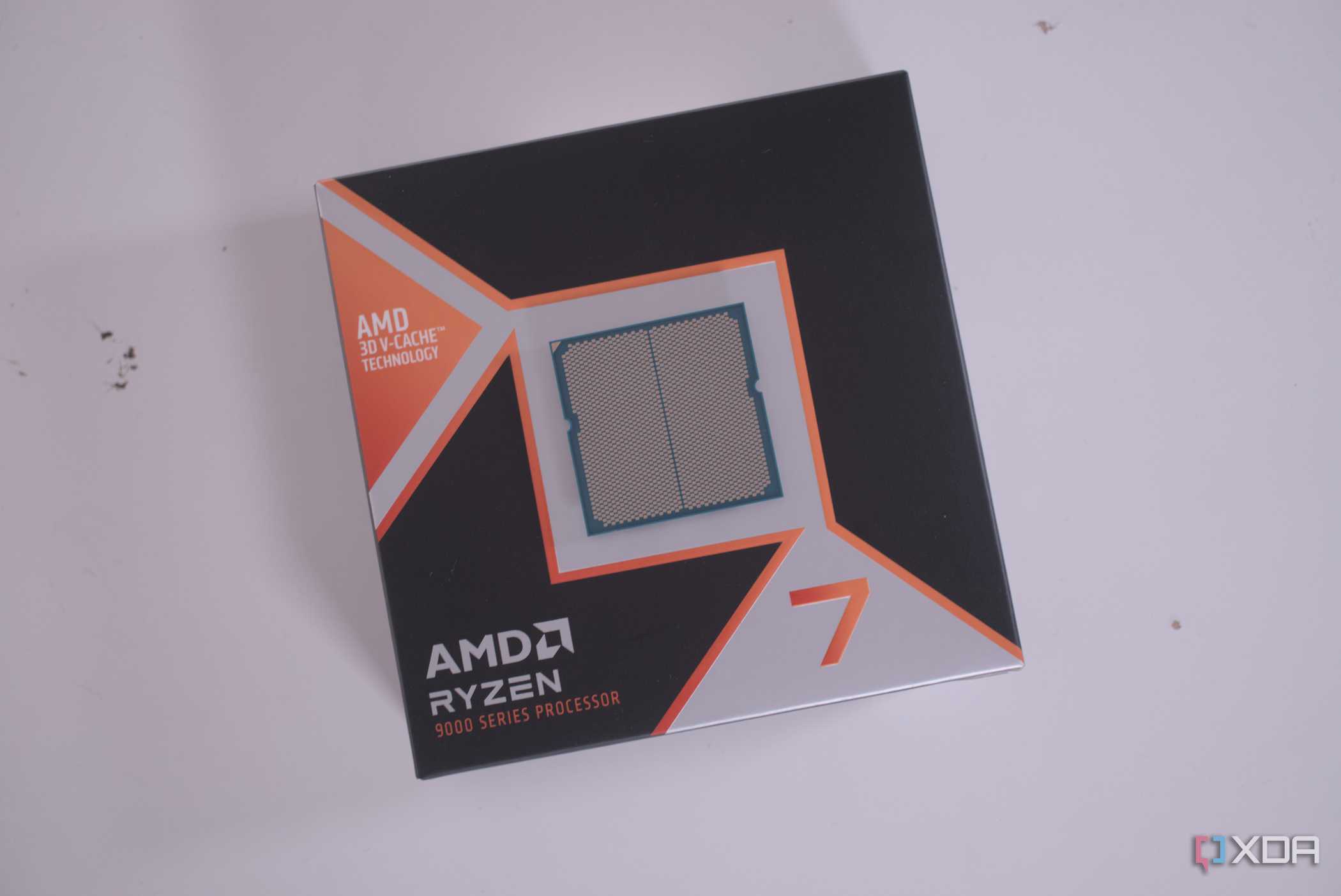
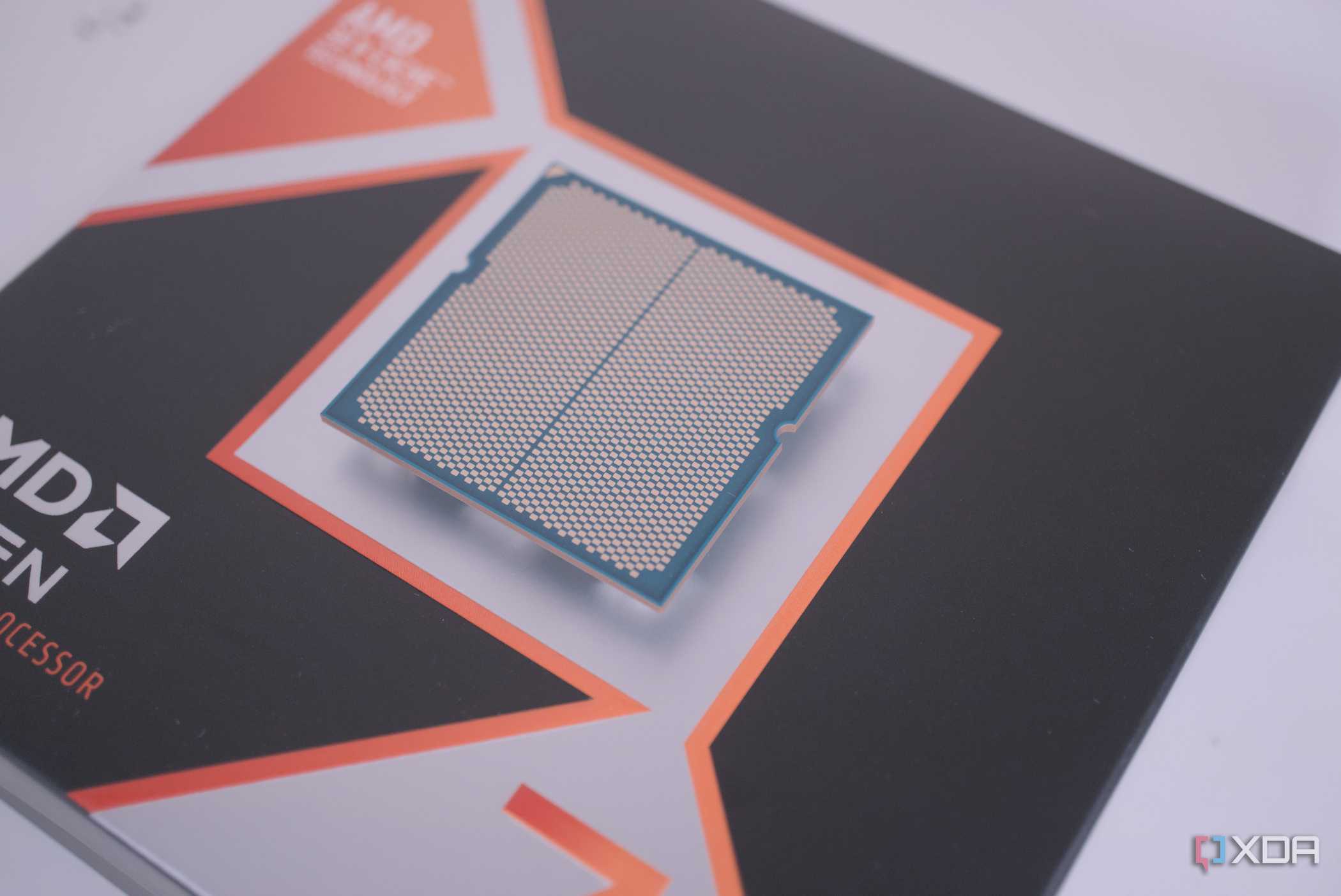
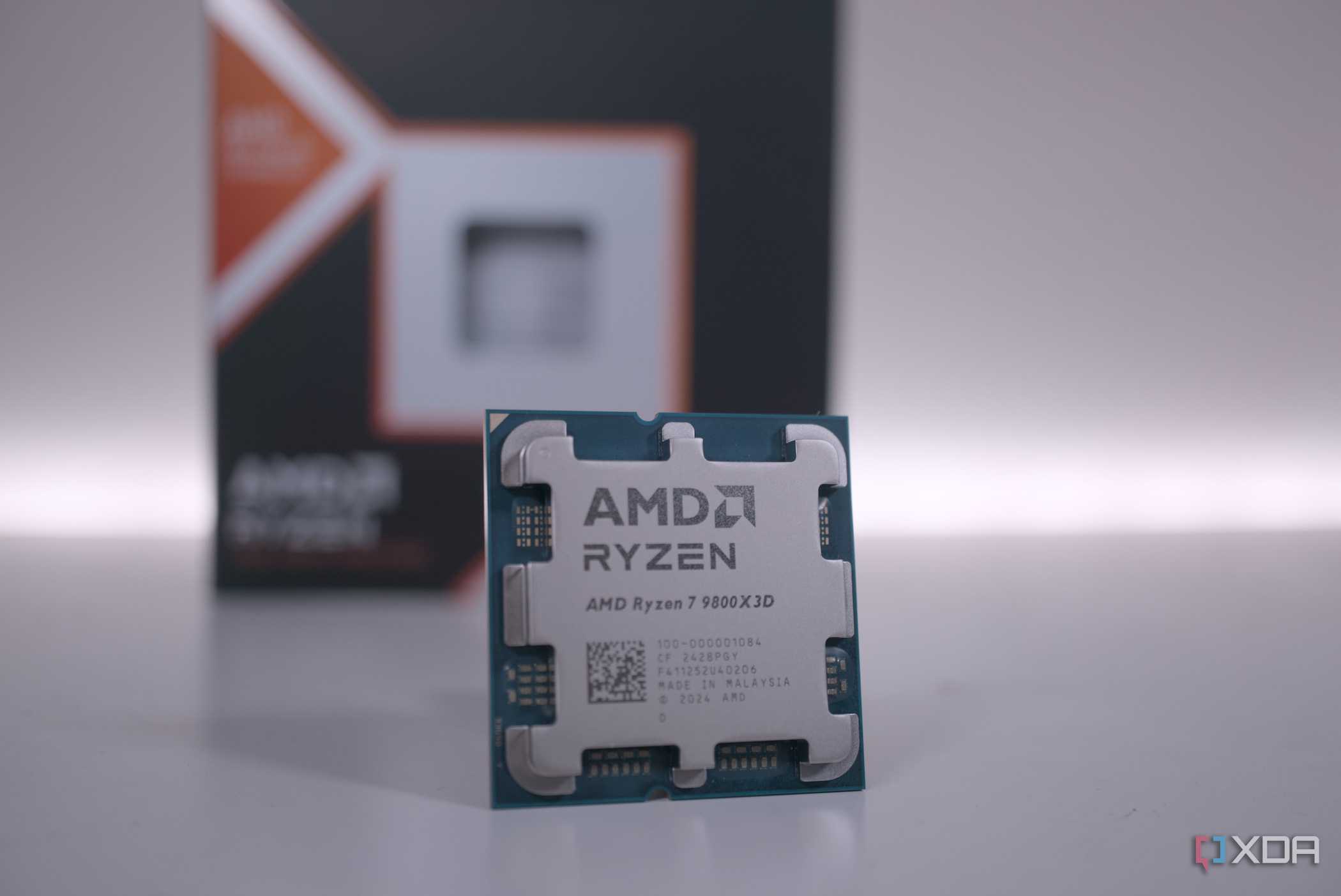
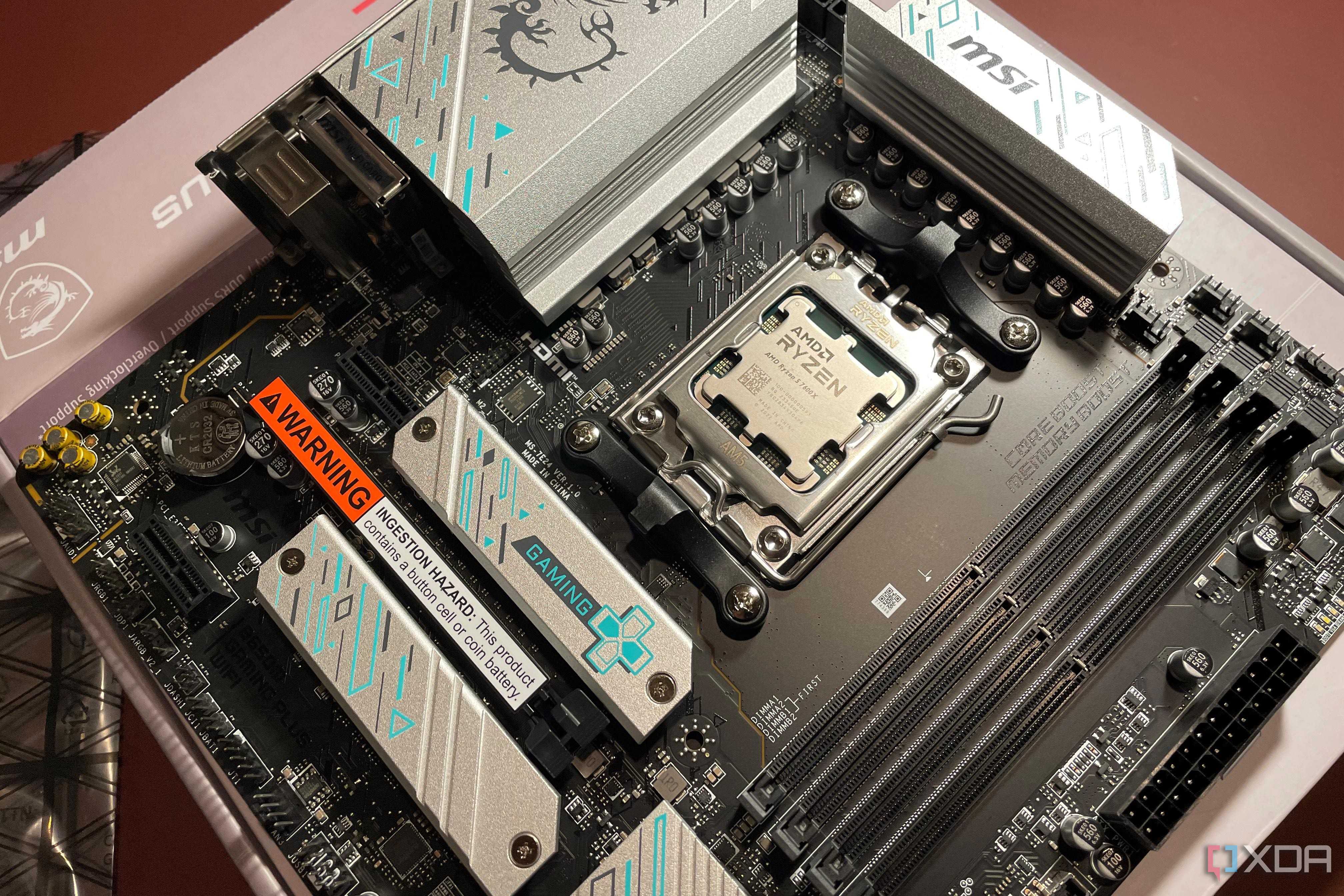
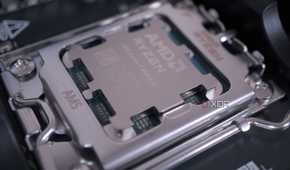
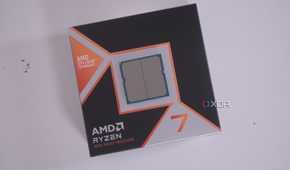
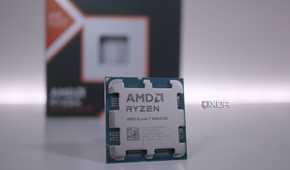
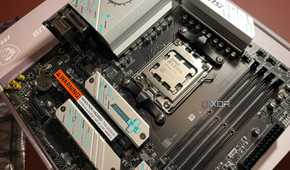
When benchmarks provide such a decisive result, the price becomes the primary consideration. However, as always, the best upgrade beckons an honest assessment of your current hardware, and a fair bit of thought to the economics of it as well.
With the current RAM price inflation, a platform hop from AM4 to AM5 has become notoriously expensive, but fortunately, those on AM4 still have viable options. If you're running a much older Zen or Zen 2 chip like 3600 or 3600X, dropping in a 5700X3D or 5800X3D can be a major performance boost that you can experience. They are frequently available on secondary marketplaces and can support newer GPUs reliably well.
For those already on AM5, the math becomes a little more nuanced. Your upgrade path will depend on what you're already running. If your rig is housing a 7600X or 9700X, jumping to an X3D CPU is hard to recommend, and the upgrade won't feel all that great. In this case, your dollars are better saved for a next-gen GPU upgrade. You may, however, want to have a look if you entered the platform with an entry-level 7400F, but given the current market trends, it is always wise to wait for a major sale to keep your price-to-performance ratio sweet.
As AMD continues to refine this technology, Intel, its only rival in the x86 space, doesn't have a direct counter to this technology at all.
On AM5, it's the best way forward

If you're on either AM4 or AM5 platforms and considering an upgrade to an X3D chip, it's always worth a second look inside your rig to make sure the upgrade will be worth your dollars. X3D chips are available on both platforms, but whether they should replace your existing chip depends entirely on your workload, gaming preferences, the unique bottlenecks standing in the way of your rig's performance, and of course, your budget. There are other, less pricey alternatives to look at too, but for those building a gaming rig from scratch, the X3D CPUs are an obvious answer.

AMD Ryzen 7 9800X3D

- Socket
- AM5
- Cores
- 8
The AMD Ryzen 7 9800X3D is the first 9000 series CPU from AMD with its 3D V-Cache technology, offering plenty of cache for storing data on the chip rather than slower RAM. It's an ideal pick for a high-end gaming PC with the latest and greatest from AMD, Intel, and Nvidia.
