


For 30 years, we've improved performance with more transistors, higher clock speeds, and more power, but in recent years, it feels like that era has finally come to an end. The RTX 5090's Blackwell chip is nearly 750 mm², which is extremely close to the 858 mm² maximum size a silicon wafer can physically handle. This means Nvidia can't just make chips bigger or hotter anymore. Instead, DLSS is a cheat code that uses AI to simulate the performance of a 1,000 W GPU using only 450 W of actual electricity.
The PC hardware industry has hit a physical wall. We've reached the reticle limit, which is the maximum physical size a silicon chip can be manufactured. The power requirements for flagship GPUs are already pushing the limits of standard residential electrical circuits. This means that DLSS, or deep learning super sampling, is no longer just an optional toggle; it has become the fundamental architecture that allows Nvidia to keep delivering generational leaps while the physics of brute-force rendering have stalled.
DLSS provides you with performance like no other
More frames than you'll ever need


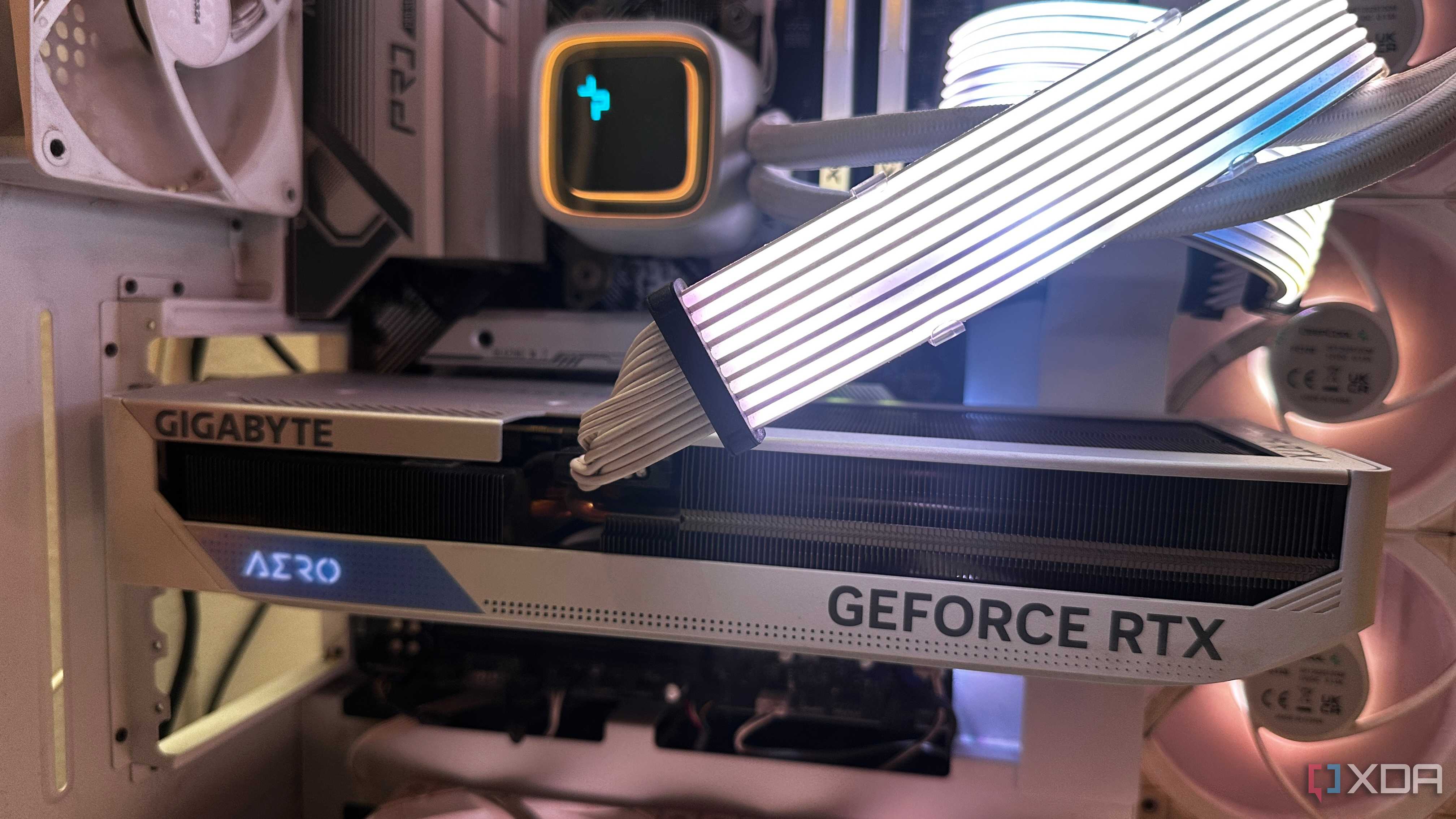
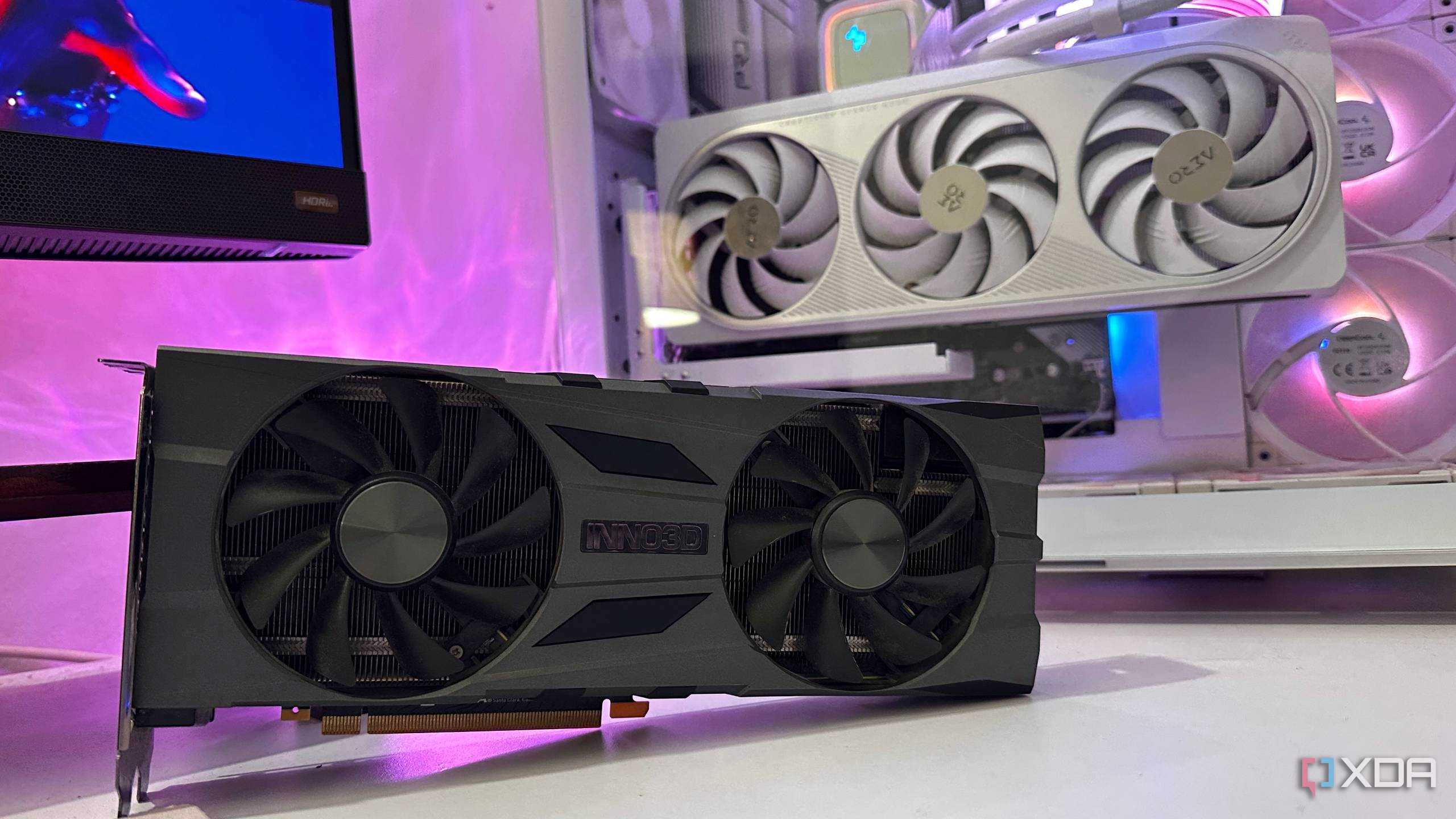


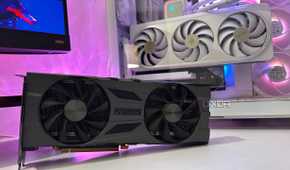

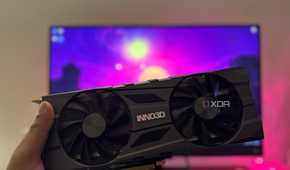
Technically speaking, we've reached a tipping point where neural rendering, which is DLSS, is doing more work than traditional rasterization. More recently, if you're playing games in 4K, the 4K frame itself is often internally rendered at just 1080p or sometimes even lower and then reconstructed at 4K by AI.
A large majority of RTX users now play with DLSS active, even Nvidia themselves have reported that over 80% of GeForce RTX players are using DLSS actively. This means that brute-force benchmarks like native 4K have become a theoretical metric that almost no one actually uses in real gameplay. So many users hosting Nvidia GPUs are accustomed to DLSS being on by default to the point where Nvidia even showcased benchmarks for their new GPUs with DLSS on.
CES 2026's DLSS 4.5 brings 6X Dynamic MFG (1 real + up to 5 generated frames). As a result, it means we can see mid-range laptops hosting the RTX 5070 to sustain over 140 FPS at 4K in titles that would otherwise run at a cinematic 30 FPS. This allows them to keep up with the 144 Hz range of monitors. Another factor is that it intelligently adjusts generated frames to match the display's refresh rate, with a focus on improving UI clarity.
These statistics are just something that the GPU alone is unable to match. With DLSS turned on, despite the RTX 50 series being the most powerful line of graphics cards yet, it simply can't keep up with the monitors we have on offer, thanks to physical barriers in place.
But there are physical limitations
Don't short circuit your entire home

Some of the biggest issues that GPU manufacturers will encounter is the thermal and power crisis. Brute-forcing 4K path tracing would require a GPU to draw over 1,000 W of power. This is enough to trip a standard room's circuit breaker. For the majority of general consumers and gamers, having your PC drawing well over 1,000 W is simply impossible; however, DLSS fixes this by using tensor cores for AI interface. Nvidia can achieve a 100-frame-rate gain with only a marginal increase in power consumption.
It's even possible now to power limit your RTX 50 series GPU because DLSS provides enough performance to make the extra power unnecessary. Power limiting an RTX 5090 to about 70, which is approximately 400 W, will allow it to surpass what your monitor is even capable of showing with DLSS, making the extra 200 W of brute force completely unnecessary and loud.
You also get the benefit of ray reconstruction. Traditional brute force ray tracing requires thousands of rays per pixel, which is mathematically extremely expensive. However, DLSS ray reconstruction uses a trained AI model to guess where light should be using a fraction of the actual rays. As a result, it looks better than native rendering because it removes the shimmering and ghosting that traditional denoises can't solve without massive performance hits.
DLSS isn't all great
It has its flaws too
The introduction of DLSS 5 was met with some pretty major backlash. It uses an AI model to take the original frames' structure and color and then can create additional textures as well as lighting on top of the native frame itself. Nvidia boasts that it can create visual realism that developers just aren't able to reach just yet. However, it creates what many people refer to as an AI slop effect.
Another issue is that many developers begin to rely on DLSS and Nvidia's other AI elements, which can lead to poor optimization for those who just don't have access to it or choose not to use it. While DLSS 4.5 is excellent, it can still struggle with AI artifacts in fast-motion scenes or complex transparency like rain or sparks. While it might lead to massive leaps visually, it is far from perfect.
Realistically, we've reached the ceiling of what silicon can do through sheer size alone. Nvidia's real product in 2026 isn't a graphics card; it's an AI upscaling engine that happens to come with a piece of silicon to run it. Rather than selling you a graphics card itself, Nvidia really and truly is selling you DLSS.
