


Google TV is famed for being clunky and packed with ads, but you know what's worse? Roku. I'll admit that Roku is still faster and easier to navigate than most Google TV devices. However, the sheer number of ads it now pushes has become a major turnoff. I recently ditched Roku altogether and shook hands with the Big G, and let me tell you, the experience isn't the greatest if you've used Apple TV, but it's quite decent.
The main reason I switched was Roku's increasing focus on advertising. The home screen started to feel less like a launcher and more like a place where I had to wade through promotions before reaching the content I actually wanted to watch. Many Roku users have expressed similar frustrations, especially after reports of intrusive home screen ads and tests involving autoplay video ads before the home screen even loads.
Google TV isn't ad-free by any means, but it still offers a cleaner path from powering on your TV to watching something. Google offers a single interface that brings together streaming apps, live TV, recommendations, watchlists, voice search, and casting. It's not perfect, but it's a far better experience than a home screen that seems determined to monetize every second of your attention.
The Roku experience is no longer the same
It's full of ads and other annoyances

Roku's biggest problem is not that ads exist. Every major streaming platform has ads somewhere, except for maybe Apple TV. The problem is that Roku started making the interface feel like an ad product first and a streaming launcher second. The old appeal of Roku was exactly the opposite — it was cheap, simple, and out of the way, which is also why a lot of people tolerated its limitations for so long.
Things got worse when Roku tested autoplaying video ads before I could even reach the home screen. That was the kind of change that trapped you inside the experience you had already paid for. It is one thing to see a banner on the side, but it's another thing to wait for a pitch before the device becomes usable.
Once a platform makes you think about ads before shows, it stops feeling like a neutral operating system. To put things into perspective, Roku's advertising business has seen tremendous growth, and I don't see it slowing down anytime soon. Roku's home screen, discovery features, and AI recommendations drive engagement, advertising, and subscriptions, while advertising revenue reached $613 million in Q1 2026, up 27% year over year.
Google TV is the lesser evil for me
It's better than Roku now at least


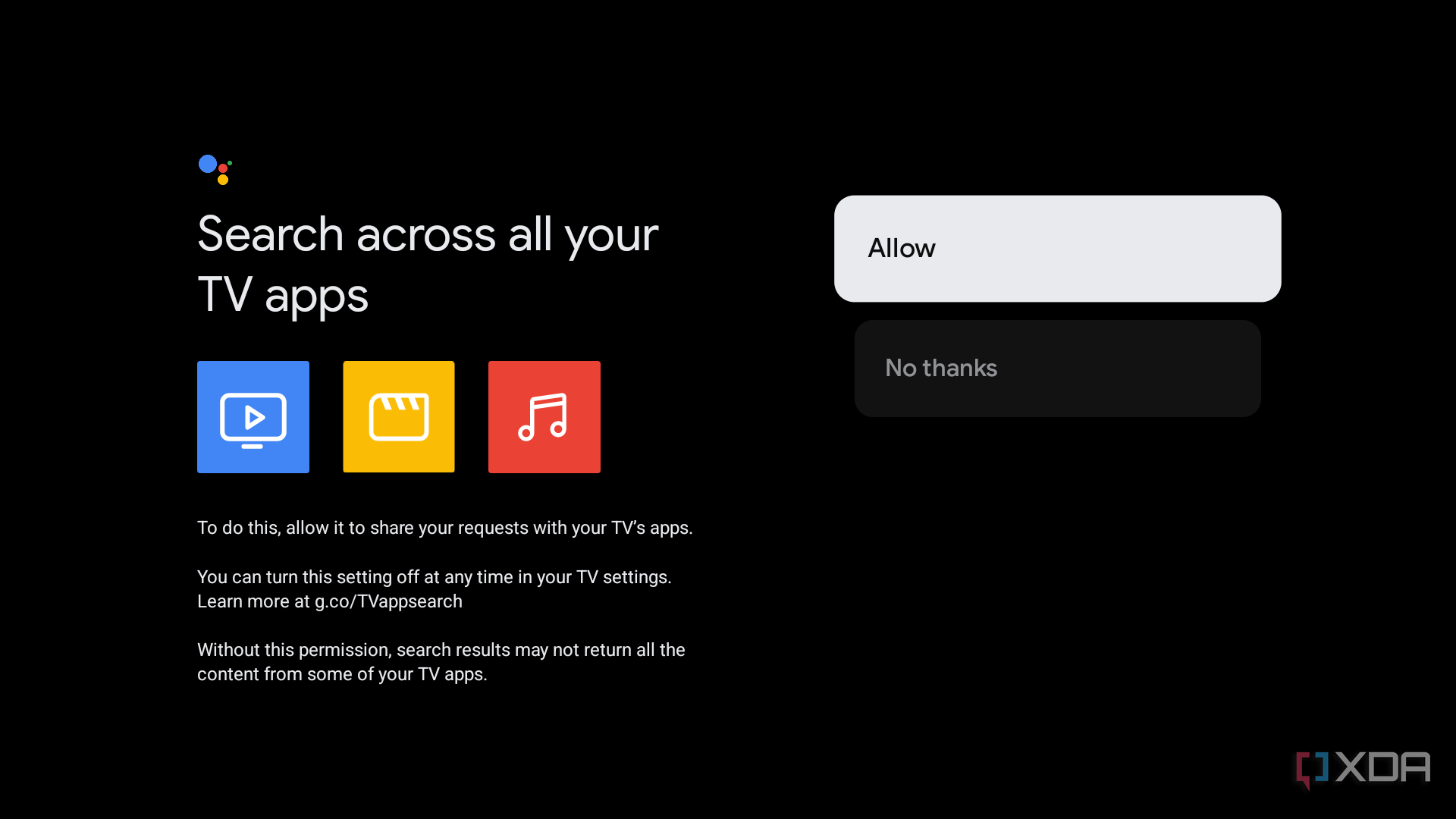
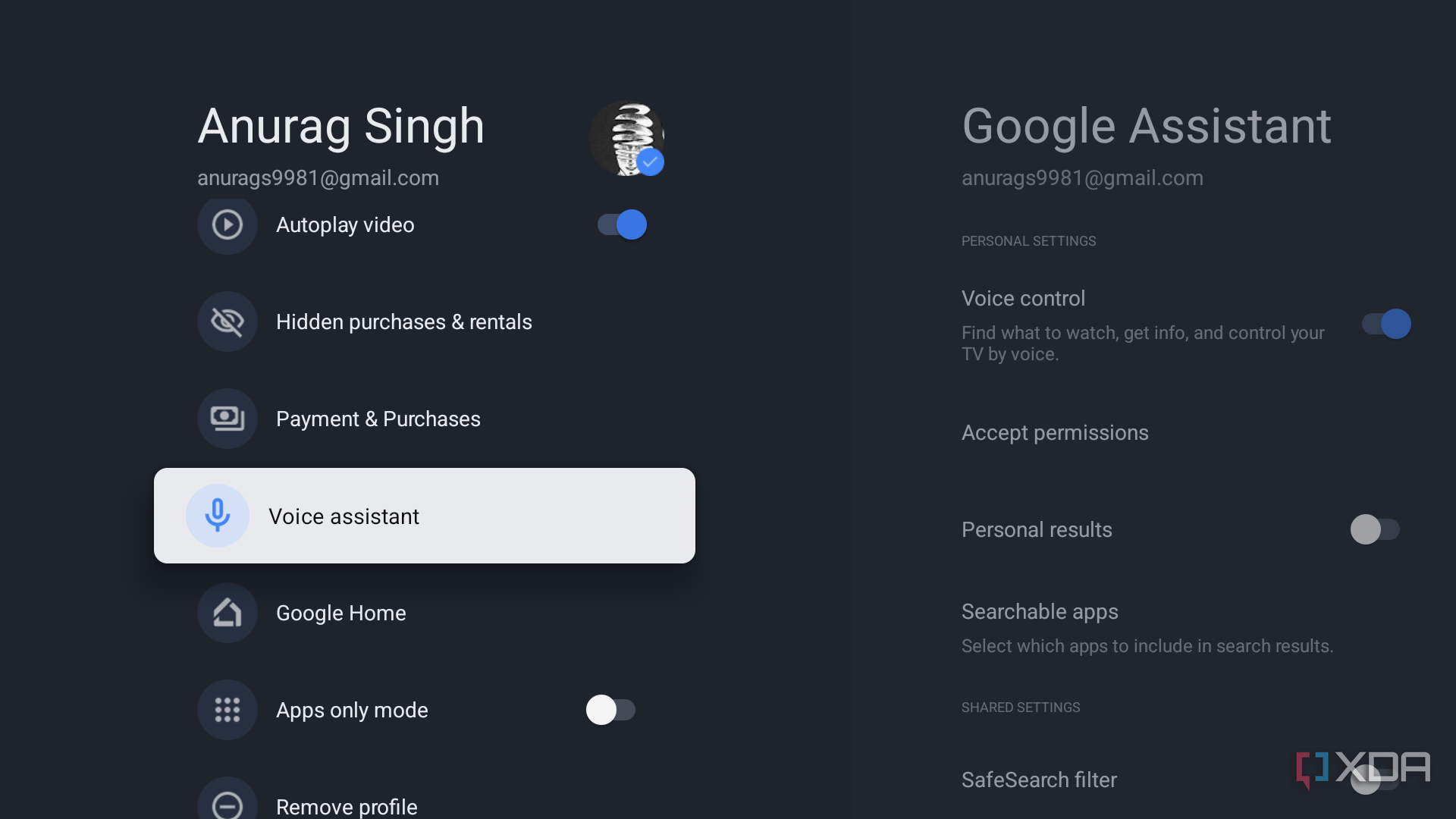
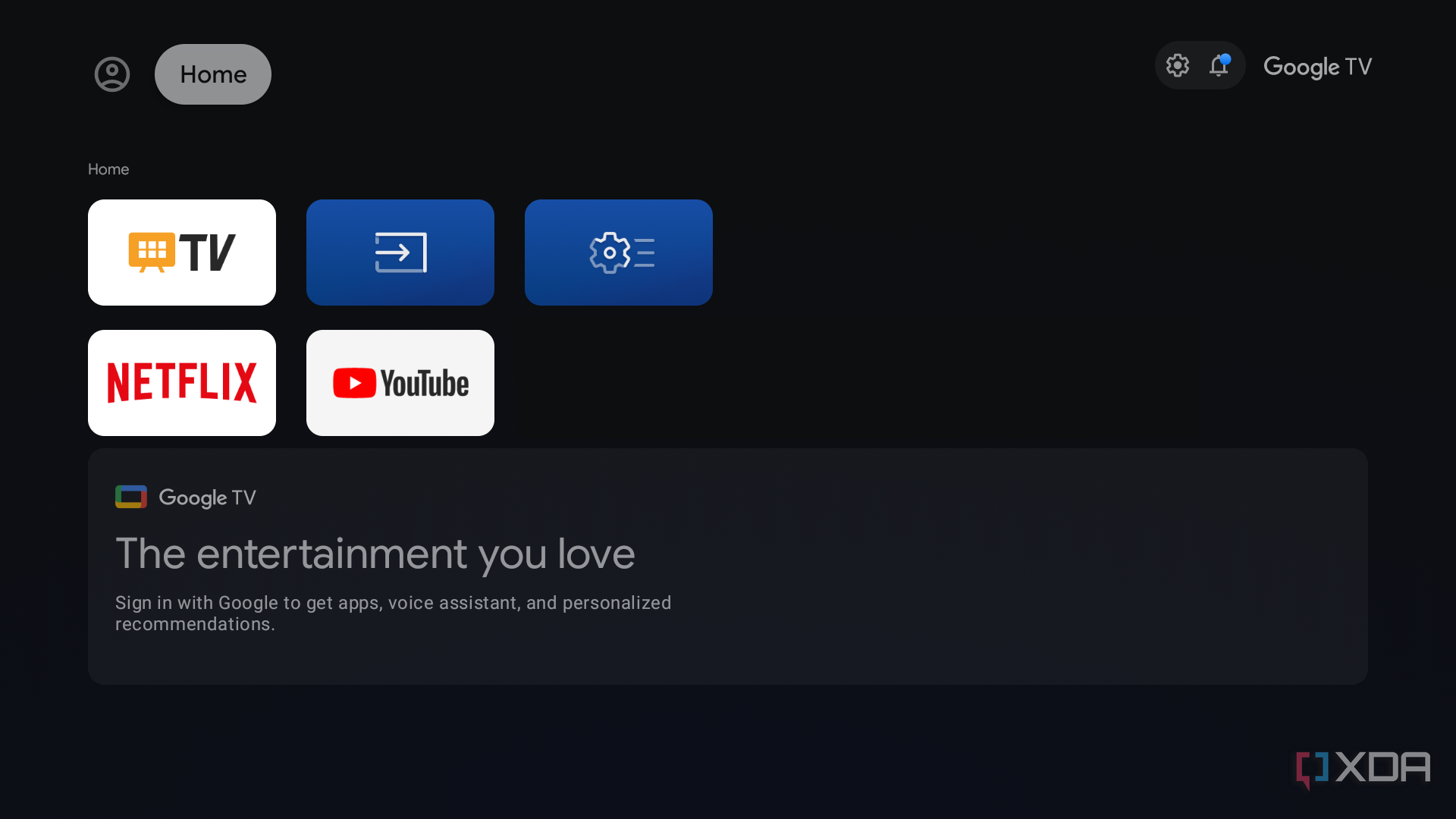
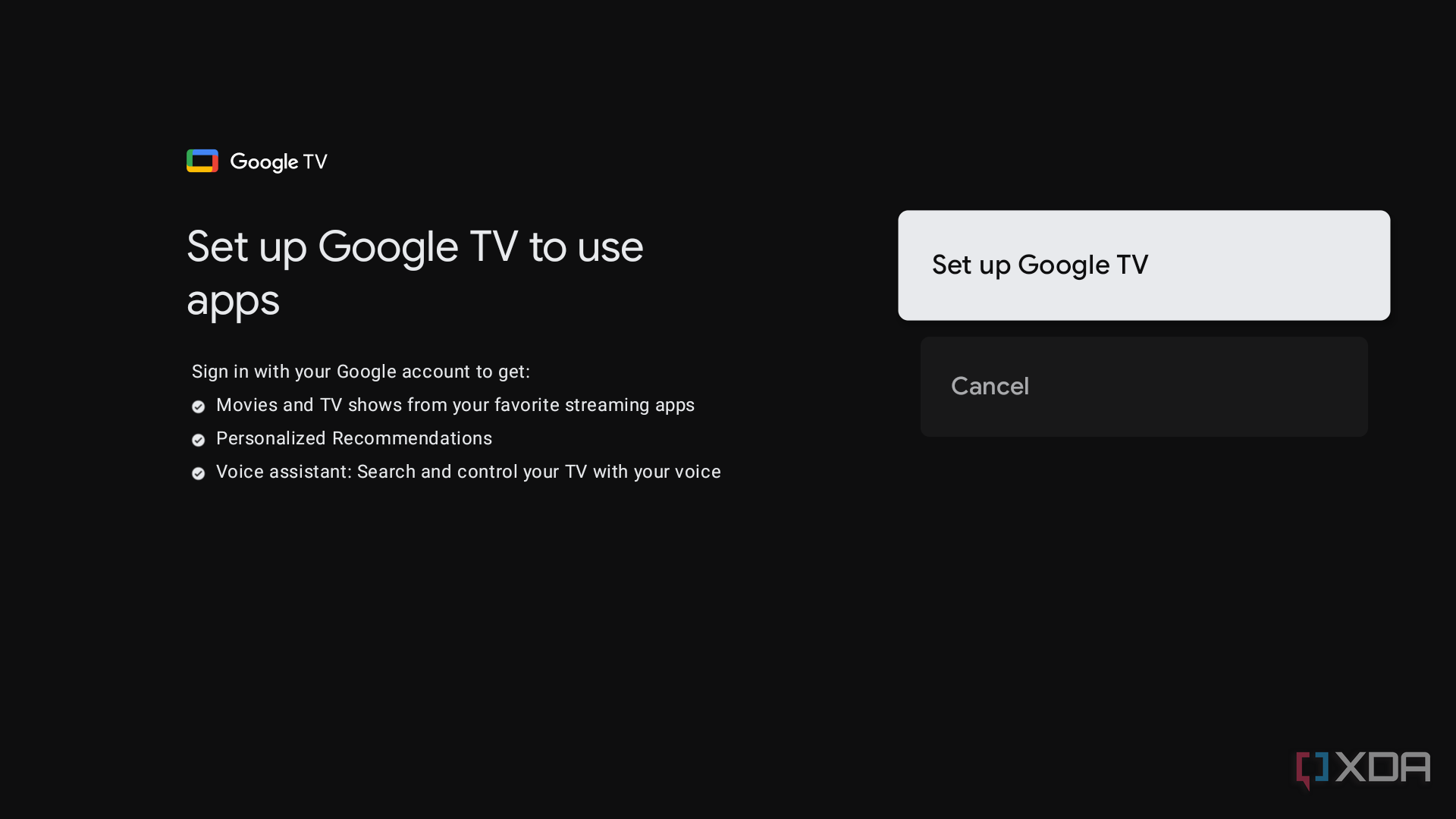
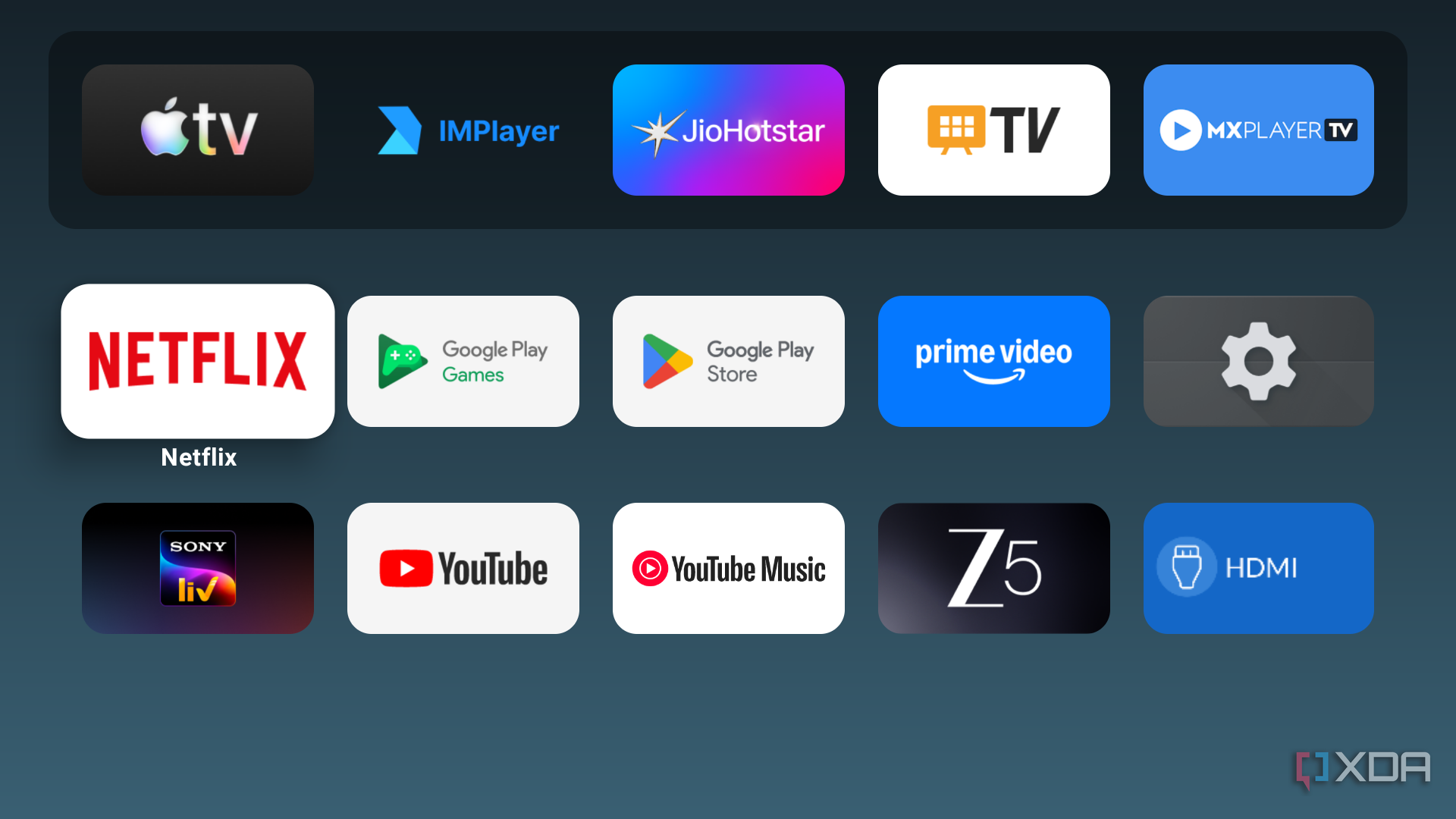
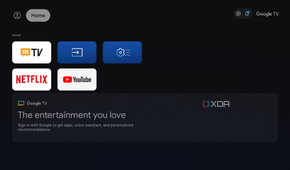
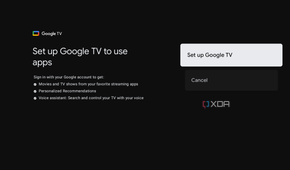
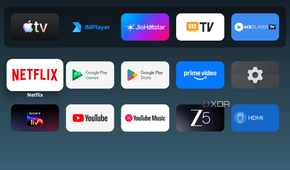
I won't sing Google TV's praises because it isn't particularly good in its own right, but it's the lesser evil. It's not ad-free, and you can't turn off ads entirely, though you can control your advertising ID to personalize ads. The good thing, however, is that Google TV supports a basic TV mode, which lets you get rid of most ads and keep only the apps you want to see. So, moving from Roku to Google TV isn't a move to some mythical clean platform, but it's a move to a platform that is ultimately more usable.
Google TV also gives you more control over how you get to content. Its watchlist works across the TV, the mobile app, and Google Search, so you can save something when you find it and come back to it later without having to hunt through the interface again. Google also builds casting into the experience, and you can use the Google TV app on your phone as a remote, which makes the platform more useful in everyday use than a TV interface that only sits on the screen itself.
It gave me fewer reasons to think about the operating system itself. I could search across apps, use voice search, and keep moving. I did not have to spend as much time navigating around the interface or wondering what part of the screen was trying to sell me something. Google TV is still full of recommendations, and Google is clearly building a more ad-capable TV ecosystem of its own, including a Google TV advertising network launched in 2024.
I don't have a lot of complaints about Google TV
It gets out of my way

Google TV is generally a pretty decent platform. I know a lot of people complain that it has deteriorated over the years, but I don't think it's nearly as bad as its reputation suggests. One of its biggest strengths is content discovery. Google's search capabilities carry over to the TV experience, and I regularly use Google Assistant voice search to find movies, shows, actors, and genres without manually digging through apps.
Google has also continued to invest in the platform. Android TV 14 introduced improvements in performance, accessibility, energy efficiency, and picture-in-picture support, while Google has already confirmed that Gemini-powered features are coming to Google TV. Whether Gemini ends up being useful remains to be seen.
The biggest criticism of Google TV is performance, but I don't think the operating system deserves all the blame. Most smart TVs ship with weak processors and limited RAM, which would make almost any modern TV operating system struggle. Put Google TV on decent hardware, such as Google's latest streaming devices, and the experience is surprisingly smooth.
