


I've always loved the promise of the smart home, but even a die hard evangelist like myself has to concede that not every smart device makes your life easier. Some are complex to set up, others take too long to manage once they're running, and others work best when you manage them through a third-party solution.
I've used almost any smart home device you could name over the course of my career, and probably quite a few you didn't know existed, because there was a period when everything needed Wi-Fi, Bluetooth, and smart features, even if they didn't make sense. But there are some smart devices that genuinely save you time, effort, and money, and these are absolutely deserving of a place in your home.
Smart plugs
Make every device smart while monitoring energy use


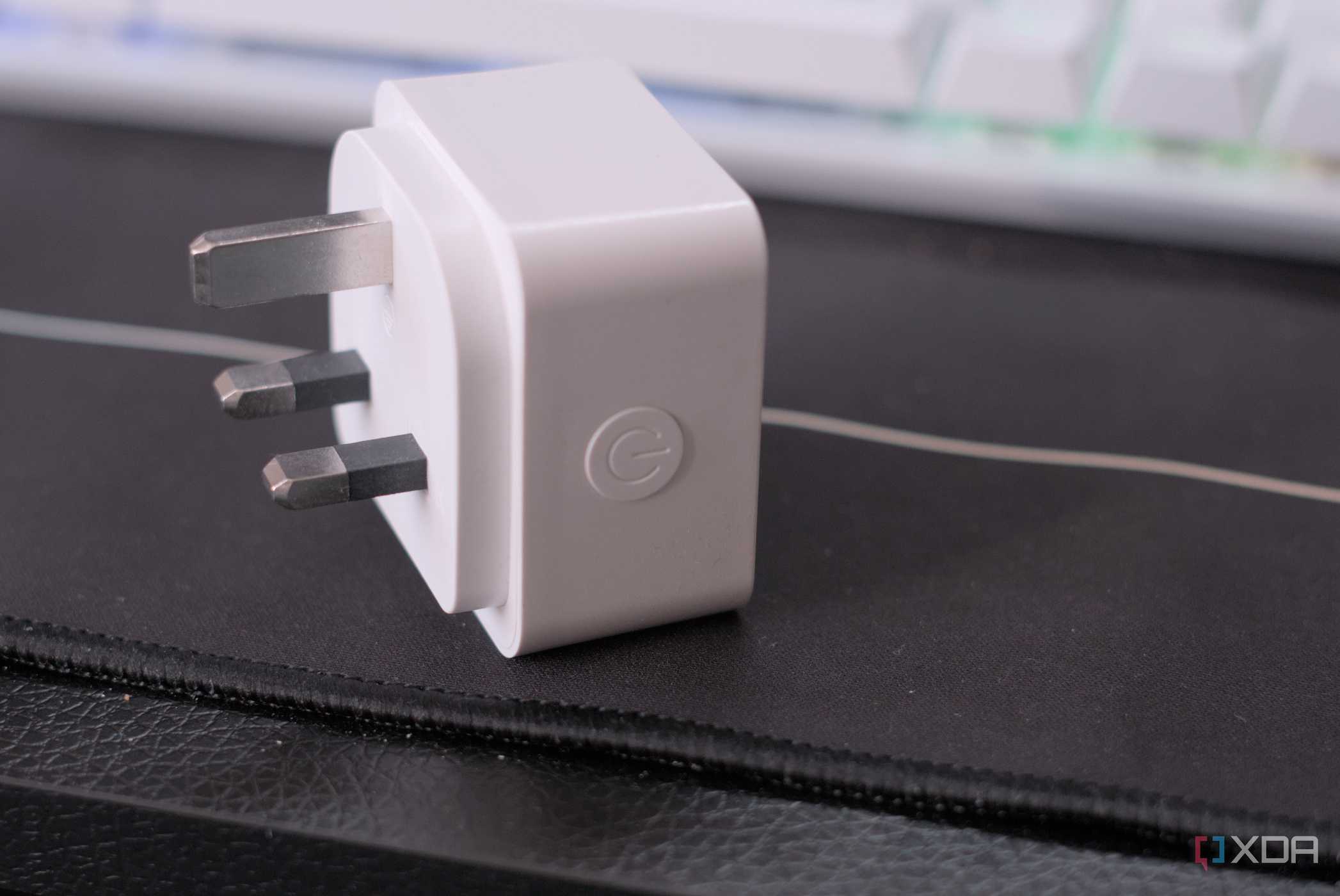
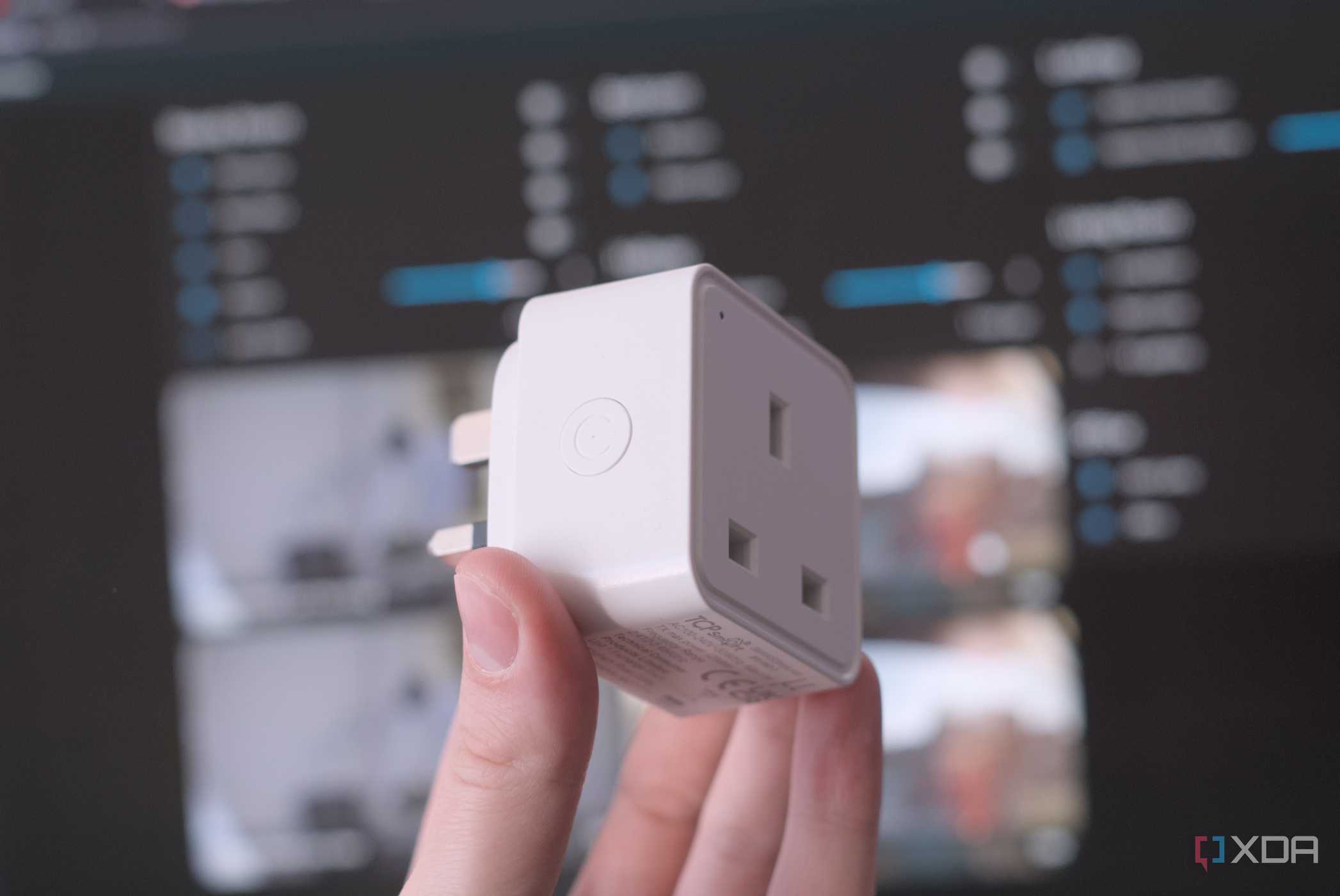


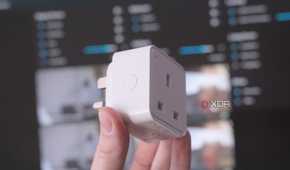

Smart plugs, whether you go for the plug-in type or replace your wall sockets, are the unsung heroes of the modern smart home. They allow you to monitor the power usage of individual devices, turn things on and off remotely, and set schedules. I use them as a secondary sanity check of the power usage of my home lab servers or of every major appliance that doesn't have smart features. Tracking power, current, and voltage used in this way gives me a baseline of how that appliance behaves, and any deviation points toward a potential issue that I'll monitor further before calling in a repair request.
Smart plug... ...are the unsung heroes of the modern smart home
But where smart plugs excel is when you start using them to trigger automations on other smart devices around your home. If the smart plug on my TV detects an increase in power draw, it dims the room lighting to set the mood for better viewing. They can be used to monitor your washing machine, alerting you when the wash cycle is complete because the power draw returns to an idle state. And yes, they can be voice-controlled, which is one of the most time-saving features of my smart home.
Smart thermostats
Make your living space comfortable


Source: Google 


 Credit: Amazon


Source: Google  Credit: MostlyChris
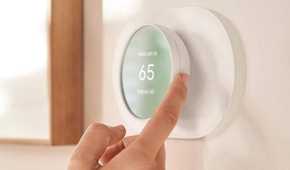


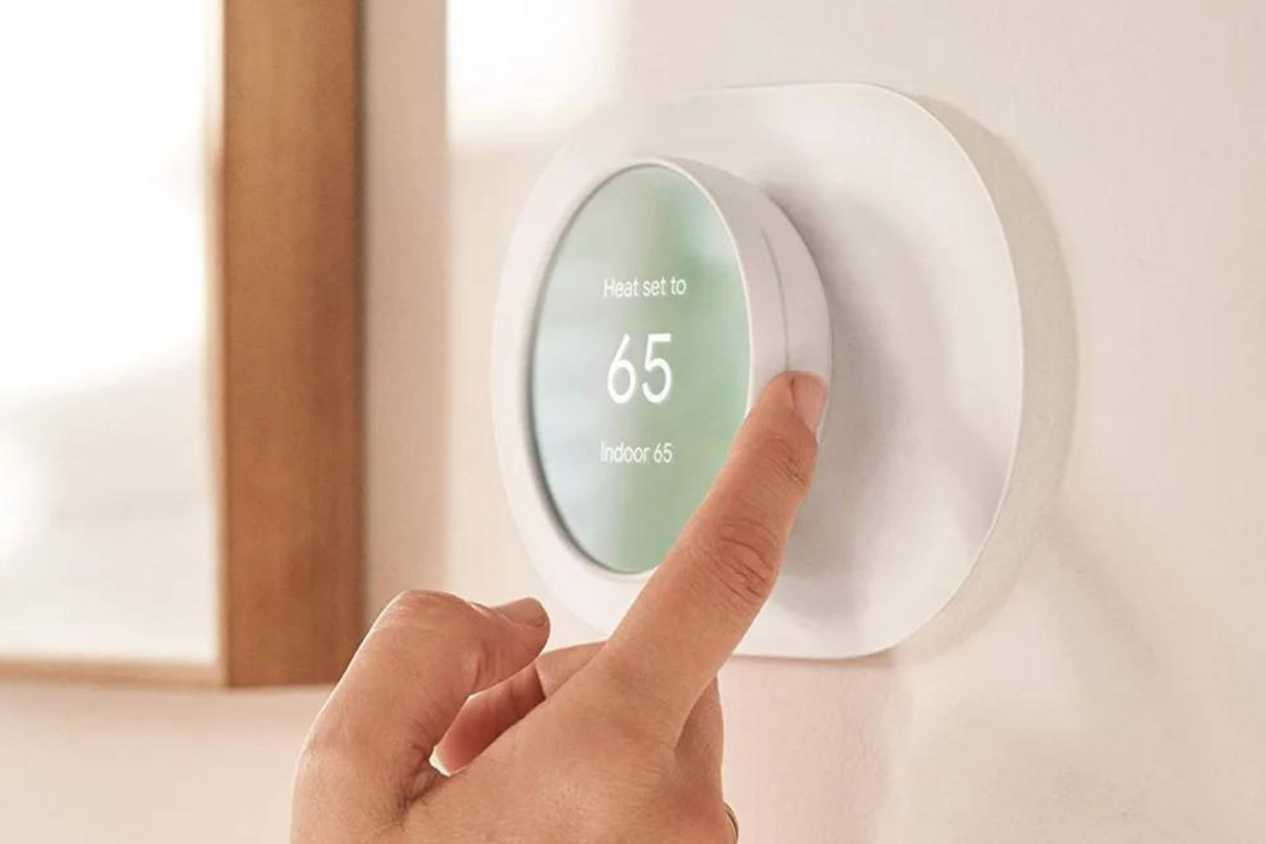
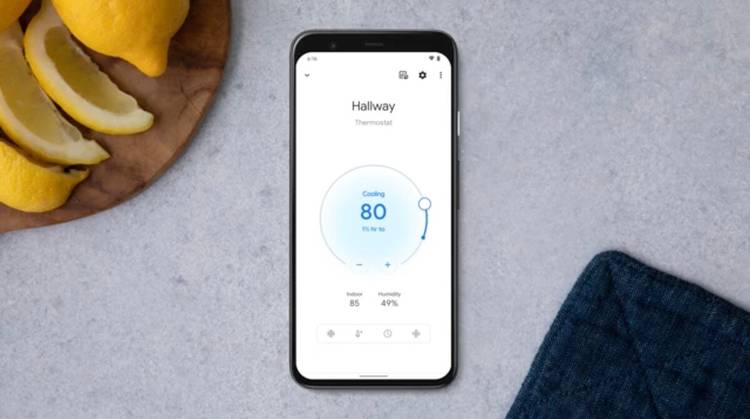
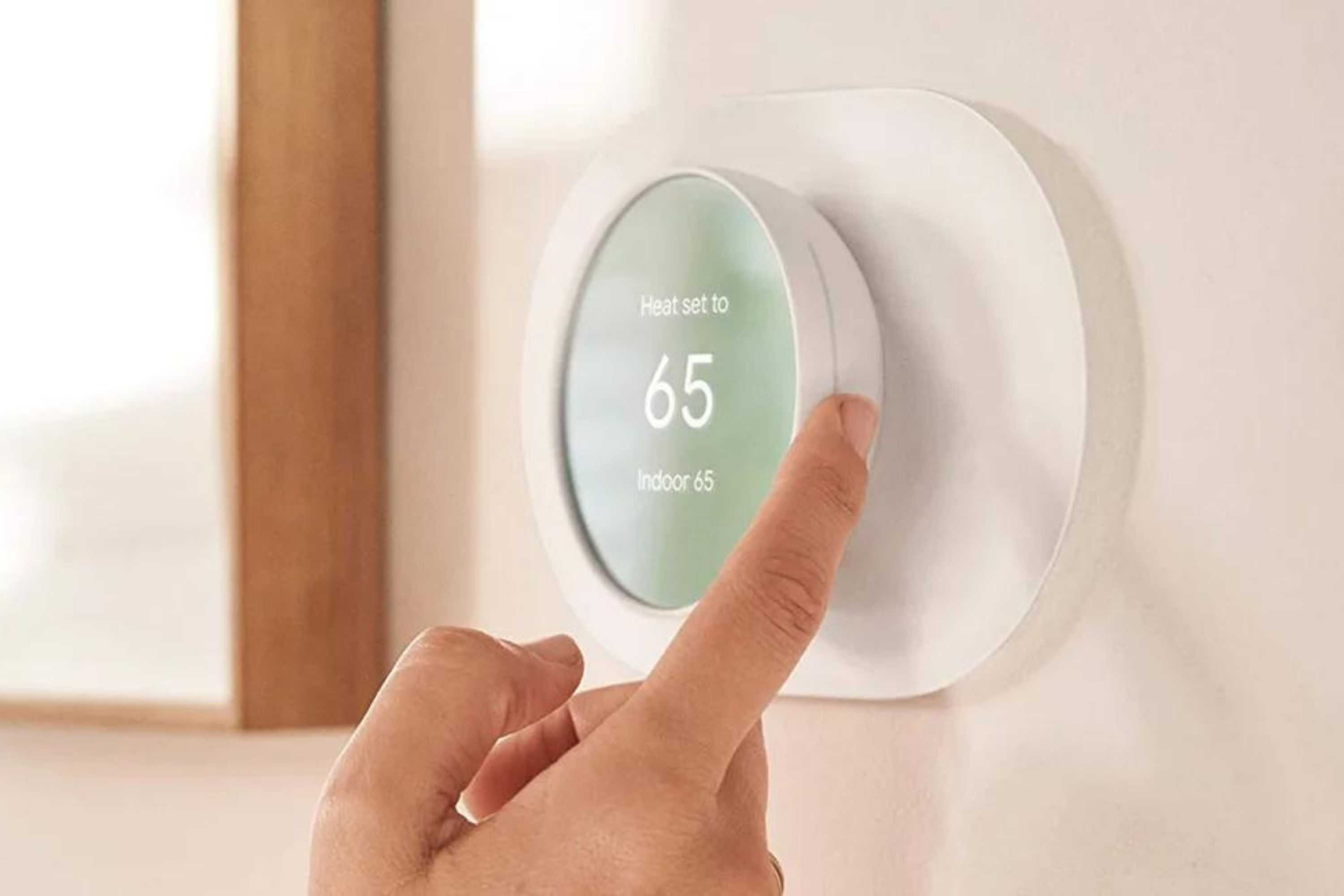
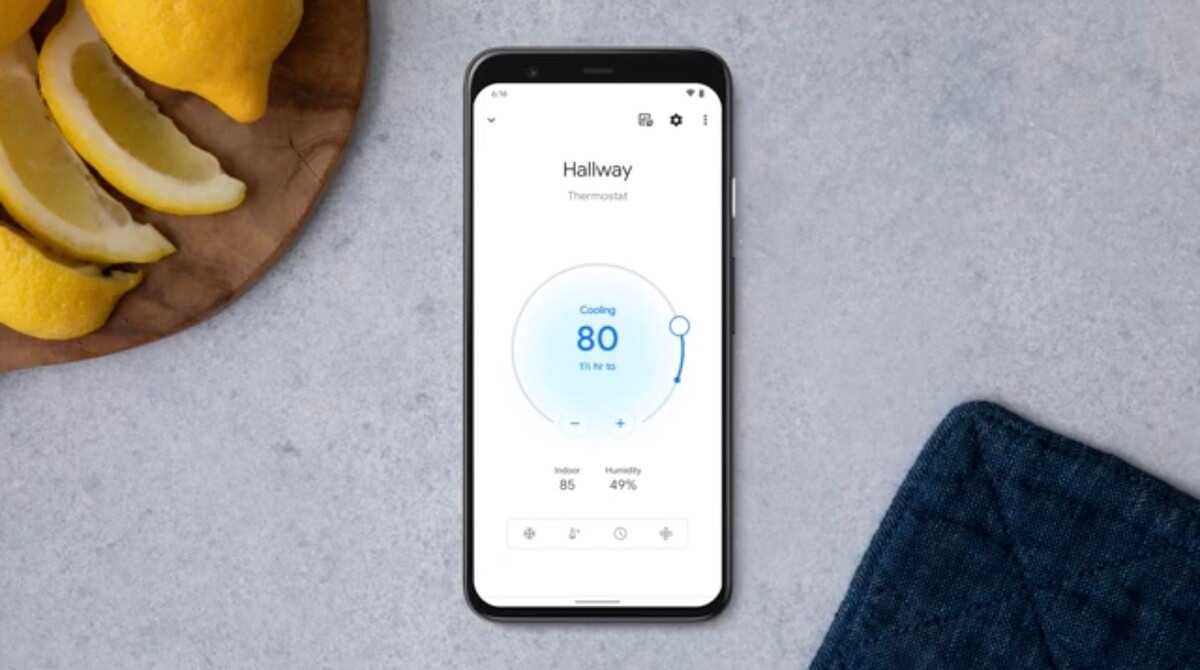
Automation is the name of the game when you're looking for smart home devices to make life easier, and nothing is more hands-off than a smart thermostat that learns your routine and preferences over time so you never have to touch the darn thing ever again. The best models also let you set up geofencing to intelligently adjust the temperature inside when no one is home.
Mine is also set to increase the temperature before my alarm goes off in the morning, and reduce the temperature after bedtime so we can all sleep in a more comfortable climate. Installation was a breeze, and I can't say that I've had to monitor it or change the temperatures much since. It's been quietly conserving energy and keeping me comfortable for years now, and I haven't had to think about it.
Smart lighting
Automate never having to touch a light switch again


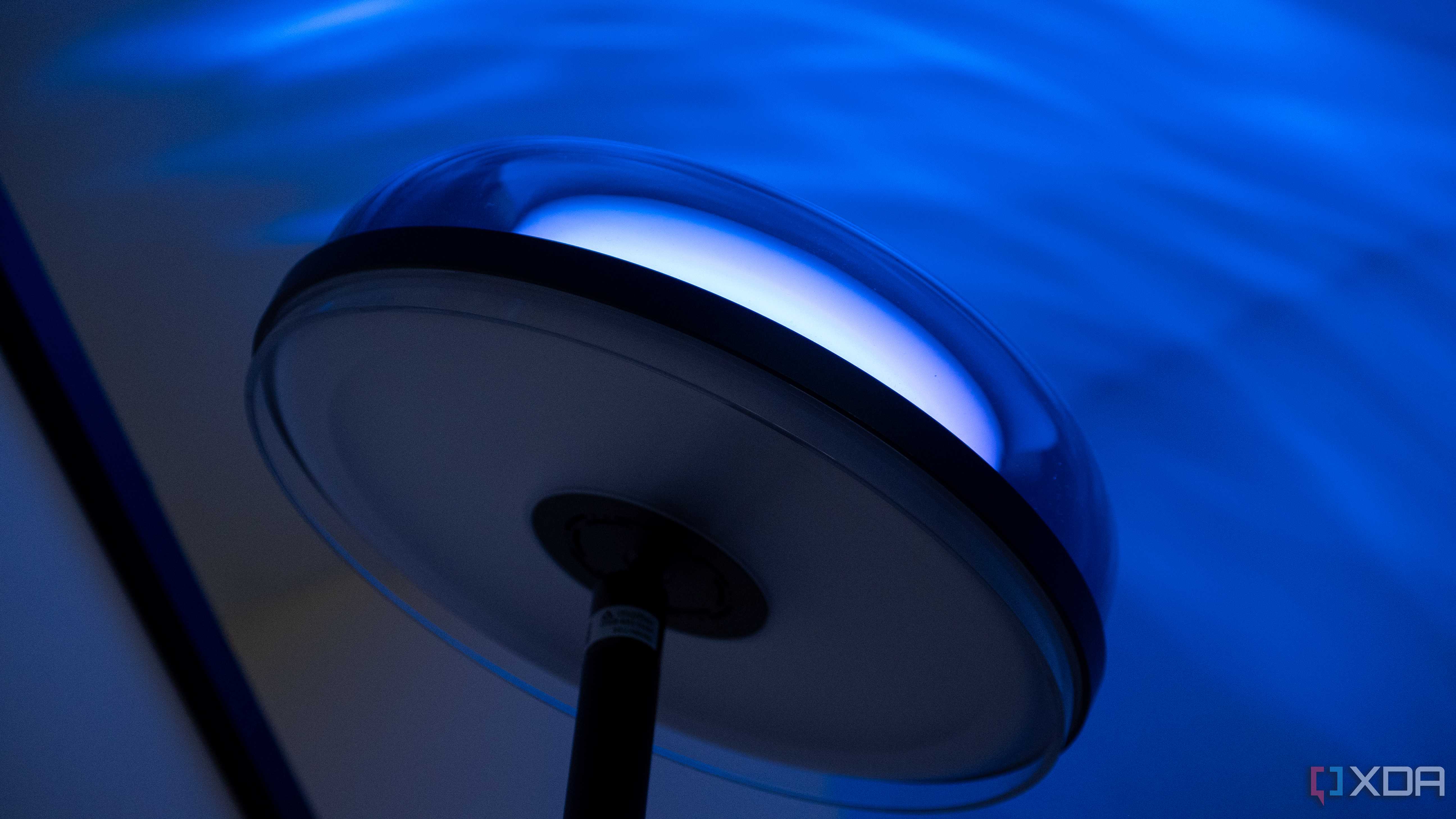
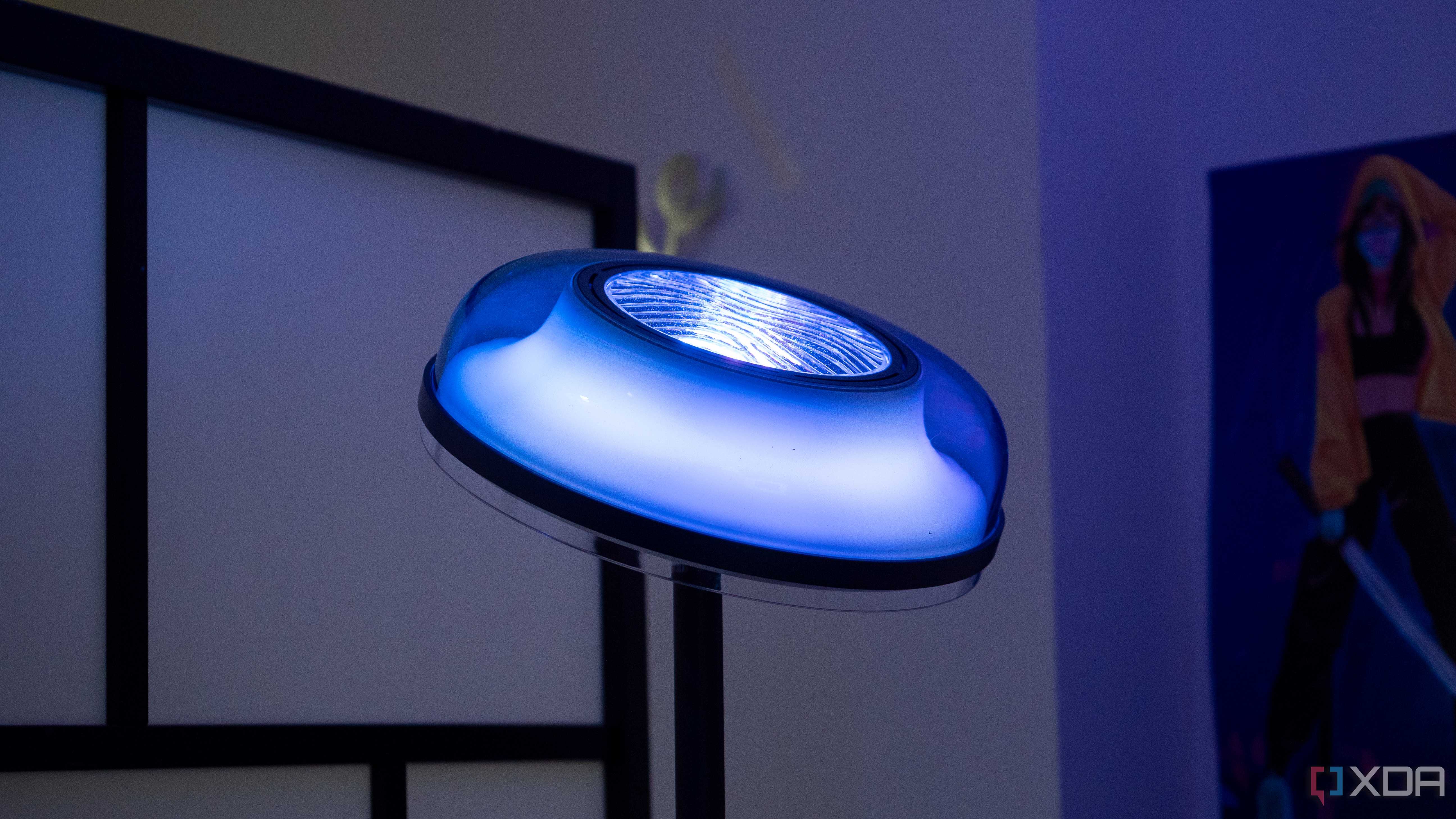





Smart lighting is one of the biggest convenience features of the smart home. The good news these days is that you don't have to replace your existing lighting or switches to make them controllable via automations, voice, or apps. There are plenty of companies like Shelly that sell smart relays you can wire behind your existing wall plates, making any home smarter without changing its outward appearance.
That removes manual control from the equation, and as anyone who's had internal debates about whether they are getting up to turn the lights off at the wall can attest, that's a lifesaver. Making your home lighting smart opens the door to automations, whether to simulate someone being home for security, gently increase lighting levels as your morning alarm goes off, or ensure all lights are off at night once everyone is safely tucked in bed.
Anything that doesn't use Wi-Fi
Zigbee, Z-Wave, and Thread are all top contenders


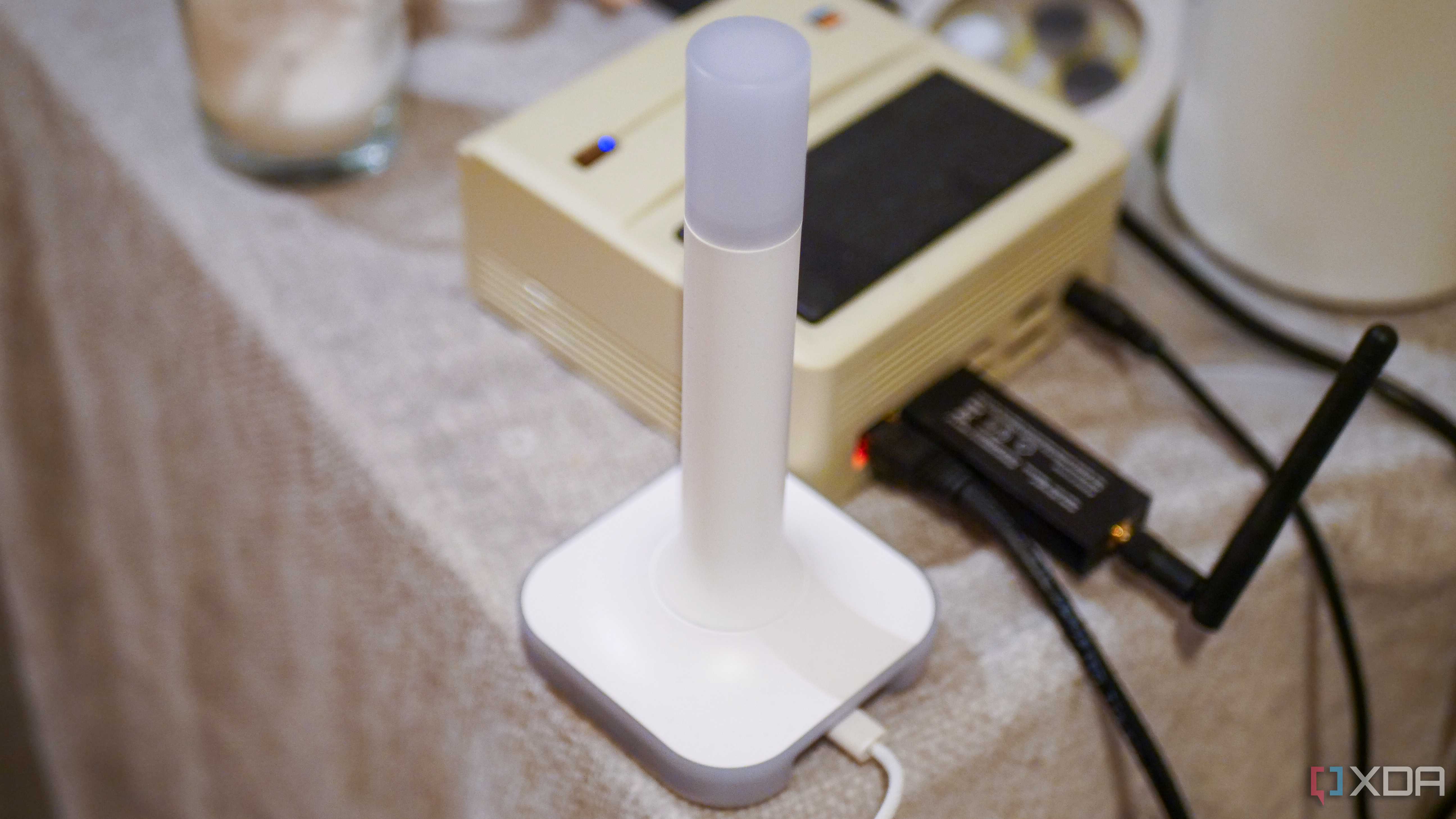
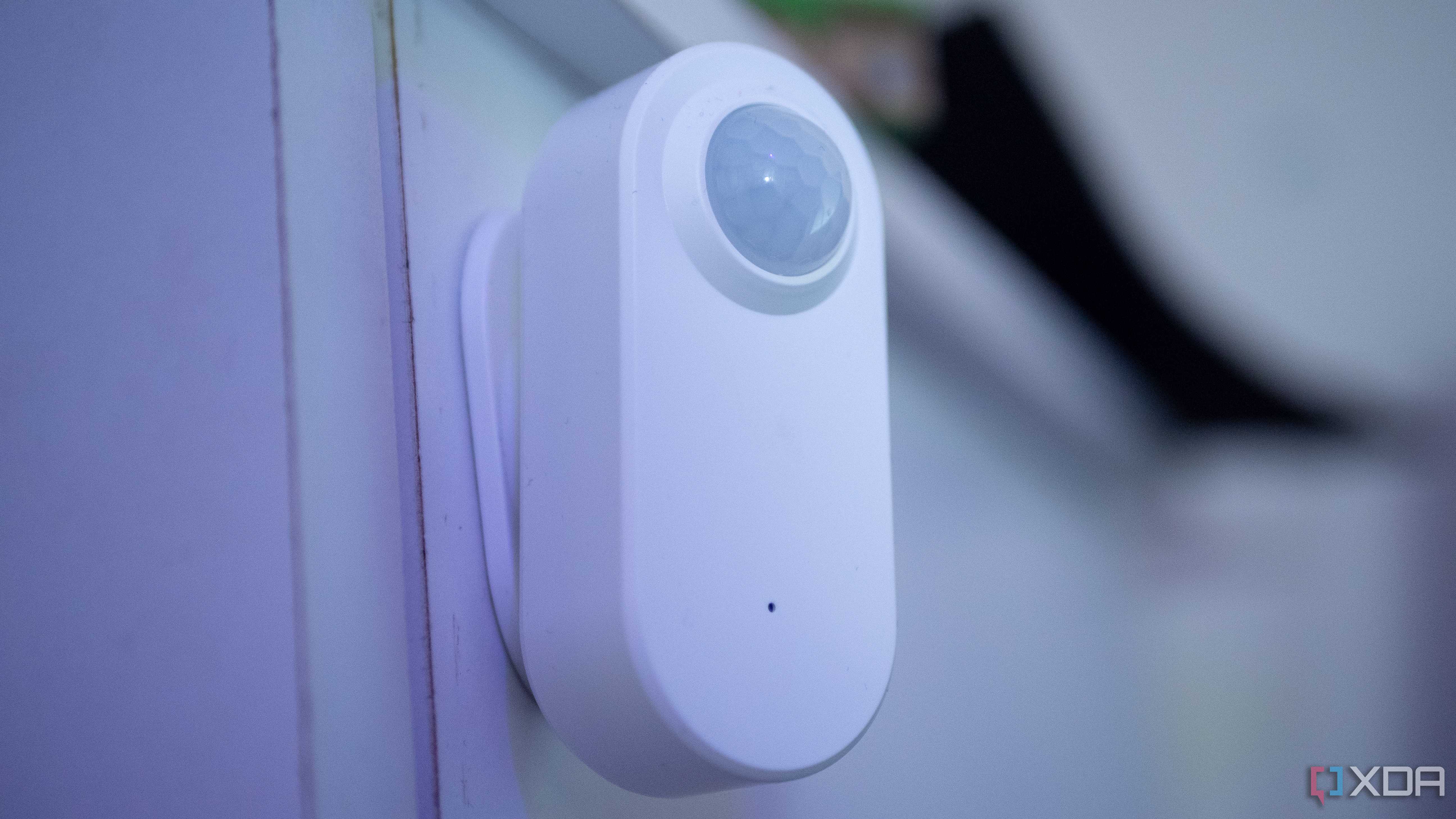
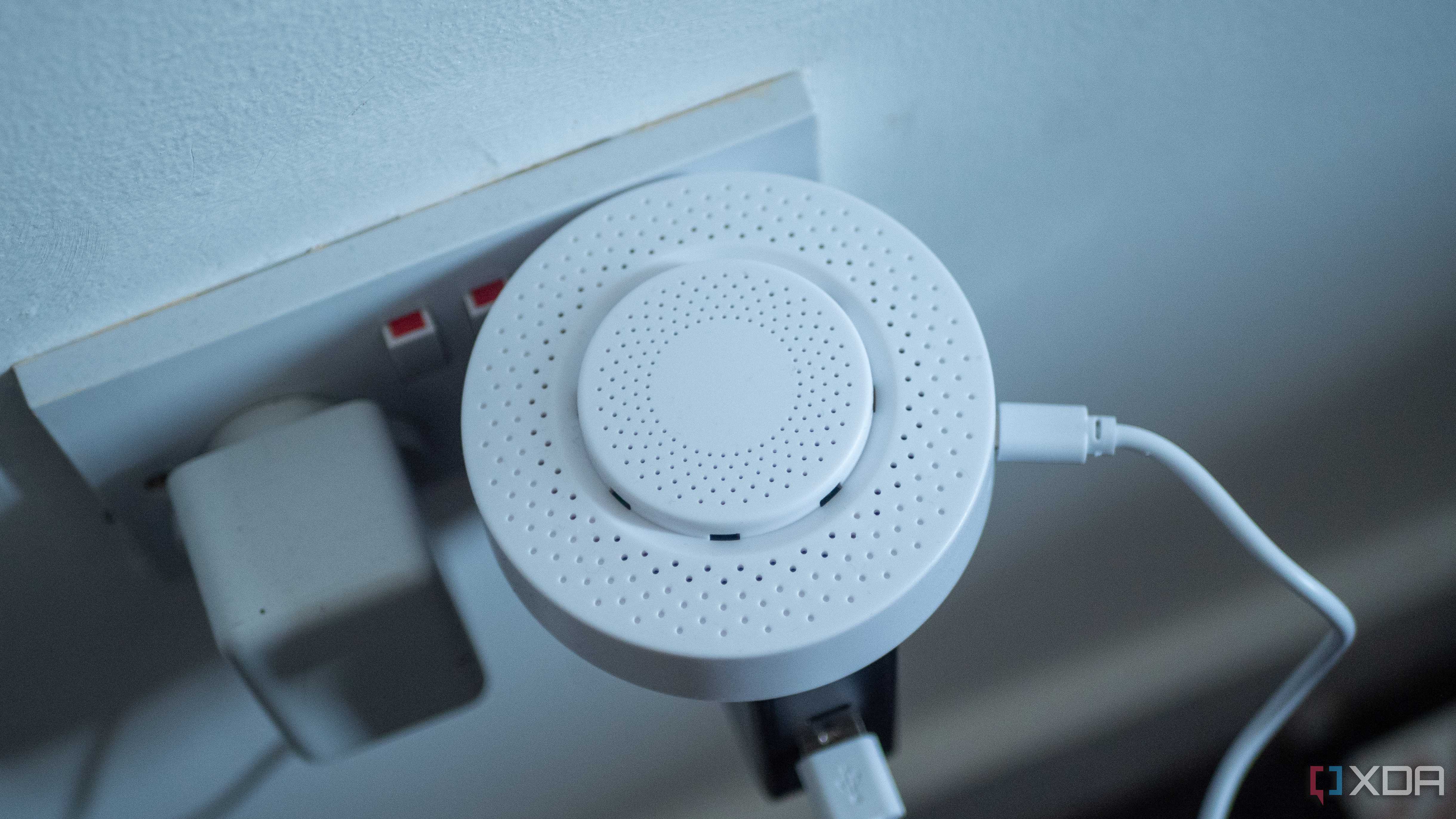
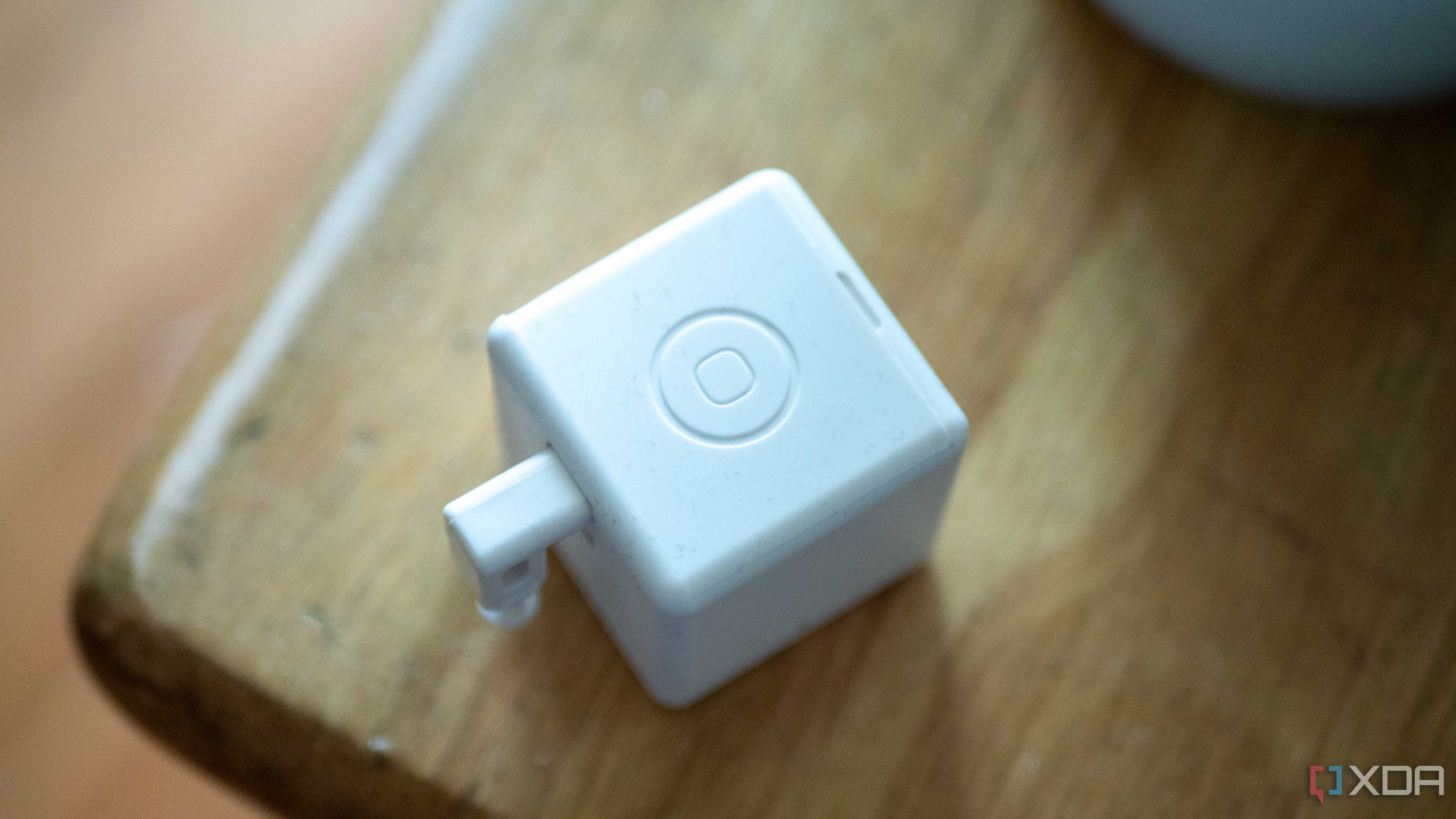
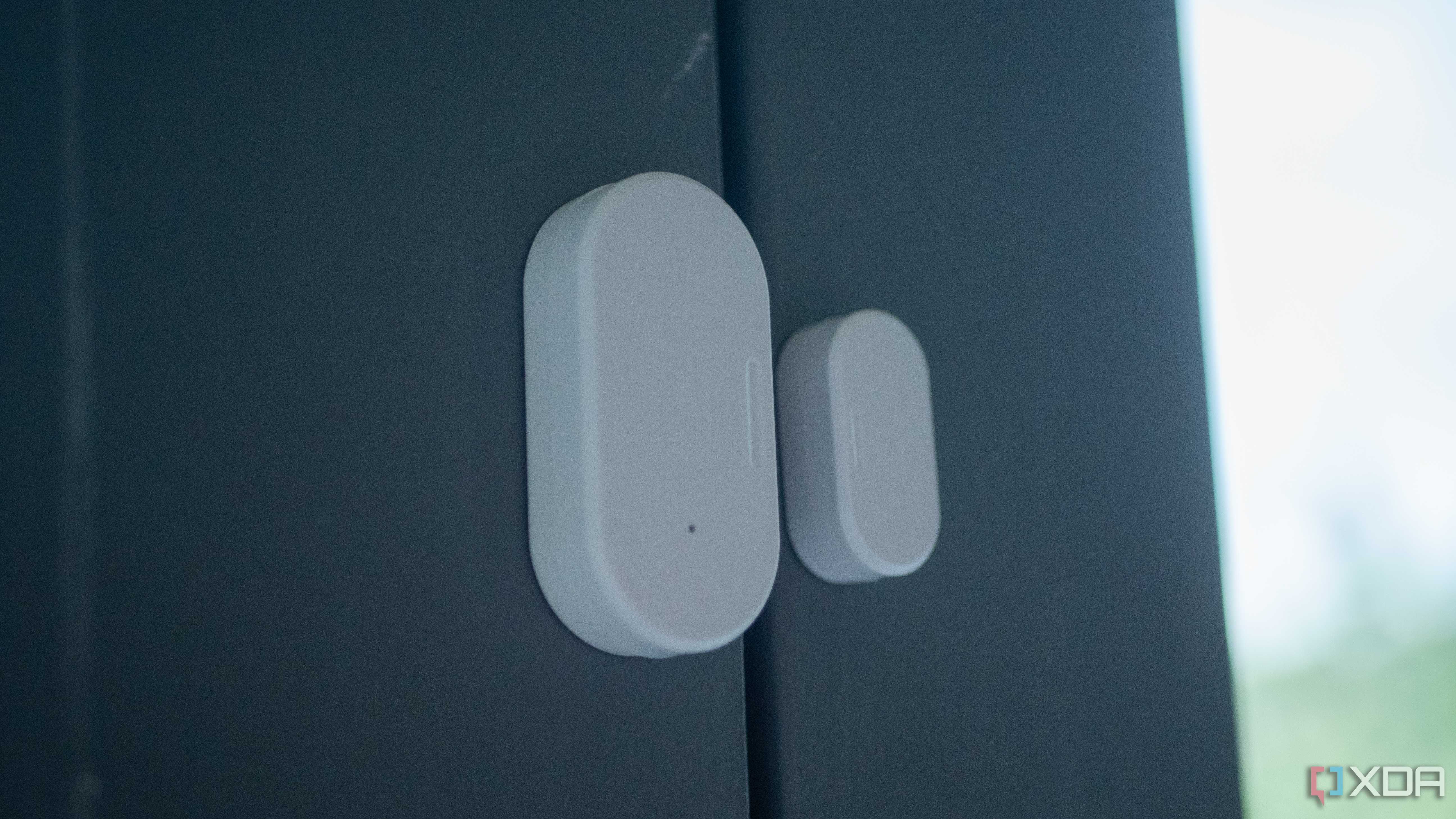
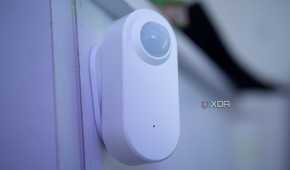
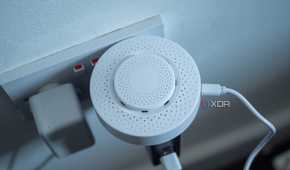
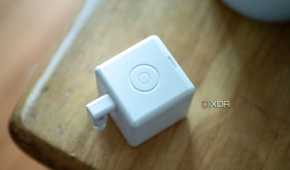
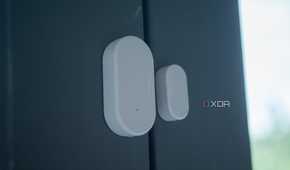
While you could put all your Wi-Fi connected smart devices on their own SSID, it's often better to think about alternative connectivity standards. That's because several factors work together to slow your Wi-Fi connection, like airtime fairness, congestion, and interference. Using Zigbee, Z-Wave, Thread, or other connectivity methods for a smart home that doesn't rely on Wi-Fi can improve reliability.
But it also makes your life easier. No more typing Wi-Fi passwords to connect new devices to your smart home, only for the connection to fail because your router isn't in the correct mode or there's an incompatibility with the encryption standard used. Your home network will be blissfully free of chatty IoT devices, so you'll notice a difference in responsiveness on your laptops, phones, and other devices. And you won't have to worry about security issues, since the devices won't be able to access the internet.
Robot vacuums
Bonus points for the ones that mop and auto-empty


Robot vacuums have come a long way from the early models that only worked properly if you picked up all the things from your floors first. Now you can get them with auto-emptying docks, so the only manual intervention you need is to change the mopping water or the dustbag every so often. I can't think of a device in my smart home that saves me more time, and it removes one of my most hated chores from the list.
Sure, every few months you need to wipe the sensors and clean the brushes, but you'd have to do that with a manual vacuum anyway, and you don't have to push this one around the floors. And I love being able to set automations so that the robot army goes out to clean once everyone leaves the house, or use voice commands to clean up spills from the kitchen or dining room. They're almost the hands-off devices that The Jetsons dreamed of in the 1960s, and the only thing I need for them to be perfect is a duster arm that cleans the skirting boards as well.
The best smart home devices are those that get out of your way
These are the smart devices that have made the biggest impact in my home, removing pain points and friction from everyday tasks. I've also got smart speakers in every room, because voice control makes things easier for me, and I do like my smart locks for both reminding me if they're unlocked but also auto-unlocking when I get home, so I don't have to fumble for my keys at night. The best smart home devices fade into the background after the initial install and setup phase is over, and if you're not having to manage them constantly, that's going to make things easier in the long run.
