


In the ’90s, I read gaming magazines constantly. They were my window into the gaming world, keeping me up to date on new releases, hidden secrets, and gaming culture as a whole. But by the early 2000s, I drifted away from gaming, spending most of my free time playing music, touring, and making art. It wasn’t until COVID hit that I got back into it. My partner introduced me to Zelda: Breath of the Wild, and from there, I started exploring retro games I had missed.
Lately, I’ve been writing a lot about the things I geeked out over back in the day, as well as new discoveries I’ve made while diving into gaming history. While researching the strange story of the Game Wizard for SNES, I started flipping through old gaming magazines, searching for ads, reviews, and coverage from the time. What began as simple fact-checking turned into something bigger—I realized just how much these magazines had shaped my experience with games.
As I scrolled through digital archives, I kept running into things I hadn’t thought about in decades: reader-submitted fan art drawn on envelopes, in-depth walkthroughs with hand-drawn maps, and entire pages dedicated to answering players’ questions. These magazines weren’t just news sources; they were communities. Growing up in a small town without many other gamers, they were often my only way of discovering new games and consoles. Reading them again wasn’t a revelation so much as a flood of memories.
The death of Gamer Informer
Game Informer’s unexpected longevity
Source: Internet Archive 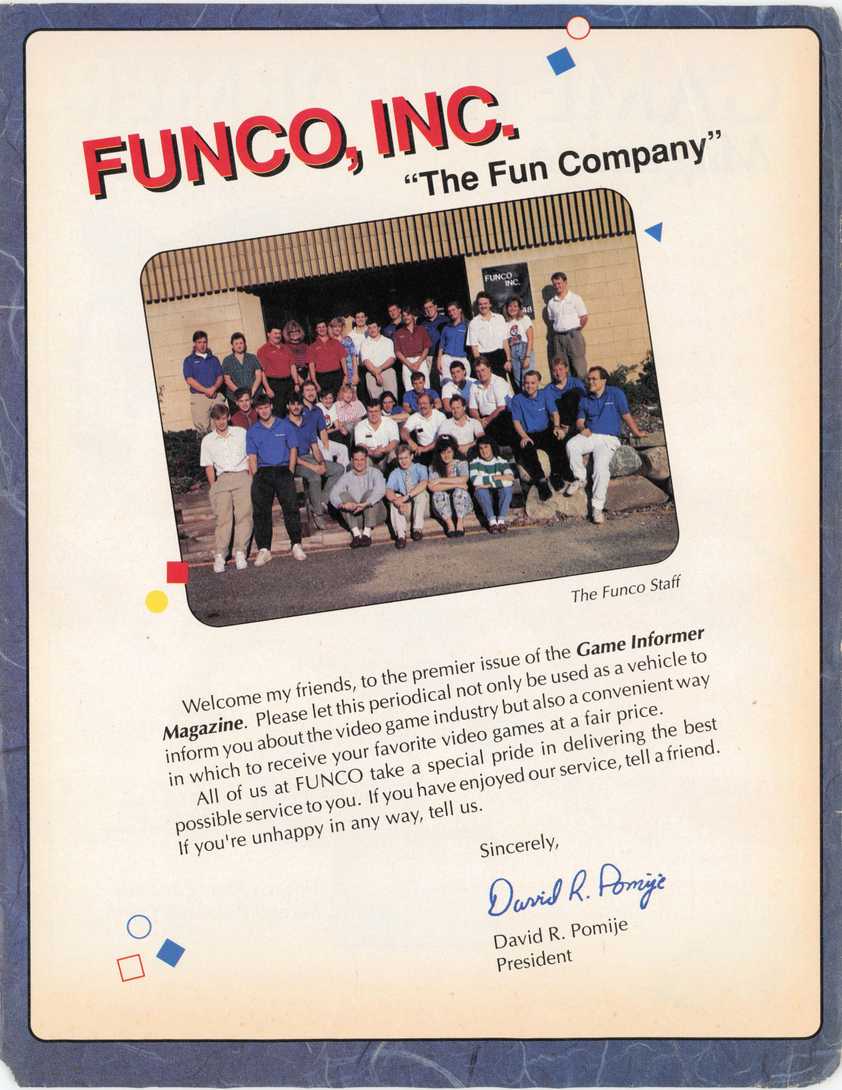
Source: Internet Archive 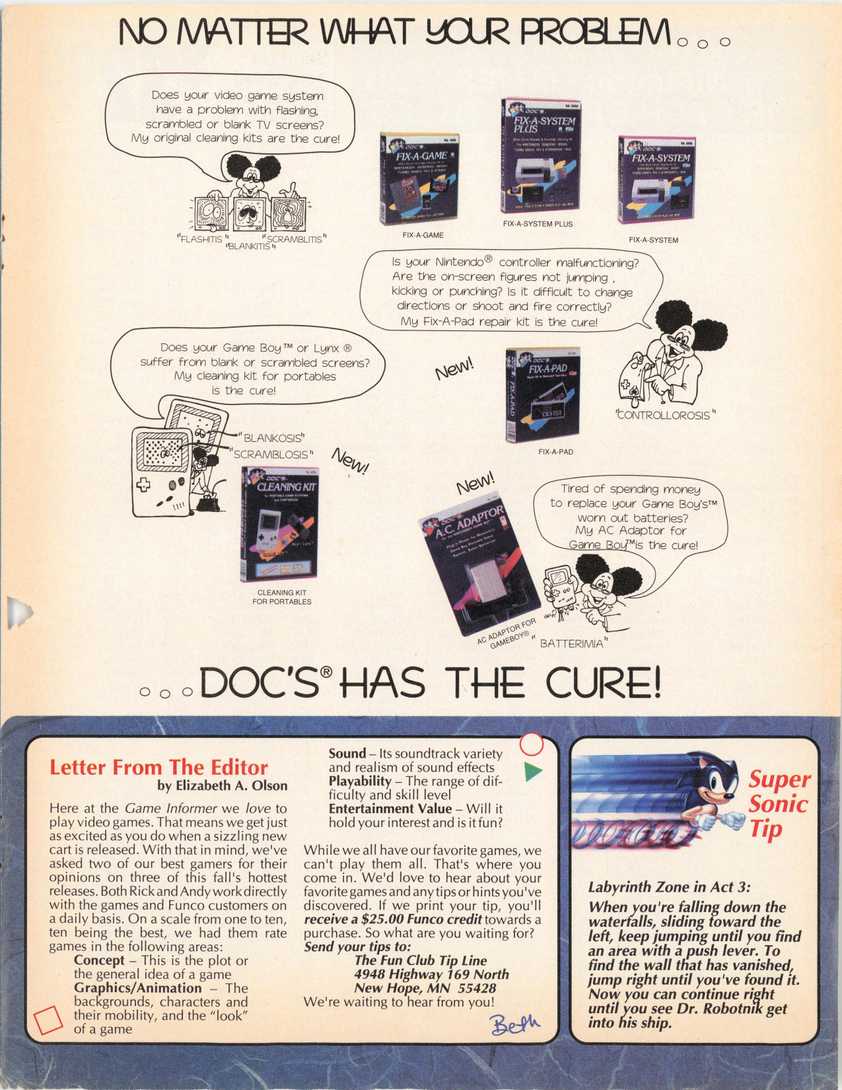
Source: Internet Archive 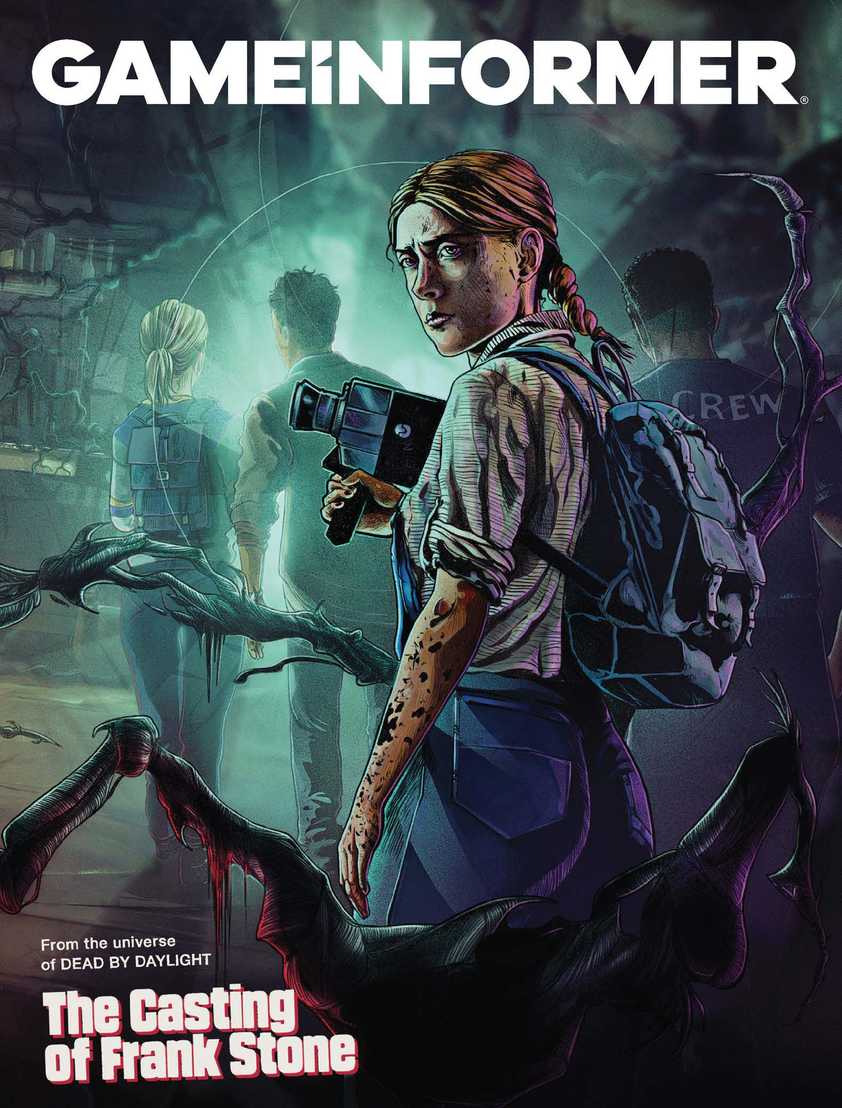
Source: Internet Archive 
Source: Internet Archive 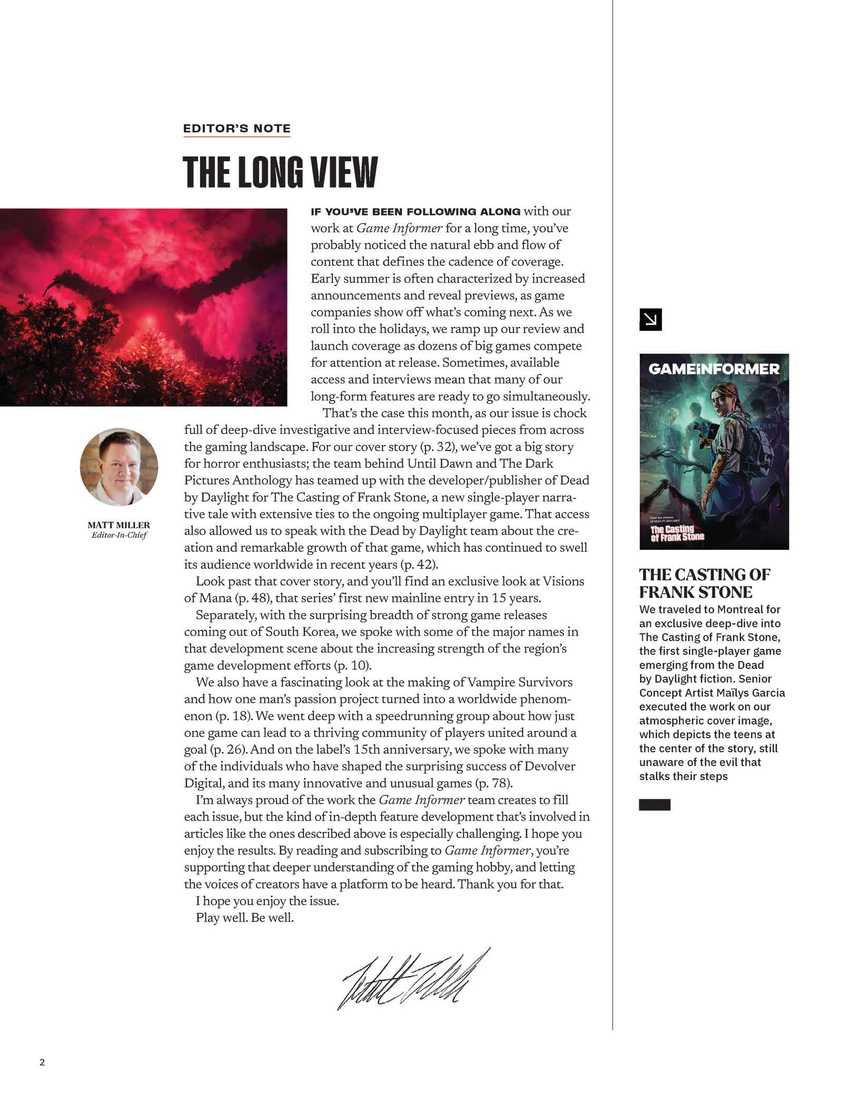
Source: Internet Archive 
Source: Internet Archive


Source: Internet Archive 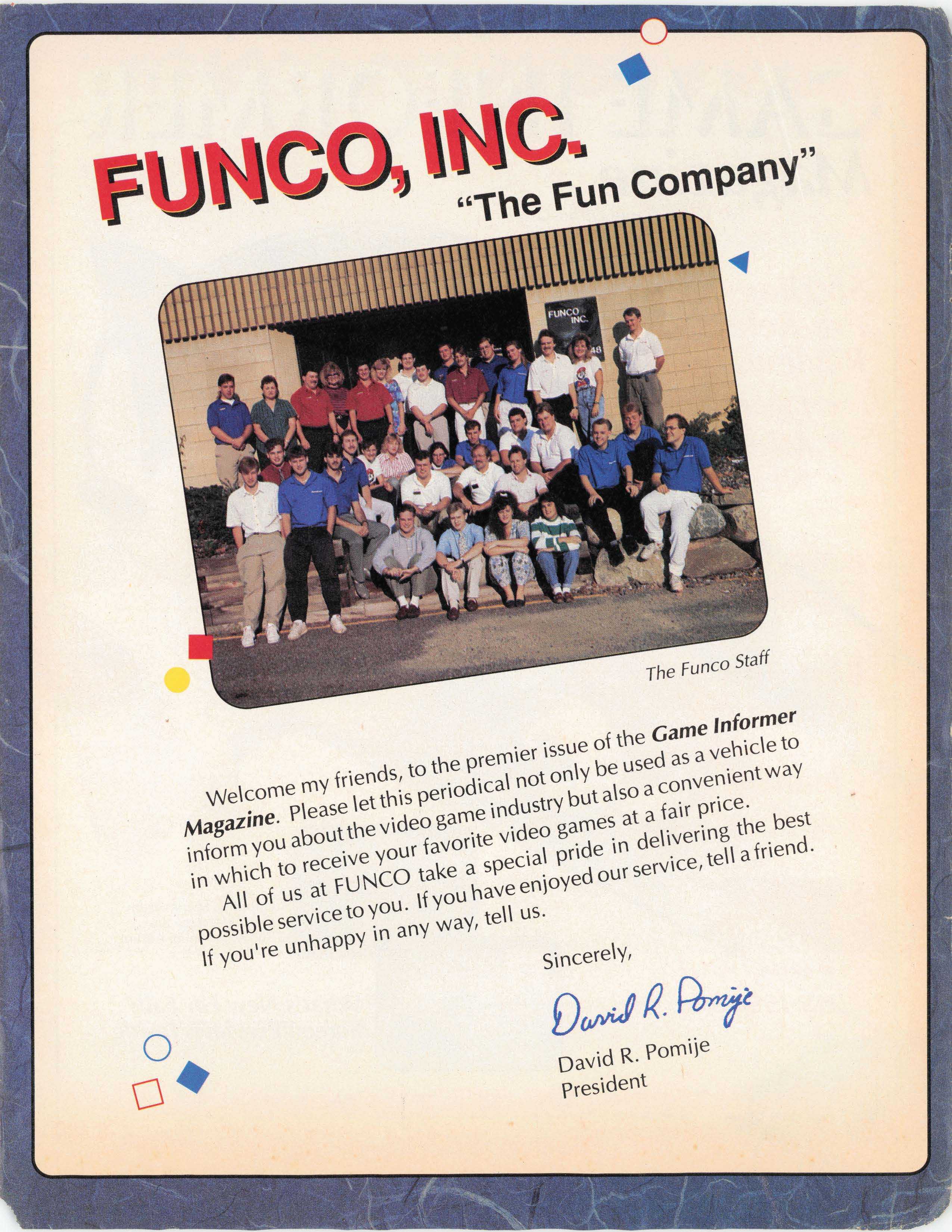
Source: Internet Archive 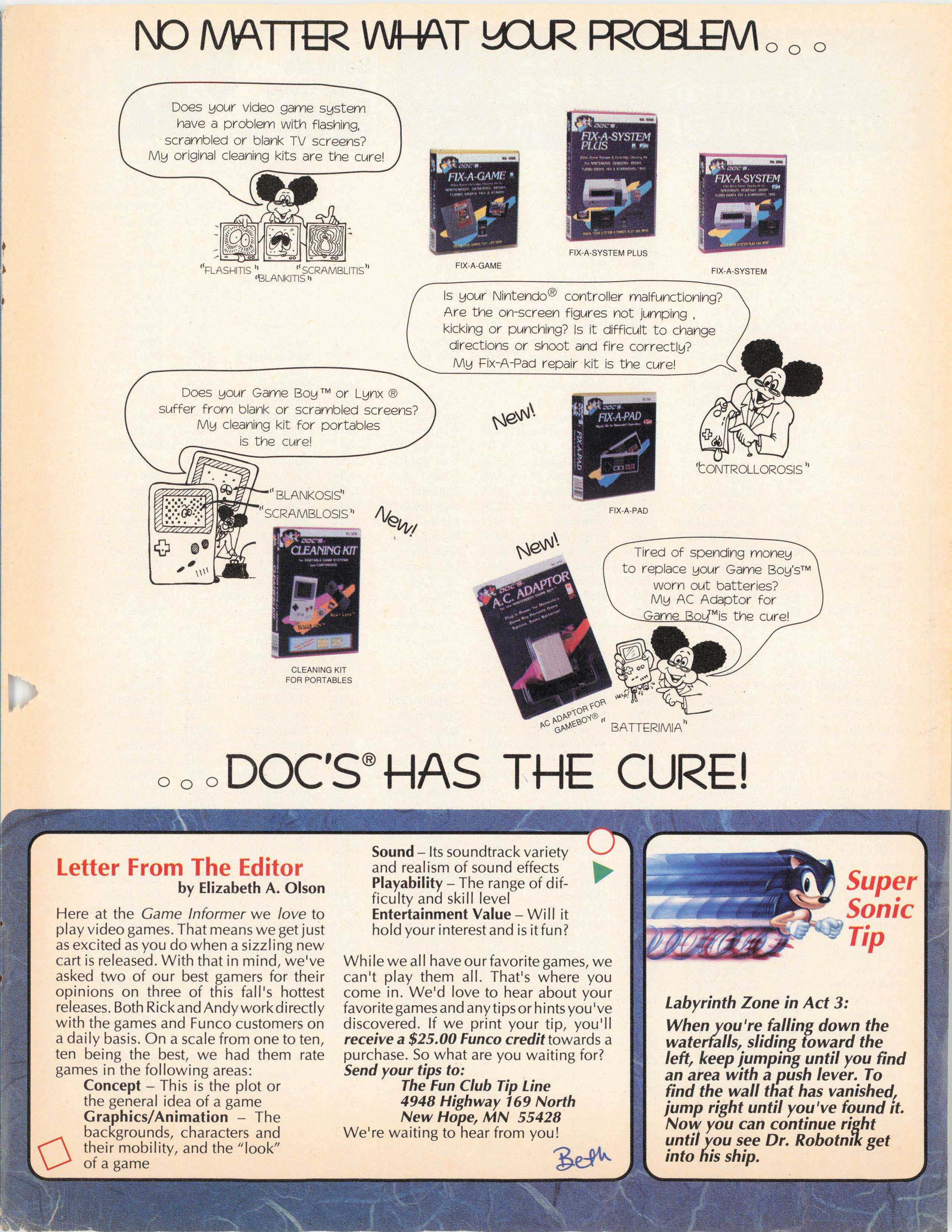
Source: Internet Archive 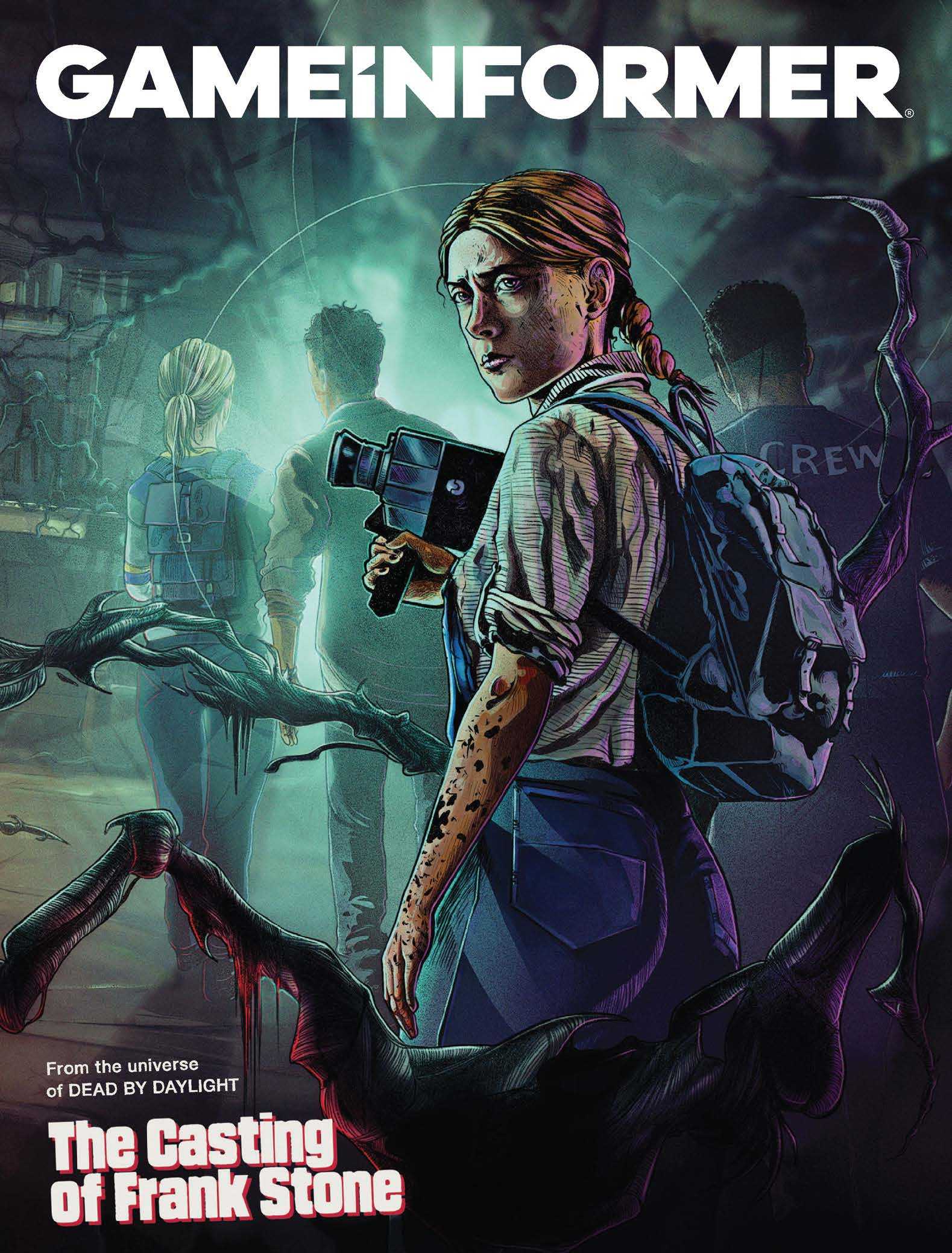
Source: Internet Archive 
Source: Internet Archive 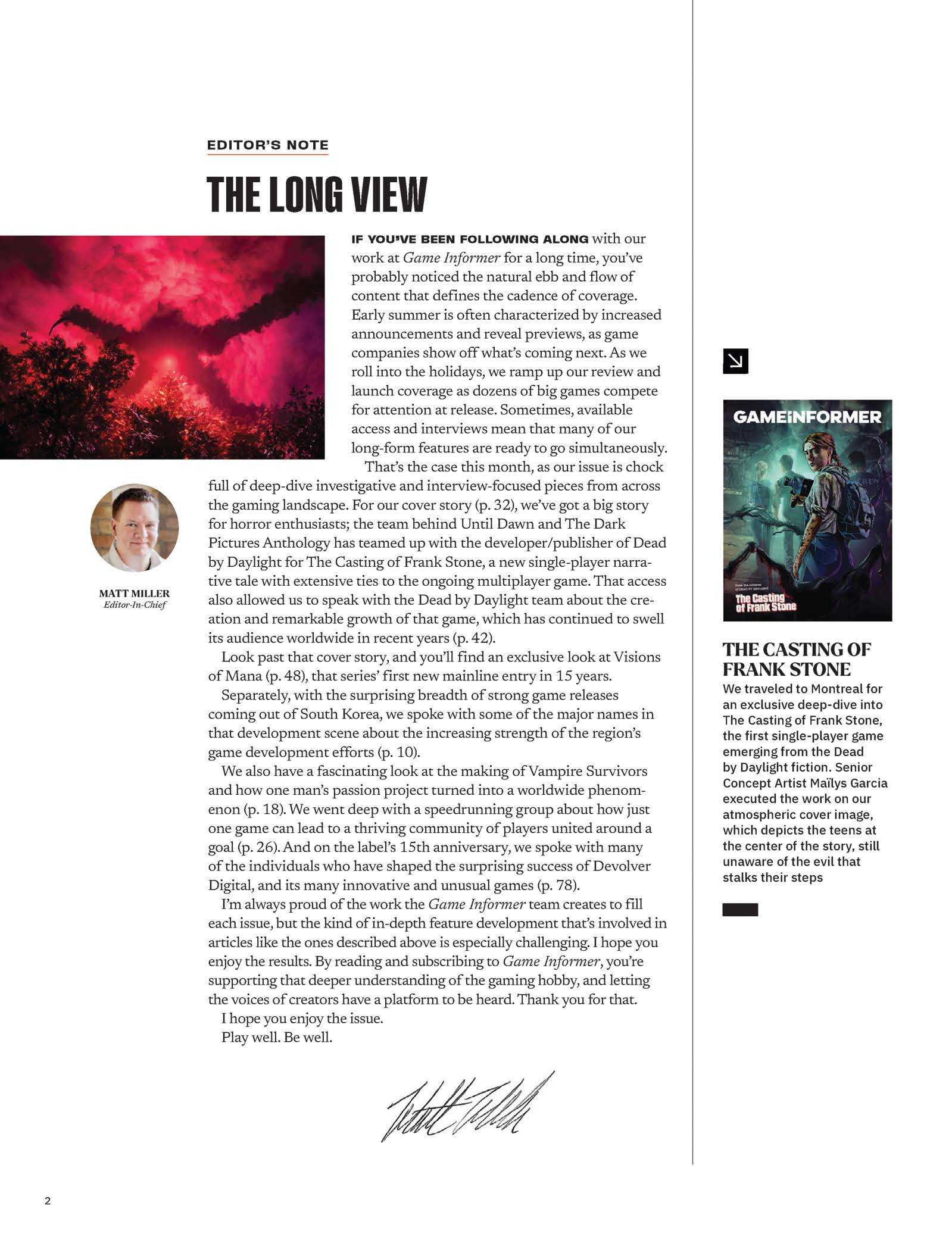
Source: Internet Archive 
Source: Internet Archive







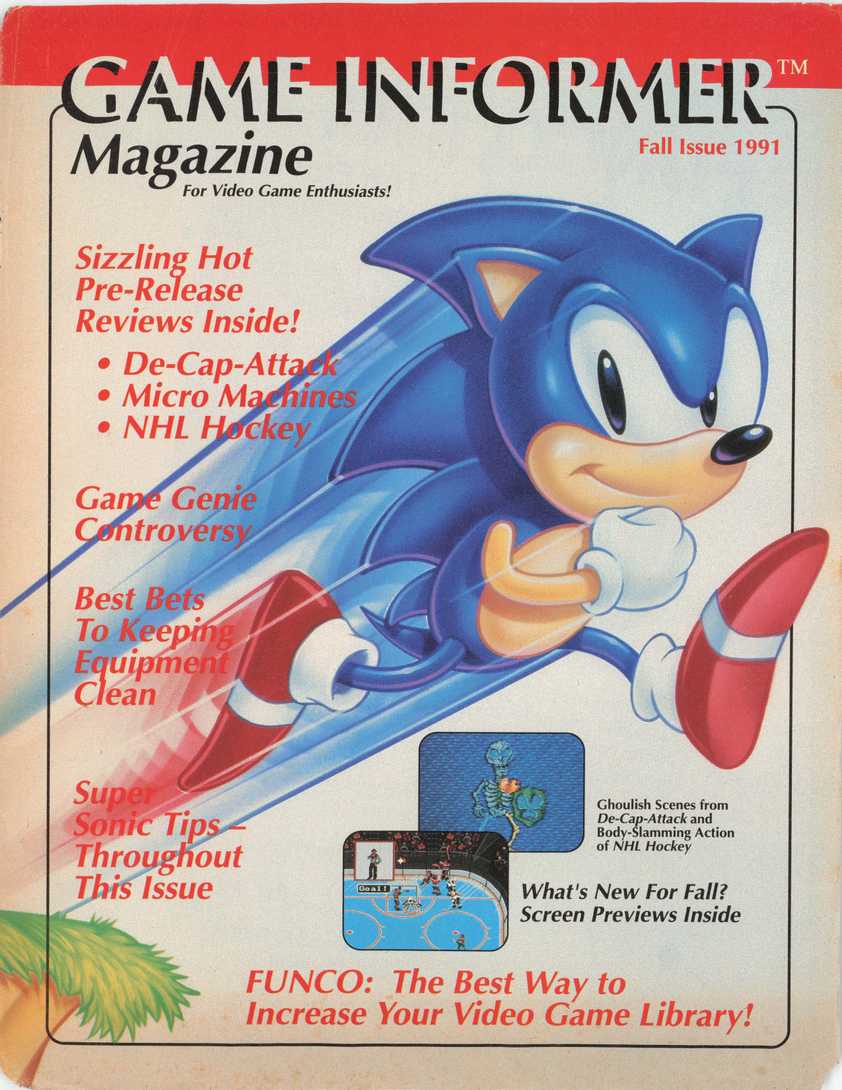
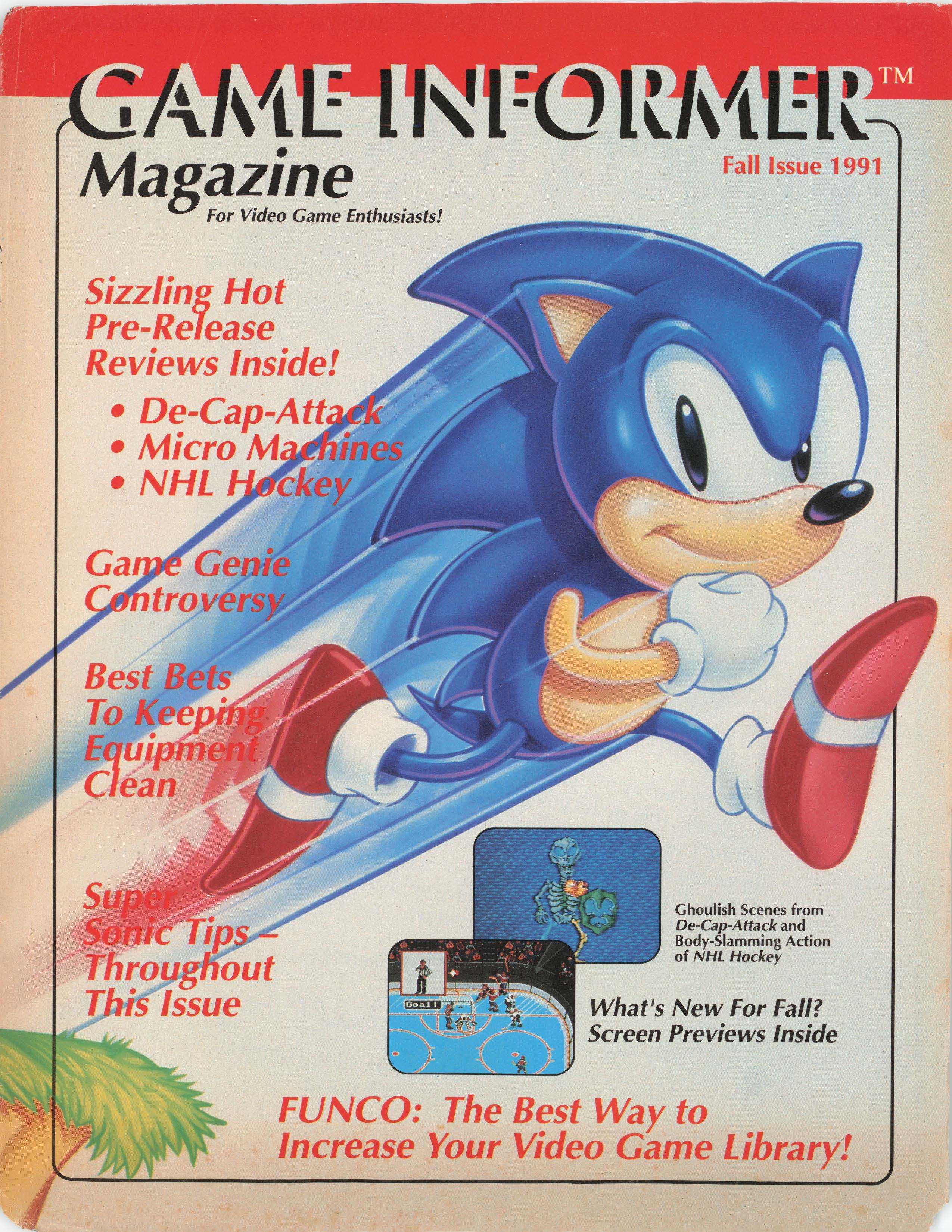
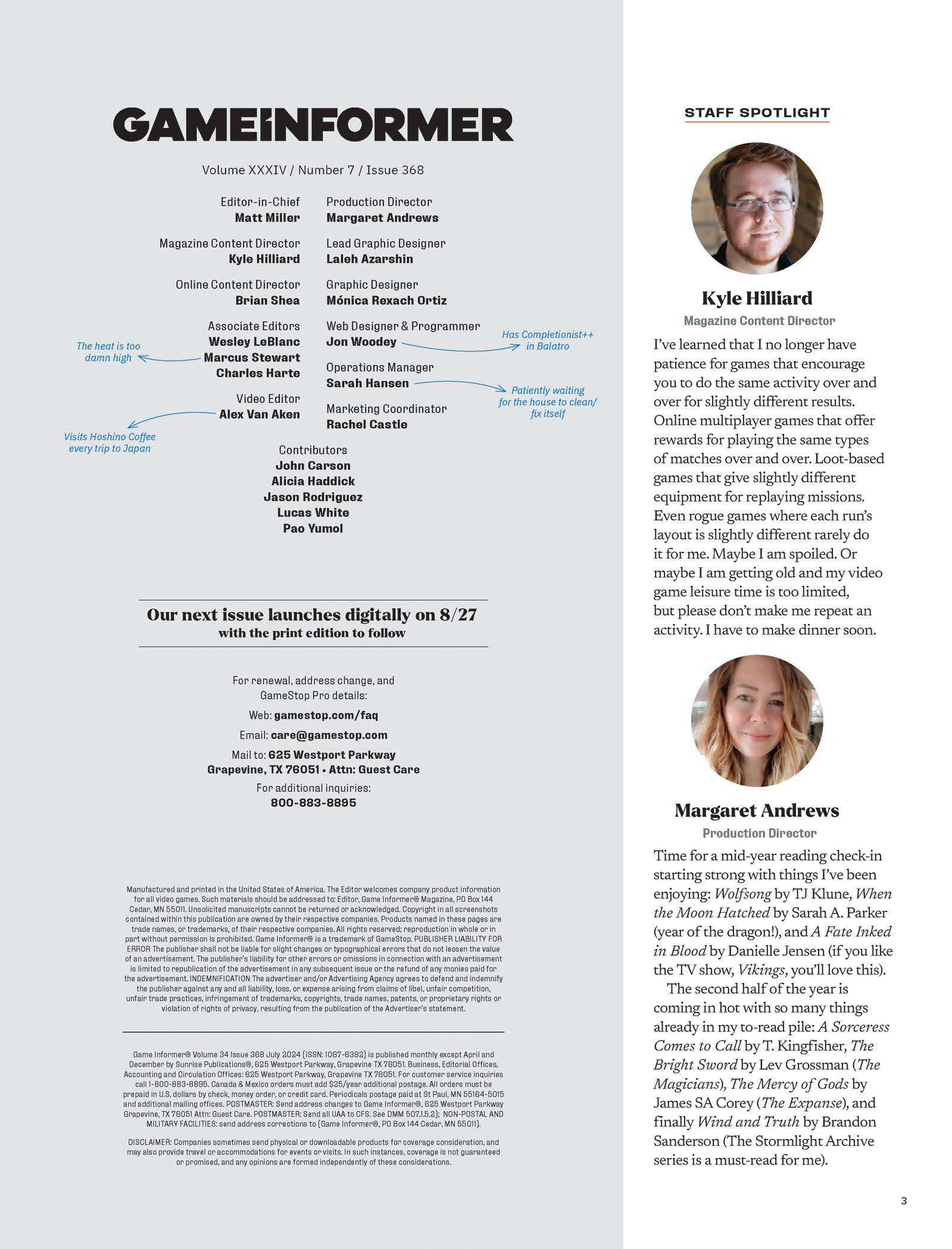
In an industry where print gaming magazines vanished long ago, Game Informer was an outlier. Launched in 1991 as a newsletter for FuncoLand, it grew into a full-fledged magazine, surviving the collapse of nearly every other major gaming publication. At its peak, it had over 8 million subscribers, making it one of the most widely read magazines in the U.S. It covered generations of consoles, from the Super Nintendo to the PlayStation 5, outlasting Nintendo Power, Electronic Gaming Monthly, GamePro, and others.
Unlike many of its competitors, Game Informer adapted as the industry changed. After GameStop acquired FuncoLand in 2000, the magazine became an integral part of its business, bundled with the company’s paid membership program. It wasn’t just a relic of gaming journalism’s past—it remained relevant, producing exclusive interviews, in-depth previews, and thoughtful coverage in an era where most gaming news had been reduced to algorithm-chasing headlines. Even if it wasn’t every gamer’s go-to magazine, its longevity alone made it significant.
Staff were given no notice, informed in a single meeting with a GameStop HR executive that their jobs were gone, effective immediately.
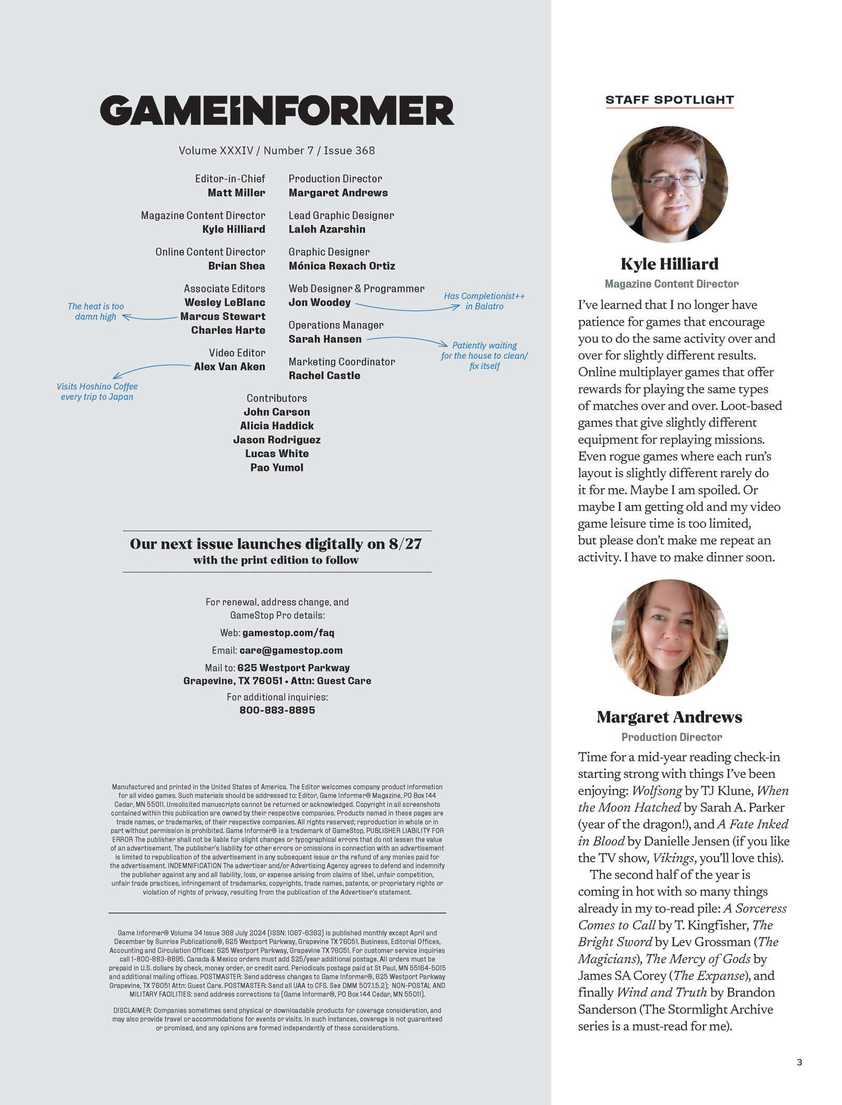
Then, in February 2024, it was gone. No final issue, no farewell retrospective—just an abrupt, soulless shutdown. Every article on its website was deleted. Staff were given no notice, informed in a single meeting with a GameStop HR executive that their jobs were gone, effective immediately. At least one employee was traveling for work when the call happened. It wasn’t just the end of a magazine—it was the erasure of a publication that had documented decades of gaming history.
GameStop’s corporate greed erased decades of gaming history
Source: Twitter 
Source: Game Informer Website 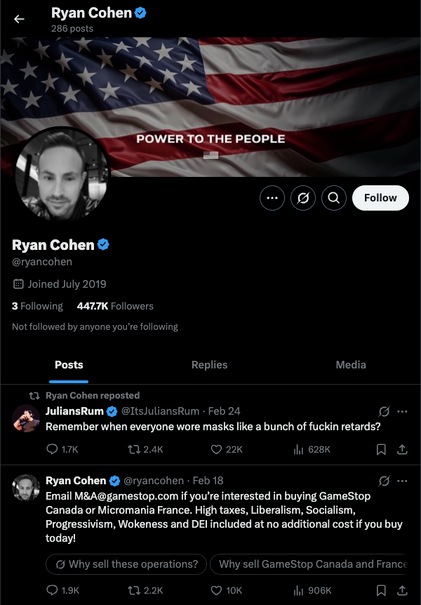
Source: Twitter 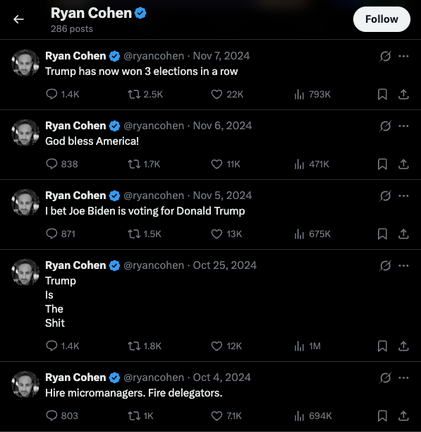
Source: Twitter 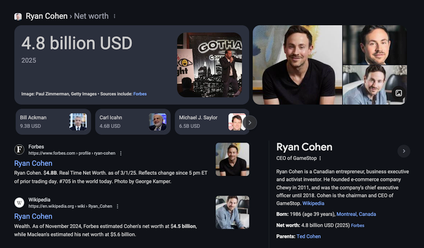


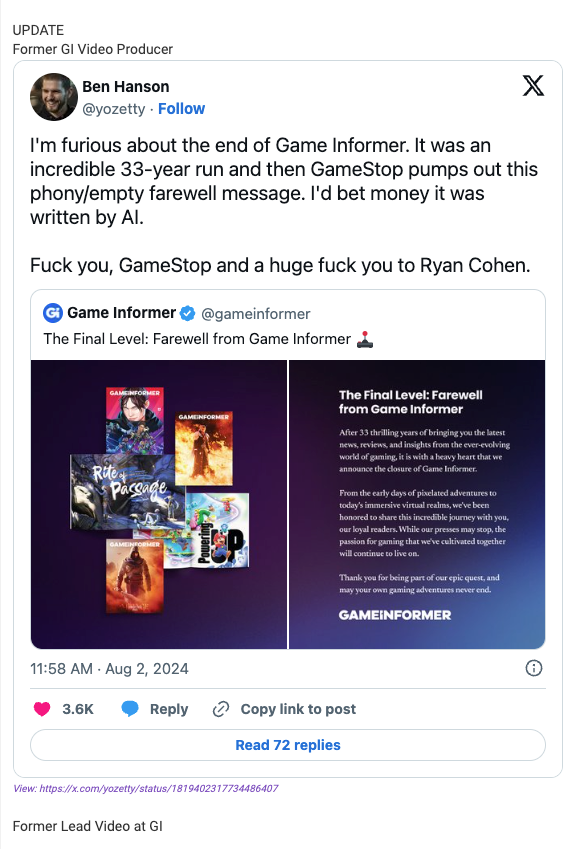
Source: Twitter 
Source: Game Informer Website 
Source: Twitter 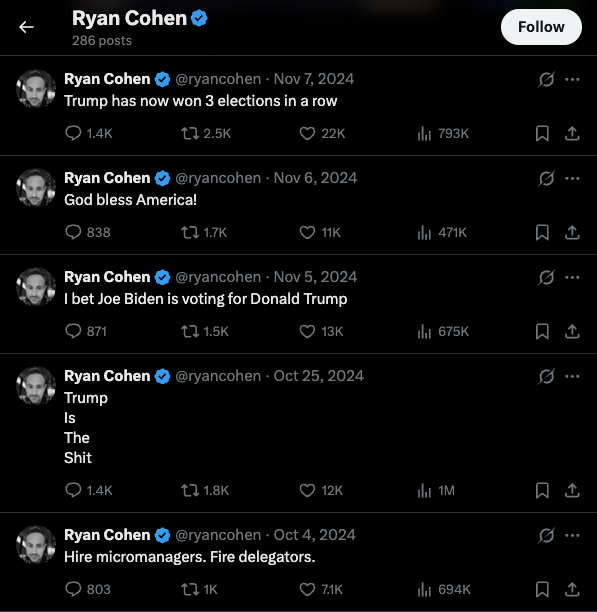
Source: Twitter 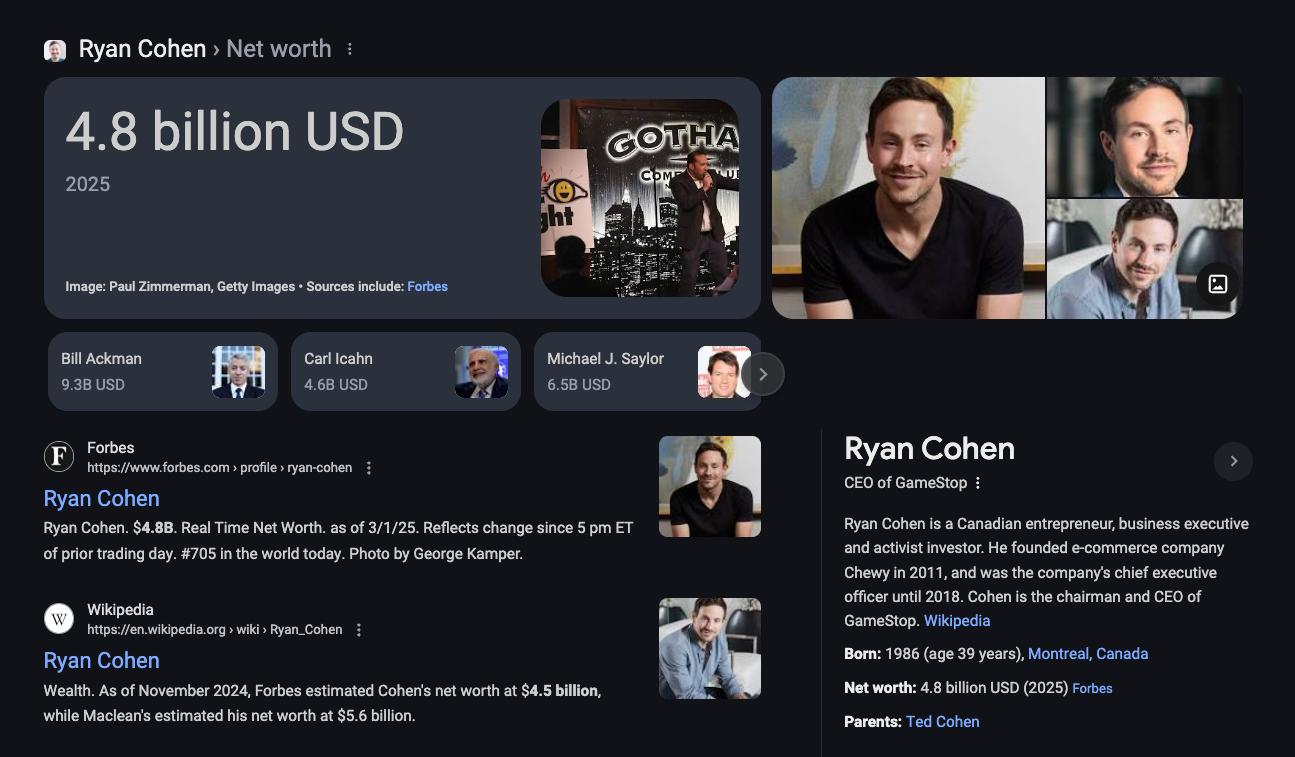





GameStop’s handling of Game Informer’s closure wasn’t just mismanagement—it was corporate greed at its worst. The magazine’s 13 employees were laid off with zero warning, despite GameStop sitting on nearly $5 billion in cash reserves. No transition plan, no severance package beyond the bare minimum, and no acknowledgment of the decades of work put into the publication. It wasn’t a business decision—it was an afterthought, another casualty of a company that values short-term stock performance over everything else.
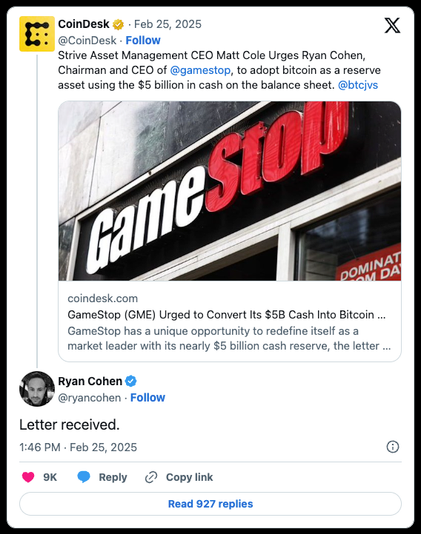
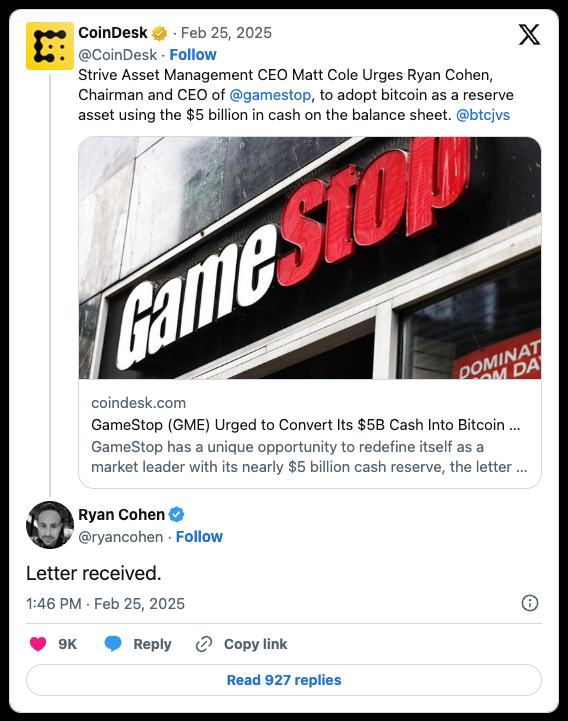
CEO Ryan Cohen, a billionaire worth $4.8 billion, had every opportunity to keep Game Informer running in some capacity. Instead, his leadership has focused on erratic “strategic moves,” including reports that GameStop is considering shifting those cash reserves into Bitcoin. That’s right—there was apparently room in the budget to gamble on crypto, but not to preserve one of gaming’s longest-running publications.
Source: Twitter 
Source: Twitter


Source: Twitter 
Source: Twitter


And that’s the real issue here. The shutdown of Game Informer isn’t just another example of print media dying—it’s part of a larger trend of corporations tossing aside workers and history the moment they’re no longer immediately profitable. There are no ethical billionaires, and we should all be tired of seeing companies lay off entire teams without notice while their executives hoard wealth.
If GameStop’s leadership had even the slightest care for gaming, Game Informer could have easily survived as a hybrid print/digital publication. Retro gaming is more popular than ever, and gaming history is an industry in itself. Even as a digital archive, the magazine could have continued generating passive revenue from decades of content. But that would have required effort, and effort doesn’t drive shareholder profits. It’s easier to shut everything down, cut costs, and move on, even if it means erasing decades of gaming history in the process.
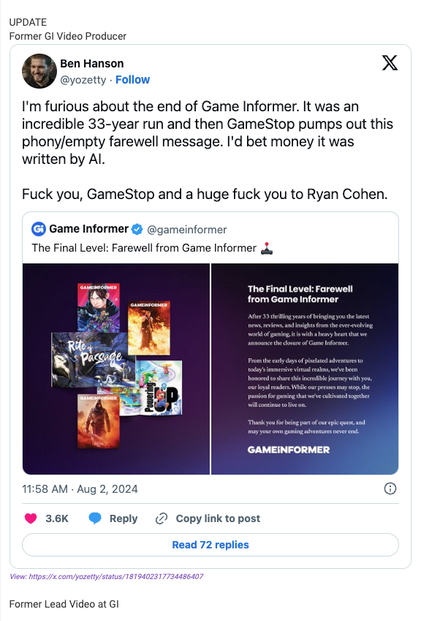
A corporate statement titled “The Final Level”—a gaming cliché so tone-deaf it proved beyond a doubt that the company’s leadership doesn’t care about gaming at all.
Instead, GameStop erased everything, leaving behind only a corporate statement titled “The Final Level”—a gaming cliché so tone-deaf it proved beyond a doubt that the company’s leadership doesn’t care about gaming at all. If they did, they never would have let that be their final message. No real gamer would have written something so shallow. It reads like an AI-generated farewell, slapped together by a marketing team that fundamentally misunderstands the audience it was supposed to serve.
This is what corporate greed does. It strips industries of their history, treats workers as disposable, and reduces everything to profit margins. The gaming industry has been built by passionate people—developers, writers, artists, and fans—but it continues to be controlled by people who couldn’t care less. And as long as billionaires like Ryan Cohen are in charge, this will keep happening. The names will change, the companies will shift, but the cycle will repeat—unless people start valuing the creators and the culture over the corporations trying to exploit them.
The decline of gaming journalism
From passion-driven reporting to corporate content farms

Source: Internet Archive 
Source: Internet Archive 
Source: Internet Archive 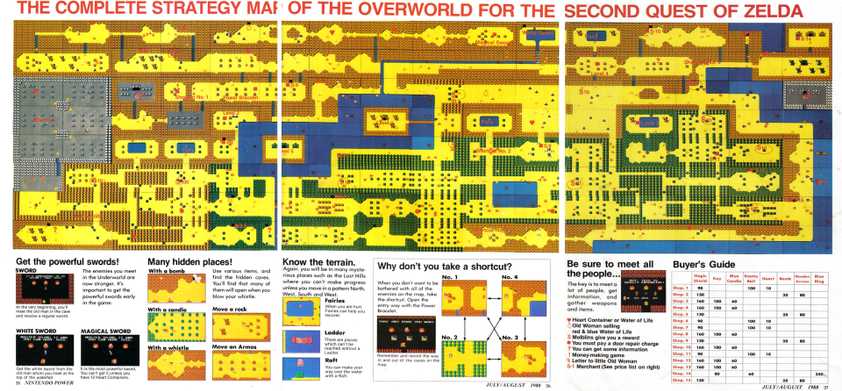
Source: Internet Archive 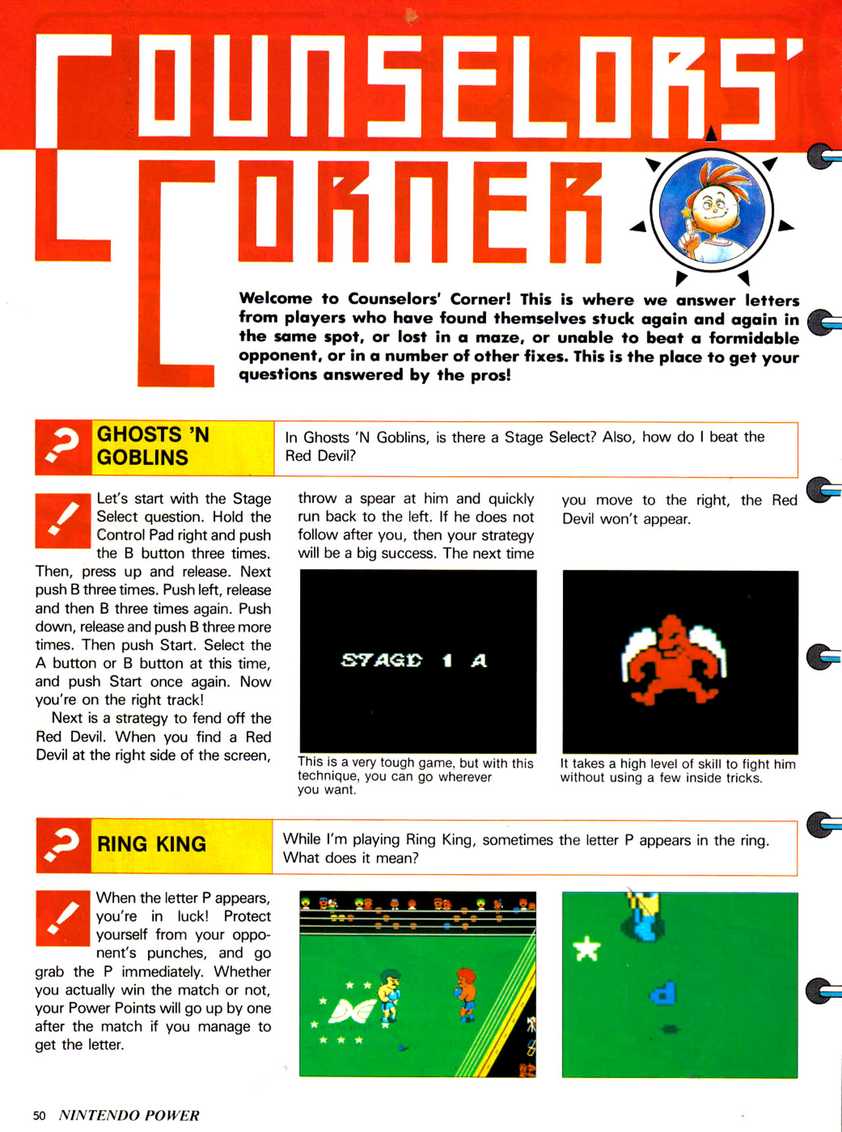
Source: Internet Archive 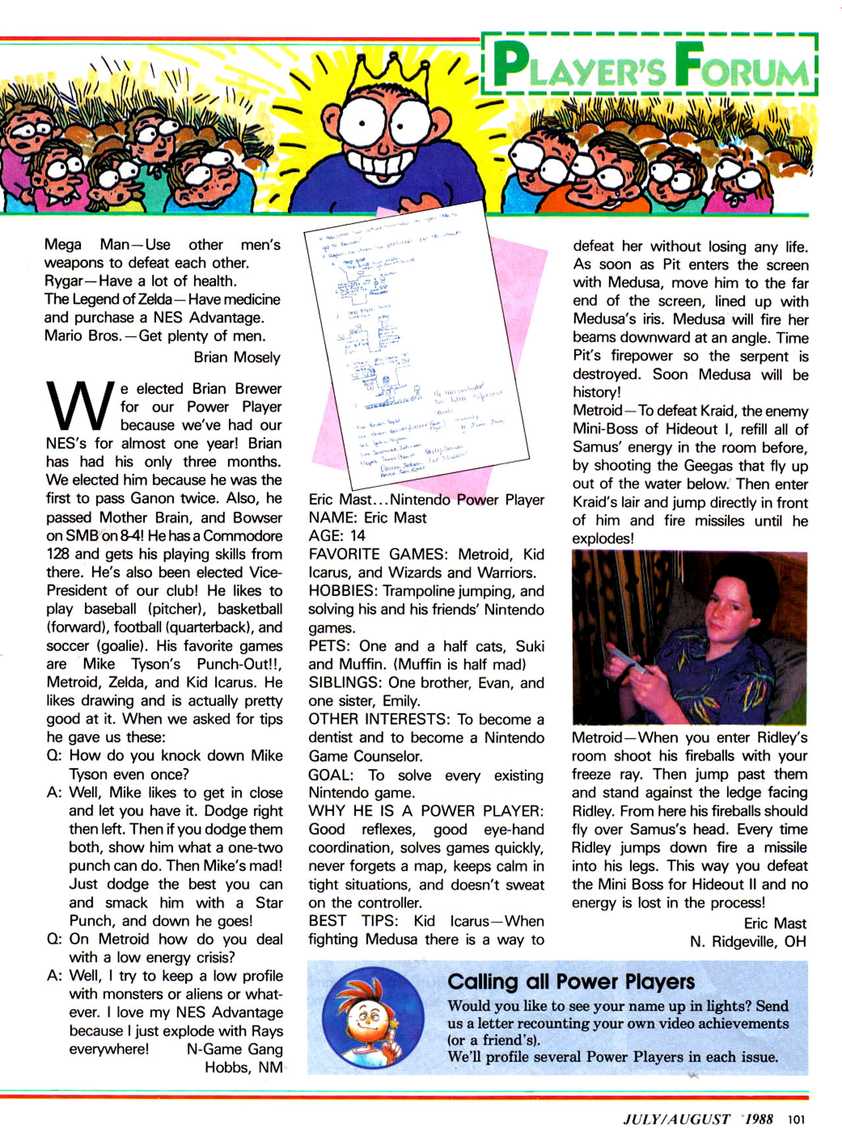
Source: Internet Archive 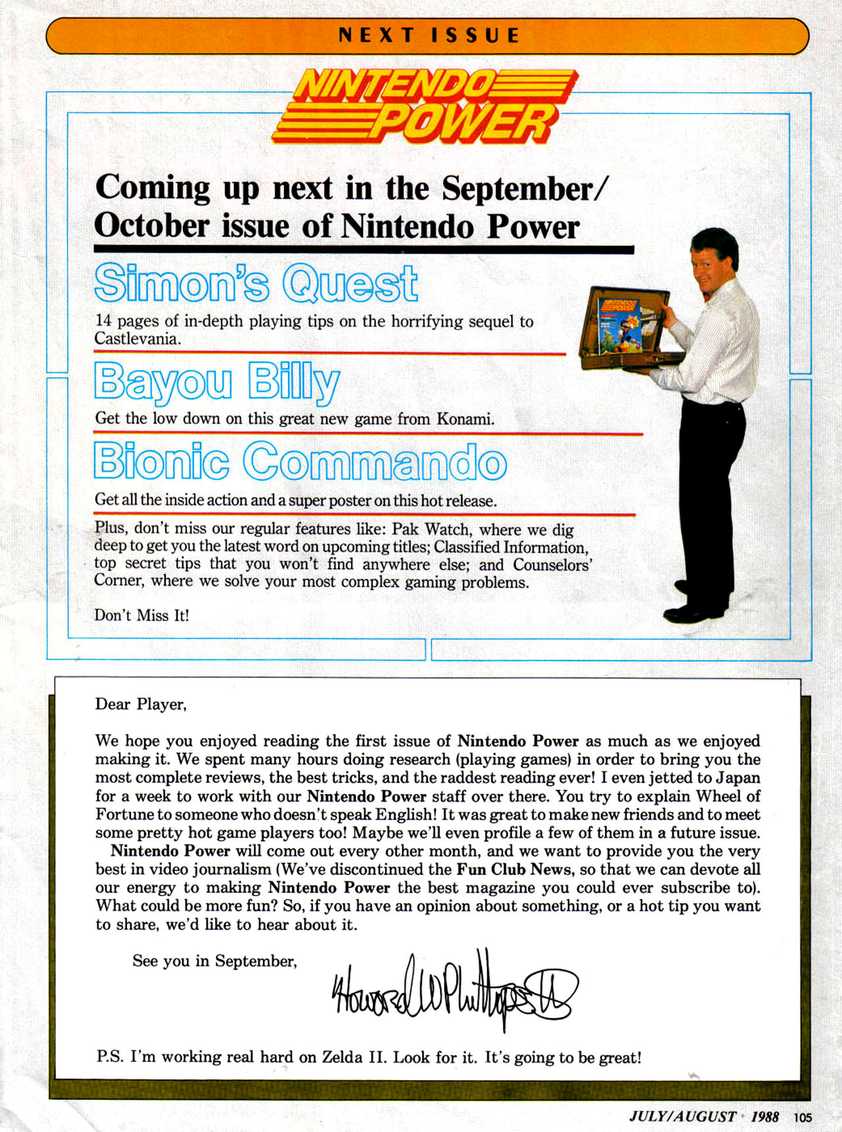
Source: Internet Archive 
Source: Internet Archive


Source: Internet Archive 
Source: Internet Archive 
Source: Internet Archive 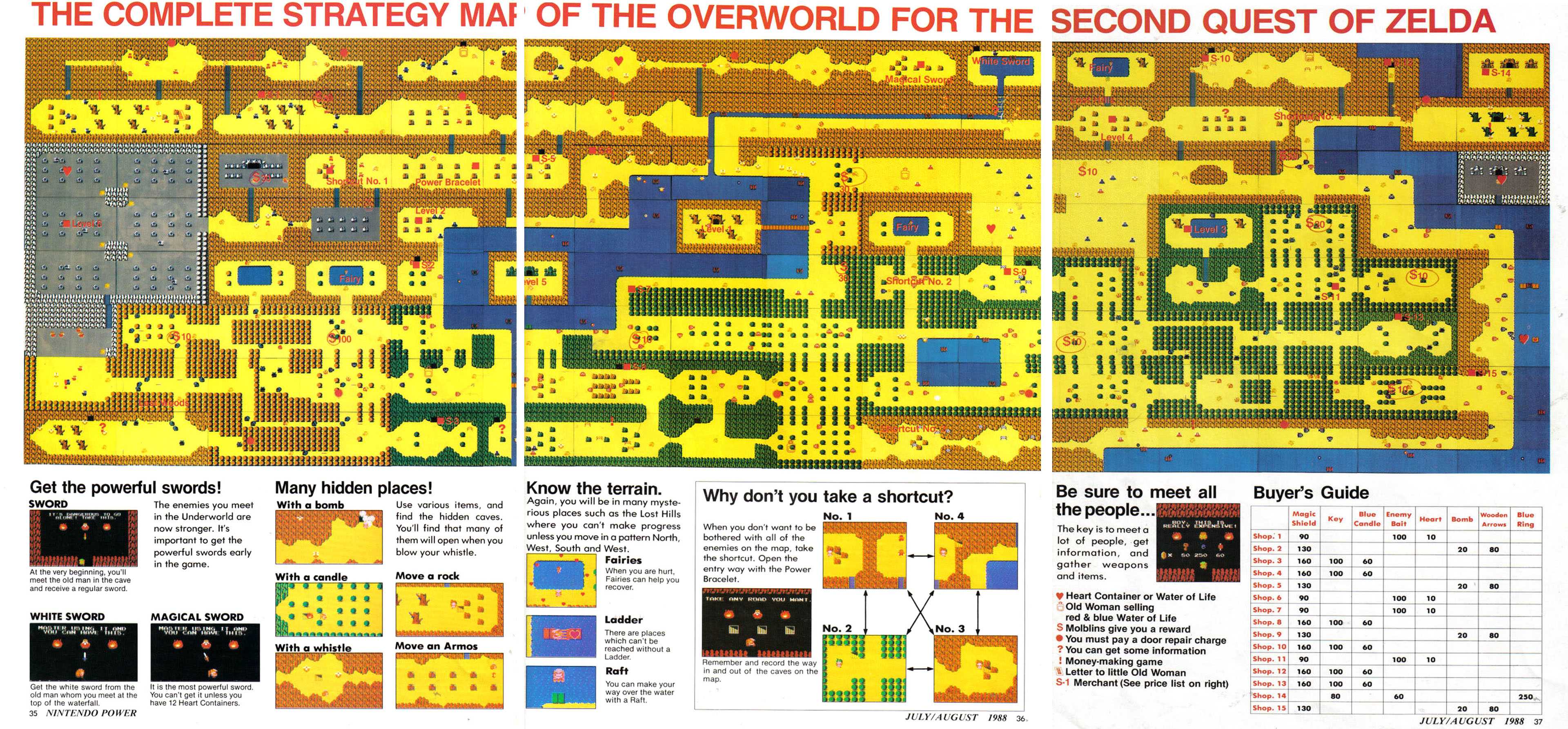
Source: Internet Archive 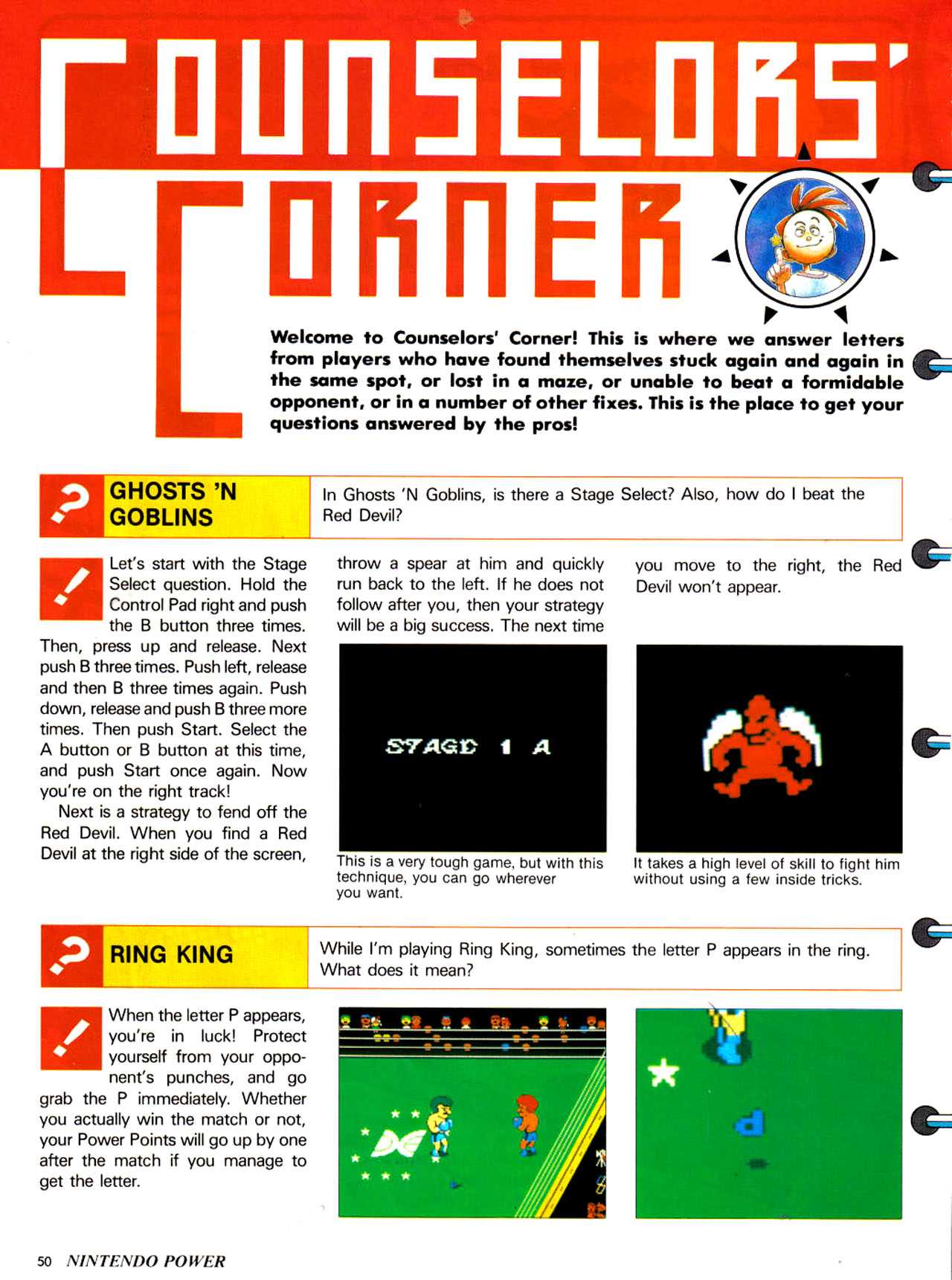
Source: Internet Archive 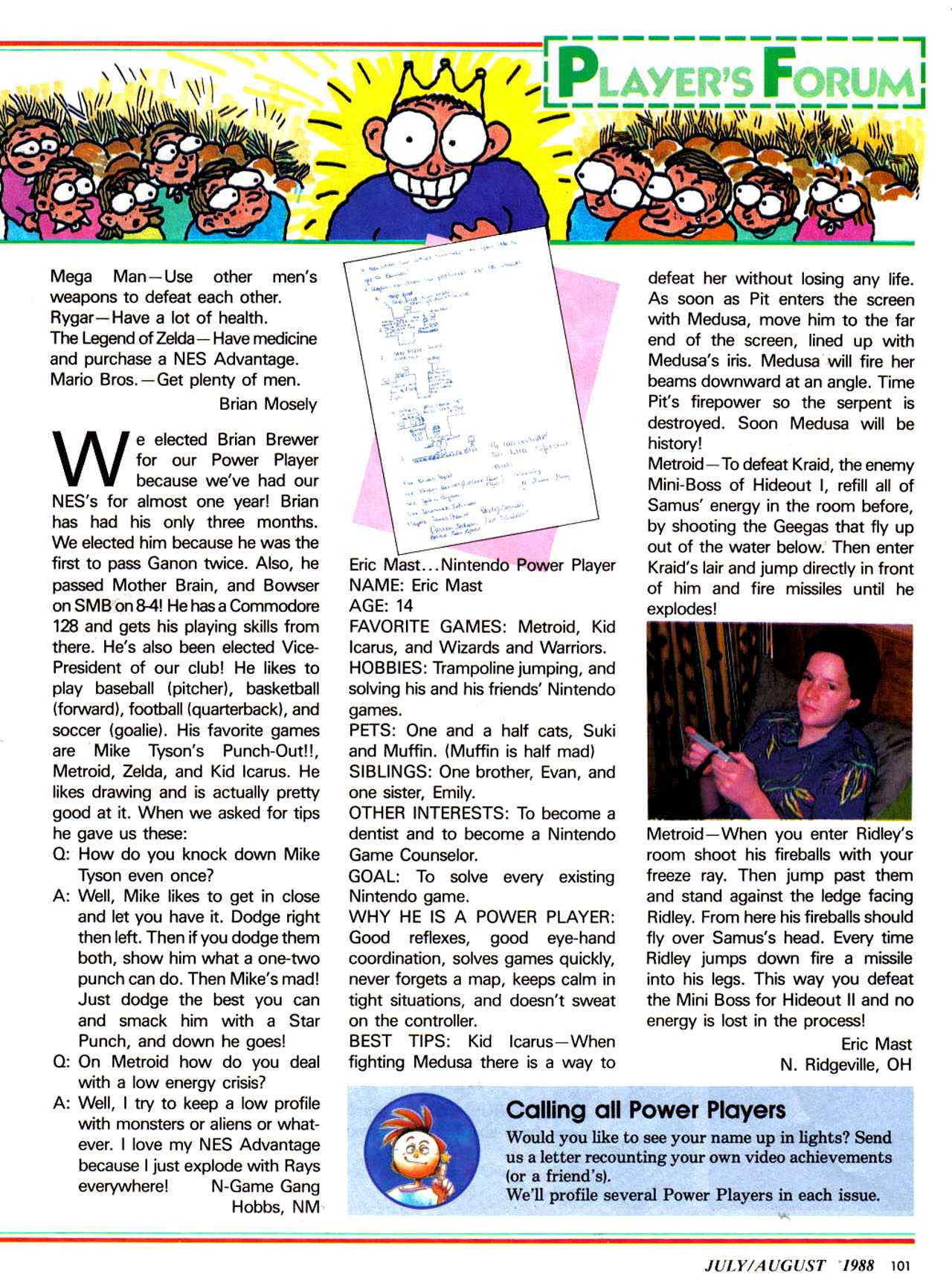
Source: Internet Archive 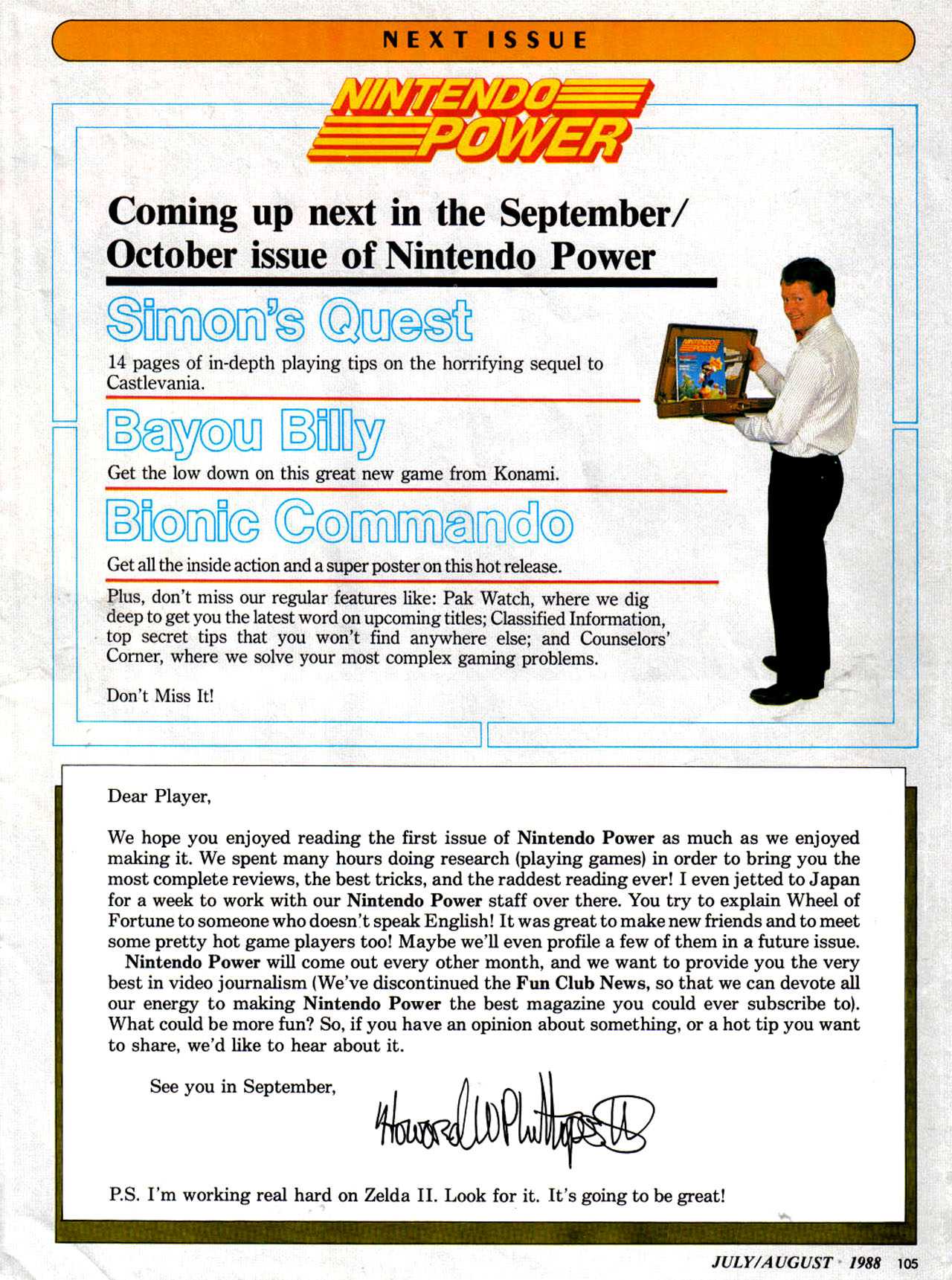
Source: Internet Archive 
Source: Internet Archive





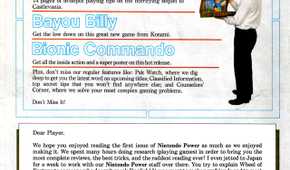

Gaming magazines in the ’90s weren’t just news sources—they felt like they were written by people who actually cared about games. The writers were real gamers, passionate about what they covered, and lucky enough to have a job doing something they loved. You could feel their excitement in every issue, whether they were hyping up a new release, breaking down gameplay mechanics, or just throwing in an inside joke that regular readers would recognize.
That authenticity made magazines feel reliable. Sure, reviews were subjective, and even as a kid, I knew one person’s opinion didn’t define a game. But there was sincerity in their writing—a sense that they were talking to you as a fellow player, not as an extension of a marketing department. Even when a magazine was clearly biased toward a particular console or publisher, it was obvious that it came from a place of enthusiasm rather than corporate obligation.
That kind of writing is rare today. The issue isn’t just advertising influence—it’s the complete corporate takeover of media. The 2000s saw mega-corporations swallowing up smaller companies, restructuring them to maximize profits while gutting wages, benefits, and quality. Gaming journalism is no different. The industry is now controlled by a handful of massive companies that prioritize engagement metrics and SEO traffic over authenticity. Many of the once-respected gaming publications that still exist today are little more than content farms, forced to chase trends rather than shape them.
Instead of deep-dive articles or personality-driven reviews, most gaming sites churn out reworded press releases, algorithm-driven listicles, and “hot takes” engineered for controversy rather than insight. The result is an industry that feels more disconnected from actual gamers than ever before. Rather than informing and enriching gaming culture, modern coverage often feels disposable—content made to be scrolled past rather than actually read.
The rise of independent creators
Source: YouTube 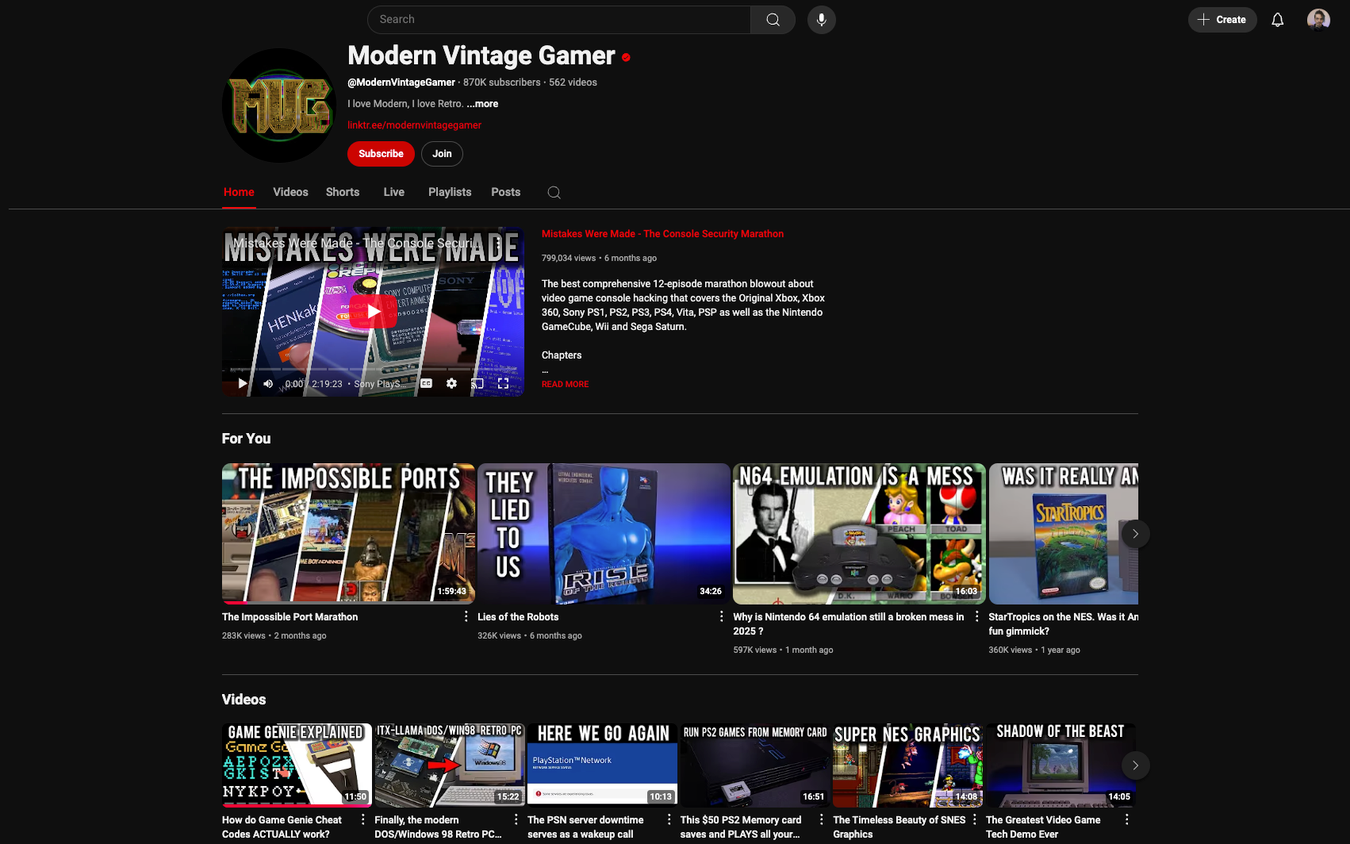

Source: YouTube 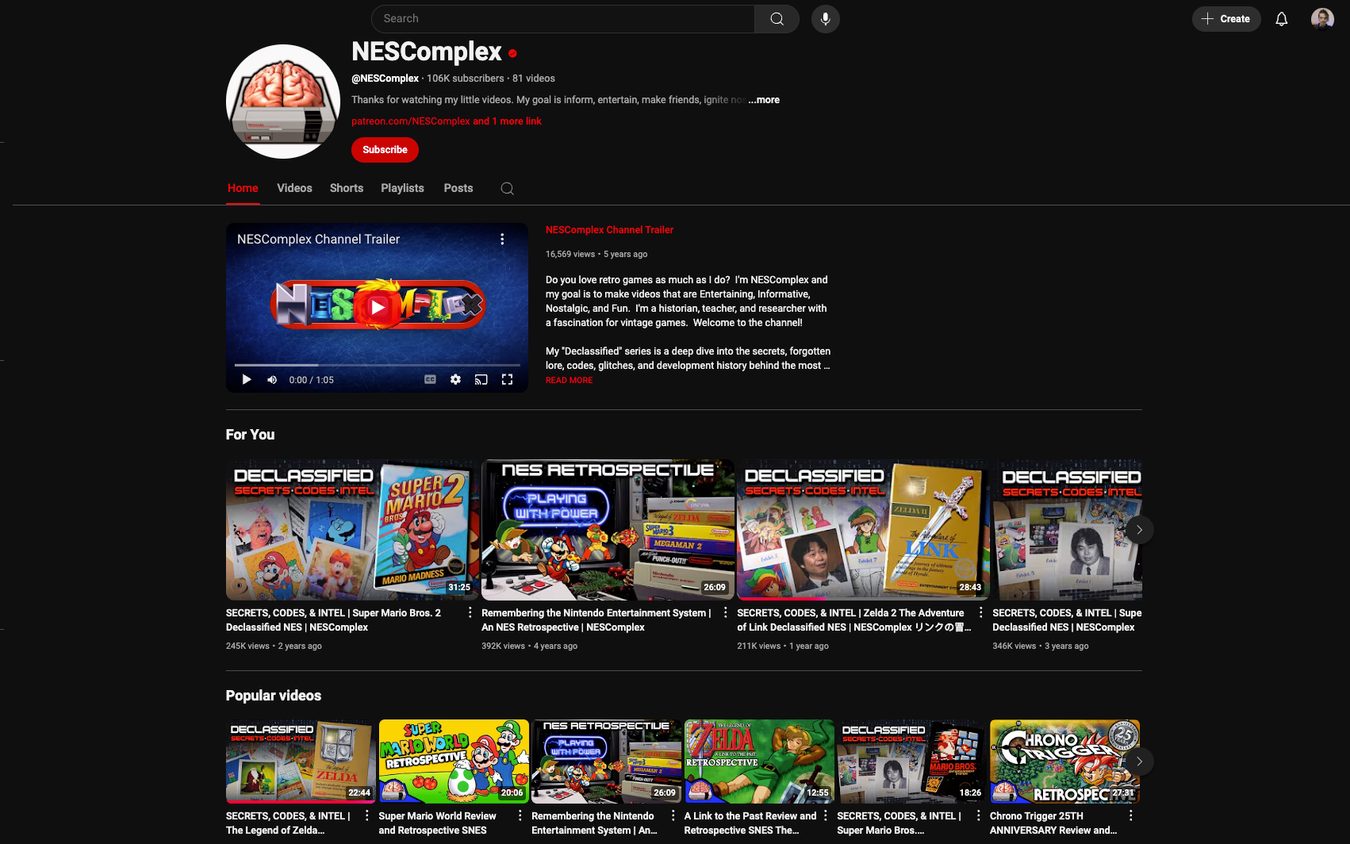
Source: YouTube


Source: YouTube 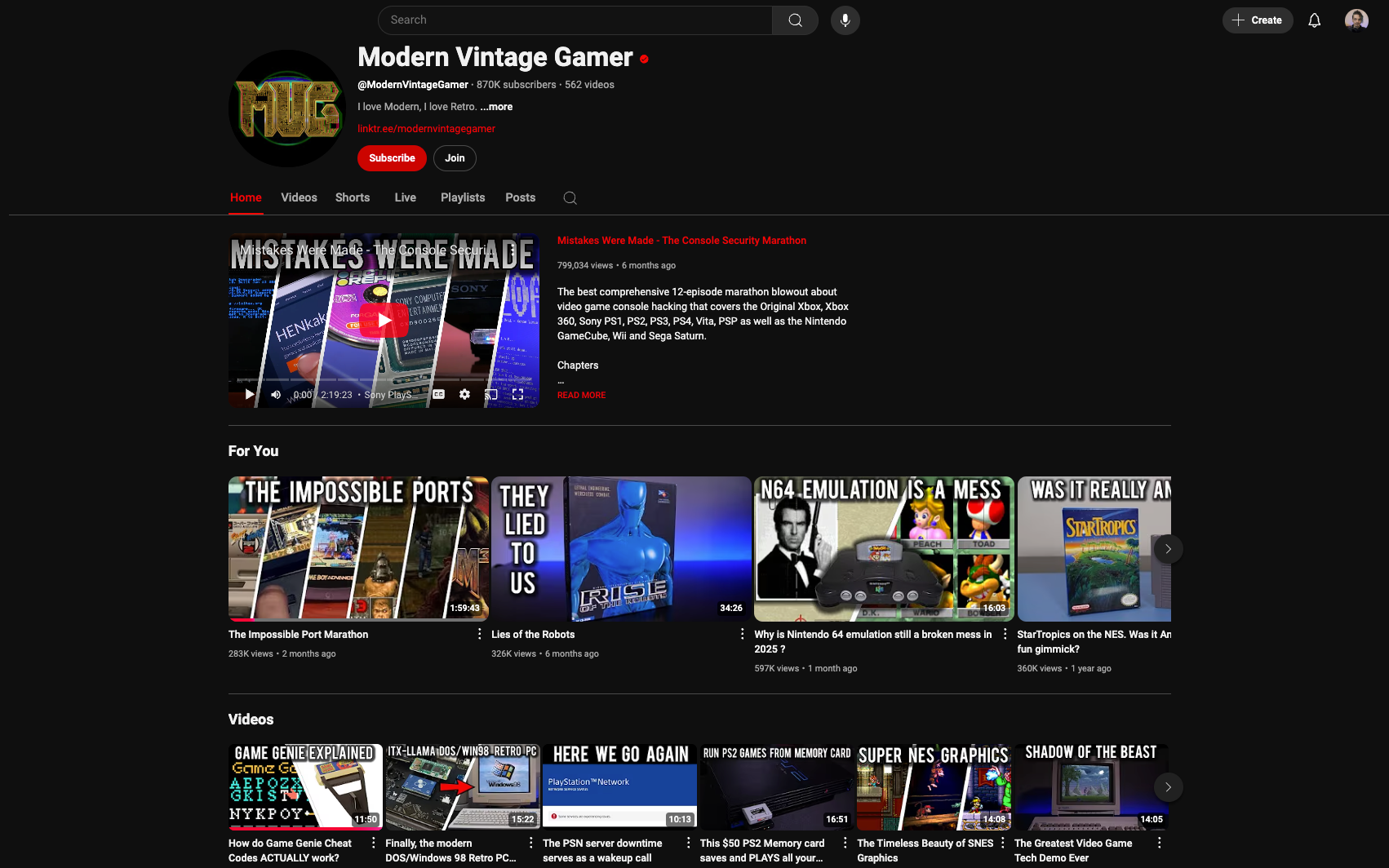

Source: YouTube 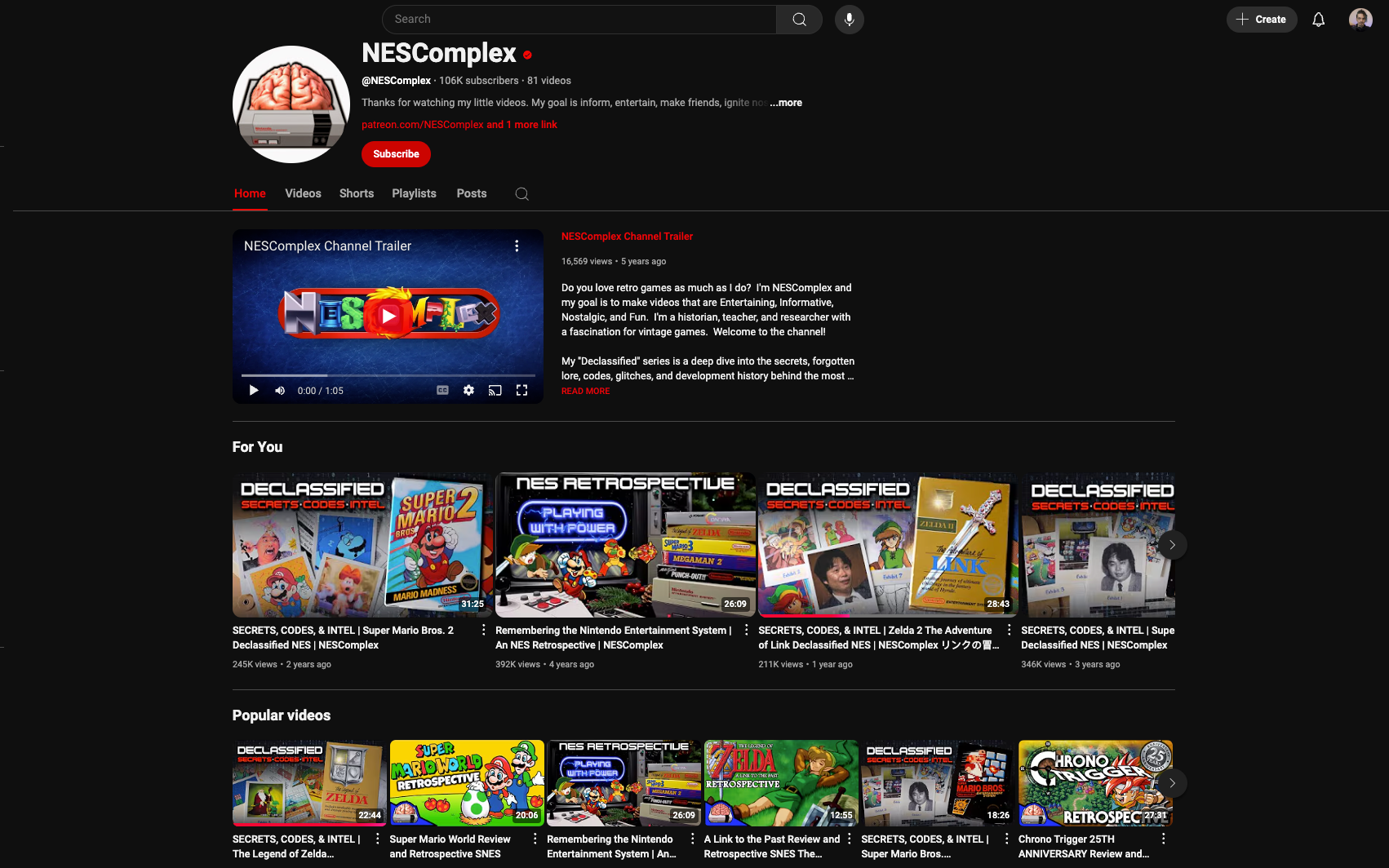
Source: YouTube



Because of that, more and more people—including me—are turning to independent creators for gaming content. If I’m researching something specific—say, a rare retro add-on from the ’90s underground gaming scene—I don’t have a wealth of sources to choose from. I end up digging through obscure articles, forum posts, or videos. But when I’m just casually reading about gaming, I prefer places where the writers actually seem like they care.
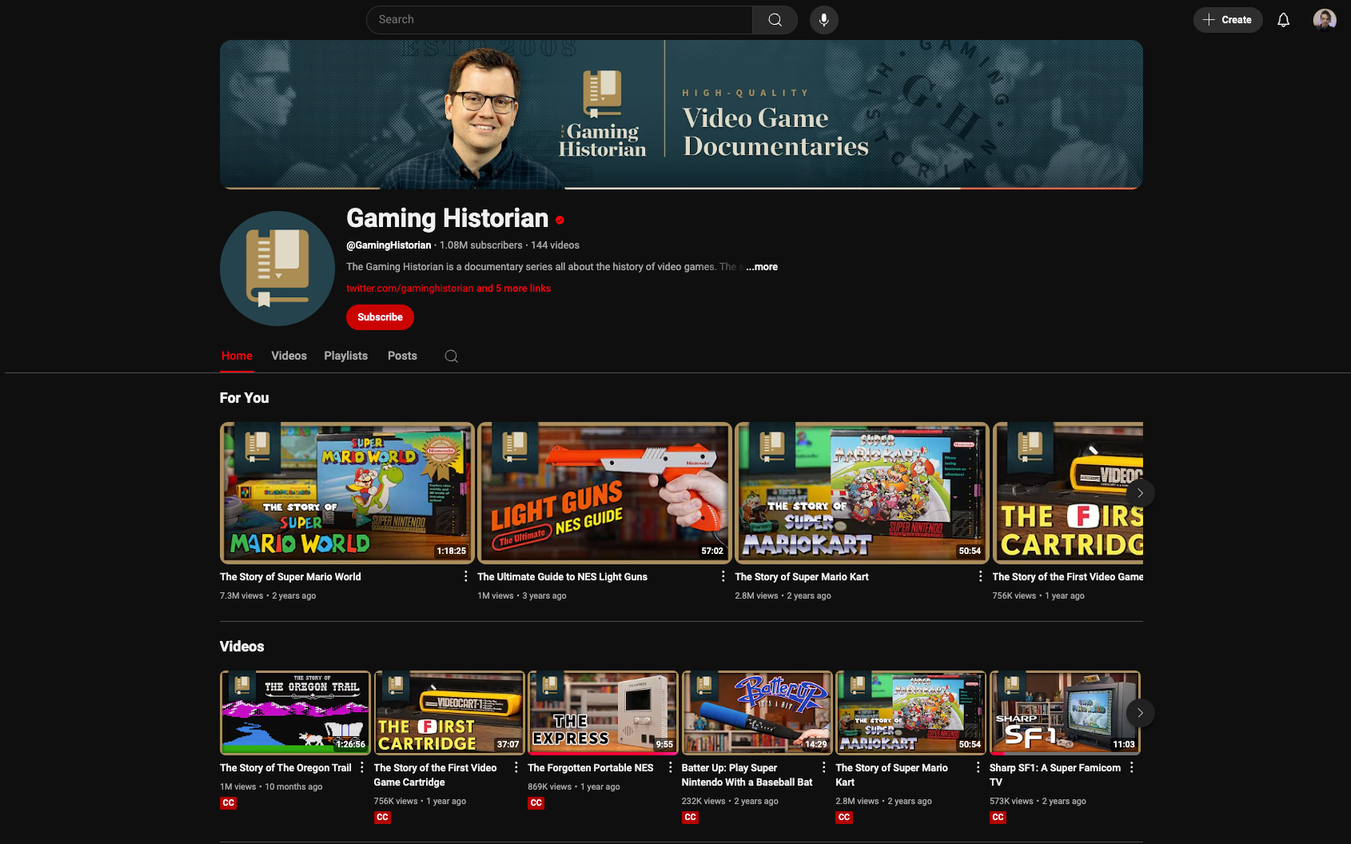
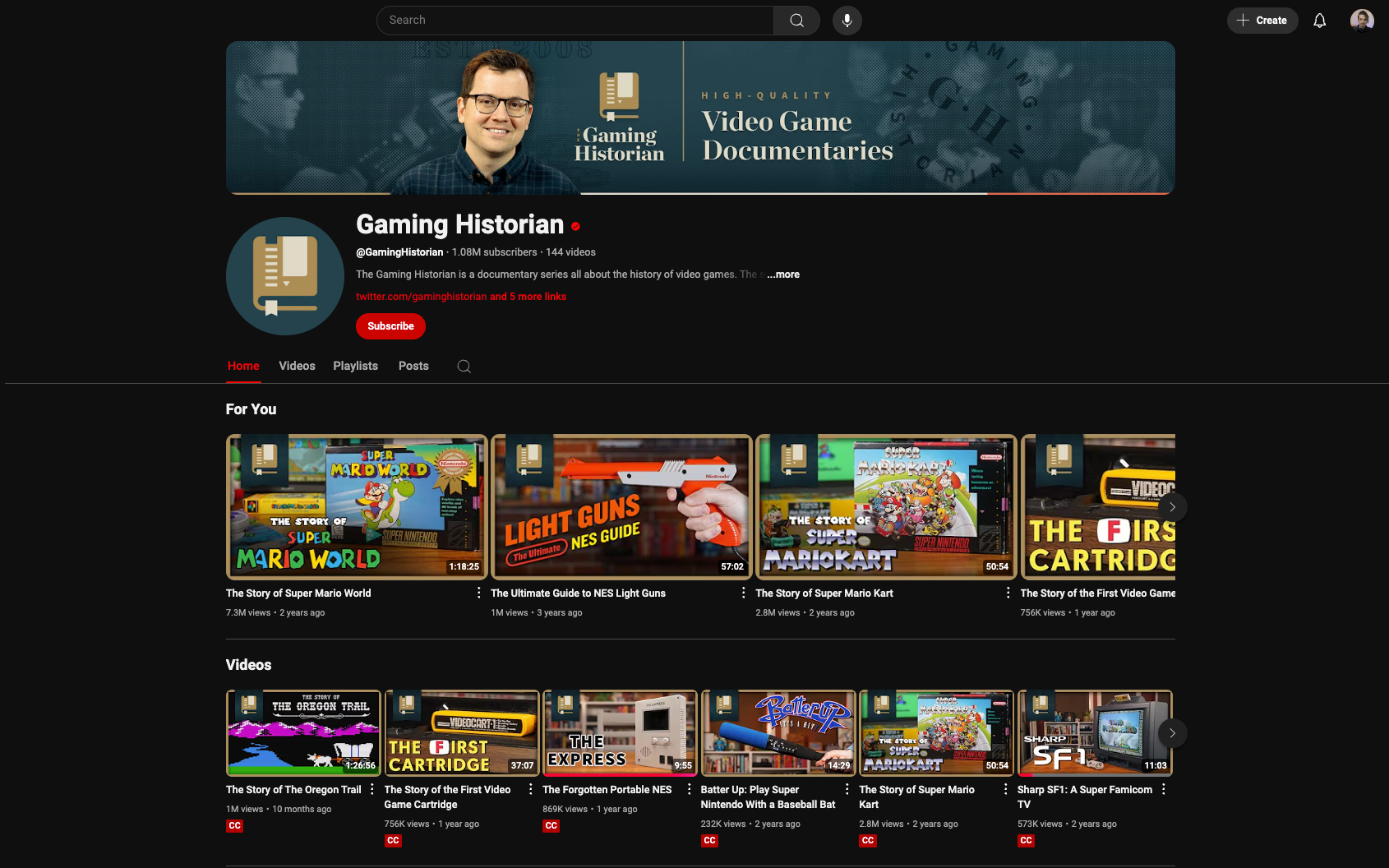
Some of the bigger names, like Gaming Historian and Modern Vintage Gamer, do excellent work, delivering well-researched, polished content with a strong focus on gaming history and hardware. But there are also lesser-known creators who deserve more attention. Lady Decade brings a delightfully weird energy to her videos, often diving into obscure and forgotten corners of gaming history. NESComplex approaches retro Nintendo content with the kind of depth and passion I would—analyzing not just the games, but the context in which they were played and remembered.
These creators are filling the gap left by gaming magazines, bringing genuine enthusiasm and thorough research to an audience that craves something more than rehashed “Top 10” lists. This shift isn’t just about print vs. digital—it’s about quality vs. quantity, genuine vs. manufactured, independent vs. corporate.
Appreciating the past while looking forward

Revisiting these old gaming magazines has been more than just nostalgia—it’s been a deep dive into a part of gaming history that still has so much to offer. I love learning about both the past and the future, expanding my knowledge in ways that make gaming history feel richer and more connected. It’s easy to think of the internet as a permanent data archive, where everything that was ever published still exists in some form, but that’s not the case. The internet changes over time, and without active preservation, pieces of history—whether forgotten gaming magazines or entire websites—can disappear forever. That’s why the effort to archive these magazines is so important.
Gaming journalism has changed, and the days of print magazines are over. But that doesn’t mean quality coverage is gone—it’s just shifted. Independent creators are filling the gap, and while some will stay small, others will grow into the next generation of gaming media. Hopefully, they’ll replace the broken corporate system that has gutted so much of the industry.
The loss of Game Informer and the decline of print media are reminders of how corporate greed strips away culture for the sake of profit. But they’re also proof that people will always find new ways to talk about, document, and celebrate the things they love.
More than anything, I hope people continue to appreciate gaming history. If something interests you, don’t just skim the surface—go deep, dig into the past, and have fun learning. There’s so much history to uncover, whether it’s an obscure magazine article, an old game you never got to play, or a story that’s been nearly lost to time. The past isn’t just something to remember—it’s something to explore.
