


The conversation around VRAM as of late has felt like a moving goalpost. If you tune into tech forums long enough, owning a GPU with just 8GB of VRAM in 2026 starts to feel like you have signed up for a future of constant compromise. The assumption is quite simple, and remarkably compelling. Bigger buffers mean greater longevity, and anything less than the prescribed amount is doomed to redundancy in "a year or so". However, the year this configuration becomes obsolete is yet to arrive.
New releases in this segment continue to deliver strong raster performance and keep the barrier to entry well within reach for a lot of consumers migrating from the console ecosystem, but the shift isn't purely economic either. Instead of brute-forcing higher resolutions with raw throughput, modern engines have grown their reliance on smarter asset streaming and AI-driven upscaling. So, while a large buffer is certainly a nice-to-have, don't disqualify yourself from gaming if you're stuck with a GPU with a smaller VRAM budget.
How "bad" is 8GB of VRAM in 2026?
Not bad at all, if you're open to some performance tuning


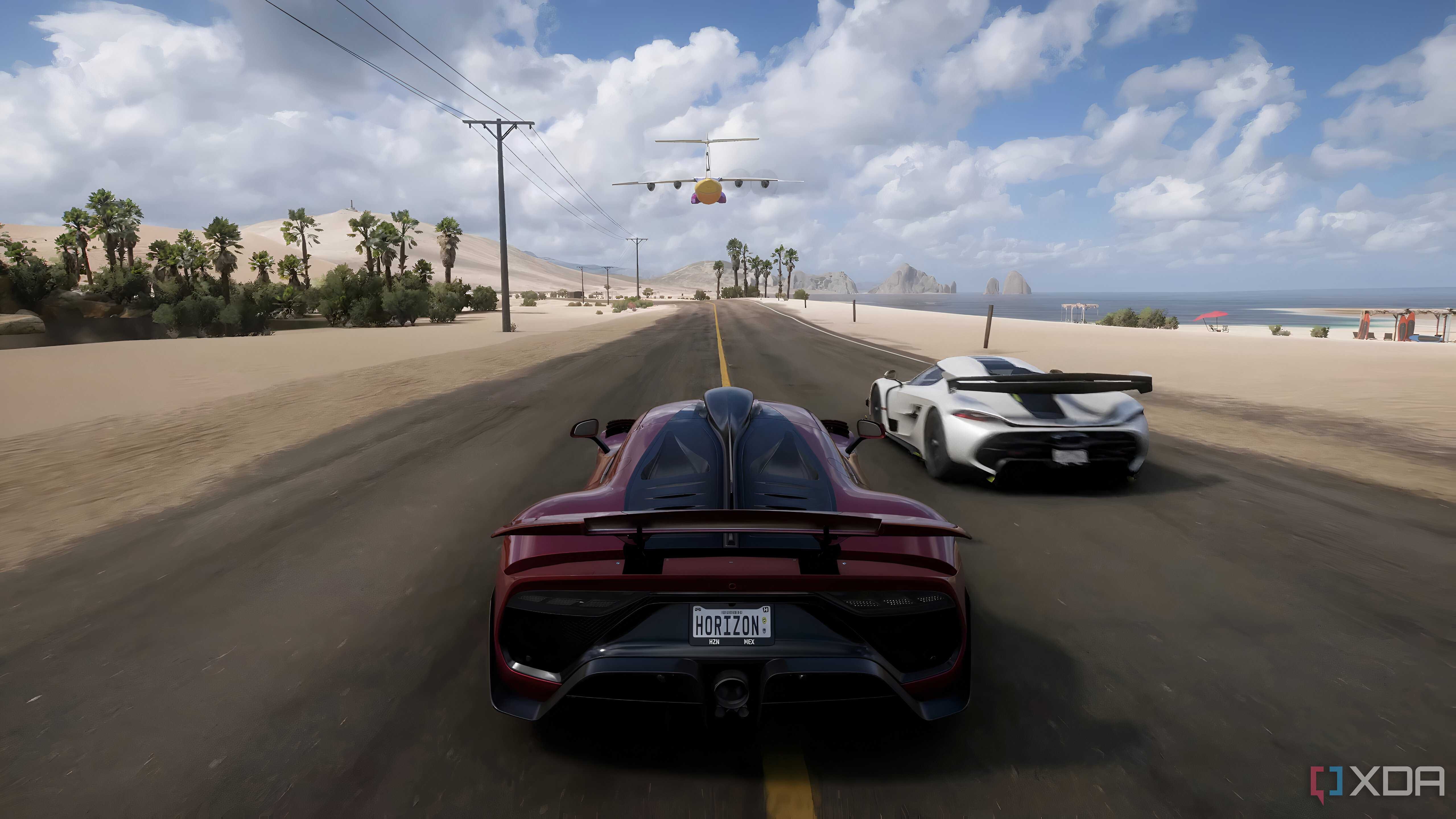

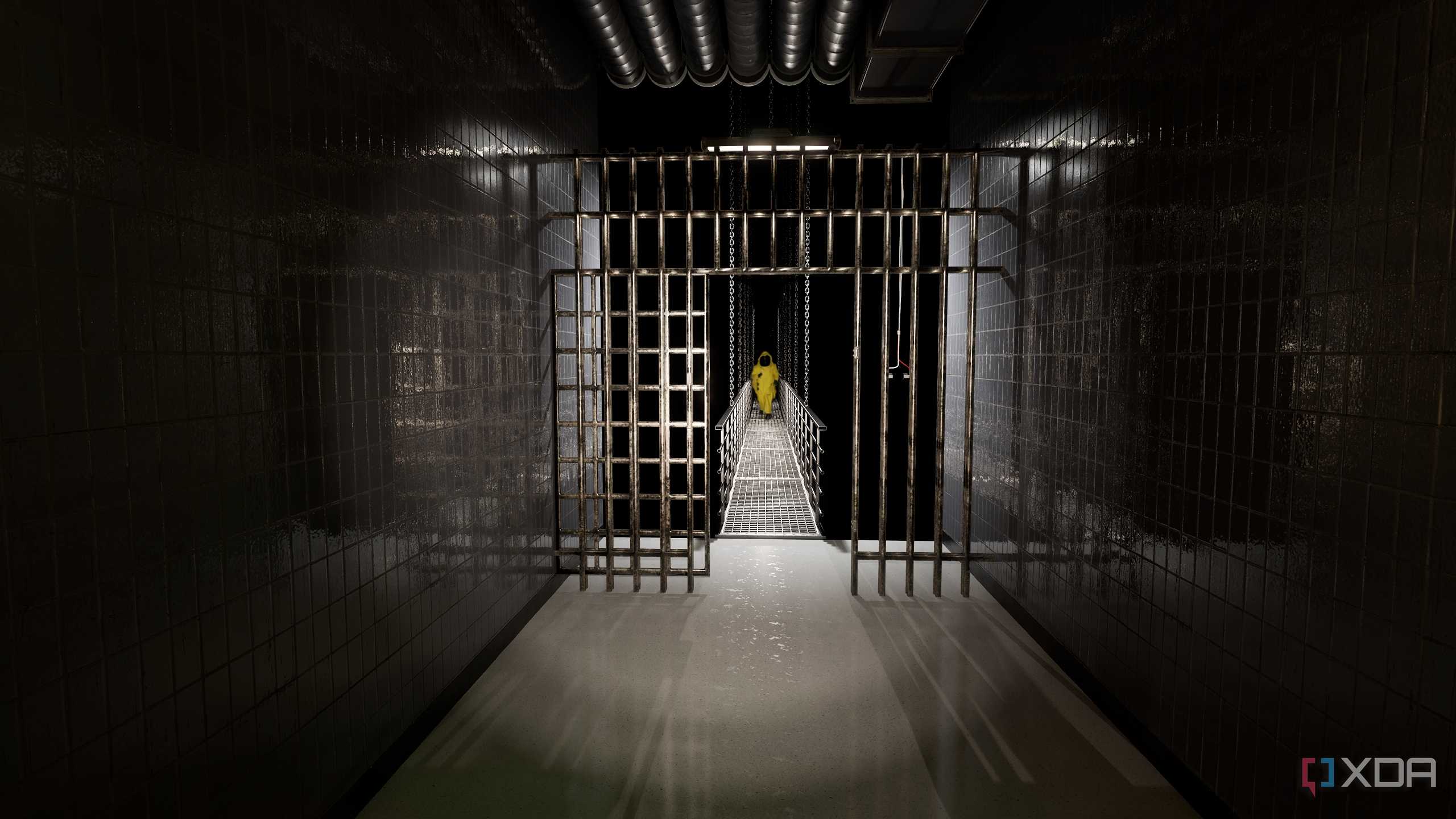





If you're saving a couple hundred dollars by opting for an 8GB card, the GPU is going to make you work for it. Expect tuning across every resolution and preset, because most modern titles won't deliver seamless performance right out of the box in stock settings. That being said, if you're a part of the 52.5% of gamers on the Steam Hardware Survey still running a 1080p display, you will face fewer compromises than those pushing for the same performance at 1440p or 4K resolution.
This process of optimization can be made much simpler if you forgo features like ray-tracing or path tracing. In my recent benchmark, I was able to get the aging RTX 2070 Super to hit 54 FPS on native settings in Cyberpunk 2077 despite running a severely memory-constrained configuration. Since most gamers would likely be holding on to a better build than the test build I used (RTX 2070 S coupled with 8GB of DDR4 system memory), I find it reasonable to say that 54 FPS on native is just a starting point. Once you engage with AI upscaling, there's significant headroom to push frame rates considerably higher.
Summary of benchmarks on an RTX 2070 Super with 8GB of VRAM
|
Title |
Preset (1080p) |
Upscaling |
Frame Generation |
Average FPS |
|---|---|---|---|---|
|
Cyberpunk 2077 |
High |
Native/Off |
Off |
54 |
|
Forza Horizon 5 |
Extreme |
Native/Off |
Off |
65 |
|
Pragmata |
Max |
Native/Off |
Off |
64 |
It gets better with AI upscaling
Like it or not, it's going to help you

You can embrace it or resent it, but you can't deny that AI upscaling has become the ultimate equalizer for budget hardware in 2026. Upscalers such as FSR 4, XeSS and DLSS 4.5 have continued to change what's viable on limited VRAM, and the fact that you can brute-force them in titles and hardware that don't natively support them means they benefit all silicon across the board. My own testing recently demonstrated that these enhancements can notably improve image quality and temporal stability in games they weren't originally designed for.
Most upscaling has the potential to significantly reduce GPU overhead by rendering graphics at a lower internal resolution, but you'd have to be mindful of the specific upscaler you are deploying when you're on a tight VRAM budget. DLSS 4.5, for example, introduces a slight VRAM overhead on 20-series GPUs, which I measured at 12.2% in Forza Horizon 5 and about 7.4% in Cyberpunk 2077 at a target resolution of 1080p, but it rewards you with added stability, reduced artefacting and textures that are quite indistinguishable from native rendering. On the AMD side, WCCFTech noted that the RX 9060 XT 8GB struggles with ray-tracing due to the buffer size, but remains highly usable at 1080p for AAA titles with FSR 4 injection mods.
Should you buy a GPU with 8GB of VRAM?
Avoid this, but only if you are buying new

It may sound contradictory, but recommending an 8GB GPU for a brand-new build is a tough sell. Considering their prices and market volatility, GPUs should be looked at as a medium-to-long-term investment. As developers increasingly optimize for larger VRAM buffers, the 8GB experience necessitates aggressive tuning and inevitable compromises in graphical fidelity, which anyone buying new hardware should not have to go through.
The math changes on the secondary markets, though. If you are snagging a deal on a used card or looking to get another year or two out of an existing GPU, that extra effort spent tuning seems like a fair trade. It buys you valuable time to save for a more substantial upgrade without missing out on any gaming. New builders, however, should stick to demanding more for their money, or simply waiting until the prices become reasonable enough for the big leap.
If you're a part of the 52.5% of gamers on the Steam Hardware Survey still running a 1080p display, you will face fewer compromises than those pushing for the same performance at 1440p or 4K resolution.
Spend wisely, and optimize whenever you can
8GB of VRAM is neither the performance-butchering bottleneck that forums make it out to be, nor the future-proof foundation that manufacturers want you to think it is. You might not be able to game on maxed-out presets with ray-tracing, but you will be able to achieve decent performance nonetheless. For existing owners of GPUs with a small VRAM budget, optimization, tuning and deploying upscaling as necessary can make for a huge difference in performance, but for those looking to upgrade or build a new rig, it can be prudent to hold out for a more significant upgrade.
