


There comes a time in every PC enthusiast's life when they finally have to face the inevitable they've always been putting off: an upgrade. For the most part, my upgrade philosophy has been to wait until absolutely necessary or until something breaks.
However, there have also been times when a new game on the market has prompted an upgrade. We've all lived through one or more instances of this: a game is so advanced, teeming with next-gen technology, and so graphically intensive that there was no way to truly play and enjoy it without first purchasing the hardware it demanded. This was about ambition outrunning silicon, leaving our current hardware wheezing behind as the developers aimed for the future.
Half-Life 2 had everyone obsessed
Physics had entered the chat


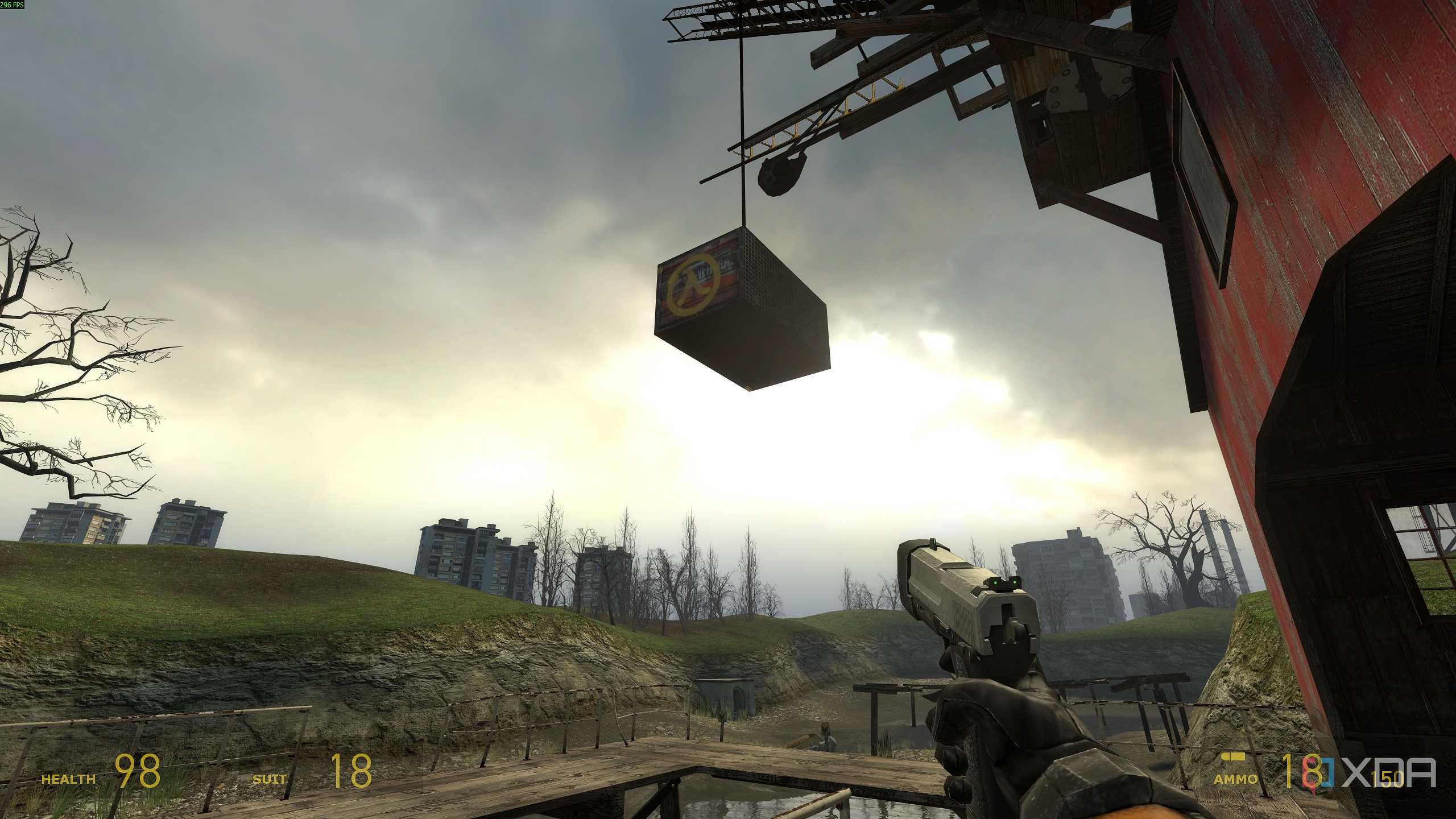

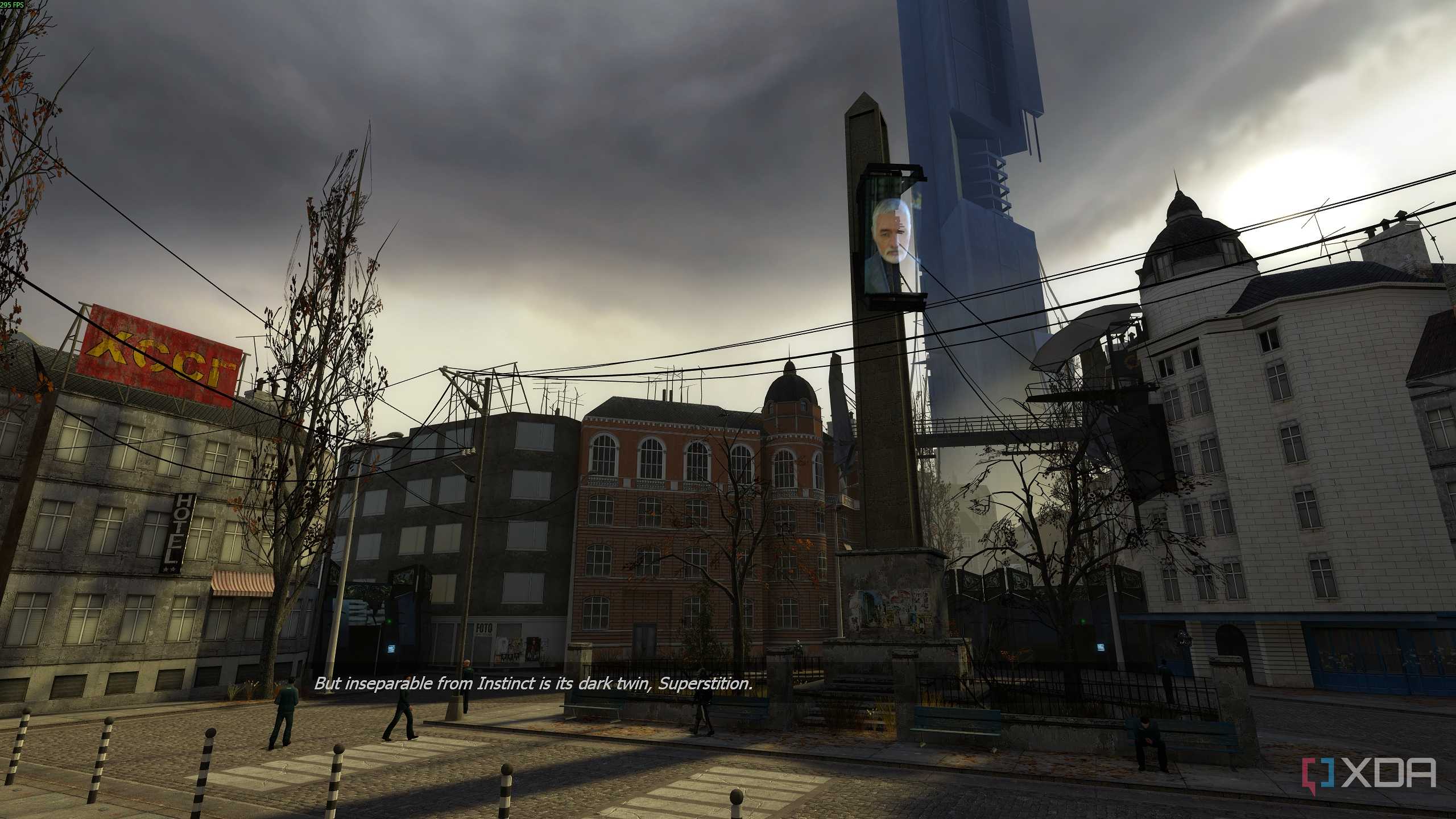
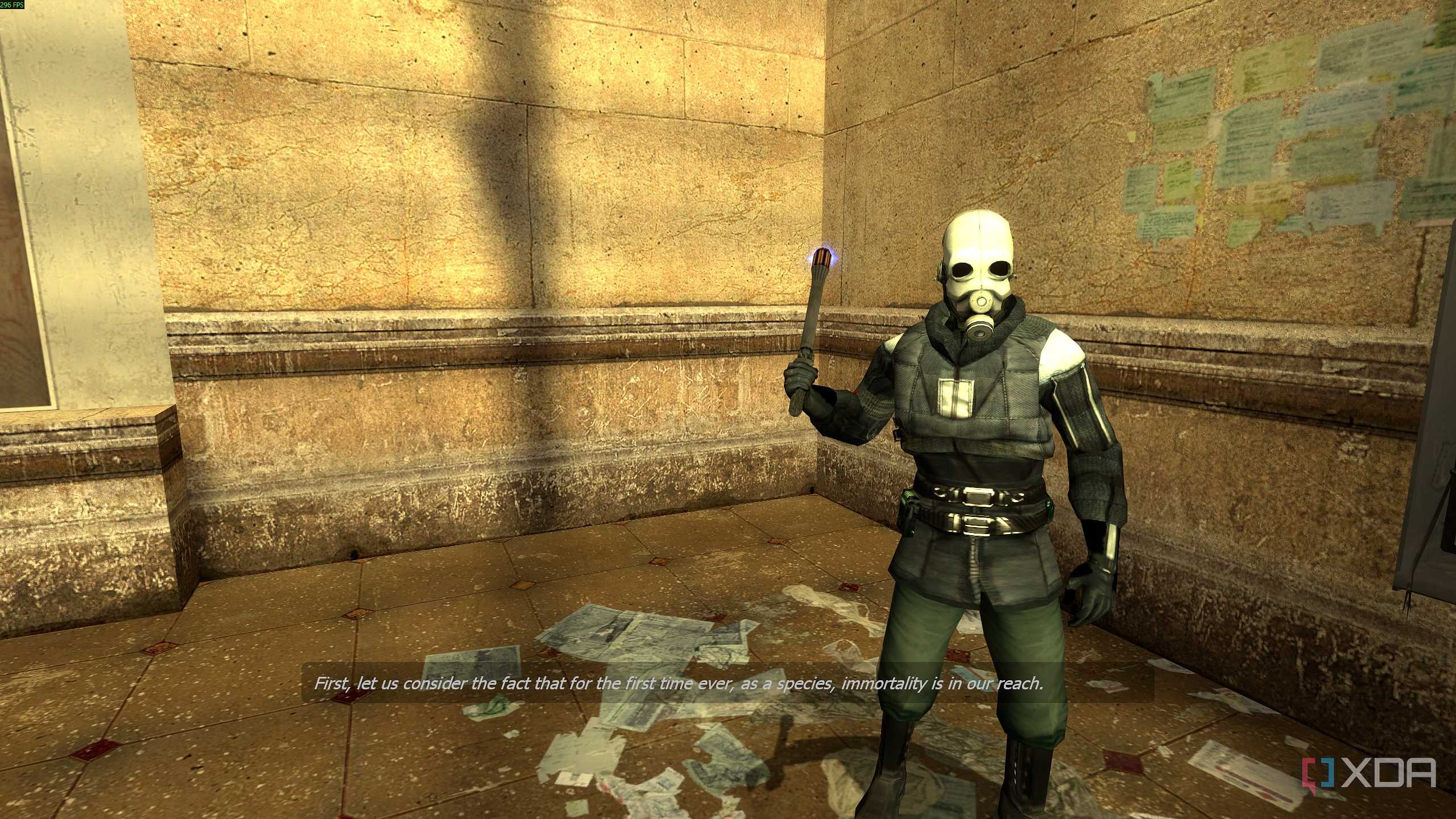






Back in 2004, most PCs were running Pentium 4s and early Radeon or GeForce FX cards. Then, Half-Life 2 arrived, and it changed expectations overnight. Valve's Source Engine offered sharper textures, yes, but it offered so much more that PCs at the time just weren't ready for: real-time physics, expressive facial animation, and environments that actually reacted to you. The Gravity Gun alone felt like something pulled from five or ten years into the future, because objects went from being static props to tools, weapons, and puzzle pieces.
On paper, Half-Life 2 ran on modest hardware. However, in practice, anyone who wanted smooth performance at higher resolutions quickly realized that their aging GPU wasn't cutting it. GeForce 6600s and Radeon X800s began flying off the shelves because everyone wanted to see what the water, faces, and props looked like in Half-Life 2. This game marked a turning point in gaming, where shooters became more than just aiming. They became about simulation, and that shift demanded hardware.





- Genre(s)
- Shooter

Grand Theft Auto IV made us obsess over CPUs
One of the most infamous PC ports ever


 Credit: Rockstar Games
 Credit: Rockstar Games
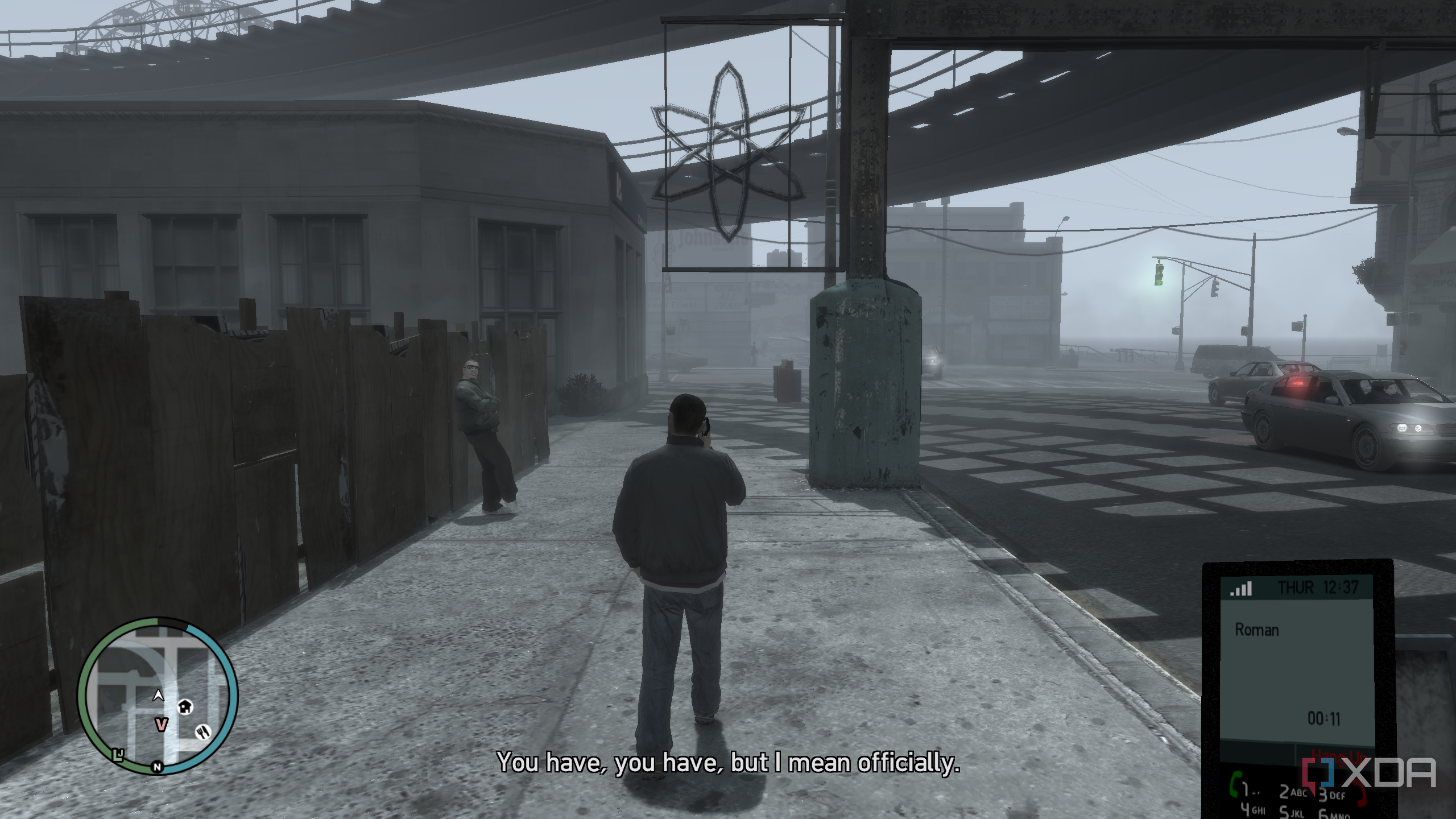
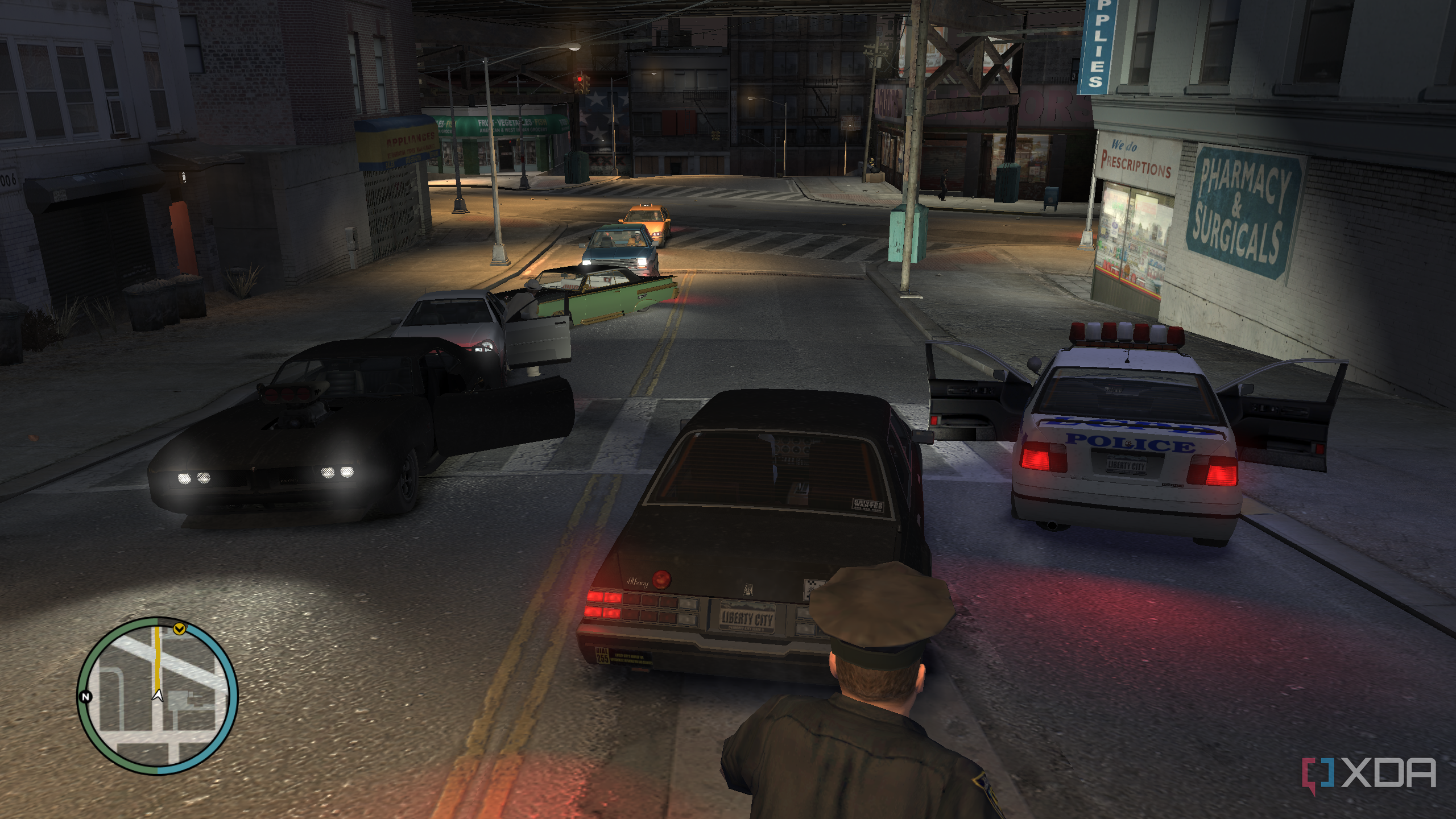
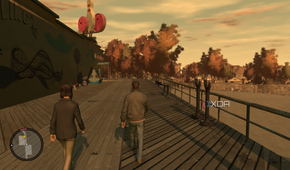


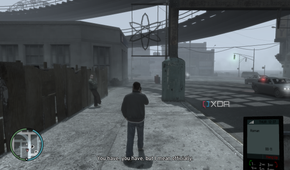
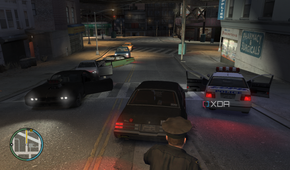
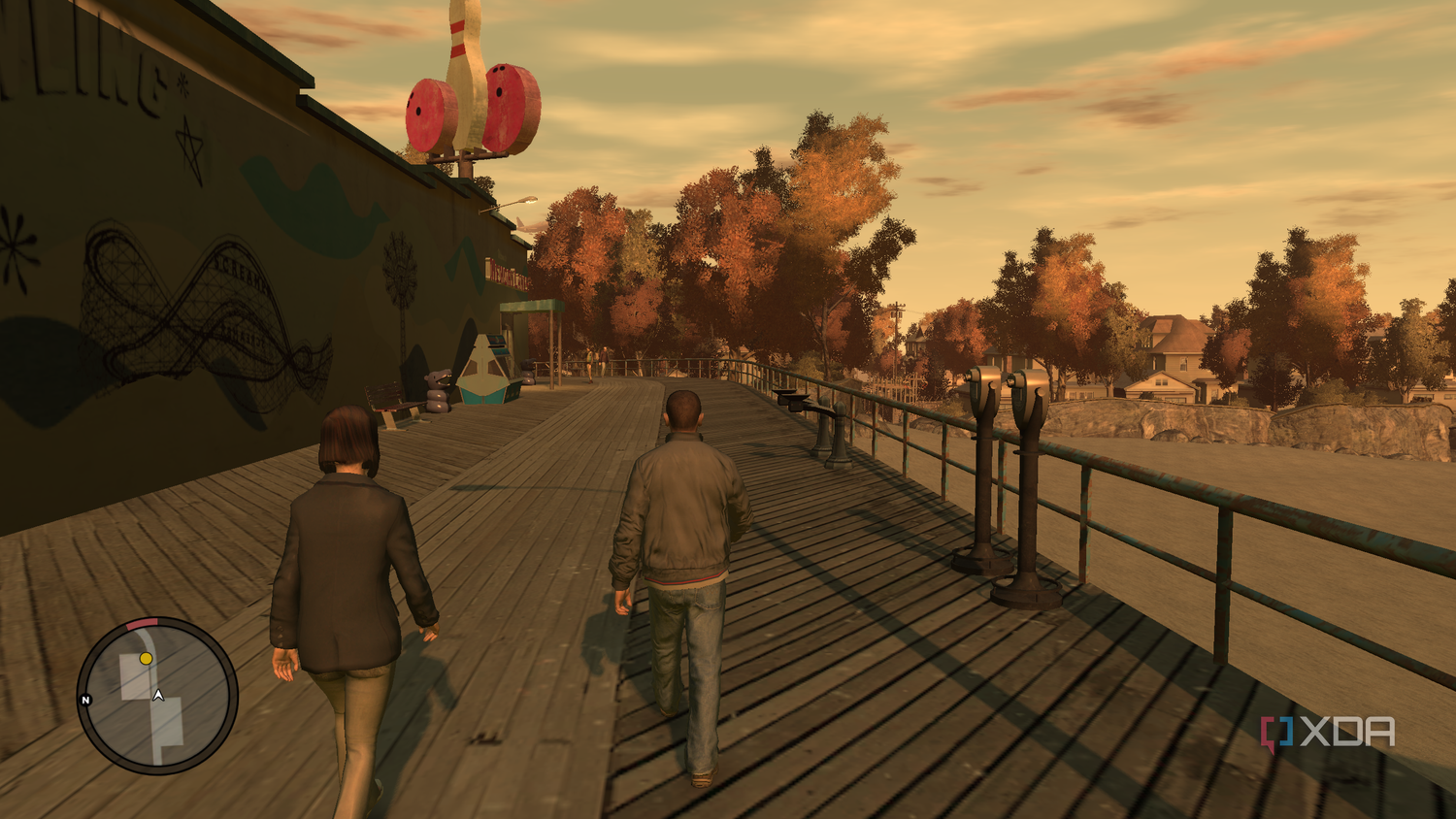
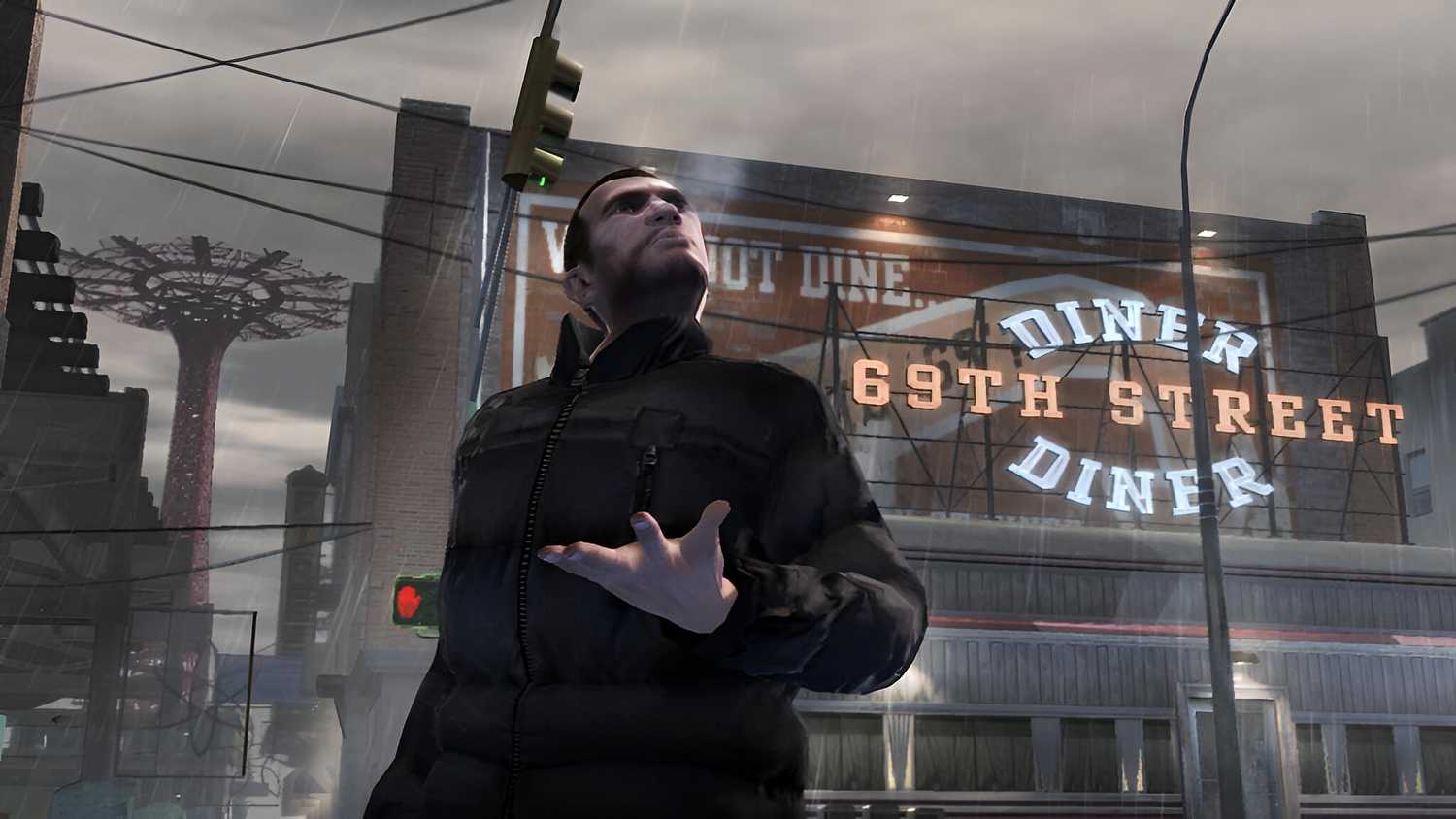
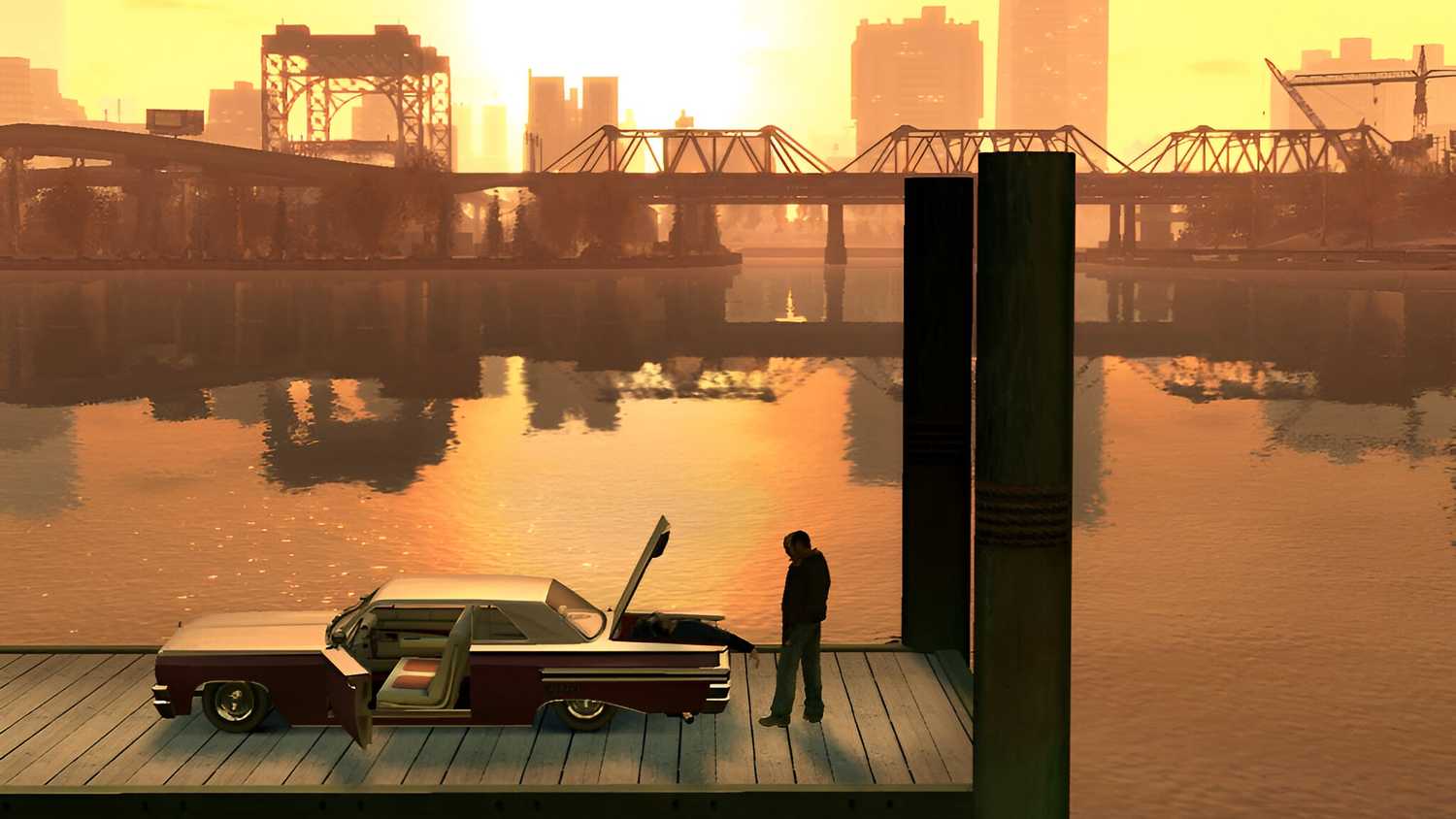
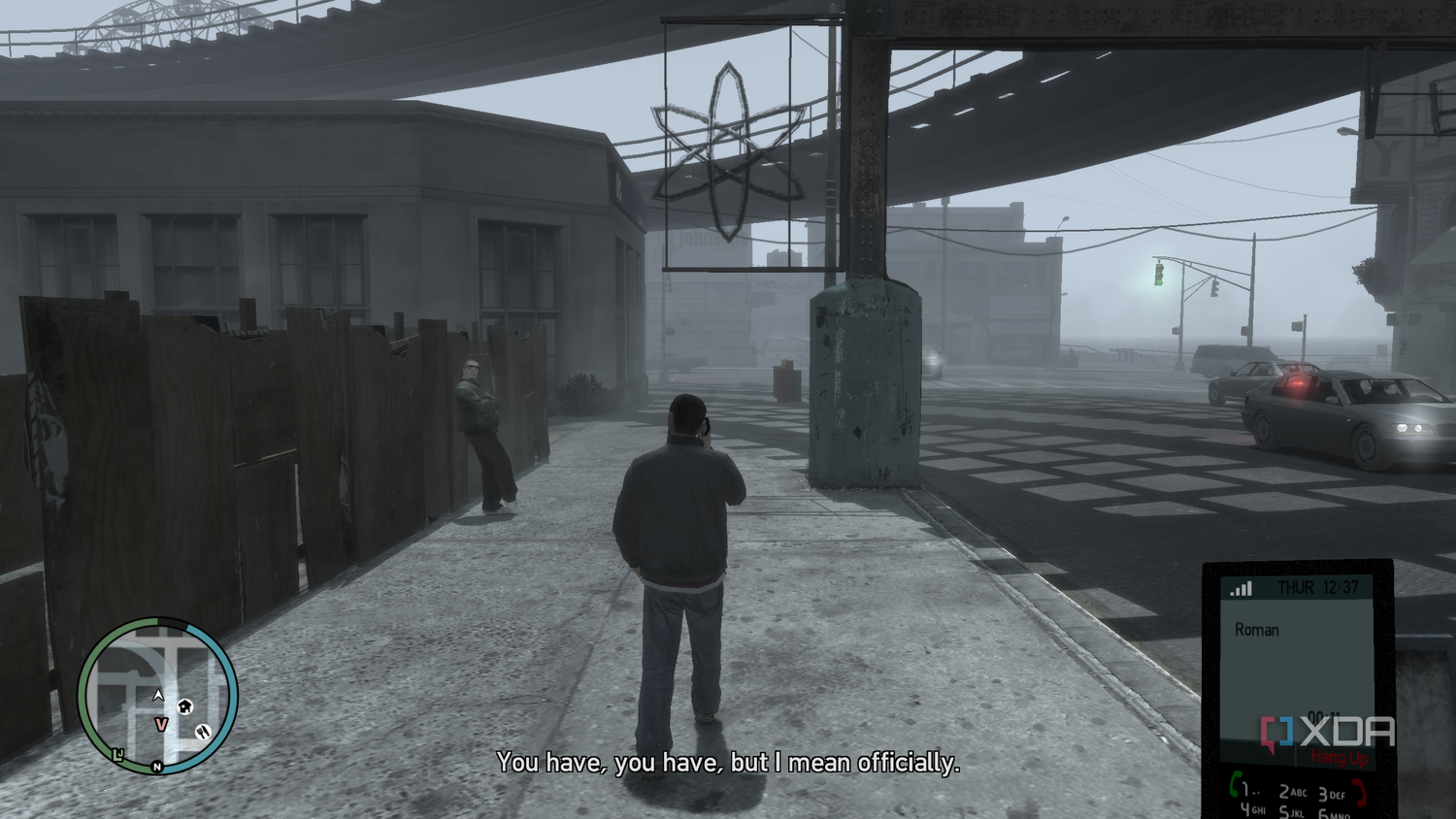
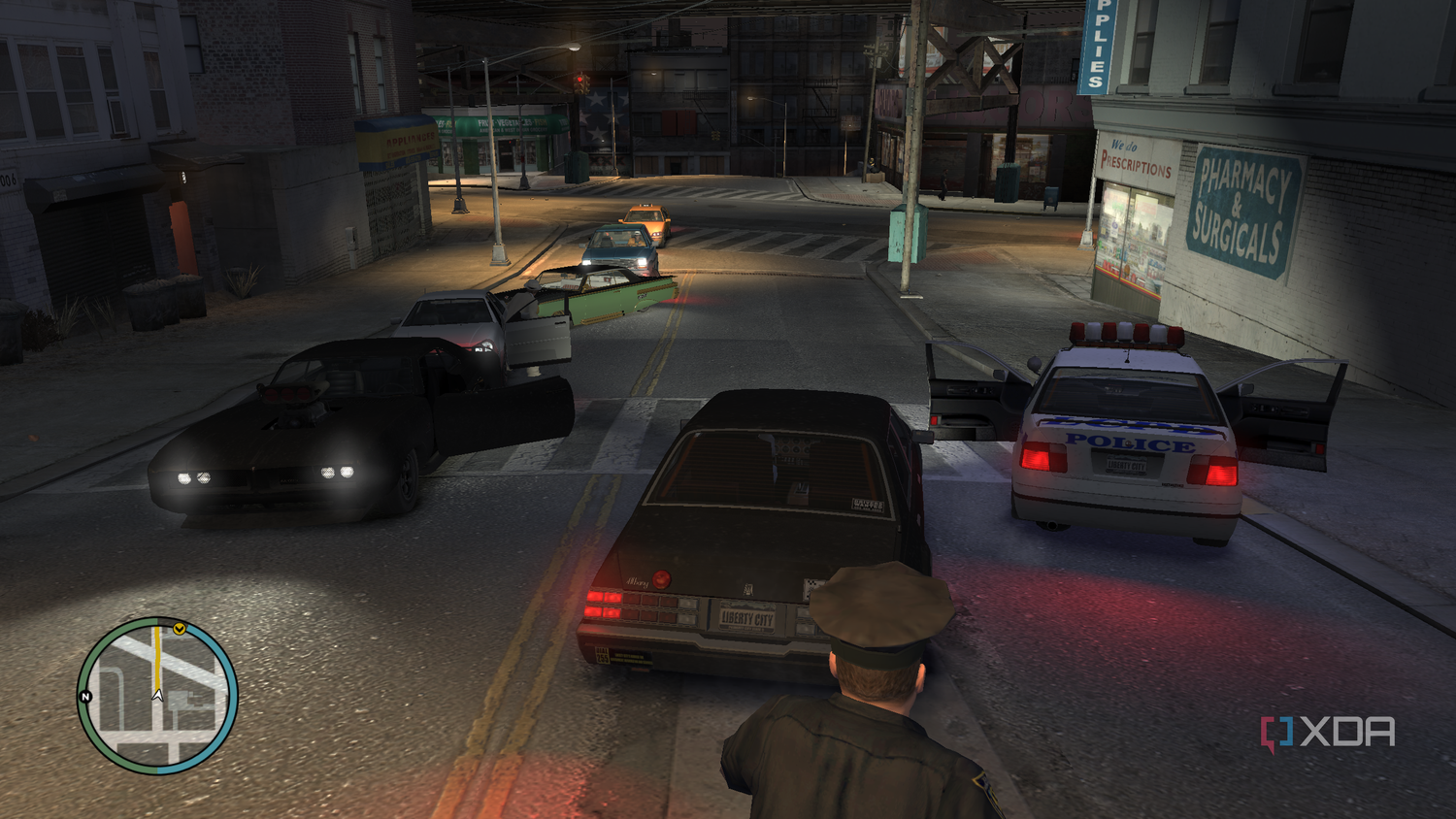
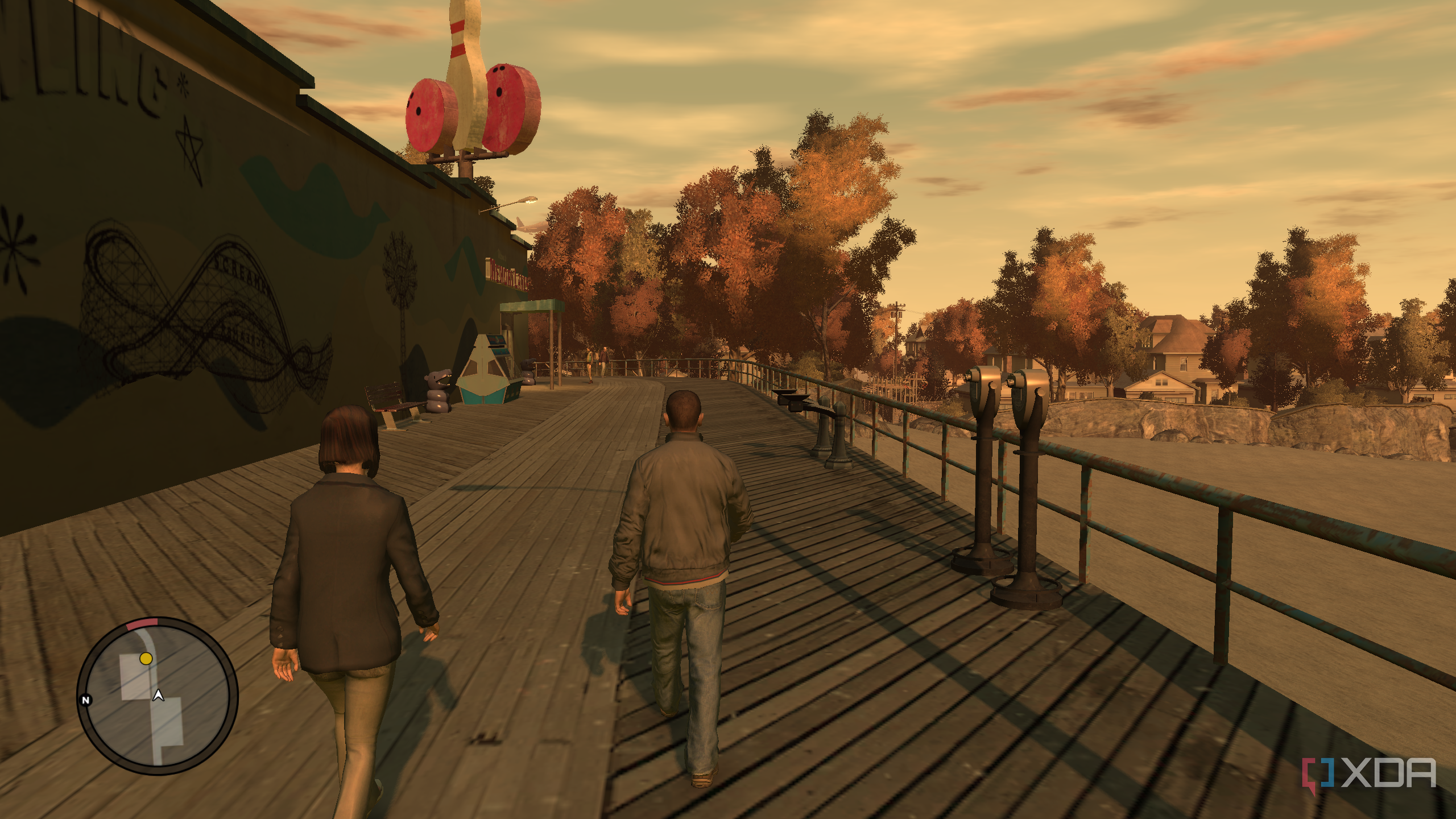
GTA IV marked a return to Liberty City for the Grand Theft Auto series after seven years. This time, the game dumped Liberty City on your processor and walked away. By 2008, dual-core CPUs and cards like the GeForce 8800 GT were common. Rockstar, however, shipped a PC port that leaned way too heavily on CPU simulation with traffic systems, pedestrian AI, physics, and draw distance. This ended up brutally punishing PCs that had anything less than a strong quad-core processor.
GTA IV's Liberty City wasn't about eye candy, either. The sheer density of the game world, with its living, breathing nature, its traffic collisions, and dynamic NPCs, all came together to tank your frame rates if your system couldn't keep up, which was the sad truth for more than just a few people. Within a few days, online forums were filled with optimization guides. Players began upgrading CPUs before GPUs, which was a rather rare occurrence at the time. For many young gamers, GTA IV, being the computational monster that it was, taught them about the resource costs of open-world games.

-
 OpenCritic Reviews
- Top Critic Avg: 95/100 Critics Rec: 100%
- Released
- April 29, 2008
- ESRB
- M for Mature: Blood, Intense Violence, Partial Nudity, Strong Language, Strong Sexual Content, Use of Drugs and Alcohol
- Developer(s)
- Rockstar Games
- Publisher(s)
- Rockstar Games
- Engine
- rockstar advanced game engine
- Multiplayer
- Local Multiplayer
- Franchise
- Grand Theft Auto

WHERE TO PLAY


What does the American Dream mean today? For Niko Bellic, fresh off the boat from Europe, it is the hope he can escape his past. For his cousin, Roman, it is the vision that together they can find fortune in Liberty City, gateway to the land of opportunity.
As they slip into debt and are dragged into a criminal underworld by a series of shysters, thieves, and sociopaths, they discover that the reality is very different from the dream in a city that worships money and status, and is heaven for those who have them and a living nightmare for those who don't.
- Genre(s)
- Action, Adventure
Crysis genuinely pushed the industry forward
Do I even need to say it?


 Credit: Steam
 Credit: Steam
 Credit: Steam
 Credit: Steam
 Credit: Steam




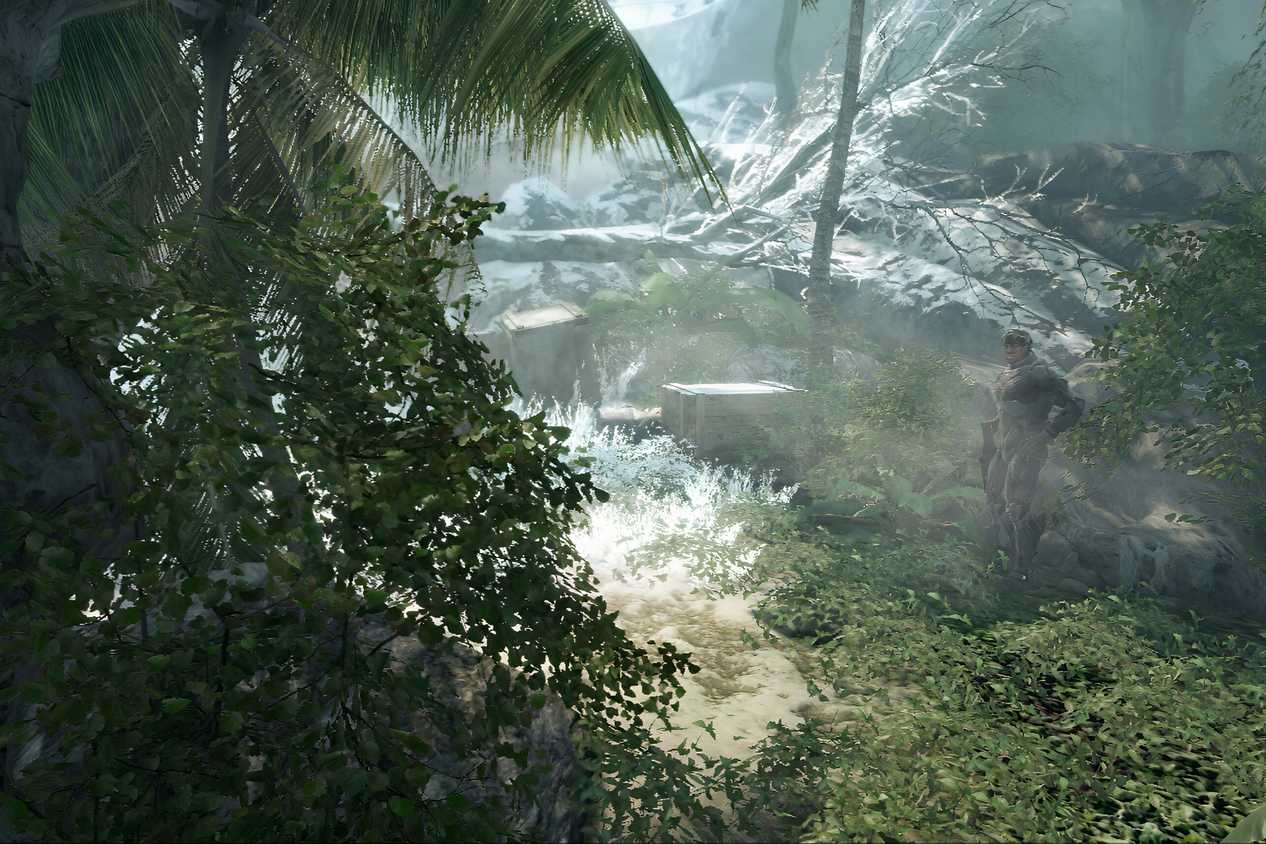
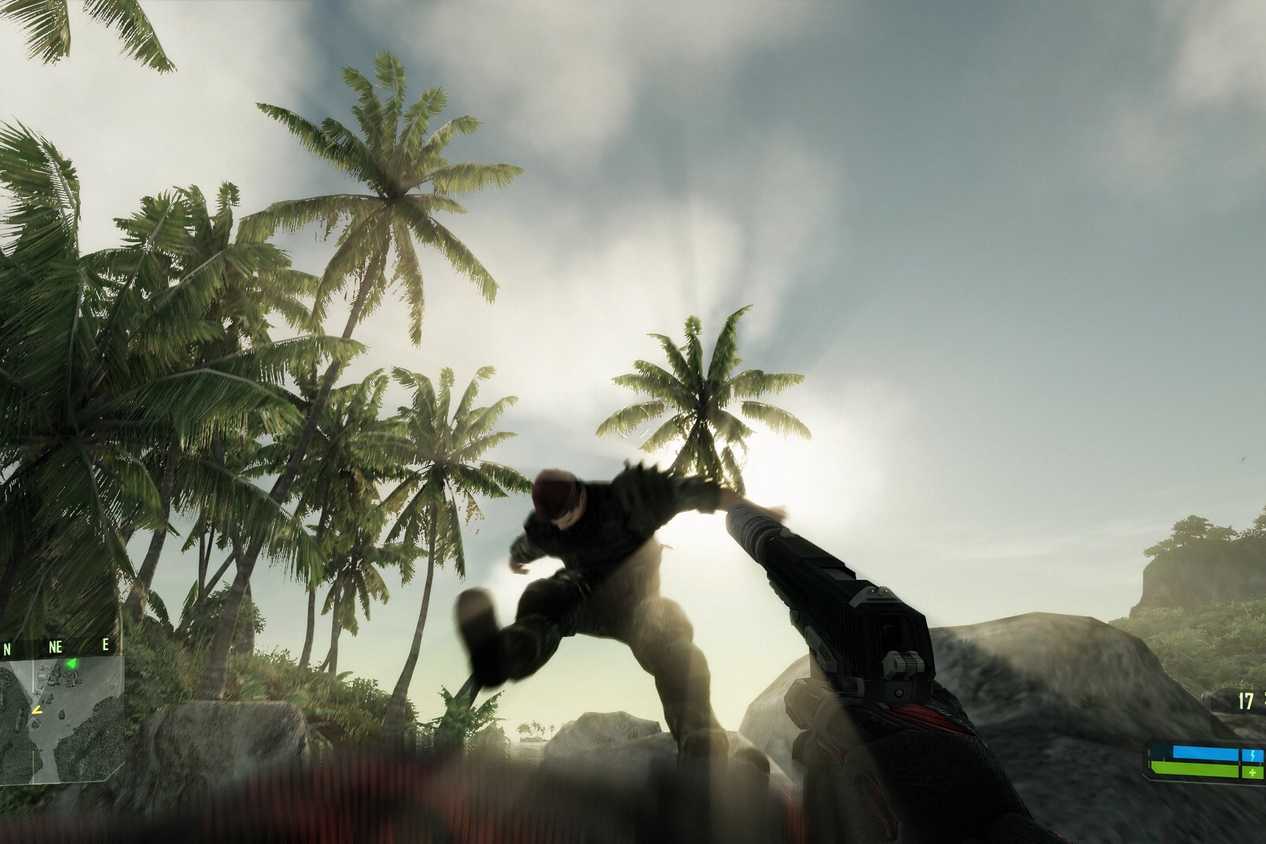
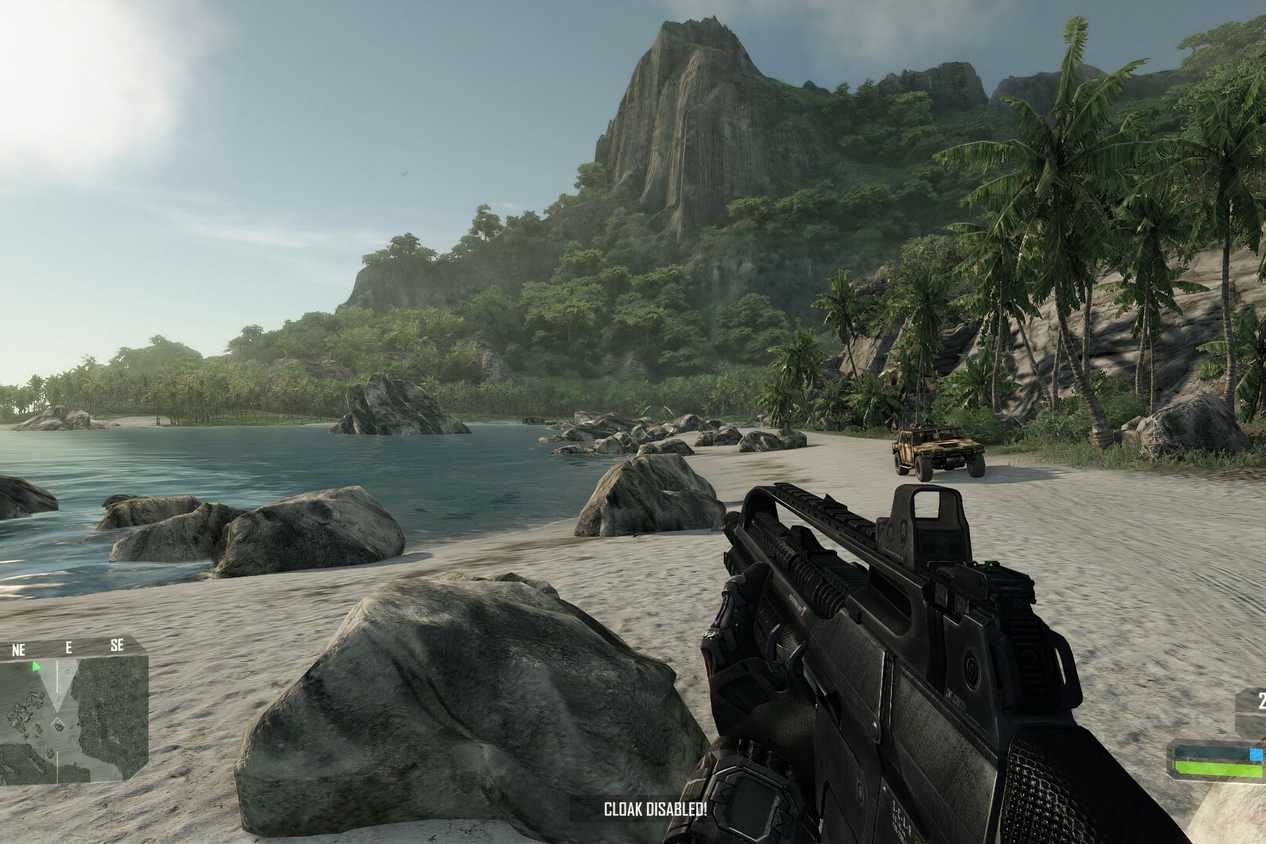
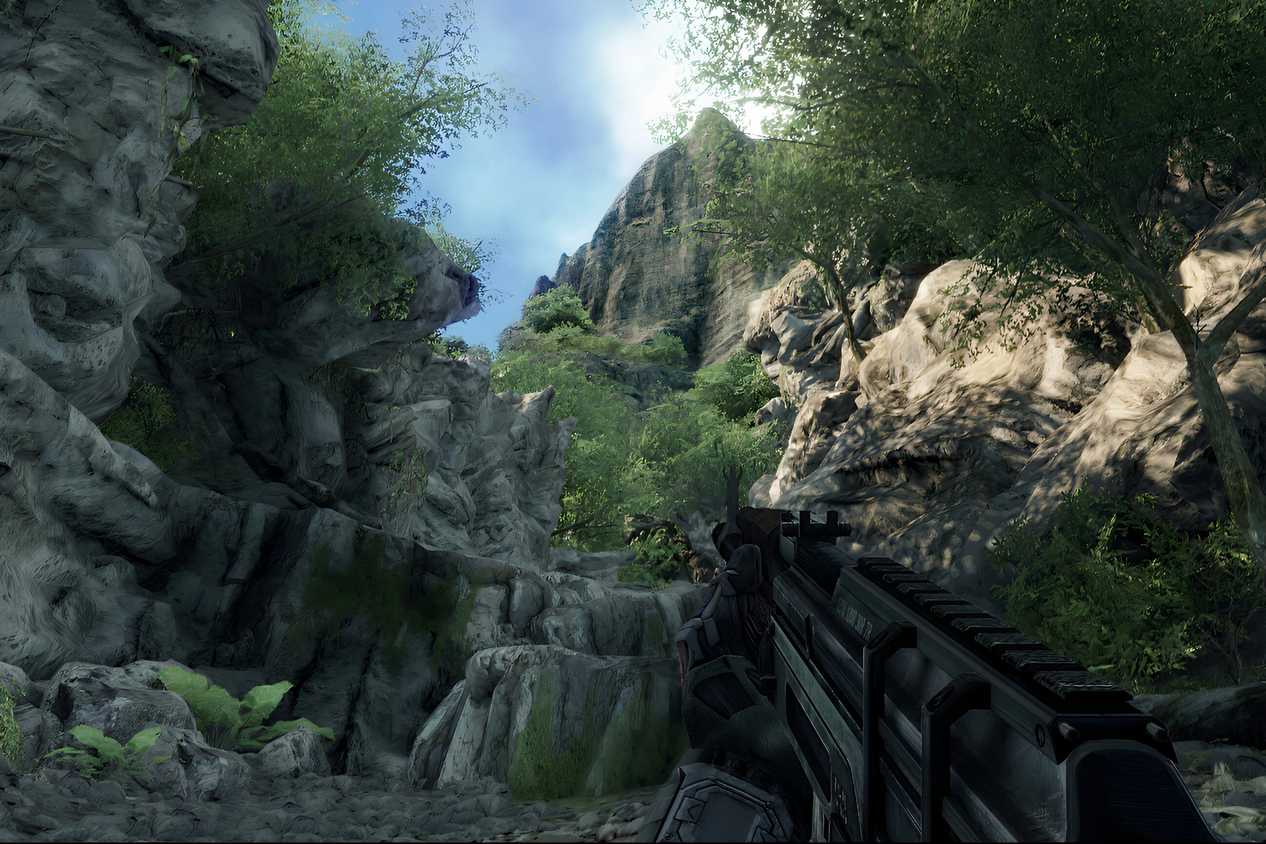
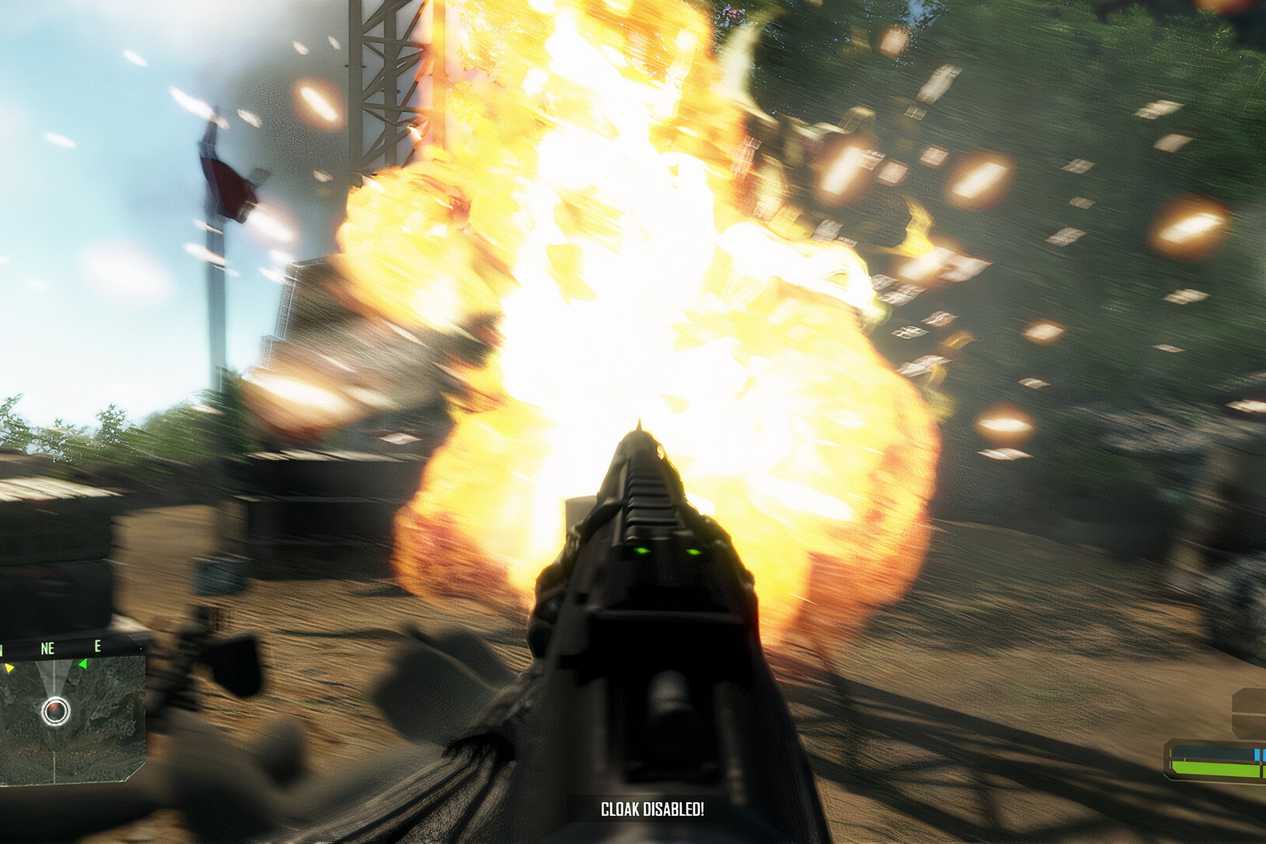
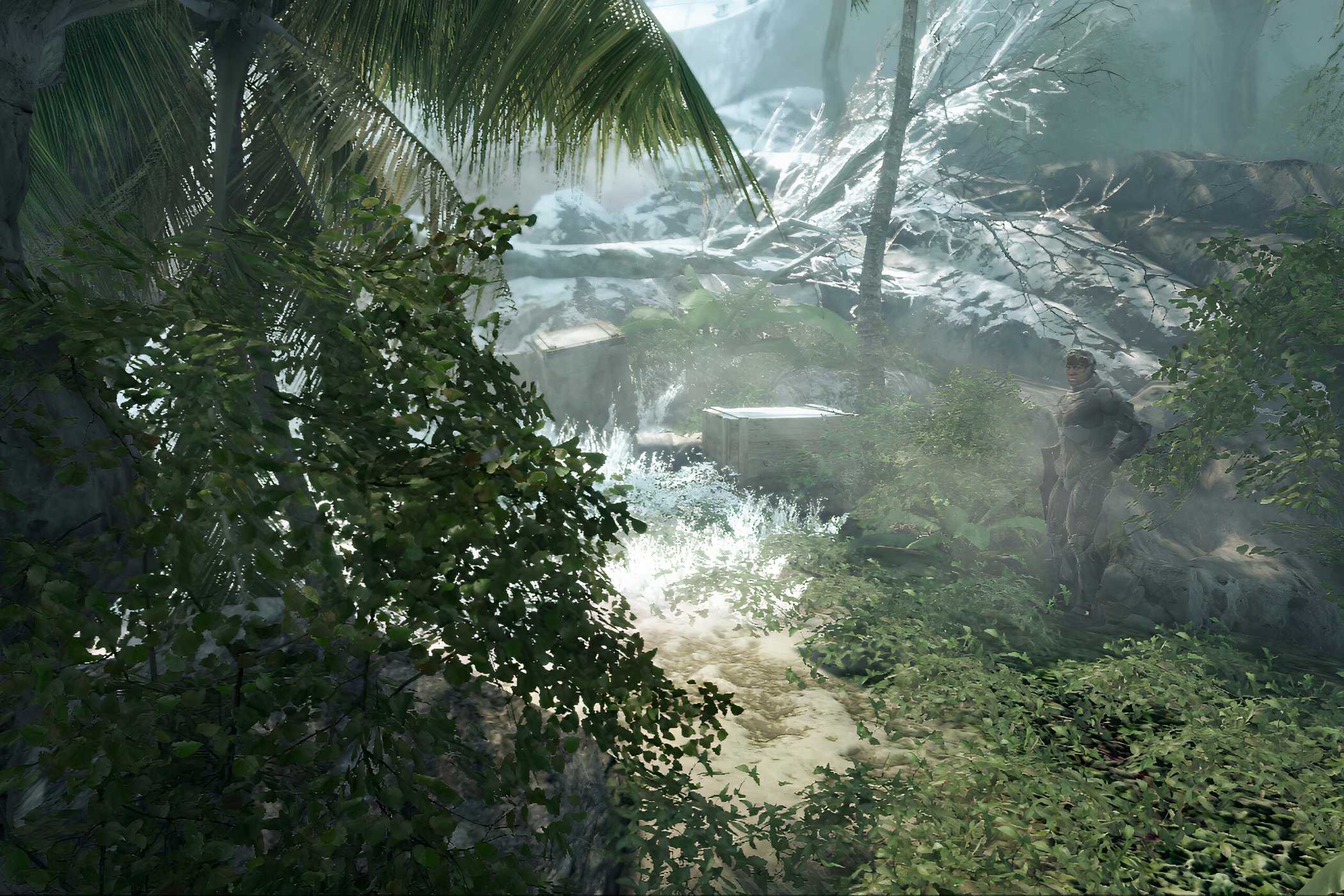
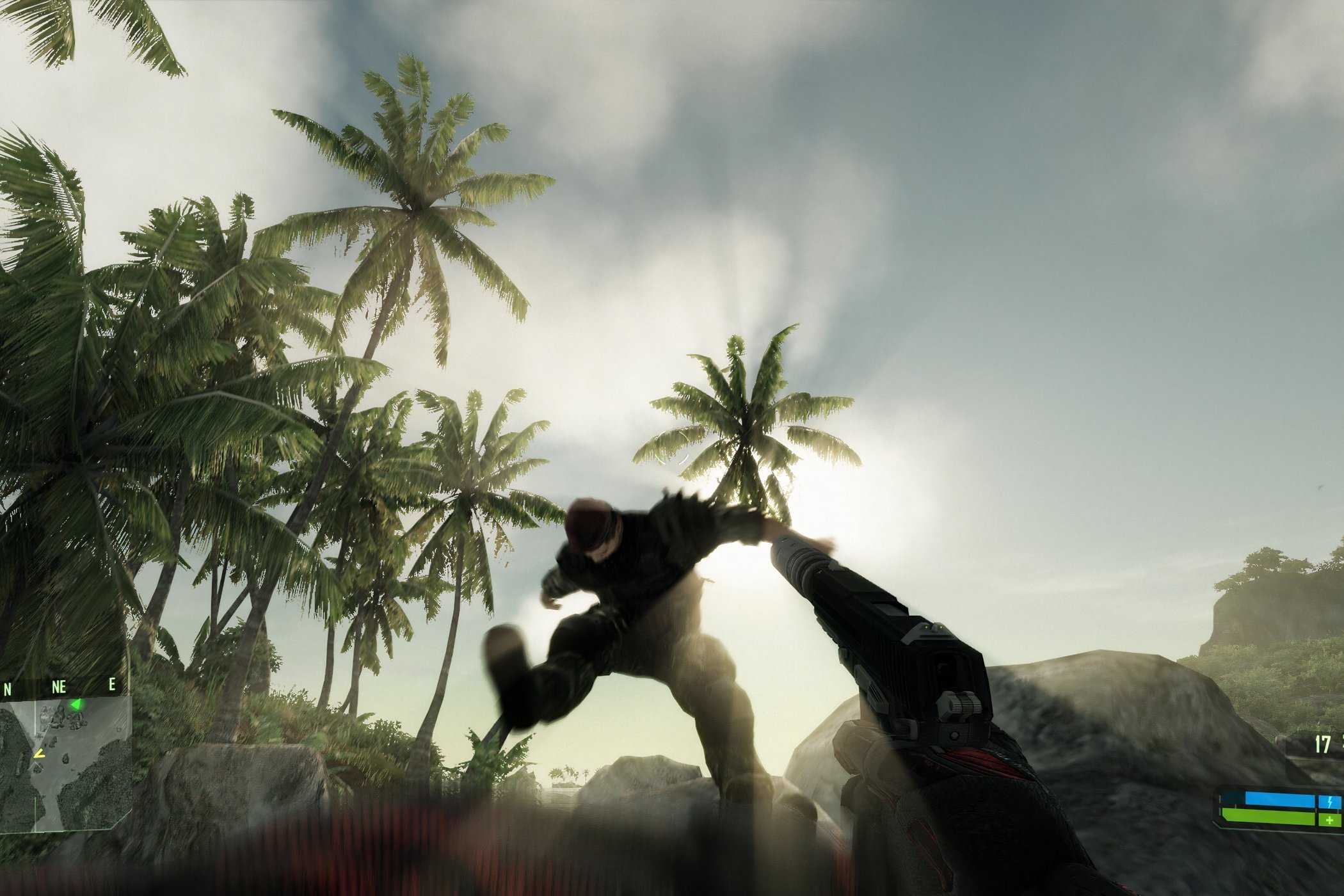
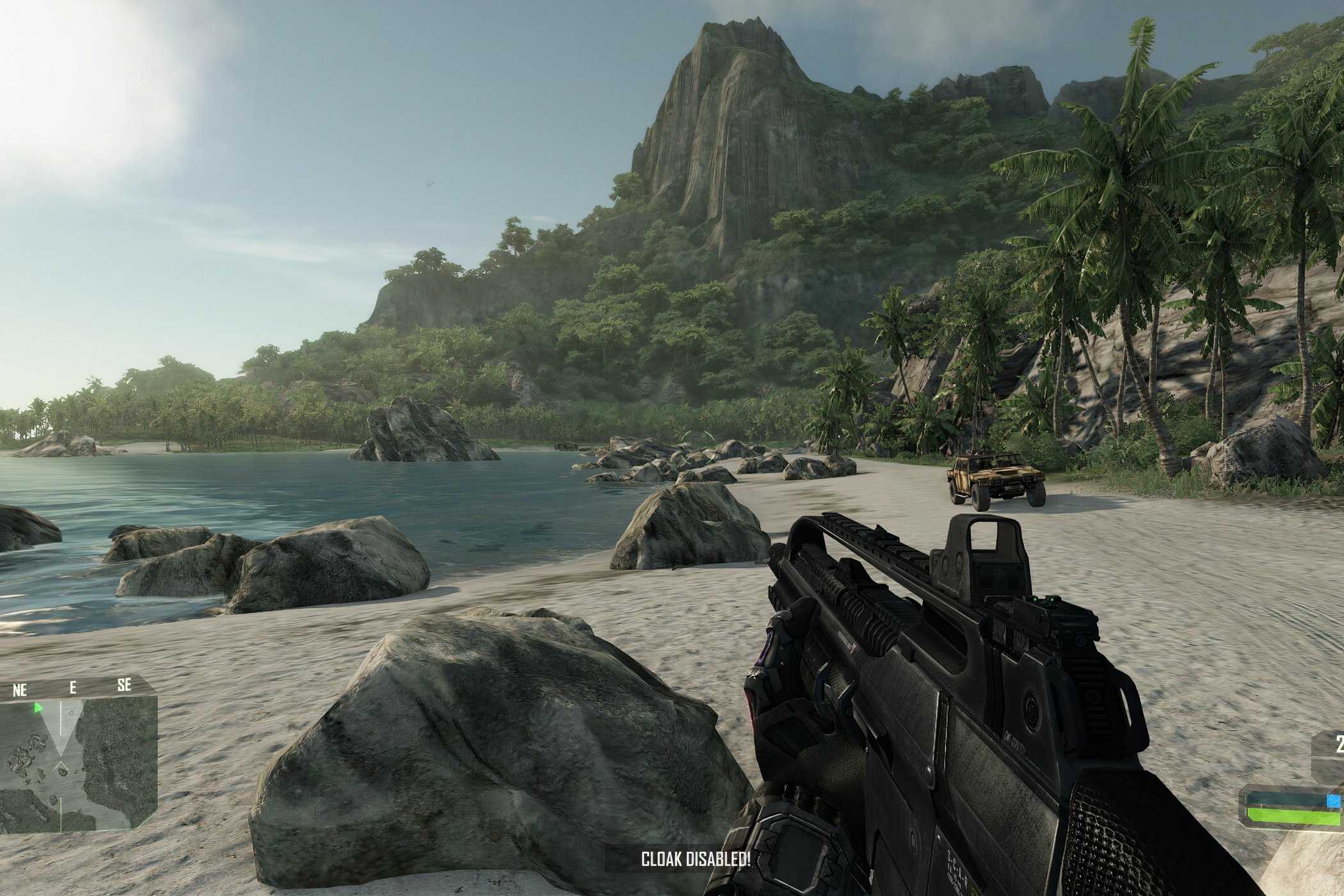
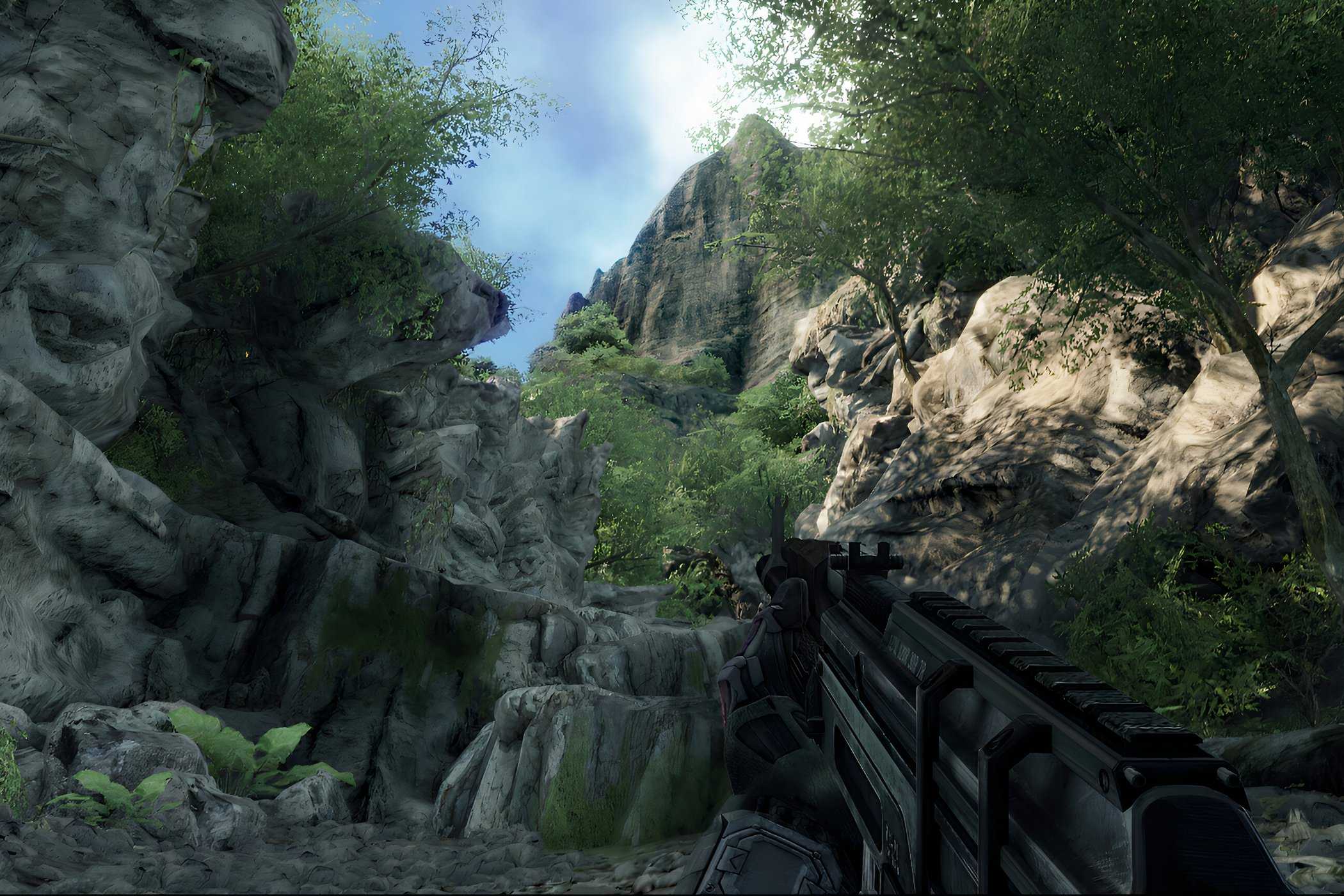
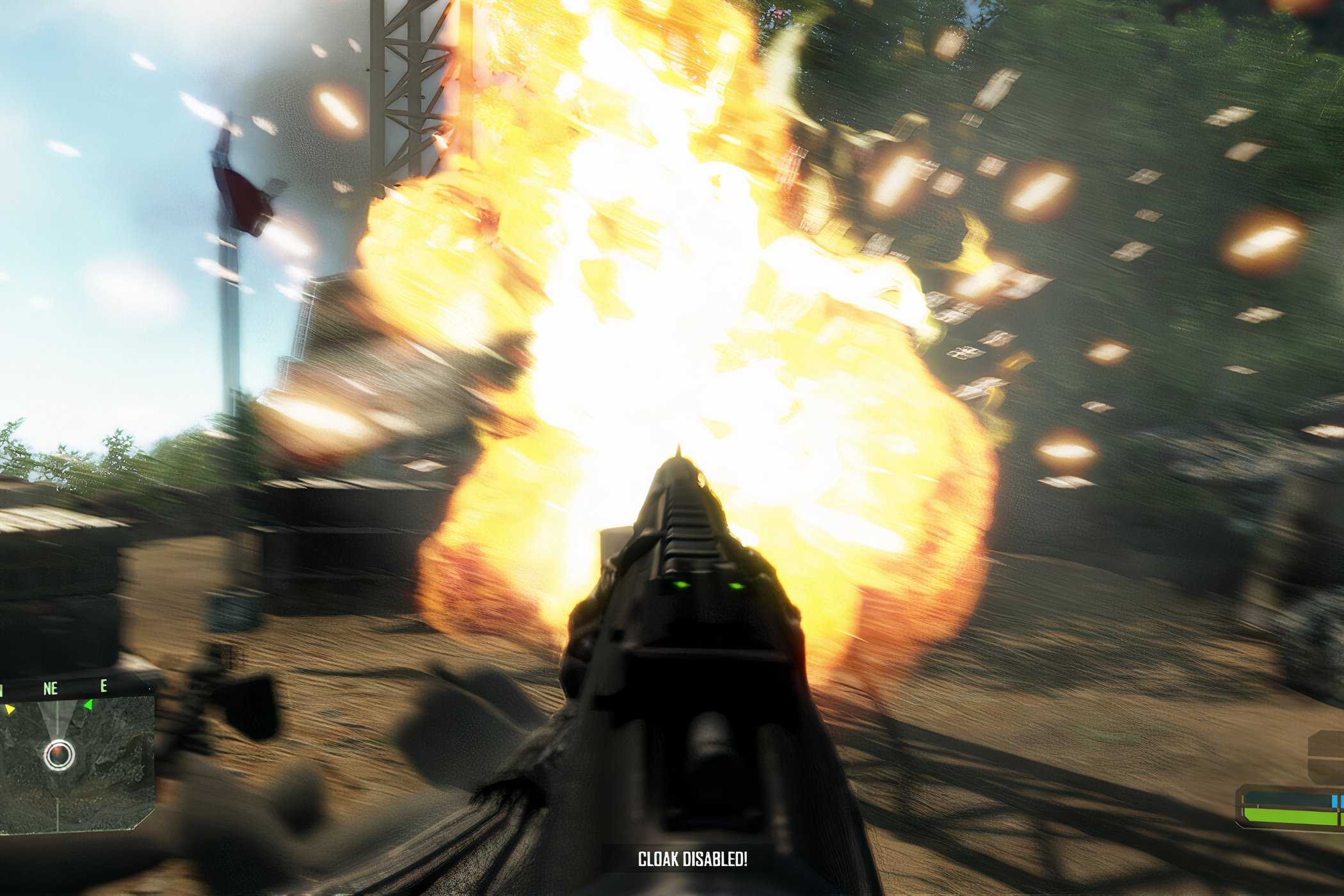
No list like this could ever exist without Crysis. In 2007, Crytek released its first game on the CryEngine 2, after using the first iteration of the engine with Far Cry in 2004. Crysis was a beast like we'd never seen before. Even the highest-end rigs with GeForce 8800 Ultra cards struggled to run this game at Very High settings. The Lingshan Islands in Crysis delivered destructible foliage, advanced lighting, massive draw distances, and physics that made everything else feel dated. Crysis didn't care what hardware you owned because it was built for GPUs that barely existed at the time.
That's why it became such a legend. For years, this game served as the unofficial benchmark for PC performance. Reviewers used it, manufacturers demoed it, and gamers chased upgrades frantically just to push a few more frames and render a few more bushes and trees on their PCs. In truth, Crysis could've been optimized better, but that was never the intention. The game was supposed to be a glimpse into the future of gaming, and on that front, it delivered fantastically. It showed us what PC gaming would look like, and we all upgraded our PCs to catch up.

-
OpenCritic Reviews
- Top Critic Avg: 65/100 Critics Rec: 23%
- Released
- July 23, 2020
- ESRB
- M For Mature 17+ Due To Blood, Strong Language, Violence
- Developer(s)
- Saber Interactive
- Publisher(s)
- Crytek
- Engine
- cry engine 3, cry engine 5
- Multiplayer
- Online Multiplayer
- Franchise
- Crysis



WHERE TO PLAY


The classic first person shooter from Crytek is back with the action-packed gameplay, sandbox world, and thrilling epic battles you loved the first time around – now with remastered graphics optimized for a new generation of hardware.
What begins as a simple rescue mission becomes the battleground of a new war as alien invaders swarm over a Lingshan island chain. Armed with a powerful Nanosuit, players can become invisible to stalk enemy patrols, or boost strength to lay waste to vehicles. The Nanosuit’s speed, strength, armor, and cloaking allow creative solutions for every kind of fight, while a huge arsenal of modular weaponry provides unprecedented control over play style. In the ever-changing environment, adapt tactics and gear to dominate your enemies, in an enormous sandbox world.
Suit up, adapt, customize, conquer, and explore. Choose your own path through the open world of Crysis, destroying obstacles, driving vehicles, and using the environment itself against your enemies.
- Genre(s)
- FPS, Open-World
The Witcher 3: Wild Hunt was a generational leap
I distinctly remember how truly "next-gen" it felt


Source: CD Projekt Red 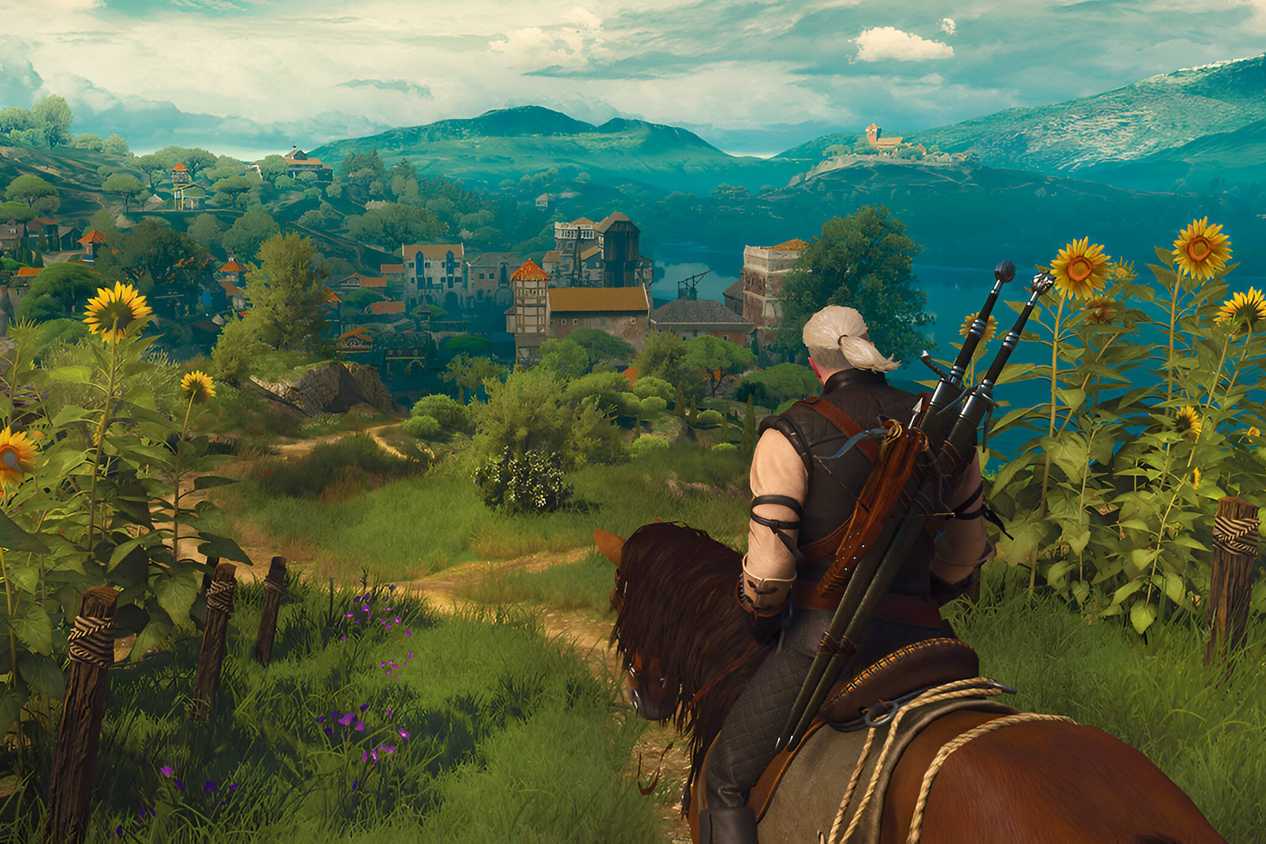
Source: Steam 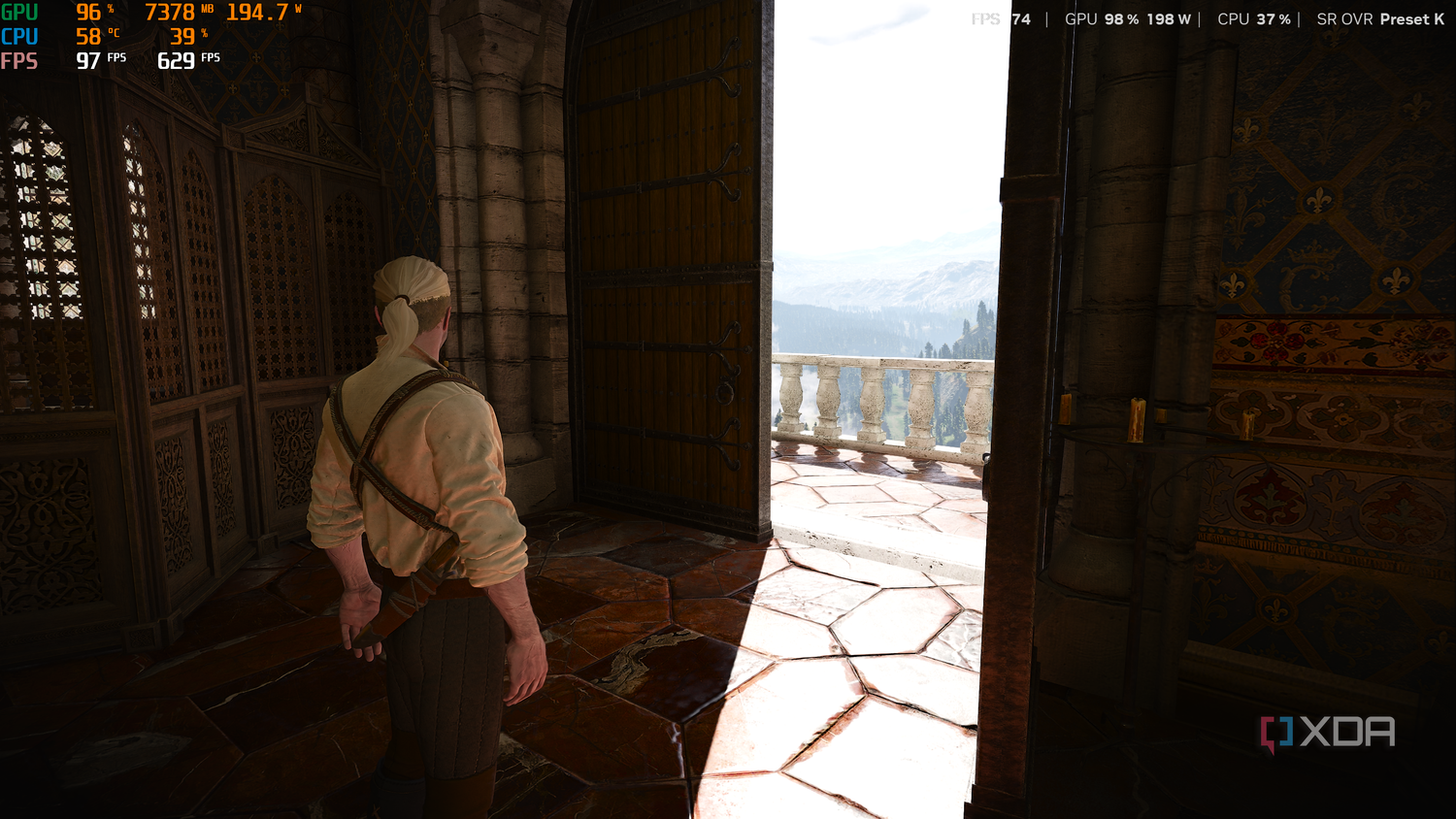


 Credit: CD Projekt Red
 Credit: CD Projekt Red
Source: CD Projekt Red 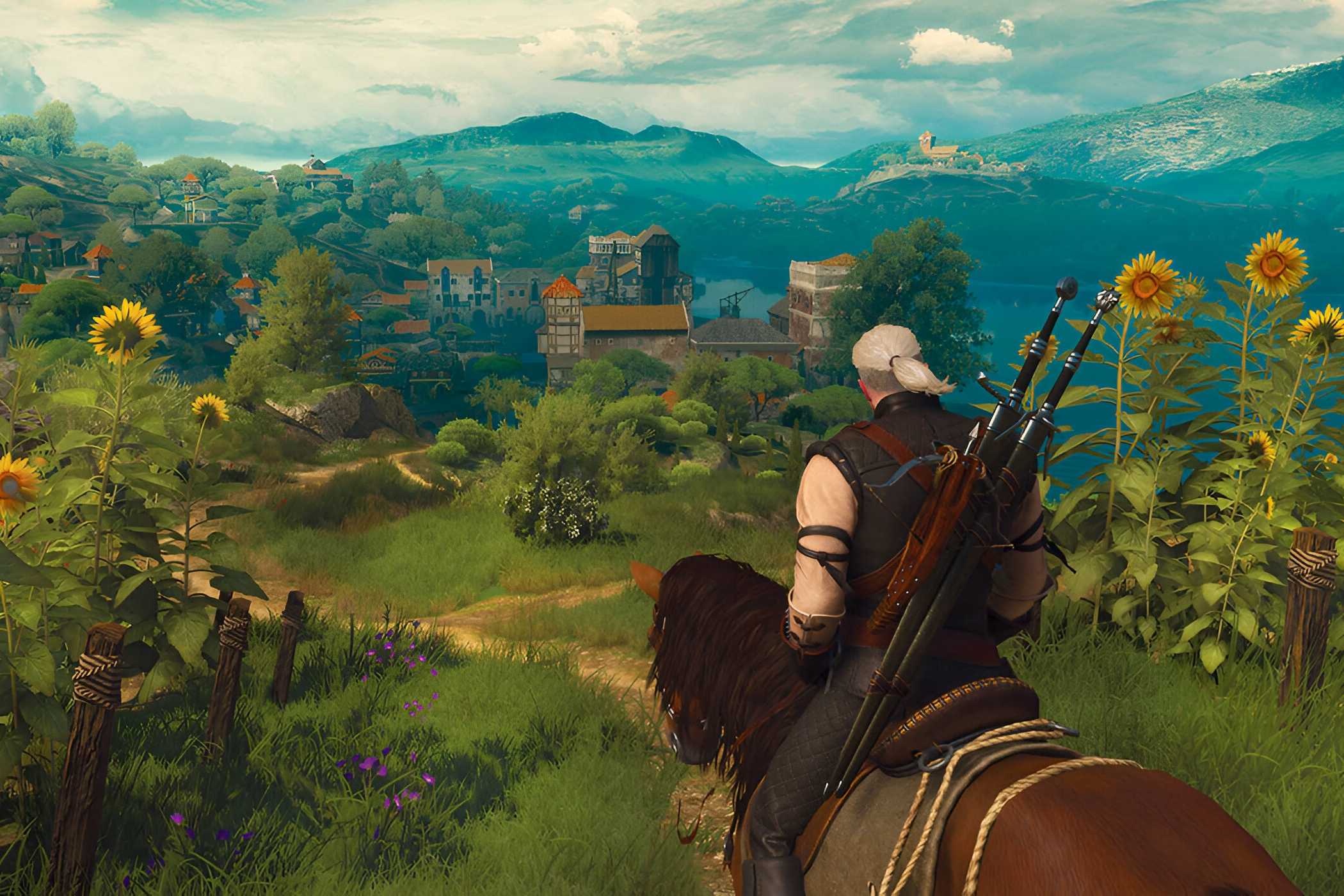
Source: Steam 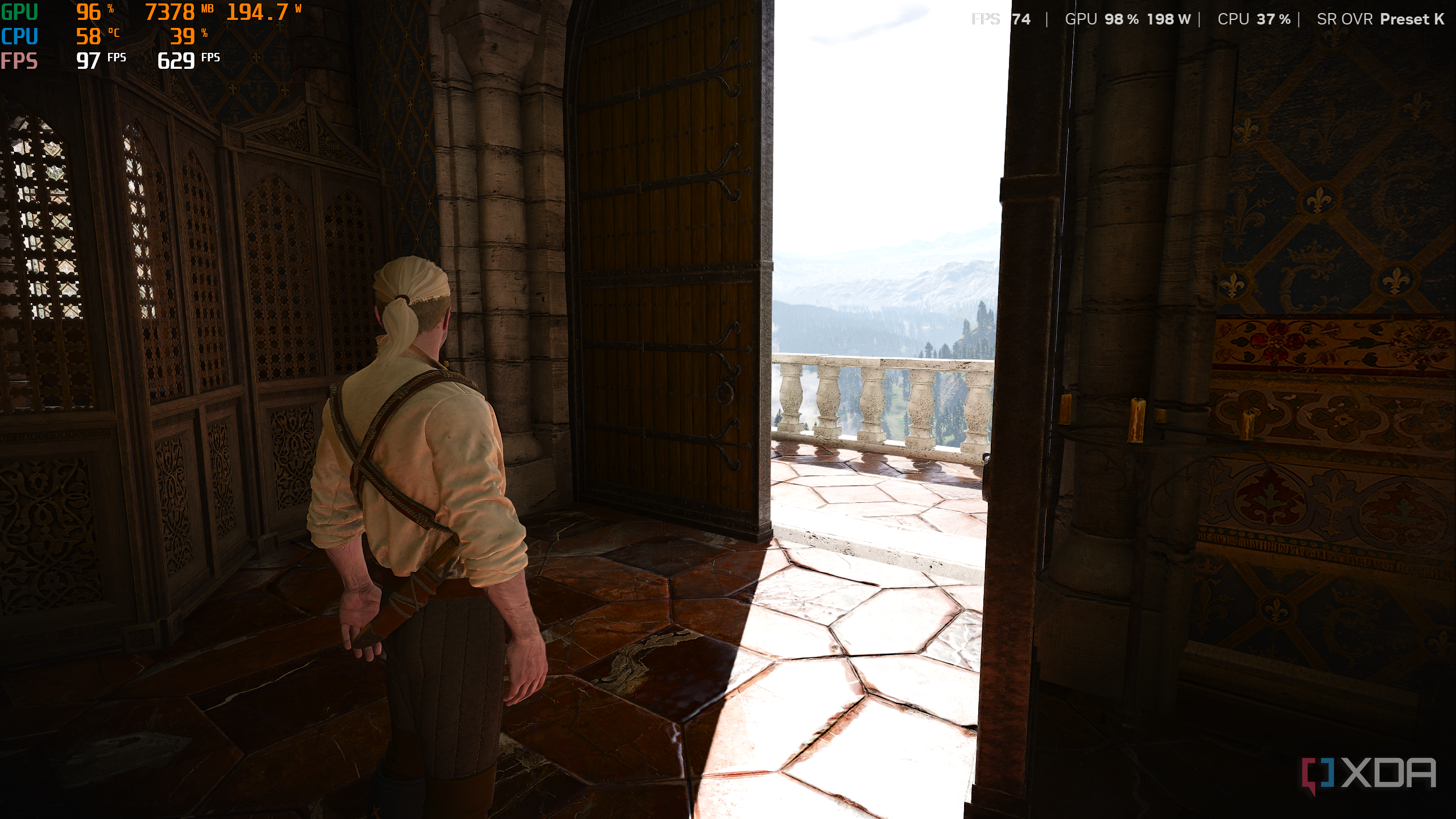
 Credit: CD Projekt Red




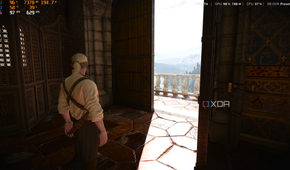

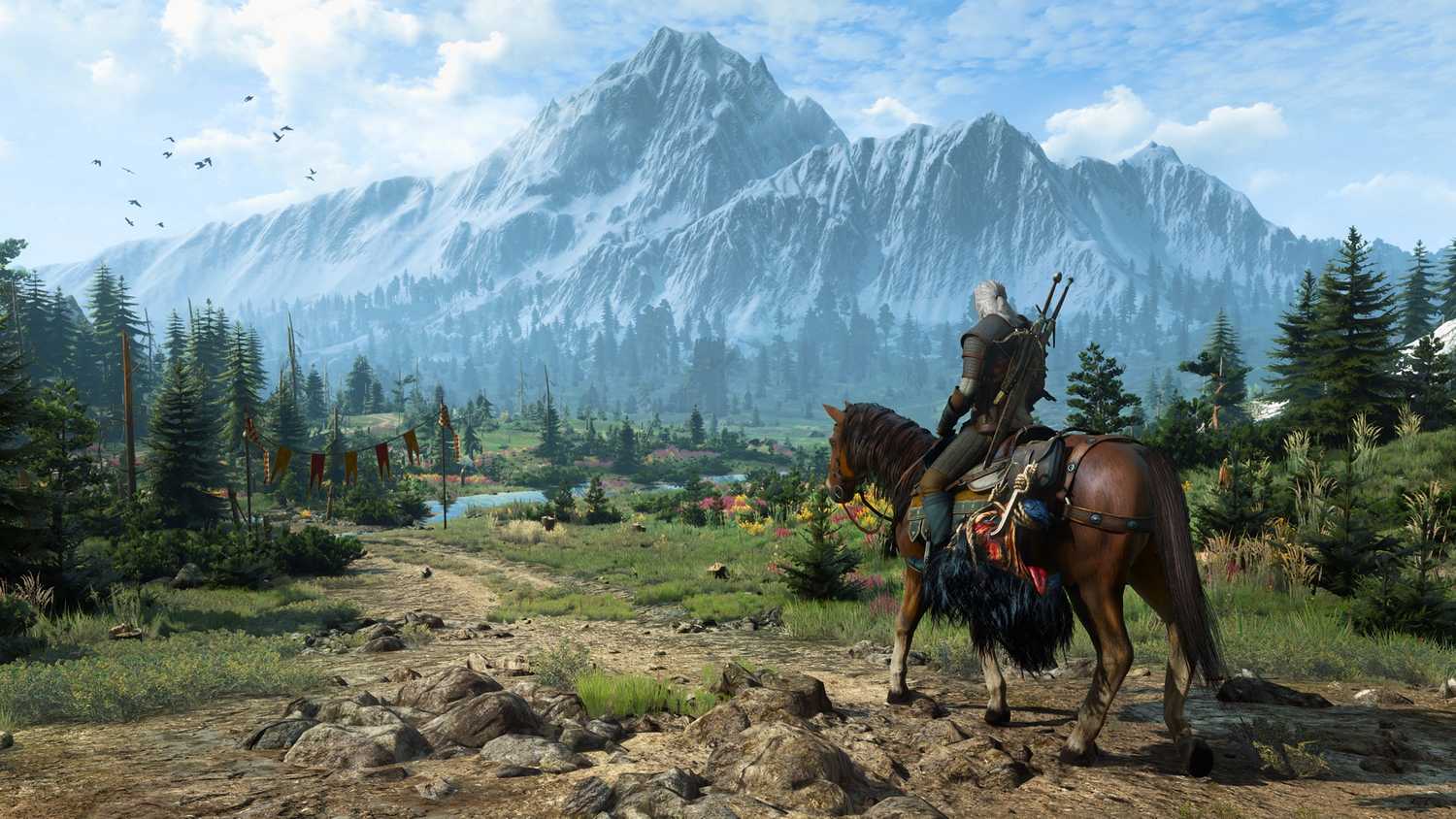
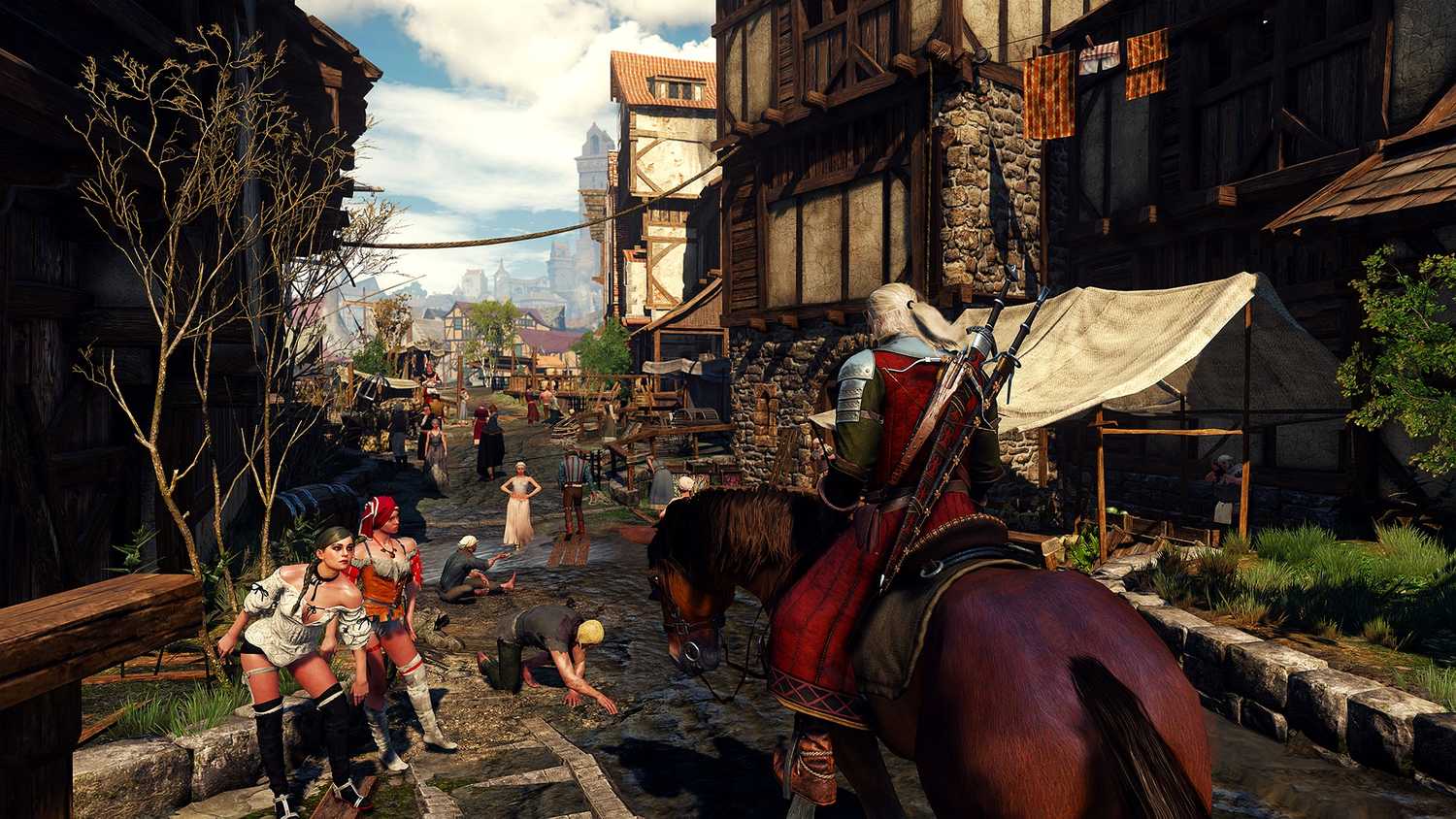
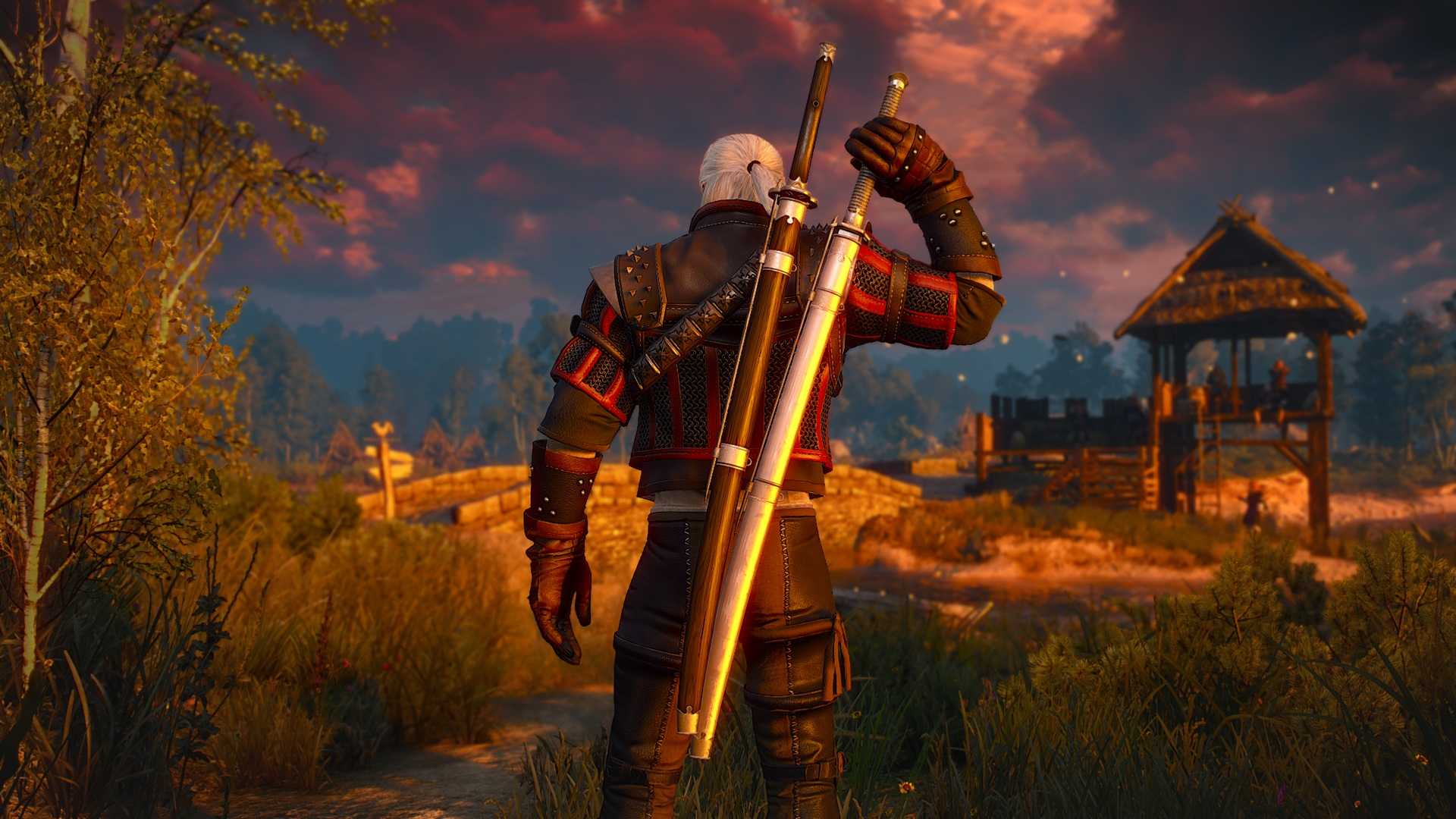
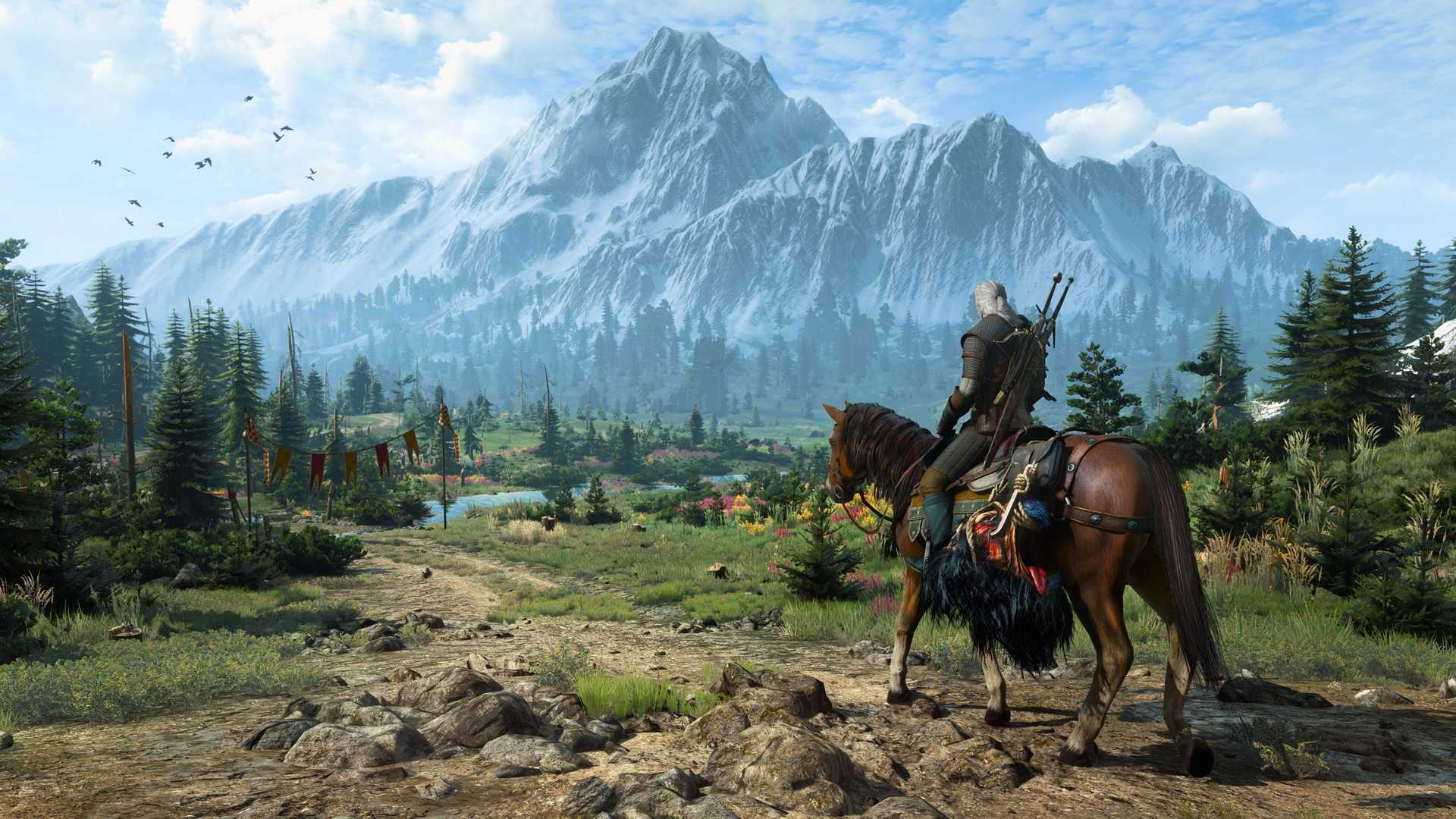
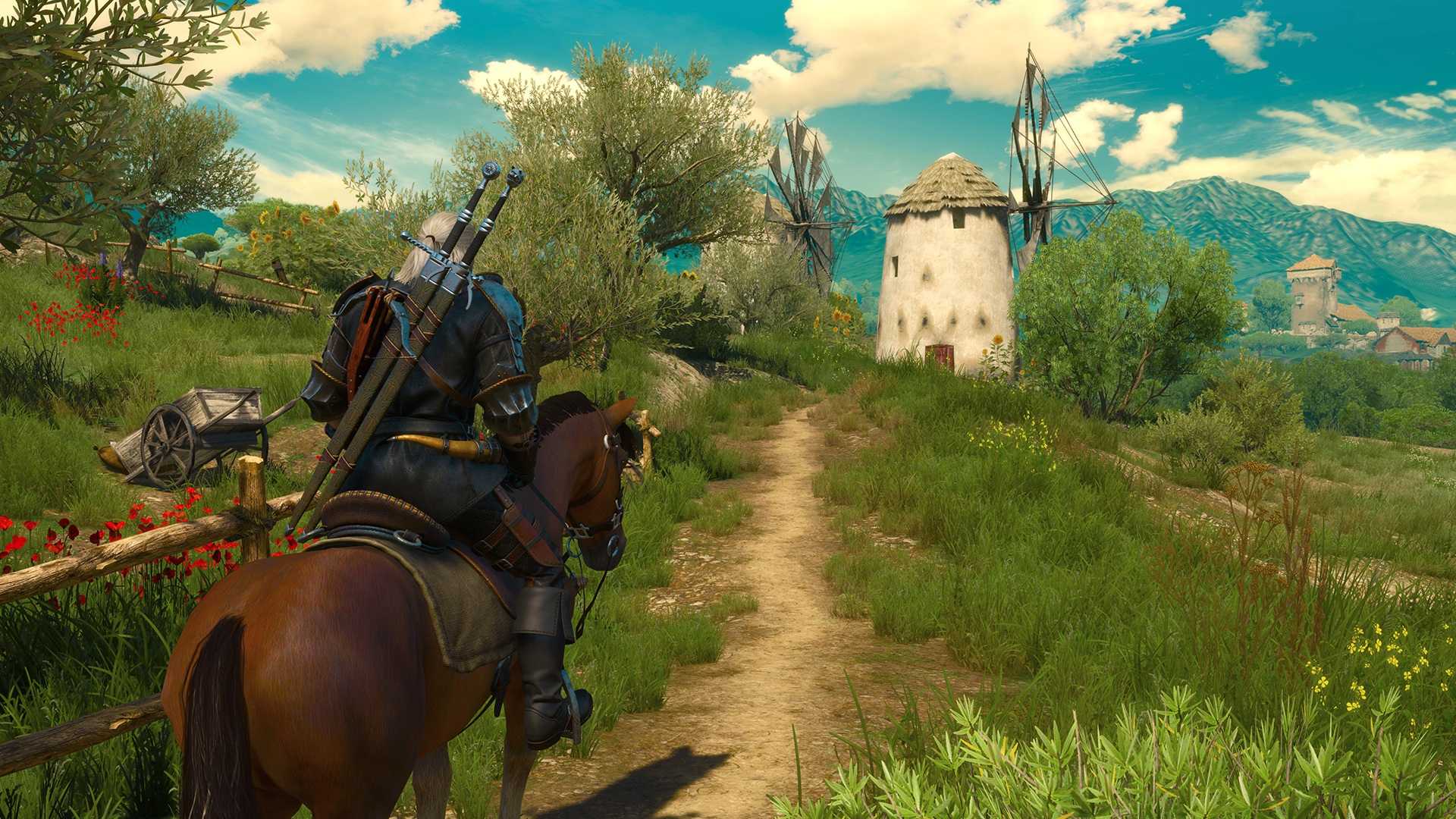
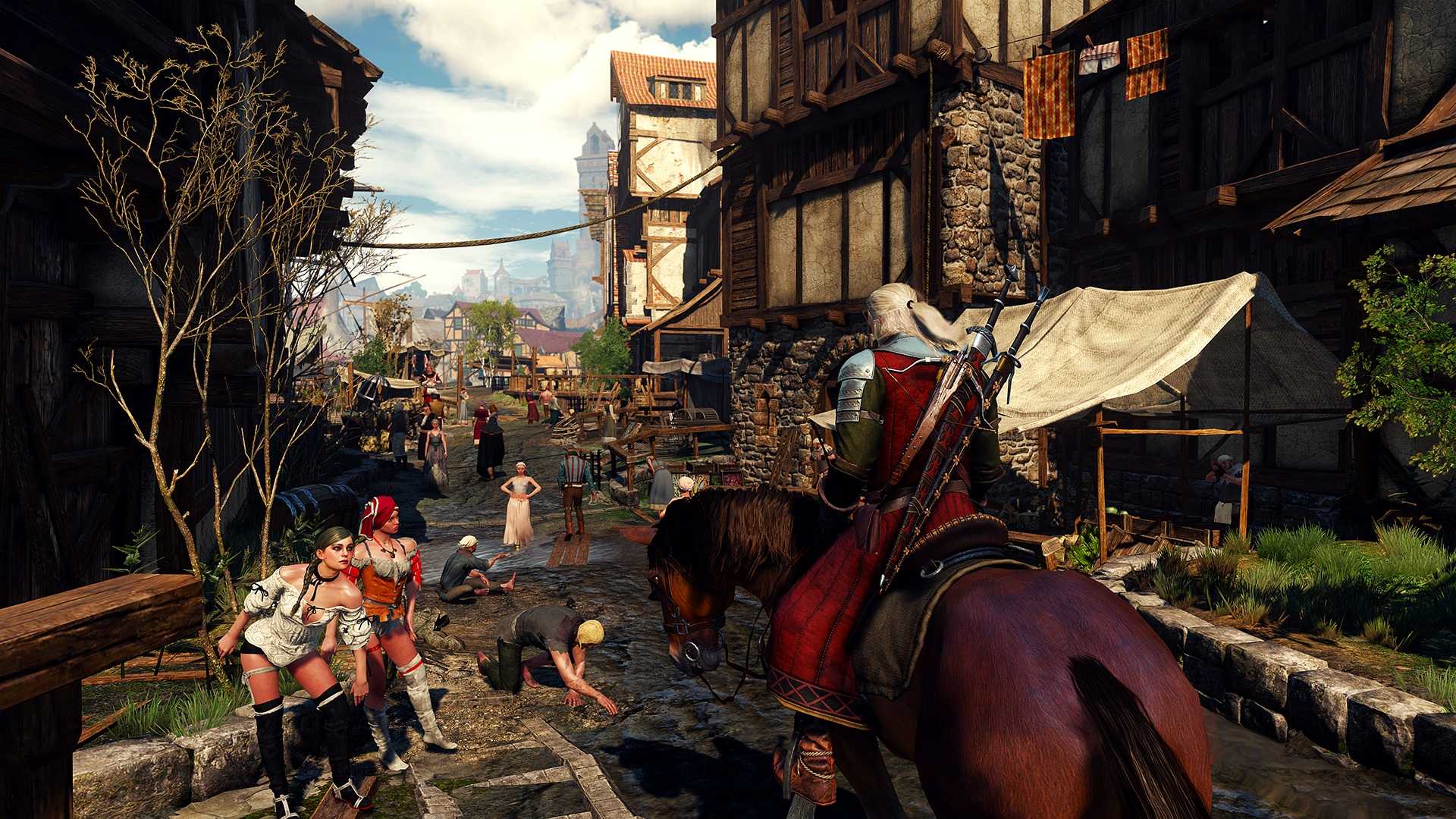
By 2015, it had been almost two years since we entered the eighth generation of gaming with the PS4 and the Xbox One. On the PC side, GTX 970s and R9 390s ruled midrange builds. That's when The Witcher 3 finally released, and it made them all sweat bullets. With tech like HairWorks, volumetric lighting, and sprawling cities and towns, CD Projekt Red delivered an open-world RPG that looked much closer to a prestige TV show than a traditional game. Emotionally and technically immersive, The Witcher 3's version of The Continent was unlike anything the world had ever seen before.
En masse, players began upgrading their PCs to enjoy smoother frame rates and longer draw distances, and later, for texture mods that pushed The Witcher 3's visuals even further. The Witcher 3 proved that RPGs could be graphical, cinematic, and technical heavyweights. Add to that the fantastic art direction, and we have a decade-old game that has aged beautifully, even without the 2022 next-gen upgrade.

One of the greatest RPG adventures and fantasy games available on this generation of consoles.
Cyberpunk 2077 moved half the world to RTX
It even made me re-enter the PC gaming space





 Credit: CD Projekt RED
 Credit: CD Projekt RED
 Credit: Steam
 Credit: Steam
 Credit: Steam






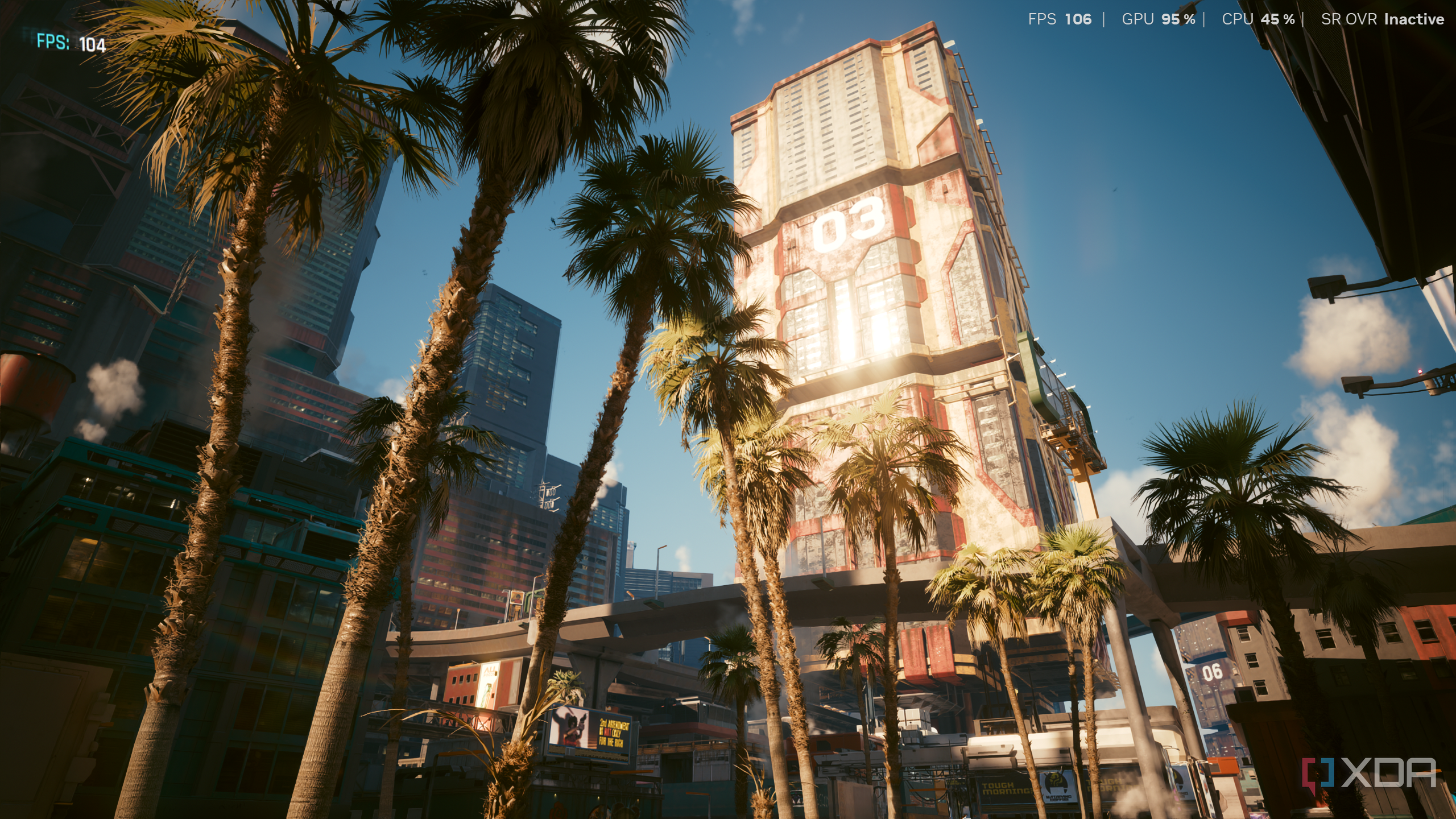
2020 was a rather significant year for PC gaming. A seven-year wait was coming to an end for gamers who had been looking forward to Cyberpunk 2077 since its 2013 announcement. By this time, it had been two years since NVIDIA launched its RTX 20-series GPUs, offering real-time ray tracing in games: technology many thought wouldn't exist in their time. And to top it all off, the entire global hardware market went into disarray due to the pandemic, sending GPU prices through the stratosphere.
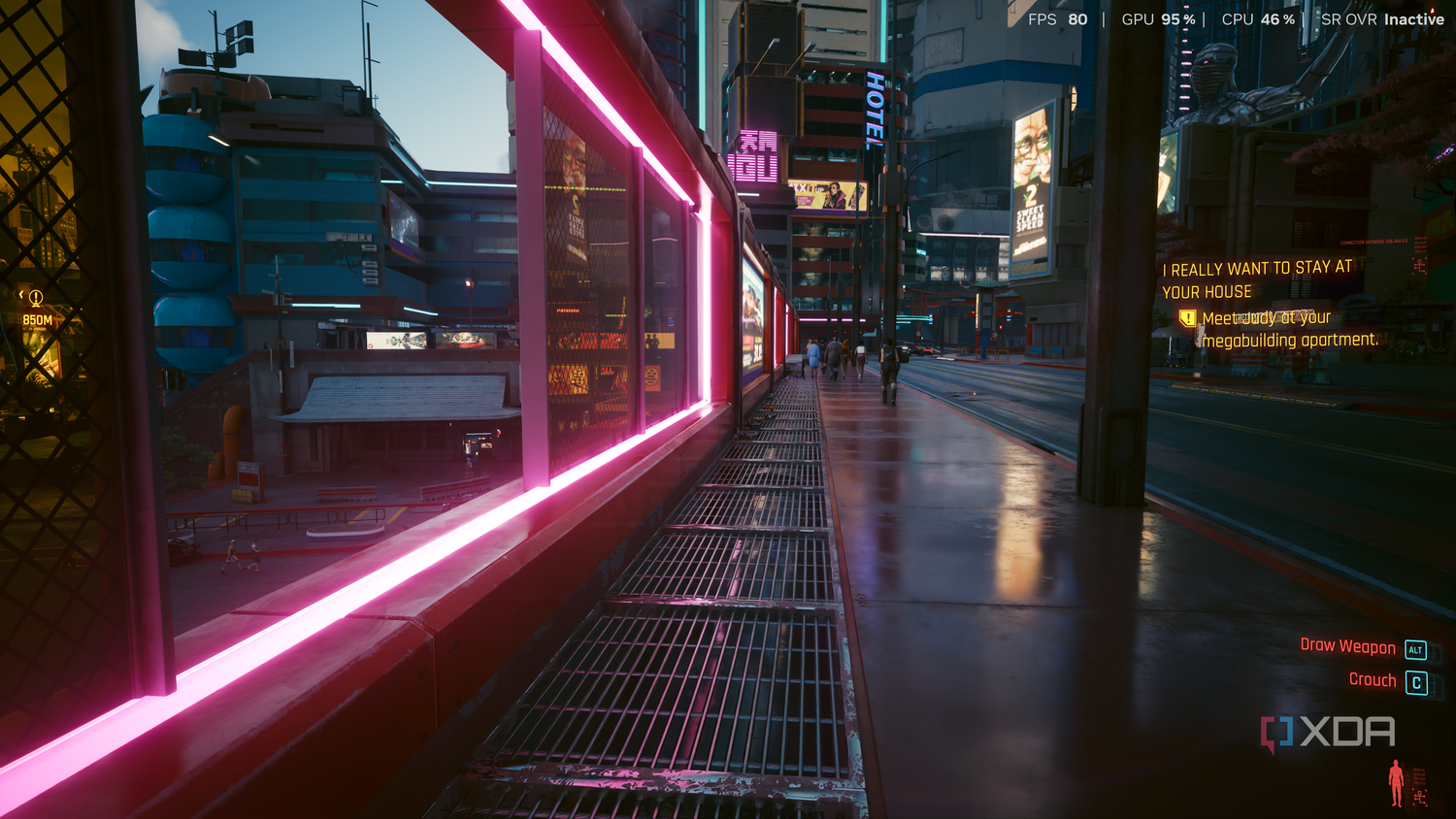
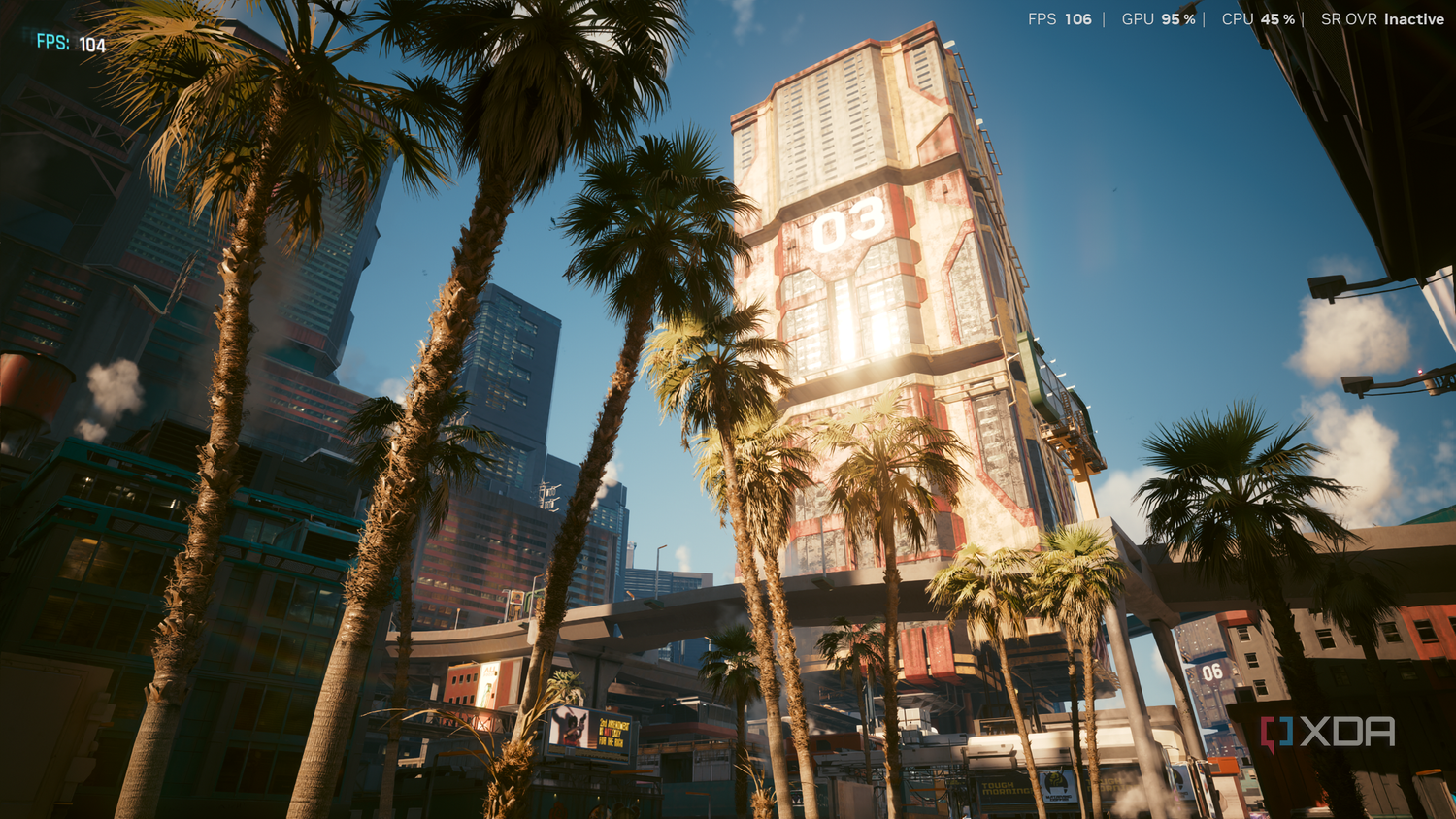
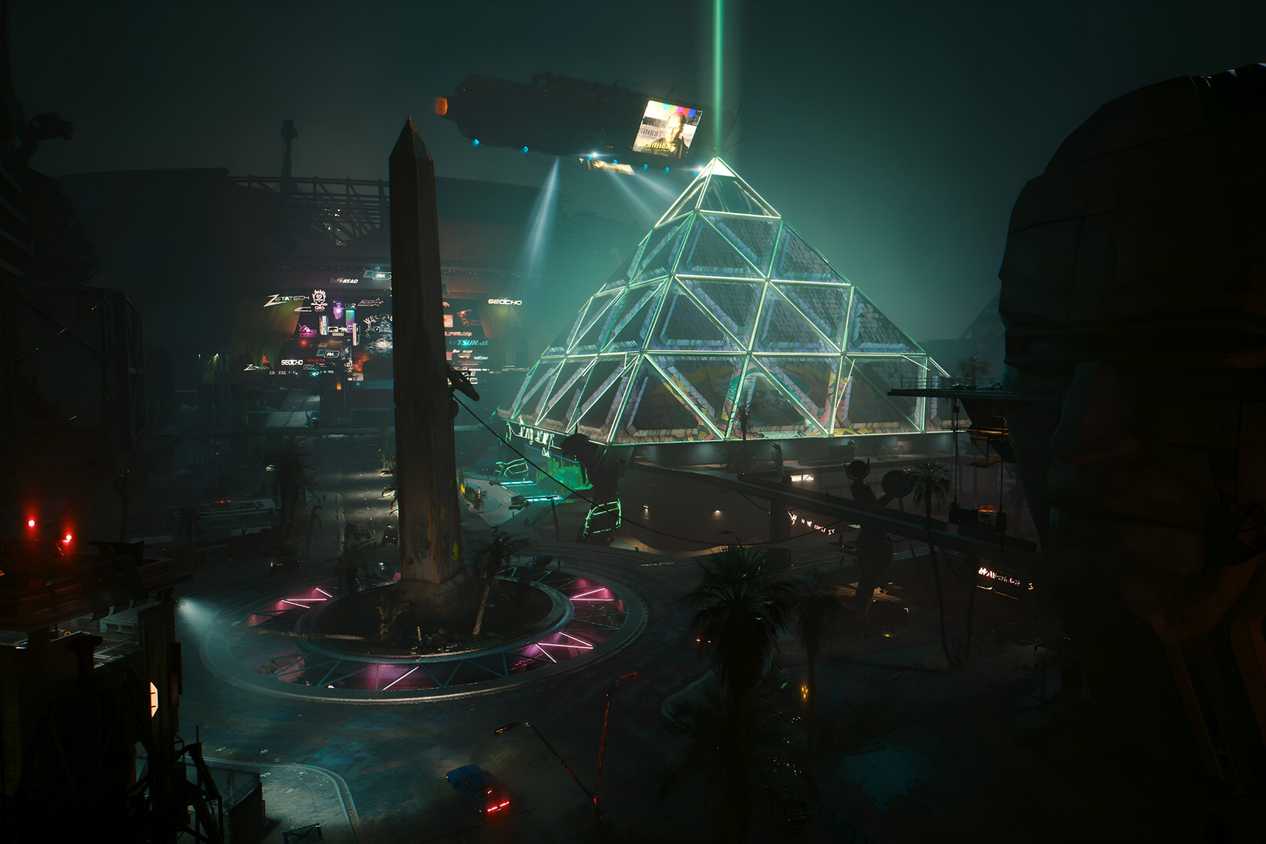
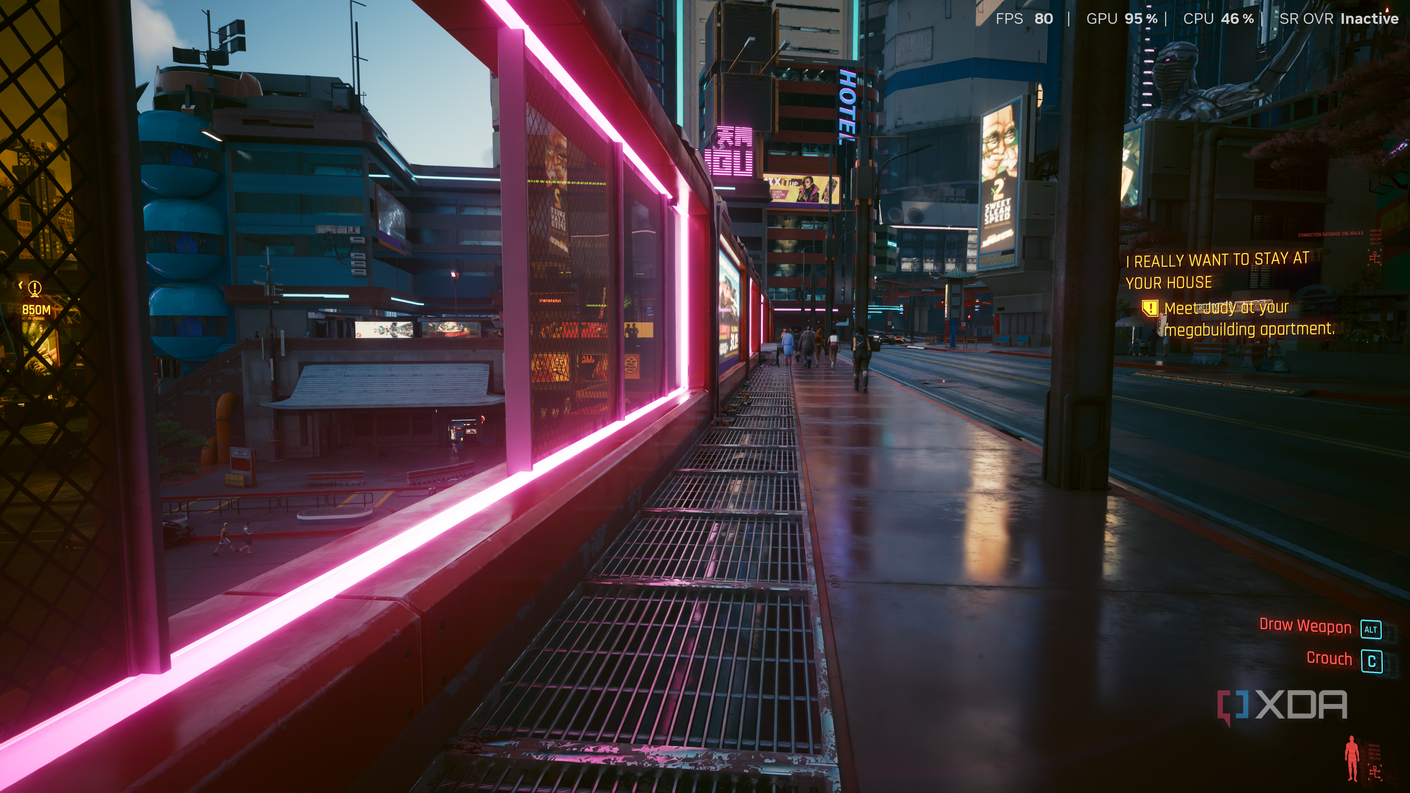
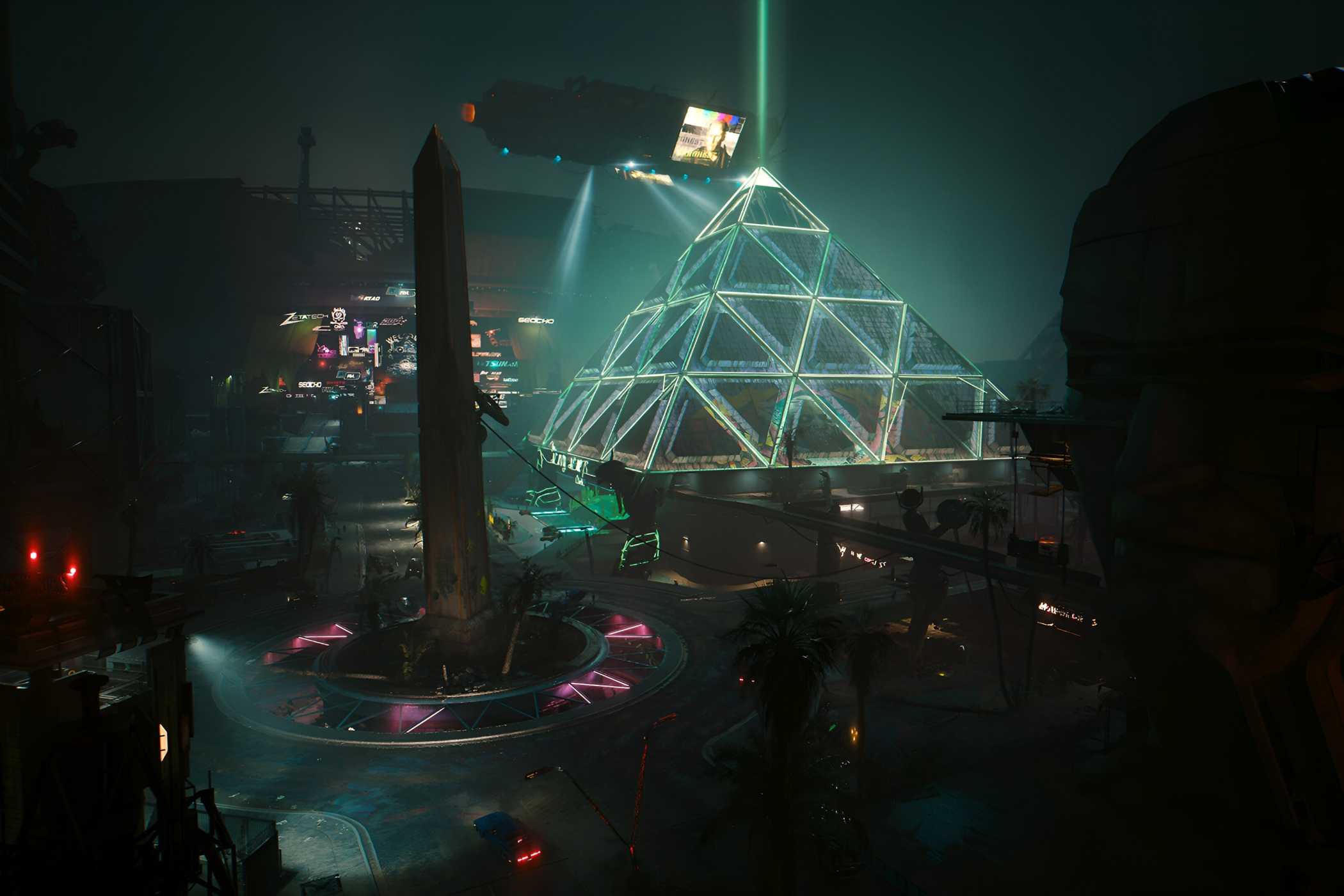
When Cyberpunk 2077 finally released after several delays, Nvidia convinced everyone and their dog that they needed RTX cards to truly enjoy Cyberpunk 2077 and its never-before-seen graphical fidelity. Night City had finally given RTX 20-series and 30-series cards purpose with its reflections on wet streets, neon bouncing off glass everywhere you looked, and ray-traced lighting turning every alley into a tech showcase.
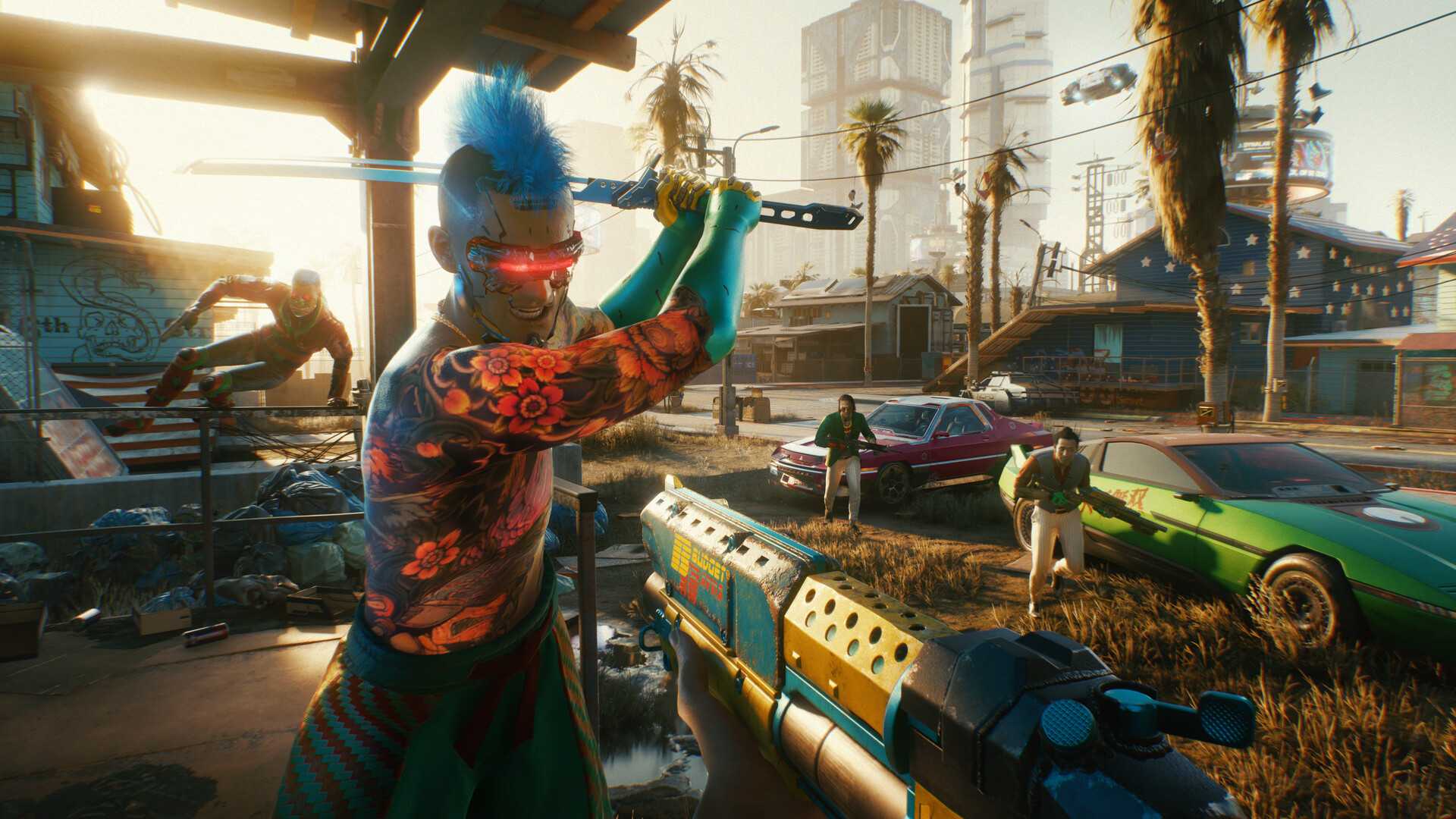
Even RTX 30-series owners found themselves tweaking their settings to fully enjoy Cyberpunk 2077 with its initial, less-than-ideal release. DLSS became essential vocabulary overnight, and entire PC builds revolved around the game. However rocky the launch might have been, Cyberpunk 2077 eventually became the benchmark for visual quality. In fact, with newer technologies such as Path Tracing, Ray Reconstruction, and Frame Generation, it remains the benchmark, six years after its release: a testament to how tech-forward the game was when it launched at the beginning of this decade.
It was Cyberpunk 2077 that finally led me to re-enter the PC gaming space after four years of being console-only on my PS4. I even bought an RTX 2070 Super off the used card market to play the game. Even though it barely ran in a functional state for millions of players at launch, Cyberpunk 2077 genuinely prompted some hasty PC upgrades for everyone. It was even the catalyst for many PS4 and Xbox One players to jump to the PS5 and Xbox Series X to see something other than the potato visuals the PS4 could output.

-
OpenCritic Reviews
- Top Critic Avg: 76/100 Critics Rec: 66%
- Released
- December 10, 2020
- ESRB
- M for Mature: Blood and Gore, Intense Violence, Nudity, Strong Language, Strong Sexual Content, Use of Drugs and Alcohol
- Developer(s)
- CD Projekt Red
- Publisher(s)
- CD Projekt Red


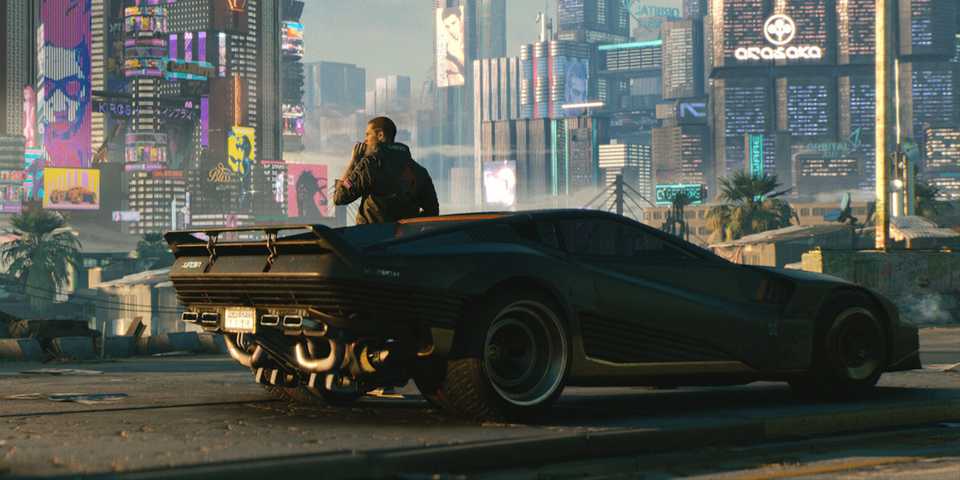


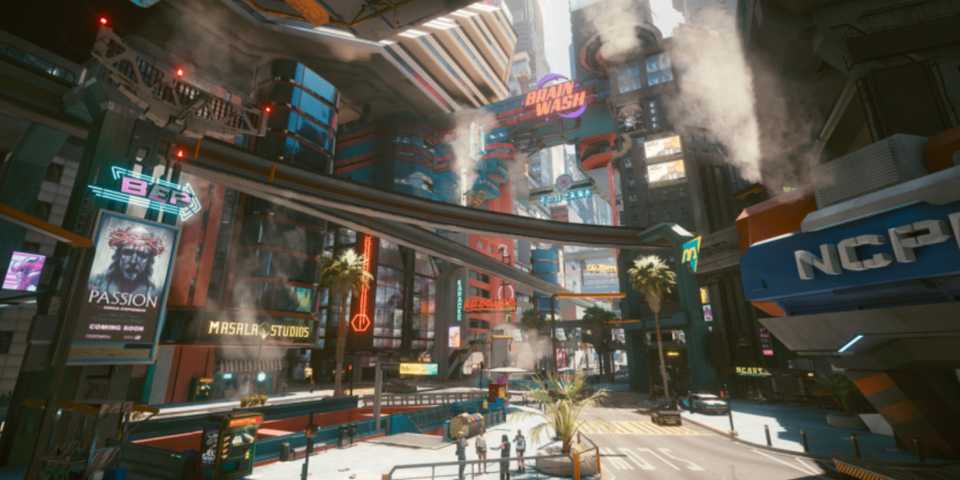
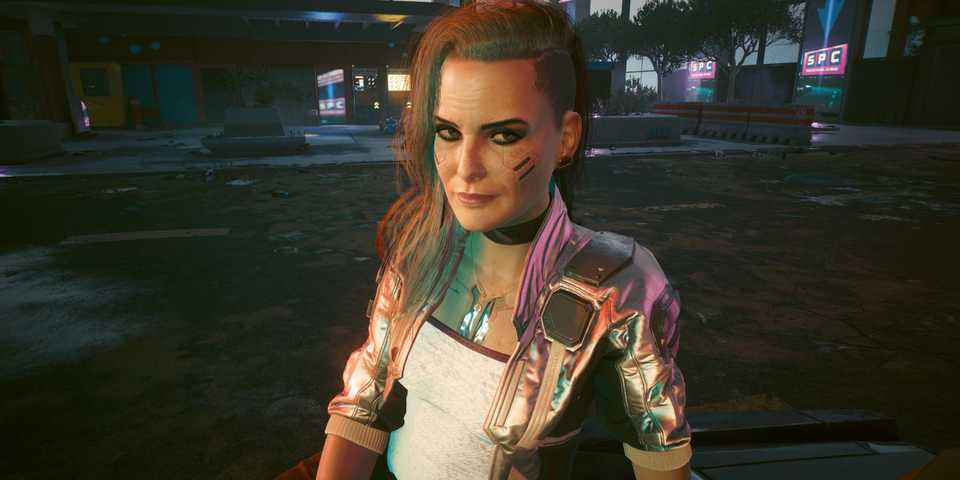


Cyberpunk 2077 is an open-world action-adventure from the creators of The Witcher 3: Wild Hunt, CD Projekt Red.
Set in Night City, a megalopolis obsessed with power, glamour and body modification, you play as V, a mercenary outlaw going after a one-of-a-kind implant that is the key to immortality.
Upgraded with next-gen in mind and featuring free additional content, customize your character and playstyle as you take on jobs, build a reputation, and unlock upgrades.
The relationships you forge and the choices you make will shape the story and the world around you. Legends are made here. What will yours be?
- Genre(s)
- RPG, Action
These games reshaped PC gaming
Technical ambition ties all these games together that came out in different eras and generations, and timing does, too. Each arrived at a moment when hardware was almost ready, and almost was never good enough. They forced uncomfortable upgrades, sparked forum wars, and reshaped expectations for what PC gaming could be.
Looking back, these "forced" upgrades have been part of the magic, too. PC gaming has always been about chasing the next leap forward by tweaking settings, swapping parts, and squeezing every last frame from silicon. These games, then, simply helped us along our way by escorting us into the next generation — gently for some, and hastily for others.
