


Episodic video games aren't for everyone, are they? There's something beautifully cruel about them, because they hook you, get you involved and committed, and then... they make you wait. Sometimes it's weeks, sometimes it's months, and a surprising number of times, it becomes years. That "Next Episode Coming Soon" screen is hard to digest.
There's excitement, yes, but also the frustration of delay. For those who stay the course, who return episode after episode, the payoff of investing in an episodic video game can be extraordinary. Such games, when written and executed right, get to expand stories and characters in ways full-length titles often have to compromise their runtime or quality for. Less becomes more, as long as it keeps you craving the next chapter. These titles, however, absolutely broke the mold and set new standards in episodic games, drip-feeding us masterpieces one episode at a time.
Resident Evil Revelations 2 (2015)
Everyone longed to play as Claire again


 Credit: Source: Capcom
 Credit: Source: Capcom
 Credit: Source: Capcom
 Credit: Source: Capcom
 Credit: Source: Capcom
 Credit: Source: Capcom


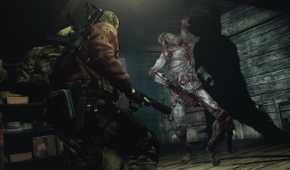
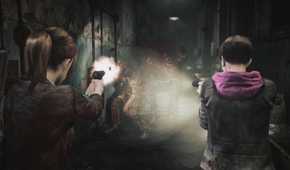
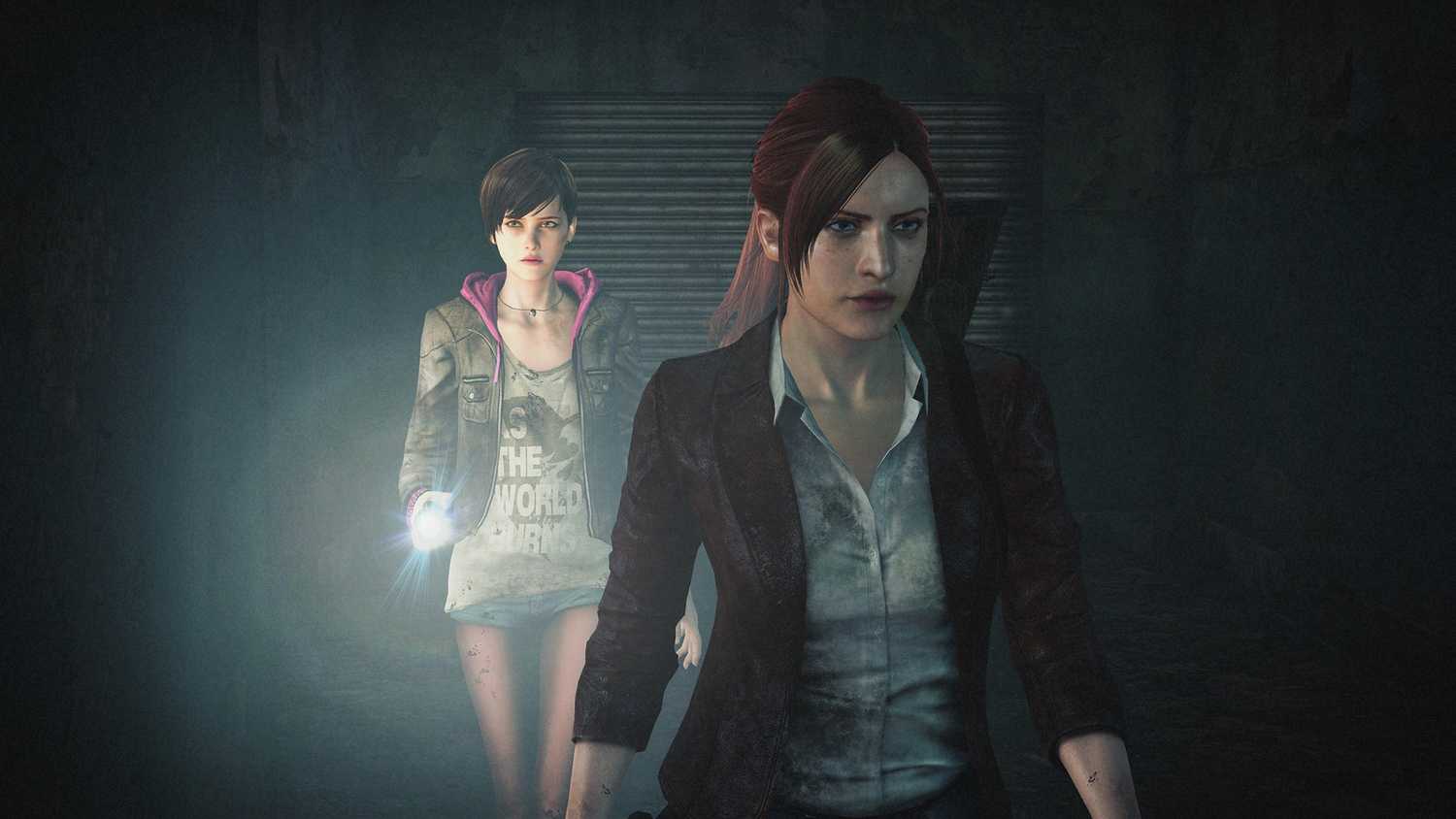
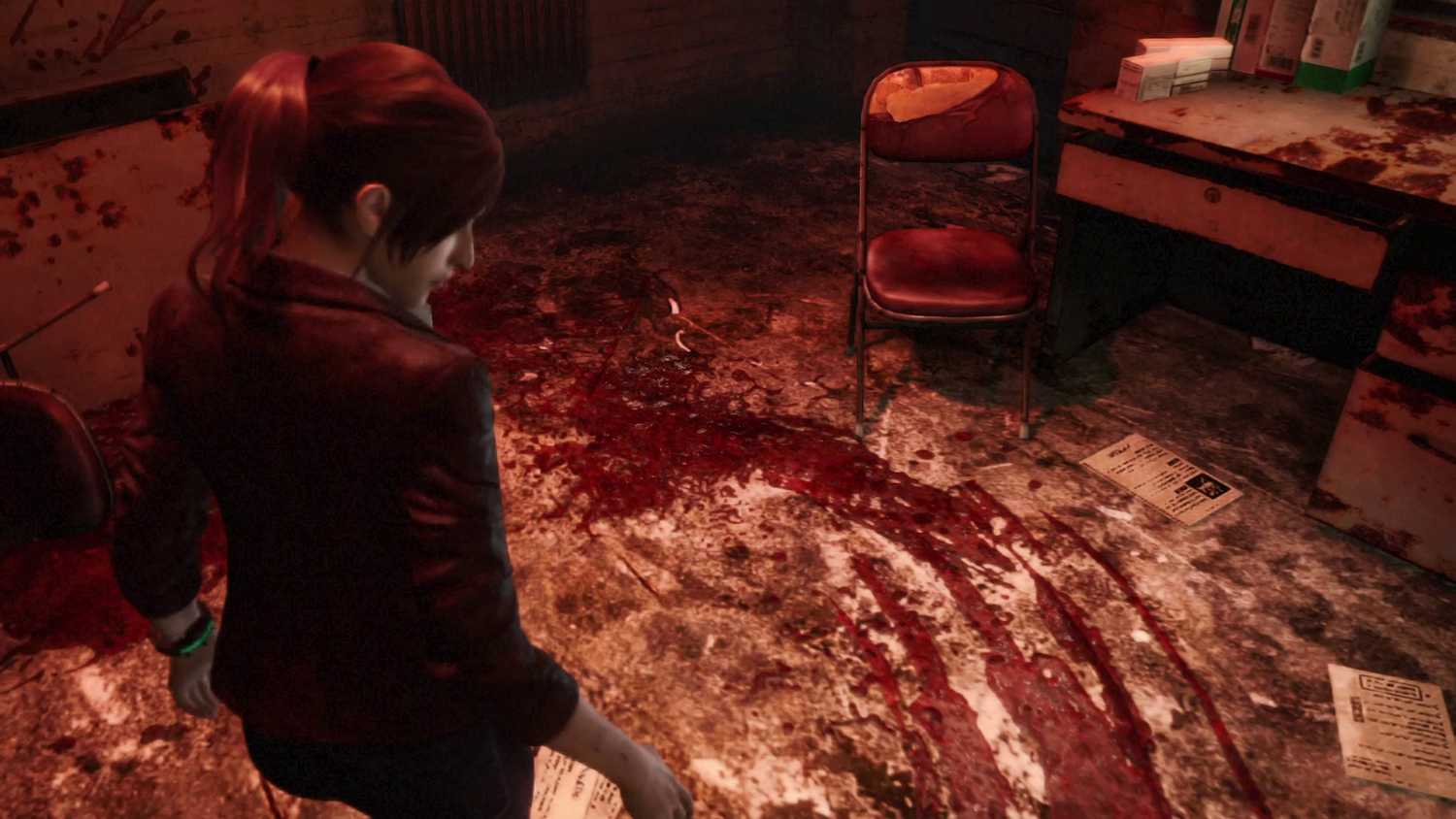
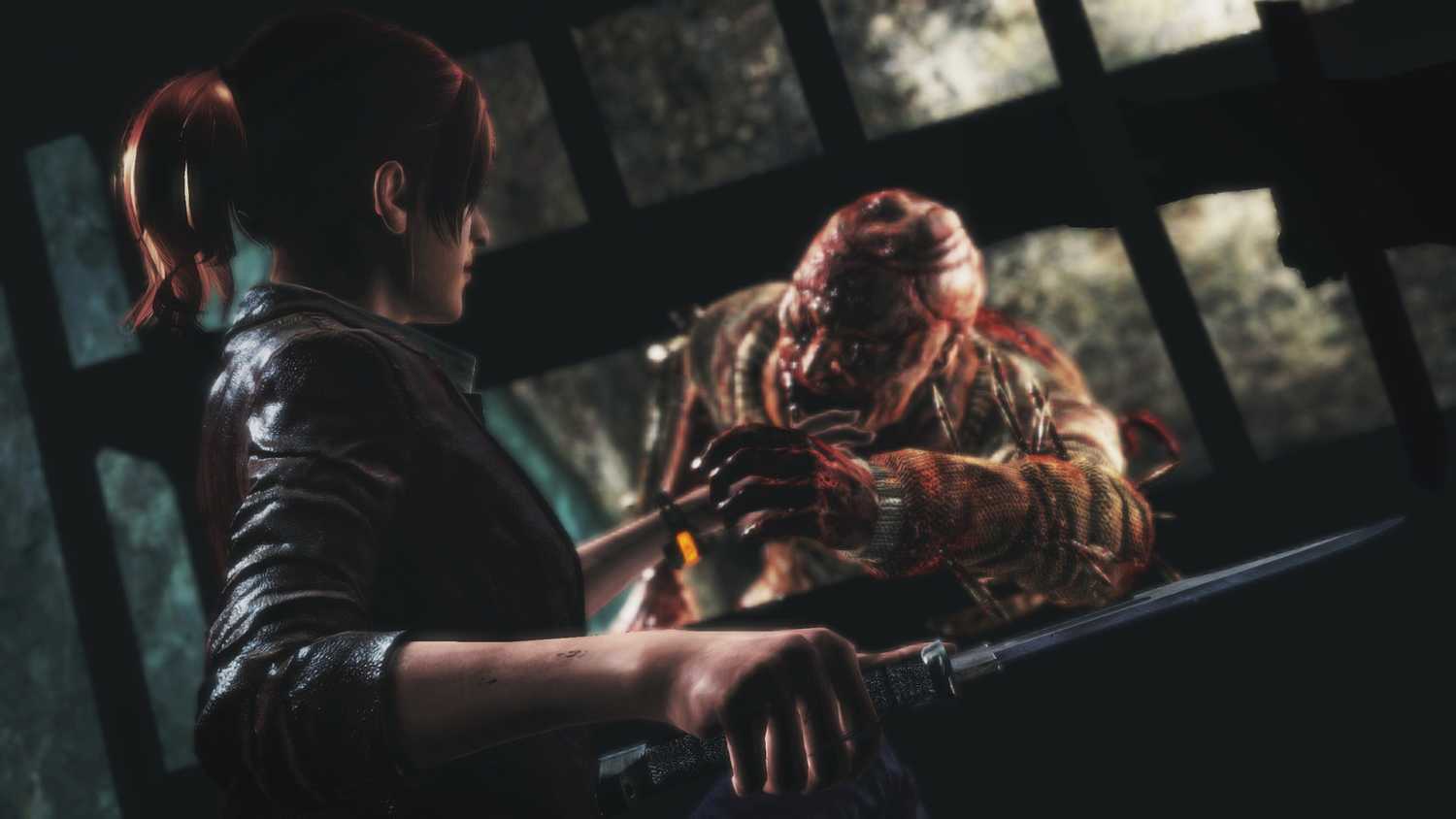
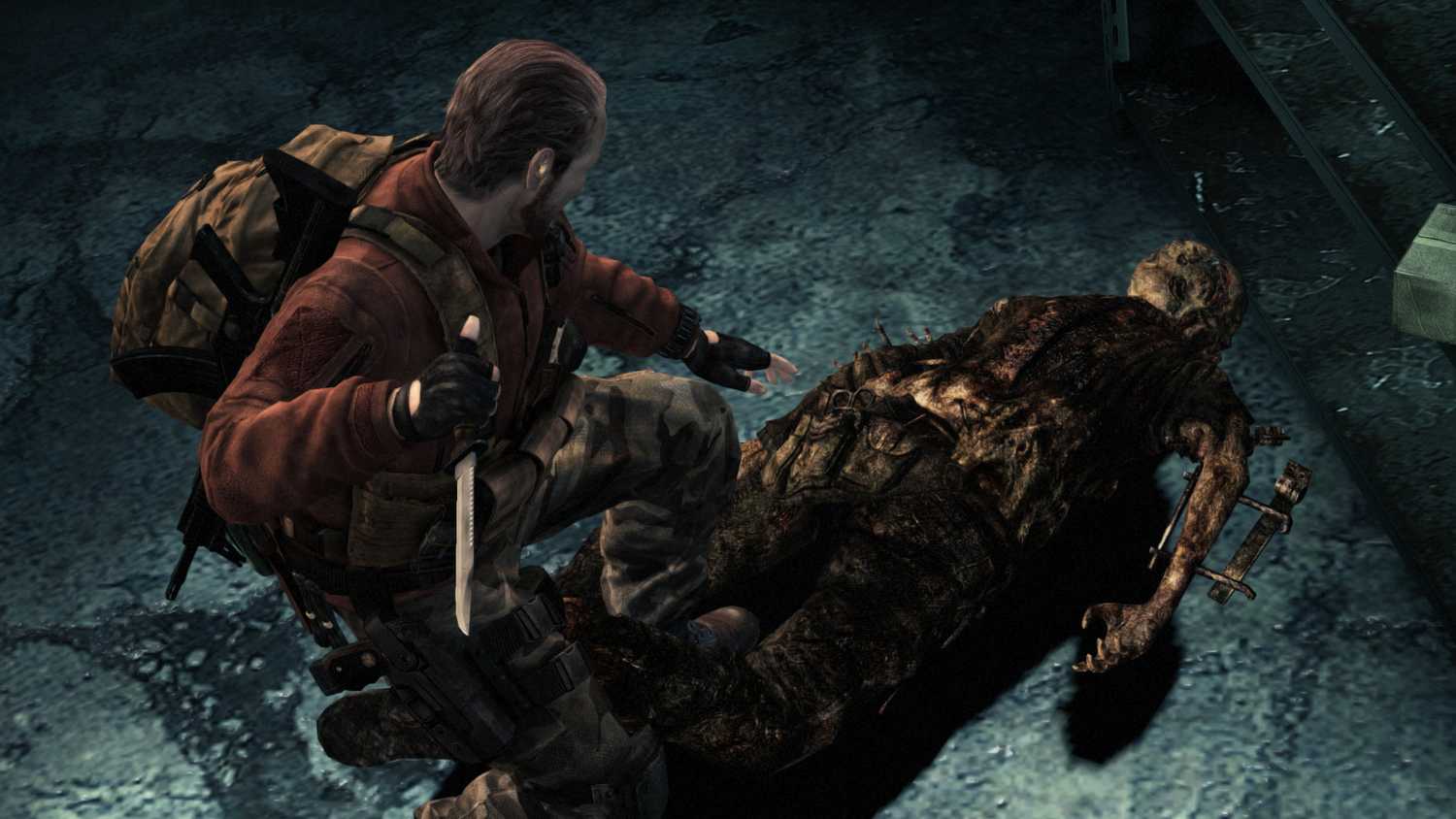
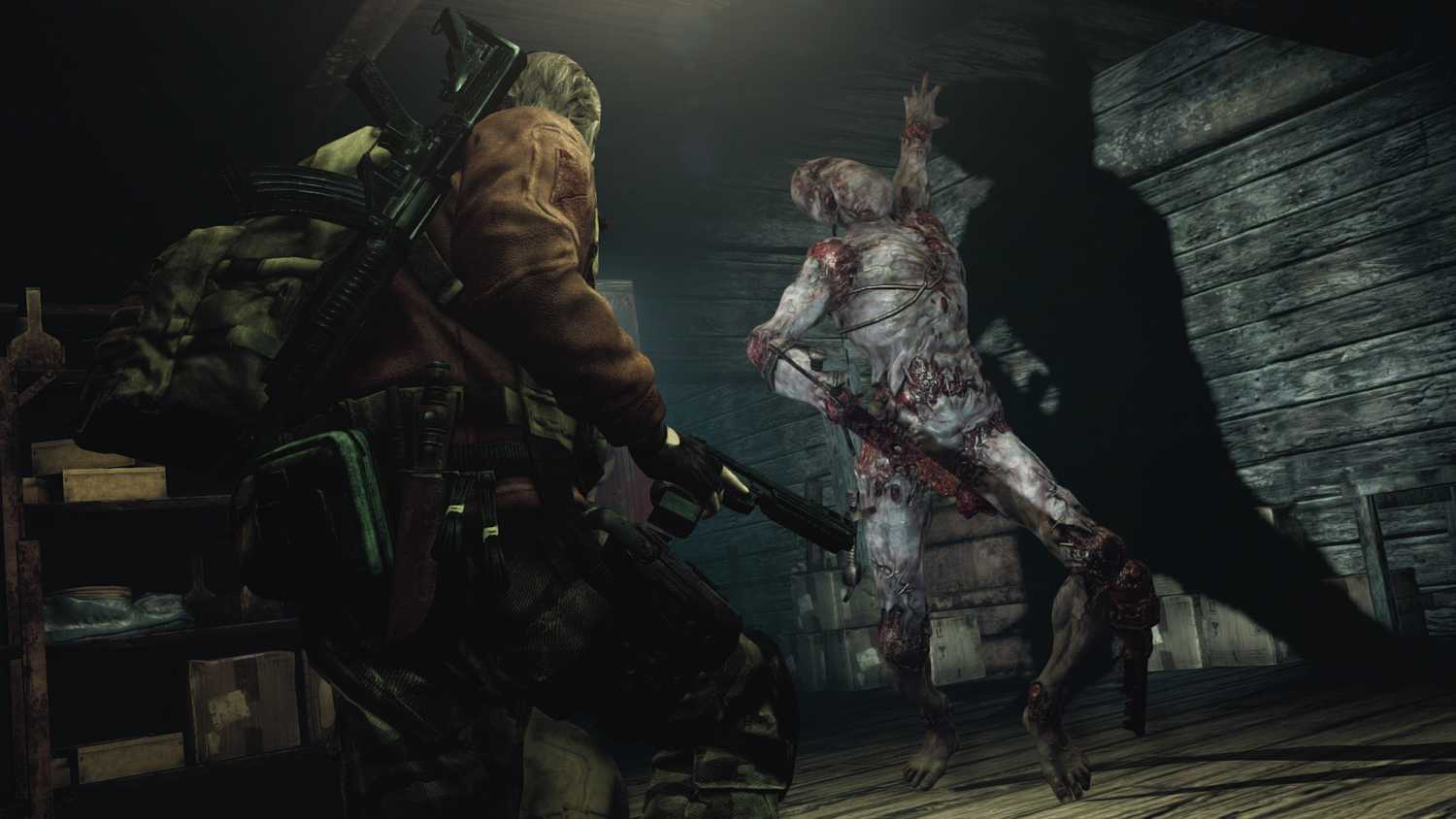
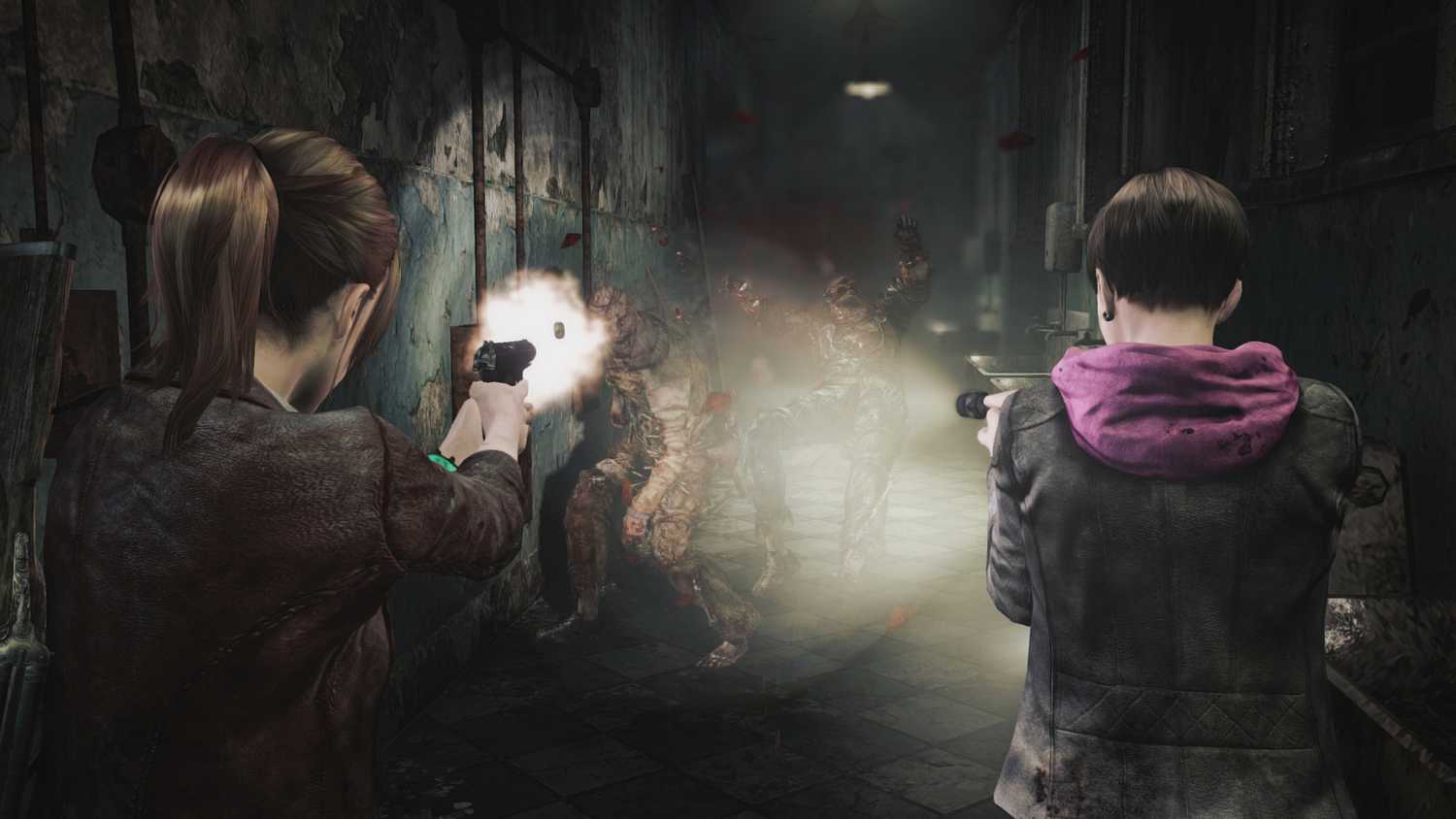
Truth be told, Resident Evil: Revelations 2 doesn't get nearly enough credit for how well it handled the episodic format. Capcom structured this 2015 game like a serialized horror show, complete with cliffhangers, flashbacks, and dual protagonists whose stories intertwined in surprising ways.
The wait between episodes kept the tension and anxiety fresh, as each chapter ended right when things got interesting. Over the course of four episodes, we experienced how the fear stayed relevant throughout the game, simply because the episodic format sidestep a common failing of horror games where they fail to keep tension intact as the runtime drags on. The game worked for both newcomers and die-hard Resident Evil fans. Sure, you're not going to be counting RE: Revelations 2 in any discussion about the greatest Resident Evil games, but when it comes to the episodic format? This game deserves its flowers for being a fantastic offering.

-
 OpenCritic Reviews
- Top Critic Avg: 74/100 Critics Rec: 54%
- Released
- February 24, 2015
- ESRB
- M For Mature 17+ due to Blood and Gore, Intense Violence, Strong Language
- Developer(s)
- Capcom
- Publisher(s)
- Capcom
- Engine
- MT Framework
- Multiplayer
- Online Multiplayer, Local Multiplayer
- Franchise
- Resident Evil



WHERE TO PLAY


- Genre(s)
- Survival Horror

Hitman (2016)
The mastery of murder, replay-by-replay
Source: Steam 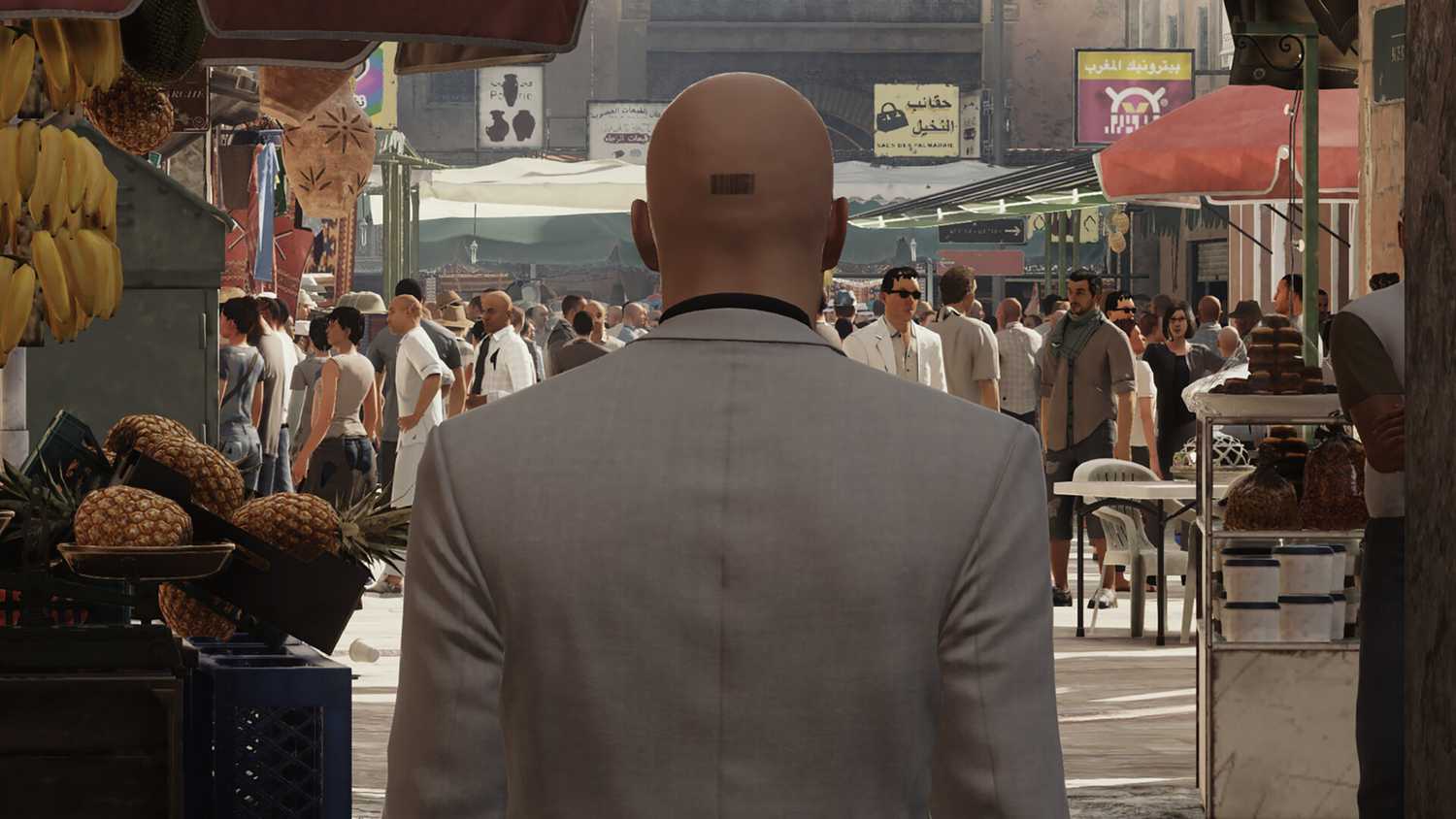
Source: IO Interactive 
Source: Steam 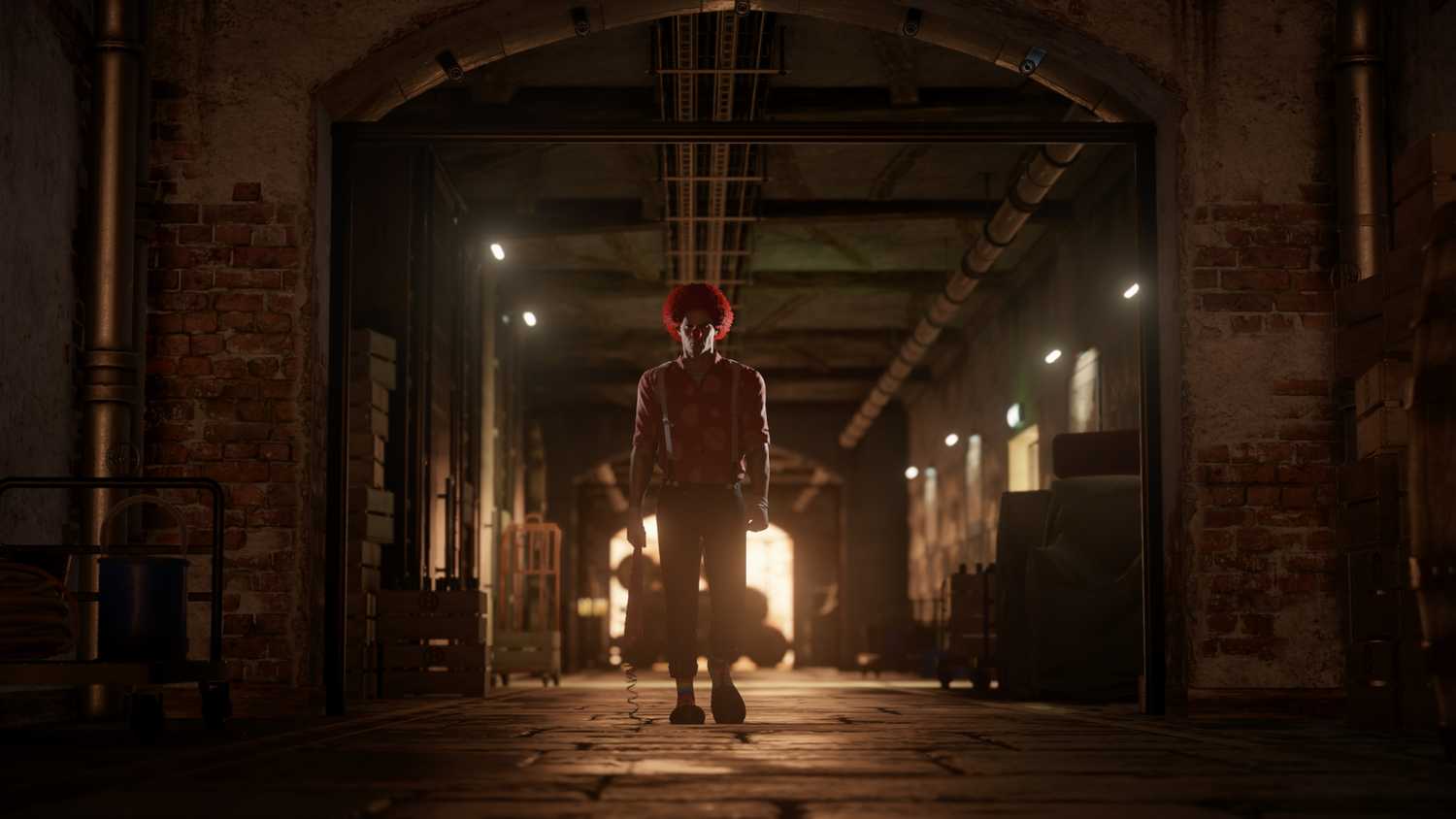
Source: Steam 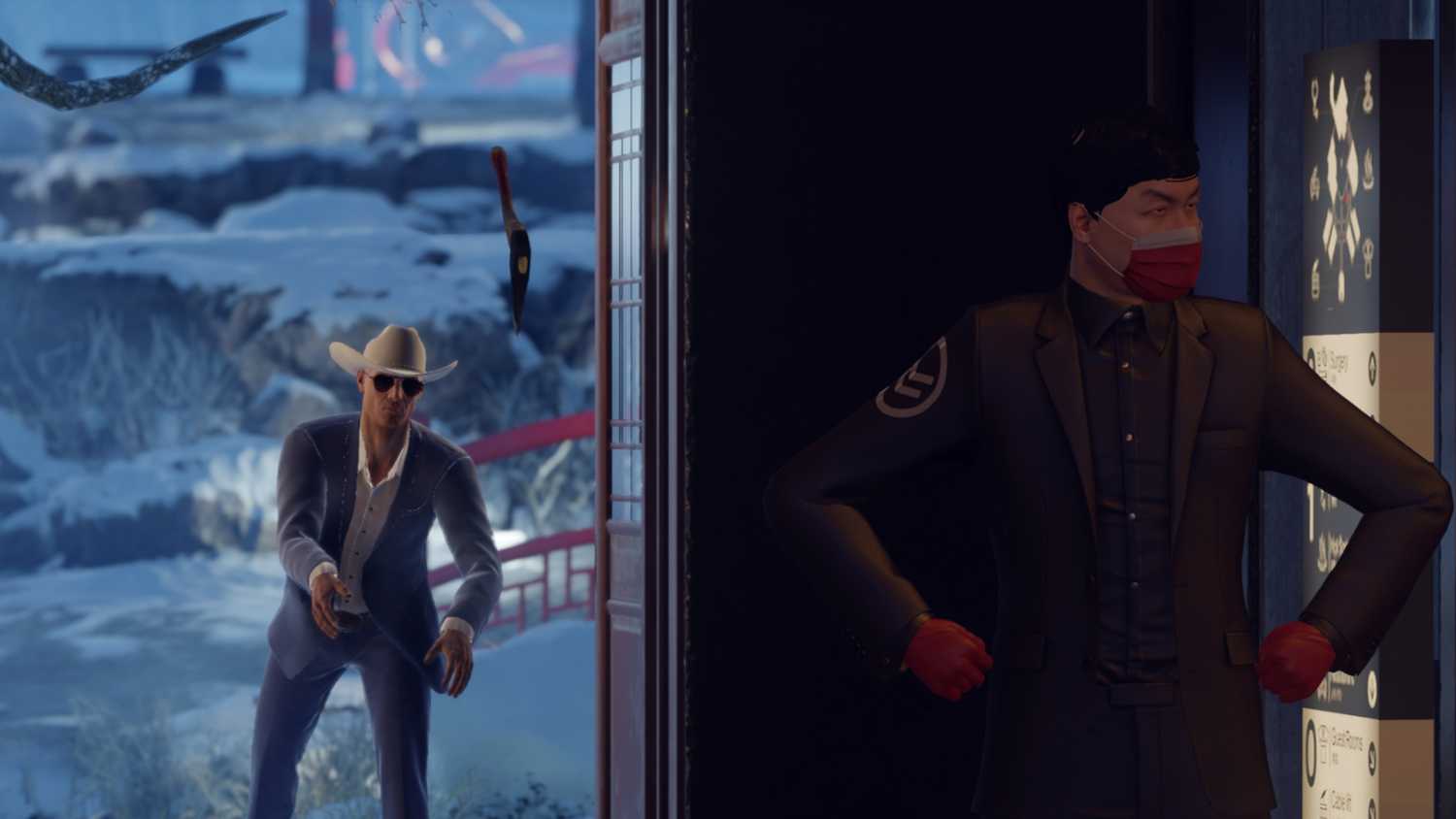
Source: Steam


Source: Steam 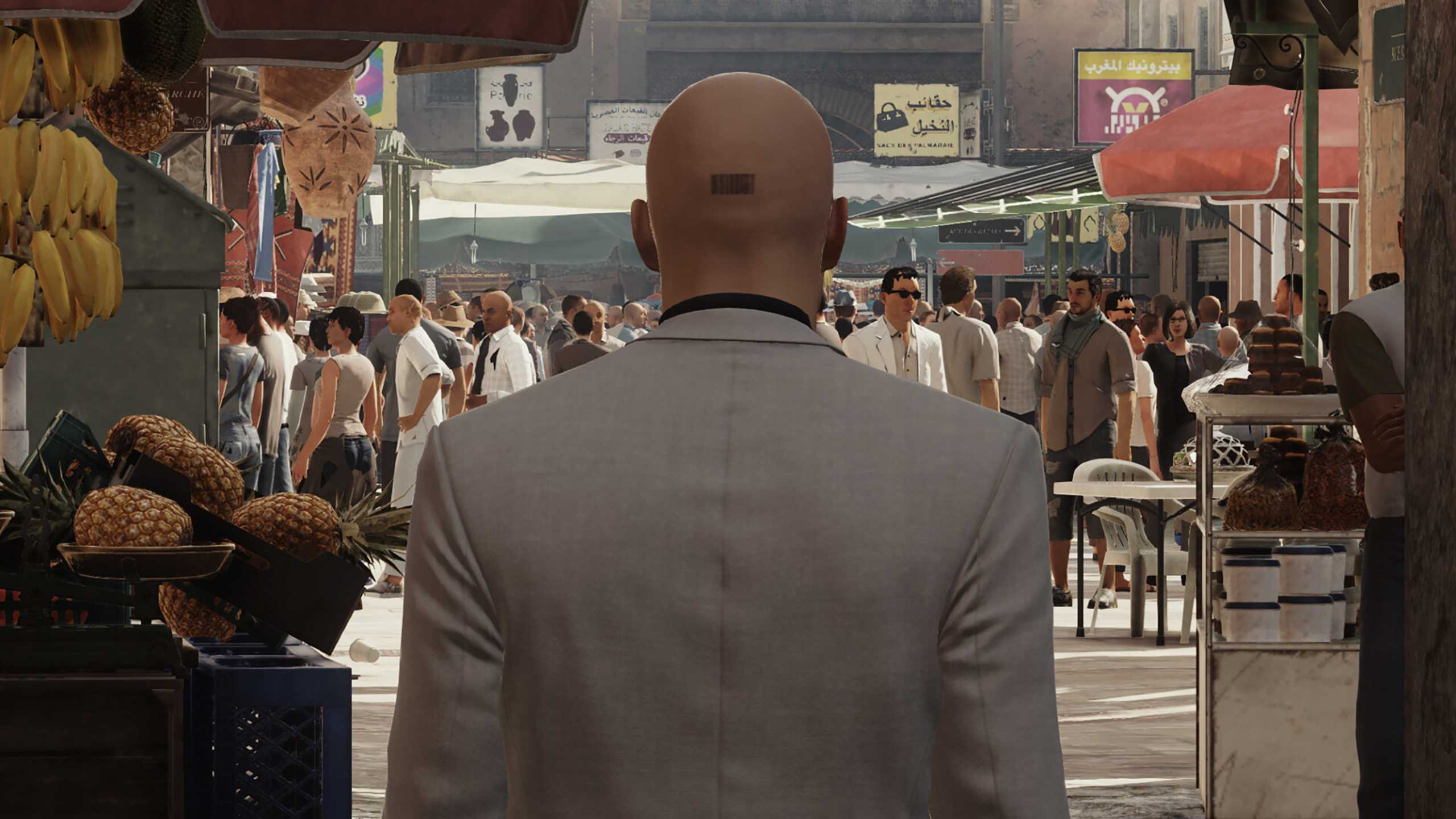
Source: IO Interactive 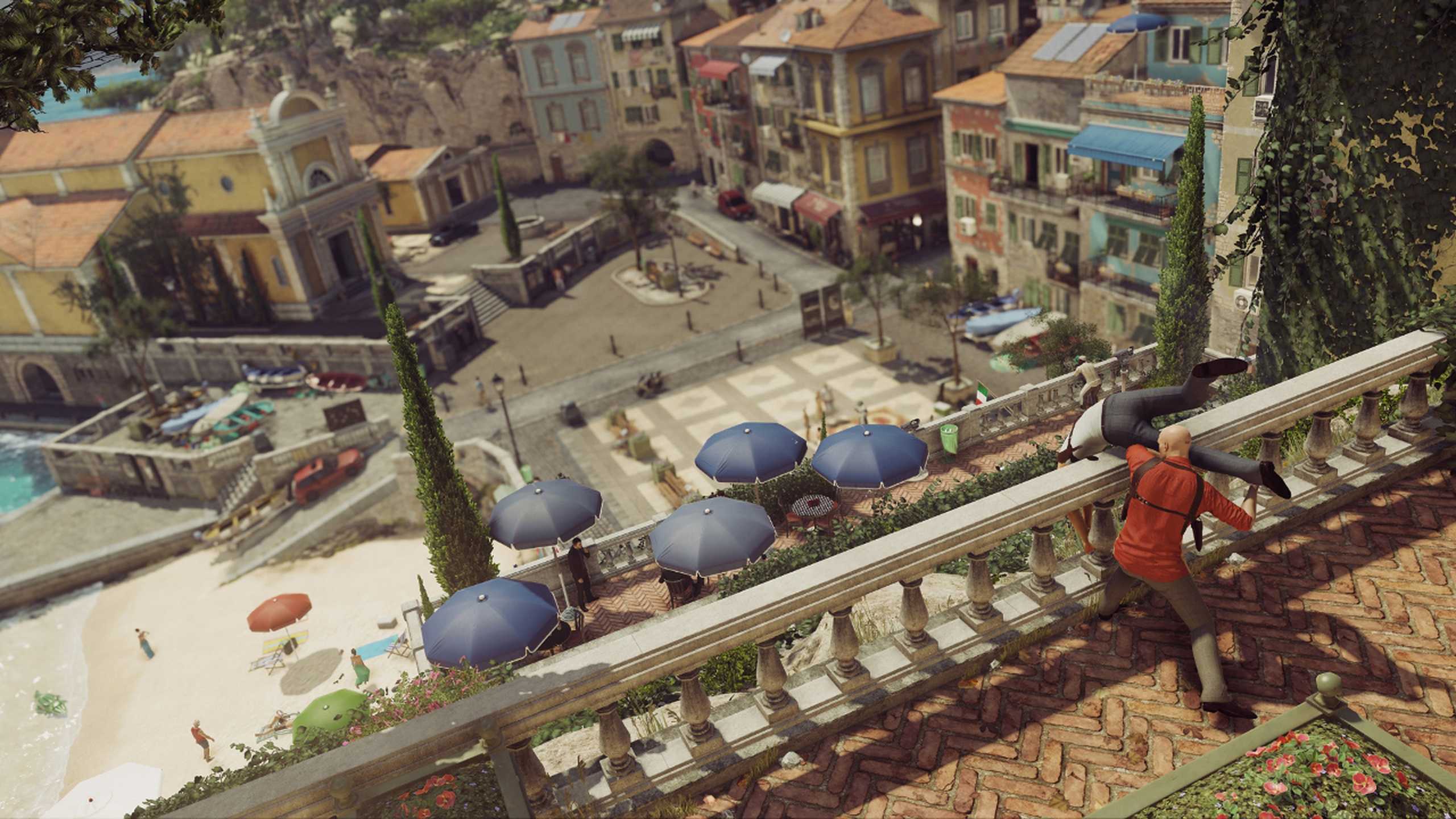
Source: Steam 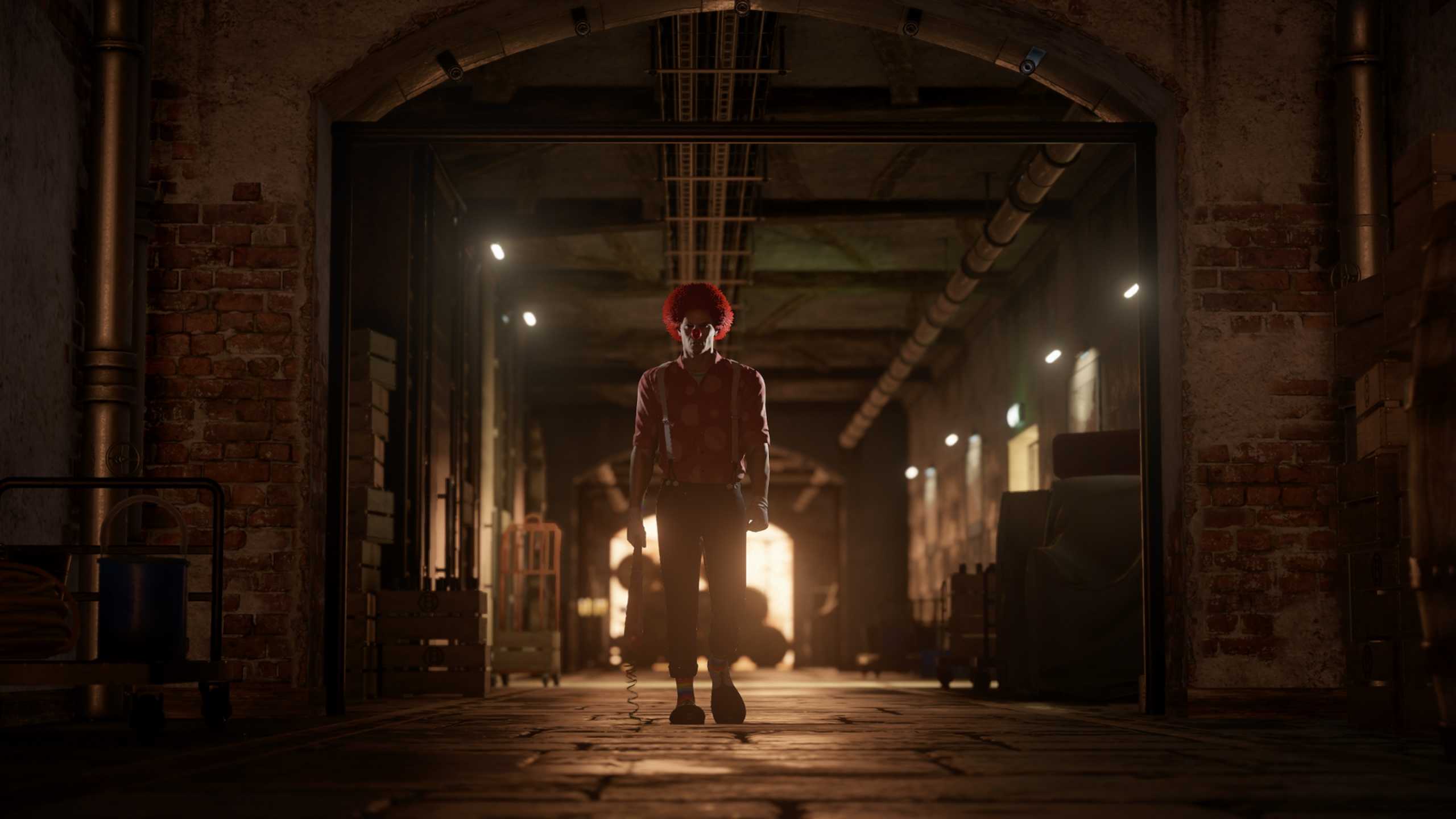
Source: Steam 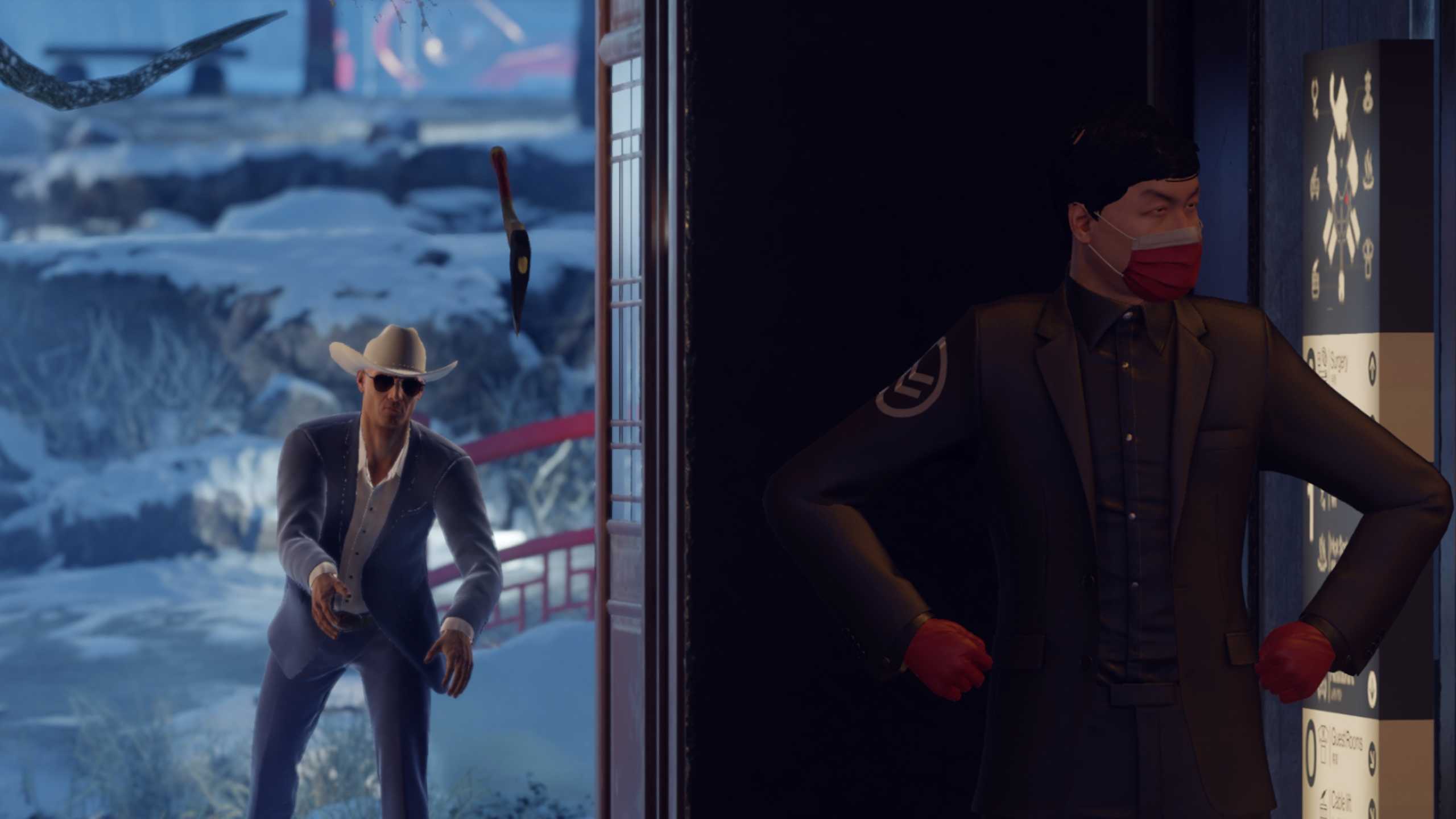
Source: Steam





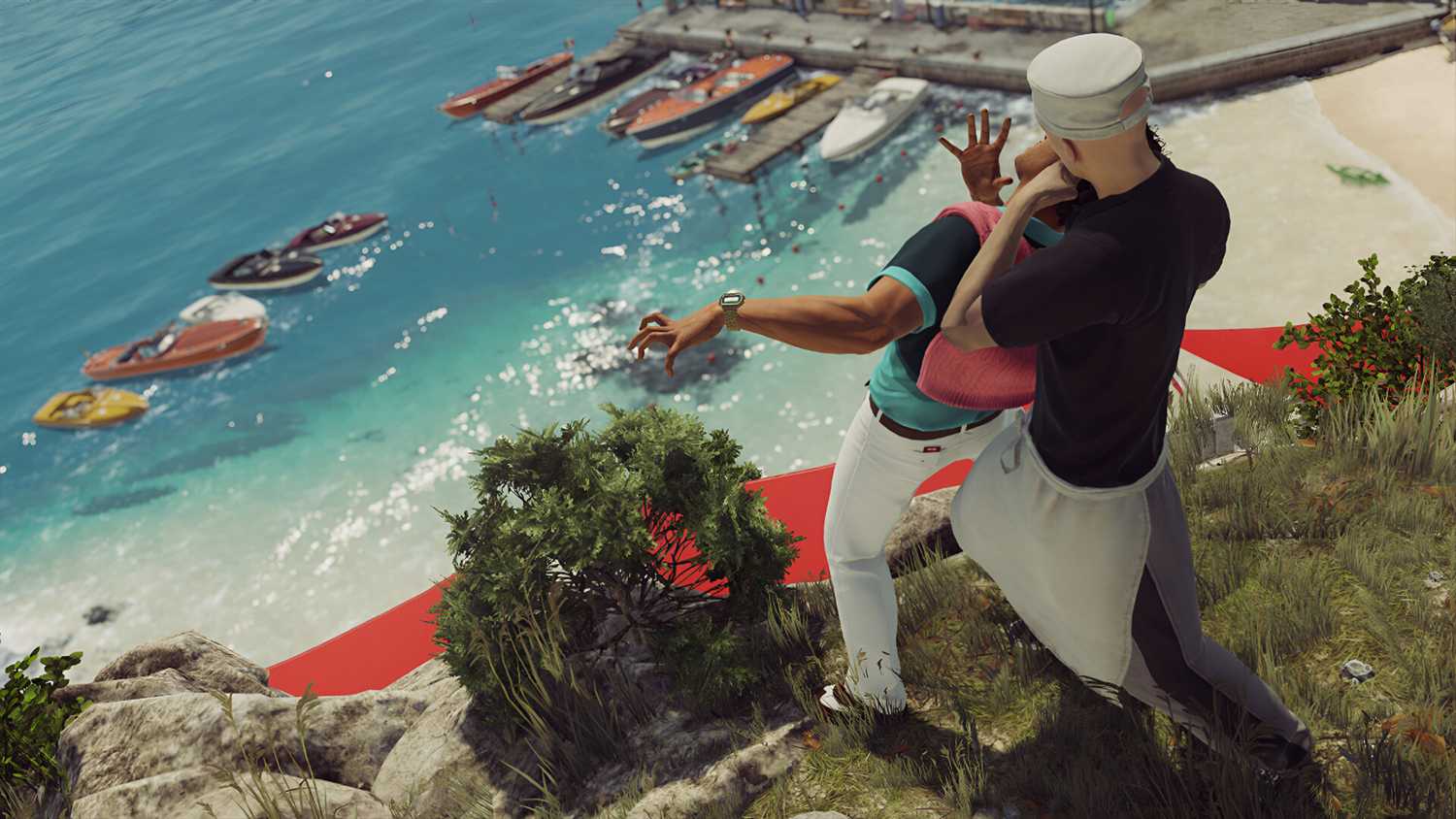
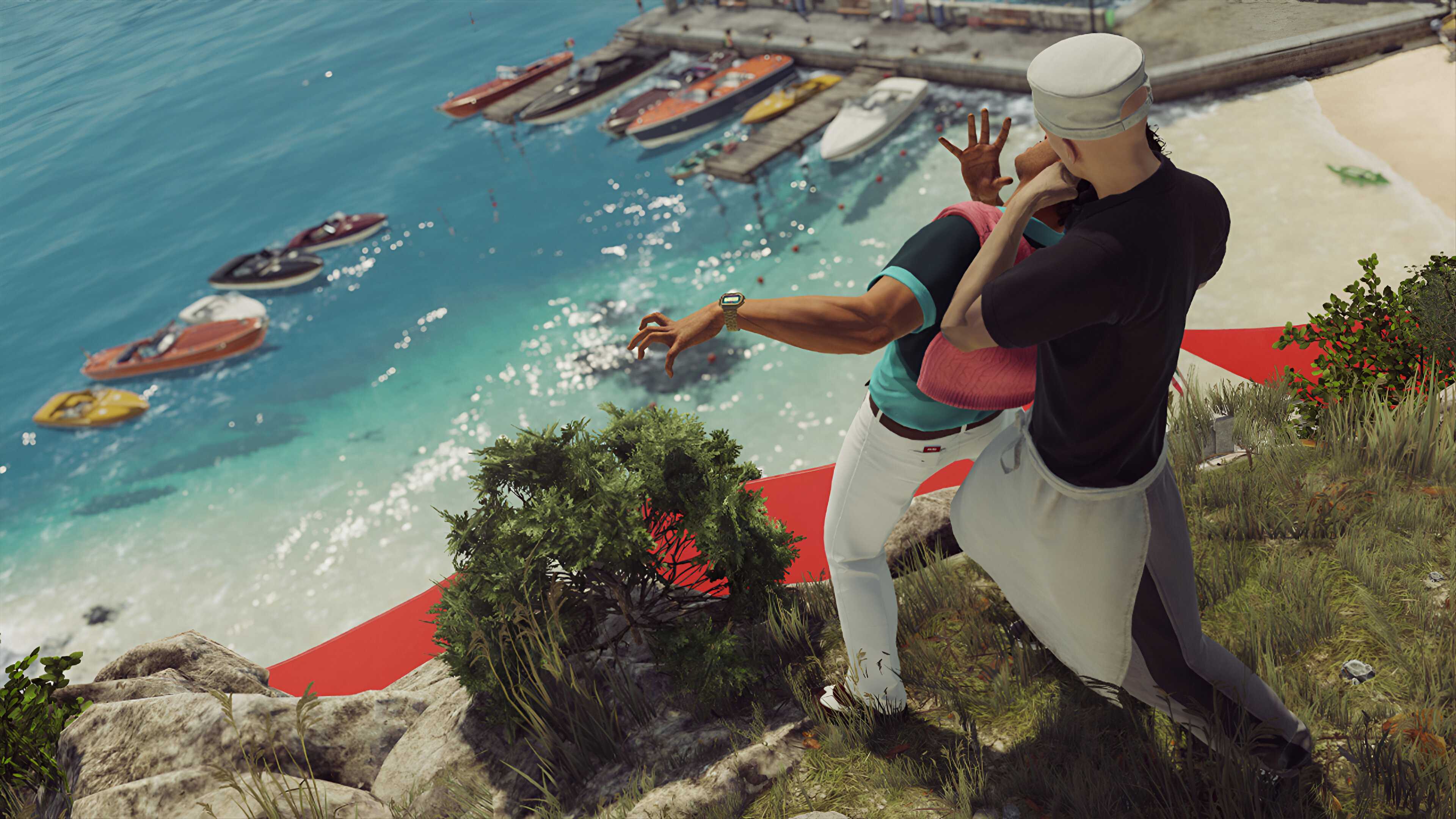
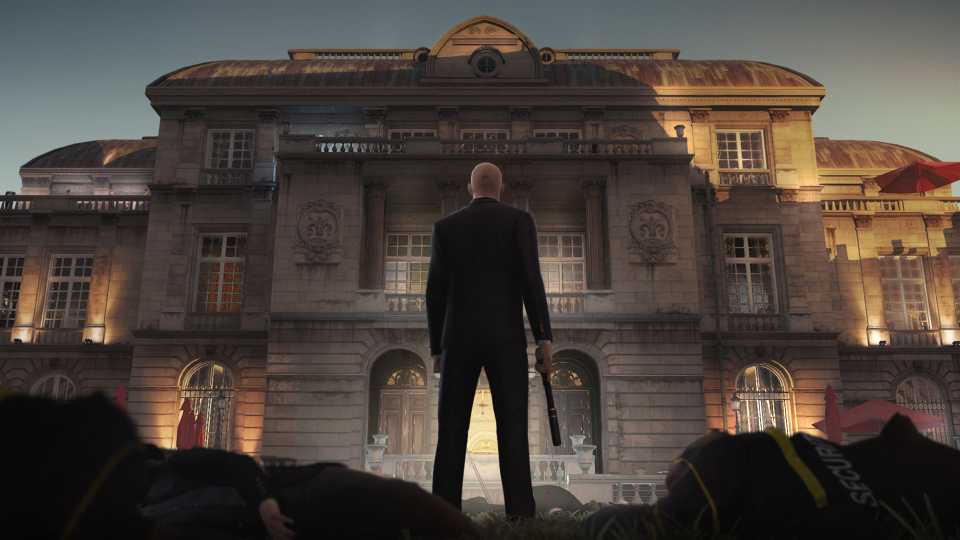
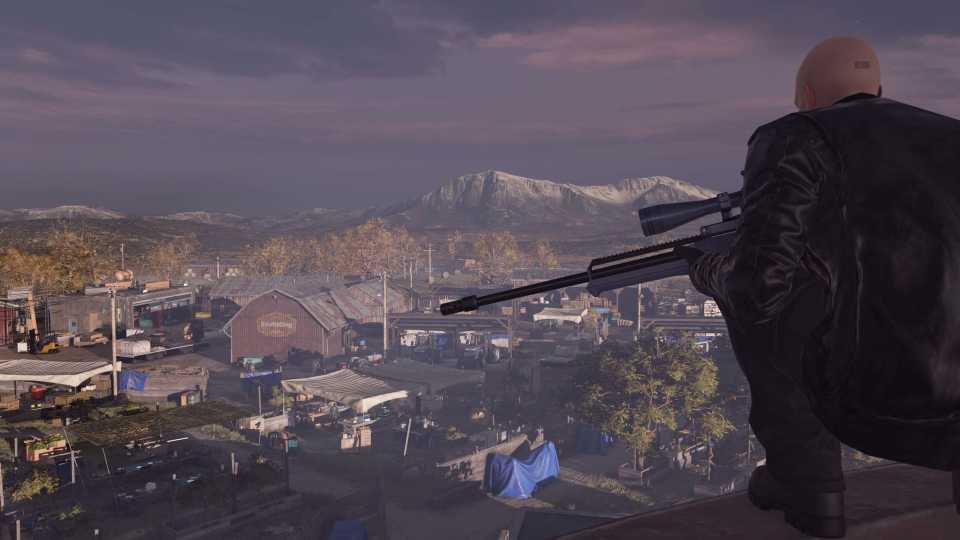
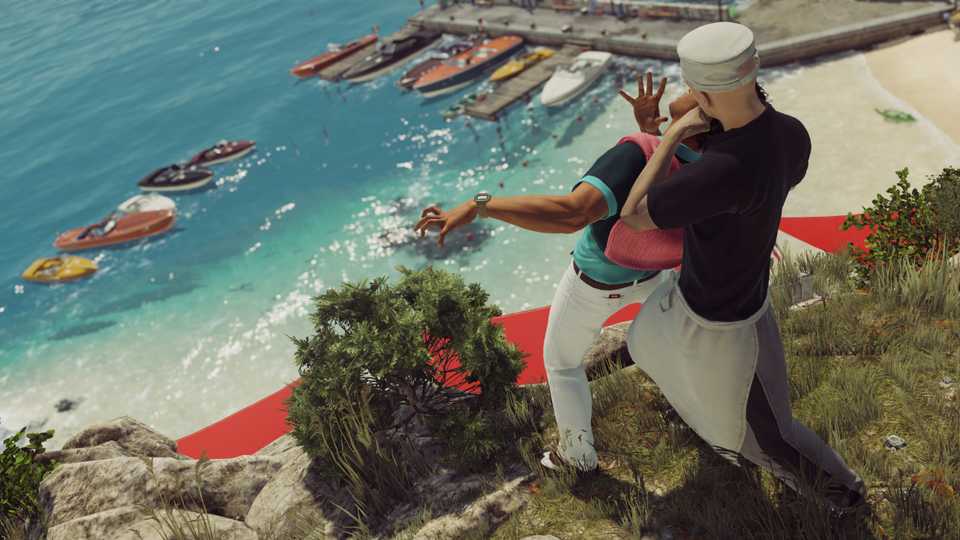
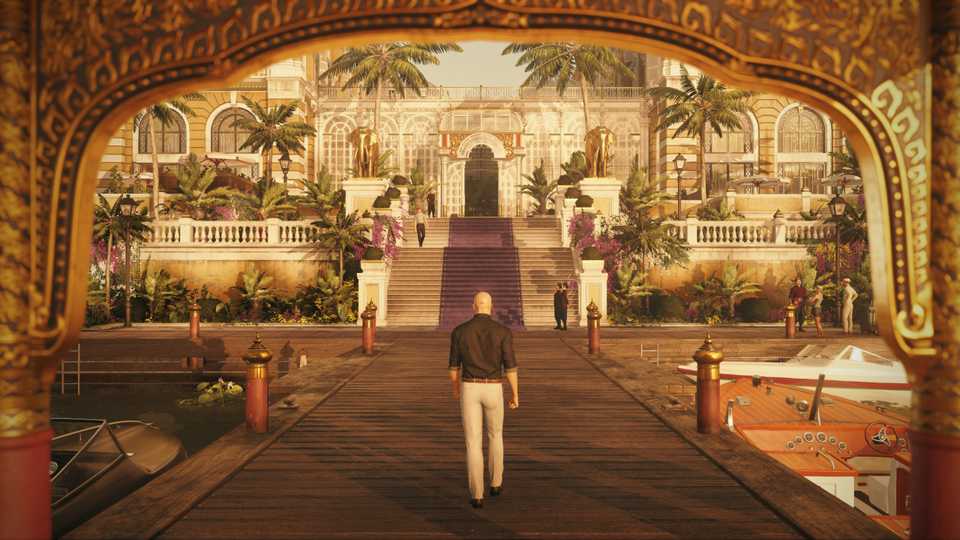
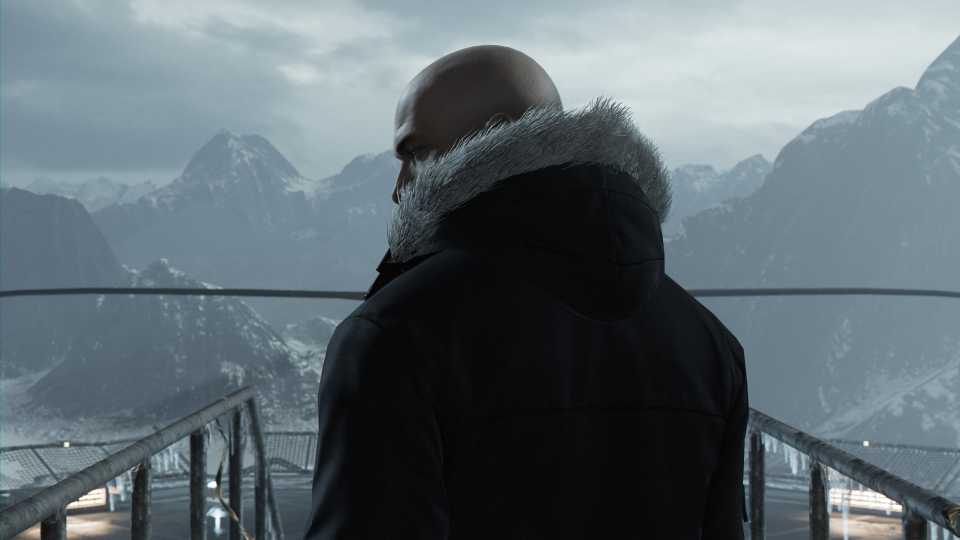
The Hitman franchise, starting from Codename 47 to Absolution, became one of the greatest stealth-action franchises the world had ever seen. Agent 47 became an icon of gaming, and he may also have made me wish for a barcode tattoo on the back of my head throughout my childhood. So, when IO Interactive decided to softly reboot the franchise with a strong return to form in 2016, they also decided to make it episodic, which made the fanbase a bit skeptical. Over the course of sixteen years, Hitman players had never seen an episodic title, so that skepticism was justified. However, when people did get their hands on the game, everything clicked. Each episode was a meticulously crafted sandbox — a puzzle box that begged to be replayed a hundred times over until you had wrung out every possible assassination, timed encounter, and challenge out of it. Hitman levels had never been this detailed, gorgeous, and deep, and so, the episodic nature of the reboot made perfect sense.
By spacing out the content, IO Interactive gave players the time they needed to truly live in each map so they could experiment and master its design before moving on. That slow-burn release made 2016's Hitman feel alive, like a living service (but before that term became corporate jargon we hate hearing). It was a bold decision, but it paid off in droves, transforming Hitman into a modern stealth classic. Even though all Hitman players came to love the 2016 title and its episodic nature, nobody complained when 2018's Hitman 2 and 2021's Hitman 3 shed their episodic nature and instead came out as full releases.

- Released
- March 11, 2016
- ESRB
- m
- Developer(s)
- IO Interactive
- Publisher(s)
- Square Enix
- Engine
- Glacier engine


WHERE TO PLAY
- Genre(s)
- Stealth, Third-Person Shooter
Deltarune (2018)
Chaos, charm, and choices
Source: Steam 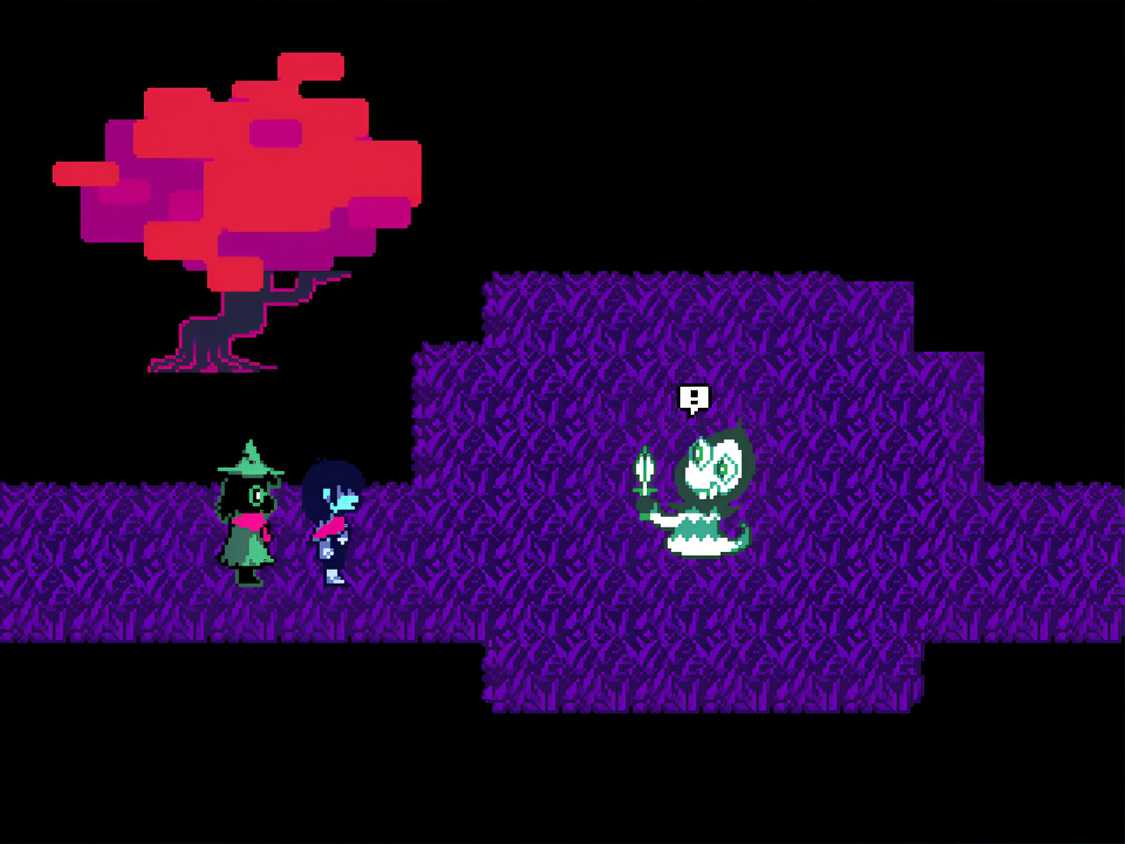
Source: Steam 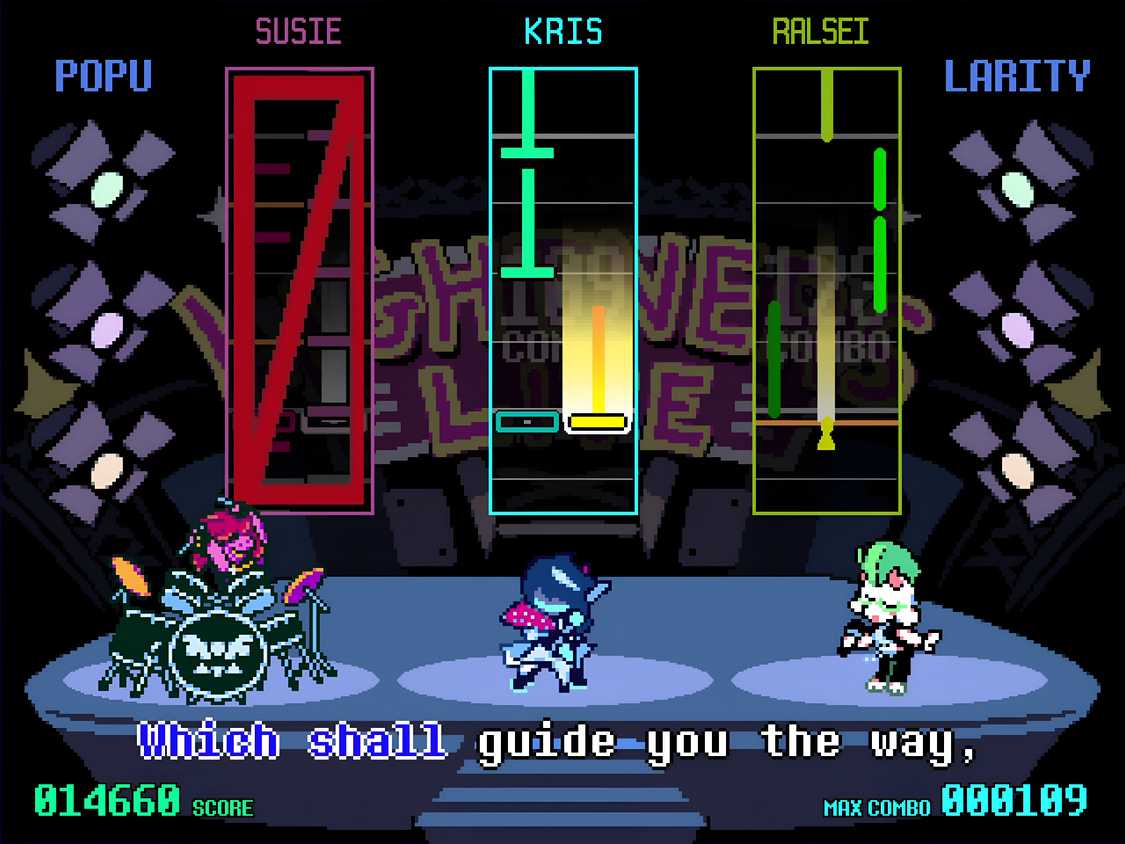
Source: Steam 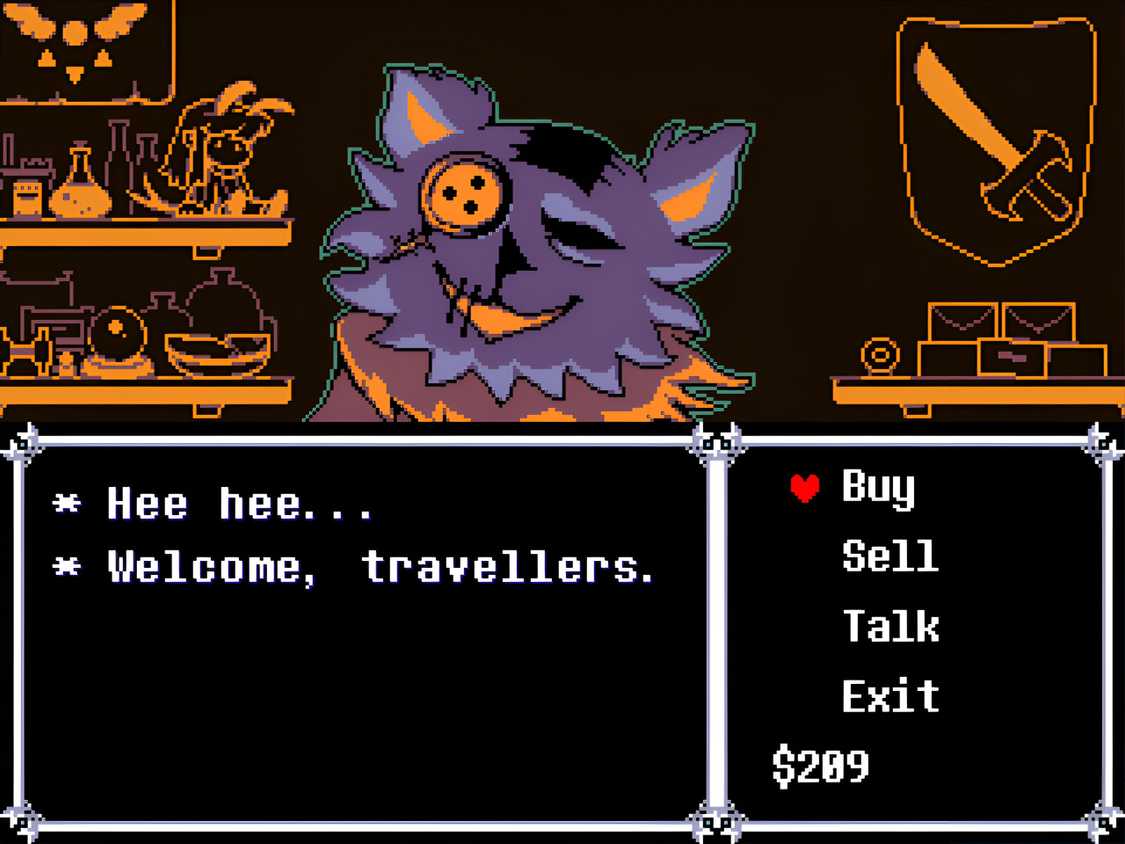
Source: Steam 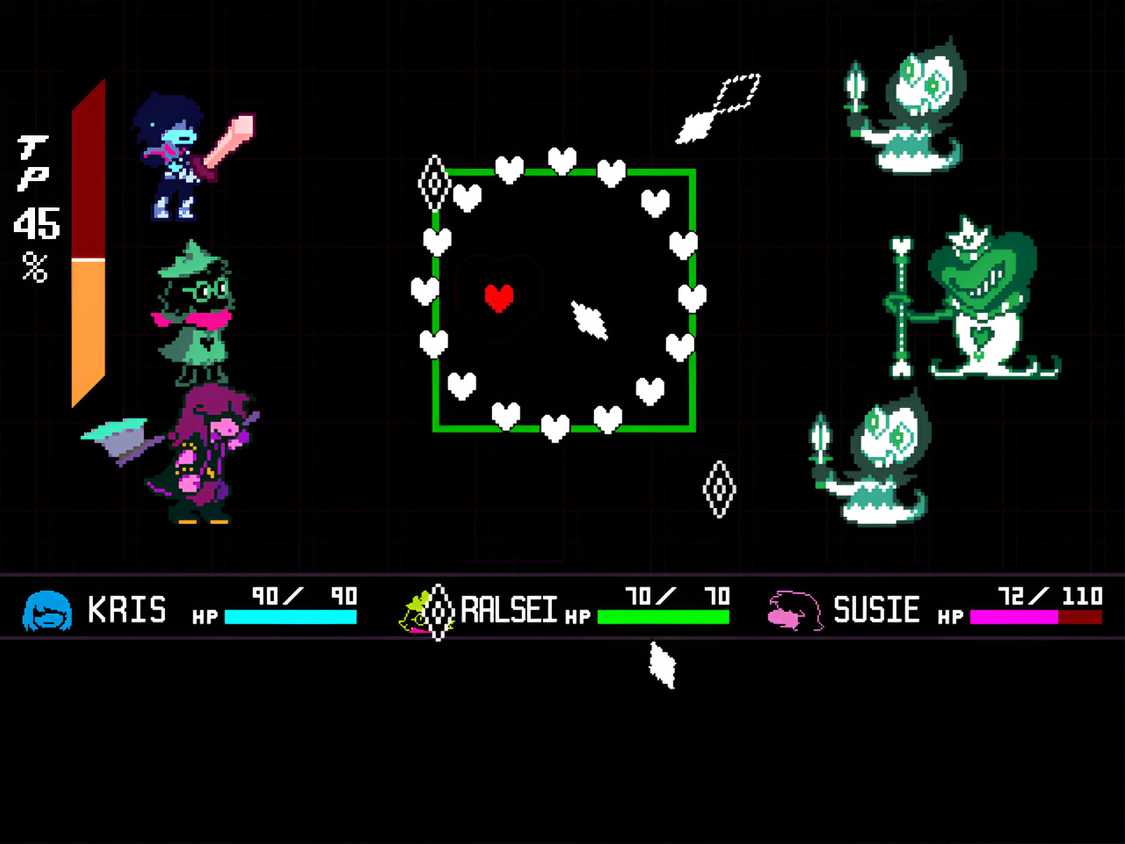
Source: Steam


Source: Steam 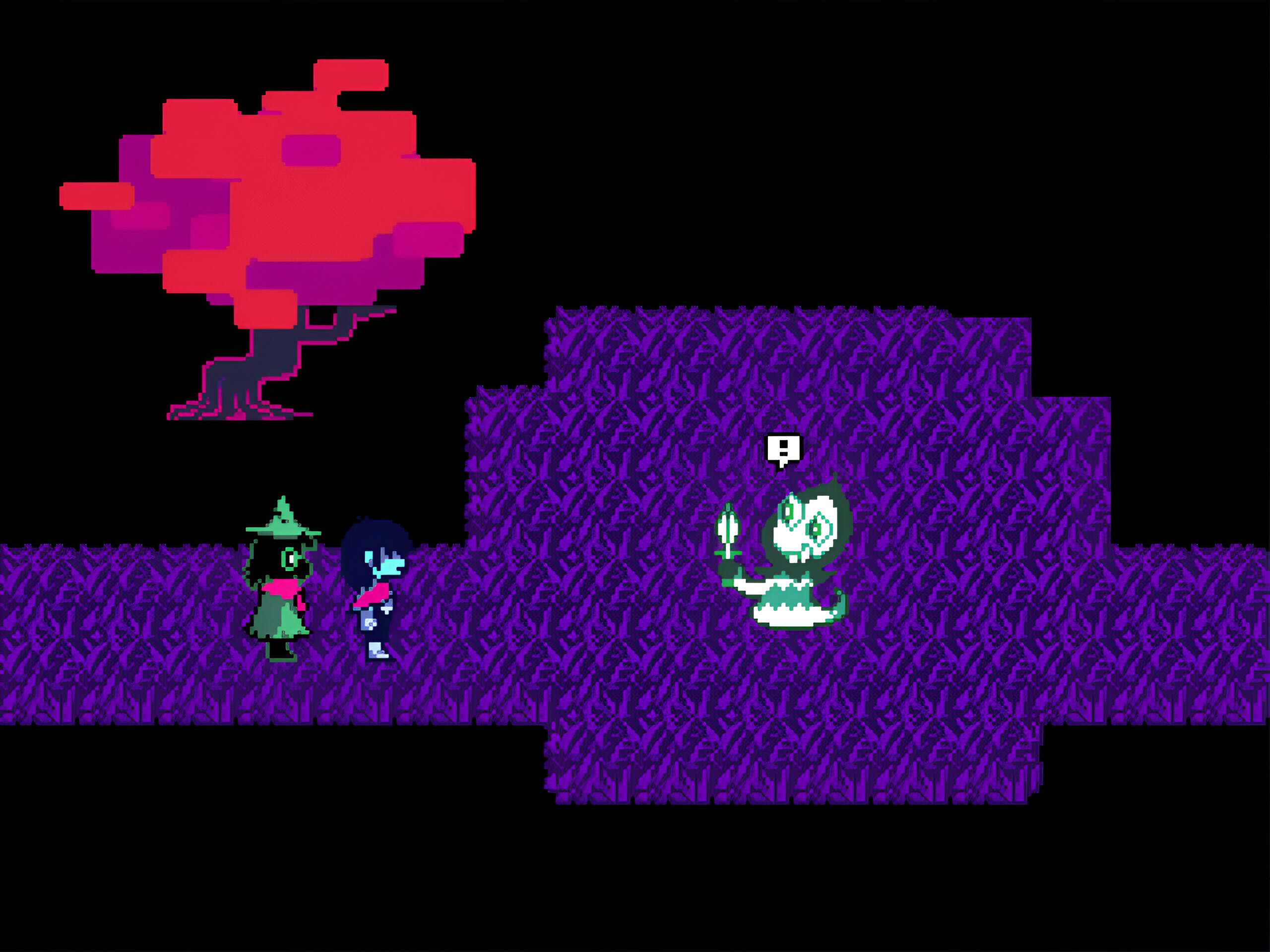
Source: Steam 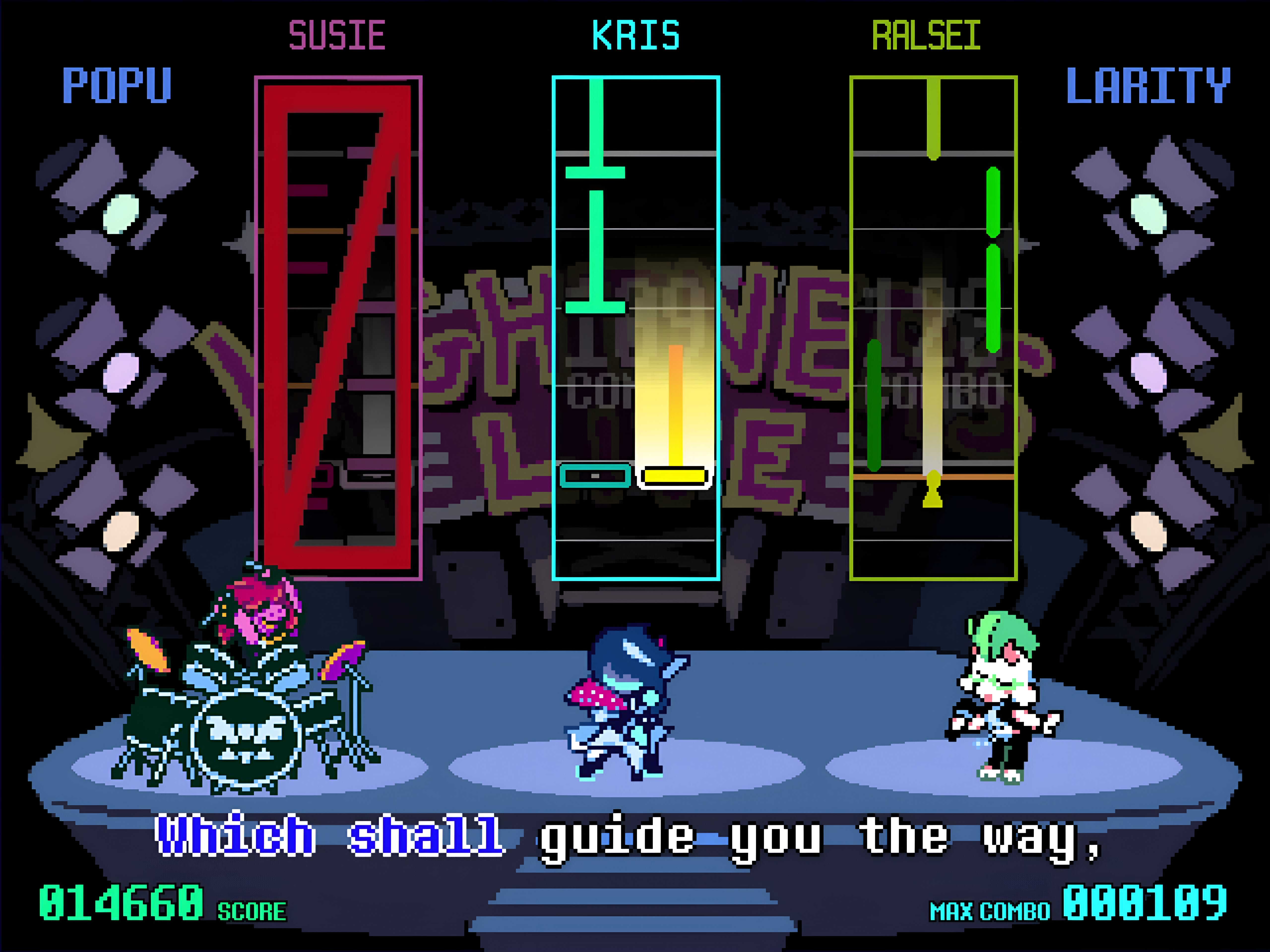
Source: Steam 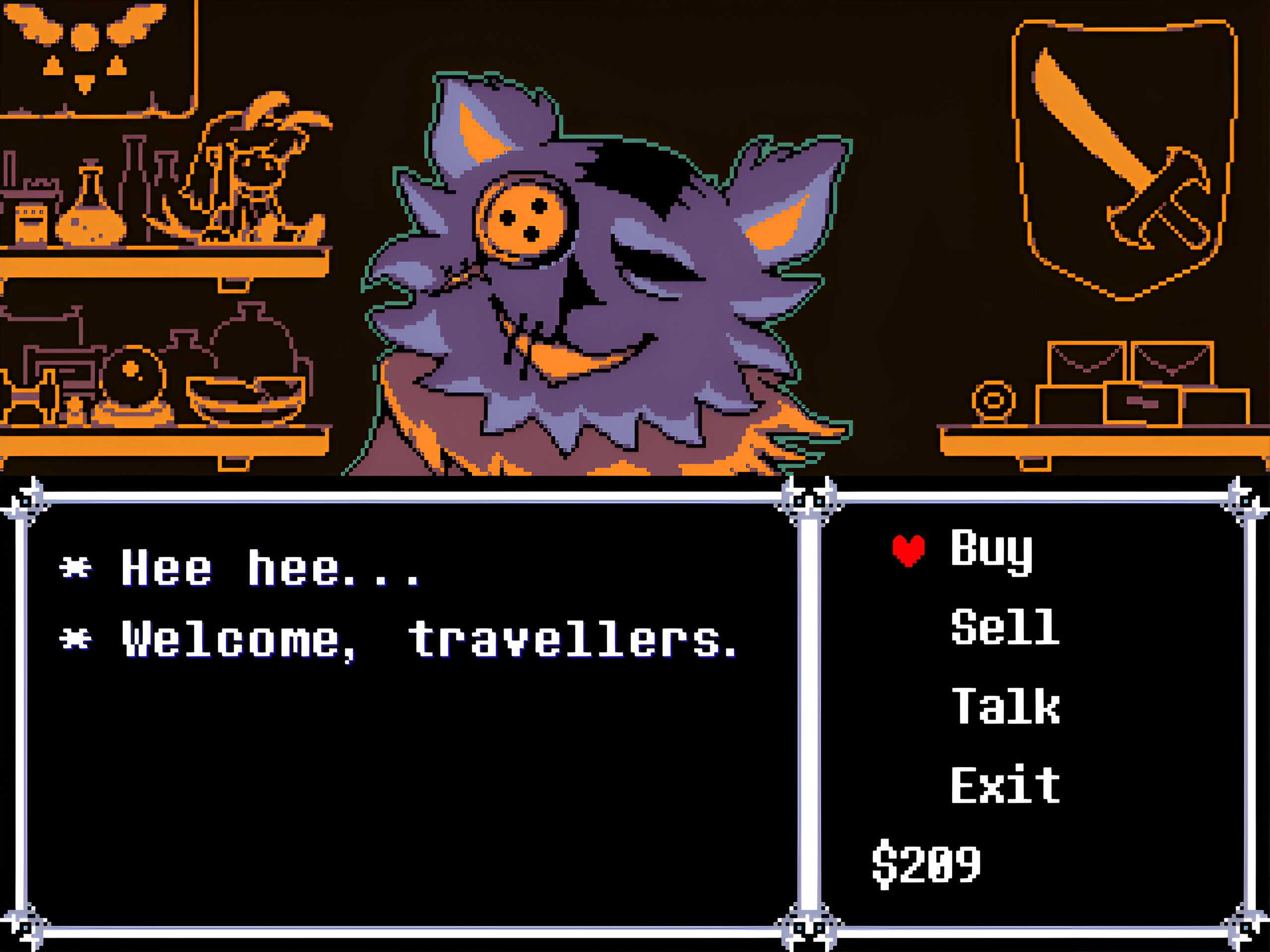
Source: Steam 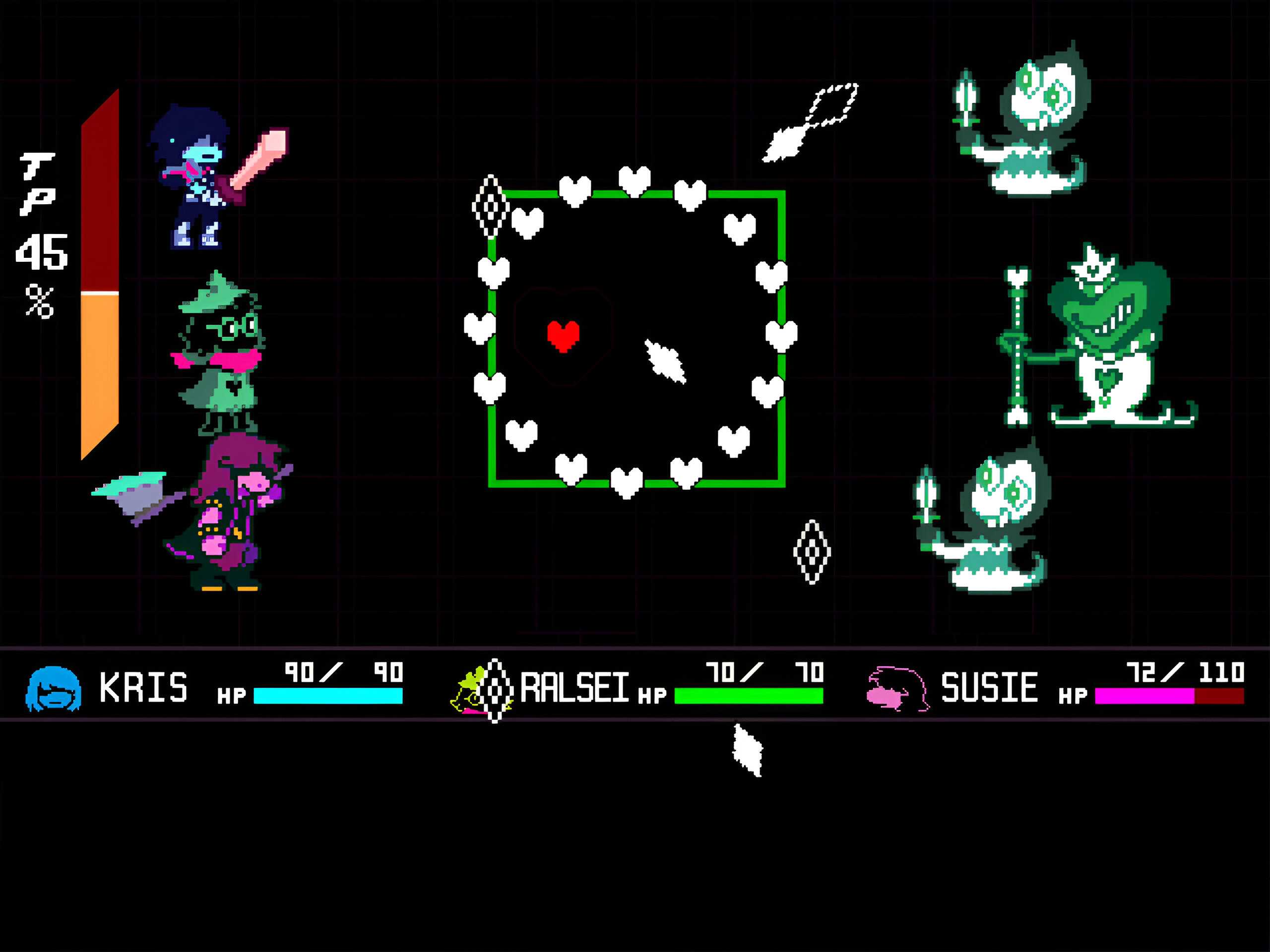
Source: Steam
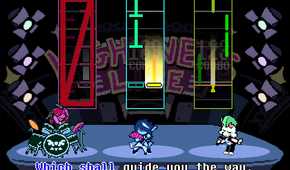
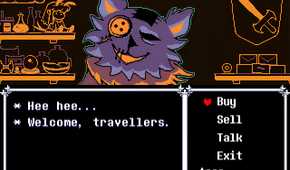
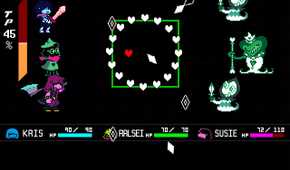
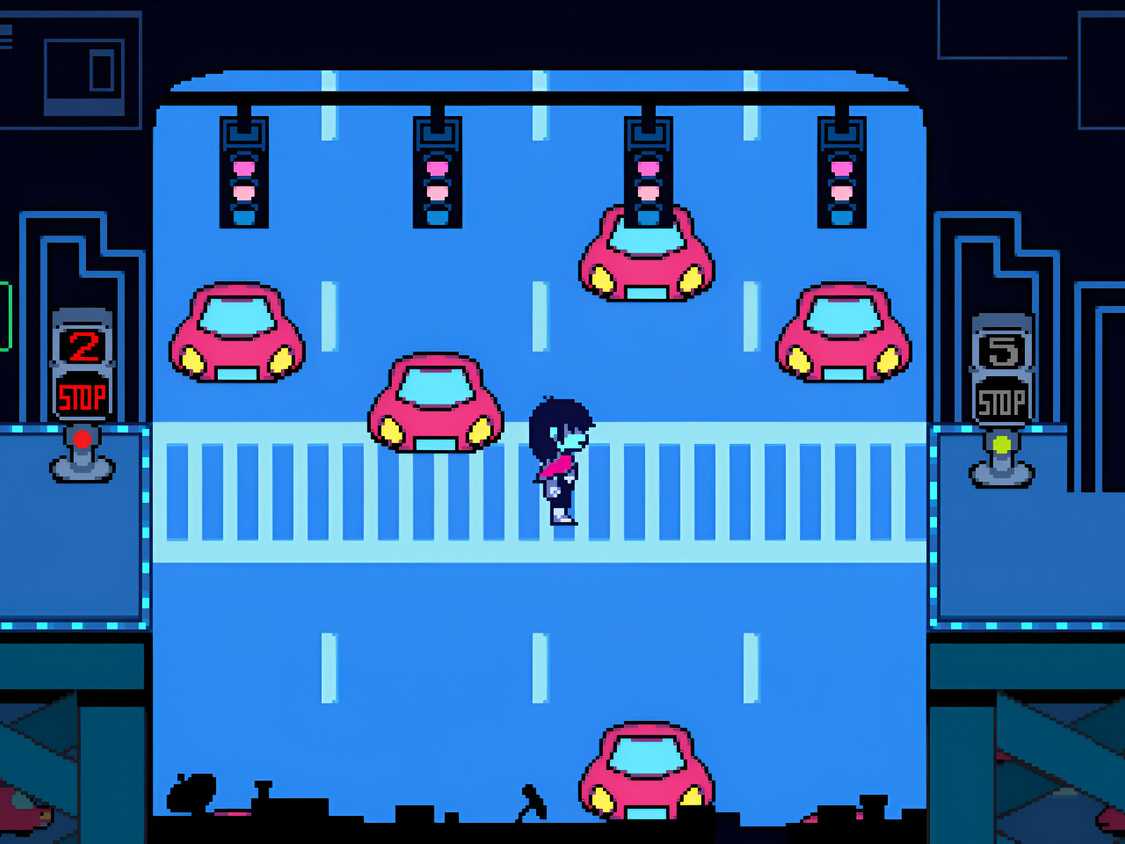
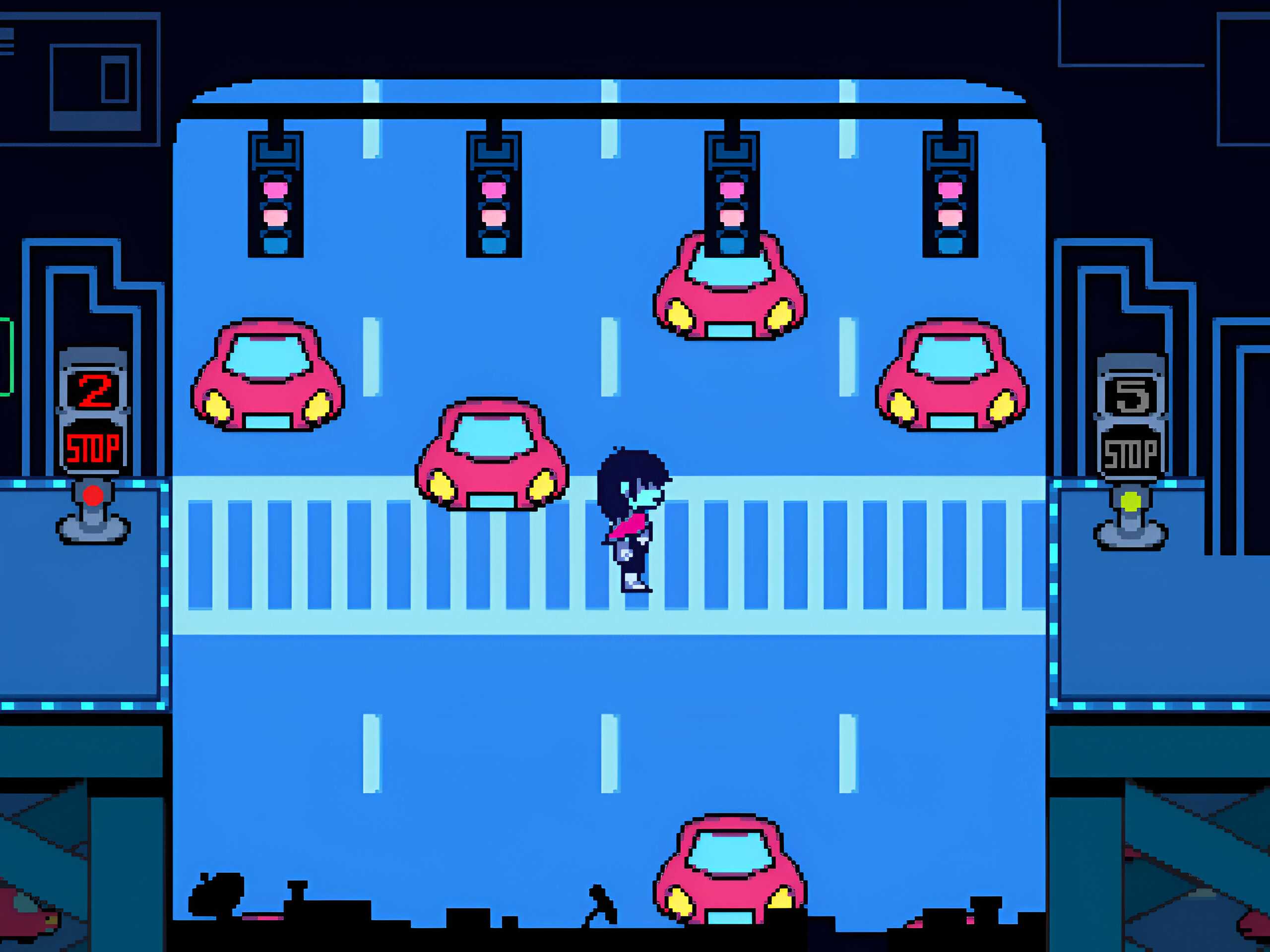
Undertale is one of the greatest success stories in indie gaming, and it boasts one of the most humourous and emotionally riveting games of all time. Not only that, it was even a solo-dev game, with one Toby Fox behind it all, and he did it again with Deltarune. After Undertale became a cultural phenomenon, Deltarune took the familiar retro aesthetic and twisted it into something even more personal. Deltarune, against all odds, was more melancholic and charming. The difference this time around, however, was that the game would be released in episodic format. A gamble, yes, but it worked perfectly.
Each chapter in Deltarune feels like an event, a chance to theorize, dissect, and emotionally prepare for whatever weird, wonderful thing comes next. What made the entire experience sos special? Simple — the game used its episodic structure to deepen the mystery rather than just prolong the story. We were waiting for answers, for context, and for the emotional rug pulls we knew would inevitably come, wrapped in all the pixelated sincerity. Chapter 5 should come around in the second-half of 2026, and those invested simply can't wait to find out what happens next.

-
OpenCritic Reviews
- Top Critic Avg: 86/100 Critics Rec: 83%
- Released
- October 31, 2018
- ESRB
- Teen / Language, Suggestive Themes, Mild Blood, Fantasy Violence
- Developer(s)
- Toby Fox
- Publisher(s)
- Toby Fox
- Engine
- gamemaker
- Prequel(s)
- Undertale
- Number of Players
- Single-player

WHERE TO PLAY


The next adventure in the UNDERTALE series has appeared!Fight (or spare) alongside new characters in UNDERTALE's parallel story, DELTARUNE...!
Featuring
• A massive soundtrack and story written by Toby Fox!
• Meet new and endearing main characters, as well as familiar faces like Toriel, Sans, as more. Huh? Papyrus? No, he's busy. Sorry
• Smooth and expressive pixel-animation by Temmie. She also has a new hat (in-game)
• A linear, chapter-based system that you can pick up from anywhere.
• Creative bullet-dodging based battles inspired by games like Touhou and Chrono Trigger.
• Jevilishly difficult hidden bosses.
• And...
• ...
• ... only 1 ending...?
- Genre(s)
- RPG
Batman: The Telltale Series (2016)
Dark Knight, meet darker decisions


 Credit: Source: Telltale
 Credit: Source: Telltale
 Credit: Source: Telltale
 Credit: Source: Telltale
 Credit: Source: Telltale




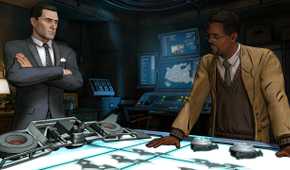
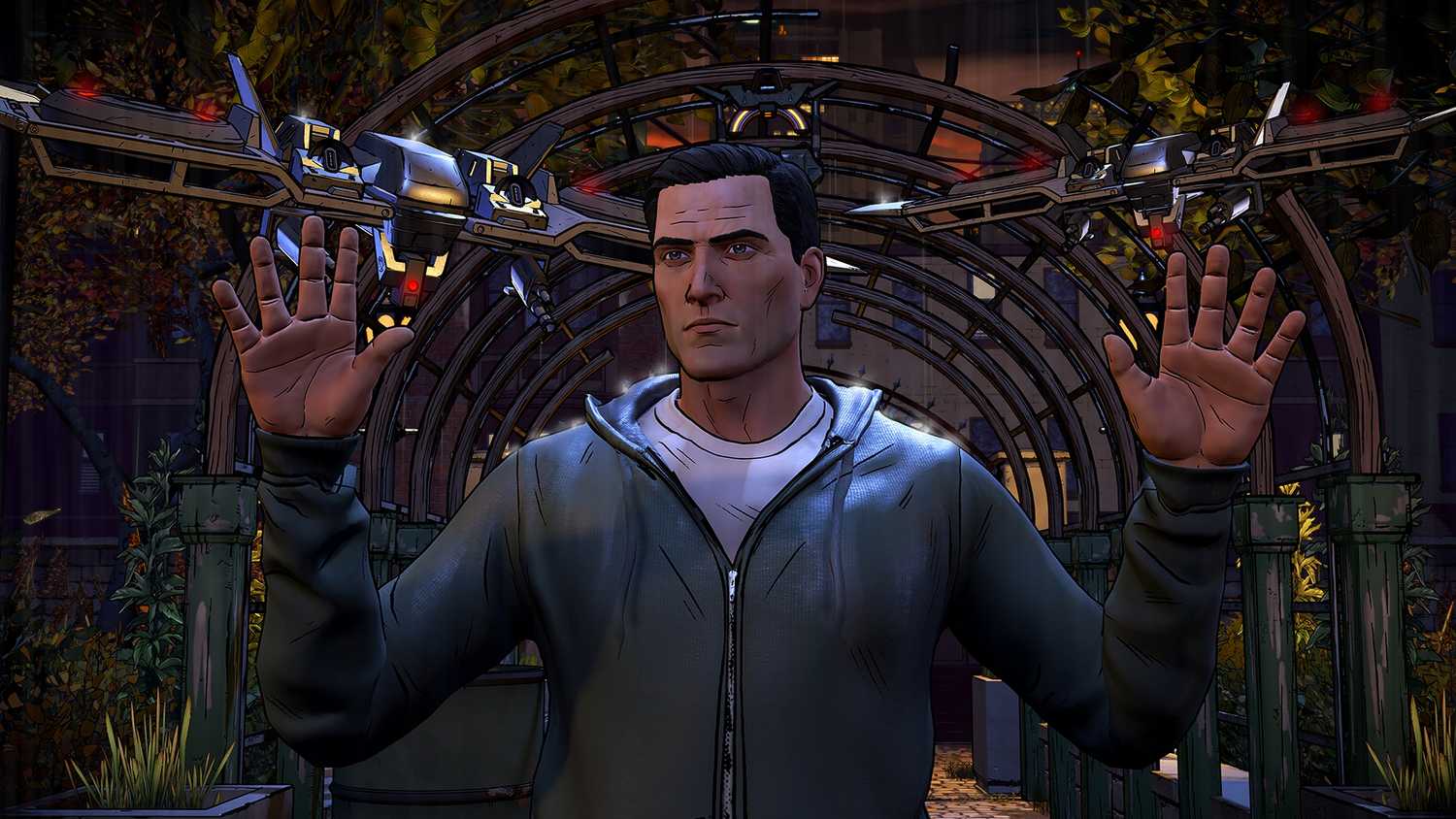
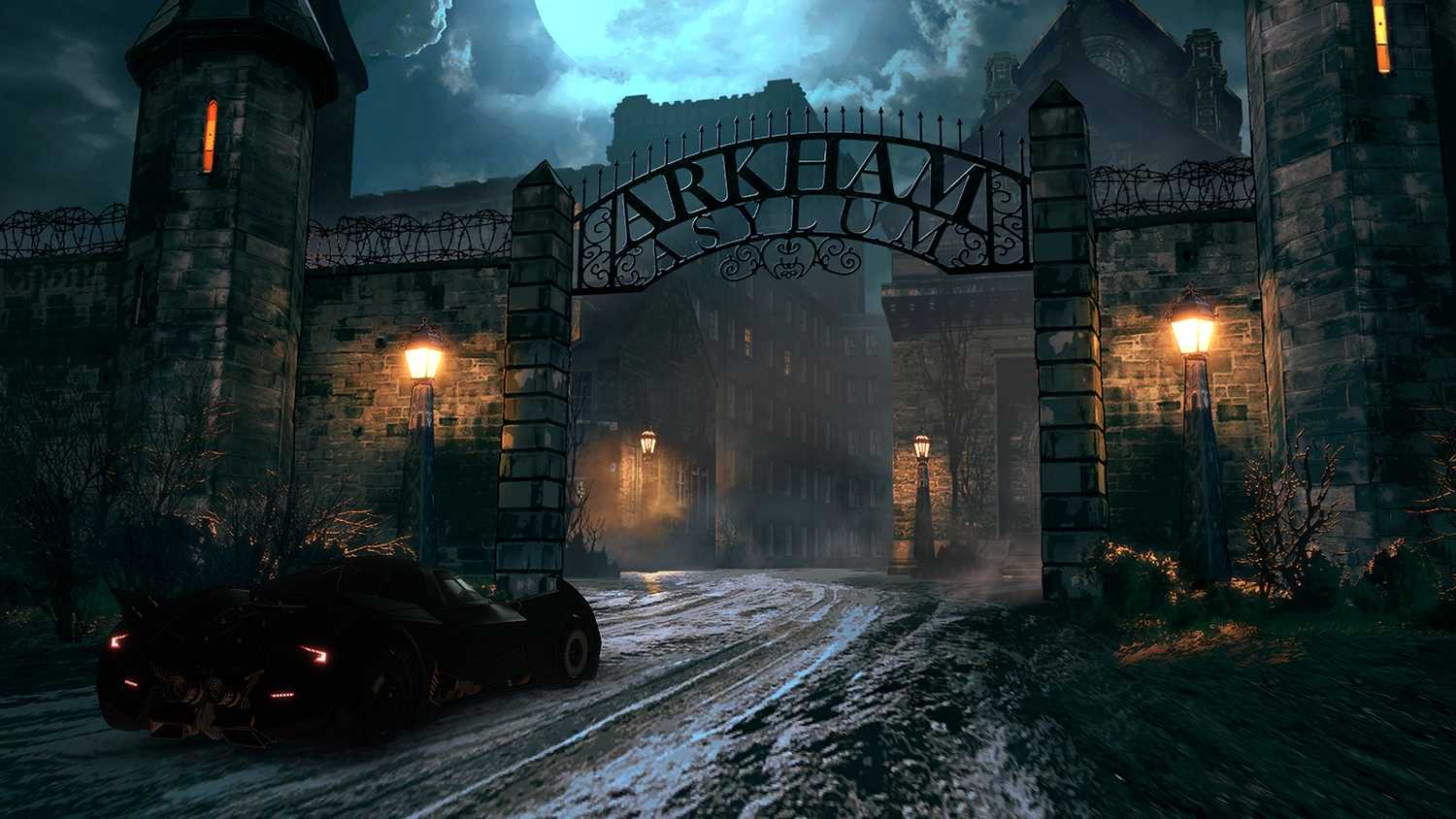
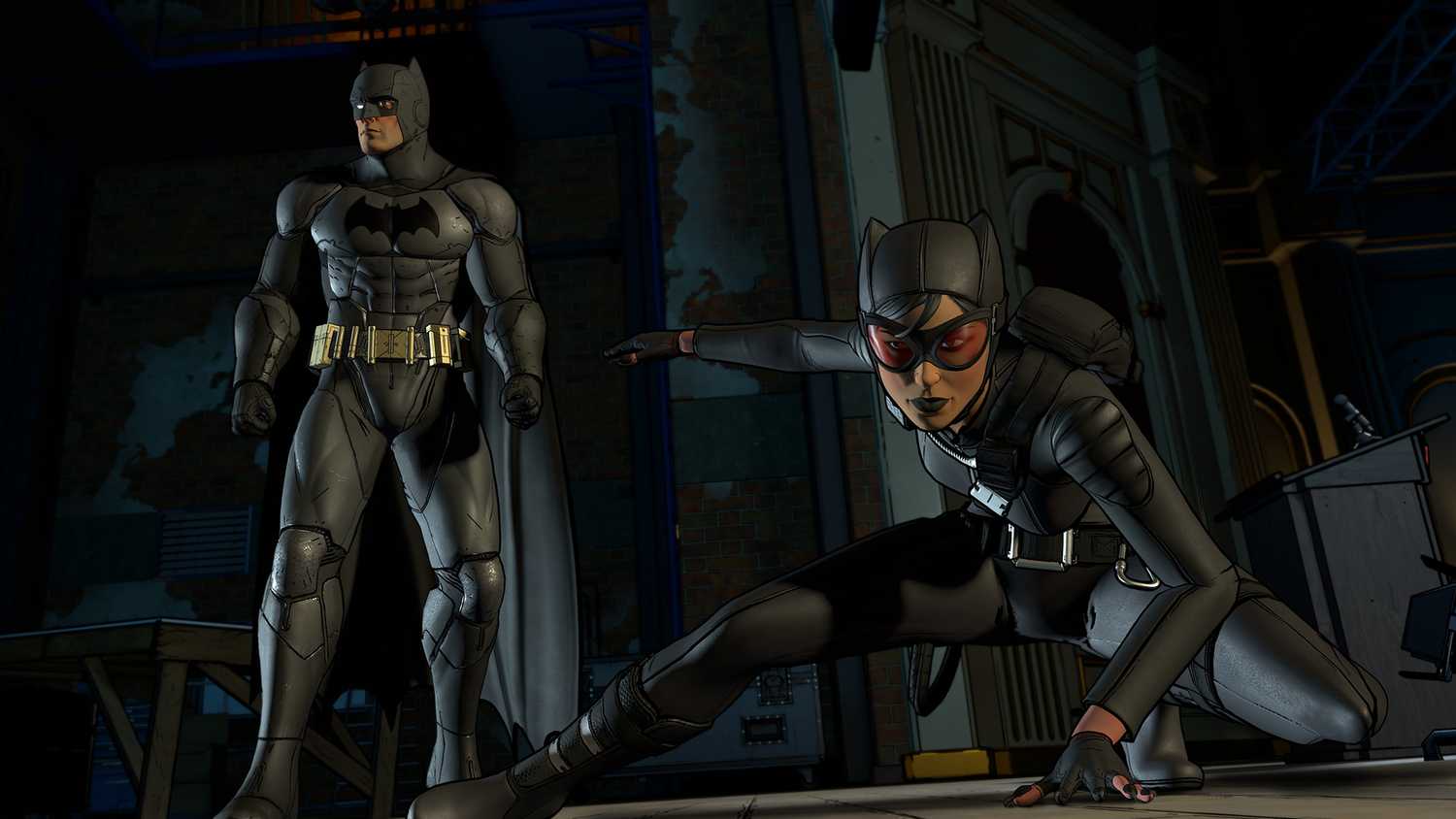
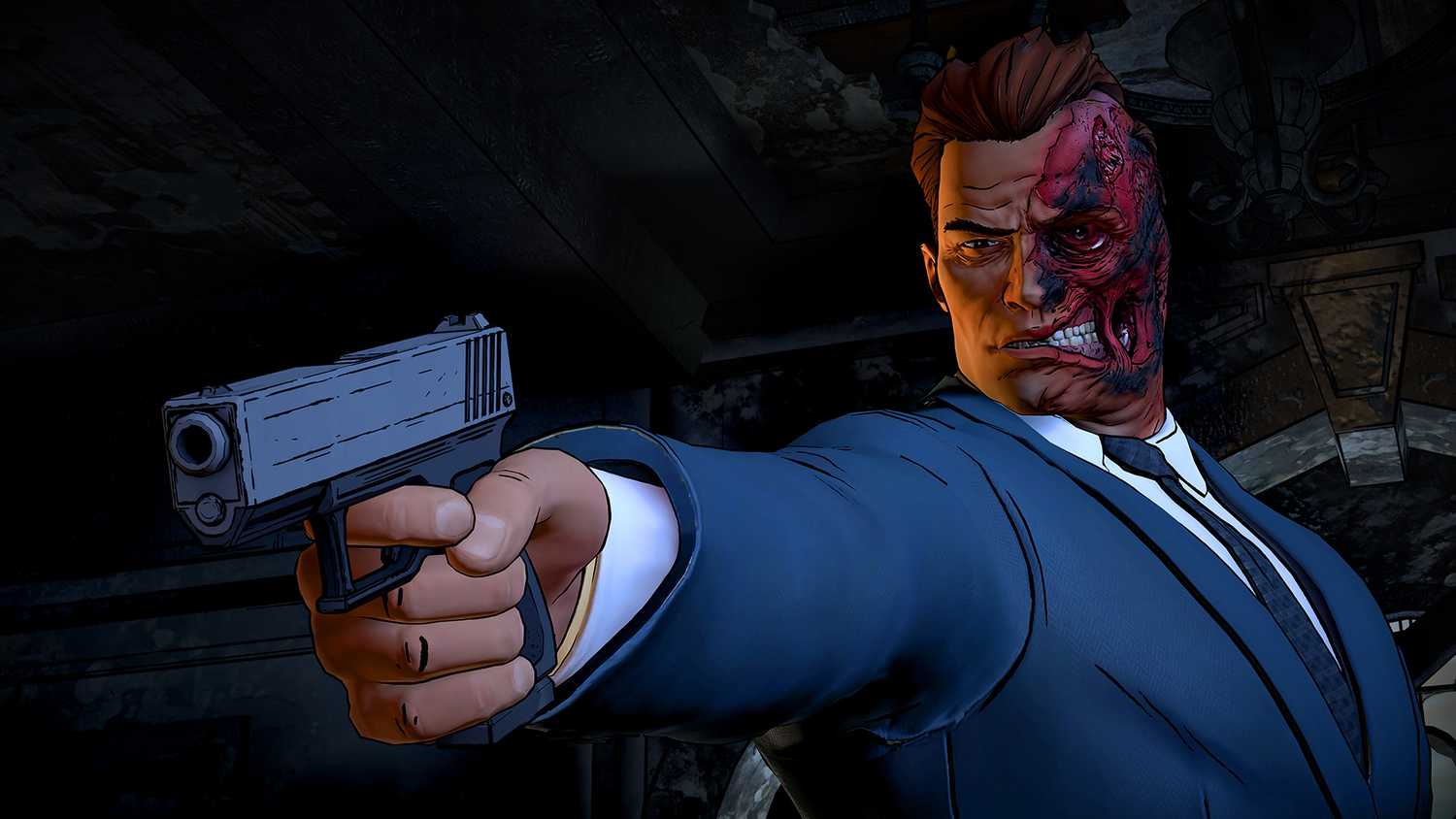
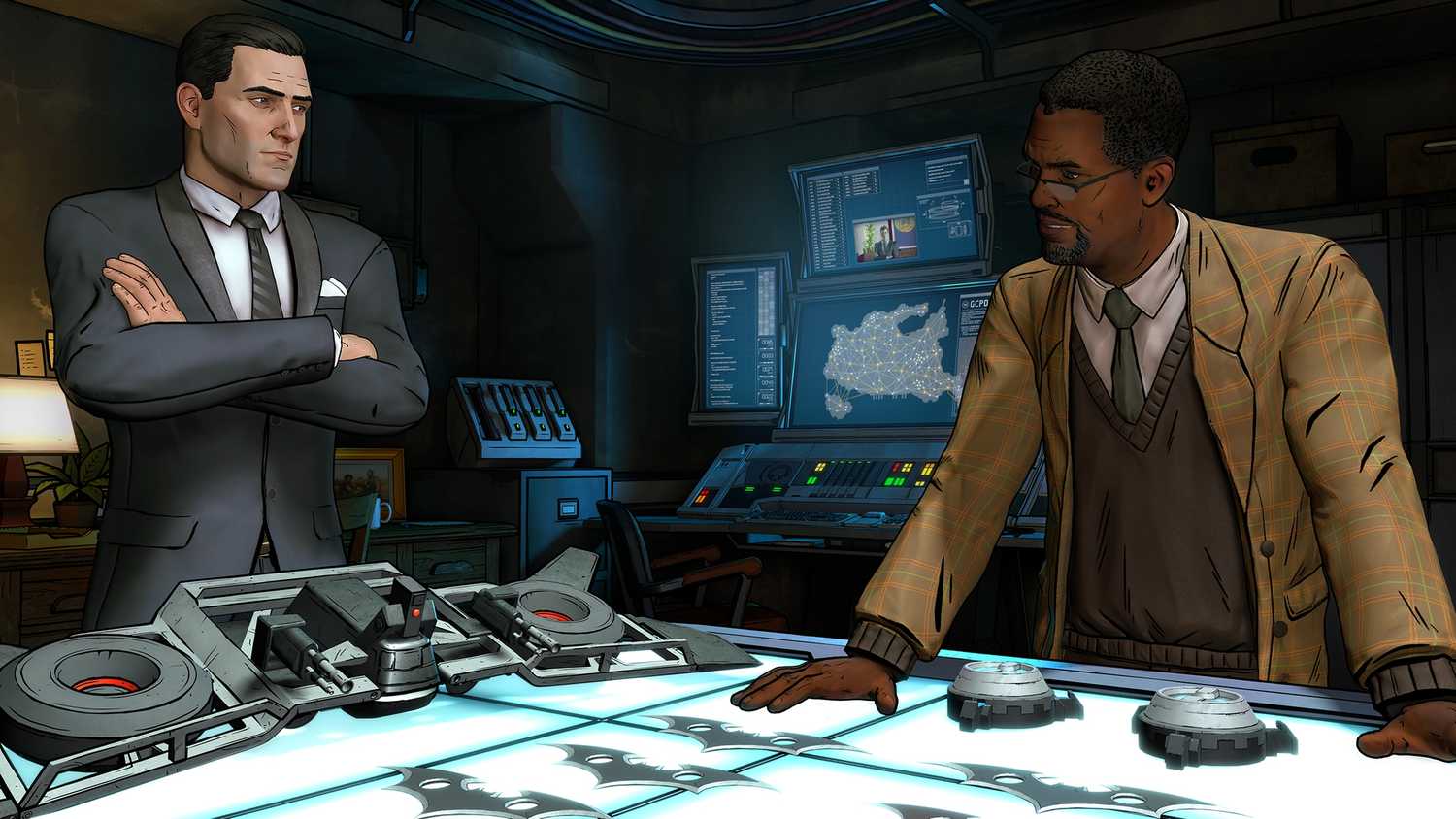
When Telltale announced a Batman game, fans didn't know what to expect. By then, we'd been spoiled rotten by the Arkham games, which, to this day, are the greatest superhero titles ever digitized. Telltale's signature style of making games and Batman's gadgets, fights, and brooding? How would they come together? When the game came out, we got a surprisingly introspective look at Bruce Wayne's fractured psyche — and a story that made his relationships feel more human than heroic.
Every episode peeled back another layer of Gotham's corruption, turning the city into a reflection of Bruce himself. The choices players made shaped Batman, Bruce, and the people around him. The episodic pacing kept tension high and speculation alive. The best part? Each episode came out just one month after the other, and by the time the series ended, we got more of a character study out of the series than just a regular old superhero story.


-
OpenCritic Reviews
- Top Critic Avg: 71/100 Critics Rec: 50%
- Released
- August 2, 2016
- ESRB
- m
- Developer(s)
- Telltale Games
- Publisher(s)
- Telltale Games
- Engine
- Telltale Tool
- Franchise
- Batman
WHERE TO PLAY

- Genre(s)
- Adventure
The Wolf Among Us (2013)
A fairy tale with fangs and grit


 Credit: Source: Telltale
 Credit: Source: Telltale
 Credit: Source: Telltale


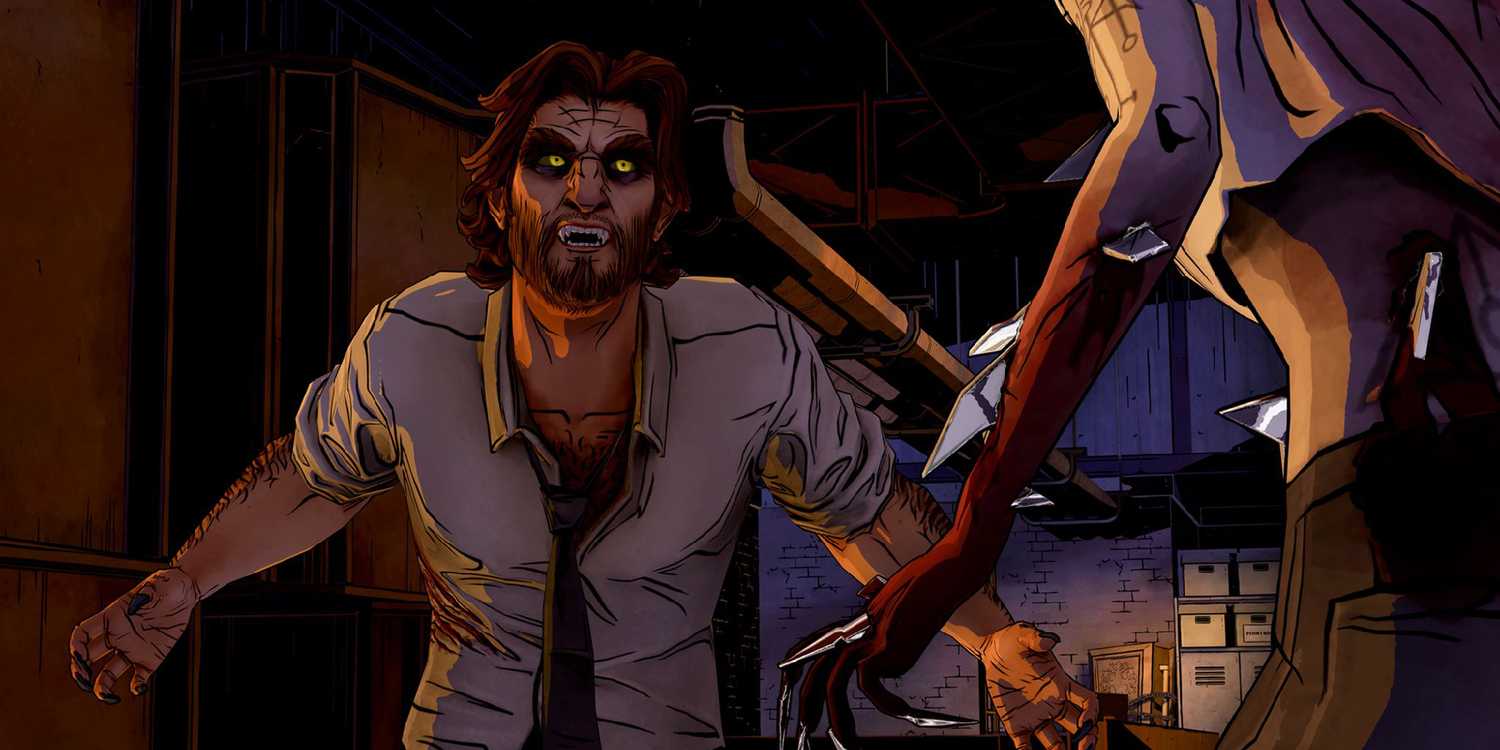
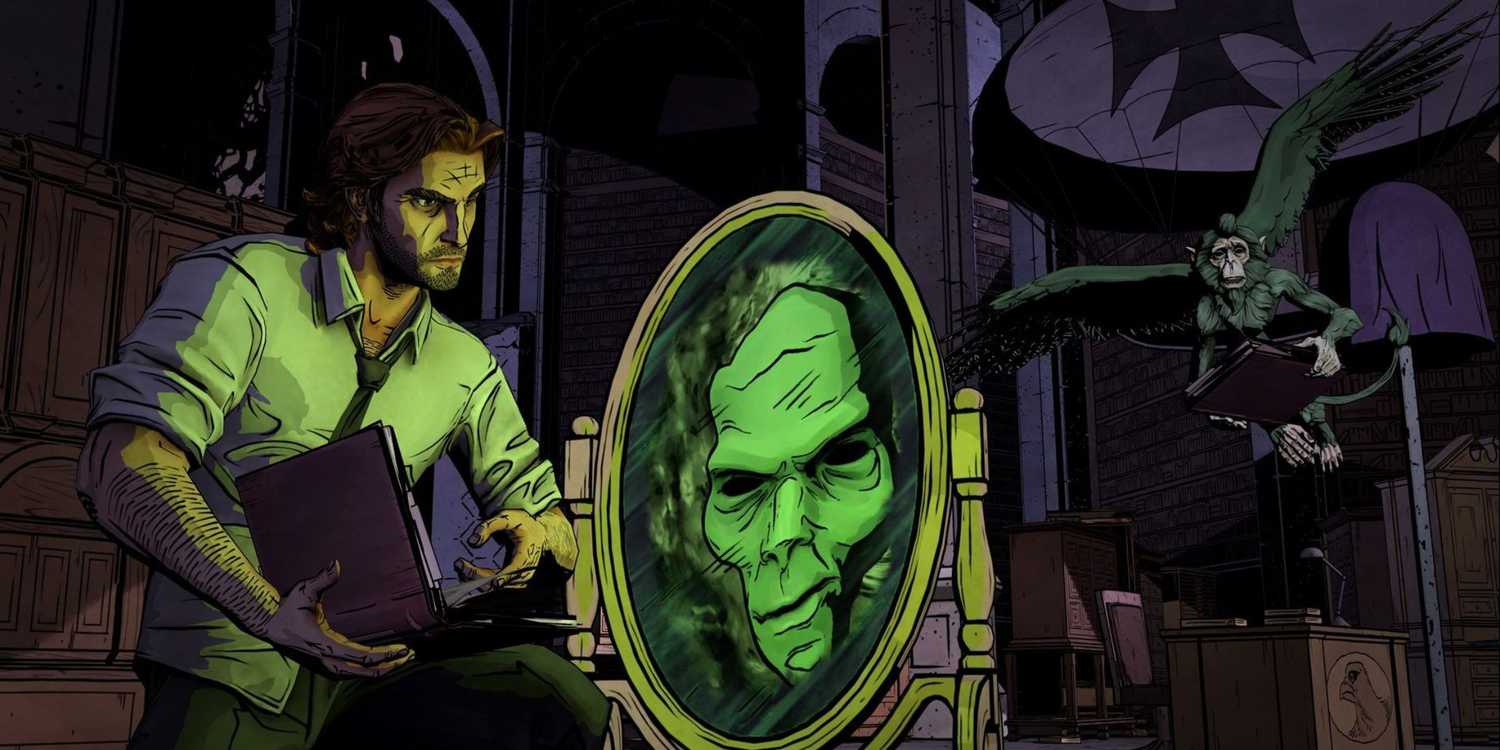
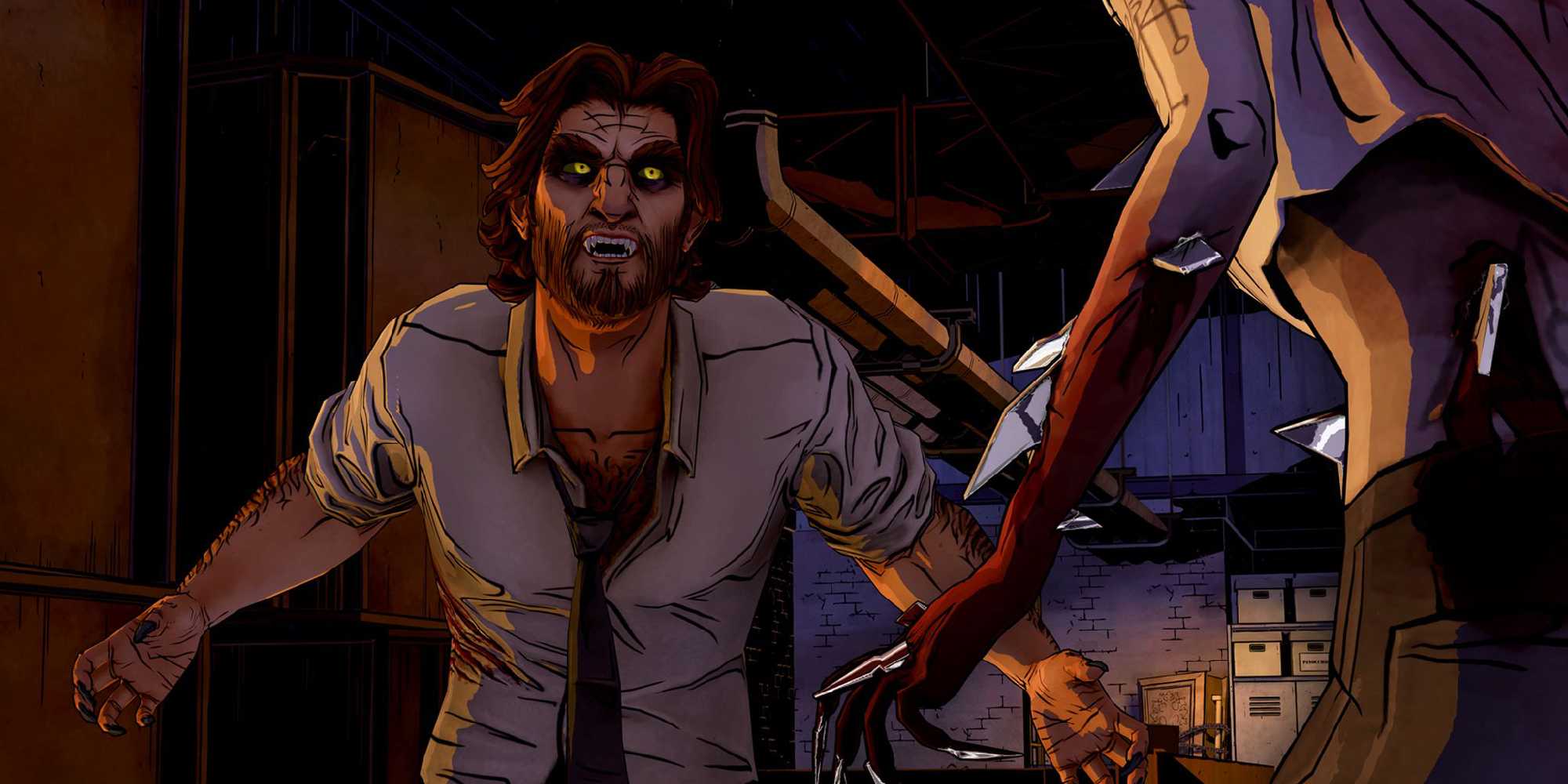
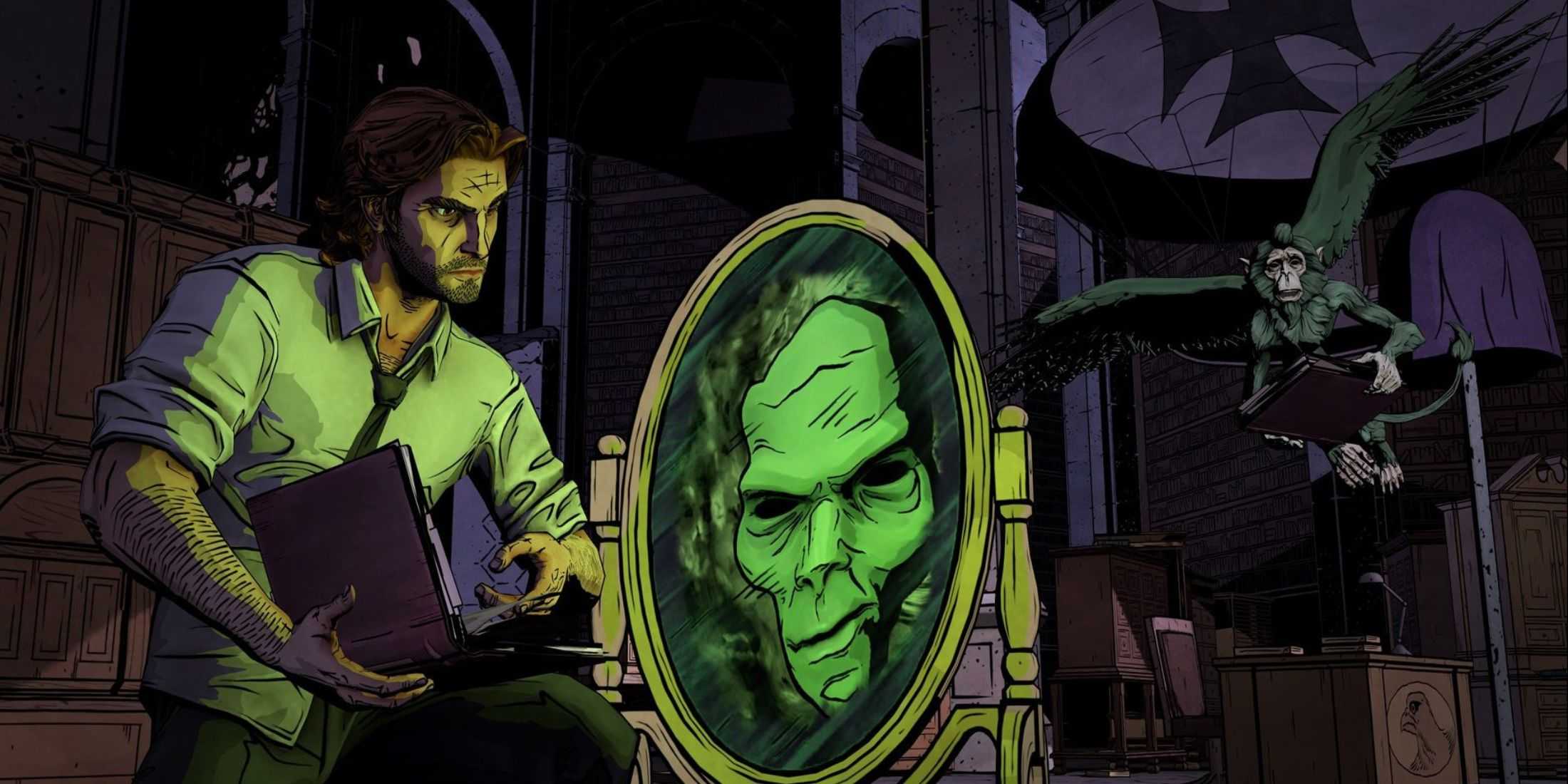
It is no wonder that Telltale games are featuring here in such abundance. The studio has found its niche and run with it, and in doing so, it's run farther than the rest of the competition could ever catch up with. Another one of Telltale's crowning achievements is The Wolf Among Us, a neo-noir mystery set in a world where fairy tale characters hide in plain sight. It blended gritty storytelling with surreal fantasy, and even among other titles and series that the studio is popular for, it feels so out-of-place with its themes and concept.
Over the course of five episodes, The Wolf Among Us felt like a comic book come to life (which, technically, it was) with jaw-dropping twists and phenomenal writing. The pacing of the game made its episodic format so effective, because each new episode felt like buying the next month's edition of a comic book series, where each chapter built on the last, forming layer upon layer of tension and intrigue until the final act exploded into chaos. This game was a masterclass in atmosphere and storytelling, and even years later, players are still begging for more Bigby Wolf.

-
OpenCritic Reviews
- Top Critic Avg: 80/100 Critics Rec: 82%
- Released
- October 14, 2013
- ESRB
- M for Mature: Blood and Gore, Drug Reference, Intense Violence, Partial Nudity, Sexual Themes, Strong Language, Use of Tobacco
- Developer(s)
- Telltale Games
- Publisher(s)
- Telltale Games
- Engine
- Telltale Tool
- Franchise
- the wolf among us
WHERE TO PLAY
- Genre(s)
- Adventure
Tales from the Borderlands (2014)
Getting to know (and hate) more of Mister Jack


 Credit: Source: 2K Games
 Credit: Source: 2K Games
 Credit: Source: 2K Games
 Credit: Source: 2K Games
 Credit: Source: 2K Games
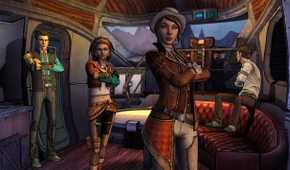
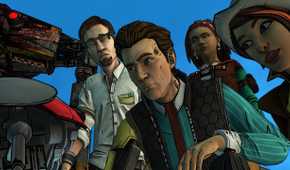
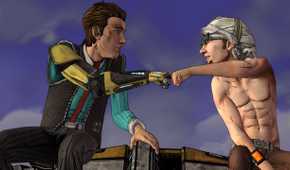
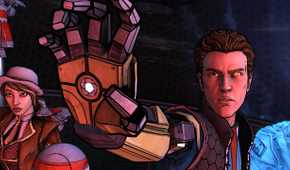
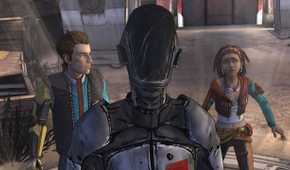
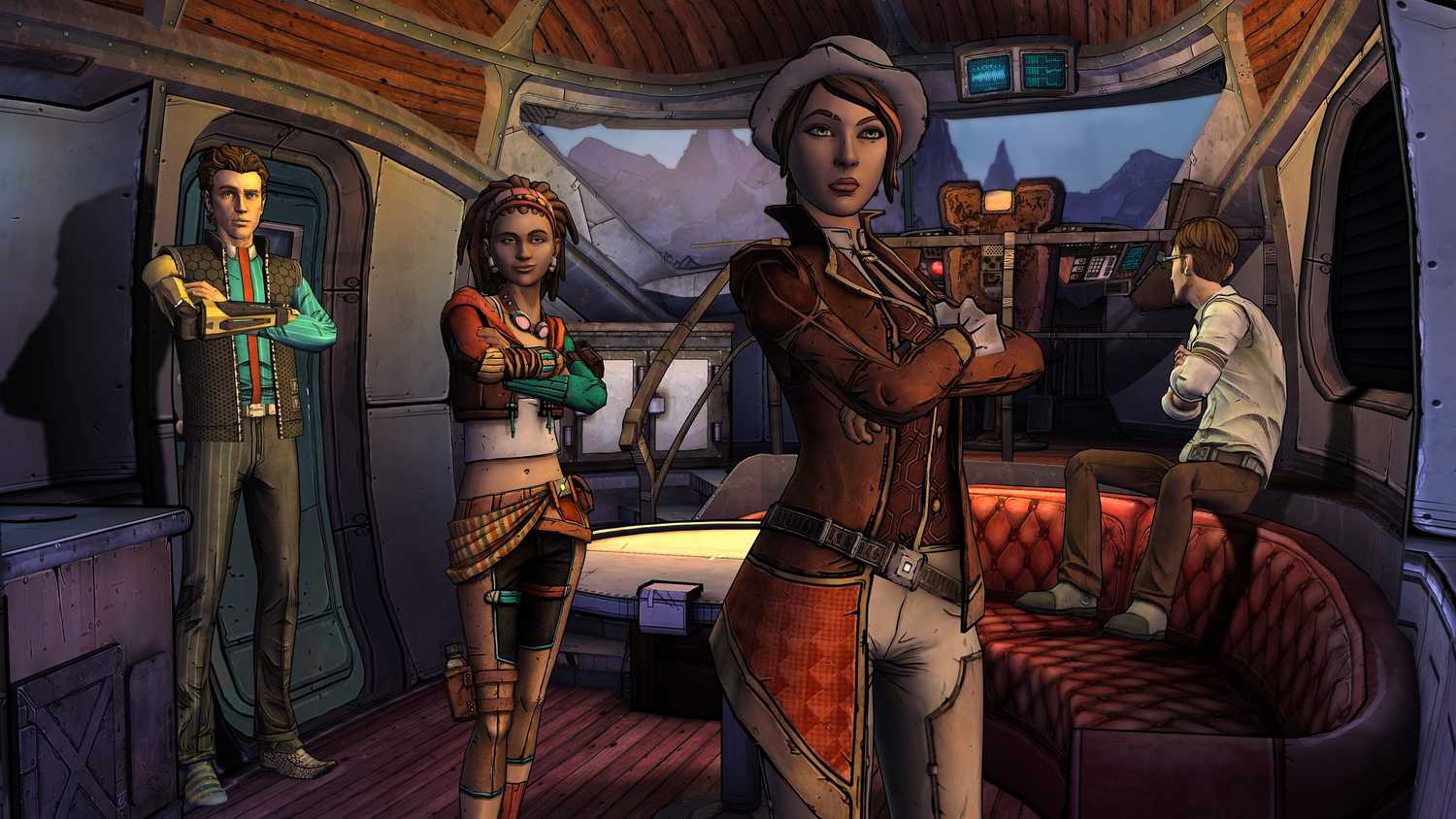
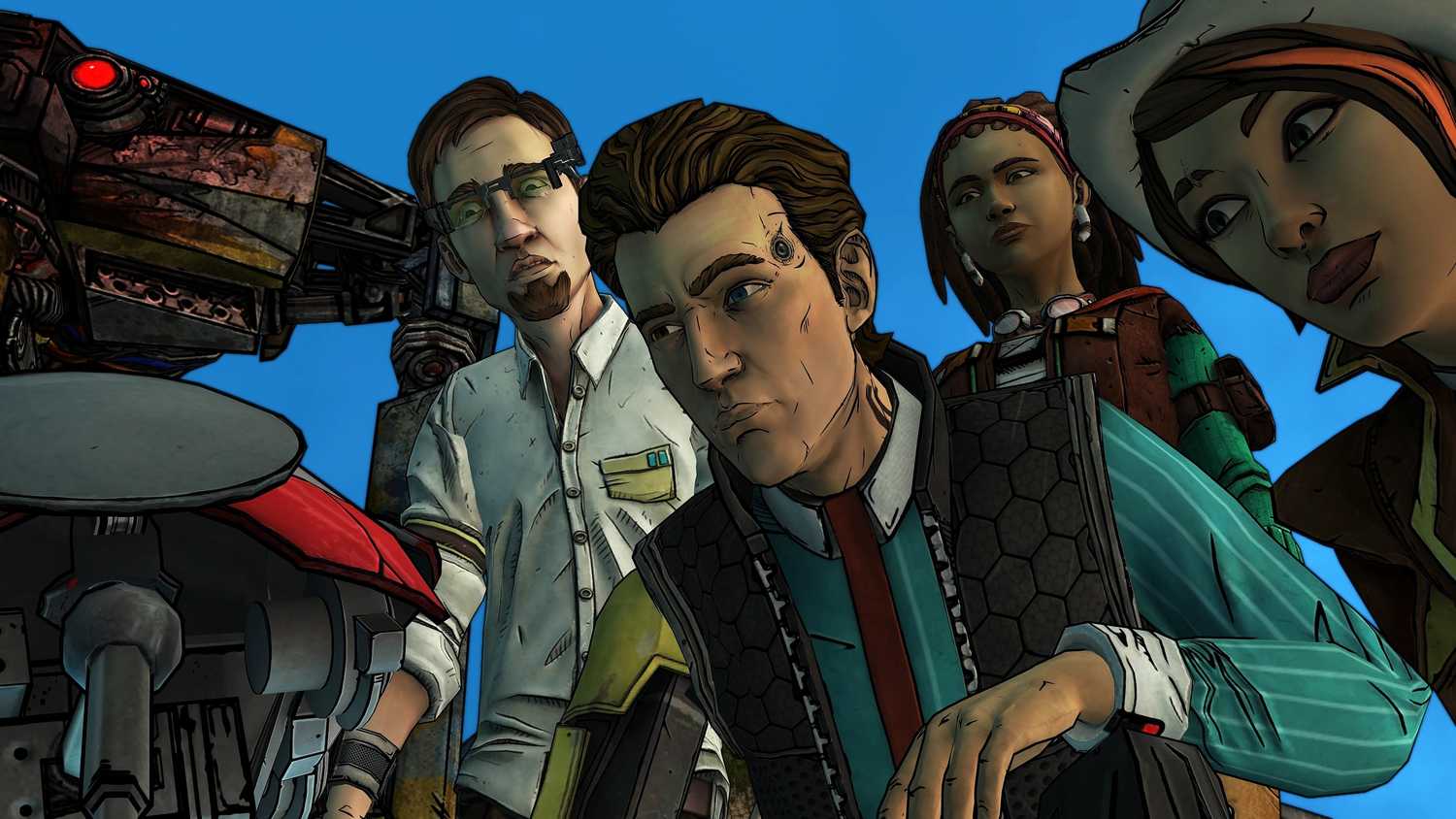
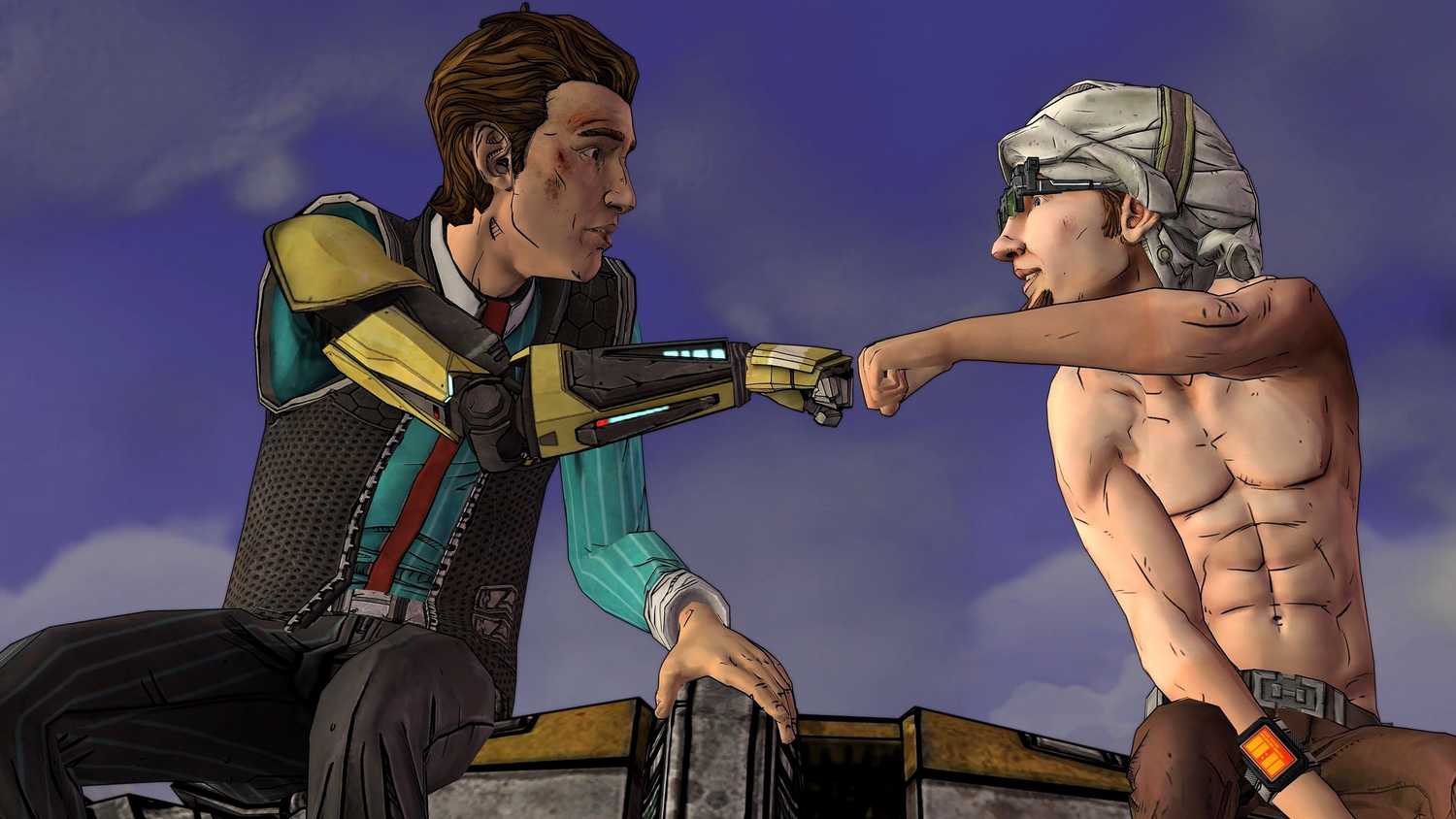
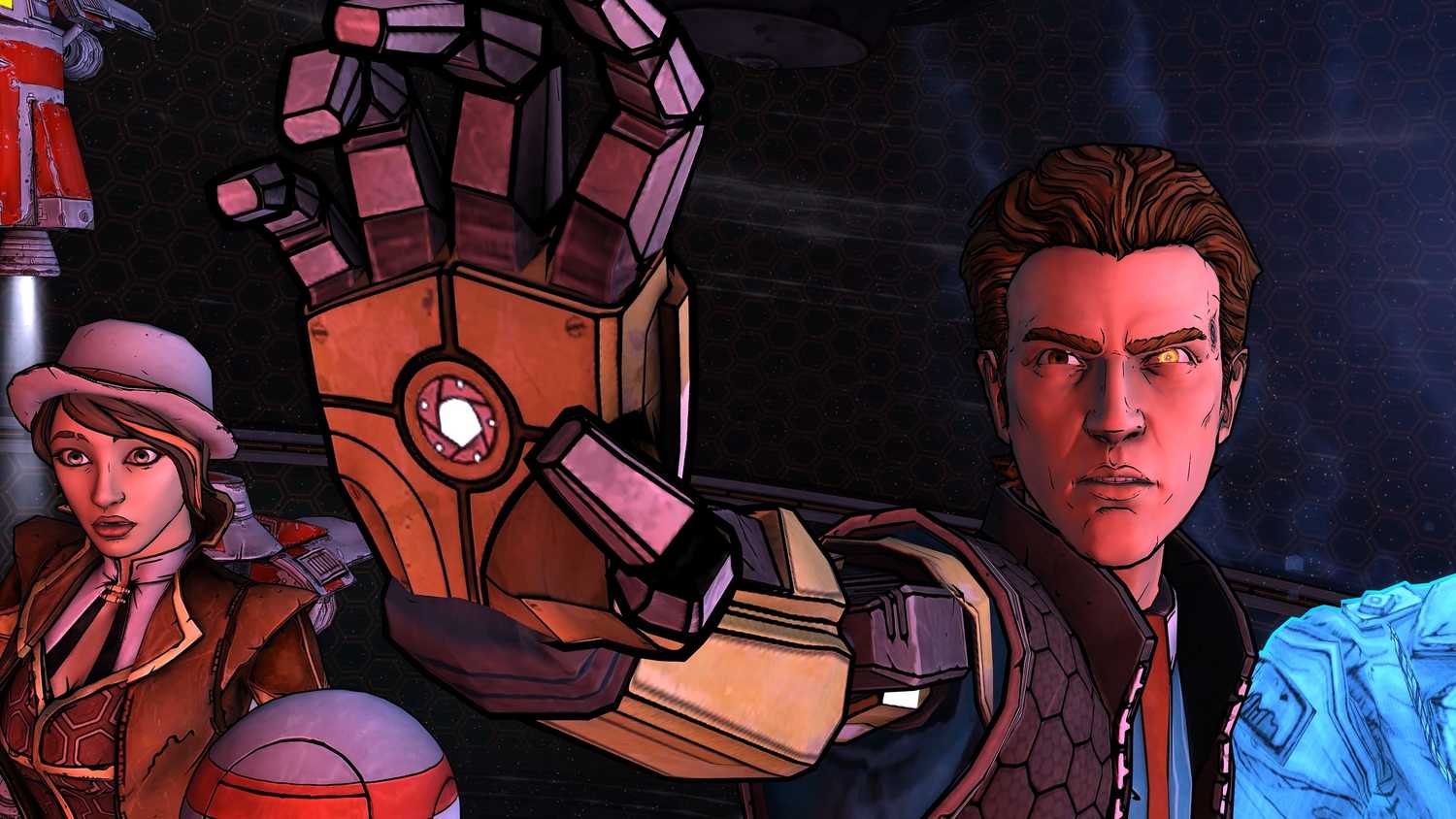
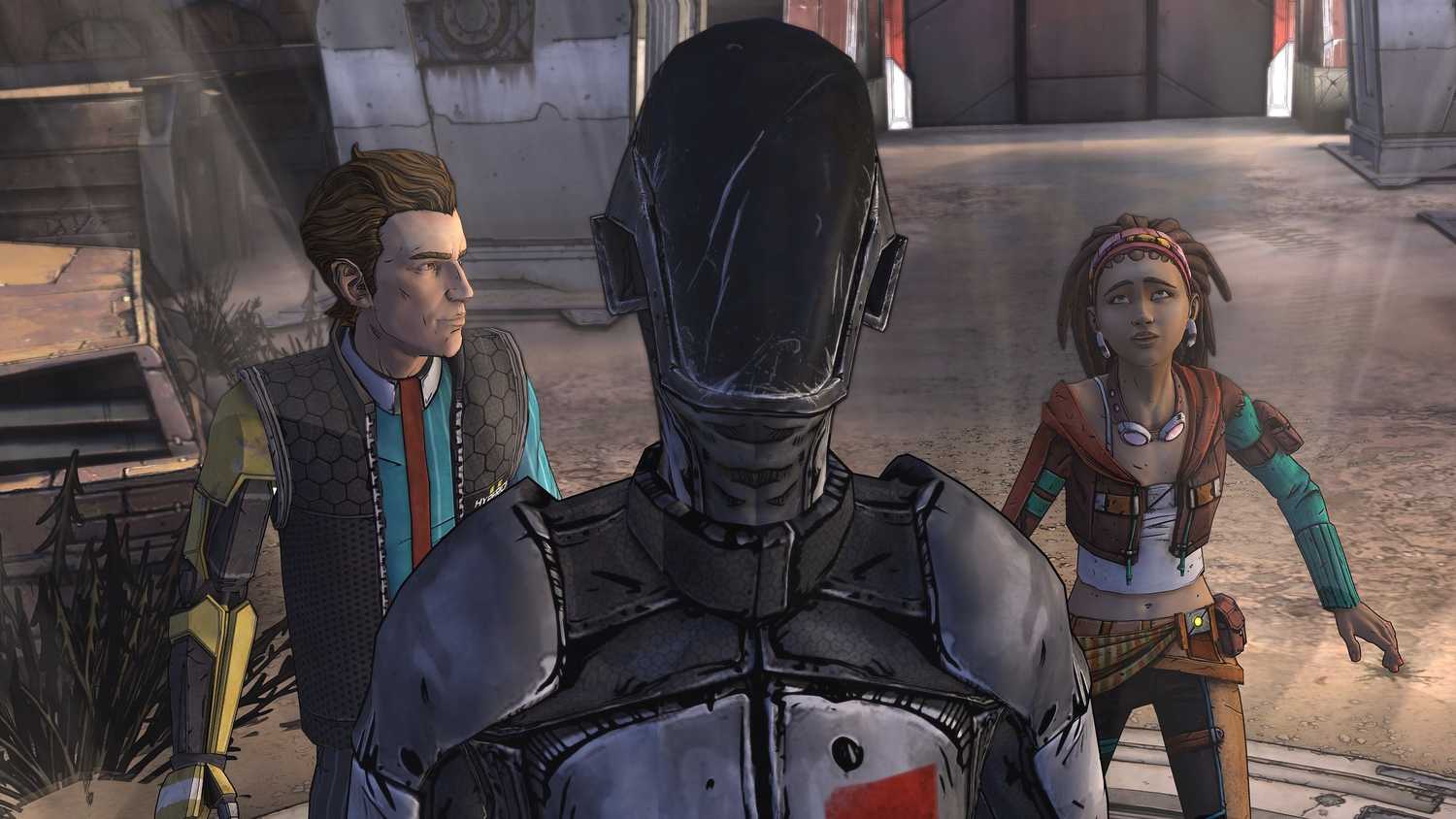
When Tales from the Borderlands was announced, we knew that we'd be in for something entirely different, because Telltale's signature style in Gearbox's Pandora and the world of Borderlands would be an incredible concoction. Their dialog-heavy formula seemed like an odd fit for this looter-shooter's world, but, as always, Telltale proved all the naysayers wrong, delivering one of the funniest, most heartfelt stories in gaming. Somehow, this space-western comedy outshined its source material in places.
Each episode in Tales from the Borderlands blended humor, emotion, and chaos in perfect measure, and waiting between them only made players and fans hungrier for more time with Rhys and Fiona. It was proof that great writing can elevate even the wildest franchises, and that Telltale really could do no wrong, going as far as being able to make us all tear up over a finger-gun battle. It even gave us more insight into one of the most prolific video game villains of all time, Handsome Jack. It didn't humanize him, no. Instead, it just drove home harder how this guy was always the intolerable narcissist we loved to defeat. If anything, it proved that even death couldn’t stop his ego from haunting the Borderlands.

- Released
- November 25, 2014
- ESRB
- M for Mature: Blood and Gore, Drug Reference, Sexual Themes, Strong Language, Violence
- Developer(s)
- Telltale Games
- Publisher(s)
- Telltale Games
- Engine
- Telltale Tool
- Franchise
- Borderlands
WHERE TO PLAY
- Genre(s)
- Graphic Adventure
Telltale's The Walking Dead (2012)
A good time for complex, emotional takes on the zombie genre
Credit: Telltale Games 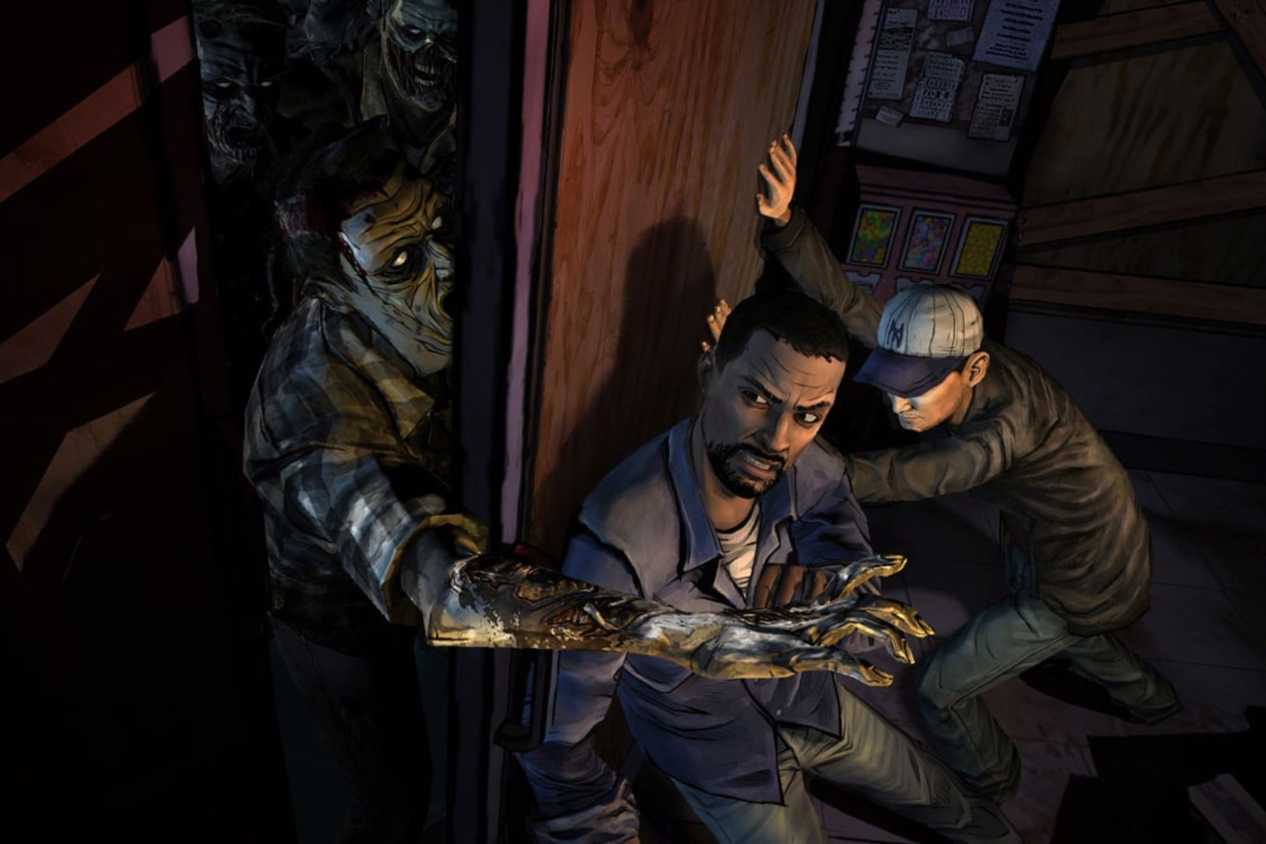
Credit: Telltale Games 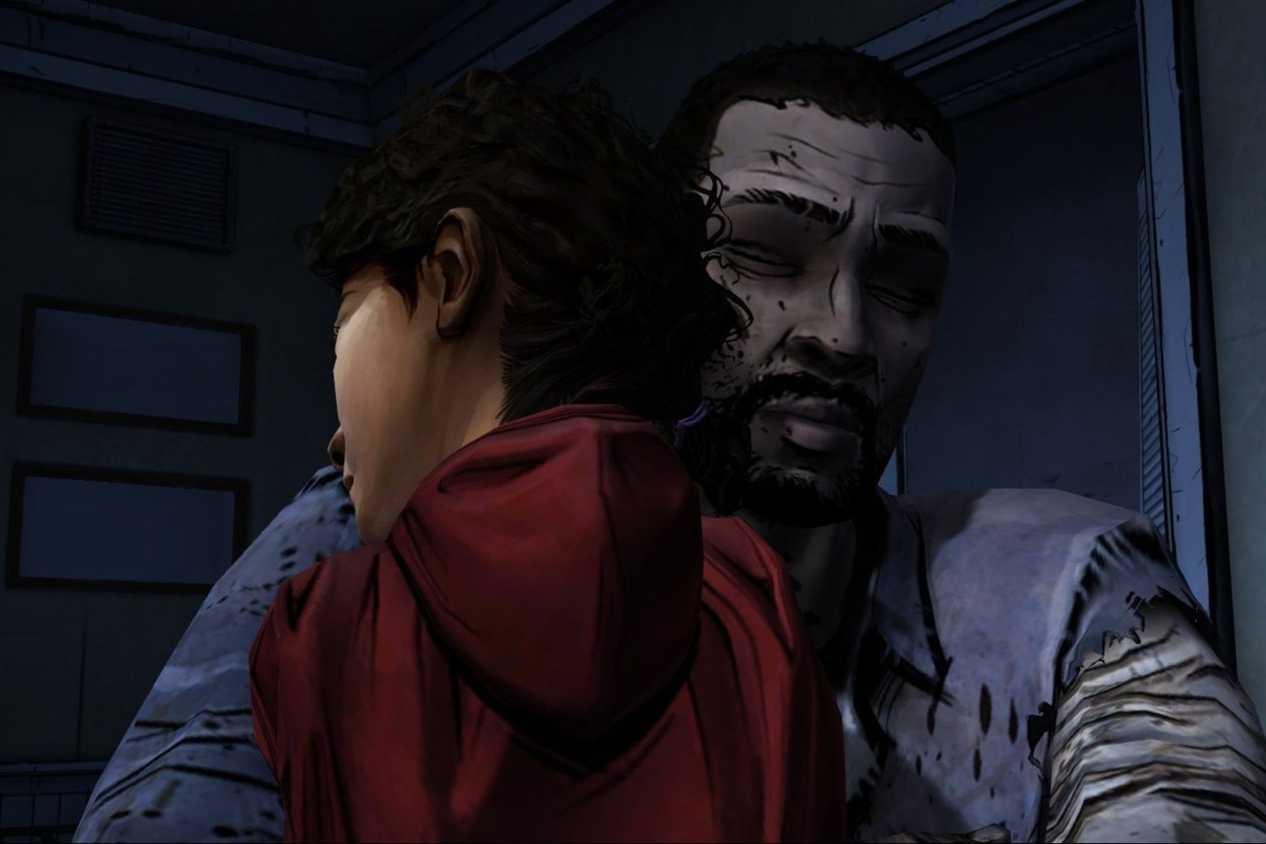
Credit: Telltale Games 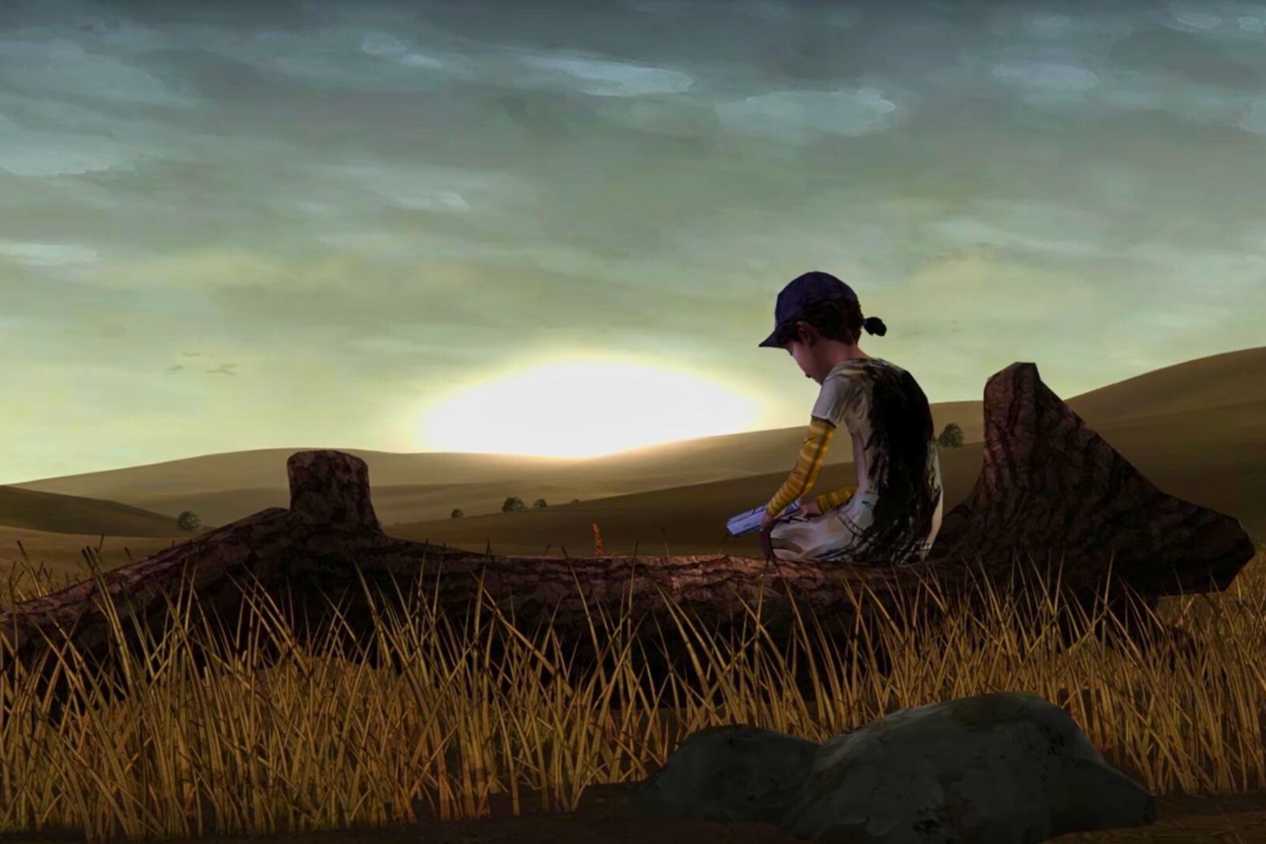
Credit: Telltale Games 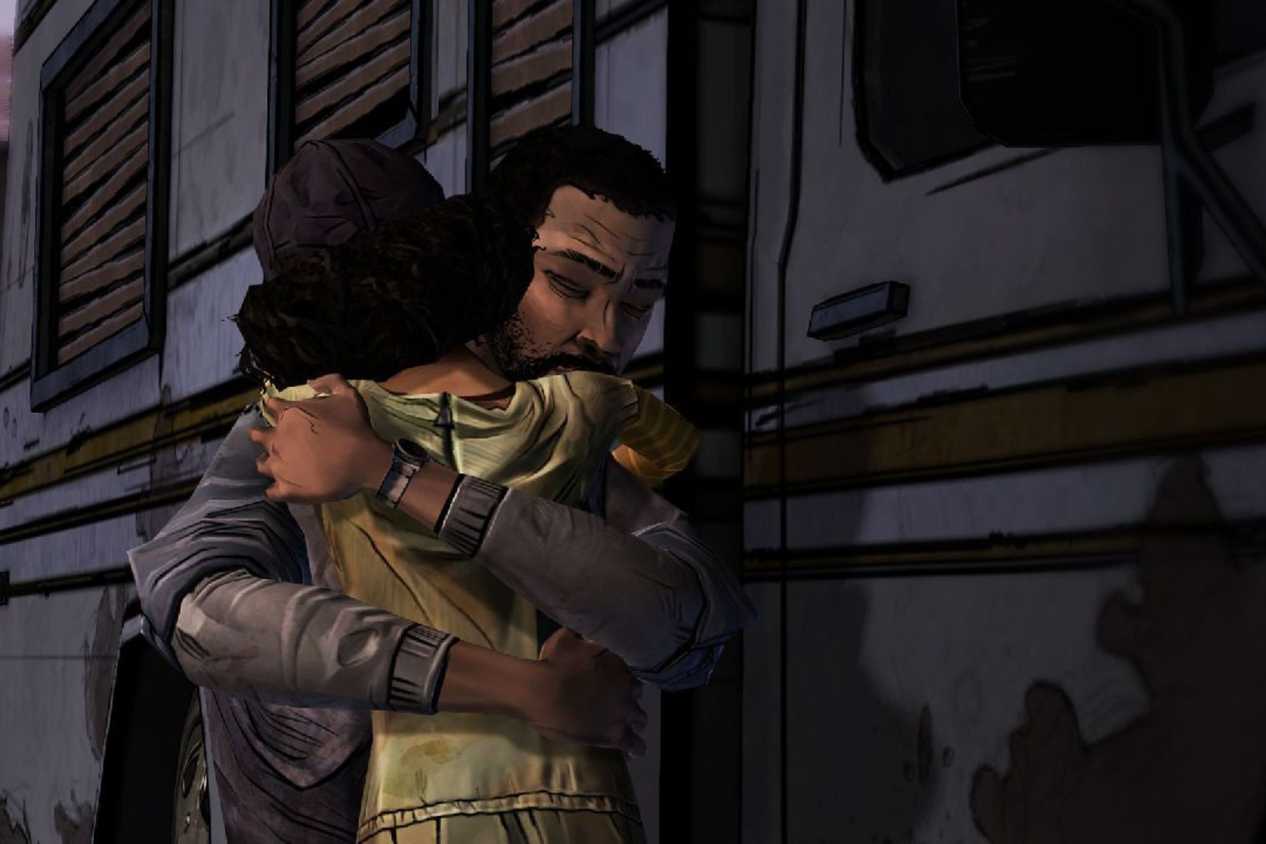
Credit: Telltale Games 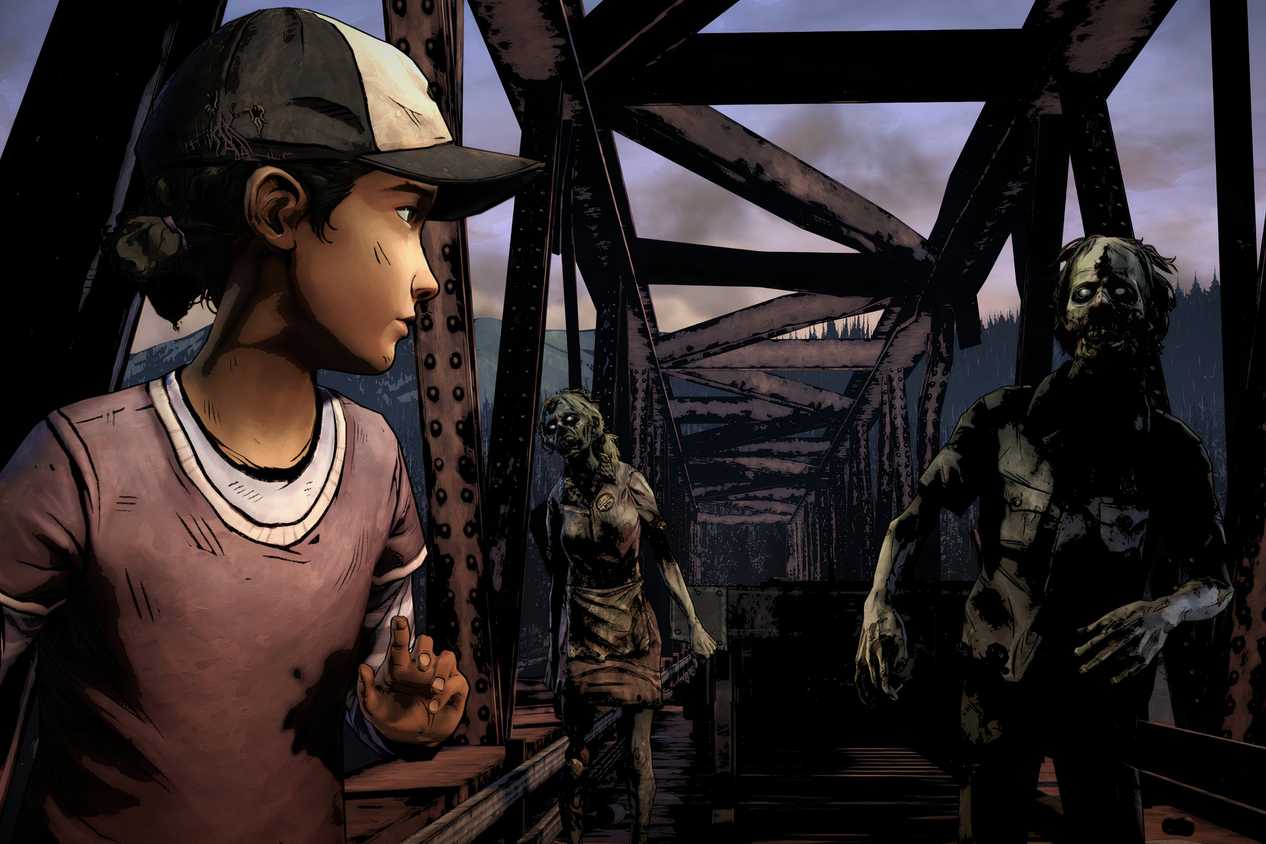
Source: Steam


Credit: Telltale Games 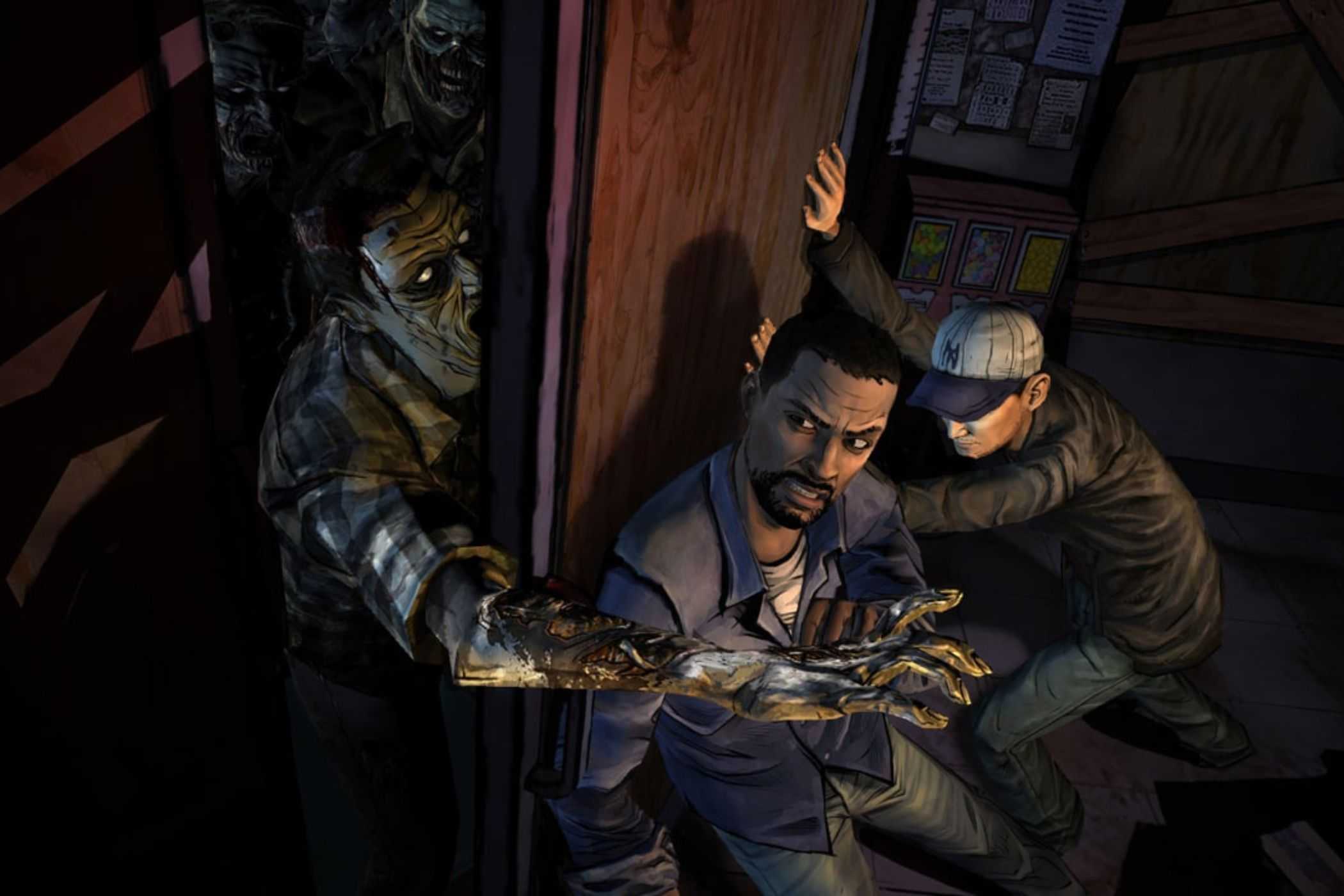
Credit: Telltale Games 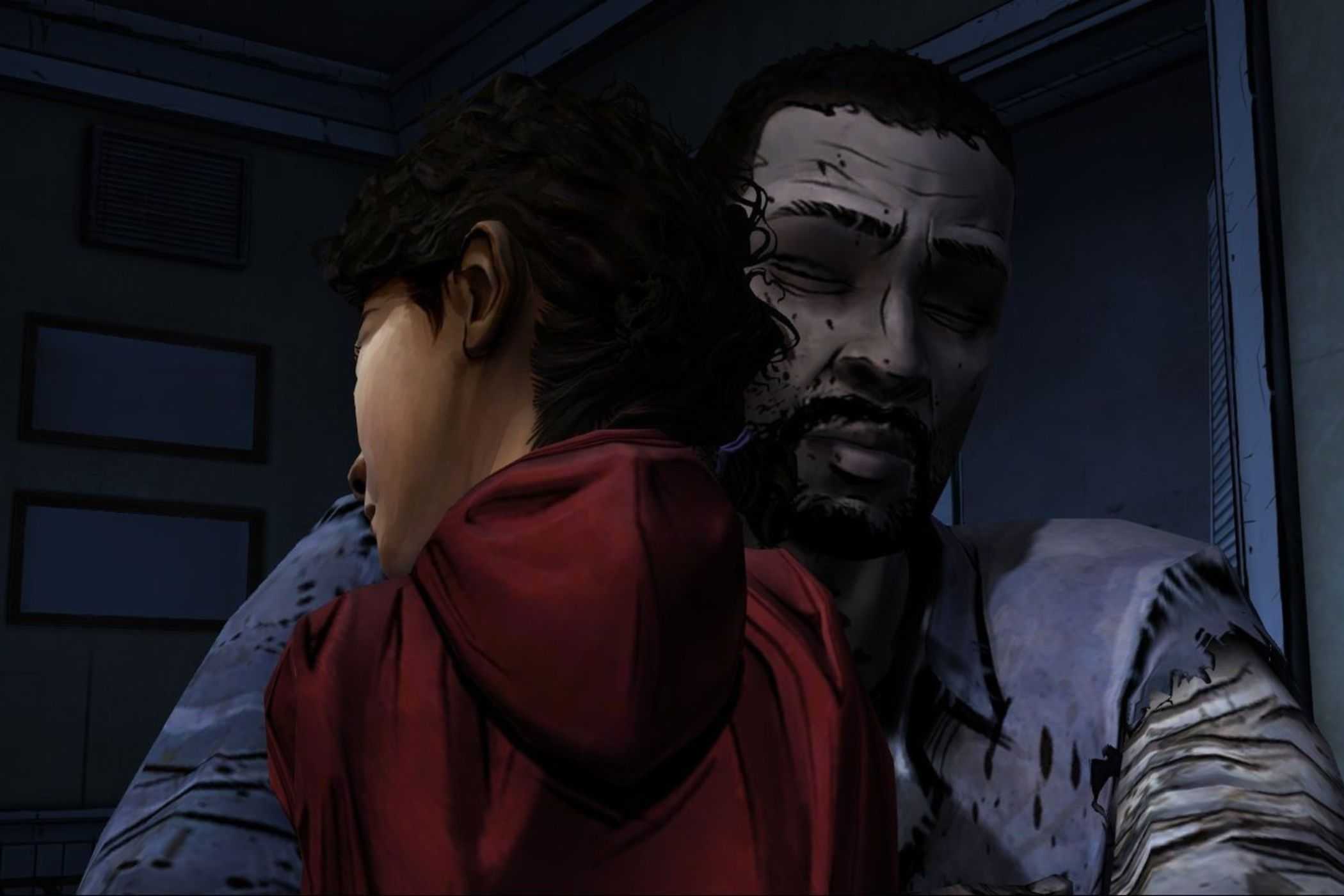
Credit: Telltale Games 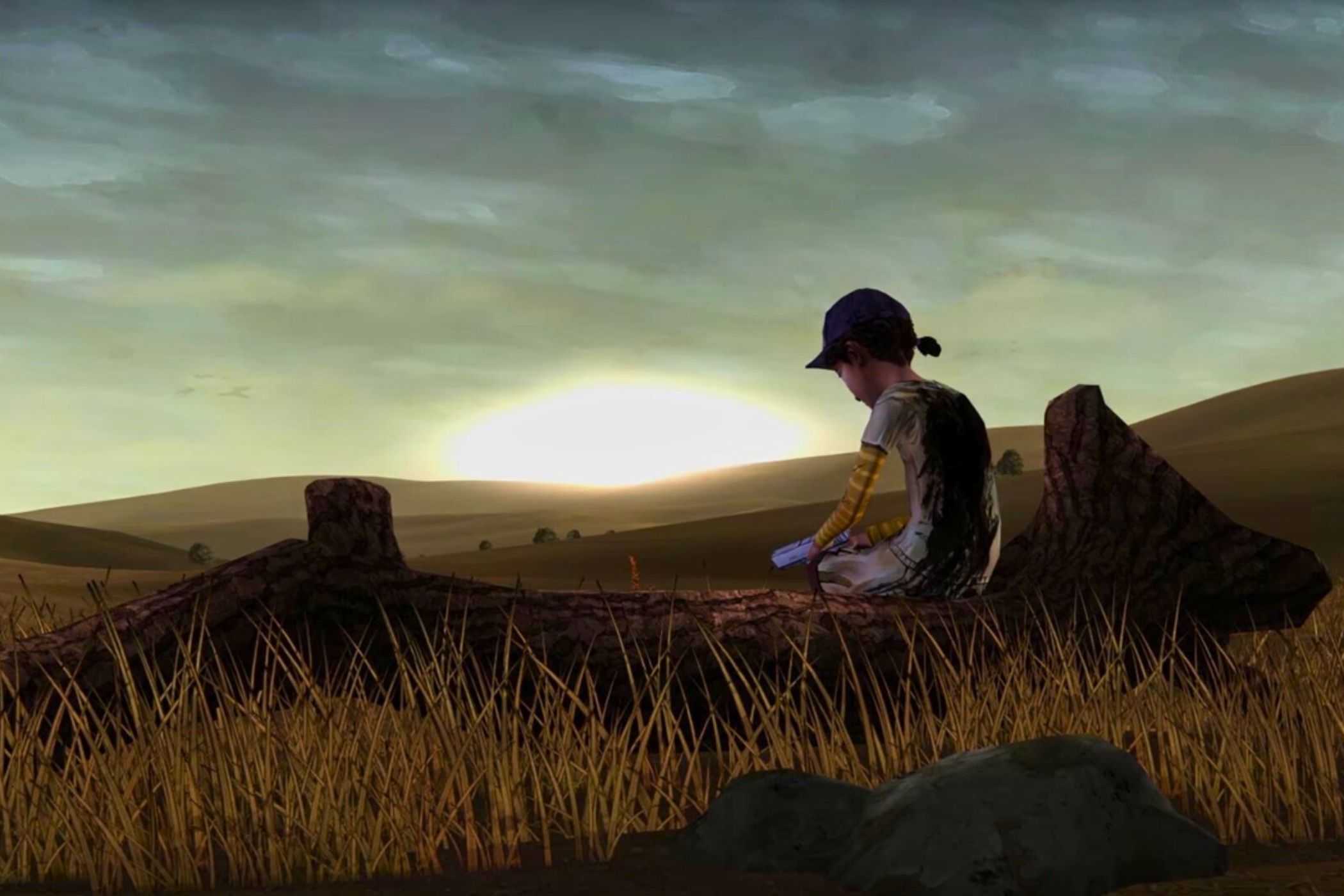
Credit: Telltale Games 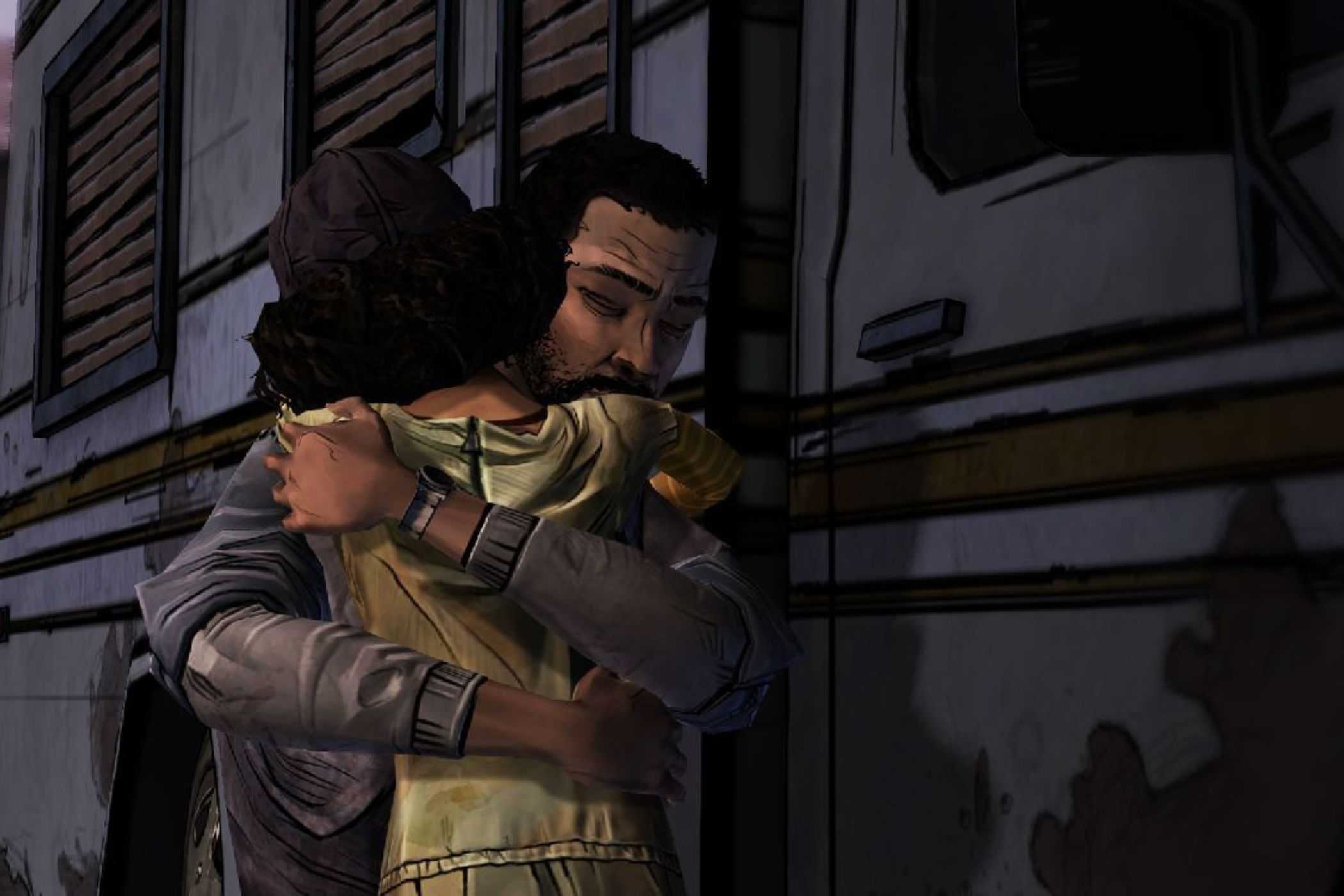
Credit: Telltale Games 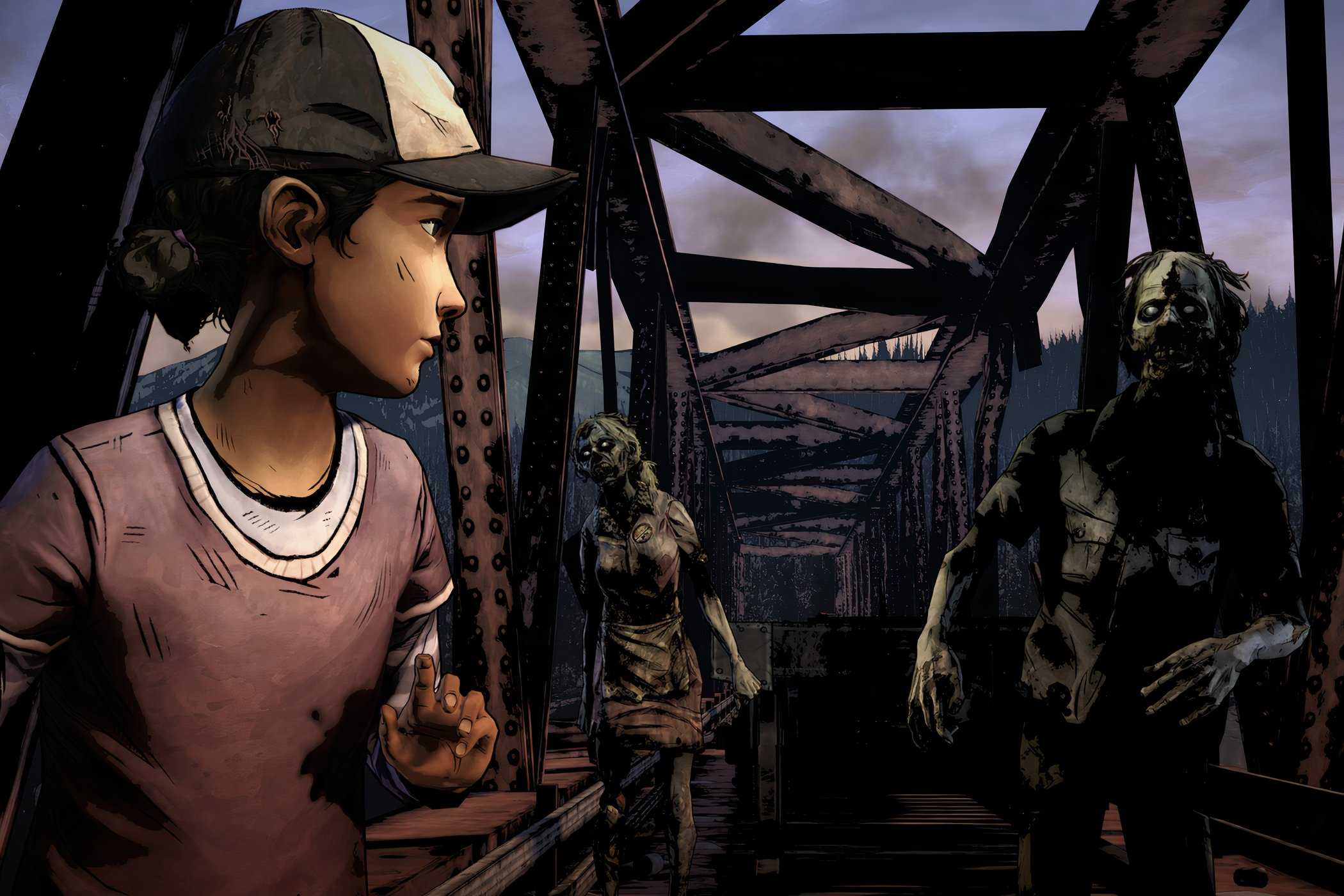
Source: Steam
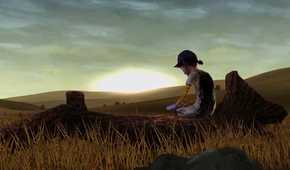
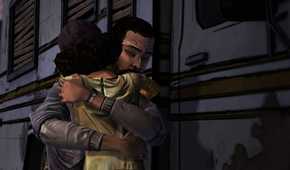
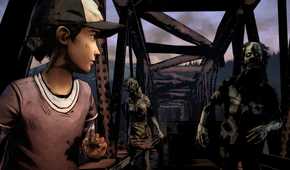
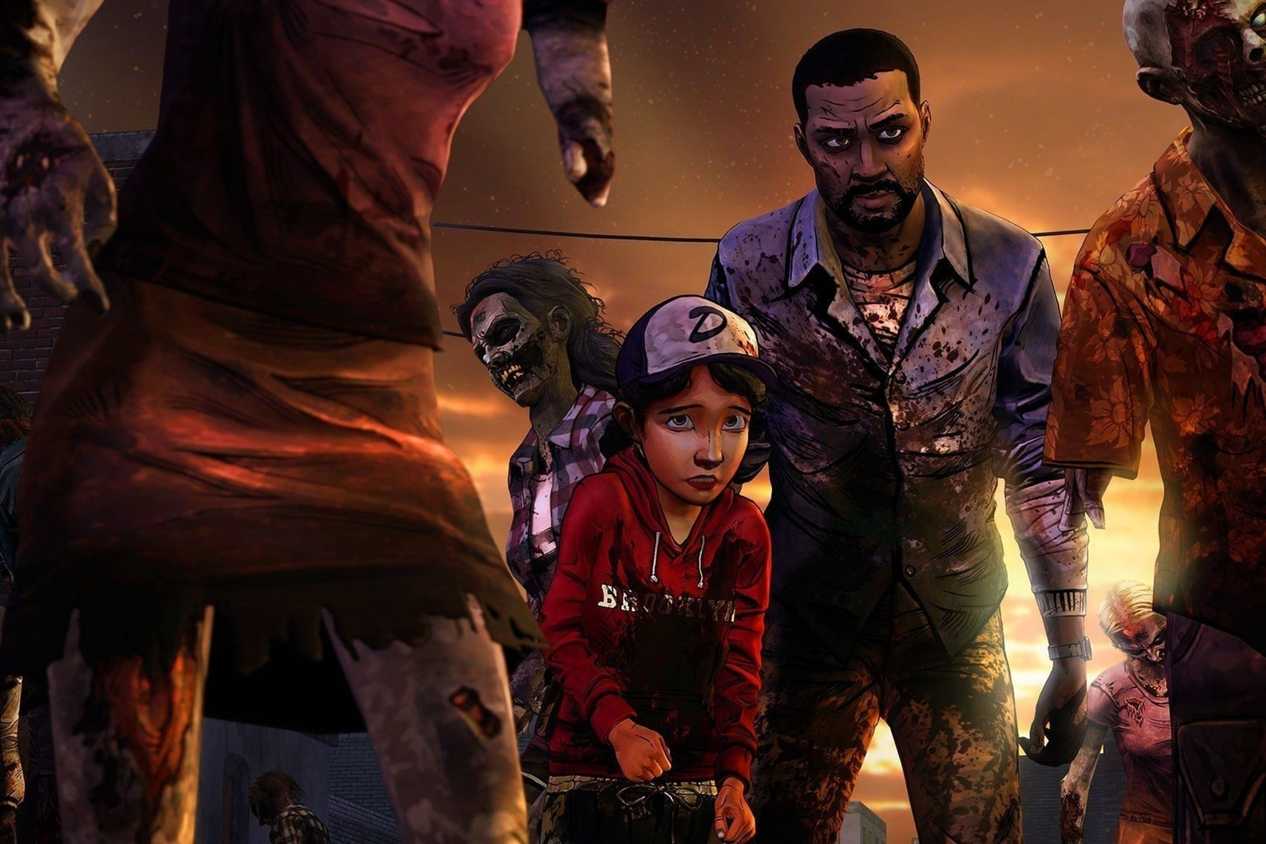
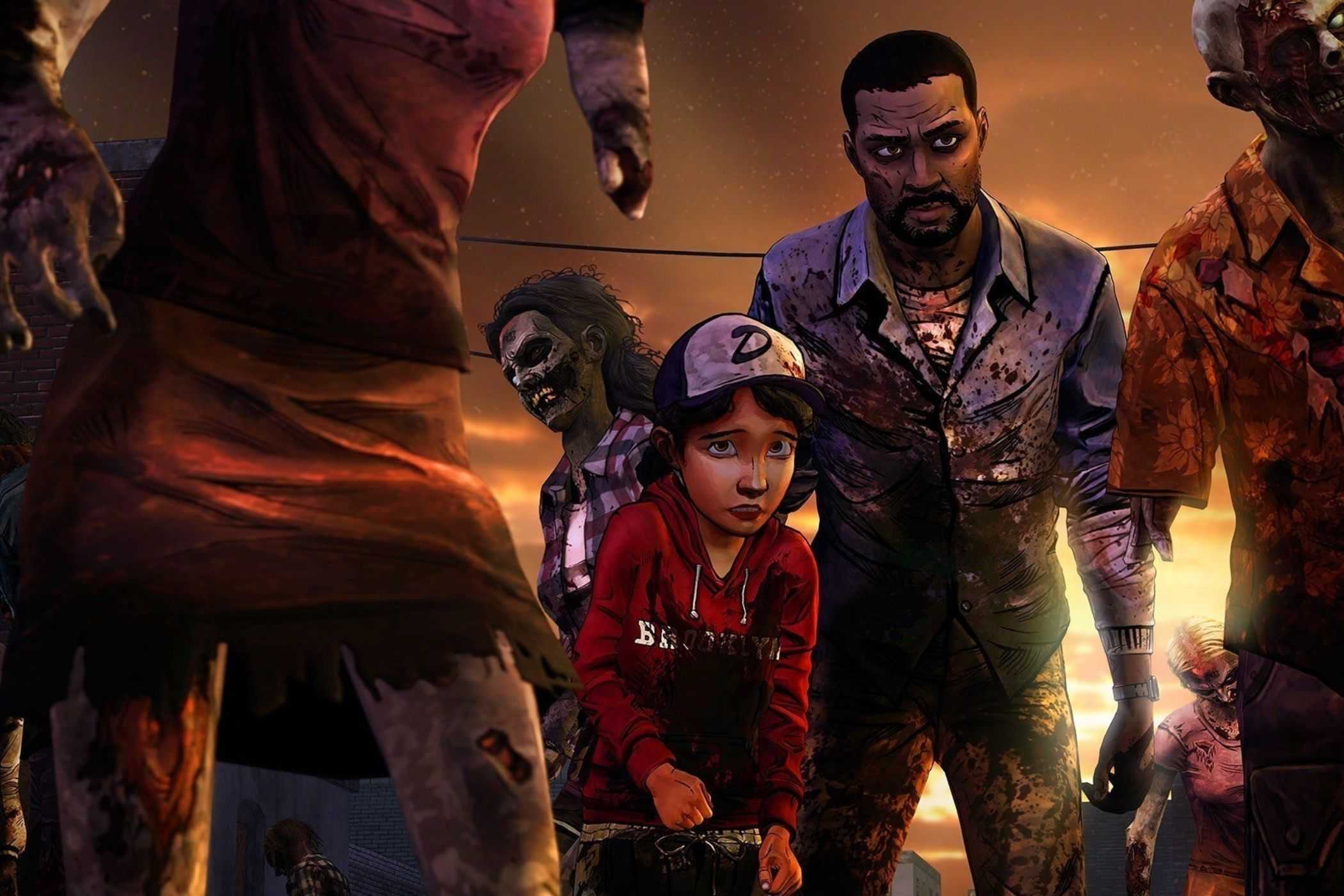
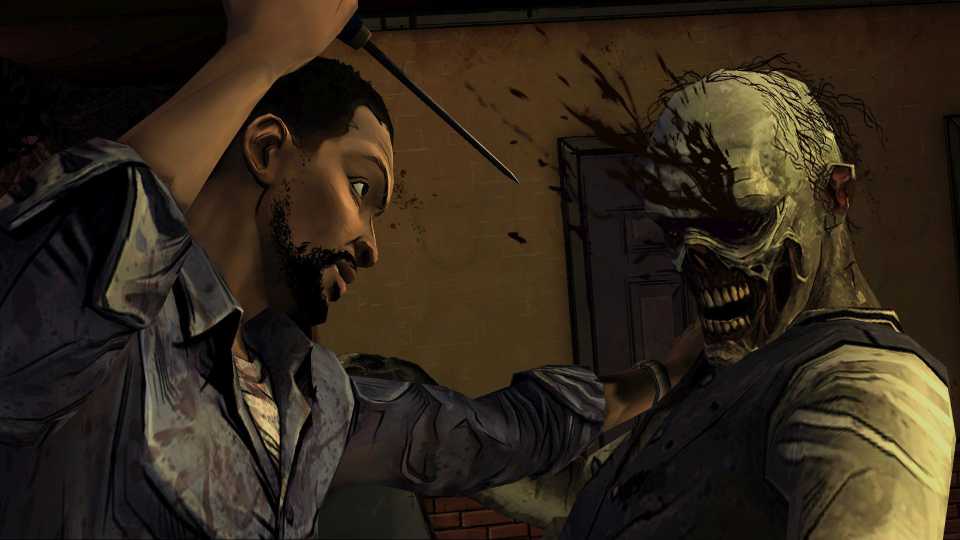
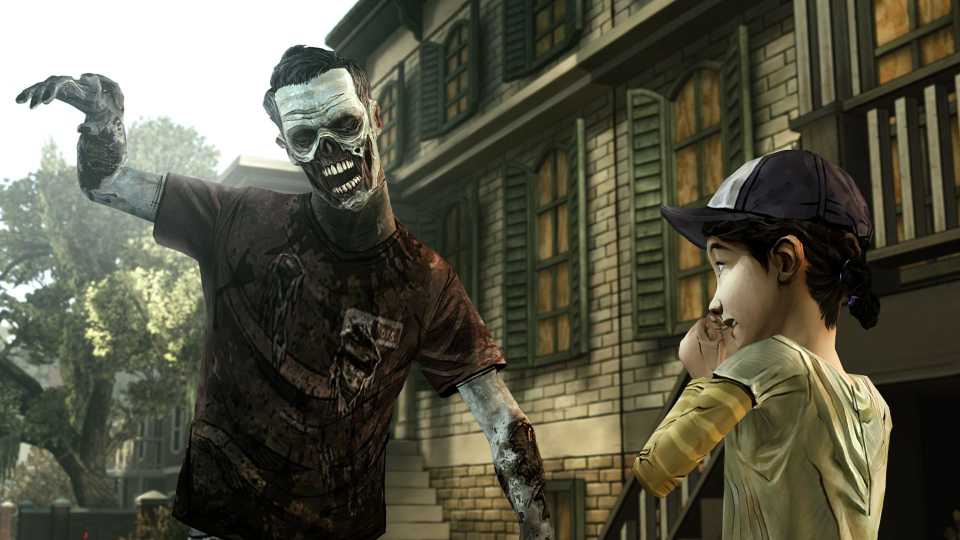
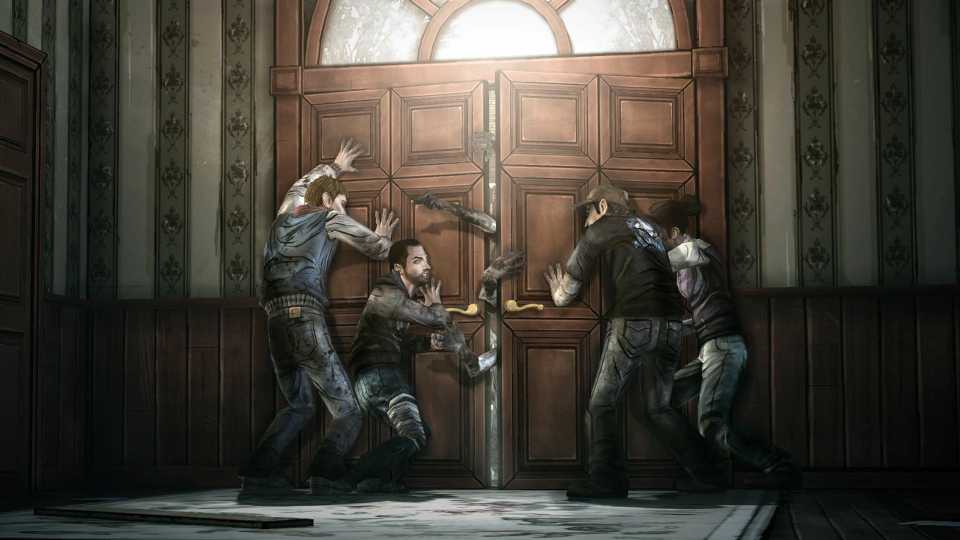
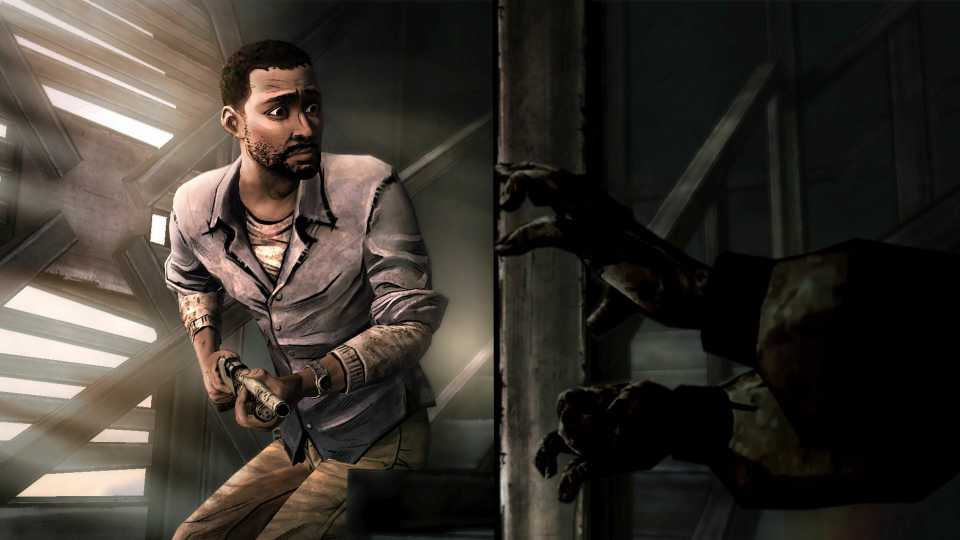
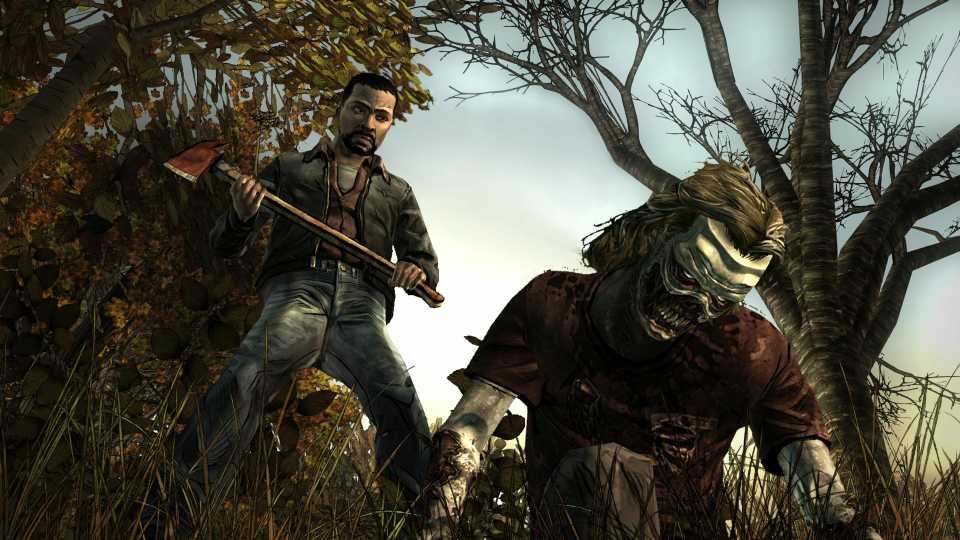
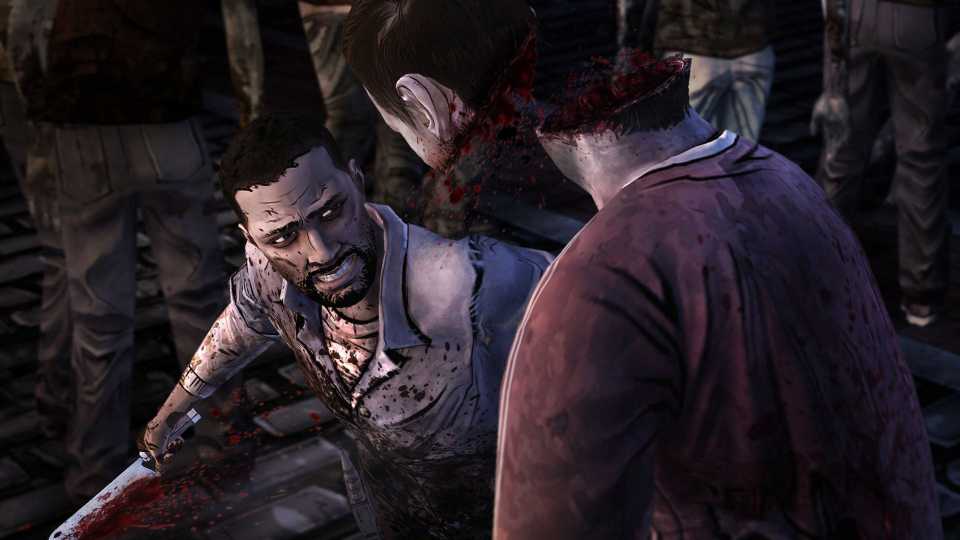
This is the series that truly kicked off a new era for episodic gaming. When Episode 1 launched in 2012, no one expected that by the time this series wrapped up, Lee and Clementine would become one of gaming's most beloved duos.
The way between episodes was torture, and it's hard to deny that the quality wavered between episodes, but it worked in the game's favor. Every decision you made? It lingered in the back of your head for weeks, eating at you as you wondered what would happen next. Telltale really found their stride with their episodic titles, and going through the game's episodes one by one became more about surviving emotionally than just shooting zombies or existing in a zombie apocalypse.

- Released
- April 24, 2012
- ESRB
- Mature 17+ // Blood and Gore, Drug Reference, Intense Violence, Sexual Themes, Strong Language
- Developer(s)
- Telltale Games
- Publisher(s)
- Telltale Games, Skybound Games
- Engine
- Telltale Tool


WHERE TO PLAY
- Genre(s)
- Graphic Adventure, Horror
Life is Strange (2015)
The greatest episodic story ever told

Source: Square Enix 
Source: Square Enix 
Source: Square Enix 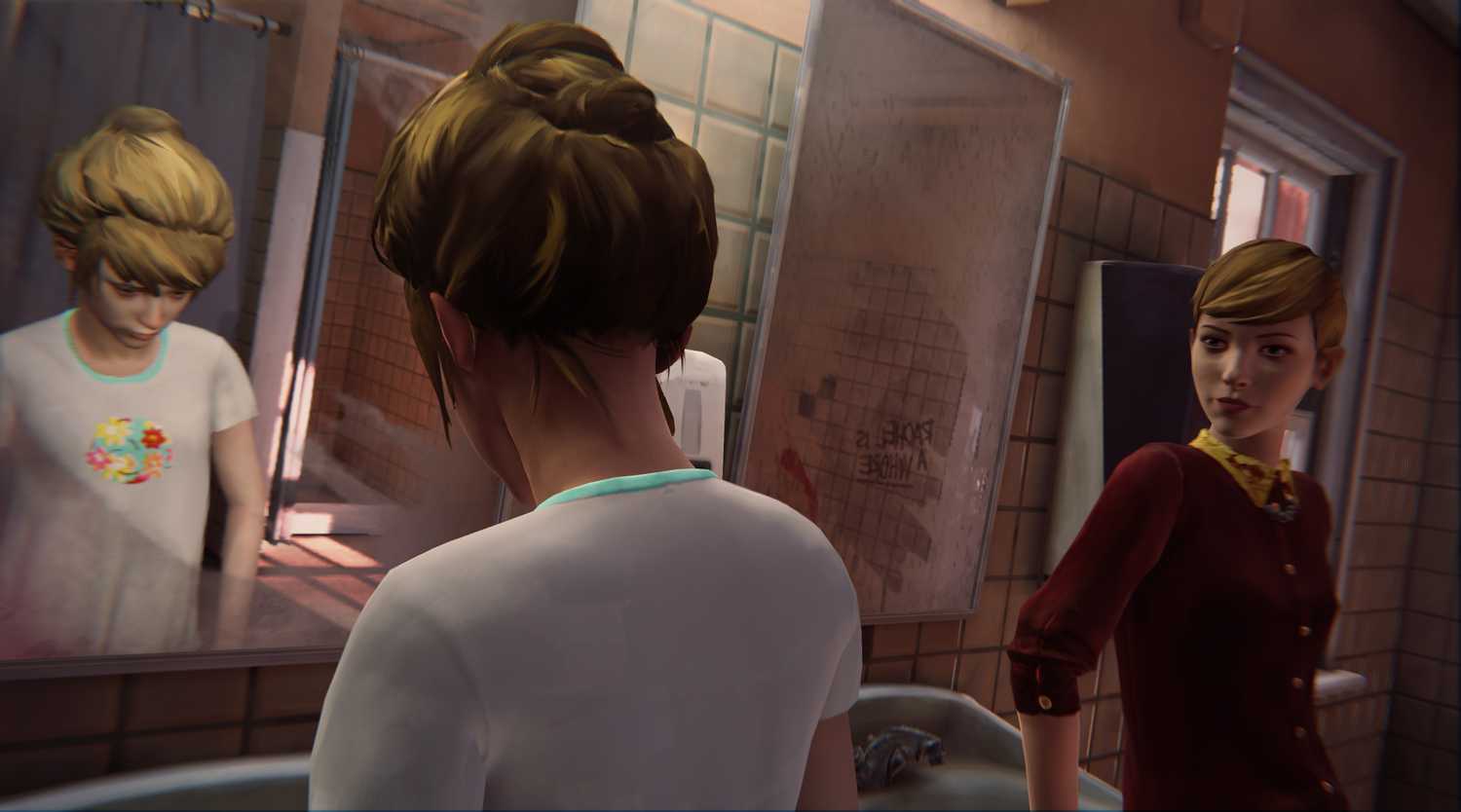
Source: Square Enix 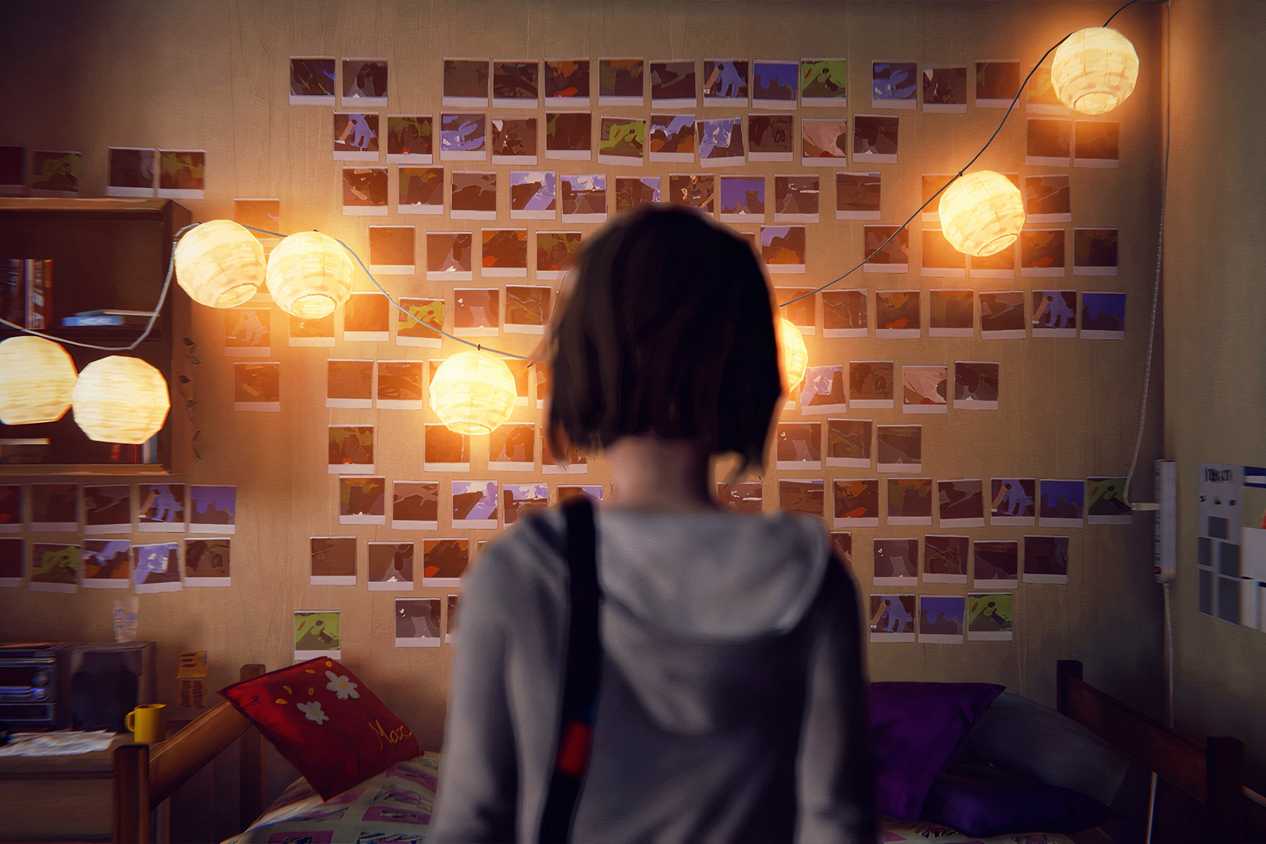
Source: Steam 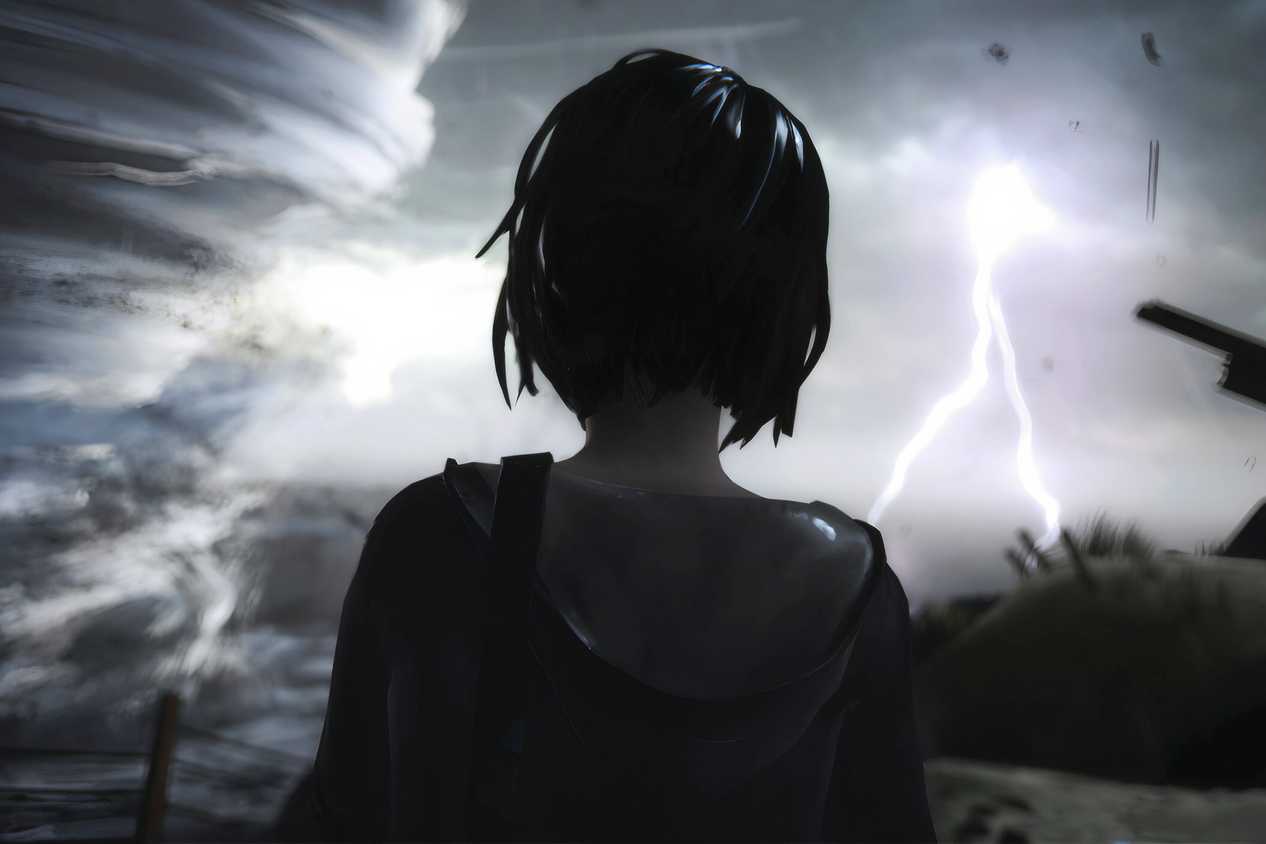
Source: Steam 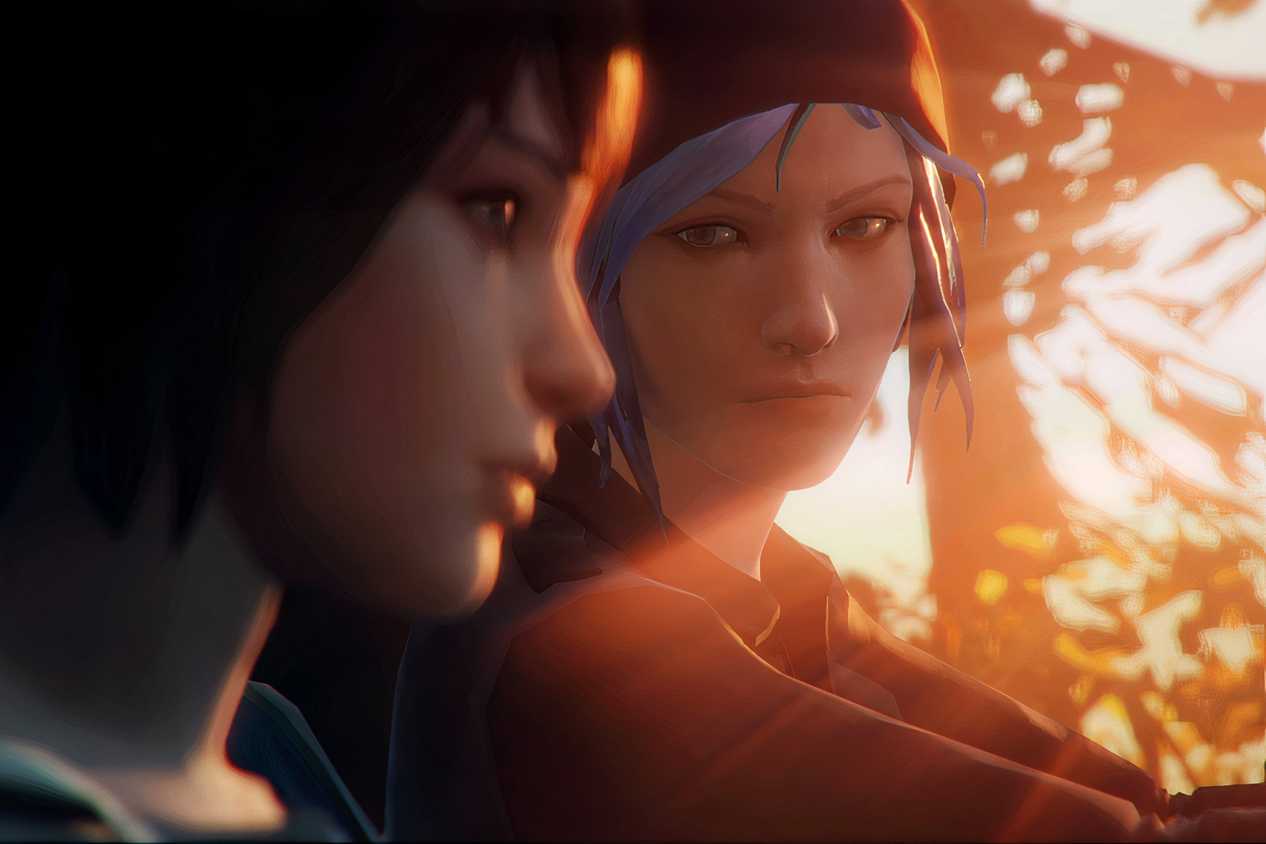
Source: Steam


Source: Square Enix 
Source: Square Enix 
Source: Square Enix 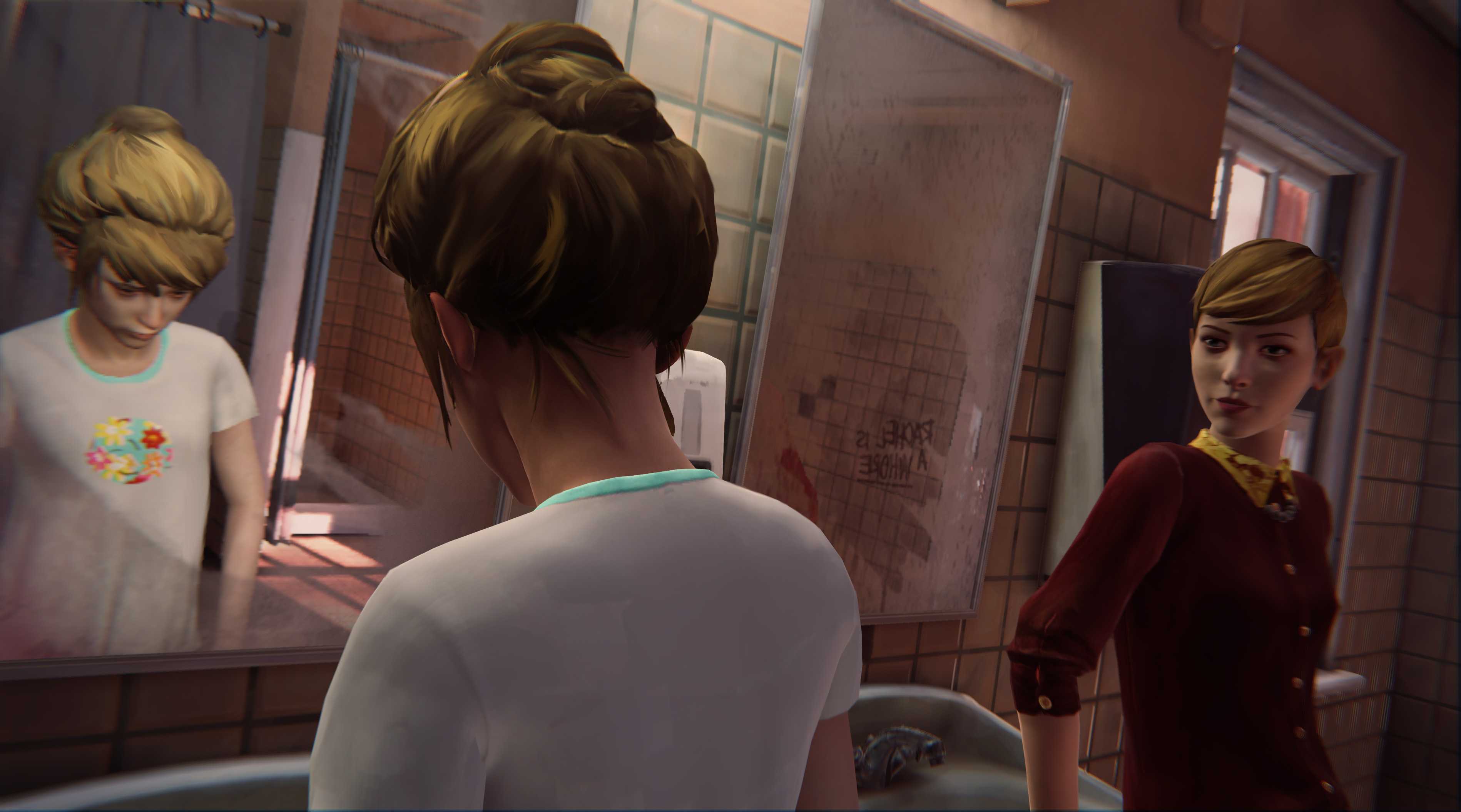
Source: Square Enix 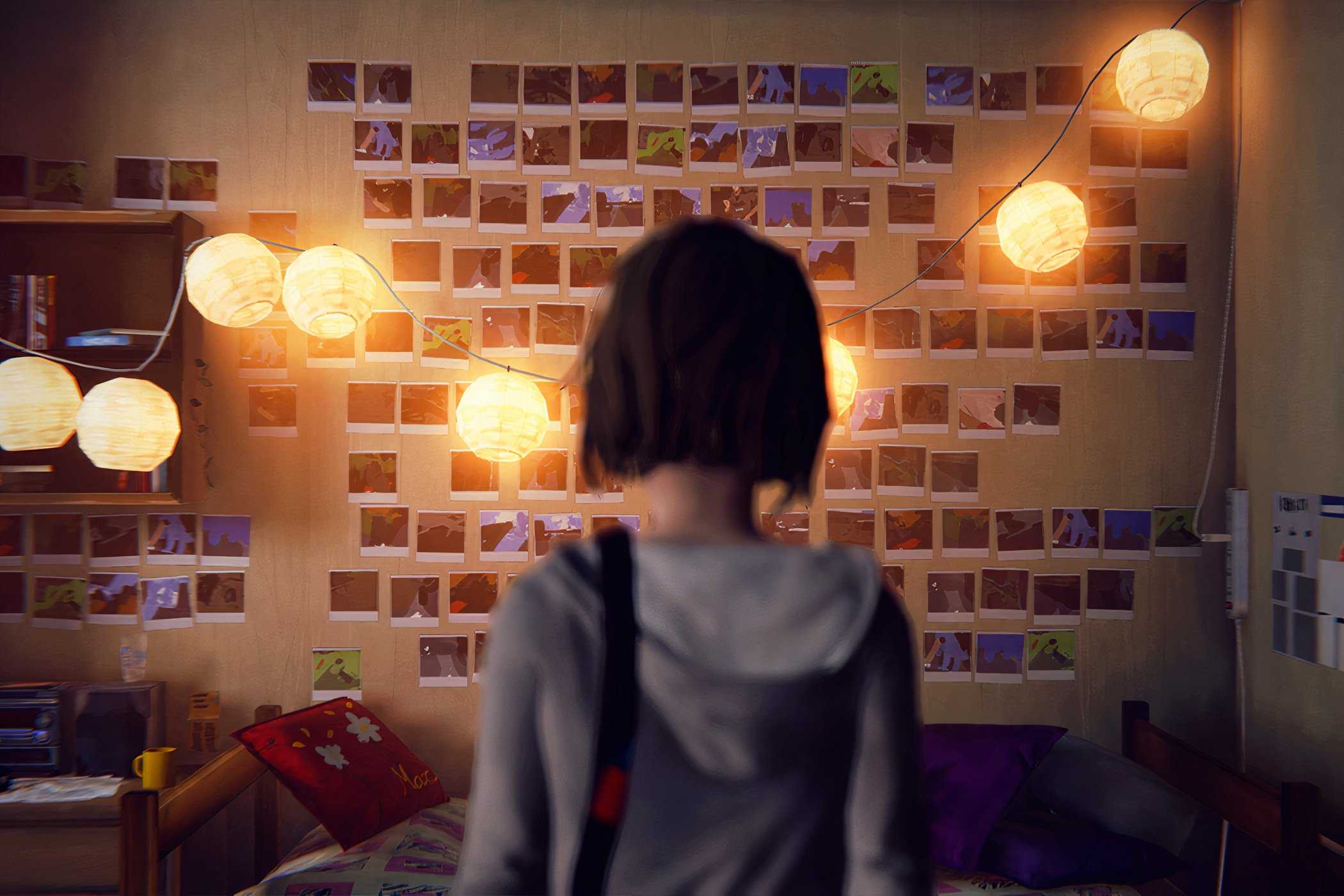
Source: Steam 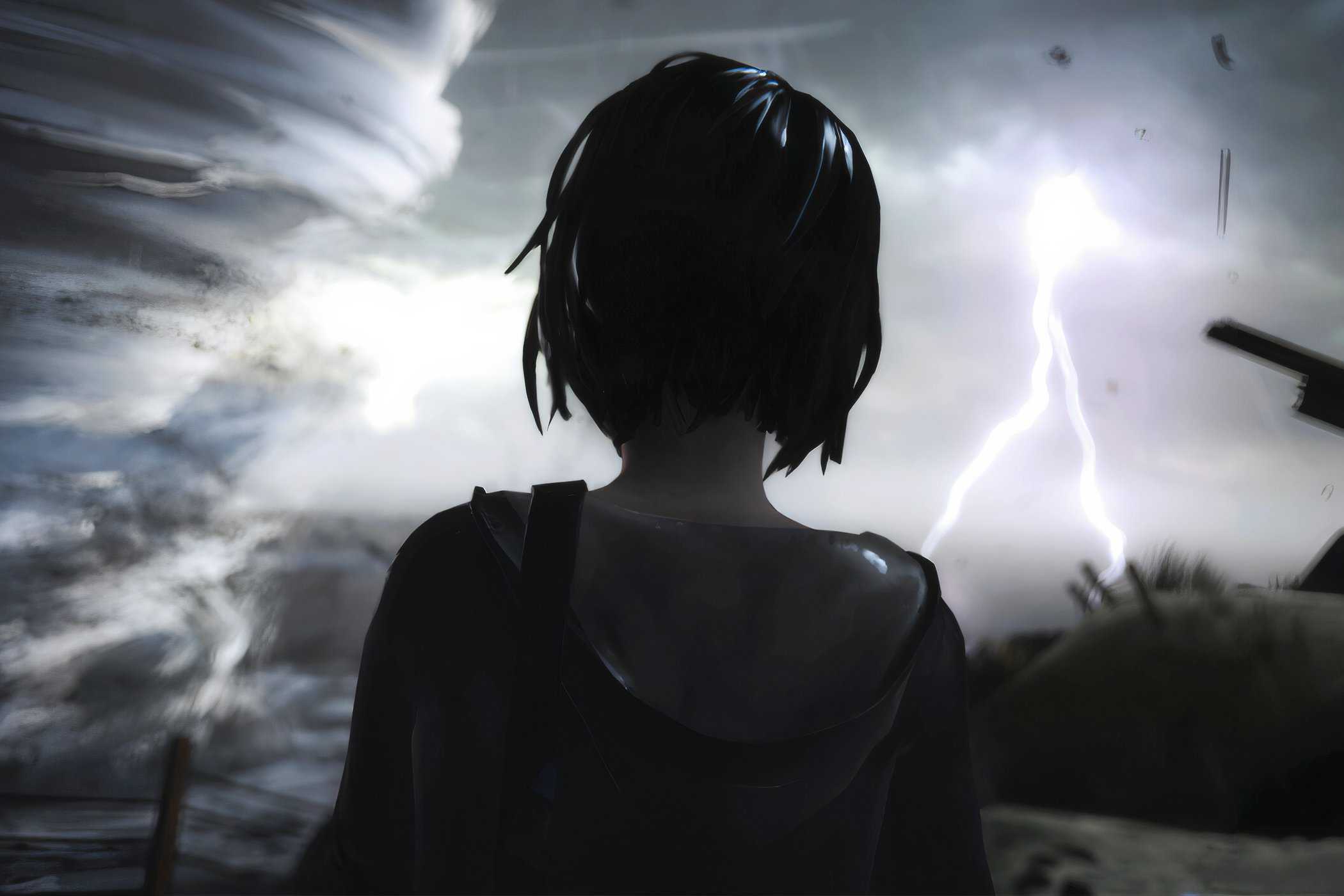
Source: Steam 
Source: Steam






One of the greatest episodic games ever, Life is Strange from Don't Nod Entertainment will always remain the gold standard in this form of storytelling. It blended teenage angst, time travel, and small-town mystery, and sure, it all might sound a bit cliché on paper, but DONTNOD turned it into something hauntingly real. With a story as deep with characters as complex as those in Life is Strange, the game took a while to get going, with the first episode being infamous for being a drag initially as it set up the stakes and introduced the main cast.
Each episode in Life is Strange found new ways to make you emotionally invested, delivering gut punches and plot twists that left players debating choices, predicting outcomes, and reeling from consequences that actually mattered. Waiting between episodes almost felt like torture when the stakes got really high, showing just how brilliantly LiS captured the tension between choice and consequence. Still the best thing to come from DONTNOD years later, Life is Strange ultimately presented all players with one of the most difficult choices in gaming, and no matter which one you picked, one thing was certain — it would leave you with one of the most powerful lessons in all of gaming.

-
OpenCritic Reviews
- Top Critic Avg: 81/100 Critics Rec: 76%
- Released
- January 30, 2015
- ESRB
- M For Mature 17+ Due To Blood, Intense Violence, Sexual Themes, Strong Language, Use of Drugs and Alcohol
- Developer(s)
- Dontnod Entertainment
- Publisher(s)
- Square Enix
- Engine
- unreal engine 3, unreal engine 4
- Franchise
- Life is Strange
WHERE TO PLAY
- Genre(s)
- Adventure
Episodic games will never be mainstream, but they'll never die, either
Episodic games are for those of us who like our patience rewarded, one cliffhanger at a time.
Episodic games have always been a strange breed. They're risky for publishers, they're too slow for impatient players, and yet, at the same time, they prove to be incredibly rewarding for those who stick around. As such, they'll never fade away completely. They demand commitment of time and trust, and you have to believe that the next episode will be worth the wait.
Will they ever dominate the industry? Absolutely not, but they also don't need to. Episodic games exist for those of us who like our stories drawn out, our emotions tested, and our patience rewarded, one cliffhanger at a time.
