


Every PC enthusiast has heard the phrase "silicon lottery" tossed around hardware circles, usually followed up by complaints of bad overclocking headroom, or tall tales of pushing far past voltage limits of a particular chip. But what exactly does it mean?
This "silicon lottery" comes down to the physical characteristics of the silicon that makes up your CPU or GPU, and is often the difference maker for performance-enhancing techniques like undervolting or overclocking. Here's how you can tell if you've won the silicon lottery, or if your chip is a dud.
What the "silicon lottery" actually is
Not all silicon is created equal

Source: XDA-Developers 
Source: XDA-Developers



Source: XDA-Developers 
Source: XDA-Developers


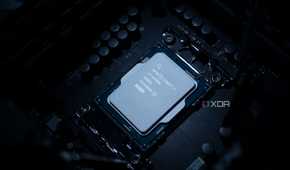
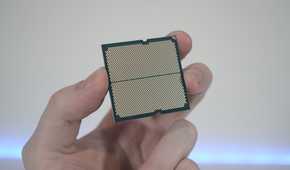

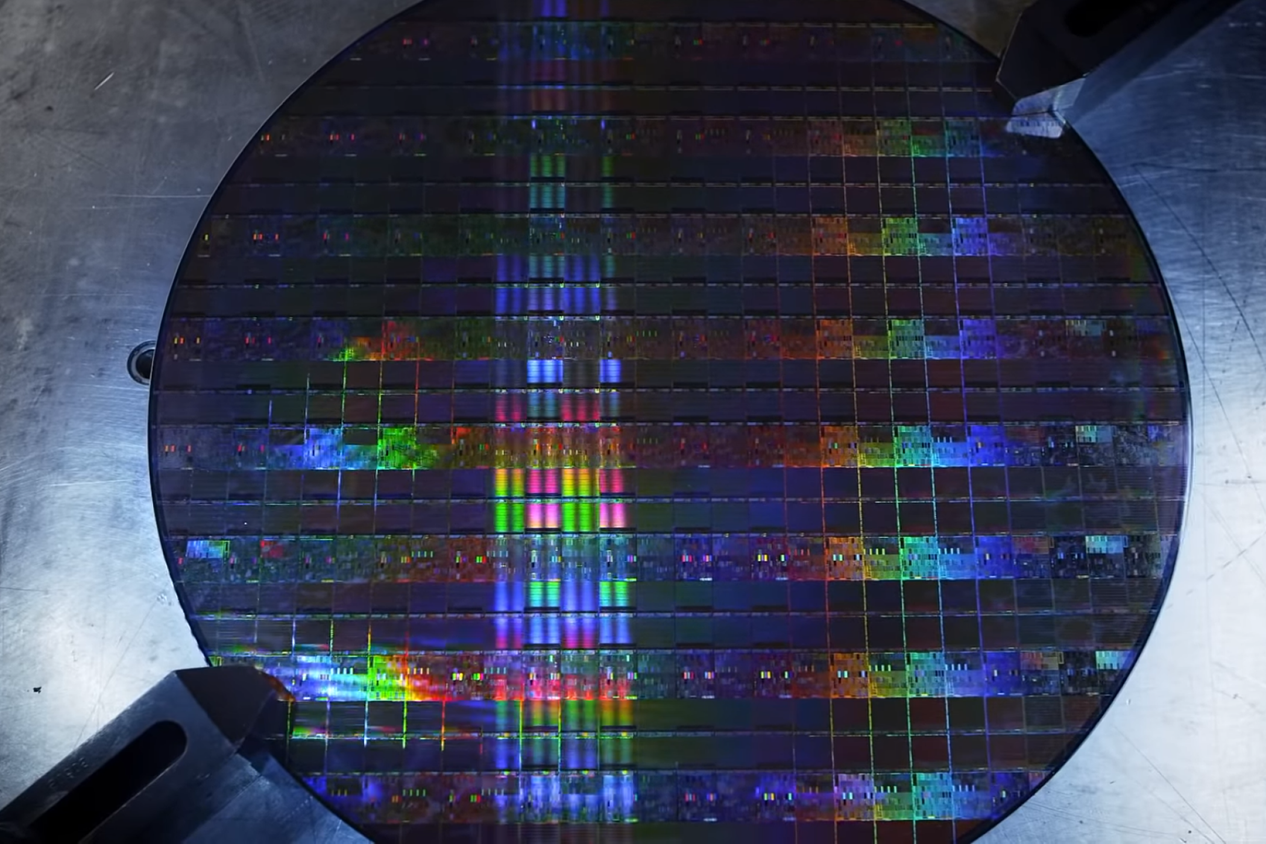
Every CPU starts its life the same way: as a small portion of a much larger silicon wafer. This wafer is sliced into many smaller dies, and these dies are then sorted, or "binned" into different categories based on how they perform. This natural variation is known as "process deviation", and it's unavoidable in the silicon business. No two dies are going to be exactly the same, despite being manufactured with the same process.
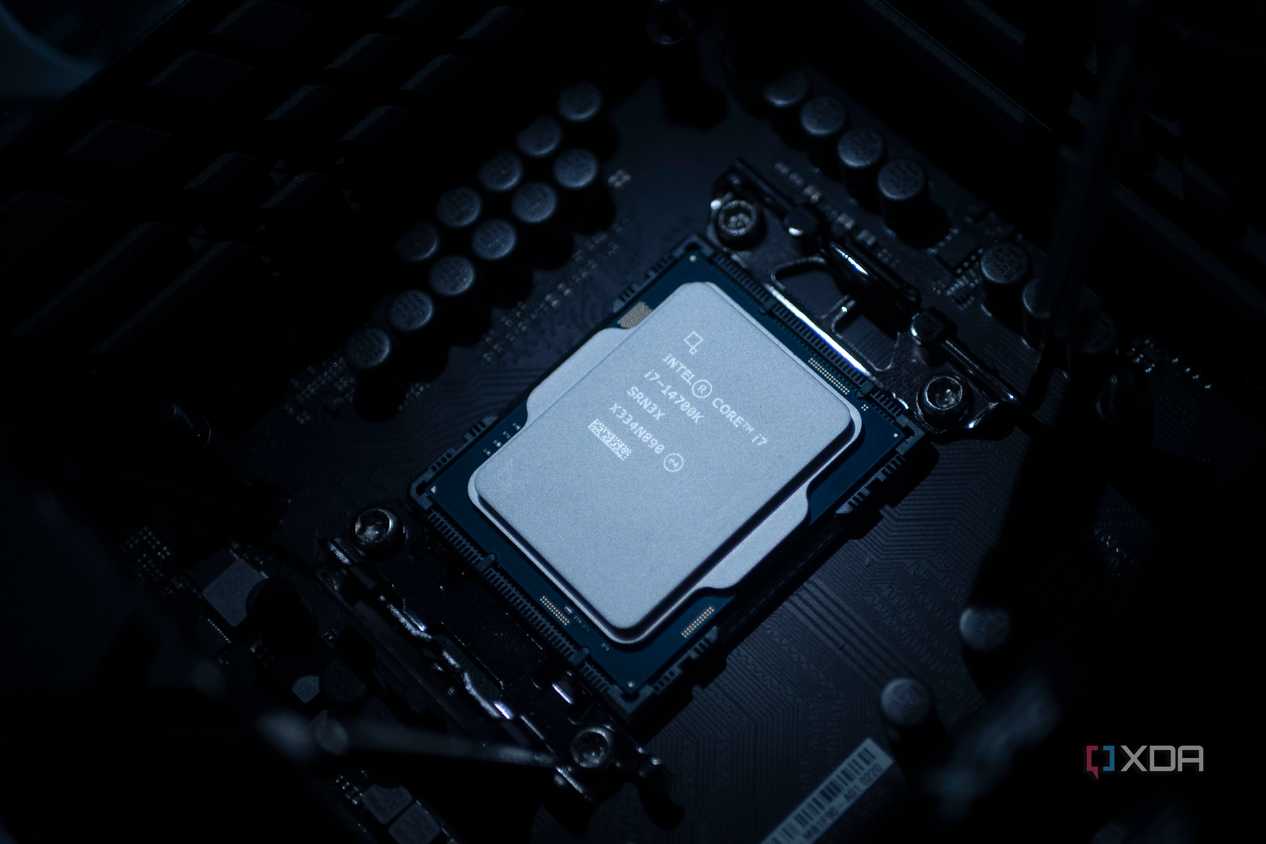
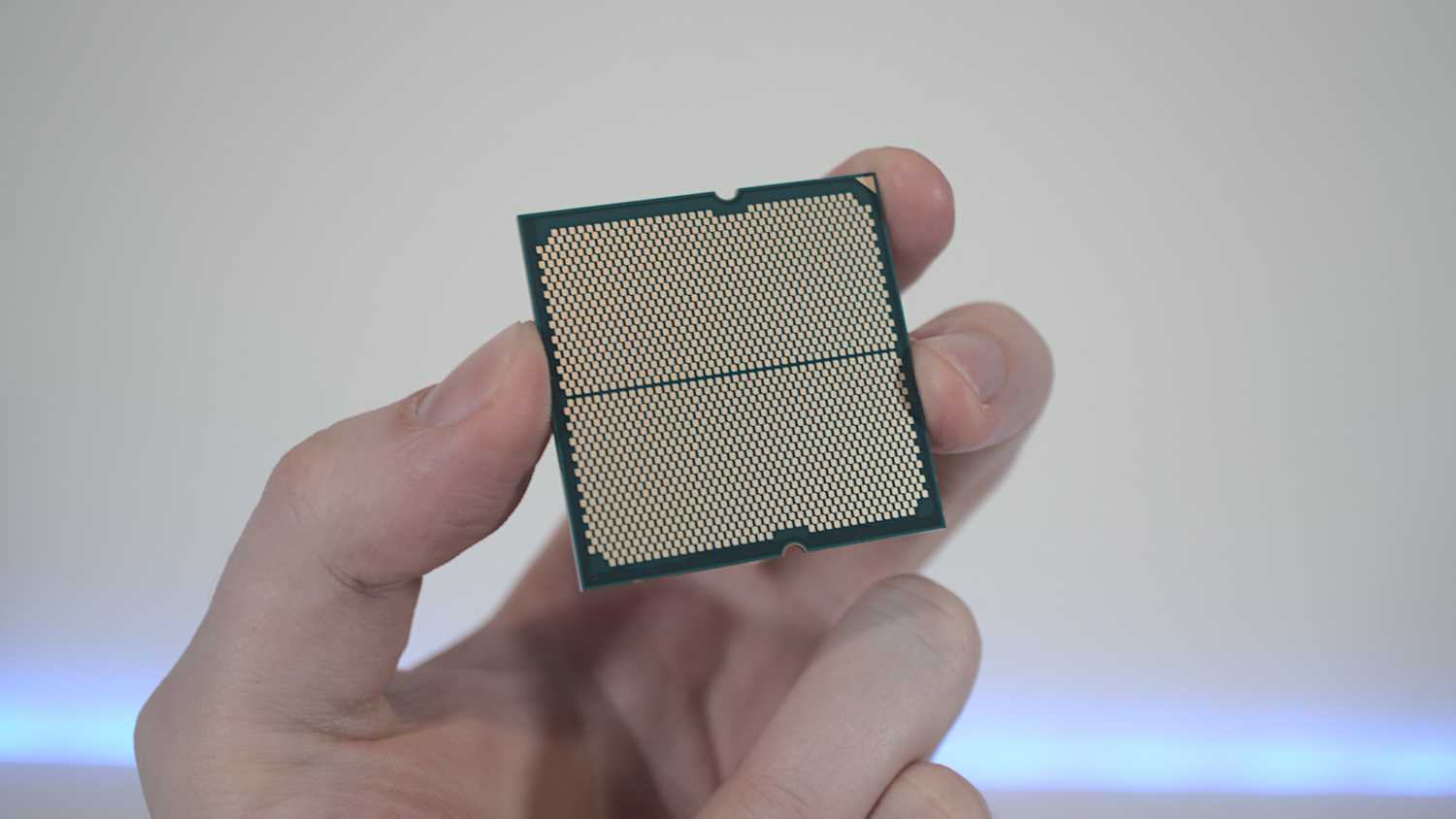
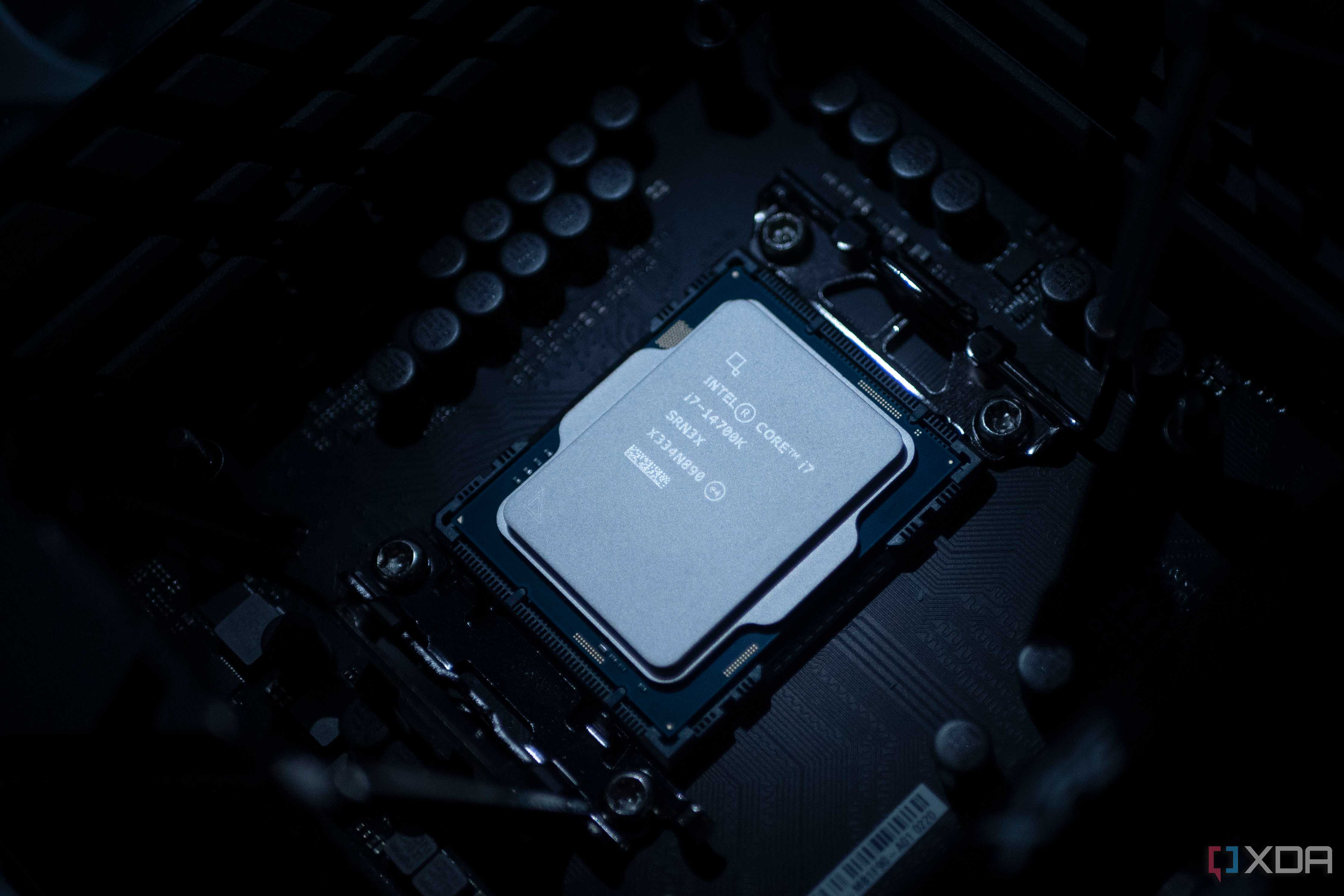
The binning process is essential for CPU makers, and it's why we have different product tiers. The best silicon that turns out to be the best for any given architecture is used for the higher-end SKUs: the Core Ultra 9s and Ryzen 7s of the world. The middling stuff goes on to be a mid-range chip, and the rest are used for lower-clocking, budget chips. Each chip handles voltage and clock speed entirely differently, even within a single model, and this is where the silicon lottery comes into play. Your CPU might be more efficient, cooler, and more stable than someone else's chip of the same model.
Why it still matters today
You're playing the game every time you buy a chip

For those who are peripherally aware of the silicon lottery, you might think it only applies to those who are hardcore overclockers, but it's influential no matter who you are. A better chip within a given SKU can boost higher, hold lower voltages under load, and stay cooler than a chip from a different batch that may be slightly worse overall.
Take the i7-2600K for instance. Intel's Sandy Bridge was a sort of coming-of-age for its modern manufacturing process, and with that came some growing pains. These chips were beloved by the overclocking community, sometimes being able to reach 5 GHz—if you were lucky. There were pretty massive differences between the "golden ticket" chips that reached those performance heights, and the complete duds that topped out at 4.5 GHz, even with aggressive voltages.
This phenomenon continued into the 2010s, with notable chips being the i7-4790K and i7-8700K, but it's not limited to just Intel CPUs. On the AMD side of things, the first Zen chips were all based on the same die, with the only difference being binning. This meant that the gulf between the Ryzen 7 1700 and Ryzen 7 1800X could be bridged with some careful tuning, but that's only if you won the silicon lottery.
Fast-forward to today, and it's still a noteworthy phenomenon. My own Ryzen 7 7800X3D, while not able to overclock in the conventional sense, has a wildly different voltage curve than another person's 7800X3D, with some chips being able to hold significantly lower voltages while maintaining great performance.
GPUs are affected as well
The variance can be just as great


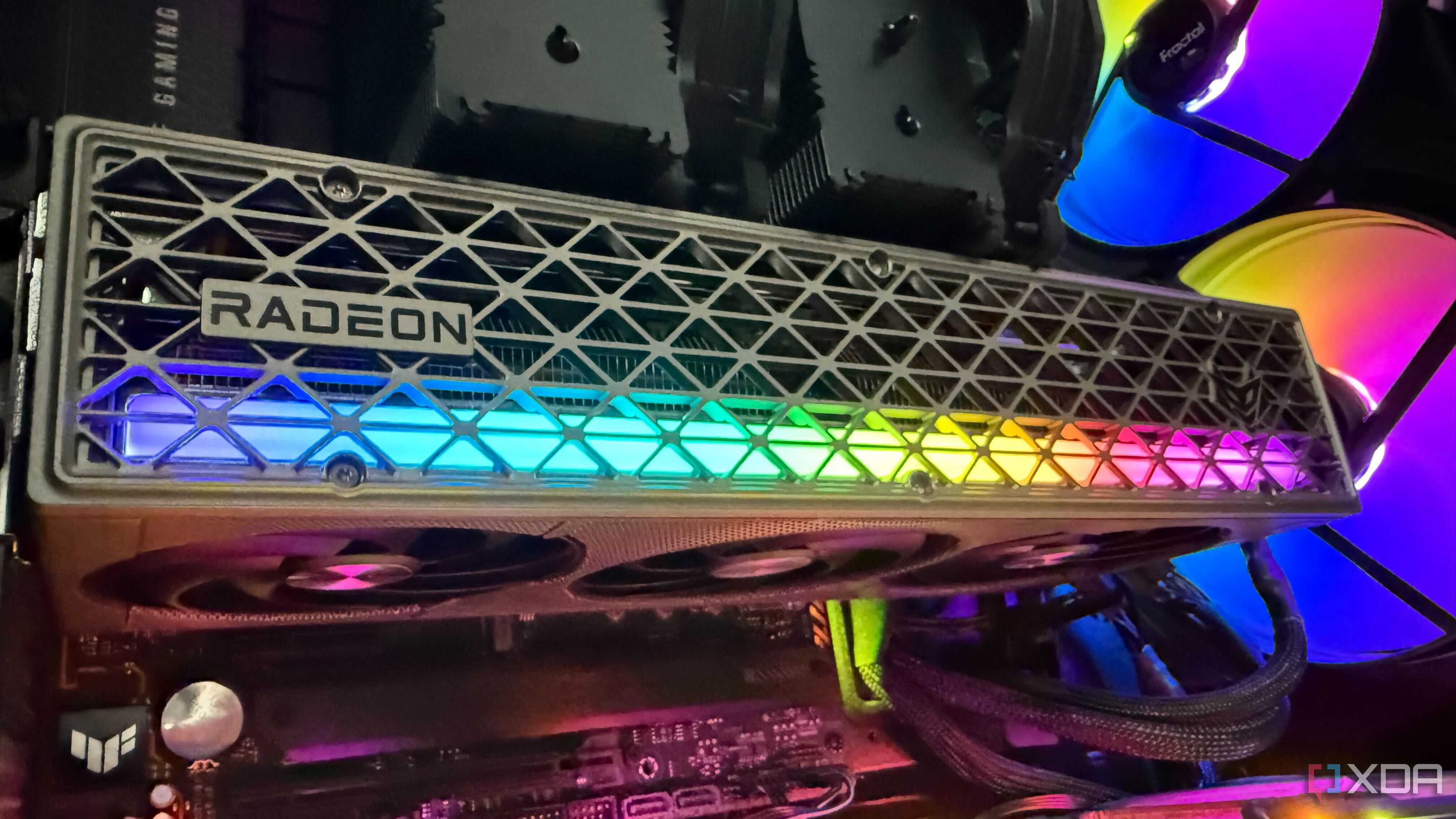
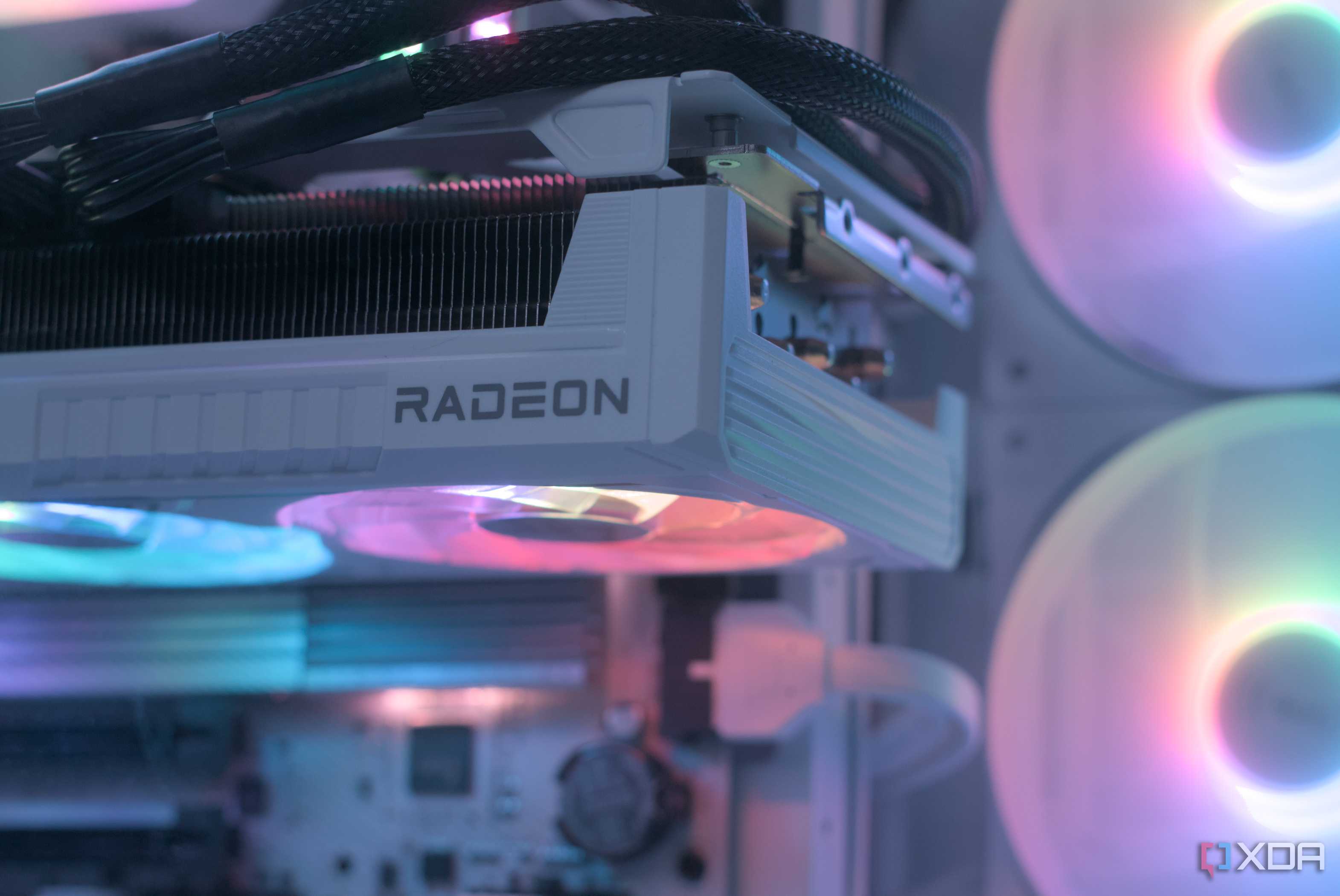

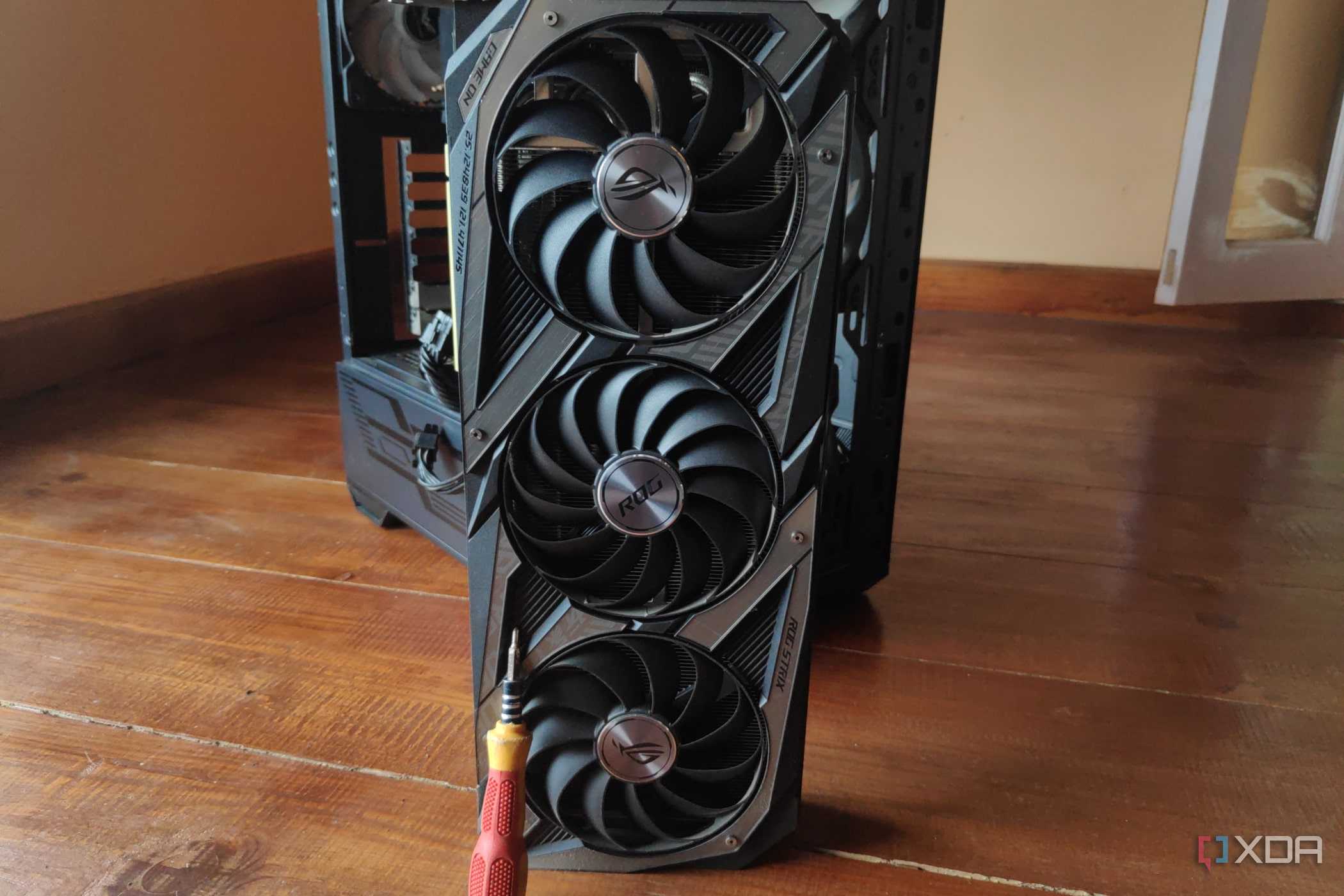
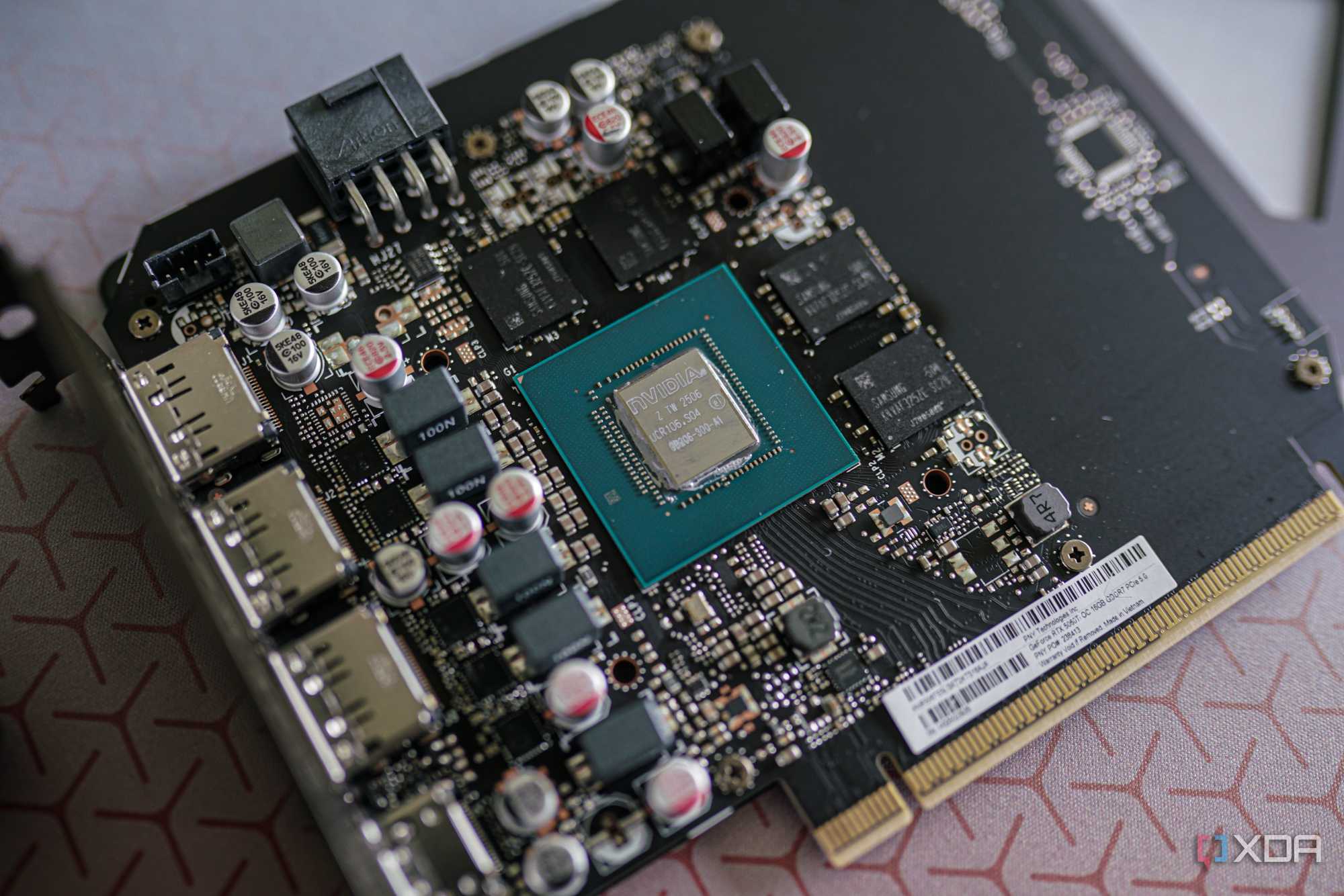



The variance between GPU dies in the same SKU are notable as well, and are certainly binned on a per-SKU basis in some instances. Throughout the 2010s, overclocking was the primary way to squeeze more performance out of a card, so the silicon was binned with this in mind.
Every card is affected to some degree, and the proof is in the efficiency numbers. Being able to push higher clocks at lower voltages without crashing is how cards like the RX 9070 XT and RTX 3090 earned notoriety for being a lottery ticket of sorts. If you win, you can undervolt and even increase performance significantly, and if you lose, your card might only be functional at its default voltage curve.
How to tell if you've won (or lost)
It's straightforward

Both your CPU and GPU should have no problems running at stock voltages and clocks. If you're having trouble maintaining stock performance, you may be running into thermal or power limits, in which case, an upgrade may be necessary elsewhere. If all is good at stock, you can start to test the limits of your silicon by overclocking and undervolting. The level to which it can do both is generally an indicator of the quality of the silicon, and to make the most of any modern chip, a mild undervolt is generally a good idea anyway.
Don't despair if your chip can't reach great performance heights
So long as it's performing within spec, you shouldn't feel bad about the performance of your CPU or GPU. Keeping them cool and adjusting power limits can go a long way to giving you a few extra percent of performance. If you know you want to overclock or undervolt before building your system, buying a "premium" aftermarket model of GPU or stepping up one SKU within a CPU lineup can help accomplish that, but it's not guaranteed.
