


When you think about video games in the early and mid 90s, one of the first things that comes to mind is the Sega Genesis. As one half of the console wars that people grew up with, the Sega Genesis had games that offered real competition to the Super Nintendo. And while some gamers had their preference of titles they supported throughout the decade, Sega was firing on all cylinders with video games that got a lot of attention. The games available represented a shifting attitude in gaming, as well as the continuing evolution of pop-culture, that pushed video games into the spotlight in a big way.
Looking back at that time, there were a number of games that I played that were emblematic of that era. Even today, I sometimes go back to replay them, and taken back to my childhood that was filled with fun times and colorful visuals from the different titles I booted on my Sega Genesis console. It's a time that won't ever be replicated again for those who lived through it. Here are three Genesis games I play today that can let me relive the best that Sega offered in the 90s, and why you should too if you're feeling nostalgic.
3 NBA JAM: Tournament Edition
The place to play sports games

Between both the Sega Genesis and the Super Nintendo, the place to play many different sports video games was Sega's console. It had the most licensed games from leagues like the NFL, the NBA, and even major league baseball. But while franchises like Madden NFL Football were able to have a major presence on the console, it was basketball that had the biggest impact on Genesis owners like myself. There's simply no other sports game on the same level of excitement and fun as the NBA JAM series, and things only got better with the release of NBA JAM: Tournament Edition. While the game was in arcades back then, I vividly remember how big the home console release of the games were, especially with the newer version of the game that came with Tournament Edition.
Updated rosters with more 90s NBA players, extra features to spice up games, and that famous commentary that hyped you up made the game a must-play on Genesis. The fact that Acclaim and Midway Games were able to utilize the official NBA license for such a bold title made people pay attention, especially after the first NBA JAM had major success in arcades. No matter what team you were a big fan of, seeing your favorite players leap into the air and dunking onto the net never got old, nor did it look any less exciting each time it happened. Sports in the 90s were a big part of pop-culture in various ways, and gaming capitalized on it by producing titles that were interesting spins on them. NBA JAM: Tournament Edition happened to be the best version of that at the time, and I wish current day sports game developers would revisit it.

- Released
- March 4, 1994
- ESRB
- E For Everyone
- Developer(s)
- Midway Games
- Publisher(s)
- Midway Games
- Multiplayer
- Local Multiplayer
- Franchise
- NBA Jam



WHERE TO PLAY


- Genre(s)
- Sports

2 Mortal Kombat II
Where maturity thrived
Source: Midway Games 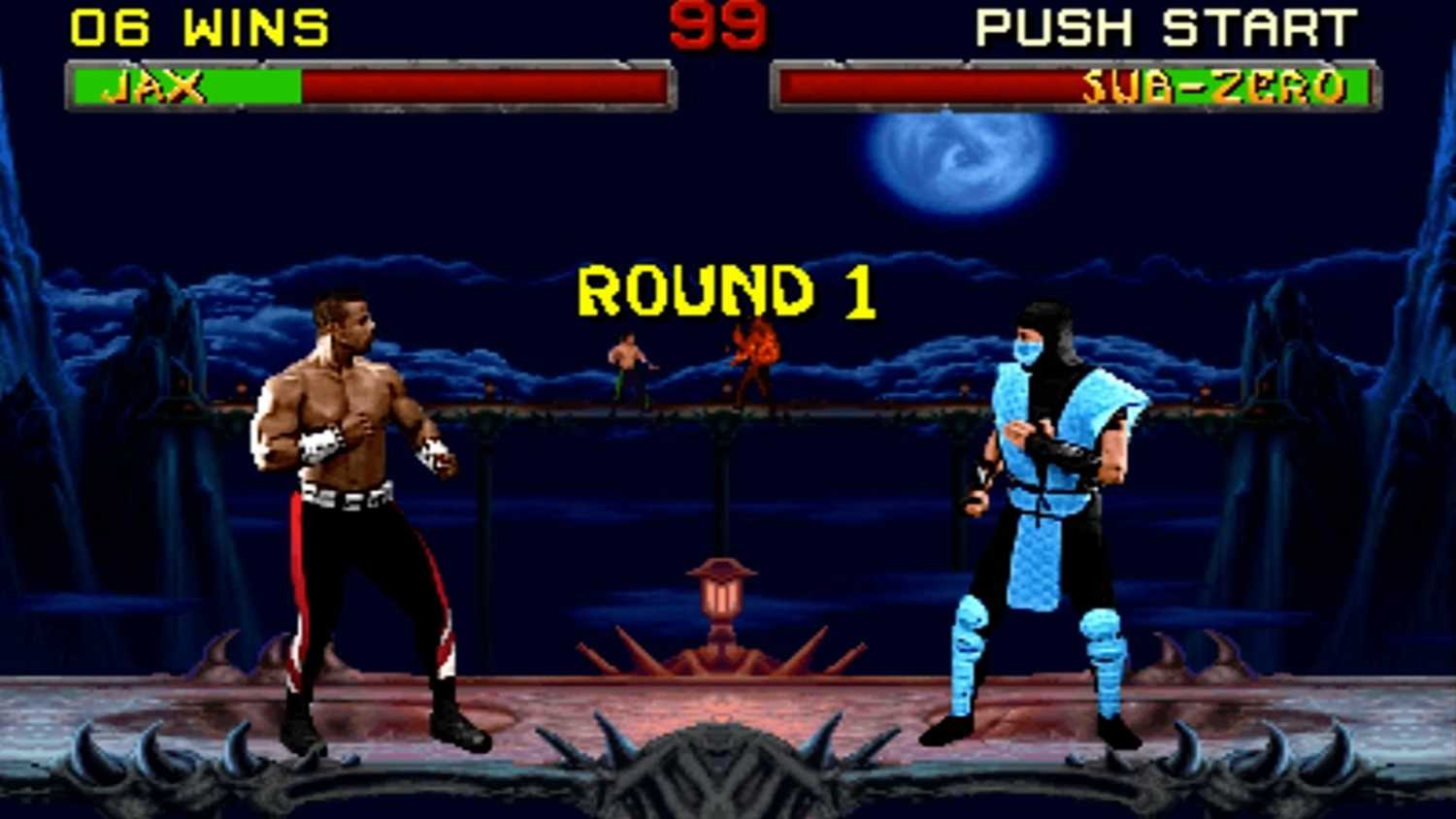
mortal-kombat-ii-in-game-screenshot-1.jpg 
Source: Digital Eclipse 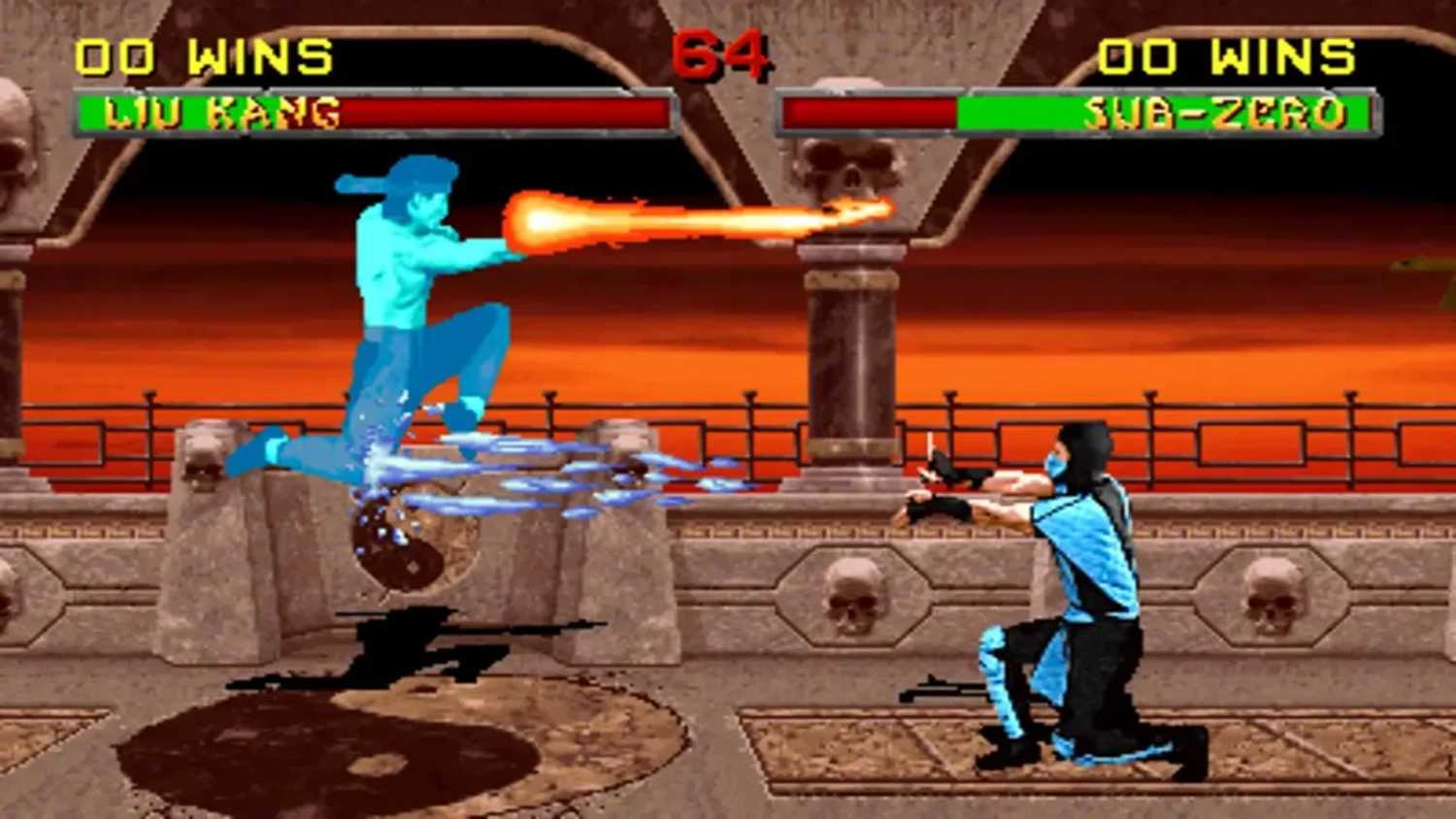


Source: Midway Games 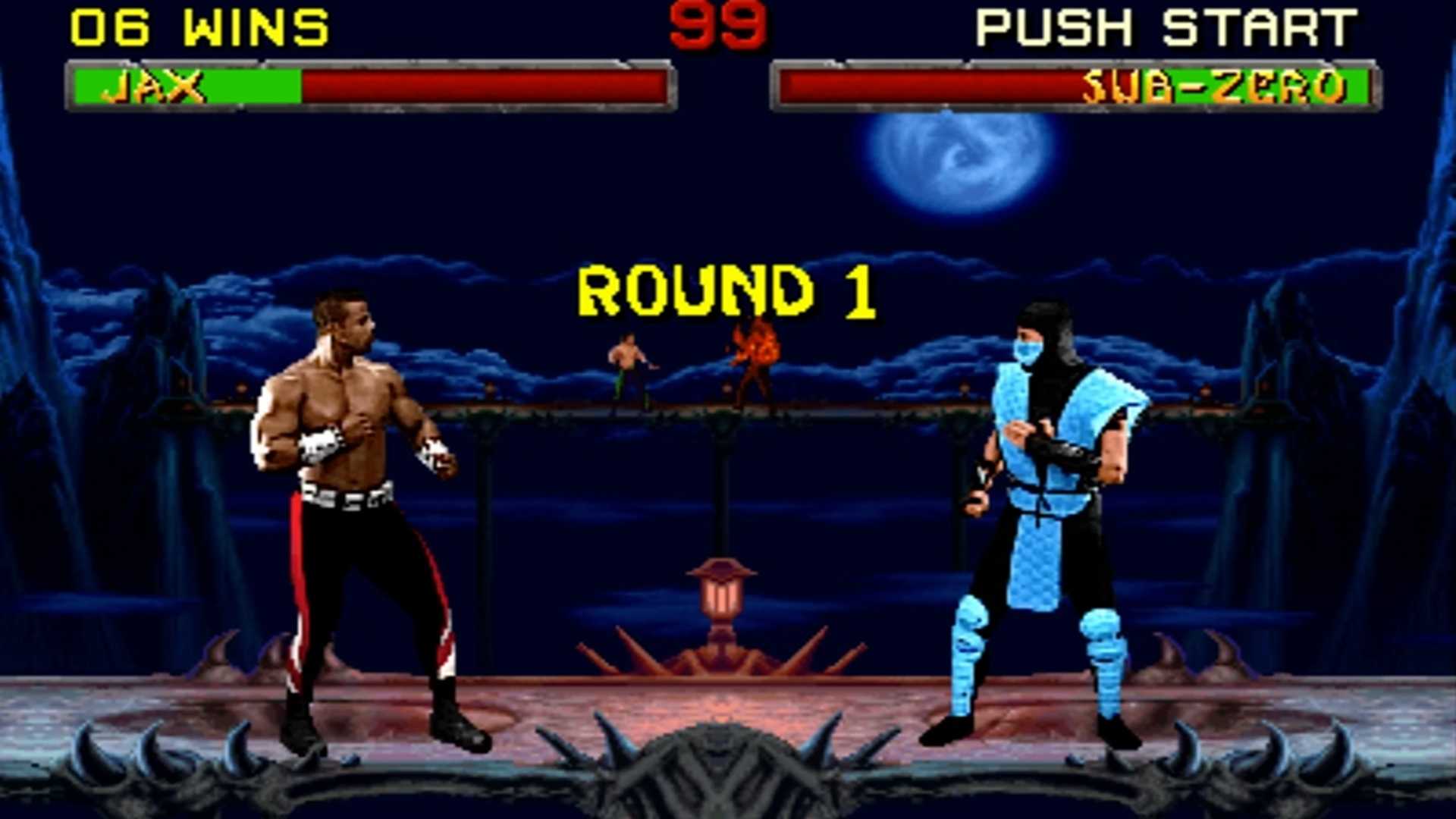
mortal-kombat-ii-in-game-screenshot-1.jpg 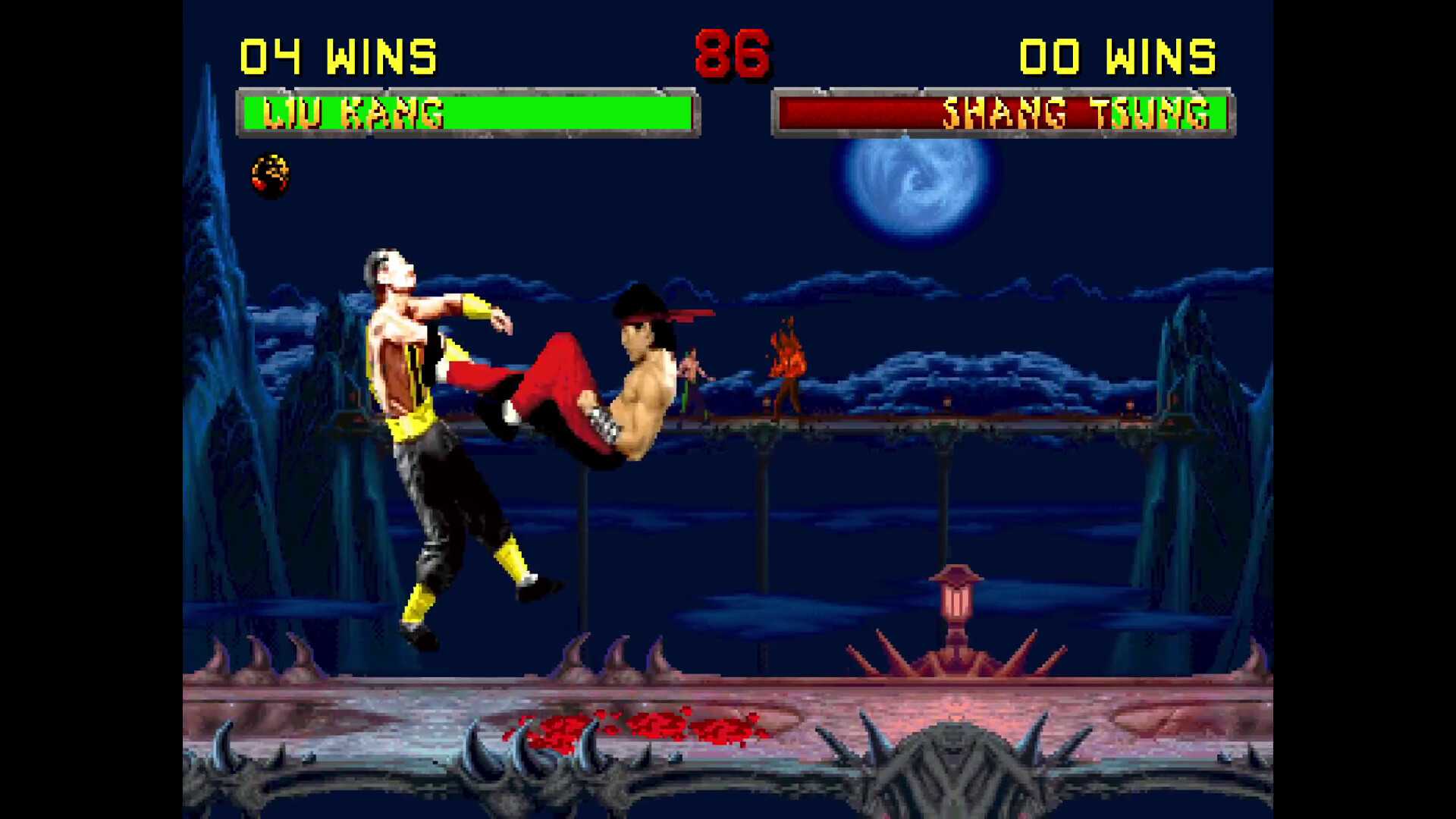
Source: Digital Eclipse 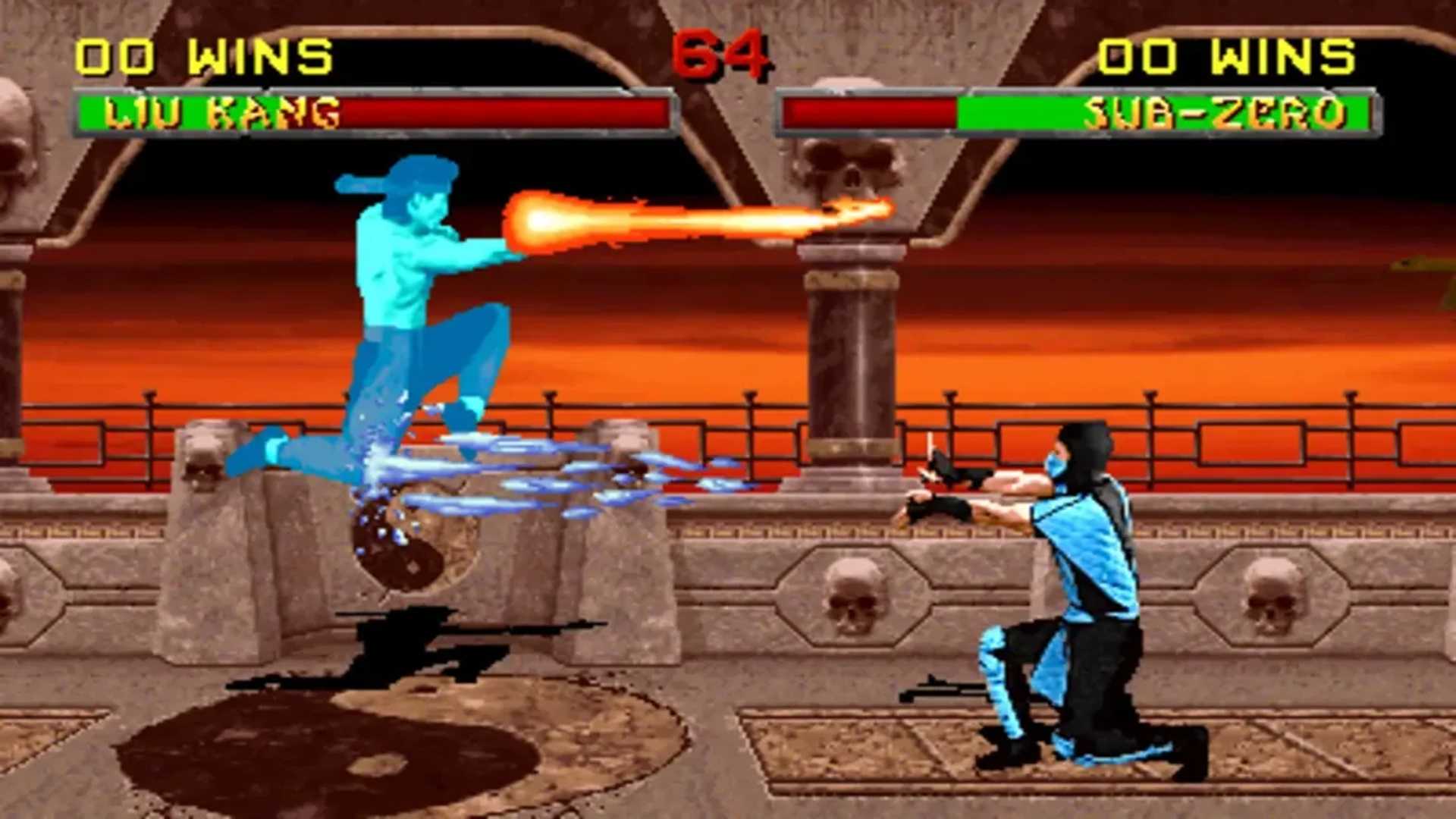 Credit: Midway Games
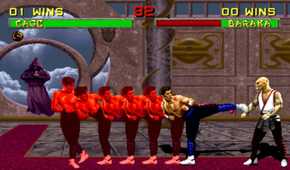
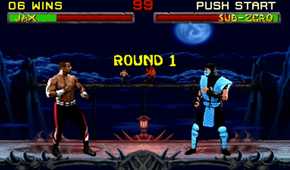
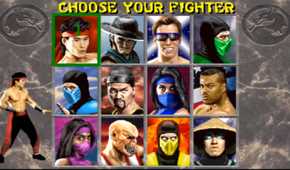
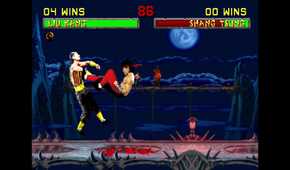
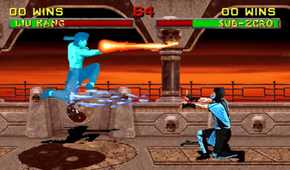
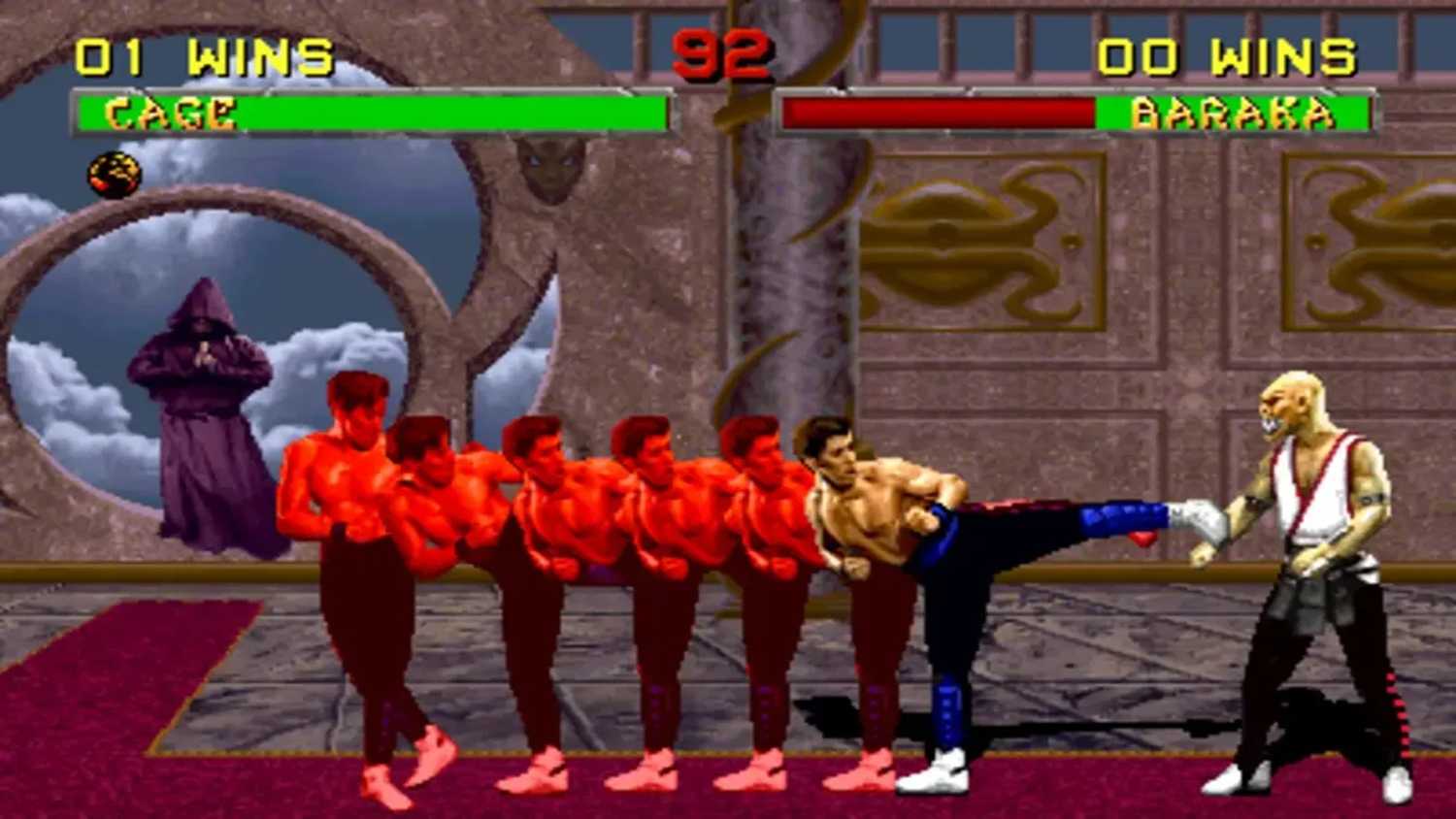
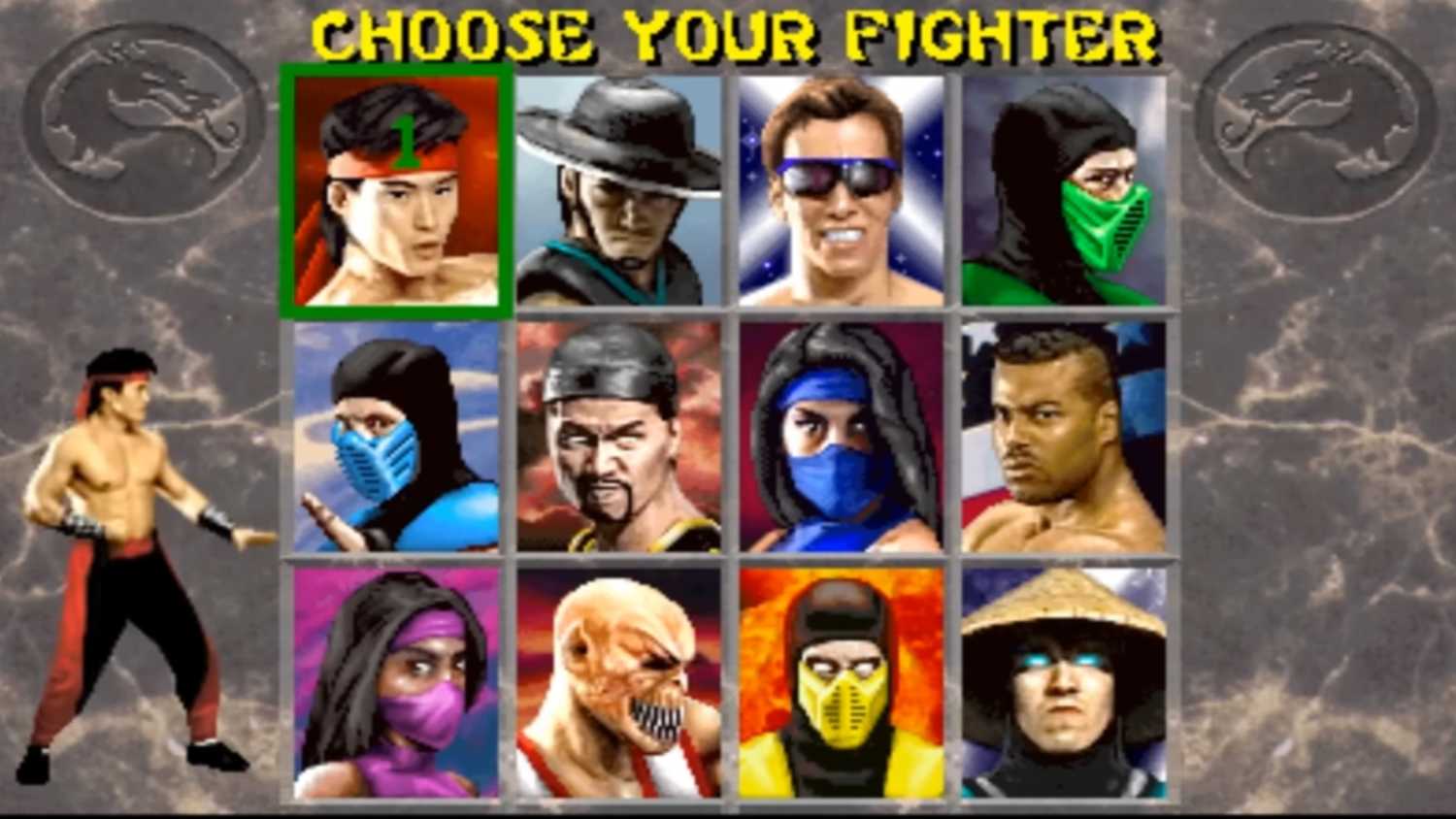
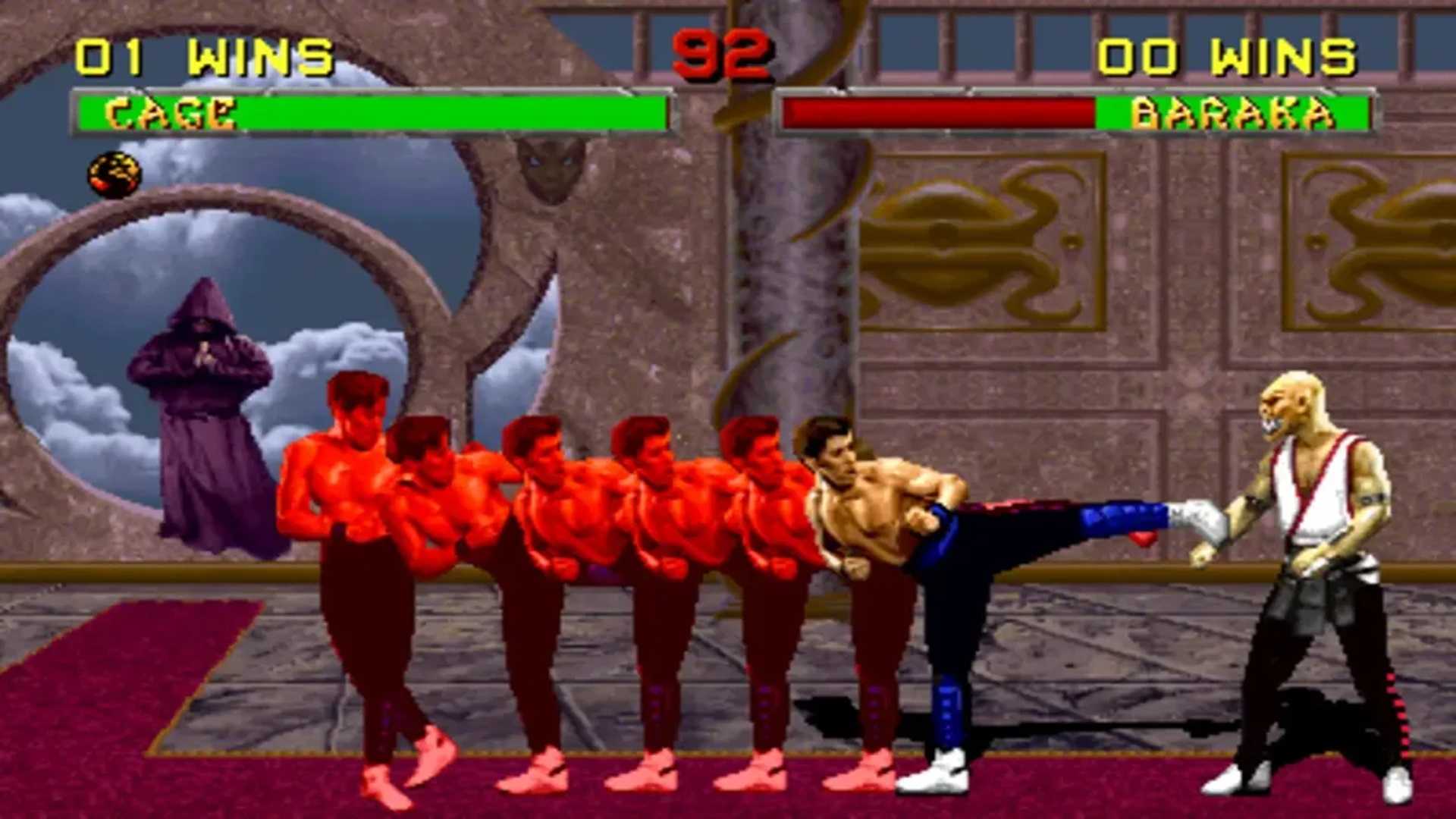
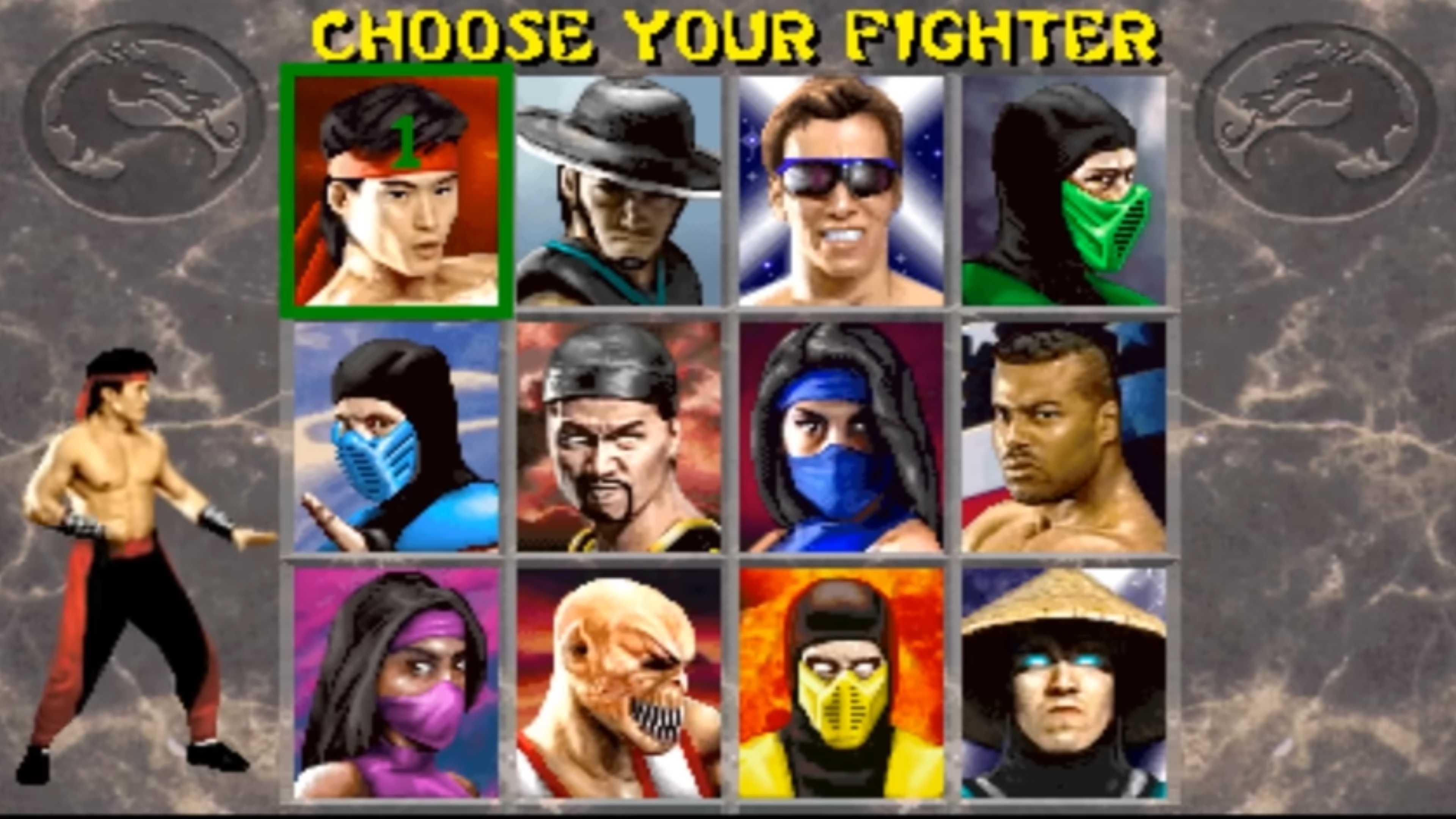
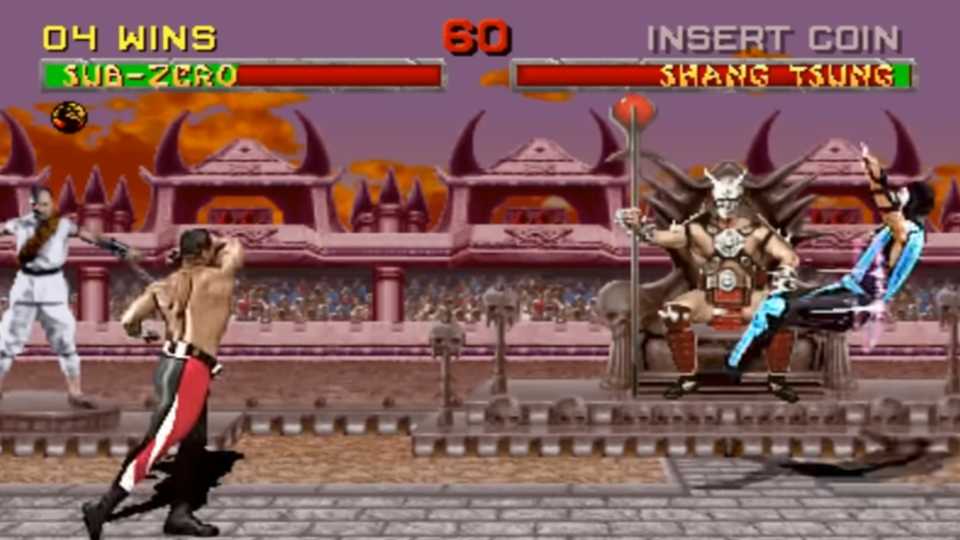
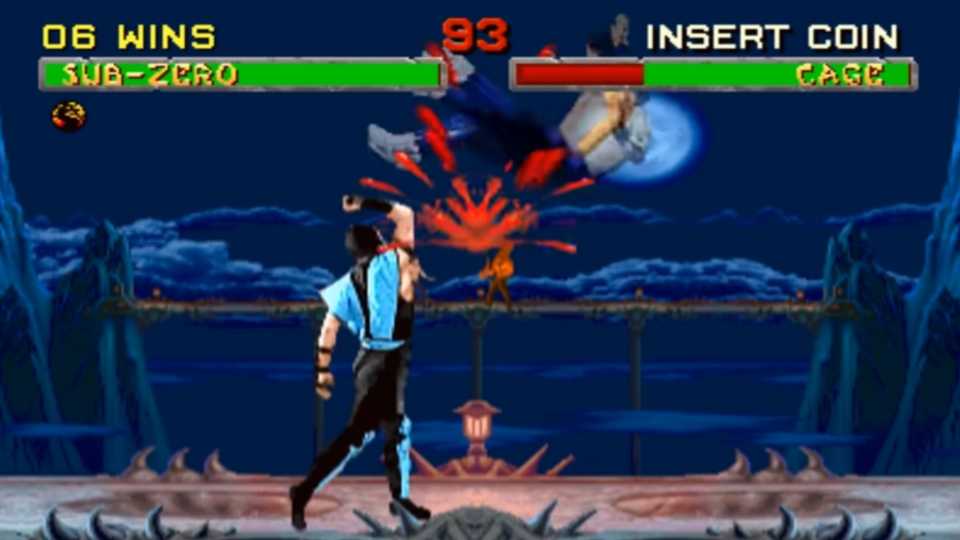
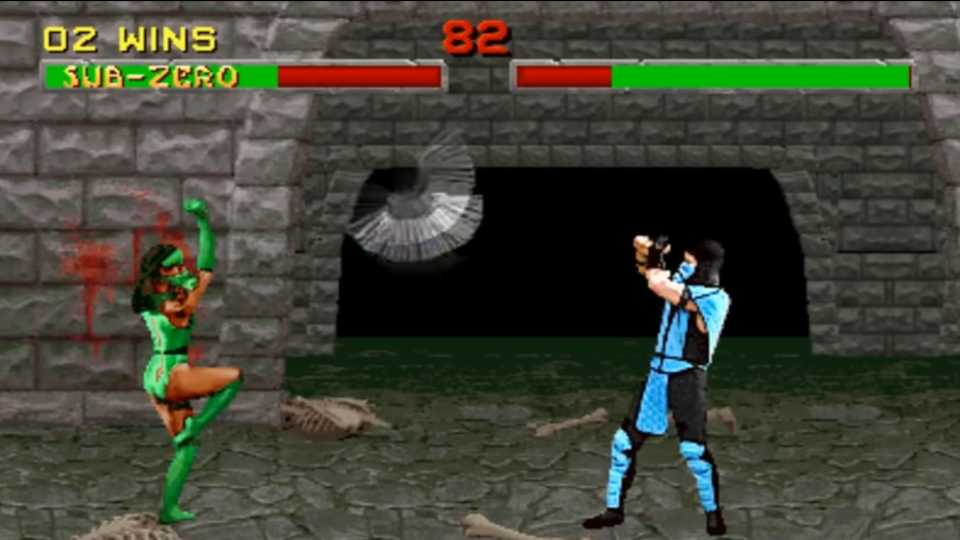
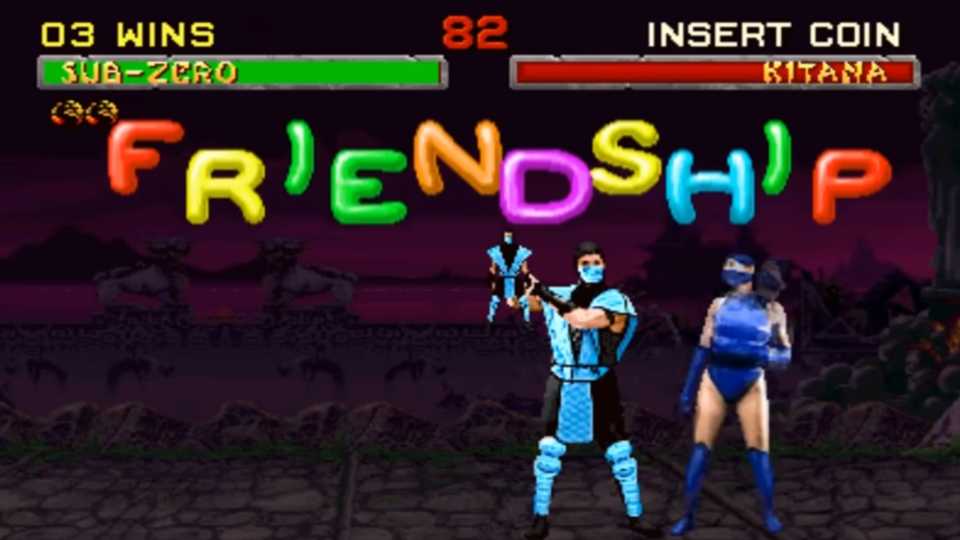
While the Super Nintendo was a system made for families to enjoy games, the Sega Genesis was clearly geared towards a more mature audience. This was something that became a big selling point for the console some time after it initially released, completely changing its perception in the eyes of the public. The series that ushered this forward and shifted the balance in the console wars of the time was the first Mortal Kombat, and things only got crazier with its sequel. Mortal Kombat II is everything that makes the first few entries in the franchise beloved classics, with simple but deep gameplay, and a visual style that was bold and gory. It was everything that made the original Mortal Kombat become a major hit, but taken even further with more of the things everyone loved.
At the time when Mortal Kombat II came out, the Genesis already had an ensemble of mature games that garnered shocking attention. Licensed and original games turned up the gore factor, and were able to get more bloody with their gameplay. But Mortal Kombat II was the game that really pushed Nintendo to become more gritty with the Super Nintendo library. After the disaster with the first Mortal Kombat game, Nintendo was determined to have the second game on par with the one on the Sega Genesis. What resulted was a real slugfest of game releases between both consoles, where games became closer in their experience as opposed to being completely different on both platforms.

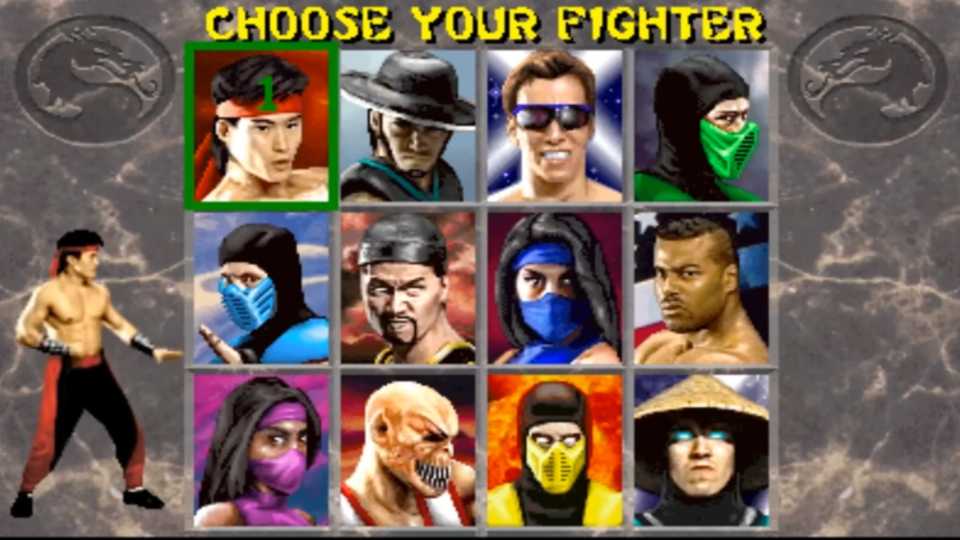
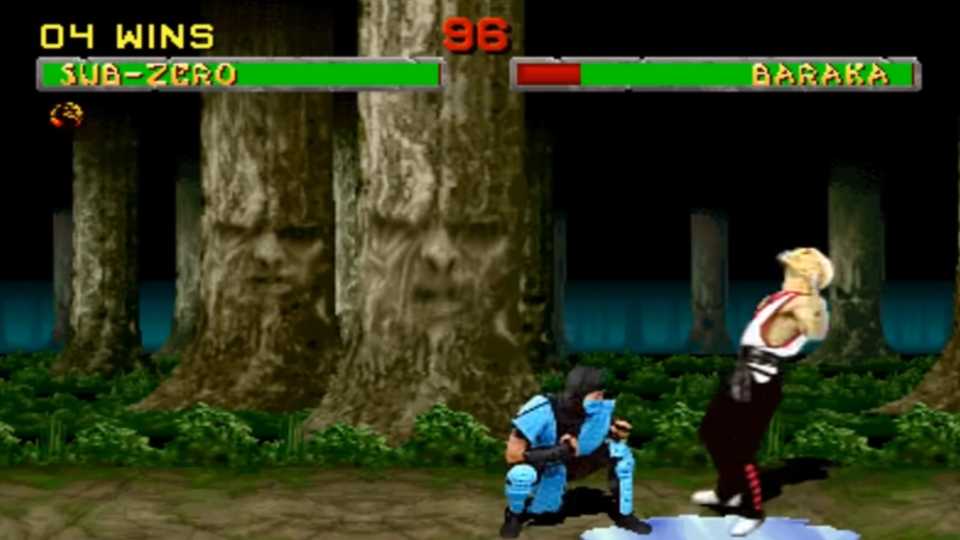
For me, Mortal Kombat II is the best of the series in that era, and was more important than the third game that came after. But it was the game that felt like it made the most sense to be on the Sega Genesis. The soundtrack felt more at home on the Genesis hardware, and the visuals were dark in tone, yet colorful where it mattered to stand out on screen. But more importantly, Mortal Kombat II felt incredibly authentic to what the Sega Genesis had become at the time it released, which made it the ideal spot for me to play it. So much so that when people think about the first few Mortal Kombat games in the 90s, they're often thinking about the Sega Genesis versions as much as the arcade releases for them.

- Released
- November, 1993
- ESRB
- m
- Developer(s)
- Midway Games
- Publisher(s)
- Midway Games, Acclaim Entertainment
- Engine
- Unreal Engine

WHERE TO PLAY
- Genre(s)
- Fighting
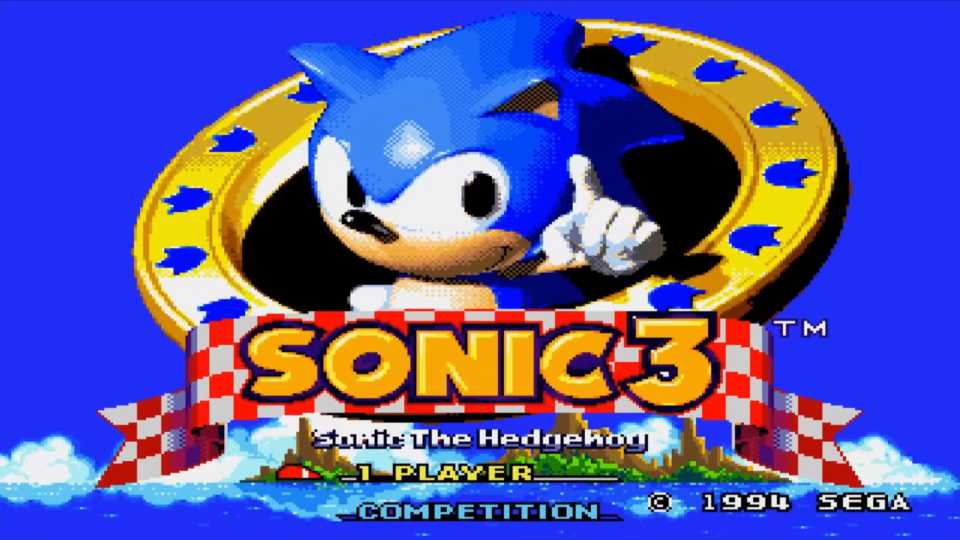
1 Sonic the Hedgehog 3
Best of the speedster saga

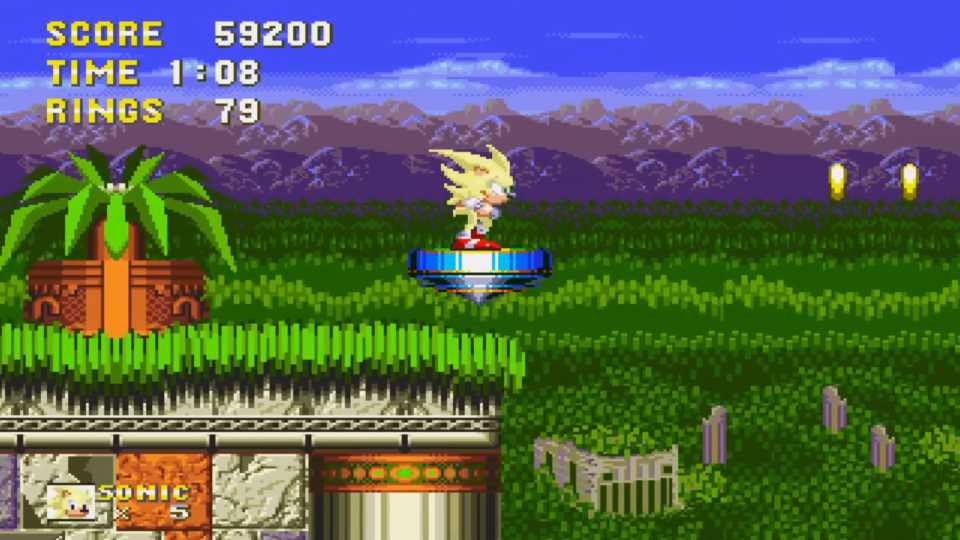
While everything for the Sega Genesis didn't start out with Sonic the Hedgehog, its reputation kicked into high gear after Sonic was released on the console. But for as classic as the first two Sonic games are on the Genesis, I feel that Sonic the Hedgehog 3 is the culmination of everything great about Sonic back then. It was the entry in the series that pushed things further for the franchise, adding in new features and concepts while enhancing what people loved about the blue hedgehog up to that point. In fact, things were so ambitious that it was decided by Sega to split the experience into two separate releases, with Sonic & Knuckles being the follow-up.
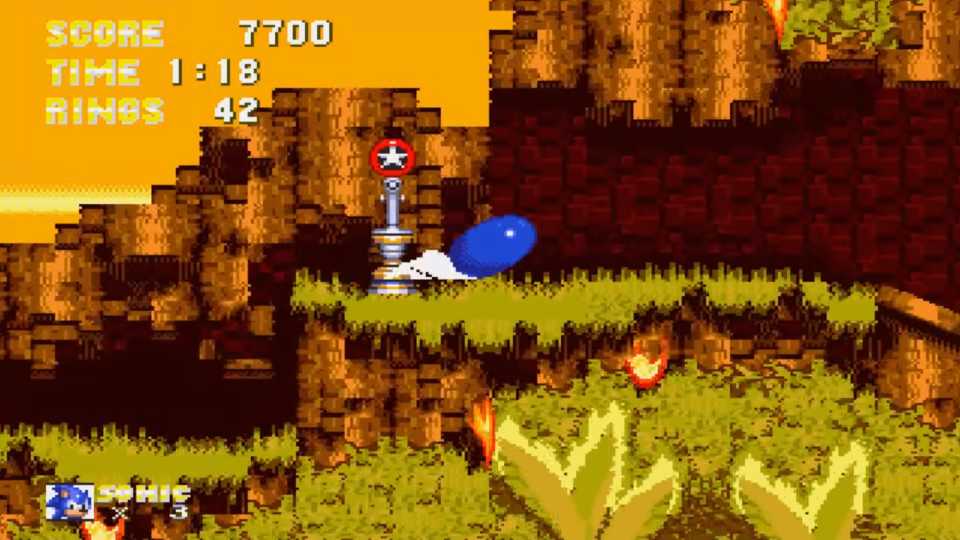
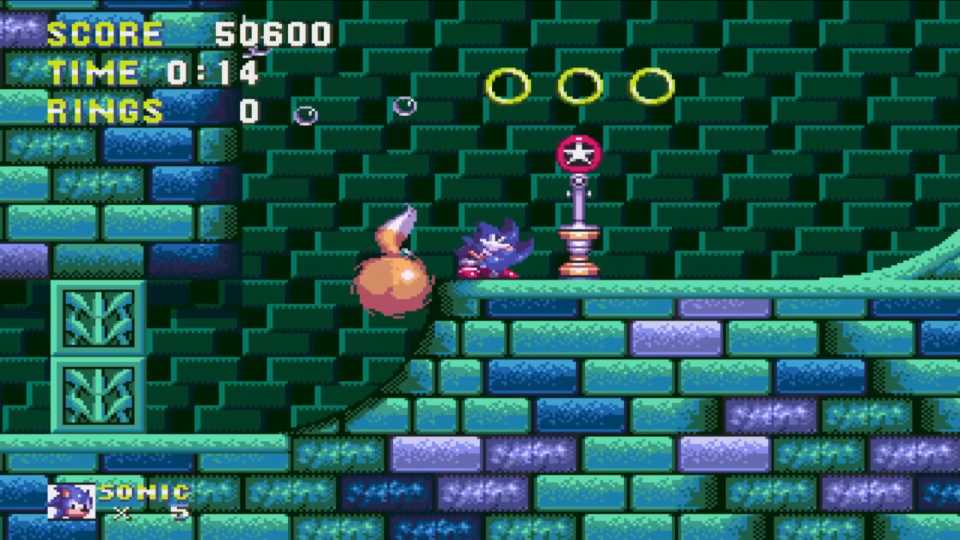
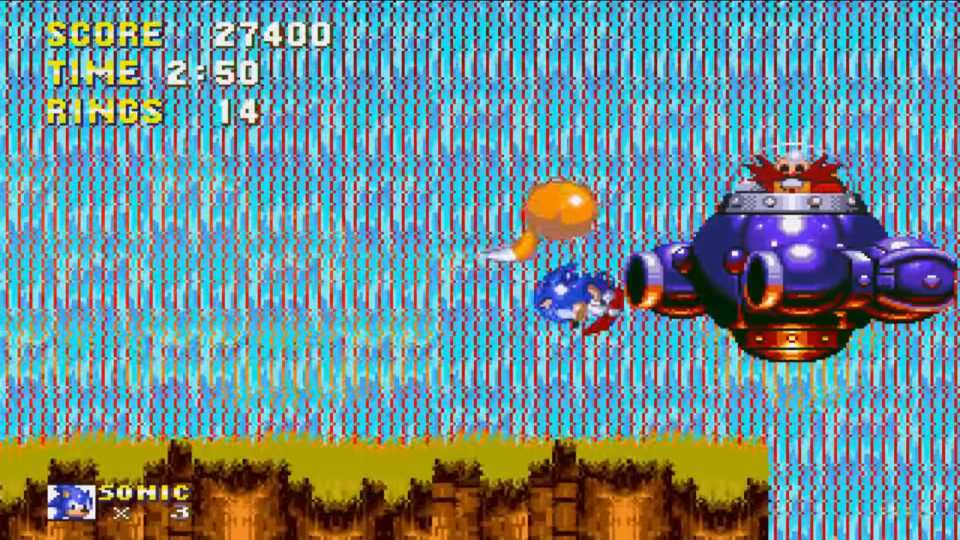
What I love about Sonic the Hedgehog 3 is how visually beautiful it looks, but also how great it sounds throughout the whole experience. In the short playtime that Sonic 3 goes on for, it has an amazing soundtrack that matches so well with the colorful visuals and nearly overshadows the classic tracks from the previous two games. Looking back at it today, every aspect of the game feels so in tune with what Sonic the Hedgehog meant to everyone back then, and still stands as a prime example of the status the series has yet to return to today. Sonic the Hedgehog as a franchise is still popular these days, but hardly any of the newer releases can compare to the excitement that a new Sonic the Hedgehog game meant to everyone back then.

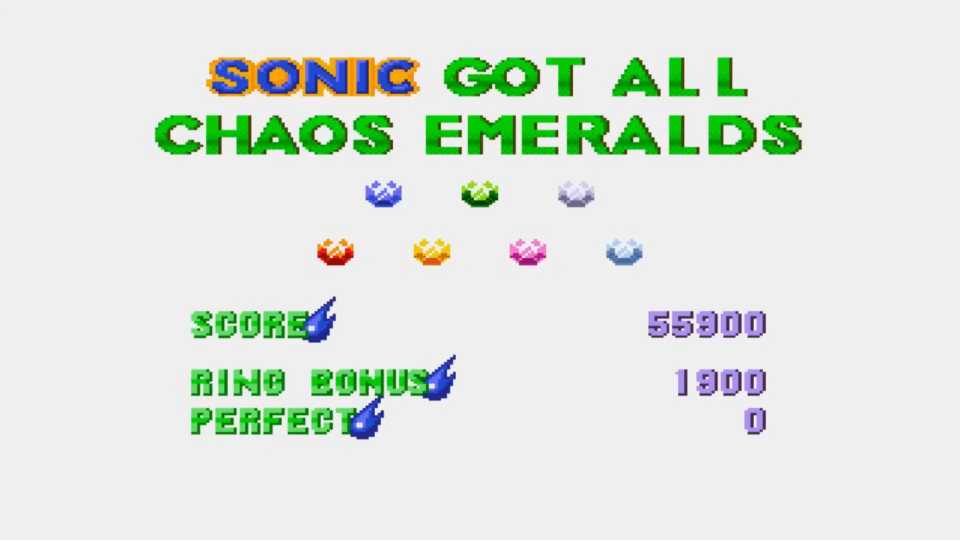
At the same time, Sonic the Hedgehog 3 keeps things simple with its gameplay, despite all the new additions that come with it. New abilities for Sonic, co-op play right from the start, and bonus incentives to replay through the game again with Save Files and hidden bonuses. It's everything people wanted to see in a Sonic game that pushed the franchise forward, offering a real contender to what Nintendo was doing with Super Mario Bros. at the time. Although history would eventually see Sega fall out of the console business and become a publisher, it was releases like Sonic the Hedgehog 3 that made everyone, including me, feel like Sega would remain a major part of video games forever.

- Released
- February 2, 1994
- ESRB
- e
- Developer(s)
- Sonic Team
- Publisher(s)
- Sega
- Engine
- The Retro Engine,

WHERE TO PLAY
- Genre(s)
- Platformer
Great times with the Sega Genesis
There are many more games for the Sega Genesis that were big parts of its library back in the 90s. The console had titles for every major genre that was important to gamers at the time, even though some of them wouldn't reach the iconic status that other games on the Super Nintendo would eventually achieve. To many, the Sega Genesis represented a major shift in how people viewed video games, as well as how the industry would change in the foreseeable future. Each of these Genesis games was a part of some of the higher points in the console's lifetime, and takes me back to a time when everything centered around what games I was playing next on my Sega console.
