


I've written a lot about not overspending on PC components, especially an expensive motherboard that does nothing for most users. However, I've been guilty of buying a high-end motherboard for my PC just because I wanted to. It wasn't because I needed any of the fancy features, or because I wanted the best board for a high-end CPU. I had no plans to overclock my CPU or connect countless USB devices. This was an impulsive purchase, period. I've tried to distill my regret into five distinct areas, and hope I don't repeat this mistake on my future build.
5 I've diagnosed PCs without debug displays for years
It's not that complicated

I've been using PCs for around 25 years, and never once in that time have I felt the need for debug LEDs or displays. Sure, they can help speed things up a little, but I've never felt they're essential to the occasional diagnostic exercise. I'm used to solving a failed boot by checking the RAM, storage, and graphics card without additional help. Honestly, this hasn't happened a lot either, so spending extra just to have this feature was nothing more than a mistake.
Many younger builders might consider debug displays one of the necessary motherboard features in 2025, but I don't. If you're getting the feature on a budget motherboard, then that's fine, but in my experience, a 7-segment display is still limited to expensive models.
4 I've never used Wi-Fi on my PC
It's just sitting there, unused

Another feature for which I bought my high-end motherboard was onboard Wi-Fi. I just wanted to have this feature since I never had it on any of my previous motherboards. I justified it by telling myself that I might move to a house where I would struggle to get an Ethernet cable routed to my PC through the walls, and would need onboard Wi-Fi as an alternative. However, let's be honest: I wouldn't rest till I got a wired connection figured out.
For the few days without Ethernet, I could manage with a cheap Wi-Fi dongle. You might say Wi-Fi motherboards are pretty affordable today, but I'm talking about a few years ago, when I had to pay a significant premium to get a motherboard with onboard Wi-Fi. Even if I could realistically manage gaming as well as working on wireless internet, I would inevitably come back to a wired connection every single time. It's just a higher-quality connection that's always more dependable.
3 I didn't even use BIOS flashback when updating the BIOS
I'm old-school that way

I recently updated my BIOS for the first time in 4 years, and due to my fears of bricking my motherboard, I used the conventional way of doing it from within the BIOS. I'm of the "don't fix it if it ain't broke" school of thought, and avoid BIOS updates and Windows updates unless I absolutely need a particular update. A few months ago, that's exactly what happened, and I had to update the BIOS, but I skipped the BIOS flashback feature of my motherboard entirely, not willing to risk anything.
Not every budget motherboard comes with BIOS flashback, and most gamers don't need to spend on a mid-range board. So, you're stuck with spending extra if you want features like BIOS flashback, BIOS reset, and dual BIOS. I'm still comfortable doing it the old-fashioned way, so spending extra on a motherboard with BIOS flashback was a needless expense.
2 The overkill VRMs are wasted on my build
I don't overclock my CPU or RAM


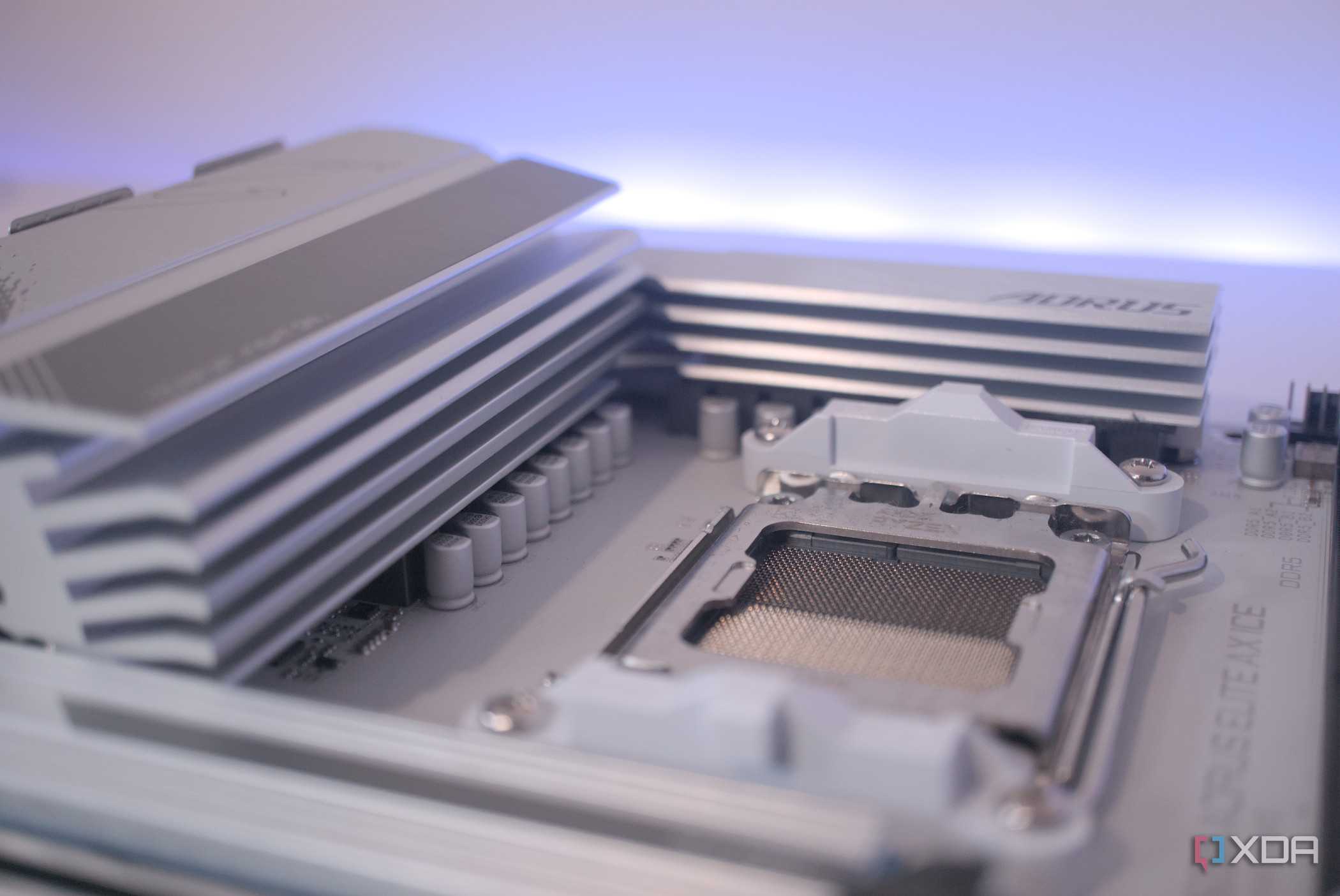
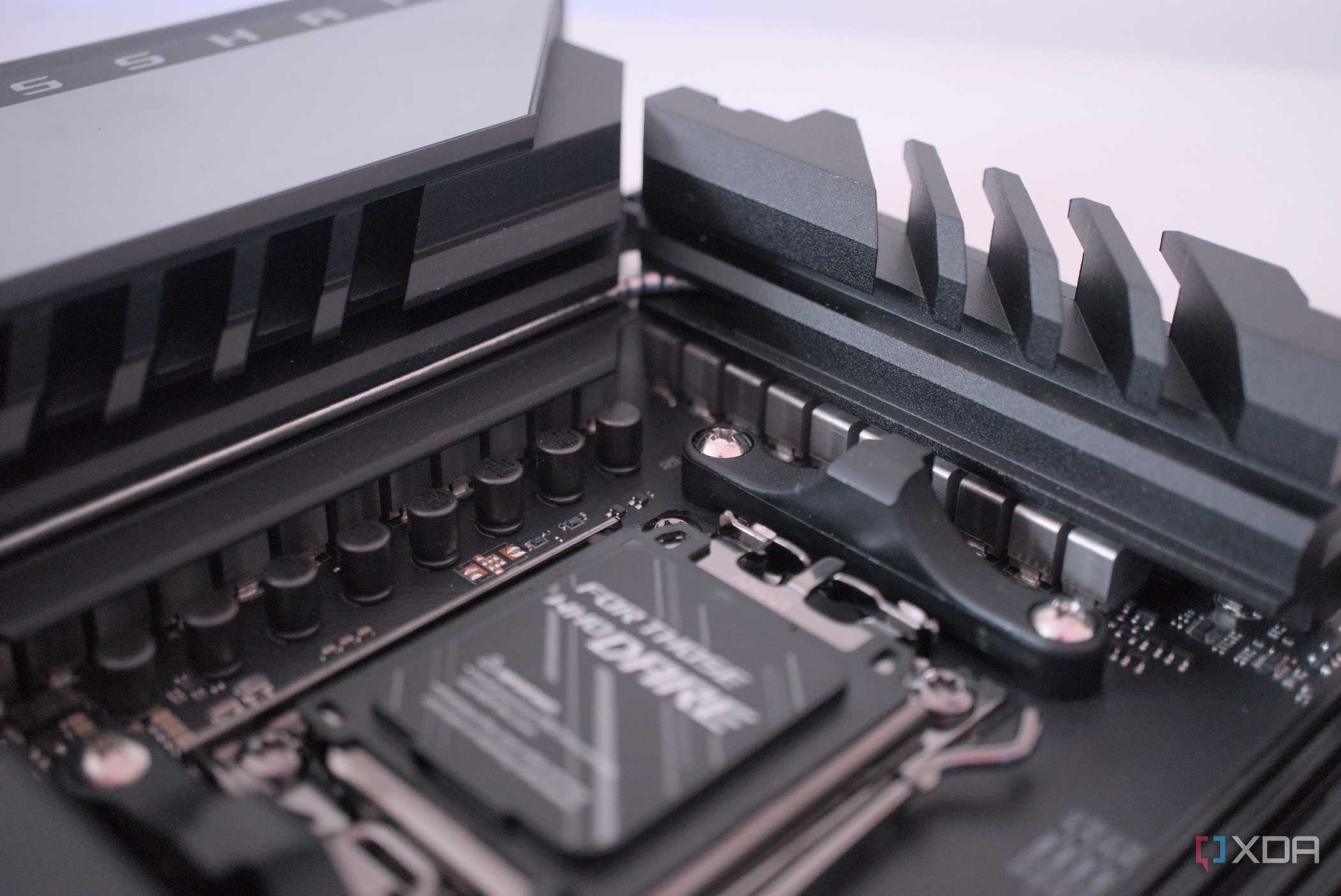
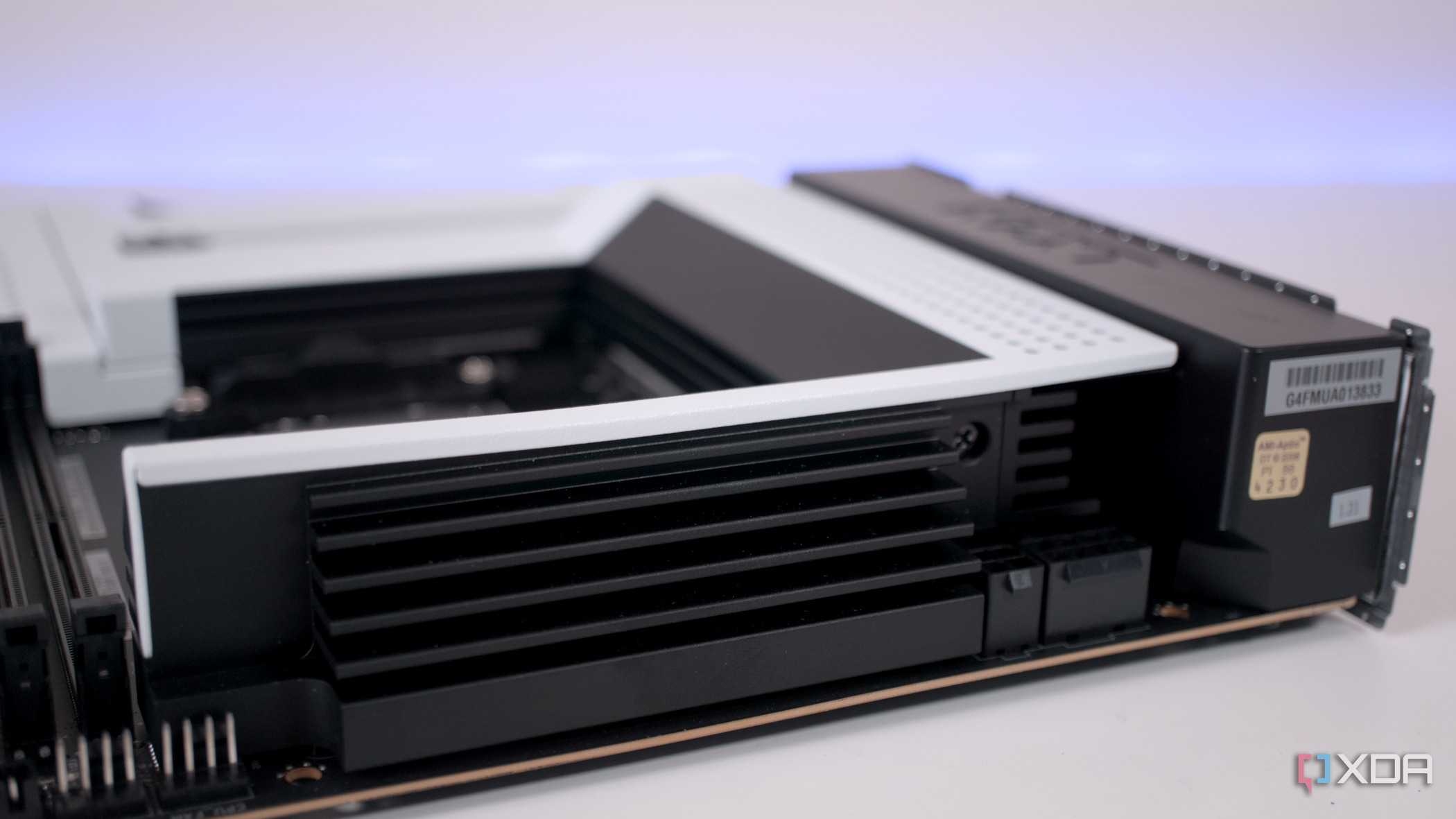

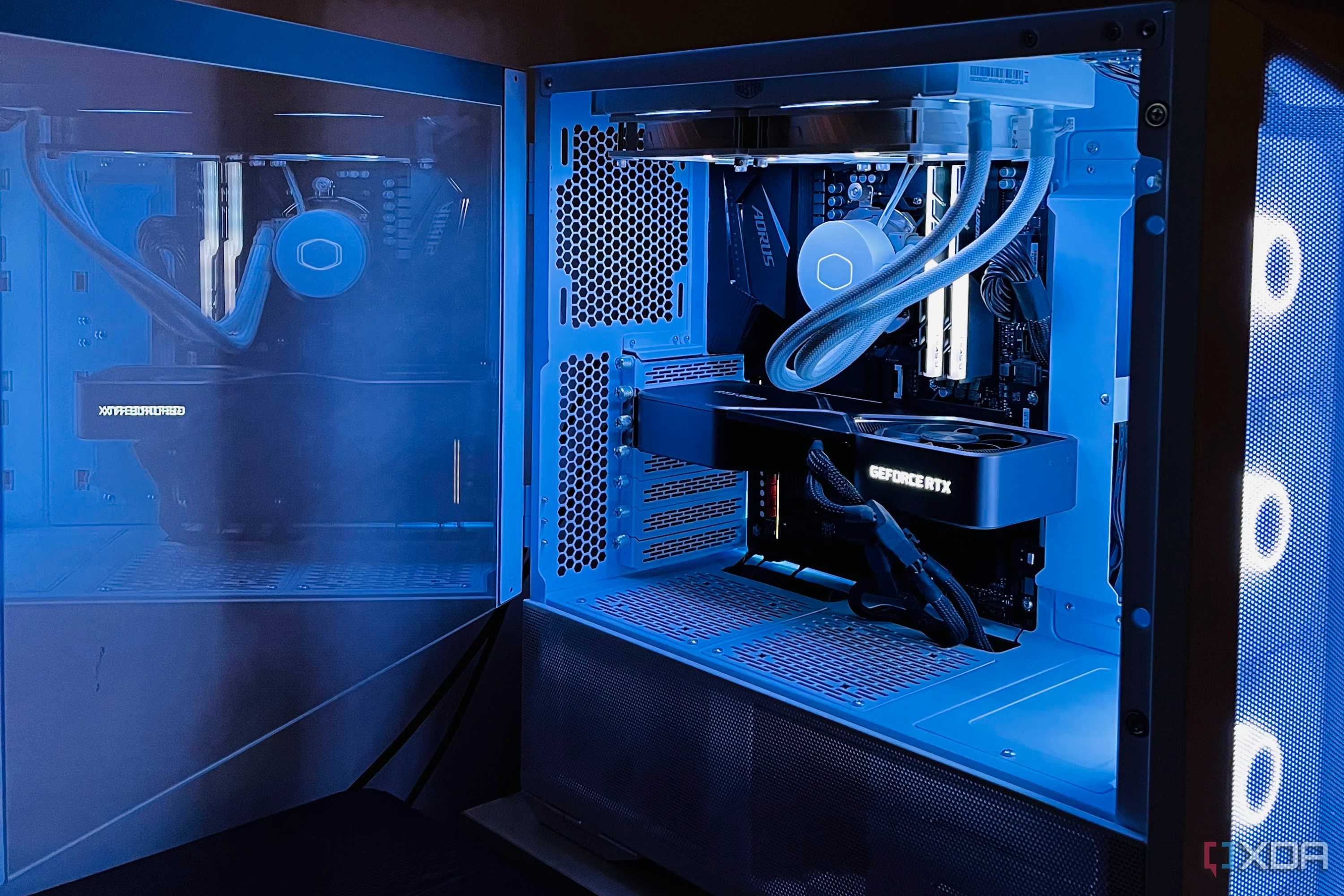

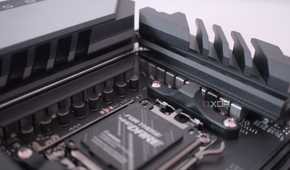
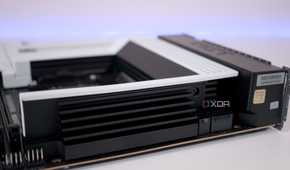

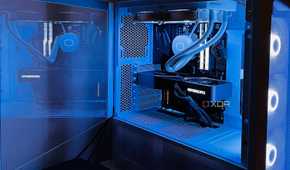
Overclocking CPUs isn't relevant on modern processors anymore, so I could have easily bought a budget motherboard with budget VRMs without sacrificing performance or stability. I've never overclocked my Ryzen 7 5700X in the three years I've had it, nor have I tried to push my RAM, except for using the standard EXPO settings in the BIOS. Overkill VRMs might be necessary if you're installing a high-end CPU and intend to push it to the limits.
In my case, I'm neither going to overclock my CPU nor upgrade to a higher-end chip on the same motherboard. The next PC I build will be on an AM5 motherboard, and even then, I'll buy a budget or lower mid-range board with enough power to keep my new 6-core CPU stable. Motherboard VRMs are important for more than just your CPU and RAM, but most users don't need 14-phase motherboards for their gaming PC.
1 I could have spent the money on other components
Are you getting déjà vu?


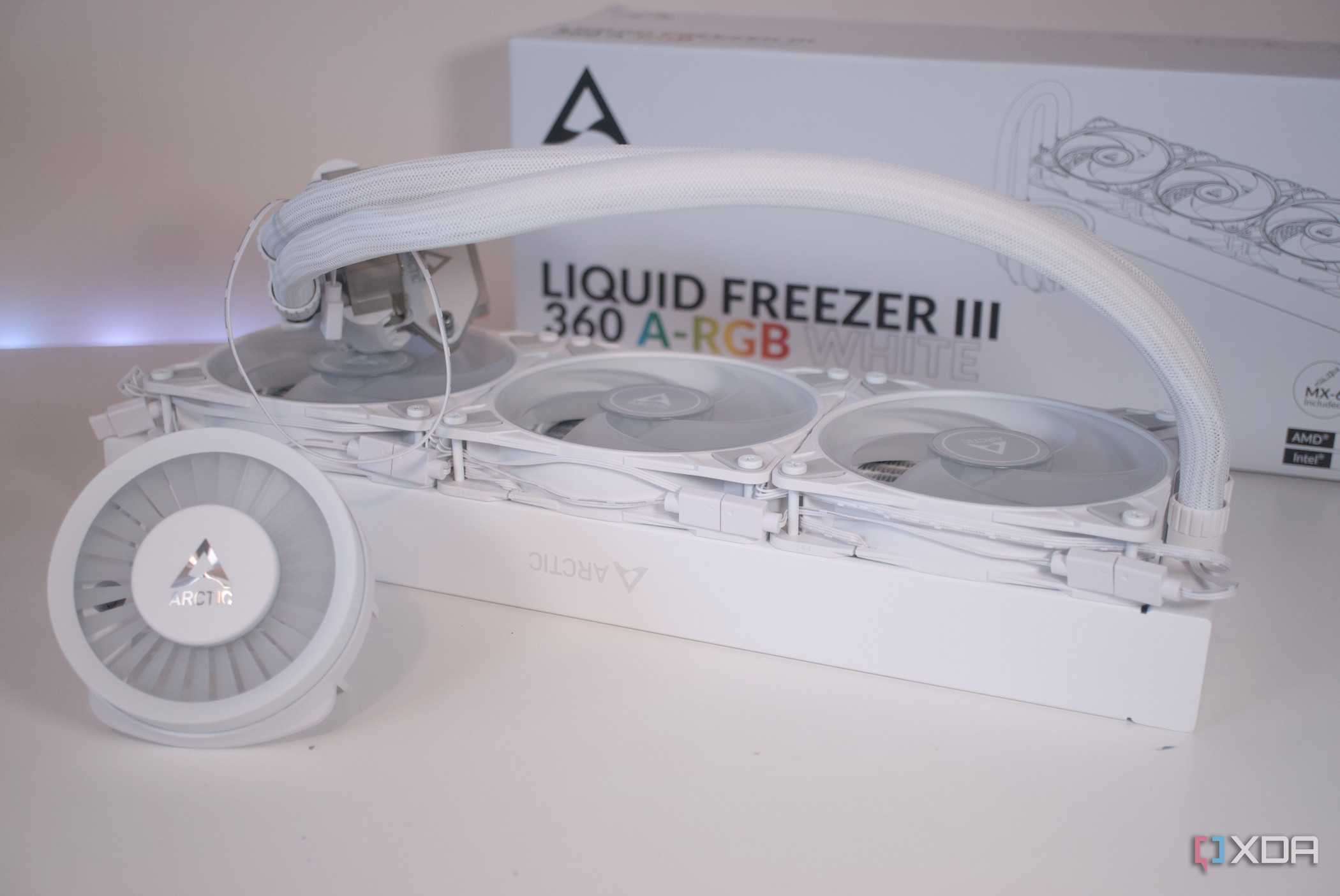
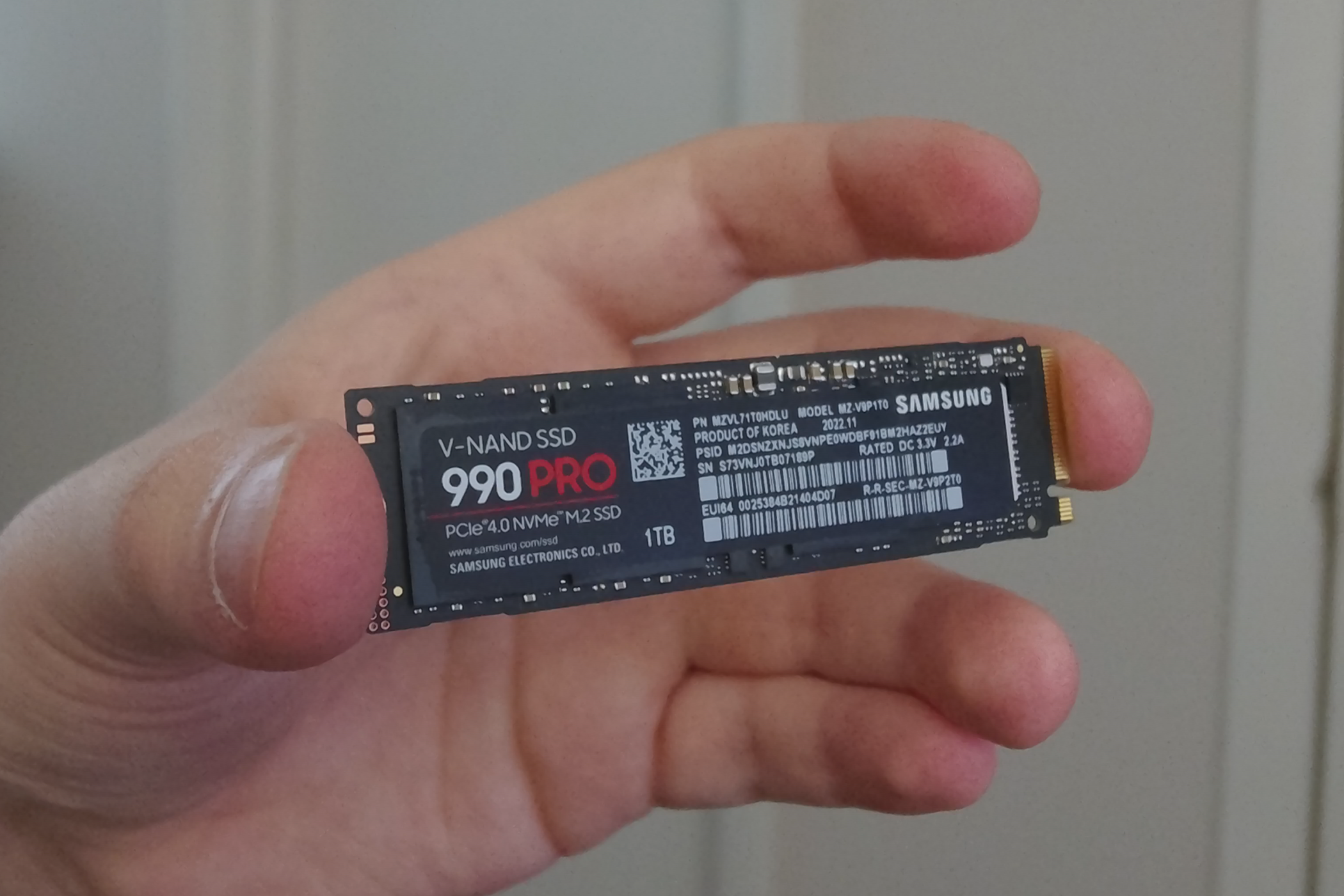
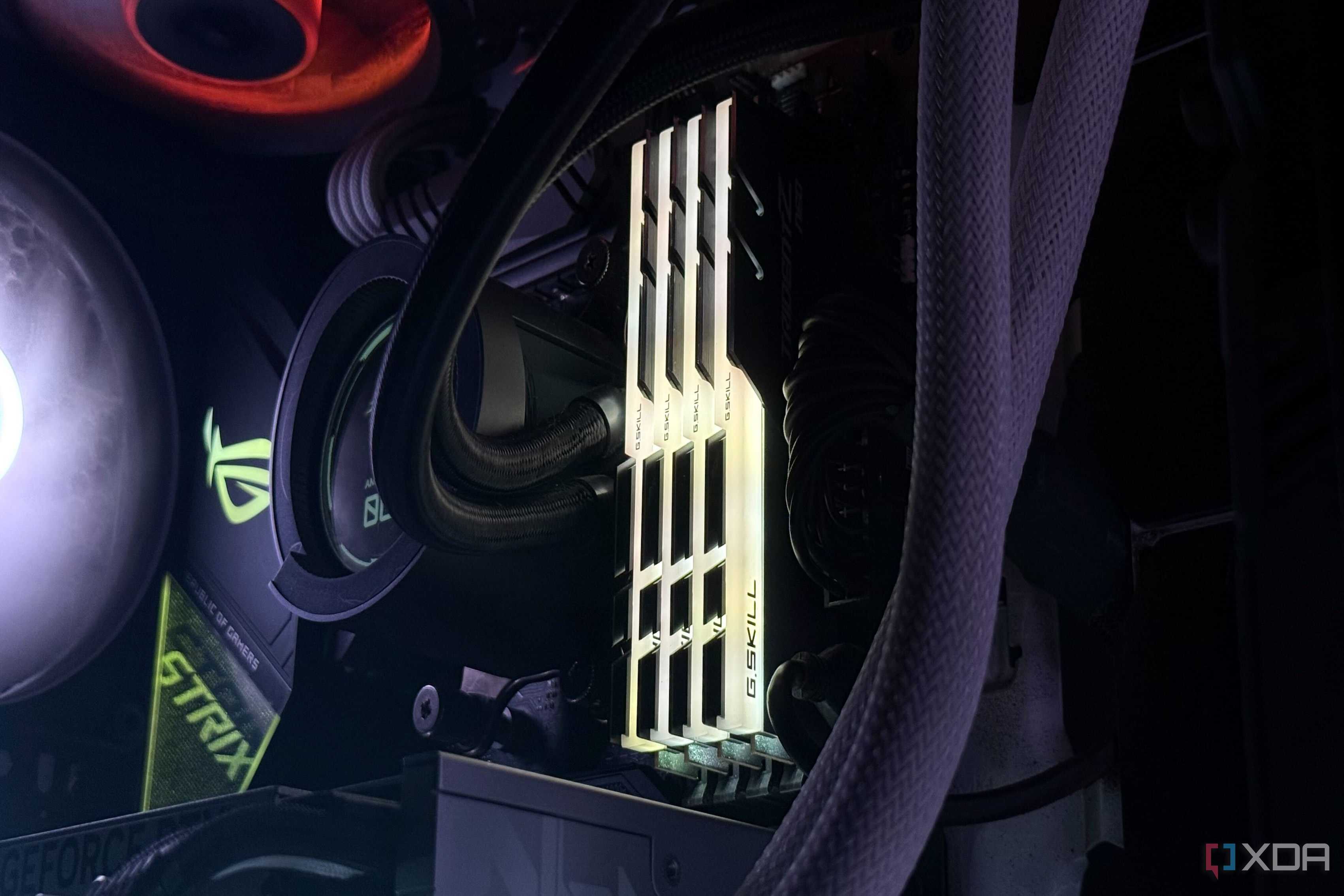
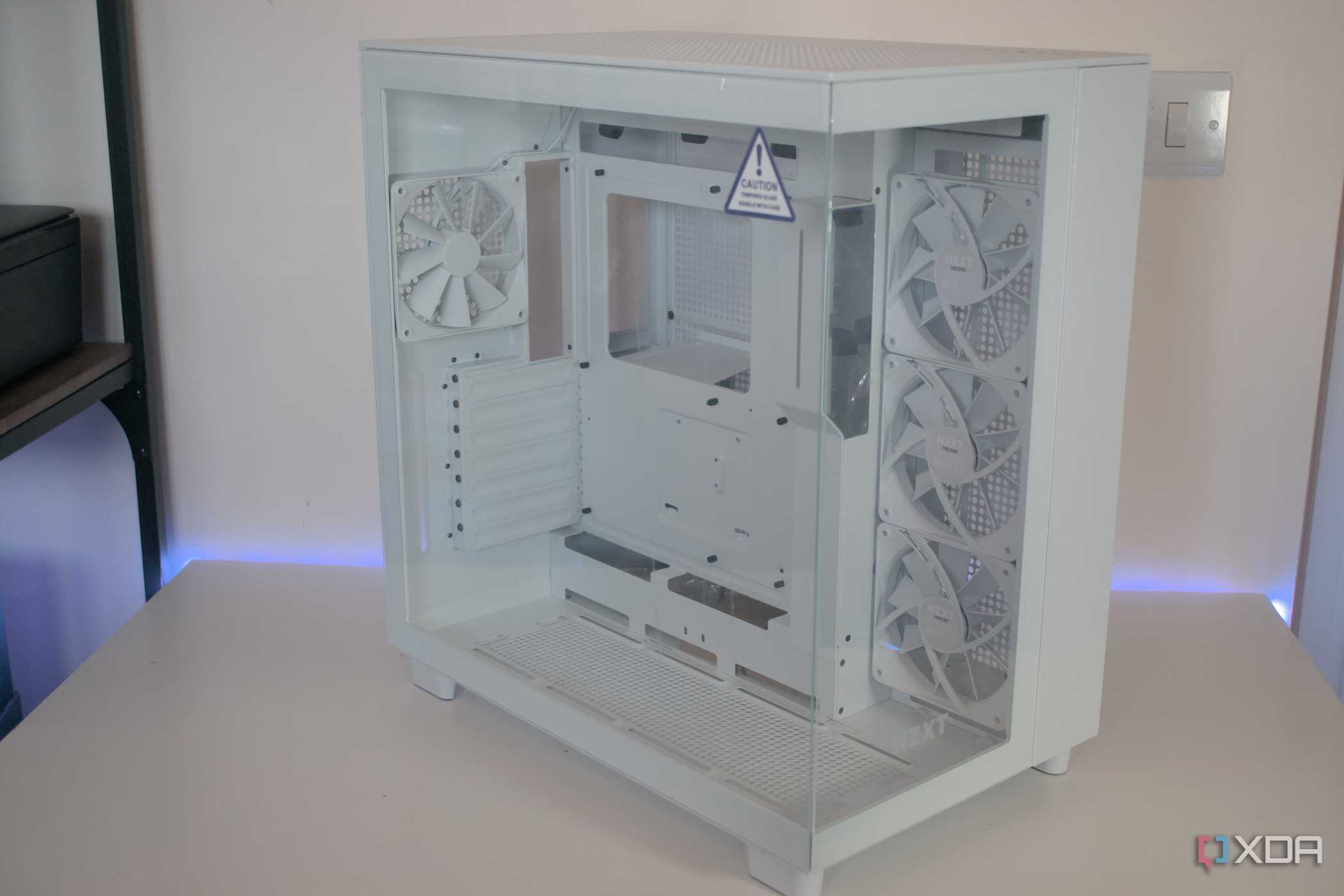

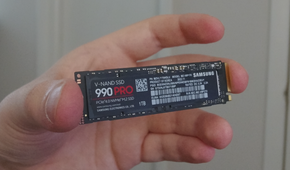
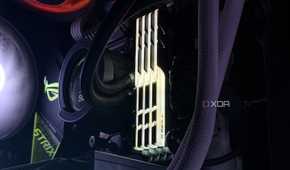
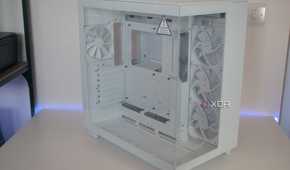
The extra money that I wasted on a high-end motherboard would have been better used on components that would have delivered more tangible results. For instance, I could have bought a 360mm liquid cooler instead of a subpar 240mm AIO that's barely better than an air cooler. I could have bought a better SSD or additional RAM for my PC, both of which would have improved performance, unlike my expensive motherboard.
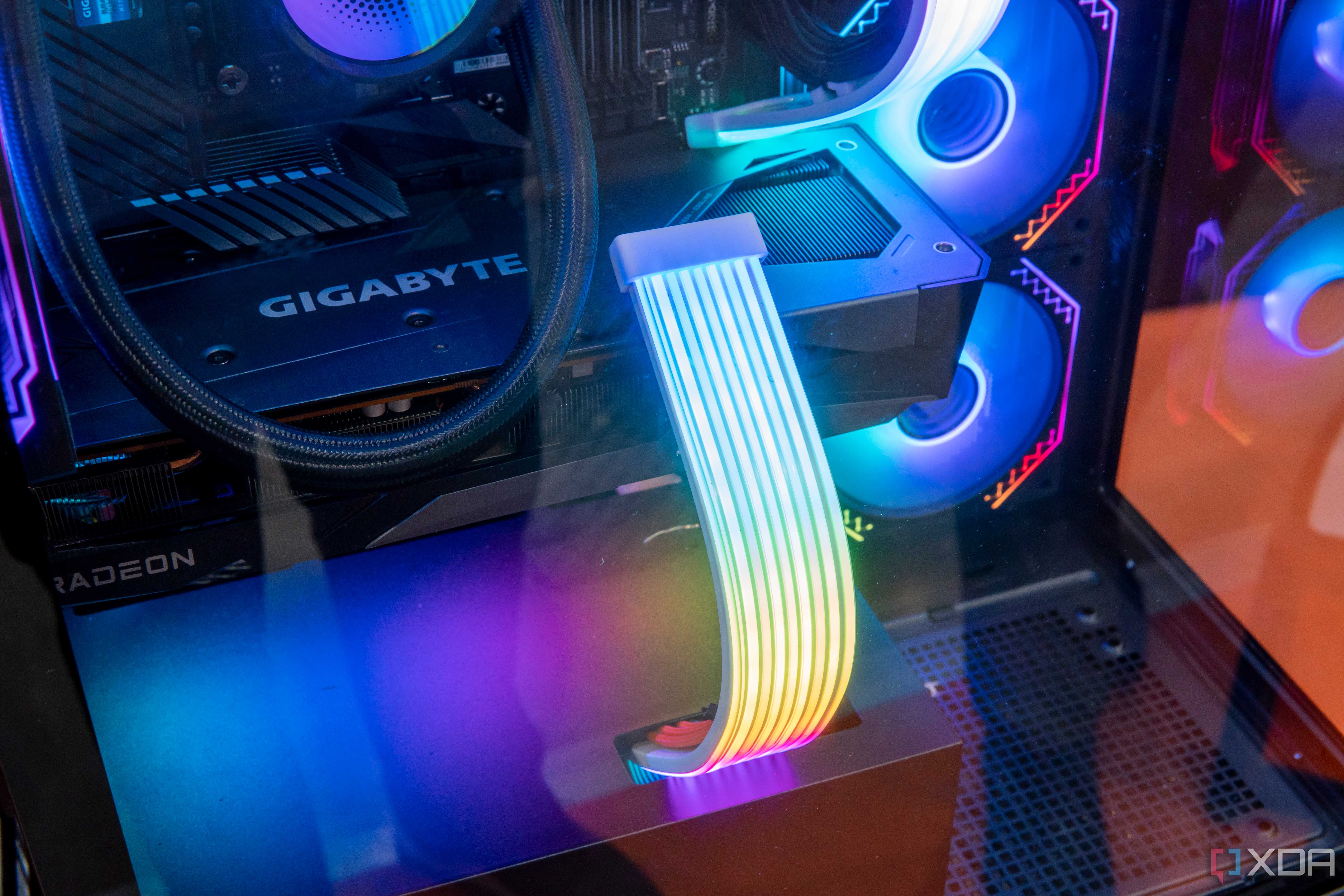
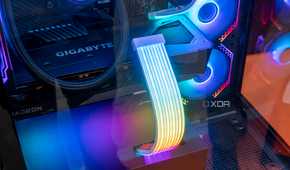
Alternatively, I could have spent the money on esthetics, buying a better-looking case with multiple glass panels and extra features. I could also have bought RGB cable extensions to infuse some more oomph into my build, something I think is missing right now. Some of these components might seem superficial, but at least they would have made me happier than spending on an expensive motherboard that didn't do anything for me.
Buying high-end PC parts is a trap
Once you get into the trap of buying high-end components, it's hard to get out. You're compelled to keep buying more high-end stuff every generation, and future-proofing becomes a need rather than a choice. I wasted money on a high-end motherboard, but I never realized it at the time. Only when I felt like I had never used the features I overspent on did I reach this conclusion. If you're about to purchase an expensive PC component, think twice before investing your hard-earned money. Do you really need it?
