


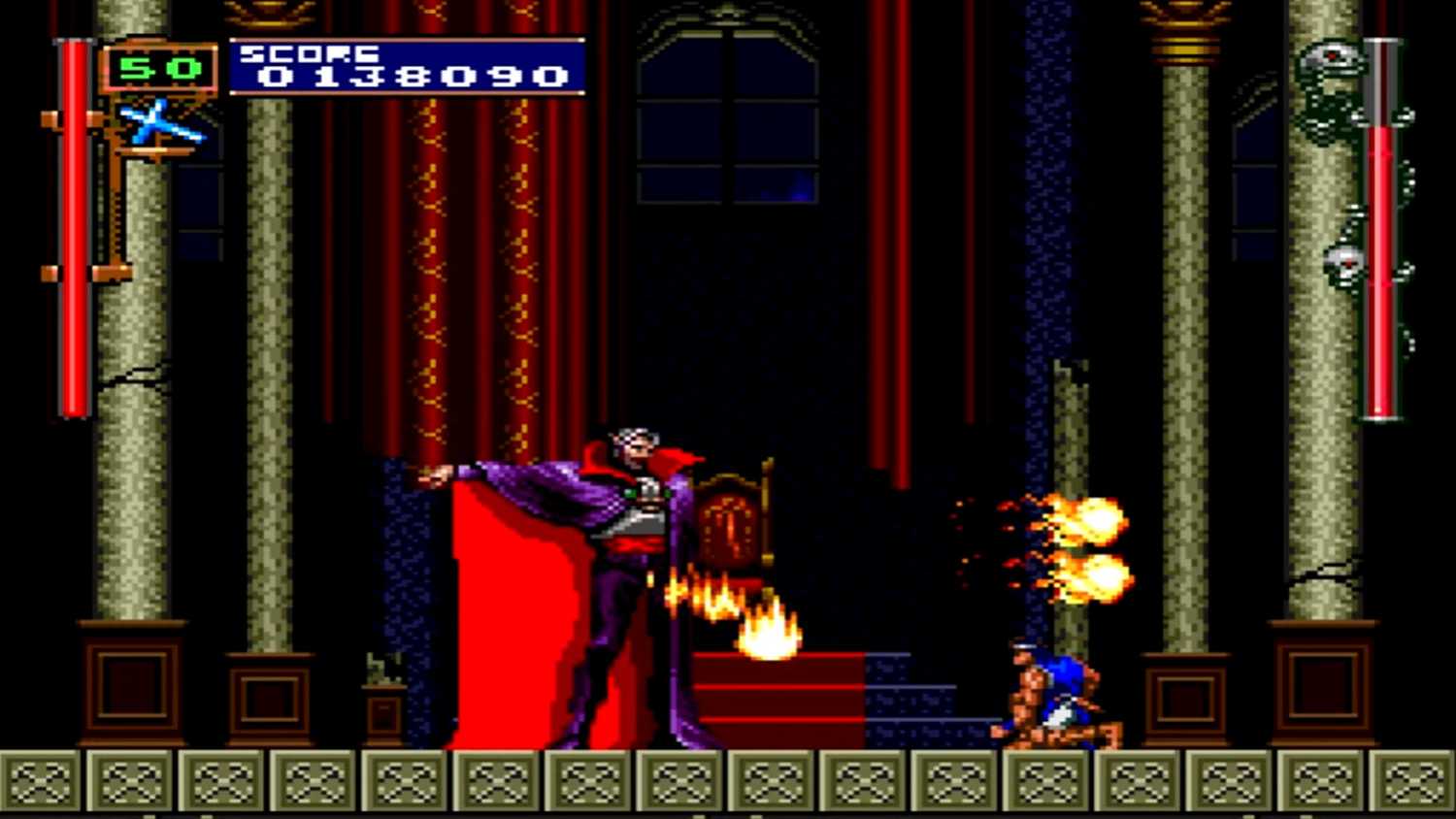
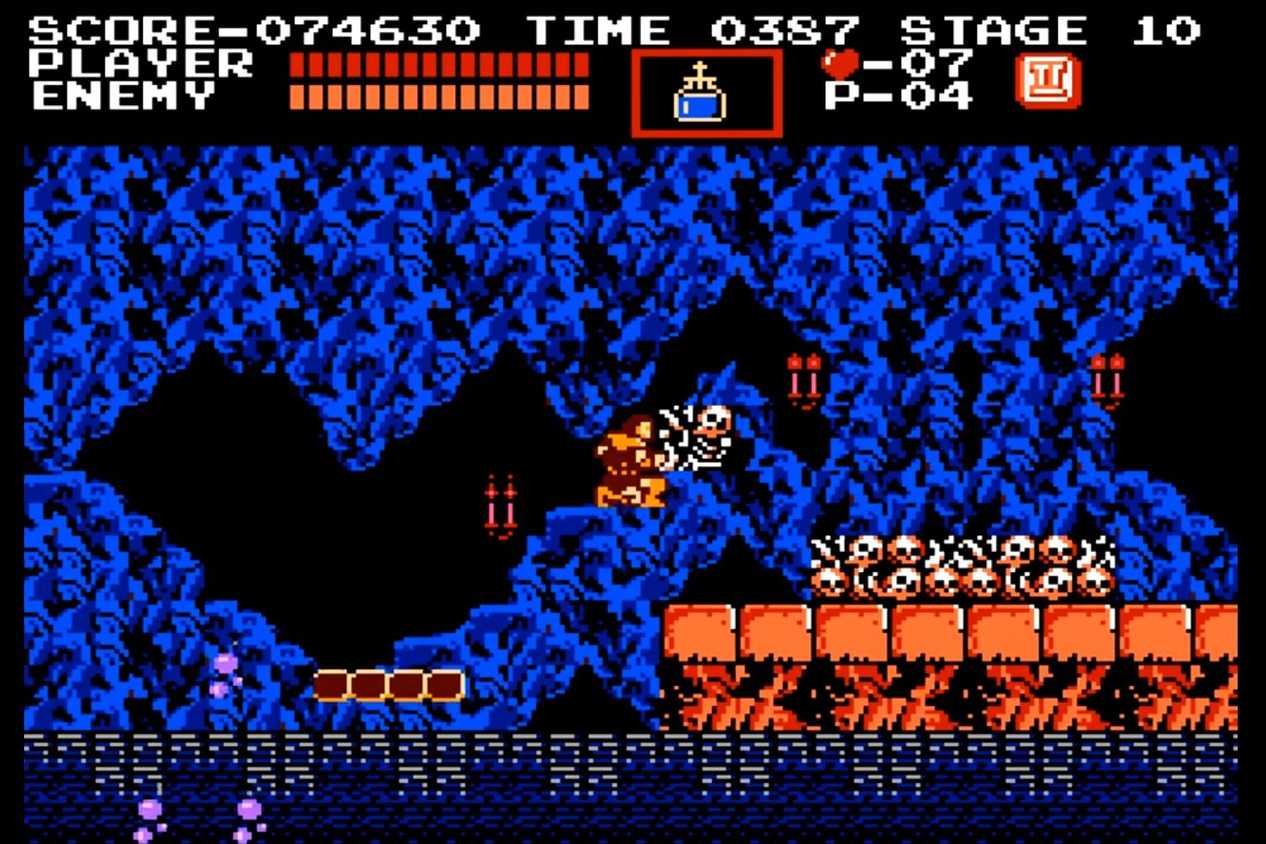
When people discuss action-platformer games, one thing that is always brought up is the Castlevania series. In the mid-80s, Castlevania was synonymous with the NES and challenging experiences that pushed players to their limits. Inspired by the classic horror franchises from Universal Studios and the Hammer Horror series, Castlevania was a different kind of platformer on the NES from the lighthearted nature of the Super Mario series. Years later, the franchise would undergo a transformation and inadvertently create an entire new subgenre called "metroidvania" with the release of Castlevania: Symphony of the Night on the original PlayStation. Change has always been a part of the series since its humble beginnings, which happened again in the 3D era, with multiple Castlevania titles reimagining what the series was.
But as much as I enjoy seeing the Castlevania series try new and exciting things, I wish things would go back to what made the series so appealing in the first place. There have been a few times that newer Castlevania has attempted to do so, but with a lackluster effort that led to mediocre results. Many people seem to have forgotten how unique and different older Castlevania titles felt to play on older consoles. However, with the rise of newer games becoming heavily inspired by retro classics, it may be a prime opportunity for Castlevania to revisit the past and take example from its iconic predecessors. Here's why I want to see the Castlevania series go back to its 2D roots and revive what made the series great to begin with.
Retro revivals are big now
What's old is new once again
Source: (YouTube) NintendoComplete 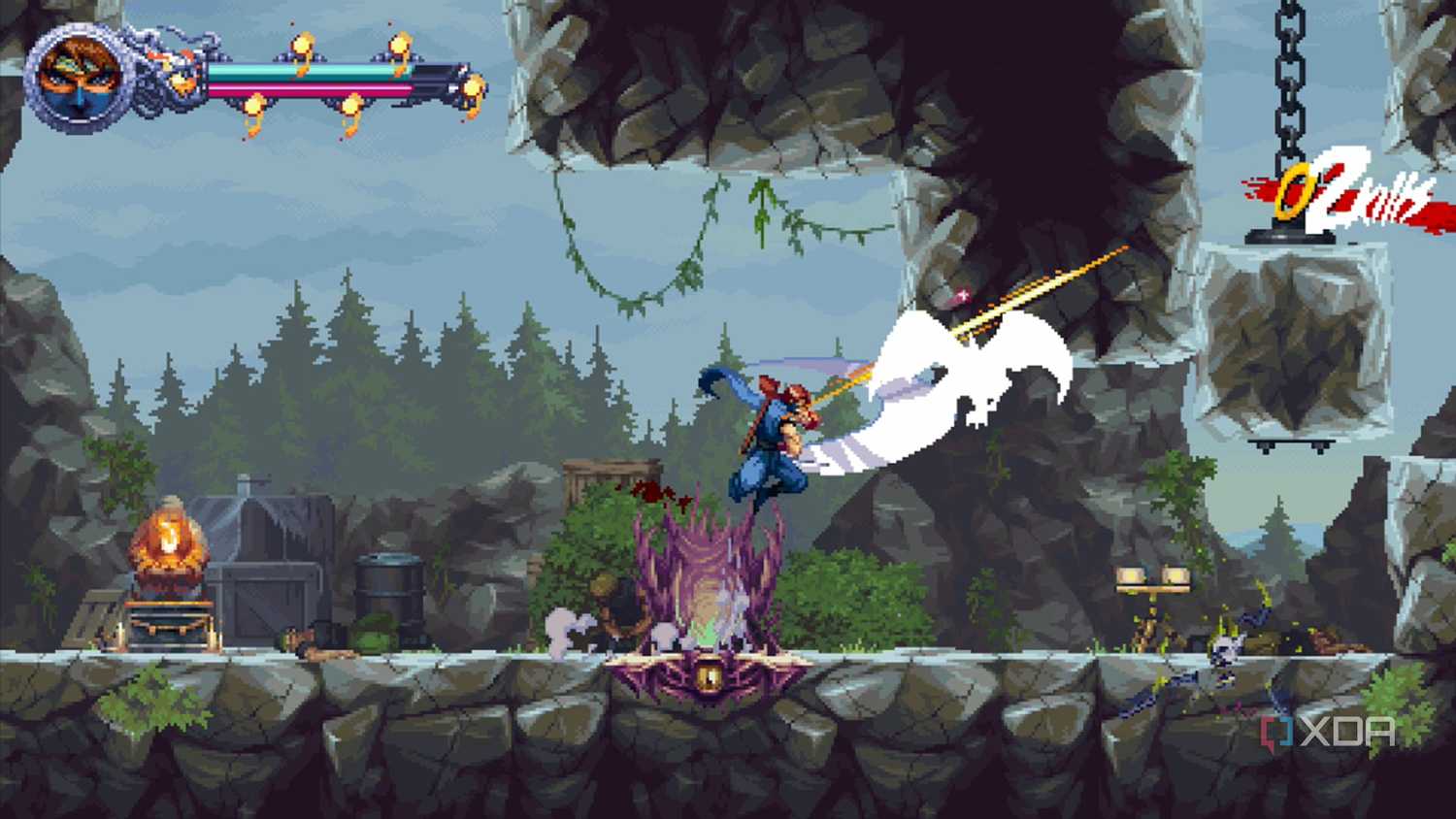
Source: (YouTube) NintendoComplete 
Source: Sega 
Source: Steam


Source: (YouTube) NintendoComplete 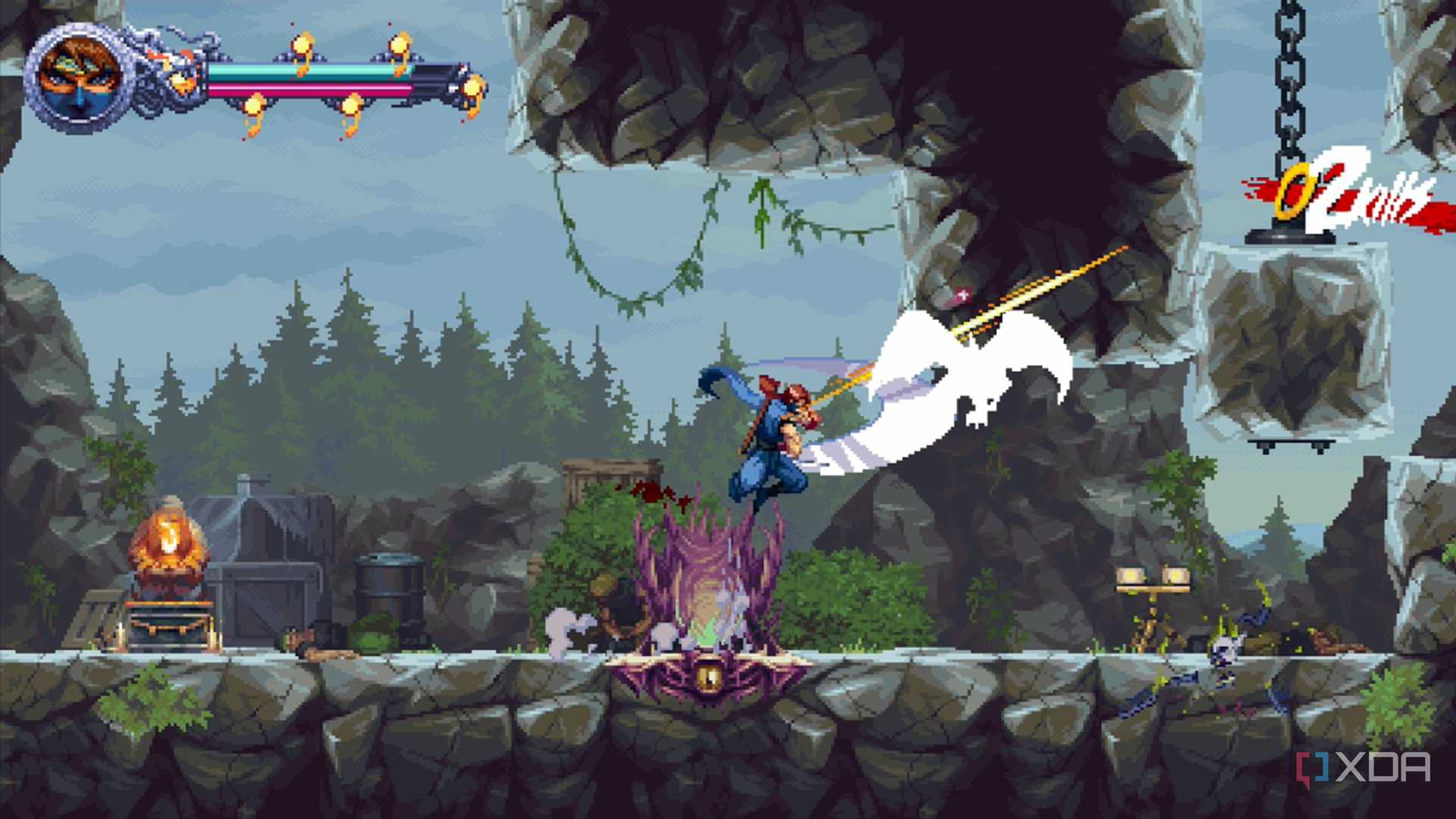
Source: (YouTube) NintendoComplete 
Source: Sega 
Source: Steam

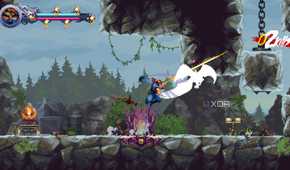
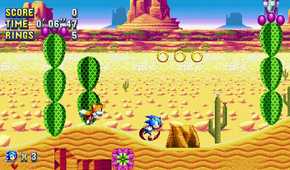

The biggest reason why a new Castlevania game made with a traditional approach would work today is because of the trend towards retro-styled games. Multiple franchises have gone back to some of their older iterations for inspiration on what can be done today. The most recent example of this would be the Ninja Gaiden series, with the release of Ninja Gaiden: Ragebound on multiple platforms. While the 3D games exist and continue with their own stories, Ninja Gaiden: Ragebound gives players a new character and story to follow, but with gameplay that goes back to the 2D action-platformer style that began the series on the NES. And yet, it plays with new ideas and gameplay concepts that take full advantage of the game being a 2D title, making it feel like a fresh experience even for veterans of the series.
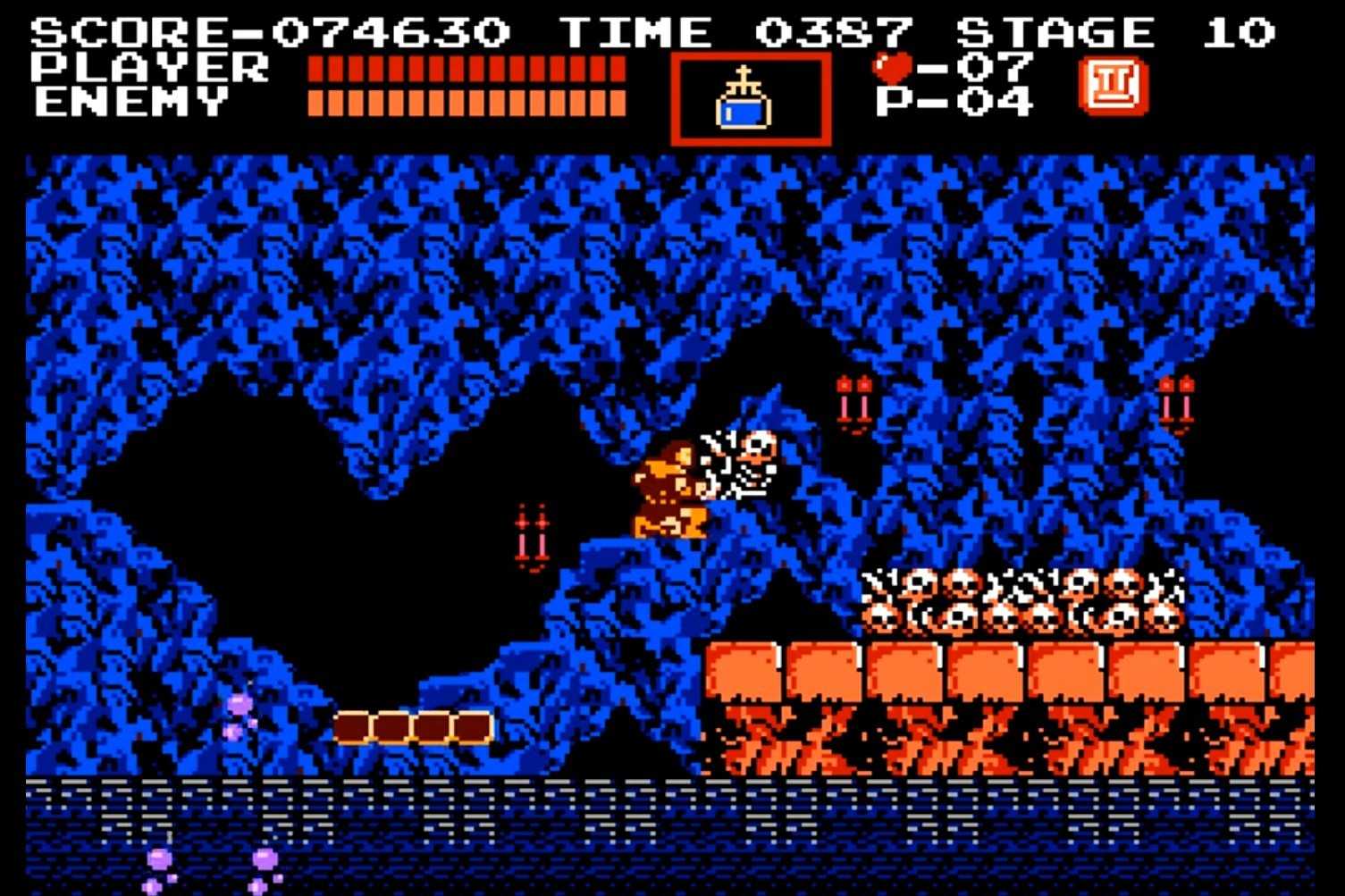
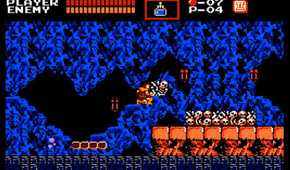
This is something that could be utilized to the fullest with the Castlevania series, which has a rich history of games that were popular because of that. Multiple titles from the NES, the Super Nintendo, and even the PlayStation were massive releases as 2D games, despite the series already moving into 3D. Some of the most beloved entries in the series inspired multiple franchises that came afterward, such as the original Castlevania, Castlevania III: Dracula's Curse, and even Super Castlevania IV. Beyond just the visuals, the core gameplay mechanics of these games could be the basis for something brand-new that can work out very well today, as retro-style games are all the craze right now.

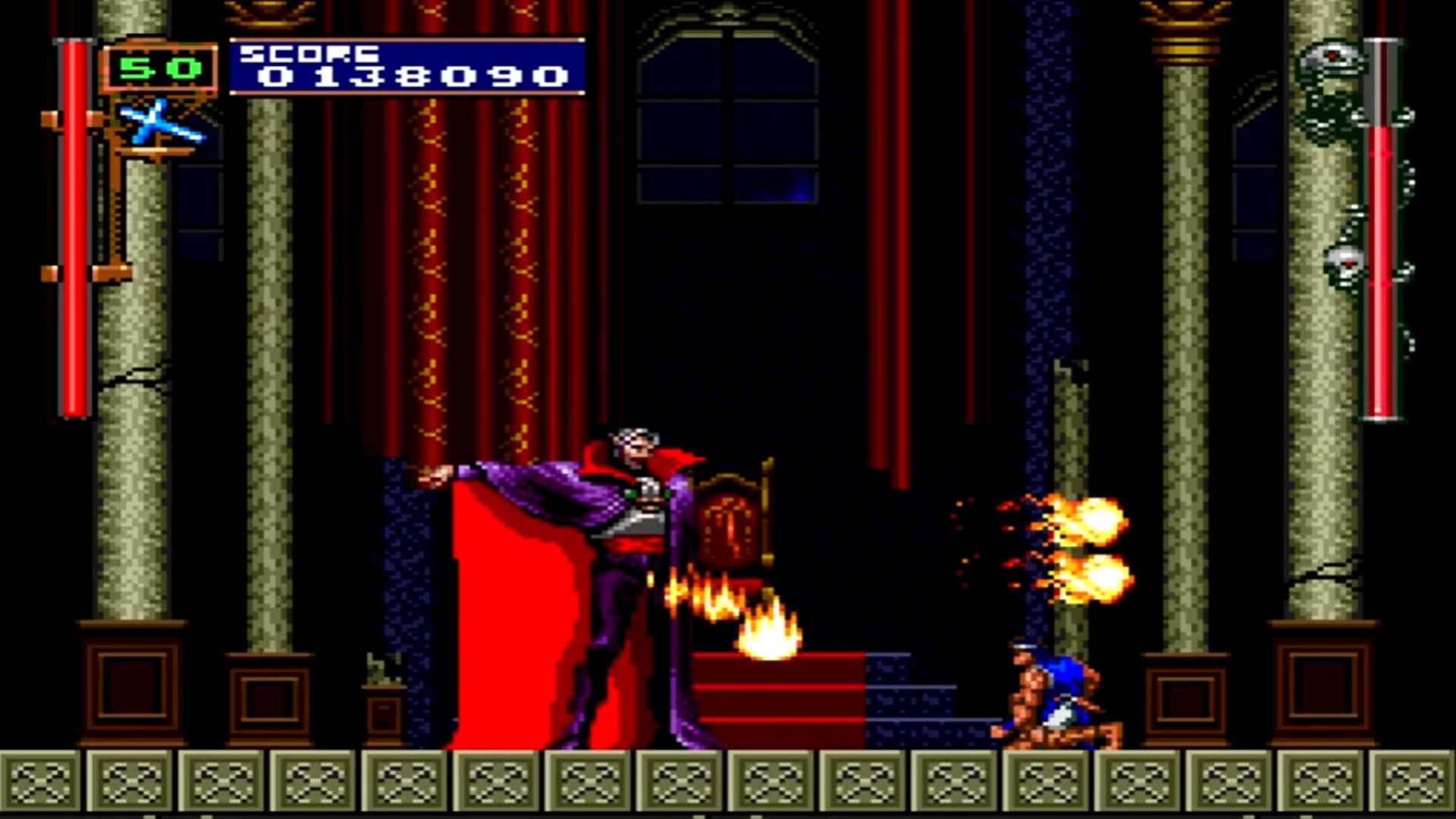
But even with those classics to pull from, the series has a lot of versatility and options to look at for a newly developed game. Arguably the most popular entry in the franchise, Castlevania: Symphony of the Night, was the inspiration for many games in the subgenre known as "metroidvania". These games combine 2D platforming with open-ended exploration to create epic adventures, which is still immensely popular even today. If playing like the original Castlevania is too shallow for some people, then having more titles like Symphony of the Night would be the next best thing. Multiple titles in the series for platforms like the Game Boy Advance and Nintendo DS had the same exact approach, and were very successful with audiences. Imagine the creativity and power of modern-day consoles with the scope and detail of Castlevania: Symphony of the Night combined today. It would make a lot of people very happy.
Reconnecting the lore
Older ideas being utilized

One aspect of Castlevania that has become vast over the years is the lore of the franchise. Multiple games, beyond the NES and the Super Nintendo titles, have built a universe of characters that has become very complex, despite being based on the simple concept of vampires. However, when the series made the jump into the 3D era, more and more games began to change and twist up many aspects of the lore that fans had followed since the mid-80s. Multiple spin-offs and reboots further complicate things by making certain aspects non-canonical and very confusing. Games like Castlevania: Lords of Shadow and its sequel get many characters and plot points tied up, getting away from the essence of the series and the major conflicts that are part of it.
Going back to a more traditional Castlevania game can give the series a chance to return to some of the original plot threads that were strung throughout the series, without much complexity. The Belmont Clan has fought Dracula over the centuries, with the use of magical weapons like the Vampire Killer whip, to protect humanity from the forces of darkness. Aren't there other Belmonts that we haven't met that are closer to when the conflict first started? It's a setup that can be expanded upon without getting too crazy into the convoluted and overly complex stories that came from later titles, especially when the series underwent a reboot.

At the same time, there are various games within the series that have been under-cooked and ignored for a long time, like the Castlevania games on the Game Boy. Those titles included various heroes and ideas that became non-canonical, despite being heavily inspired by the original game that started everything. The only female Belmont character that is playable in the whole series is completely forgotten because Castlevania Legends is not considered part of the main canon. Couldn't a new game that plays like the original titles be done with that character going on a new quest? Something like this is more likely to work out today, since players are more open to playing games that play like older releases. This can not only fulfill that demand from players, but also reuse something from the series that was largely forgotten.
Capitalizing on newer iterations
Not forgetting what's new

And yet, a new Castlevania game doesn't have to ignore everything that is new from today. The biggest thing to happen with the franchise was the Netflix adaptation Castlevania series, which brought Castlevania further into the mainstream to people who had never played any of the games. The anime-style visuals and dark tone are fitting for a franchise with inspirations from classic horror films. It would be very wise not to ignore that for any new game project that gets made. A combination of the style and flair of the Netflix show with gameplay that harkens back to the origins of the series could be a winning formula that ushers it into a new era.
But does that also mean that content from the newer 3D games is automatically useless? Not at all, especially when the tone and brutal nature of those games is still in line with the horror aspects of Castlevania. The reimagined designs of classic monsters that have appeared throughout the series can still look menacing, despite the games they come from not being that great. The same goes for a character like Dracula himself, the major antagonist of the entire franchise, who has many iterations in different games with a wide range of reactions. Luckily, Castlevania as a series hasn't ever shied away from exaggerated character designs and darker tones, which will always be appealing regardless of the type of game being made.
Bring back classic Castlevania in a big way
Without question, Castlevania is arguably one of the greatest video game series ever created. Its impact on the games industry is so important that it's a franchise that should not fade into obscurity, regardless of how many bad games it has released over the years. Many players enjoy taking on monsters and fighting villains like Dracula, which is a concept that can be iterated upon many times over. But instead of trying to be like many other modern series that are going in crazy directions, Castlevania should go back to its 2D roots and find inspiration there. People these days love to reminisce and go back to the games of their childhood, and often seek out newer games that bring back some of the best parts from games they remember playing back in the day. Castlevania is one of the last iconic series that has yet to do this, and now might be the best time for it to happen.
