


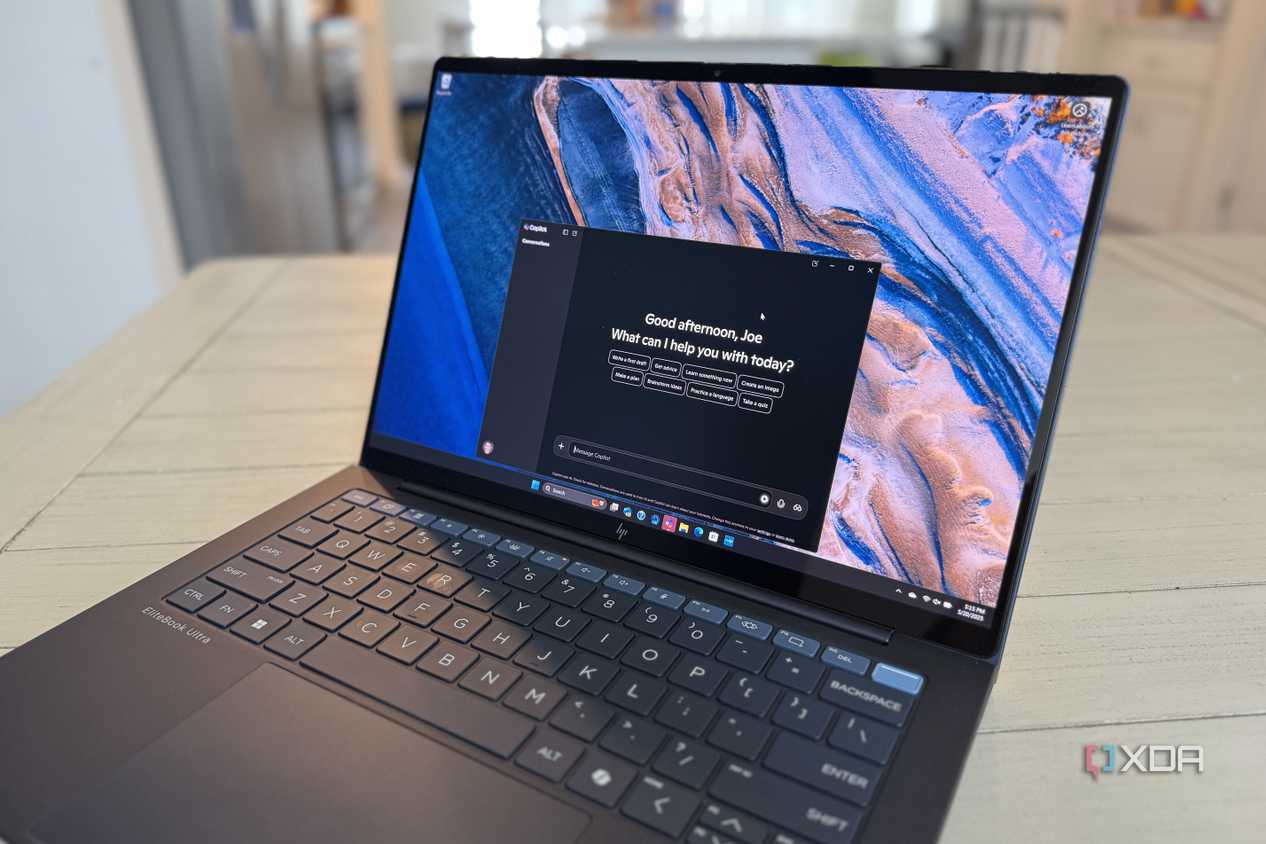
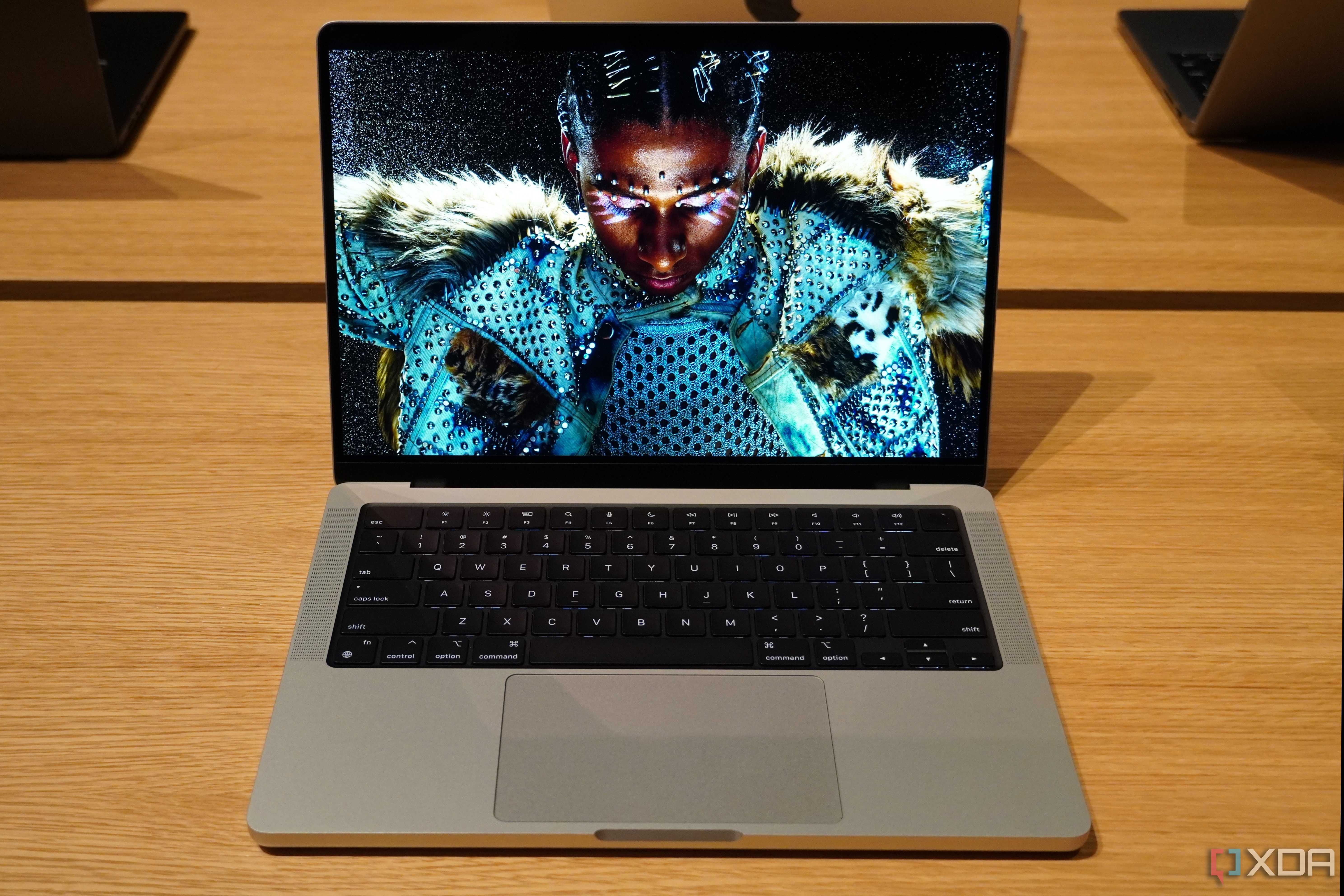
As a tech reviewer, I'm somewhat spoiled for devices at any given moment with all the review units that come in and out of my apartment. But I'm also a tech enthusiast, so I also have a bunch of personal devices, including two desktops (one with an Nvidia RTX 3080 and the other rocking either an RTX 5060 Ti or Intel Arc B580), an Apple MacBook Pro 14 and an old GTX 1060 gaming laptop that's seen better days, plus an MSI Claw 7 AI+ handheld and a bunch of game consoles from various generations.
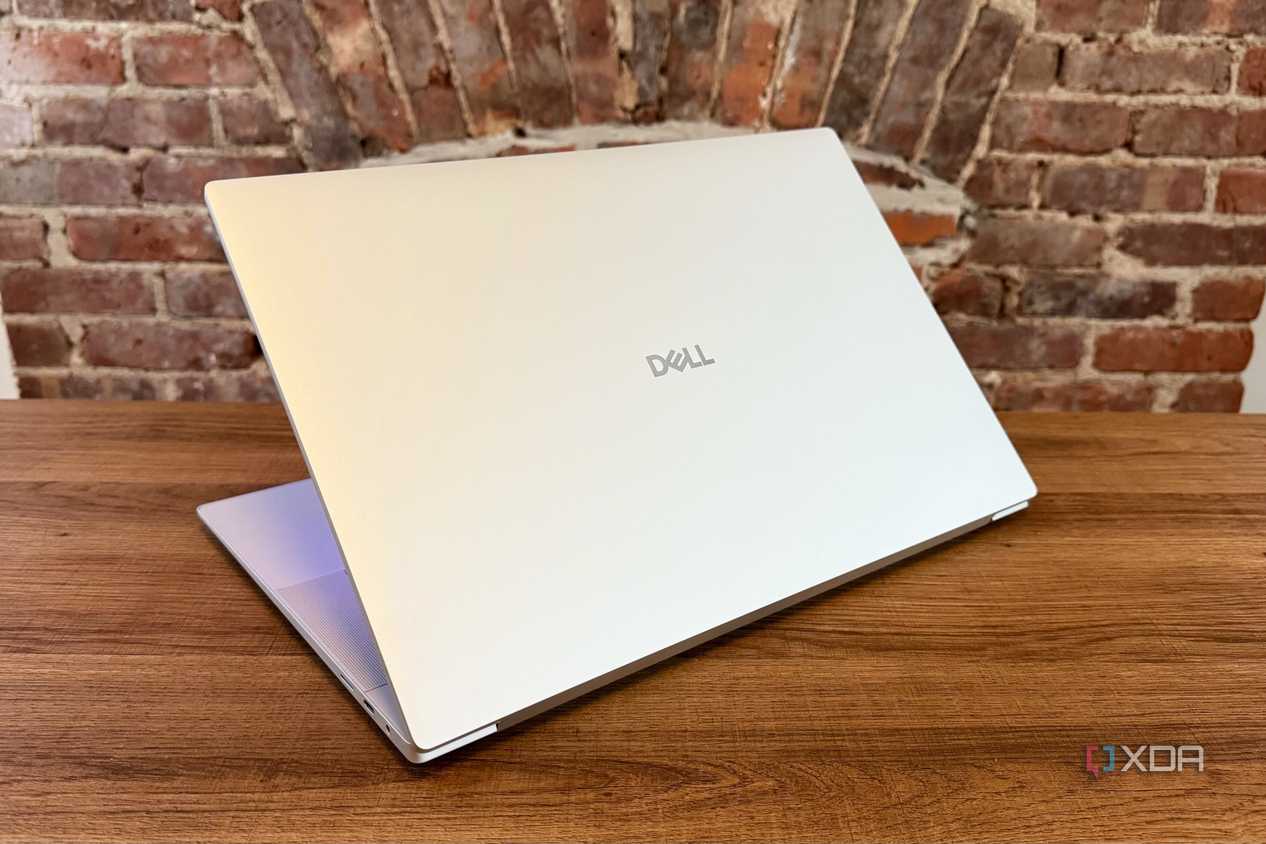
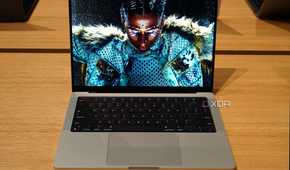
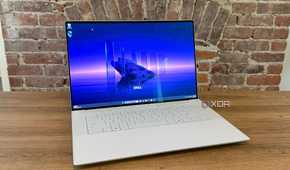
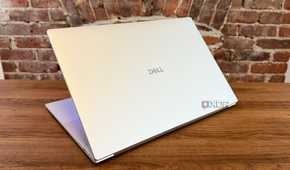
Despite all of my options for a work-from-home device, I'd still rather use a laptop like the Dell 16 Premium or my MacBook Pro for my day-to-day work rather than either of my more powerful desktop PCs. And there are a few key reasons for that.
My work can travel
Working from one main device all the time makes life simpler
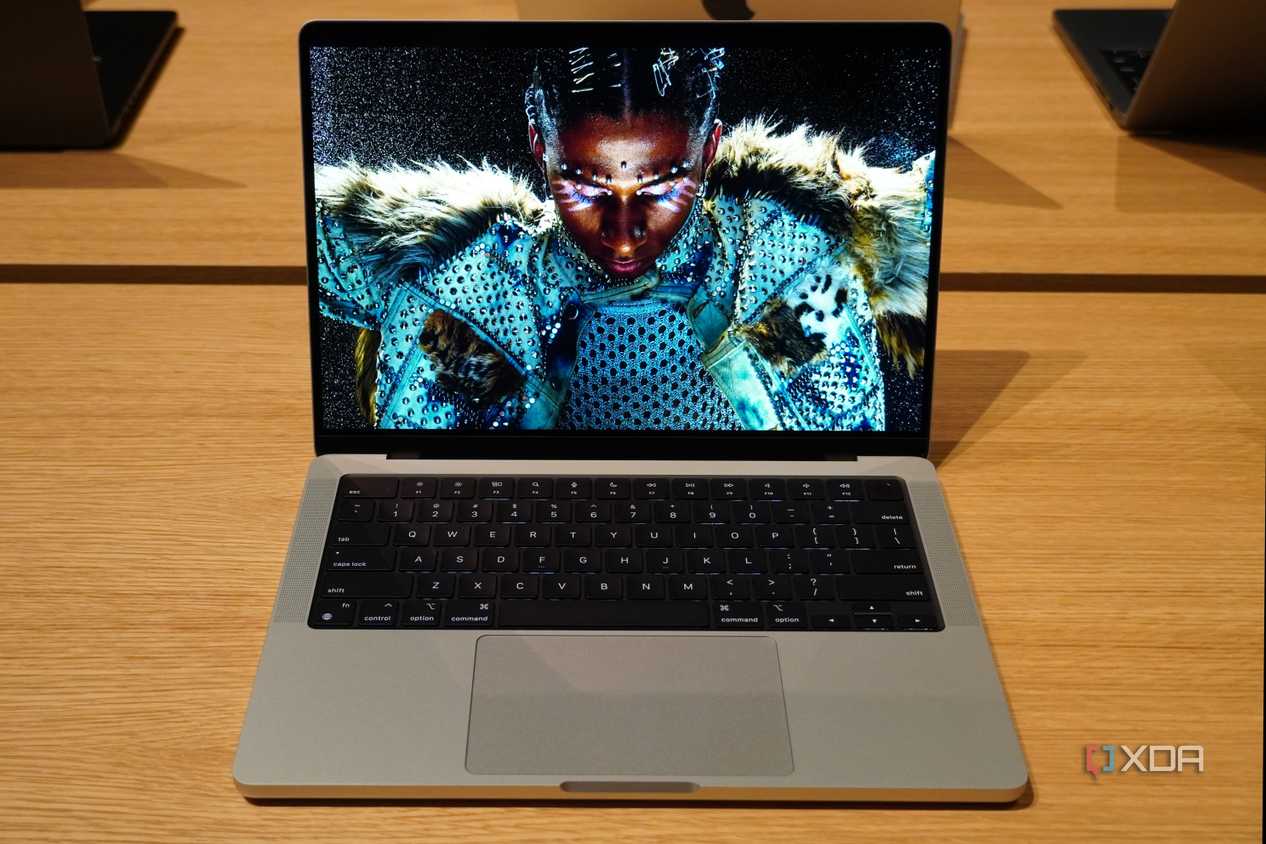
MacBook Pro M3 14 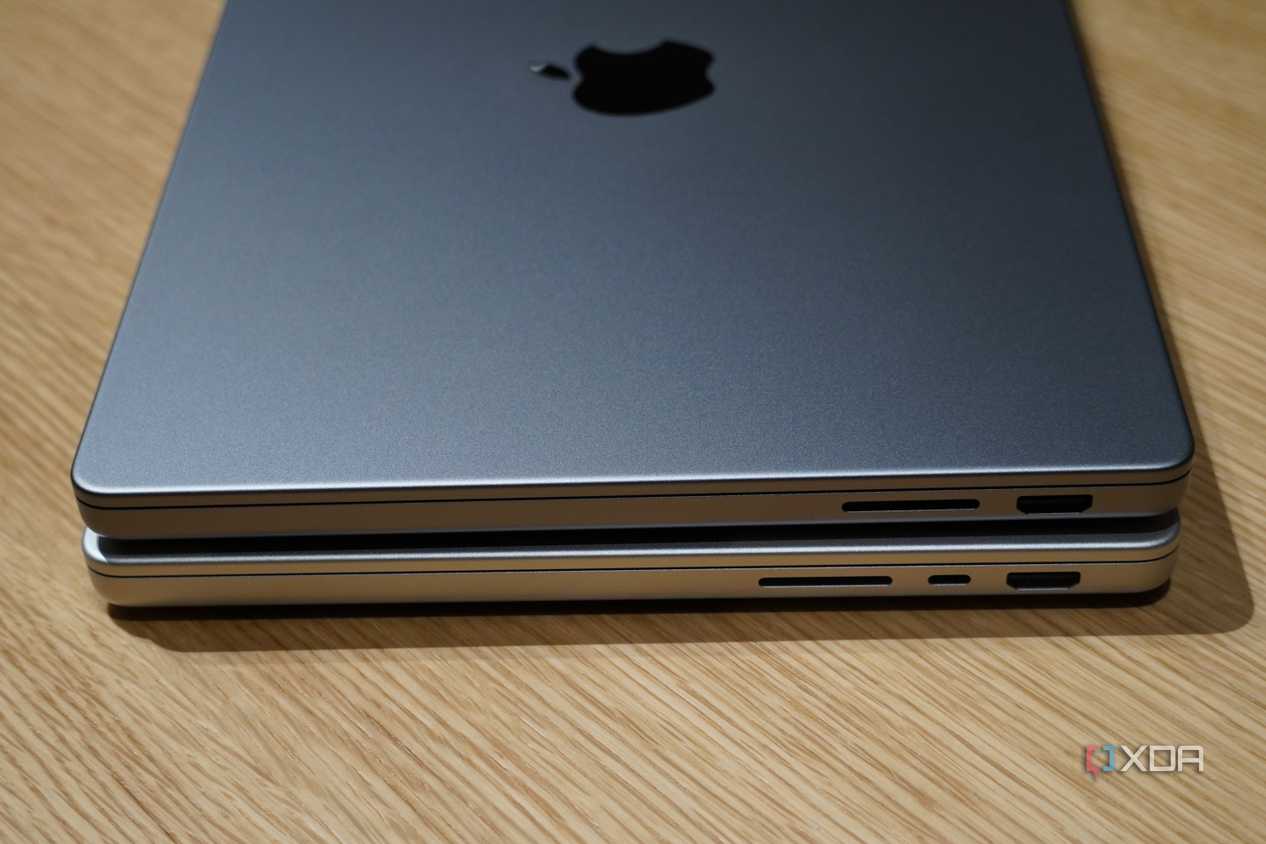
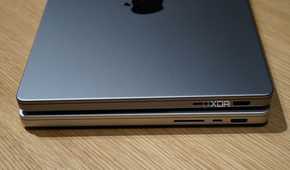
The ports of an M3 MacBook Pro (top) and an M3 Pro MacBook Pro (bottom). 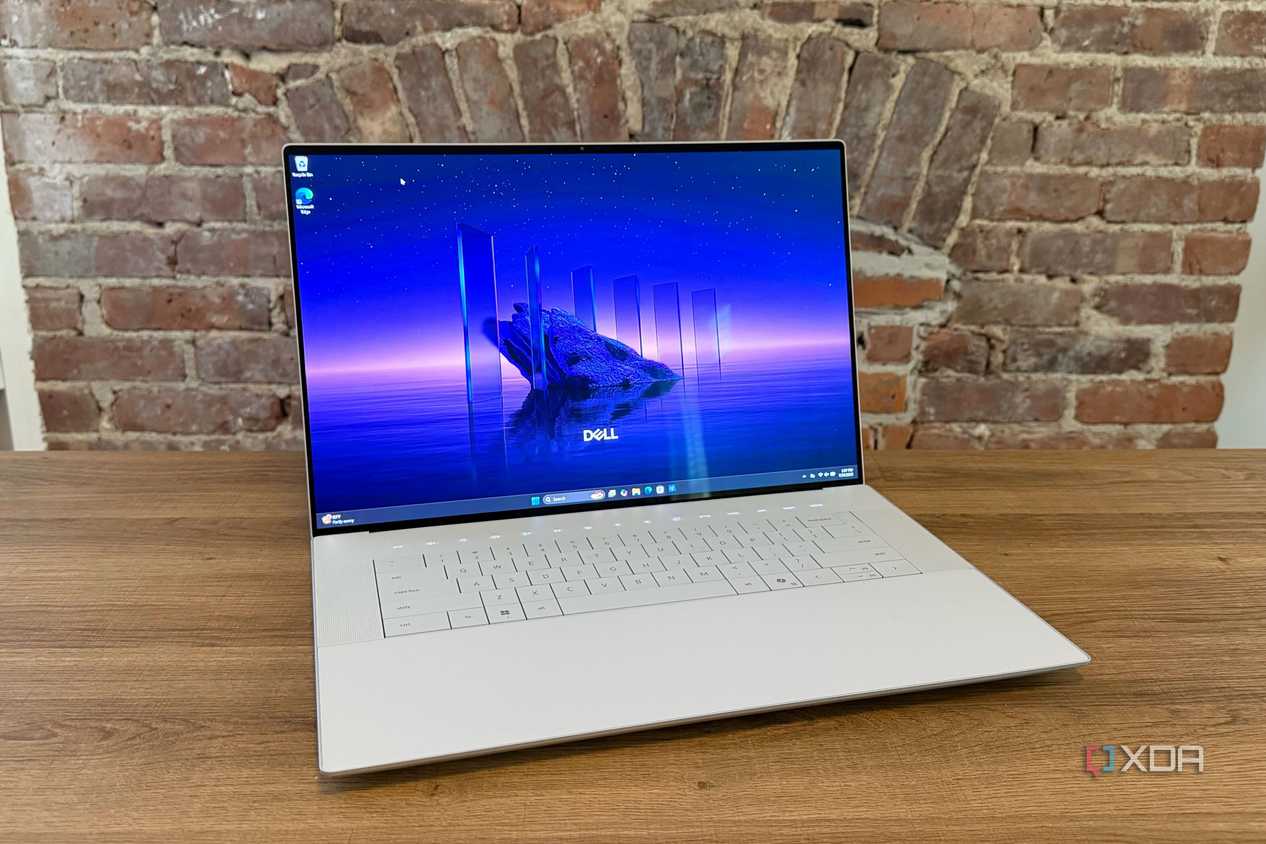


MacBook Pro M3 14 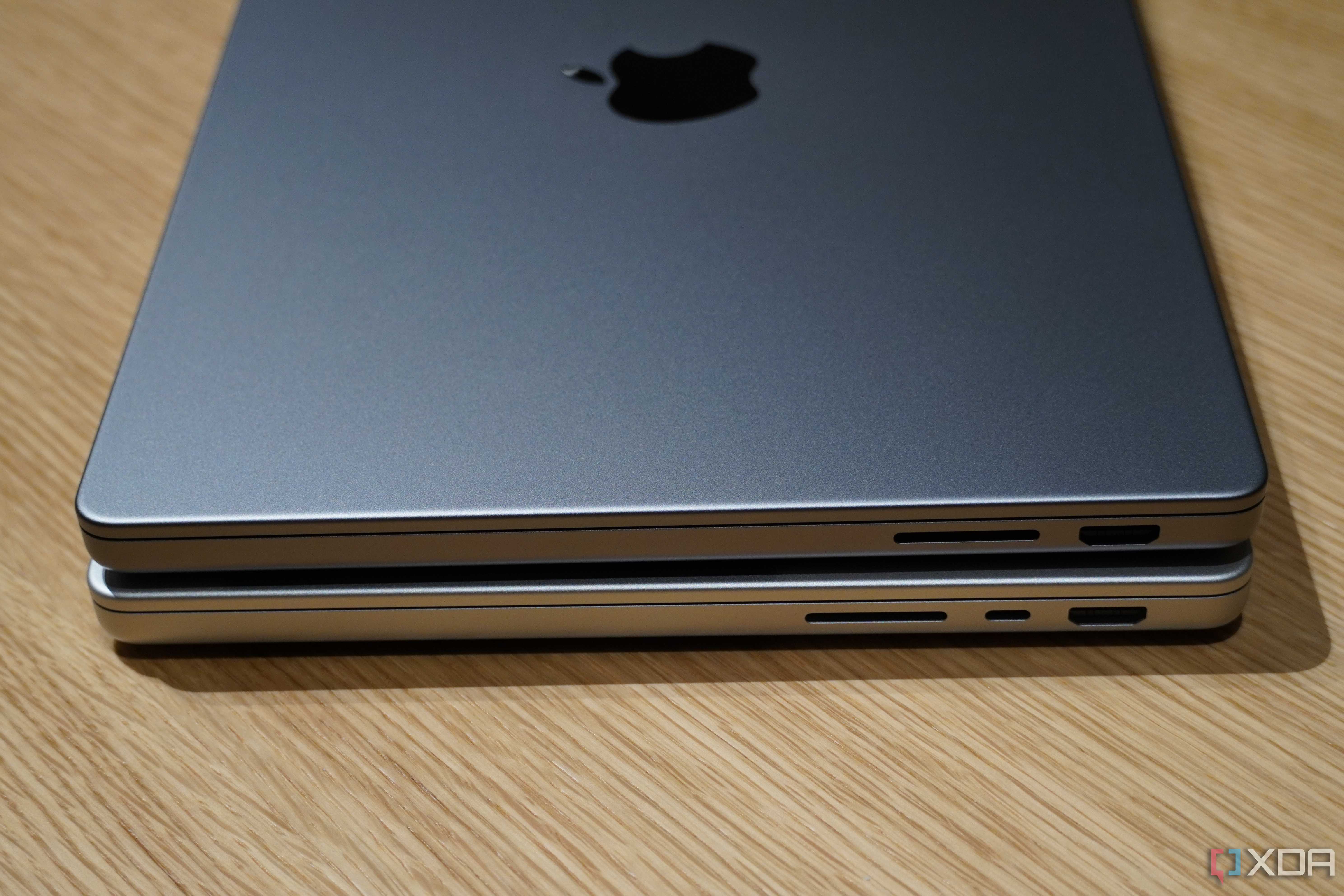
The ports of an M3 MacBook Pro (top) and an M3 Pro MacBook Pro (bottom). 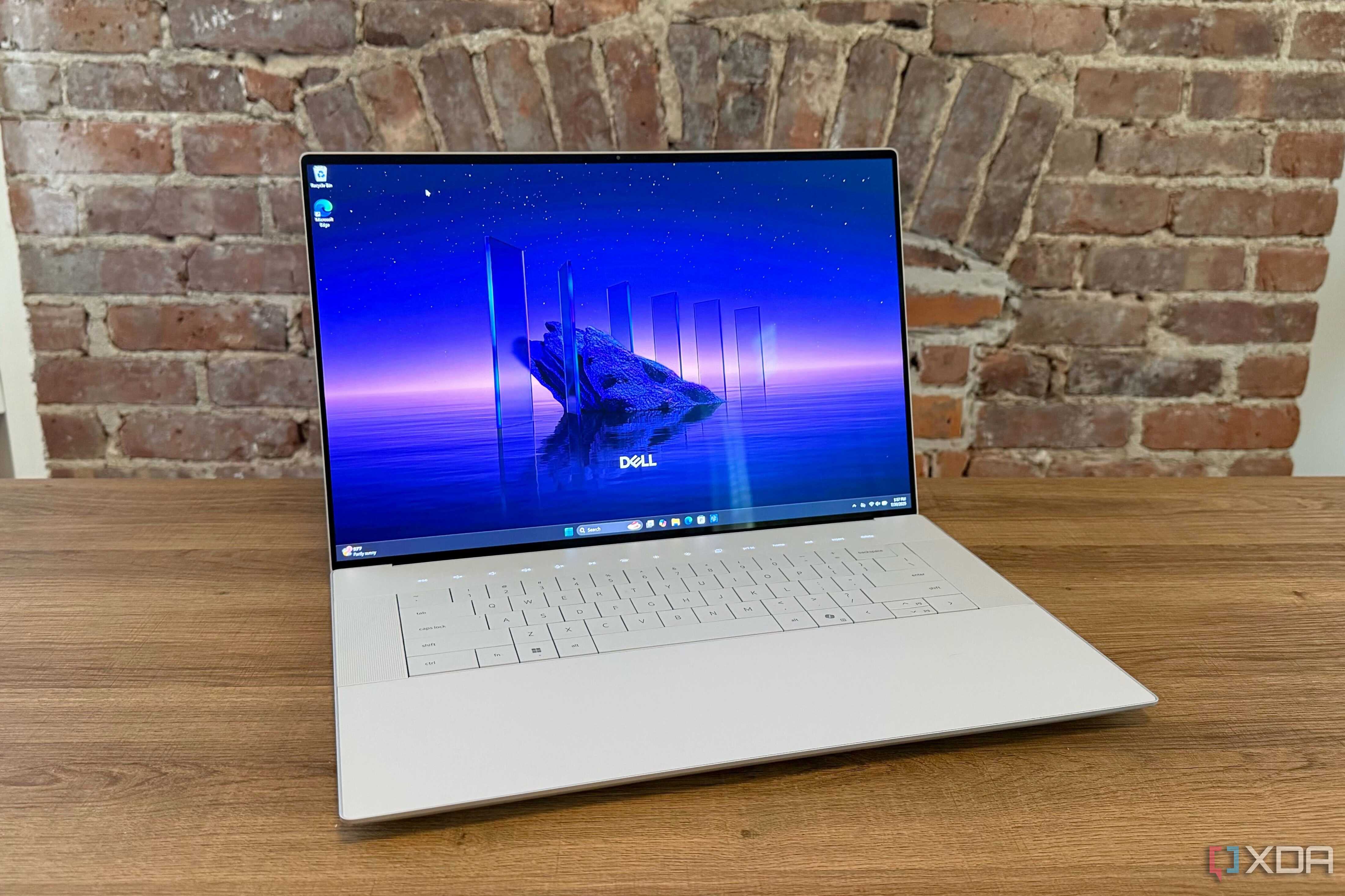
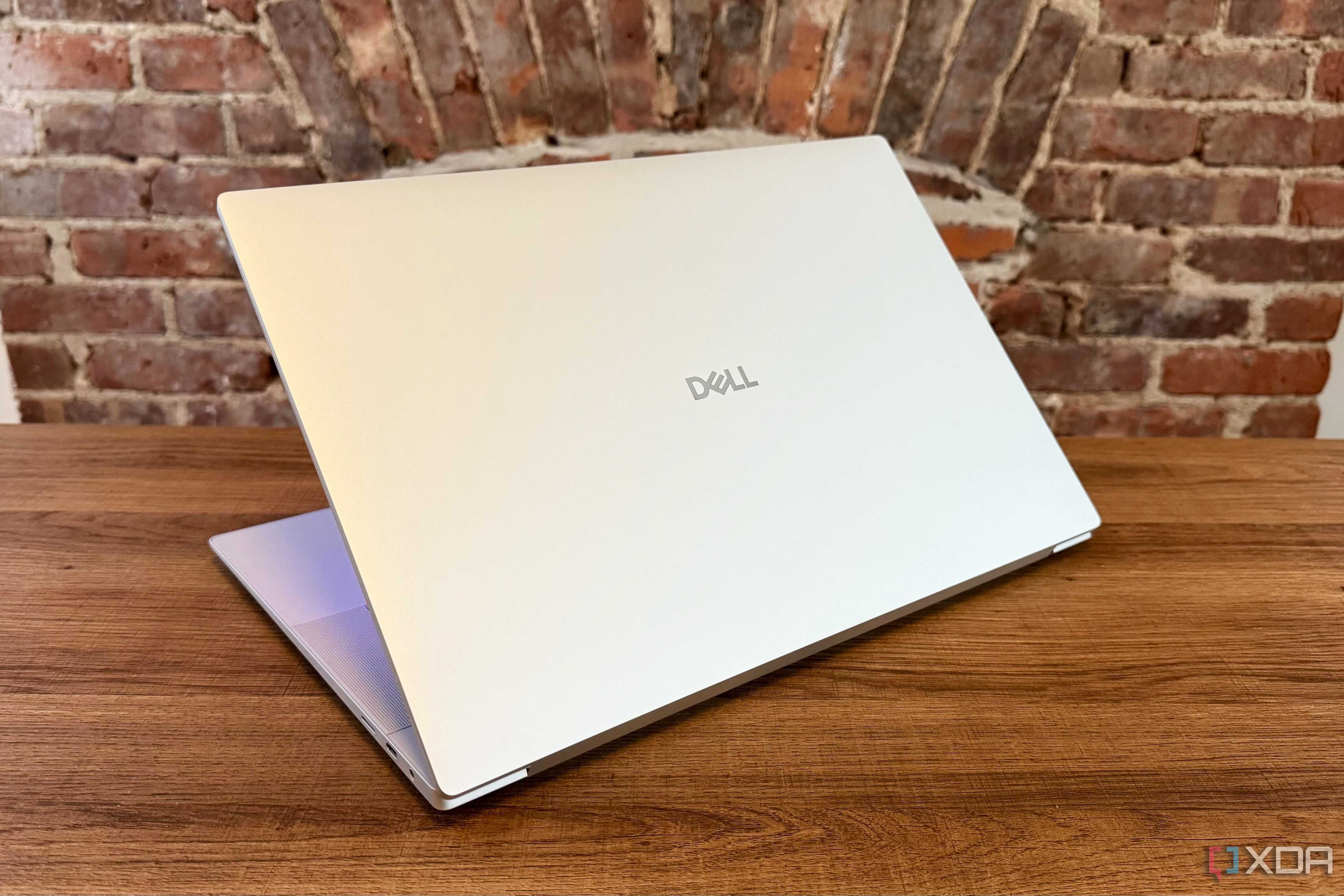
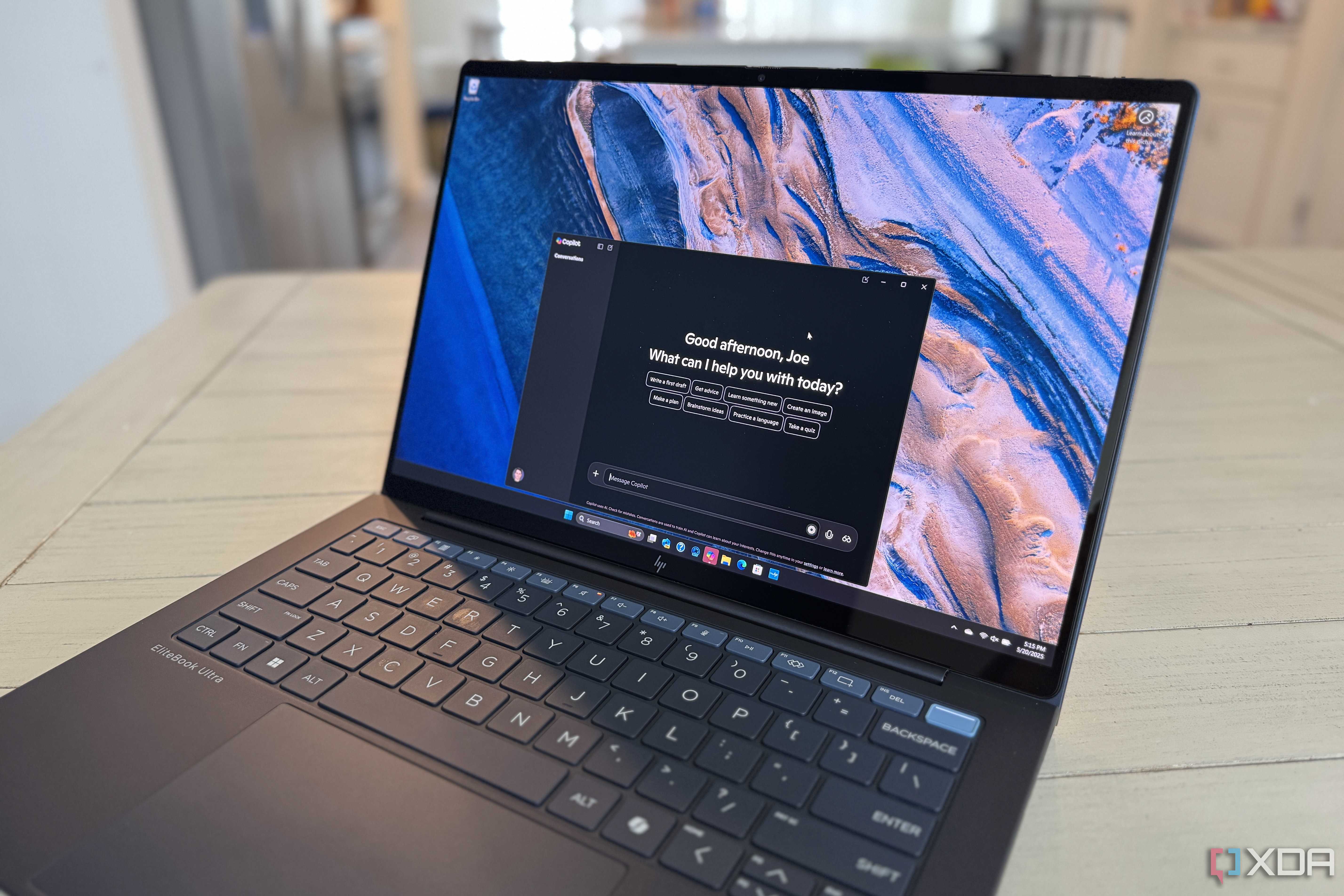
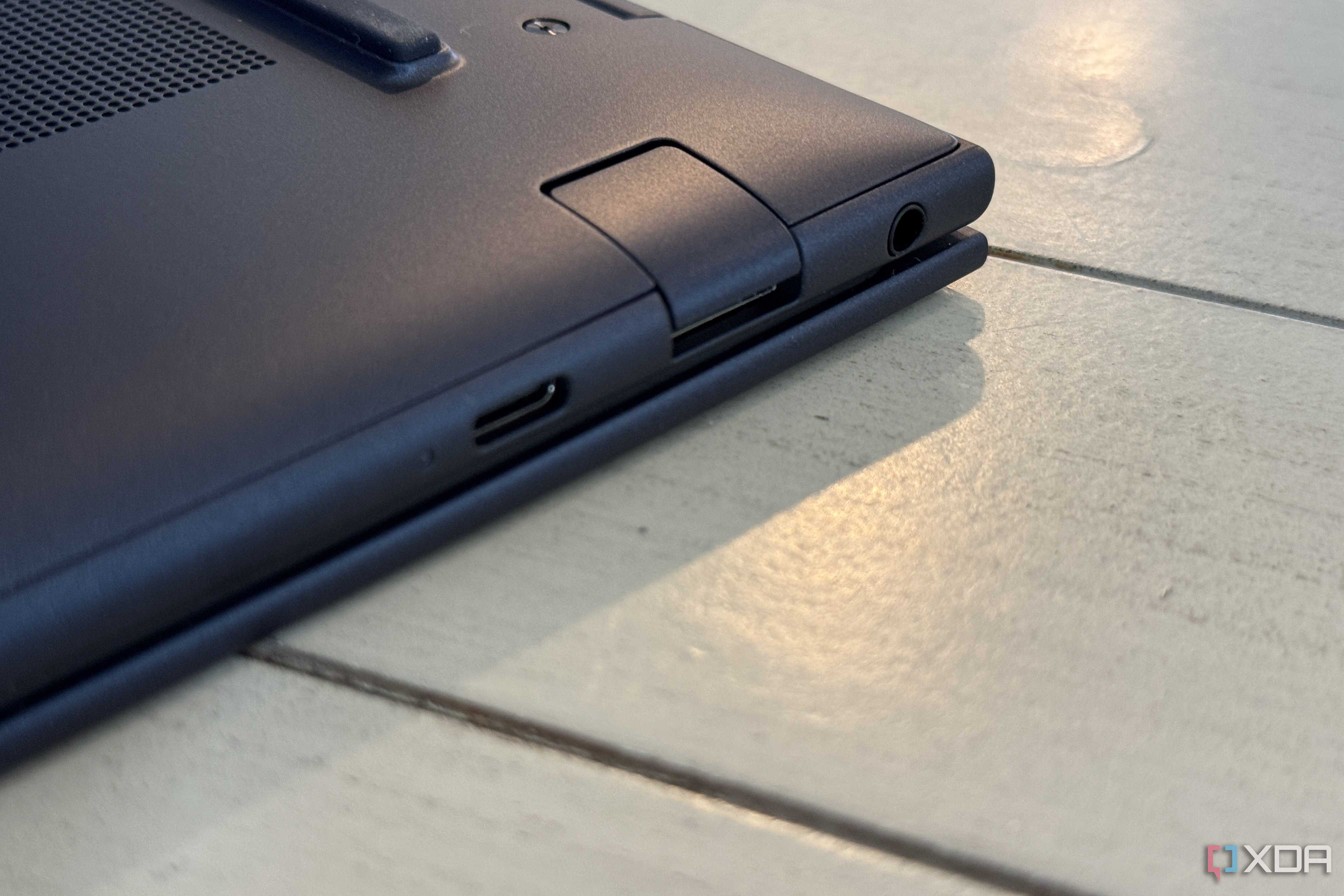
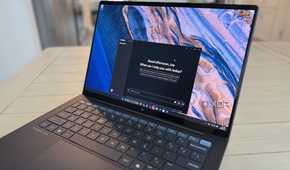
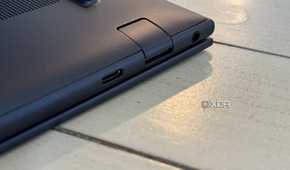
The biggest benefit of laptops is portability. A laptop is an all-in-one computer that can be easily transported from one location to another.
As someone who does a decent bit of traveling for work, keeping my favorite work-related programs, files, and bookmarks all on a laptop makes it easier when I have to work on the road. Sure, a lot of my work is done in web-based applications, but it's still more convenient to have those bookmarked and in my recent history on my laptop rather than having to duplicate it all from my desktop the next time I need to work during a trade show in Vegas or Taipei.
However, it's not just when traveling that I prefer a more portable computer.
I can work from any room in my house
Working on the couch makes my cat happy

Just like with taking my work on the road, I also like to switch up my working location throughout my apartment. While I do have a work desk in my office, most days I end up using my laptop while working from my couch because it lets my cat curl up next to me. Cat company may not be necessary to do my job, but it keeps my cat happy, and giving her a few pets in between paragraphs isn't exactly causing a work backlog.
Sure, I can technically move a desktop into the living room and use it from my couch, but that takes a lot more coordination to move my desktop tower from my office into my living room. Plus, I've got to fuss around with the HDMI ports on the back of my TV or move a monitor onto the coffee table. While I do have a C-table set up to keep my laptop at the perfect height for writing, it's a bit small to put my full-sized keyboard and a mouse on it. A laptop is a more elegant couch-work solution. At least for me.
I don't need a lot of power
My work isn't that intensive, most days

While my desktop PCs are far more powerful than my MacBook, I don't need a lot of power to run writing software, a basic photo editor, and a web browser. Photo editing is probably the most demanding task I ask of my work computer on any given day, and it doesn't take a lot of computing power to adjust brightness and contrast, tweak color levels, or re-crop an image.
On the days I do need a more powerful machine for gaming or overclocking, I typically use my desktops for those tasks while I write about the experience or process on my laptop, set to the side. This allows me to keep my desktop's power focused where I need it when writing about gaming performance or benchmarking. In the case of overclocking, I can't be multitasking with a text editor while also mucking around in my desktop's BIOS, so the laptop is an ideal companion.
I can save on my energy bill
Running a laptop instead of a desktop is far more efficient

Laptops are far more power-efficient than desktops, by virtue of design. So running a laptop every day takes far less power, and therefore has less of an impact on my monthly power bill compared to running my desktop all day long. Even if I keep my desktop use to basic programs, the power draw on a desktop tower PC is still significantly higher due to its gaming-class components, and I don't need the power of a discrete GPU in my day-to-day workload.
Of course, if power efficiency and a low energy bill are the most important factors for you, a mini PC has a similar power draw to a laptop. Mini PCs are often built with the same mobile class of power-efficient components as a laptop, so the power draw and strain on your monthly bills will be similar. Though a mini PC will also require you to power a monitor, which could make the mini PC just a bit more expensive overall, depending on your monitor.
But, while a laptop can work as a mini-PC when connected to an external keyboard, mouse, and monitor, a mini PC can't ever really be a laptop. So, for sheer versatility, the laptop is my personal preference.
It's what works best for me
Personal preference is the ultimate deciding factor

Being able to take my laptop to my local coffee shop to work for an afternoon, take it with me on a work trip, or work from my couch to keep my cat happy is far more important than the amount of power I need. It's also a bit more comfortable, since I can use my laptop from anywhere. While I do have a comfortable gaming chair set up for my desktop, I prefer to work from a different desk than I use for gaming, so my day has a bit more of a work-play demarcation.
I've also been using laptops as my primary computer for a lot of my life. As a teen, I had a laptop that I used for schoolwork, and I continued to use it through college and into my professional career. I've had work laptops issued by multiple different jobs, and I've defaulted to using my own laptops for jobs that had a "bring your own device" policy, because it just made the most sense to me. It won't be the best for everyone, but I personally prefer to use a laptop for my work-from-home gigs.
