


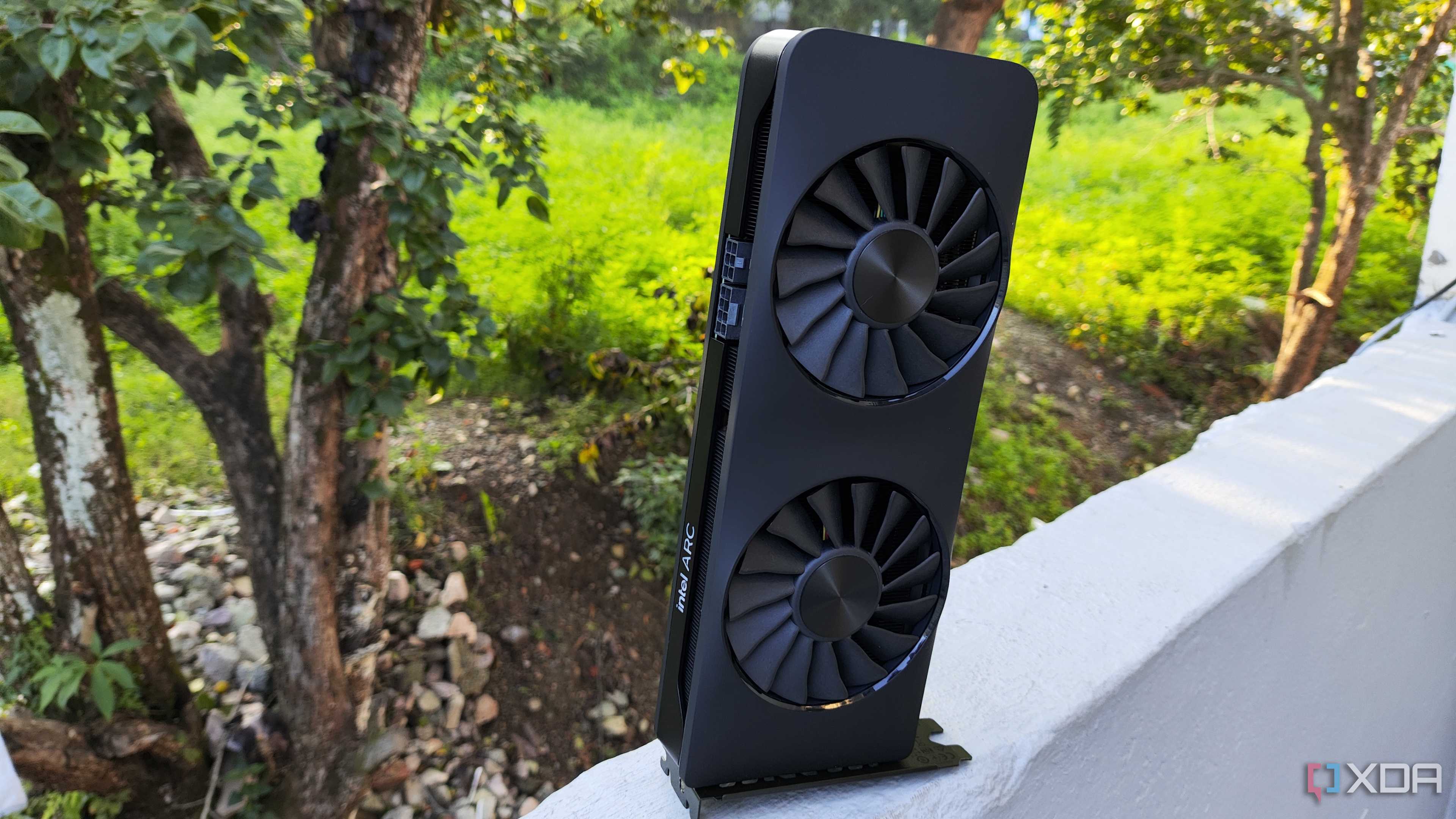
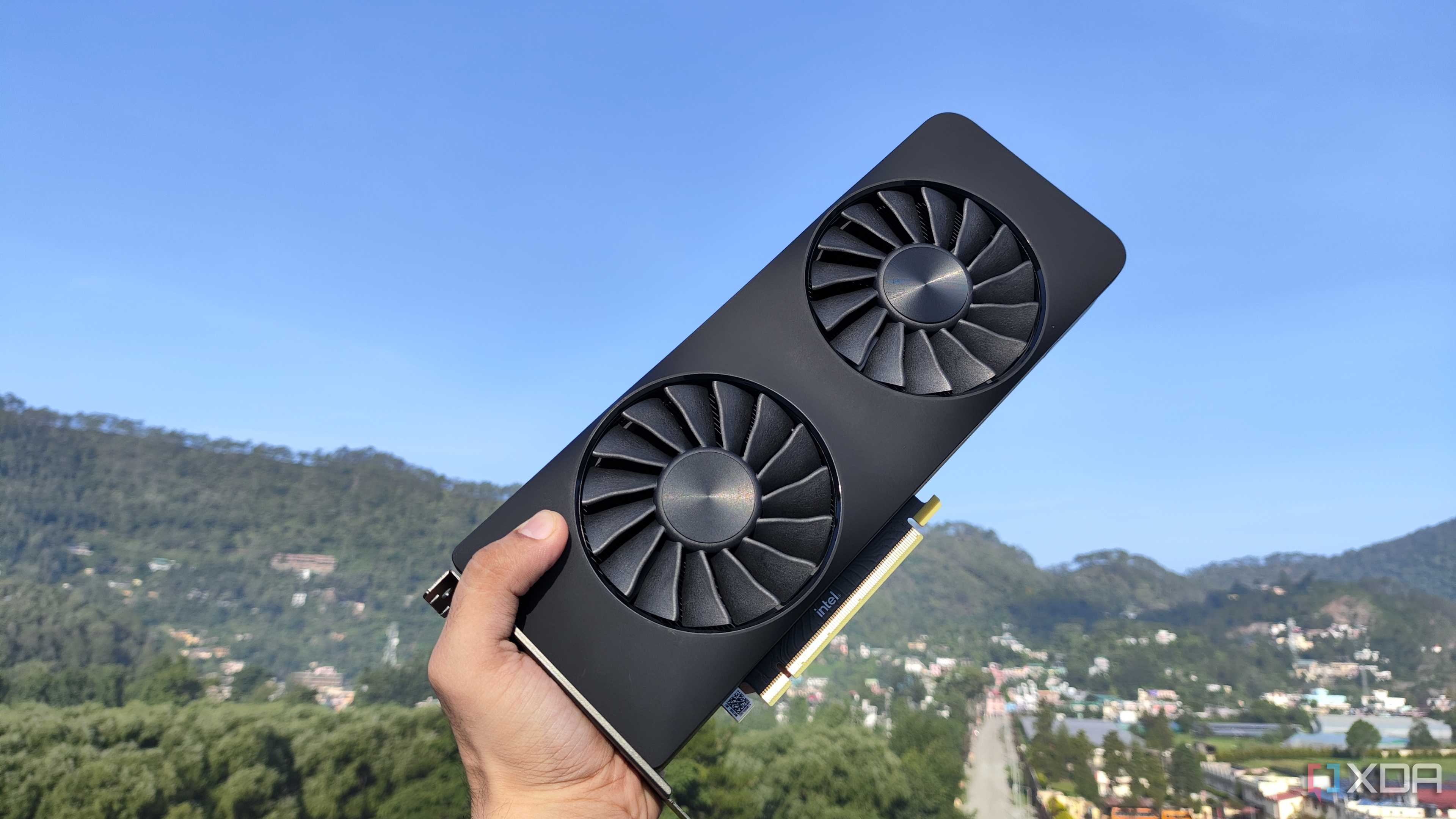
Among enthusiasts, journalists and tech YouTubers alike, the Intel Arc Series has garnered a substantial following, scripting what is shaping to be Team Blue's comeback story. Intel might be poised to shake up NVIDIA and AMD's duopoly in the GPU marketplace in the coming years.
What started as a rocky debut has gradually turned into one of the most surprising redemption arcs in recent PC hardware history. The Arc B580 feels less like just another release and more like a glimpse of what's ahead for Intel graphics, and all signs seem to suggest that the next wave of Arc GPUs could turn today's curiosity into tomorrow's genuine competition—much of it happening in the mid-range arena. Here's why the next Arc lineup might bring exactly what the GPU market needs.
Intel is bringing more competition in the budget-friendly range
Arc GPUs demonstrate excellent price-to-performance value


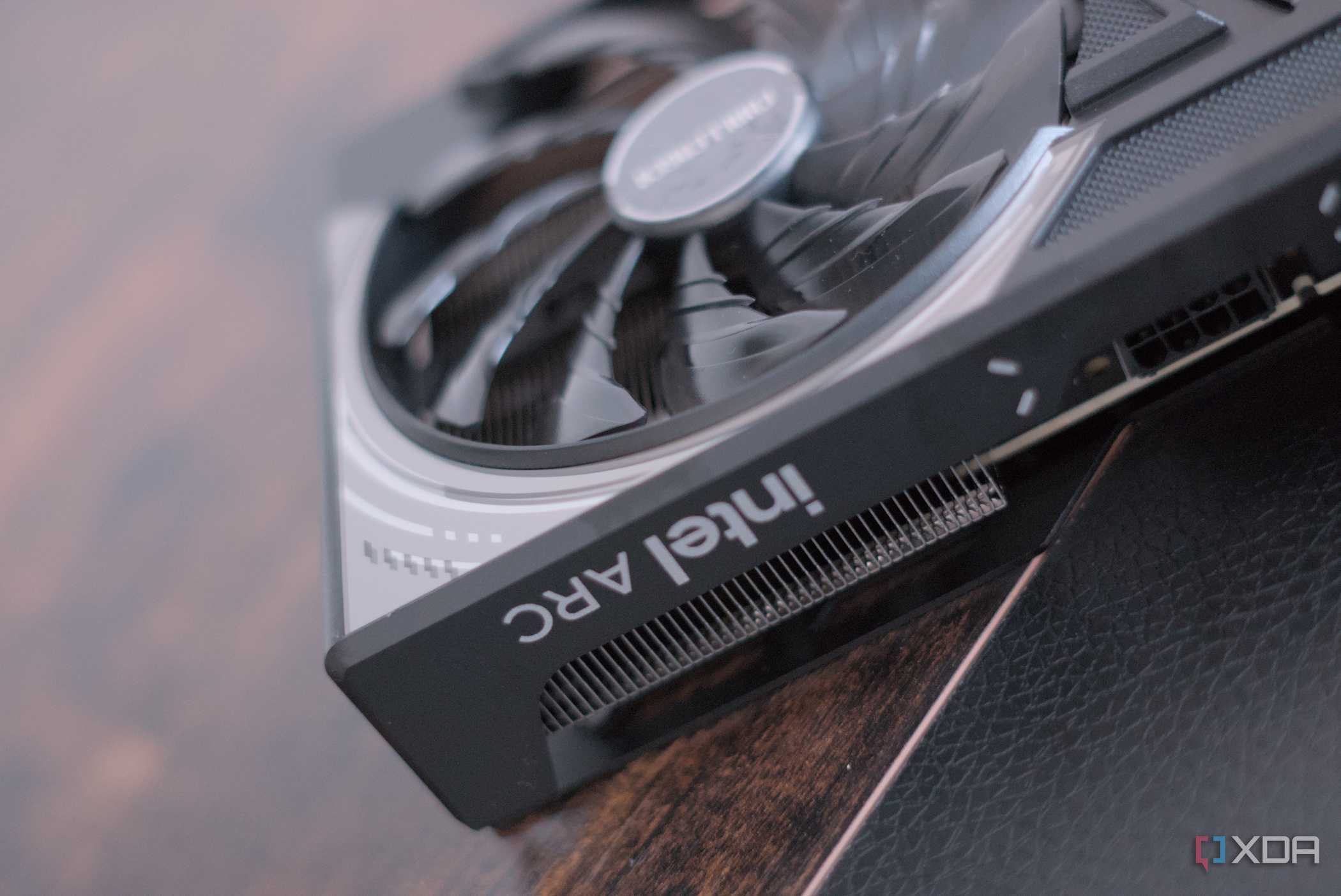
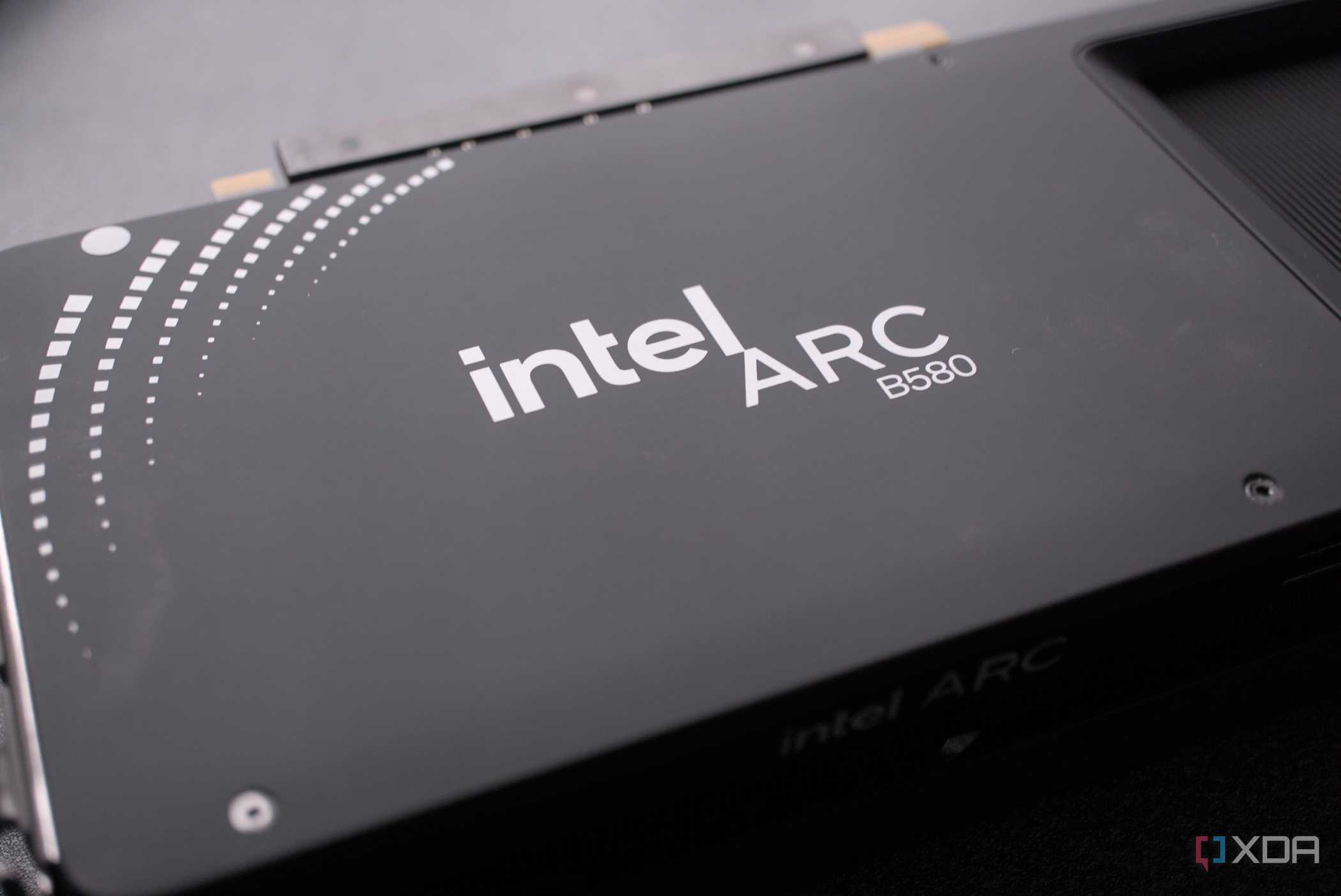
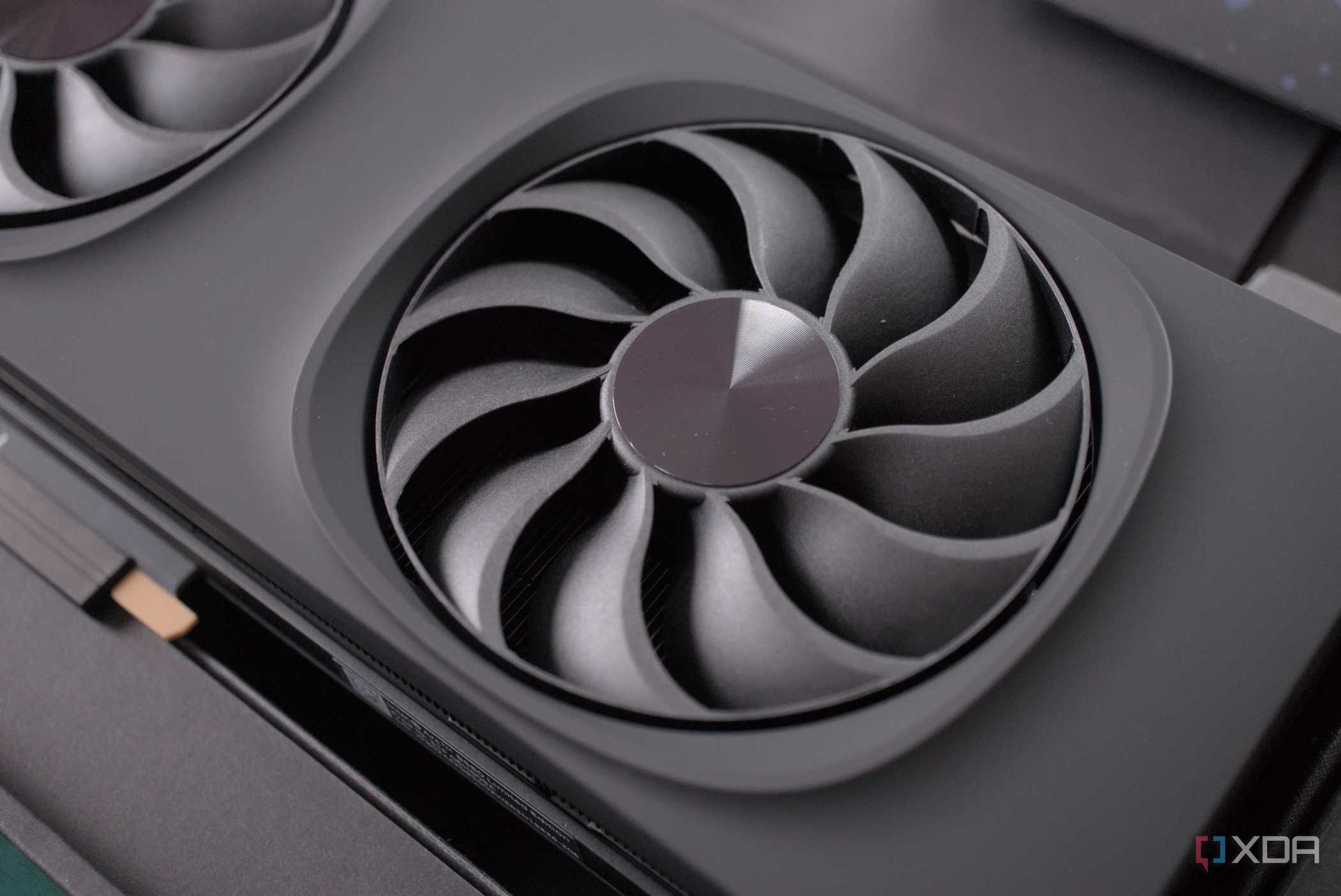
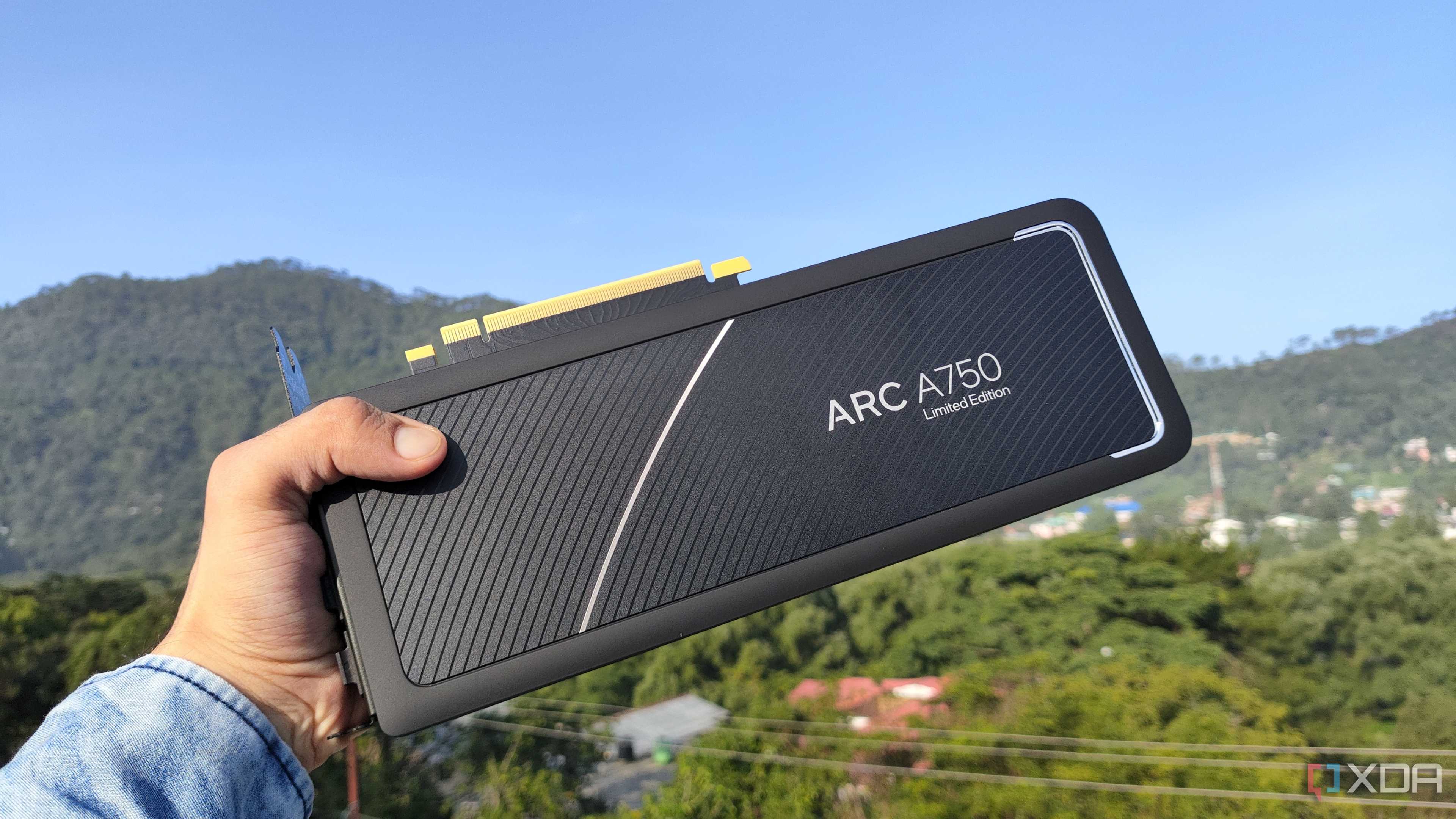

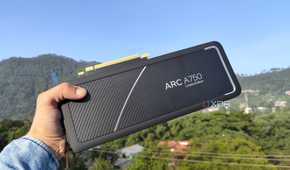
The Arc GPUs, including the A580 and the B580 sell for $179 and $249, indicating strongly that Intel is coming hard and strong for the budget-friendly GPU segment where price-to-performance is a key consideration for the majority of buyers. In this segment, the Arc lineup has delivered strong performance at 1080p and 1440p at a price point that undercuts NVIDIA's RTX 4060 and AMD's RX 7600. Arc seems to be offering more power per dollar without compromise, prompting many to consider Intel graphics a viable alternative after a long while. This segment carries particular appeal for users wanting to spend $500–$700 on a gaming tower at either 1080p or 1440p resolution without making huge compromises to graphical fidelity on AAA titles, deepening competition within the range.
Furthermore, the Arc lineup's generous VRAM allocations give them an edge in both increasingly memory-hungry games and creative workloads as well. The A770 ships with up to 16 GB of GDDR6 memory, comfortably ahead of similarly priced competitors. Not only does this wider buffer help sustain frame stability in demanding titles, but it also affords breathing room for emerging AI-assisted features that futureproof Arc's appeal for the budget-conscious and longevity-minded buyer. If Intel continues to maintain the strong value proposition in the mid-range segment, the Arc lineup may emerge as a likely disruptor, or at the very least, push its rivals into delivering similar value in the range. Either way, the consumer wins.
Software is catching up quickly
Team Blue is working overtime to take on DLSS and FSR

If the Arc hardware lineup signals Intel's determination to carve out its place in the market, its software advancements further prove that Team Blue isn't content to play catch-up for too long. The announcement of XeSS 3 featuring Multi-Frame Generation at Intel Tech Tour 2025 underlines a level of ambition that places Intel squarely in contention with NVIDIA's DLSS 4 and AMD's FSR 4 technology.
The chipmaker has confirmed that the upcoming super-resolution technology with MFG will be fully backward compatible with all XeSS 2 titles, which means that every game already supporting XeSS 2 will benefit from their latest software advancements, which instantly widens its impact. What's more striking is Intel's decision to bring XeSS 3 support to older Xe1 GPUs, which represents a refreshing departure from the industry trend of leaving first-generation hardware behind when introducing new frame-generation technologies.
Intel's hardware-agnostic development benefits all
Team Blue's open approach is a refreshing shift


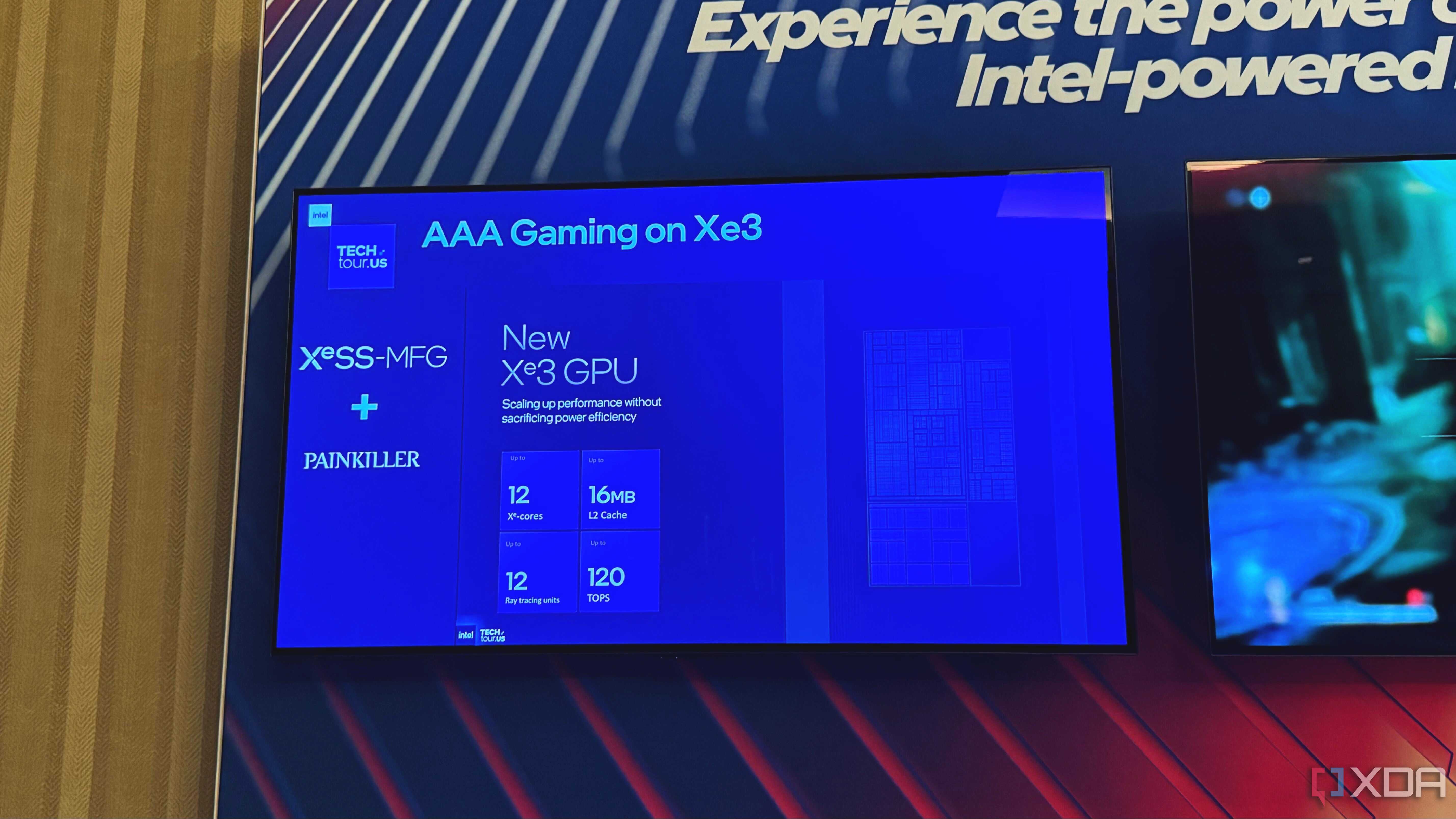
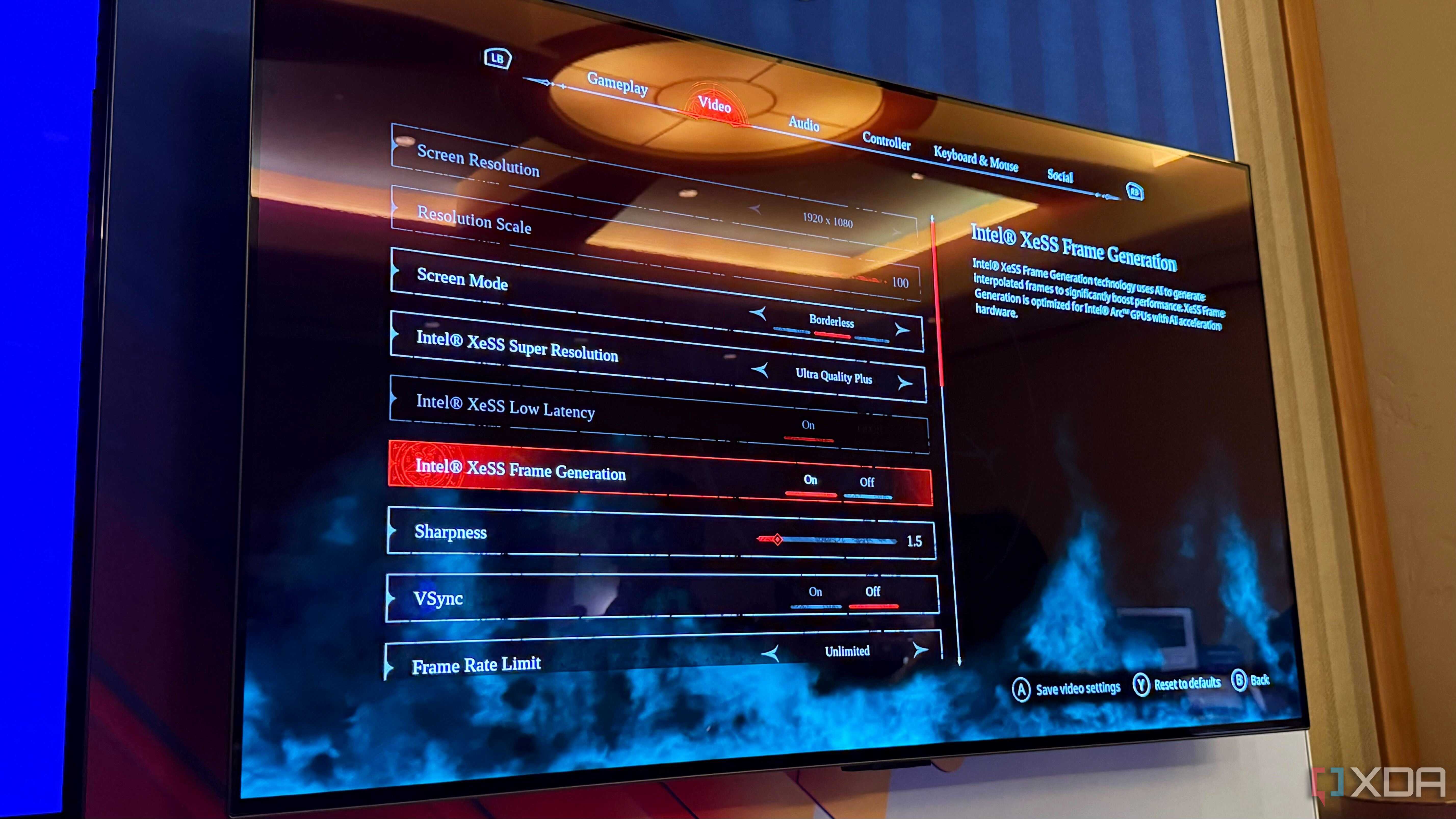
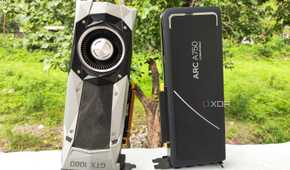
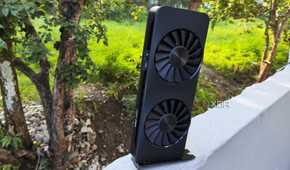
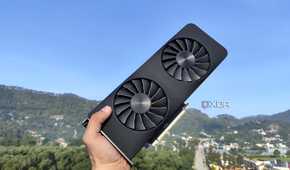
Intel has made the decision to extend support for XeSS Frame Generation (XeSS-FG) and Lossless Scaling beyond its proprietary GPUs, with XeSS 3 likely going hardware-agnostic as well. This means that, with the advent of the Celestial GPUs based on the Xe3P architecture, developer support for XeSS 3 is expected to deepen.
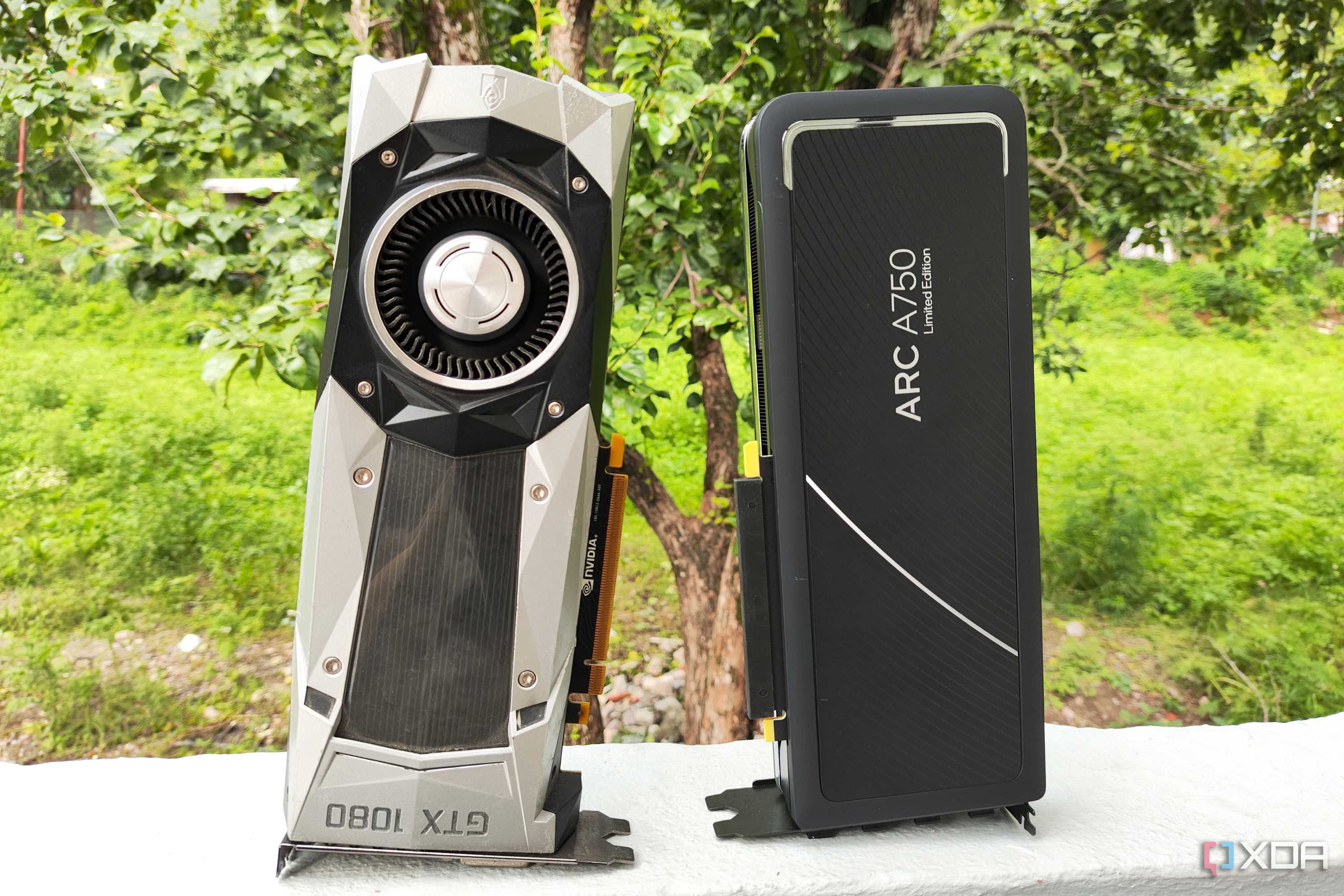
Intel's latest SDKs already enable super resolution and frame generation on non-Intel hardware that supports Shader Model 6.4, which includes NVIDIA's GTX 10-series GPUs. This is an important and timely development, given the fact that NVIDIA recently announced plans to end driver support for its Maxwell, Pascal and Volta GPUs.
Intel has nailed the fundamentals, but can it keep pace?
Team Blue may be far from achieving an appreciable share in the GPU market so far, but it is certainly charting all the right moves, as they must. They have brought fair pricing, accessible performance and, most importantly, open technology that is not locked into a specific ecosystem. On the hardware side, Arc has found its footing with competitive mid-range GPUs that offer impressive performance-per-dollar.
The Celestial generation of Arc is going to be a critical release for Intel to address its shortcomings, performance-per-watt and develop a strong ecosystem to support its hardware feats. Given the fact that Intel's discrete GPU share is minuscule, convincing developers and OEMs to prioritize Arc will demand a clear unique value proposition and capable silicon. Intel has shown it can deliver competitive products, but the next step is proving that it can reliably sustain them. If it can continue along this trajectory, the GPU market may finally gain the third pillar it has long been waiting for.
