


Summary
- Despite Lunar Lake, Intel is seeing stronger demand for older Raptor Lake systems.
- The Intel 7 node is seeing production shortages due to increased demand.
- AI PCs powered by Meteor Lake and Lunar Lake are more expensive, leading buyers to Raptor Lake, according to Intel.
Intel has tried to position itself at the forefront of the AI PC revolution, but based on the company's latest financial report, it looks like that revolution isn't happening yet. Despite offering dozens of AI-enabled PCs packing a Meteor Lake, Lunar Lake, or even more recently, Arrow Lake, CPU, Intel says that its older generations are seeing "much greater demand," as reported by Tom's Hardware.
Raptor Lake continues to be a barn burner
The AI PC trend hasn't caught on for Intel, however


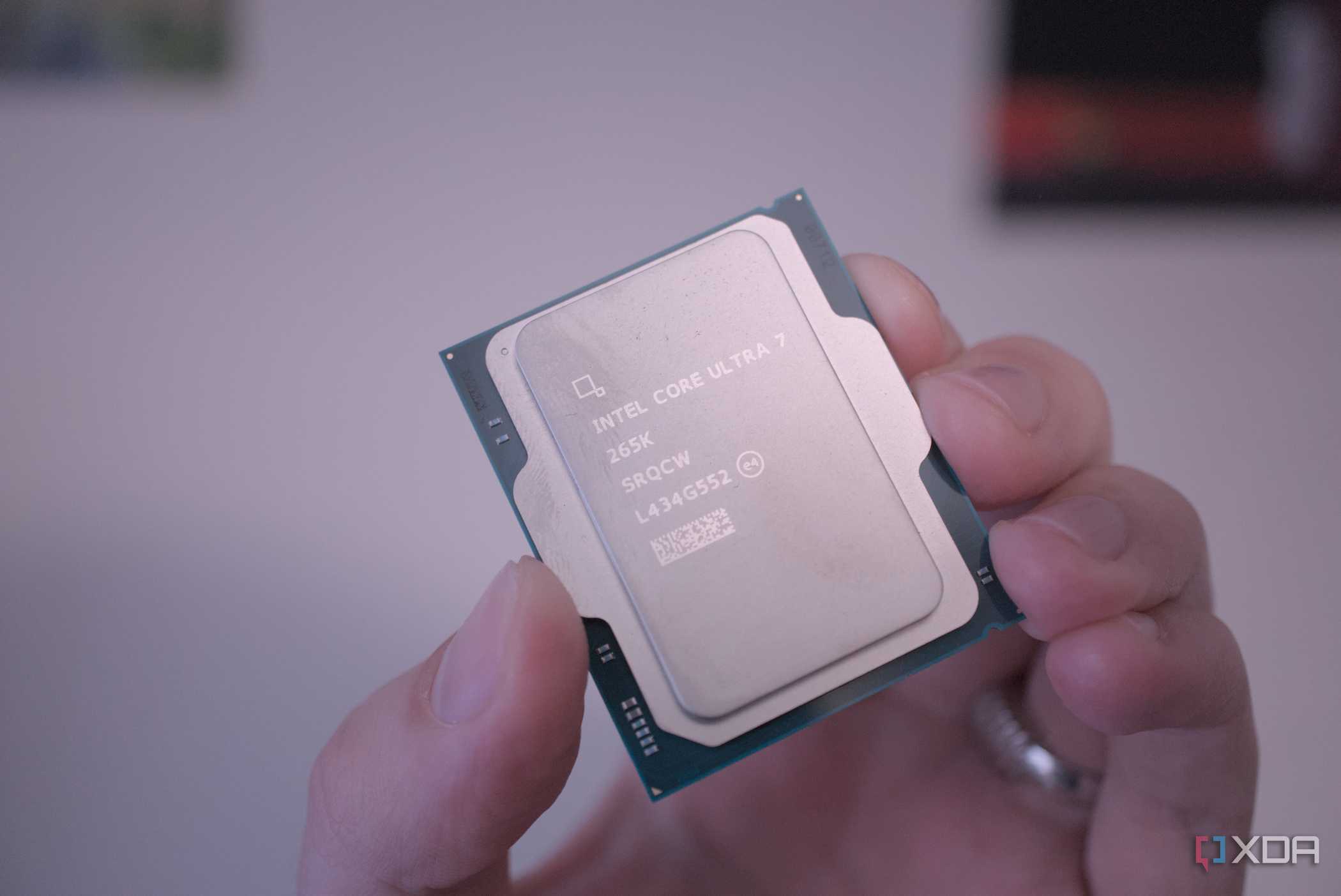
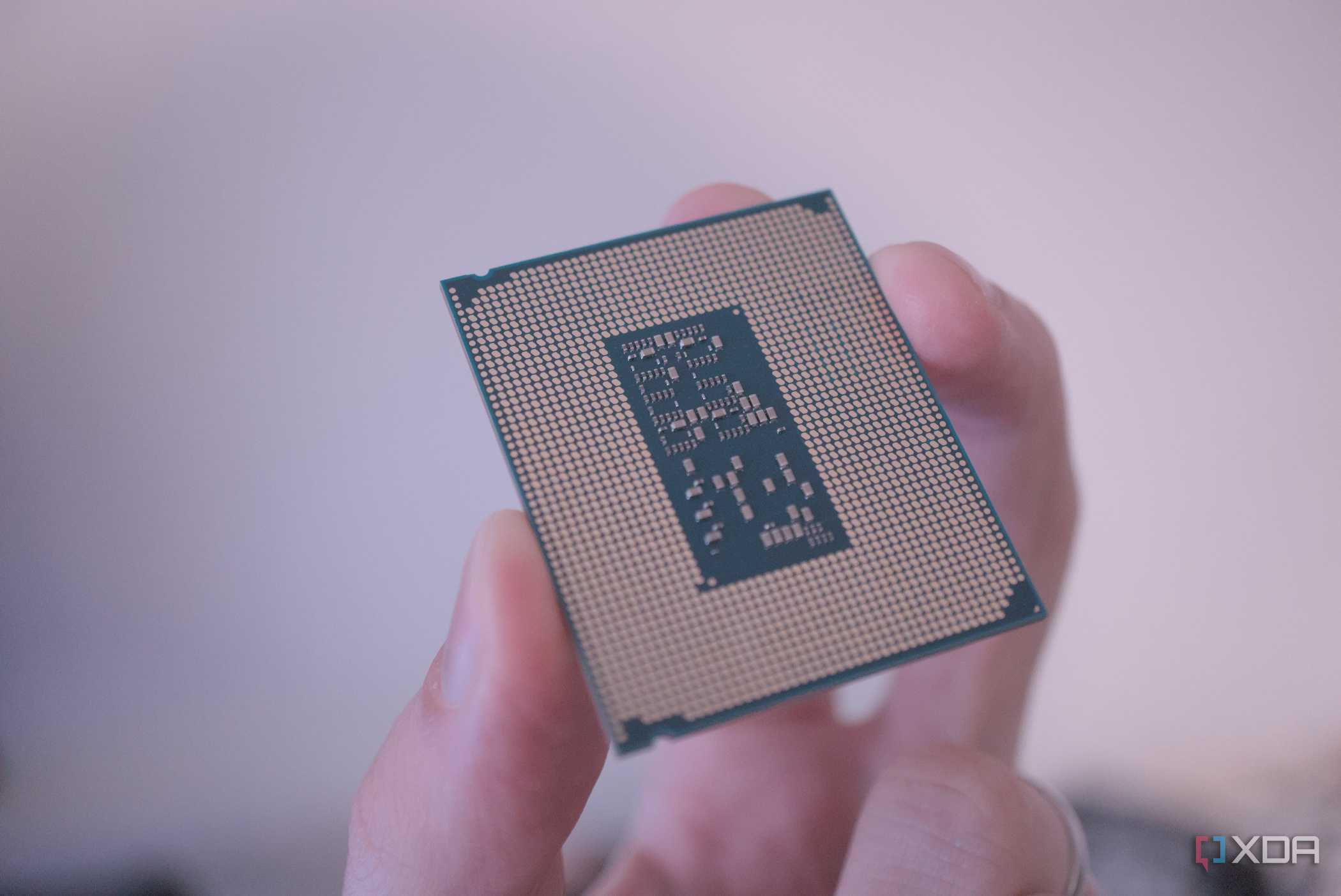
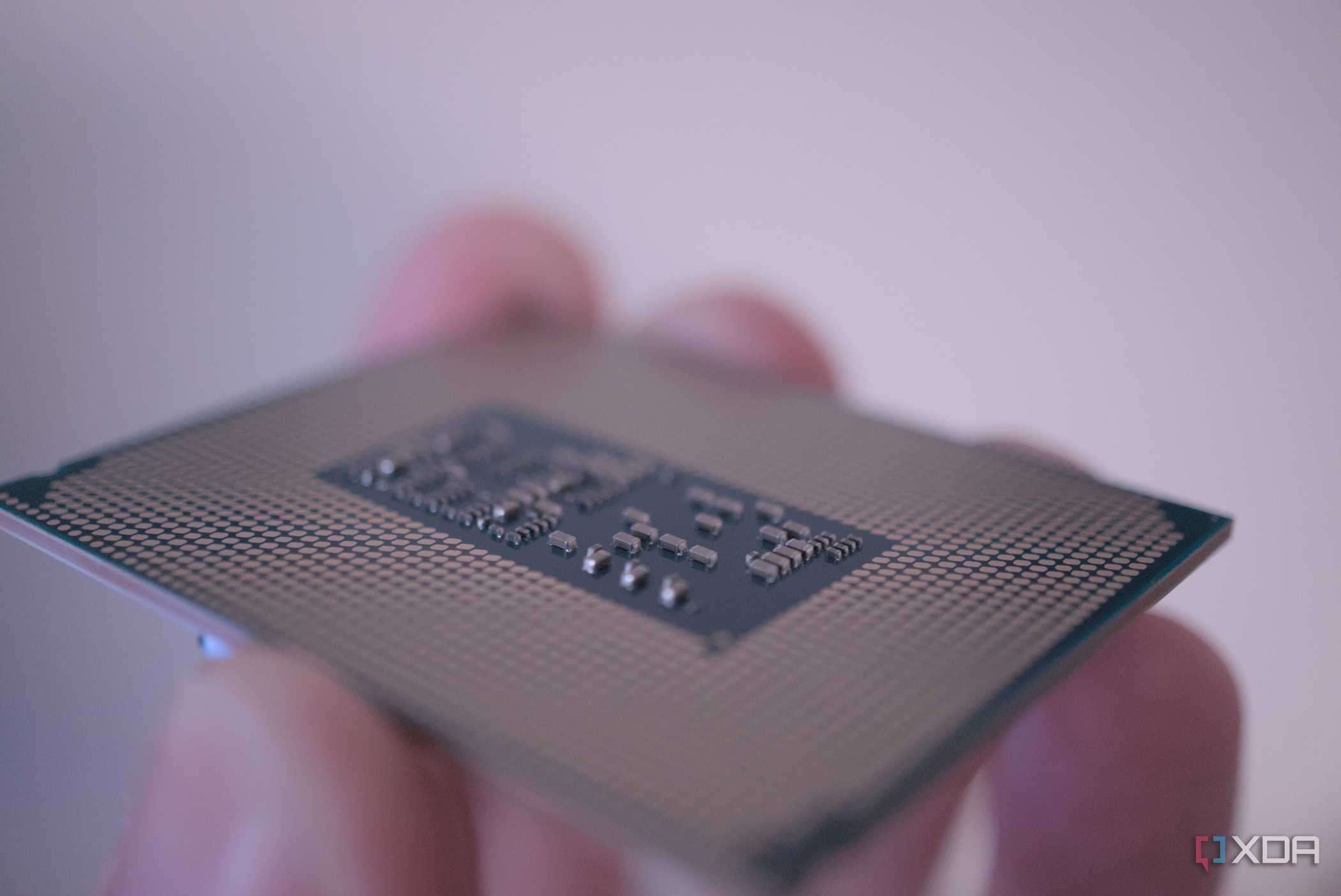
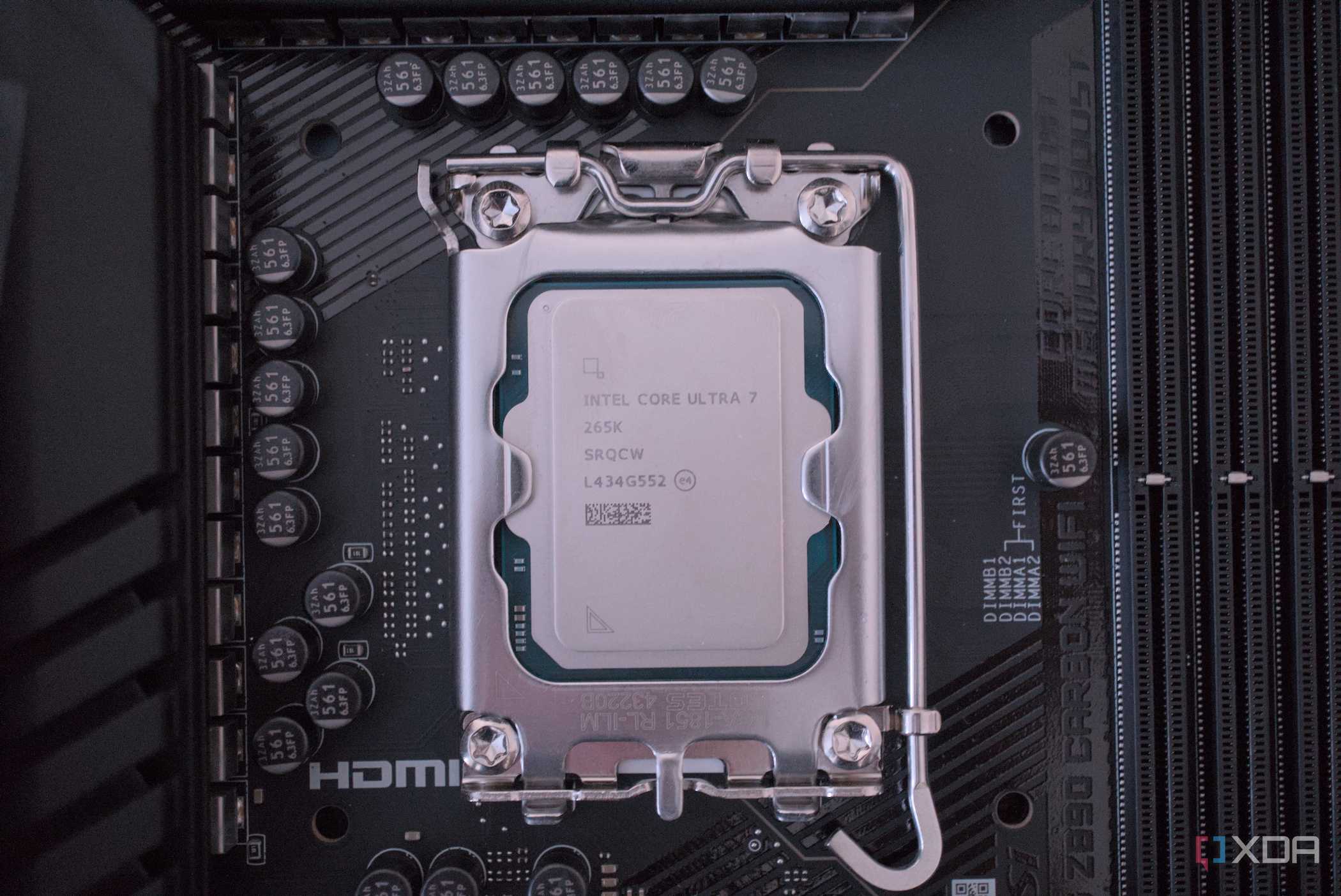

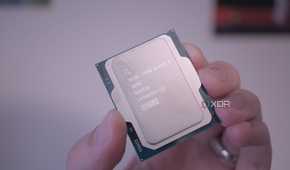
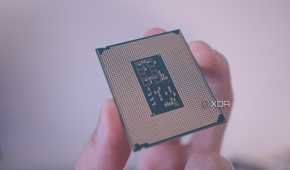
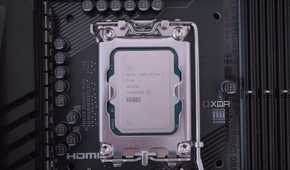
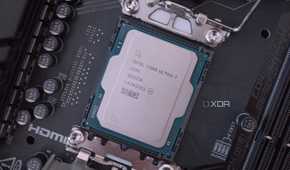
"What we're really seeing is much greater demand from our customers for n-1 and n-2 products so that they can continue to deliver system price points that consumers are really demanding," said Intel's Michelle Johnston Holthaus. The response is in reference to a shortage of production capacity on the Intel 7 node, which was introduced with Alder Lake (12th-gen) CPUs and served as the foundation of Raptor Lake (13th-gen) CPUs, as well. The reference to n-1 and n-2 is Holthaus talking about previous generations, and Tom's Hardware reports that the increased demand for Raptor Lake chips is occurring across both the consumer and data center markets.
It makes sense that adoption isn't picking up. Although cutting-edge Lunar Lake laptops like the Lenovo Yoga Slim 9i are excellent, they're also expensive. According to Holthaus, the extra cost of a Meteor Lake or Lunar Lake laptop doesn't make sense for a lot of people. "Meteor Lake and Lunar Lake are great, but come with a much higher cost structure, not only for us, but at the system ASP price points for our OEMs as well."
The trend mainly concerns laptops, where Intel not only has direct sales through OEMs, but also large orders placed by businesses interested in refreshing a fleet of units. On the desktop front, it's hard to say where Intel stands. However, there's a good chance older generations are still seeing stronger sales. Recent Arrow Lake CPUs like the Core Ultra 9 285K and Core Ultra 7 265K offer great efficiency, but they are sometimes even slower than 13th-gen and 14th-gen CPUs when it comes to gaming.
Intel has been in somewhat of a free fall financially for the past year. The company's former ousted CEO Pat Gelsinger has been replaced by Lip-Bu Tan, a successful venture capitalist who previously served on Intel's board. In the only public keynote since taking the reins, Tan made it clear that Intel needs to turn things around, saying "you deserve better" to customers.
